Best Plants for Curb Appeal: 10 Pro Picks
Ten curb-appeal plants real estate pros notice first—plus where to place them, zones, skip-if rules, and staging timelines that actually work.
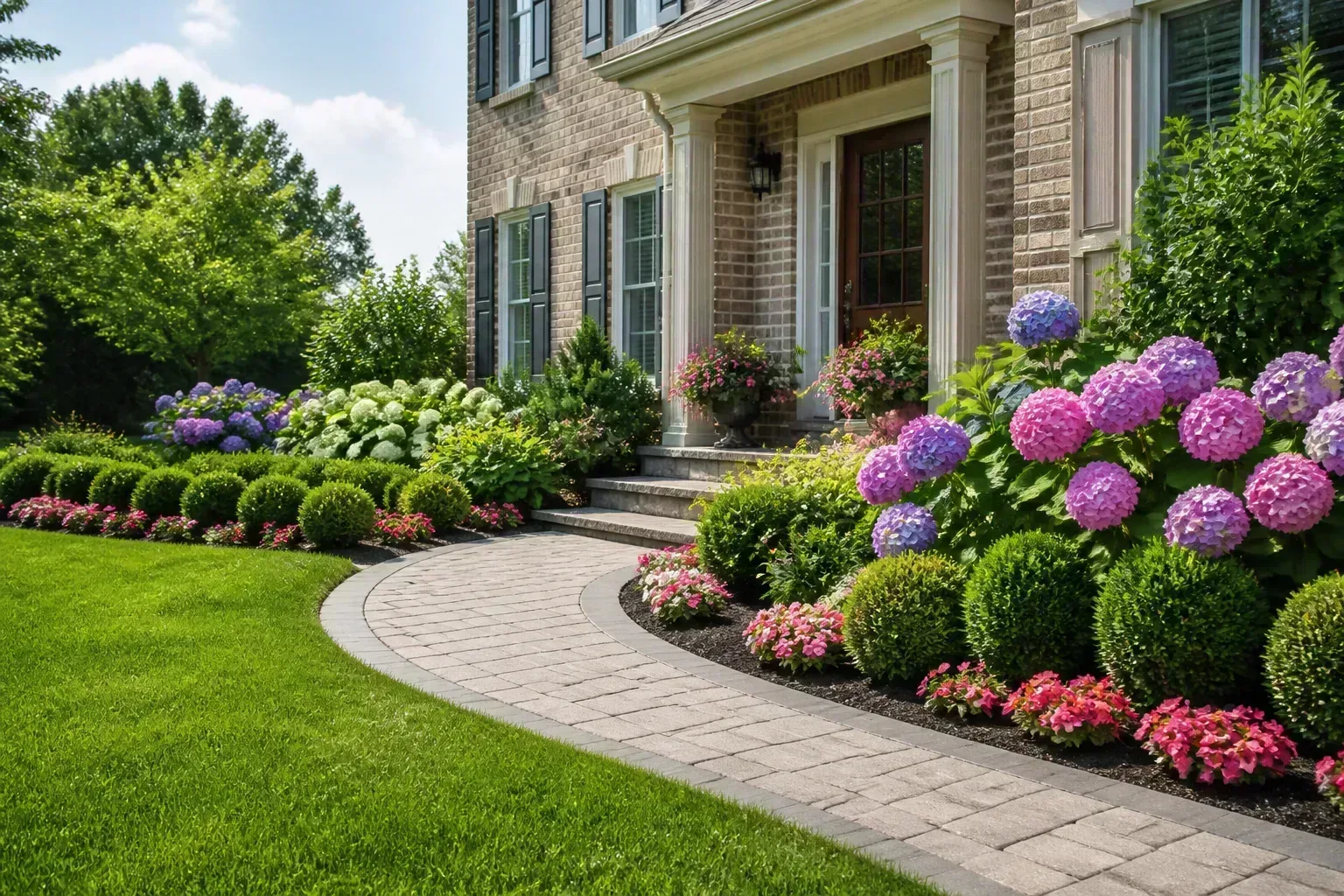
The right plants for curb appeal do more than add color—they tell buyers the house is cared for before anyone opens the front door. Real estate professionals consistently notice tidy edges, healthy foundation plantings, and seasonal flowers that read intentional rather than accidental. Research in the Journal of Real Estate Finance and Economics has linked strong curb appeal to measurable home-value premiums in some markets, and industry surveys suggest well-designed landscaping can influence buyer perception significantly. None of that means a flat of petunias guarantees a higher offer, but strategic planting removes friction from the first showing.
This guide covers ten plants agents and landscapers repeatedly recommend, with the details thin listicles usually skip: where each plant belongs, which USDA zones it suits, when to skip it, and how much lead time you need before listing.
What good front-yard planting signals to buyers
Buyers scan the exterior in seconds. They are not botanists—they are pattern-matching for maintenance level, scale, and coherence. Overgrown shrubs swallowing windows signal deferred work. Crispy lawn edges and empty mulch rings signal neglect. A clean walk, defined beds, and plants sized to the house signal that the interior might be equally cared for.
The RHS front garden design guide emphasizes that front gardens set the tone for the entire property: structure first, then seasonal color. That matches what staging pros see in practice—evergreen bones and neat hardscape matter as much as blooms. A 2023 National Association of Realtors remodeling impact report found that standard lawn and landscape maintenance projects scored among the highest joy and perceived value ratings for exterior improvements, especially when results look neat and low-effort to maintain.
Curb appeal plants work when they reinforce three signals: proportion (plants fit the façade), health (no bare patches or flopping stems), and seasonality (something looks alive in the month you list). Flowers help, but structure wins in November and February.
How to choose curb appeal plants that actually work
Before you fall for a nursery photo, run your yard through a short filter. The best plant on a magazine cover is the wrong plant if it needs six hours of sun in your north-facing bed.
Match mature size to your façade
Always shop using mature width and height, not the tag on a one-gallon pot. A shrub labeled “fast growing” can block a window in three seasons. As a starting rule, place the center of a shrub at least half its mature width from the foundation, then add 12–18 inches for airflow and maintenance access. A 5-foot-wide hydrangea belongs roughly 3.5–4 feet from the wall before you account for the walkway.
Low ranch homes need lower profiles—repeat dwarf cultivars rather than one towering specimen. Two-story colonials can carry taller vertical accents near corners without feeling top-heavy.
Read sun, soil, and water before color
Walk the front yard at 9 a.m., noon, and 4 p.m. on a sunny day. Label beds as full sun (six or more hours of direct light), part shade, or deep shade. Match plants to those labels before worrying about bloom color. Check your USDA hardiness zone so you are not planting marginally hardy shrubs the winter before a sale.
Clay soil that holds water punishes lavender and rewards hostas. Sandy slopes dry out fast—ornamental grasses and lantana handle that better than thirsty annuals without irrigation. If drainage is poor, fix grading or choose wet-tolerant plants before buying color.
Where to place plants for maximum impact
Placement beats variety. Three well-placed plants photograph better than twelve scattered singles.
Foundation beds and walkway edges
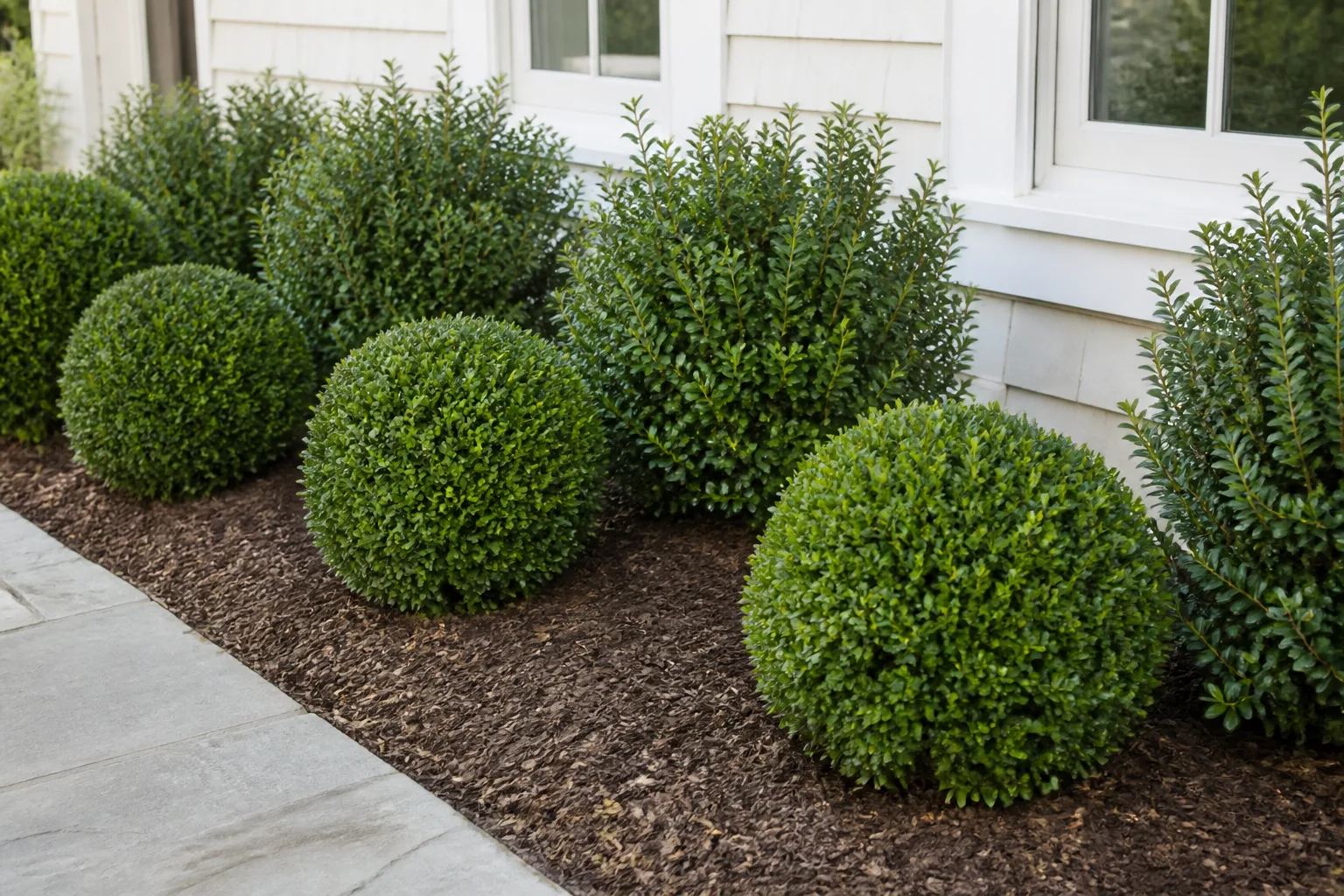
Foundation planting frames the house without hiding architecture. Use taller shrubs or ornamental grasses near corners and entries, medium shrubs along blank wall sections, and lower edging plants along walks. Keep tree canopies clear of rooflines and power lines—the RHS recommends leaving visual access to the front door as the clearest path on the property.
Walkway borders should stay below knee height so stems do not brush visitors. Repeat one plant in groups of three or five rather than alternating species every two feet—repetition reads designed; chaos reads accidental.
Containers, window boxes, and the front door
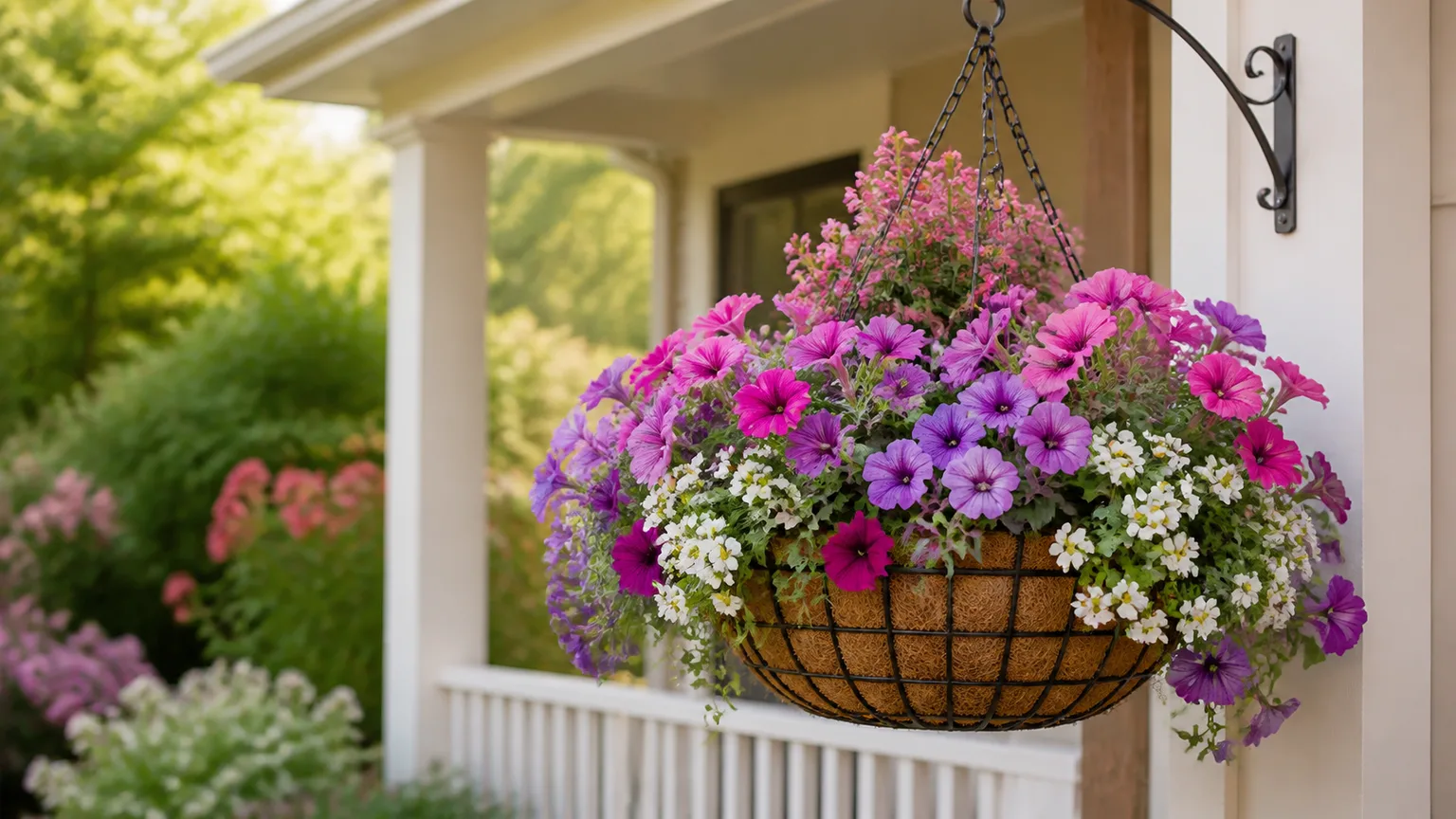
Containers are the fastest curb-appeal upgrade. Group odd numbers (one large pot or three medium ones) flanking the door, using the thrill-fill-spill formula: one upright focal plant, mounding fillers, and trailing edges. Match pot color to trim or hardware for cohesion. Water containers daily in summer heat—they dry out faster than in-ground beds and nothing undoes staging faster than crispy window boxes.
Timing: staging for a sale vs planting for the long haul
Match your plant strategy to your timeline:
Listing in two to four weeks: Buy mature annuals and pre-filled containers. Deadhead, mulch, and edge existing beds. Do not dig major new shrubs.
Listing this season (8–16 weeks): Plant annuals, divide daylilies, add ornamental grasses, and refresh mulch. Skip slow-establishing hedges unless you irrigate religiously.
Listing next year or staying long-term: Plant boxwood, lilacs, hydrangeas, and structural grasses in spring or early fall. Root establishment takes a full growing season before plants look effortless.
Honest expectation-setting matters. Mature trees and full boxwood hedges read as valuable partly because they took years to develop—you cannot shortcut that with a weekend nursery run.
Hydrangeas: big blooms without high maintenance
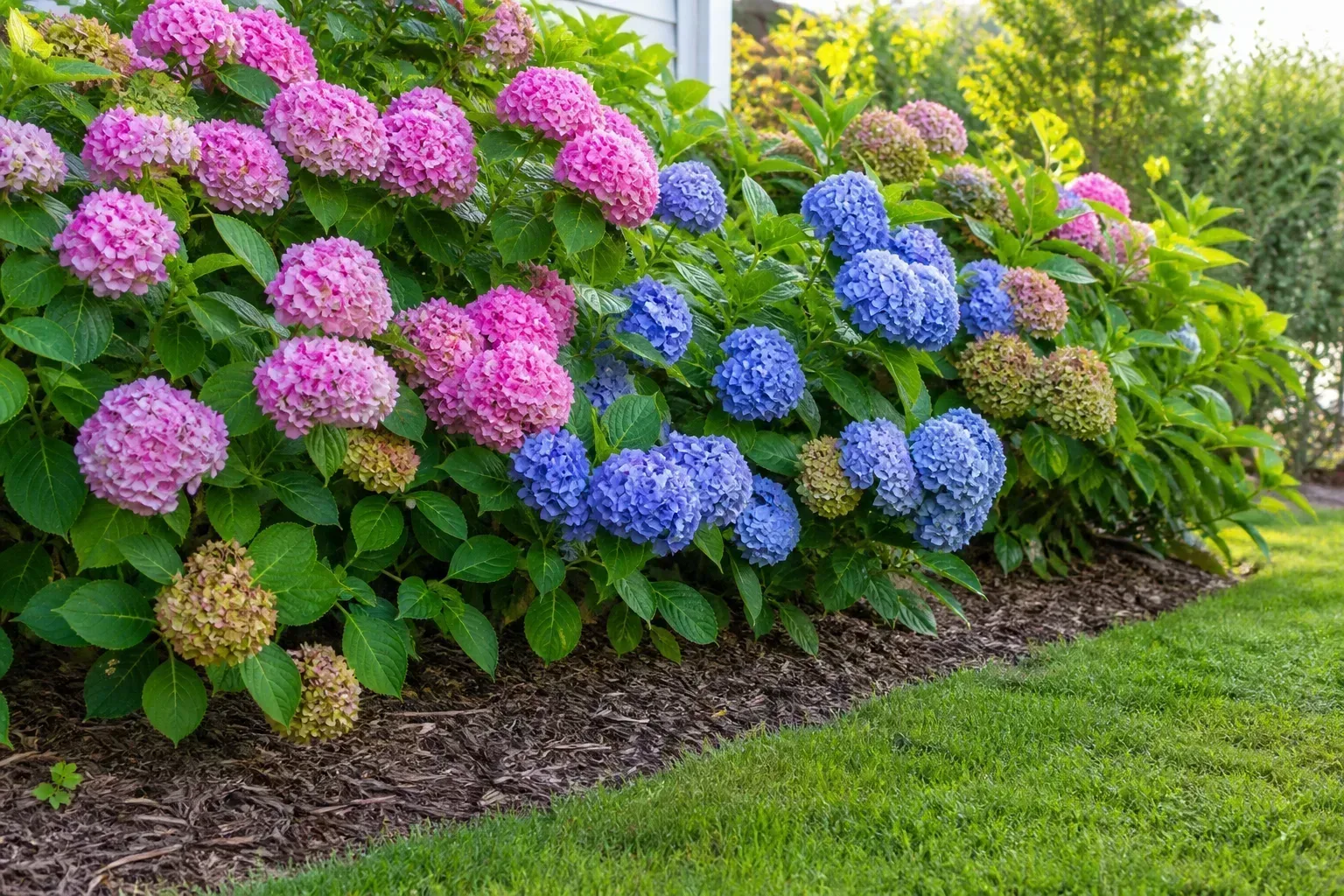
Hydrangeas are the poster shrub for curb appeal: large flower heads visible from the street, long bloom season, and a polished look that suits both traditional and modern façades. Panicle types (Hydrangea paniculata) tolerate more sun and cold; bigleaf types (H. macrophylla) need afternoon shade in hot climates and bloom color shifts with soil pH.
Place hydrangeas in part sun—morning light with afternoon protection in Zones 7–9. Use them as corner anchors or grouped along porch foundations where blooms frame the entry. Reblooming cultivars extend color into late summer, which helps autumn listings.
Skip if: Your bed is blasting south-west sun all day (expect wilt unless you choose panicle types), or you refuse to water the first establishment year.
Zones: Generally 3–9 depending on species; confirm the tag.
The Missouri Botanical Garden notes hydrangeas prefer moist, well-drained soil rich in organic matter—mulch 2–3 inches deep and avoid letting roots bake in reflected heat off siding. Prune according to type: panicle hydrangeas bloom on new wood; many bigleaf types bloom on old wood and need careful timing. See our hydrangea revival guide if established shrubs look stressed before showings.
Daylilies: reliable color along paths
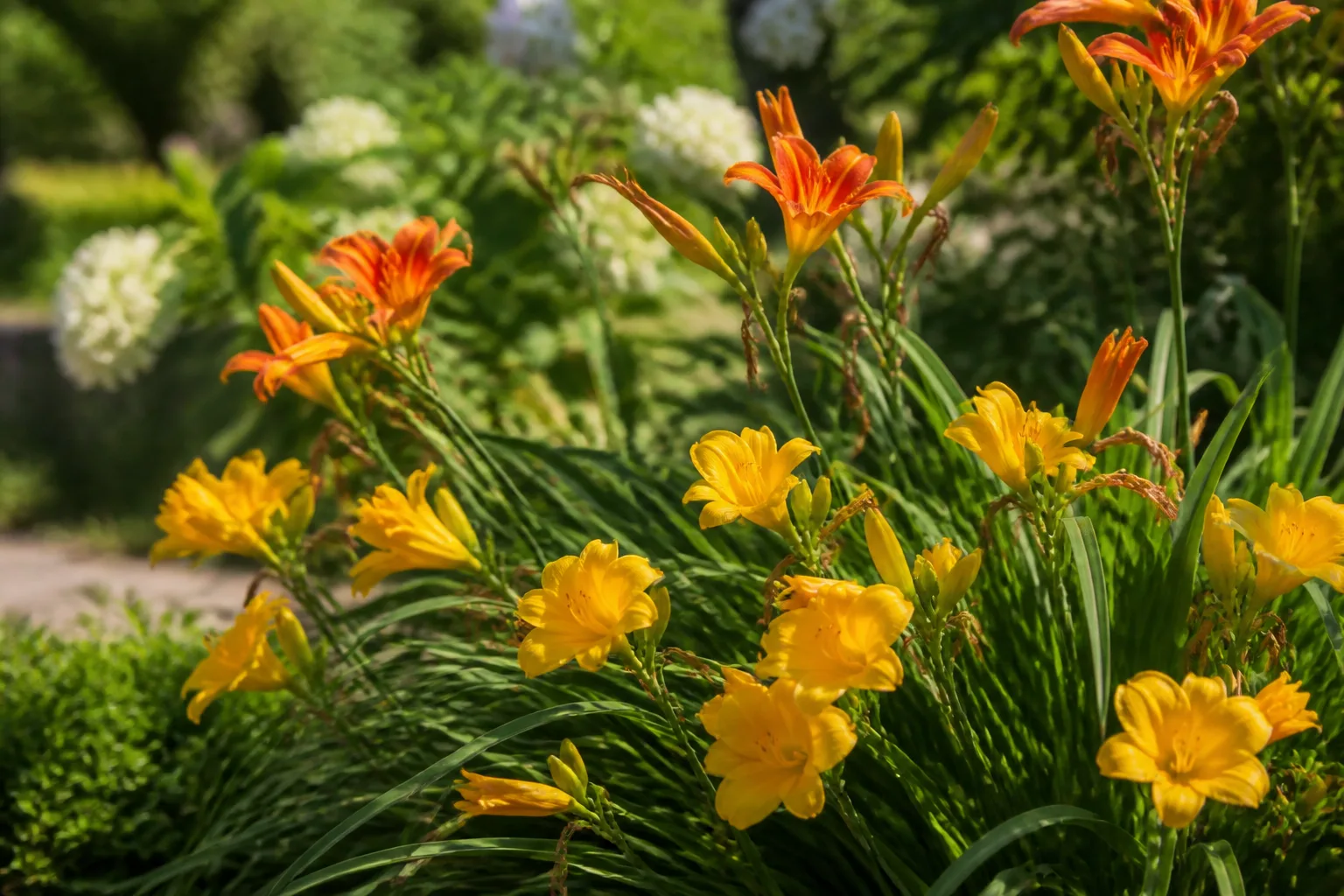
Daylilies (Hemerocallis) deliver weeks of trumpet-shaped blooms with minimal fuss. Each flower lasts one day, but stems produce many buds in succession—exactly the kind of long-lasting color agents want along walkways and mailbox beds.
Plant in full sun to light shade in well-drained soil. Mass the same cultivar in drifts of five or more for impact from the curb. Daylilies tolerate drought once established, divide easily, and recover from transplant shock faster than woody shrubs—ideal if you are improving beds mid-season.
Skip if: Deer are heavy in your area unless you protect new growth, or you need evergreen winter structure (daylily foliage dies back in cold climates).
Zones: 3–9 for most cultivars.
Deadhead spent flowers if you want a tidier look before open houses—our daylily deadheading guide explains when it helps rebloom versus when it is cosmetic only.
Lavender: scent and drought-wise polish
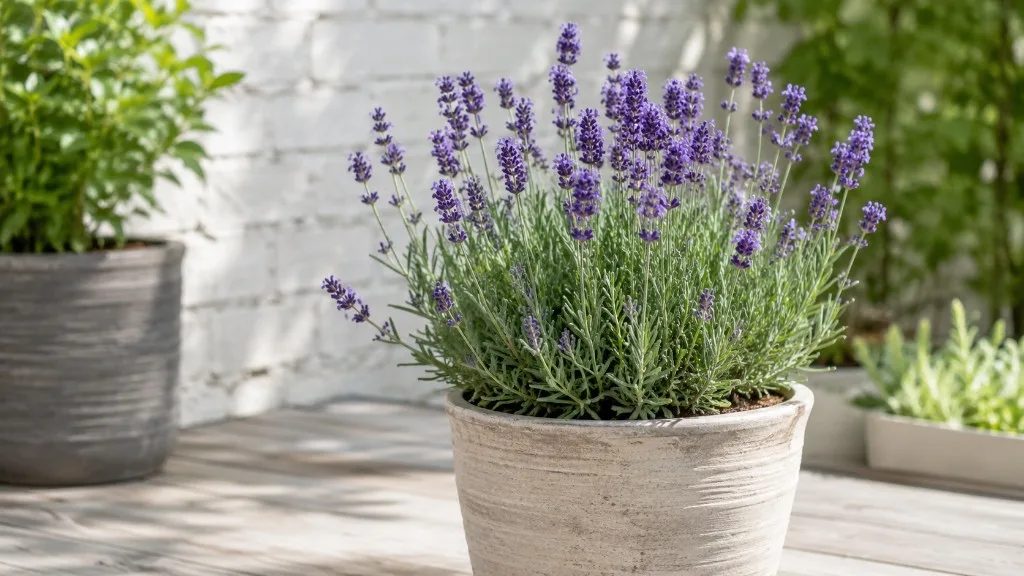
Lavender adds silver foliage, purple spikes, and fragrance along paths where buyers walk slowly. In water-conscious markets, drought-tolerant front yards signal lower maintenance bills—a perception landscape industry surveys tie to buyer interest in resilient planting.
Plant English or hybrid lavenders in full sun on sharp drainage—raised beds, gravel strips, or sandy soil amended lightly with compost, never heavy clay. Space plants so air circulates; humidity without drainage causes root rot. Trim lightly after bloom to keep mounds compact.
Skip if: Your soil stays wet, you are in humid Gulf Coast summers without excellent drainage, or you want lush tropical color (lavender reads Mediterranean, not tropical).
Zones: 5–10 depending on species; Lavandula angustifolia is hardier than some Spanish types.
For detailed care, see our lavender hub.
Ornamental grasses: movement and winter structure
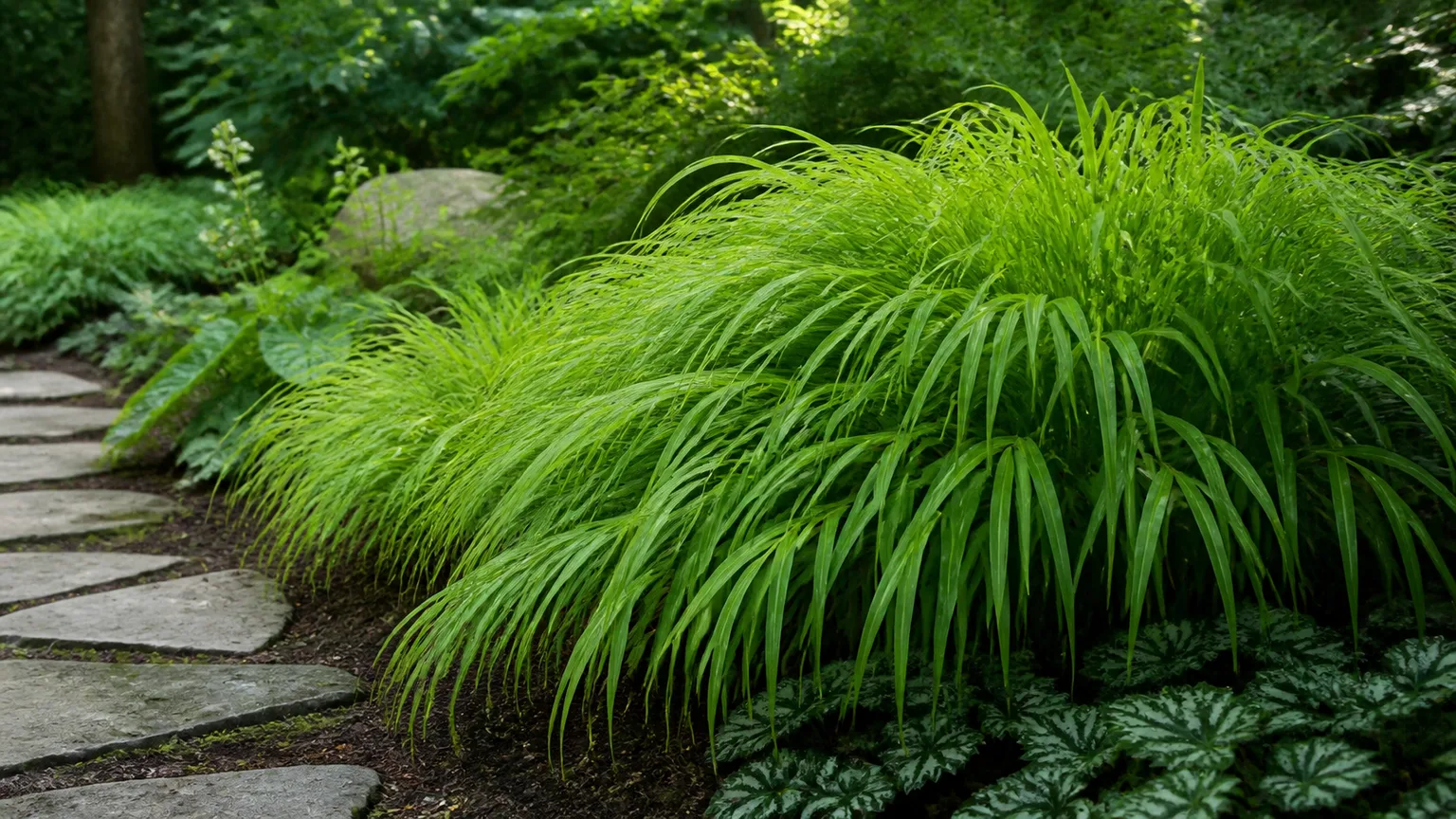
Ornamental grasses add height, texture, and winter presence when annual flowers are gone. Feather reed grass (Calamagrostis), fountain grass (Pennisetum), and miscanthus create soft screens without the formality of sheared hedges. Their swaying plumes catch light and make small yards feel designed.
Use tall grasses to soften garage corners, mask utility boxes (check code clearances), or define property edges. Lower sedges and carex work as edging where you want grass-like texture without mowing.
Skip if: Your HOA bans tall grasses, you dislike cutting back dead foliage each spring, or you choose invasive miscanthus cultivars banned in your state—verify local lists before planting.
Zones: 4–10 depending on species; many are perennial in temperate climates.
Try containers first if you are unsure about scale—grasses in pots near the entry let you test height before committing to in-ground planting.
Boxwood: evergreen structure that reads tidy
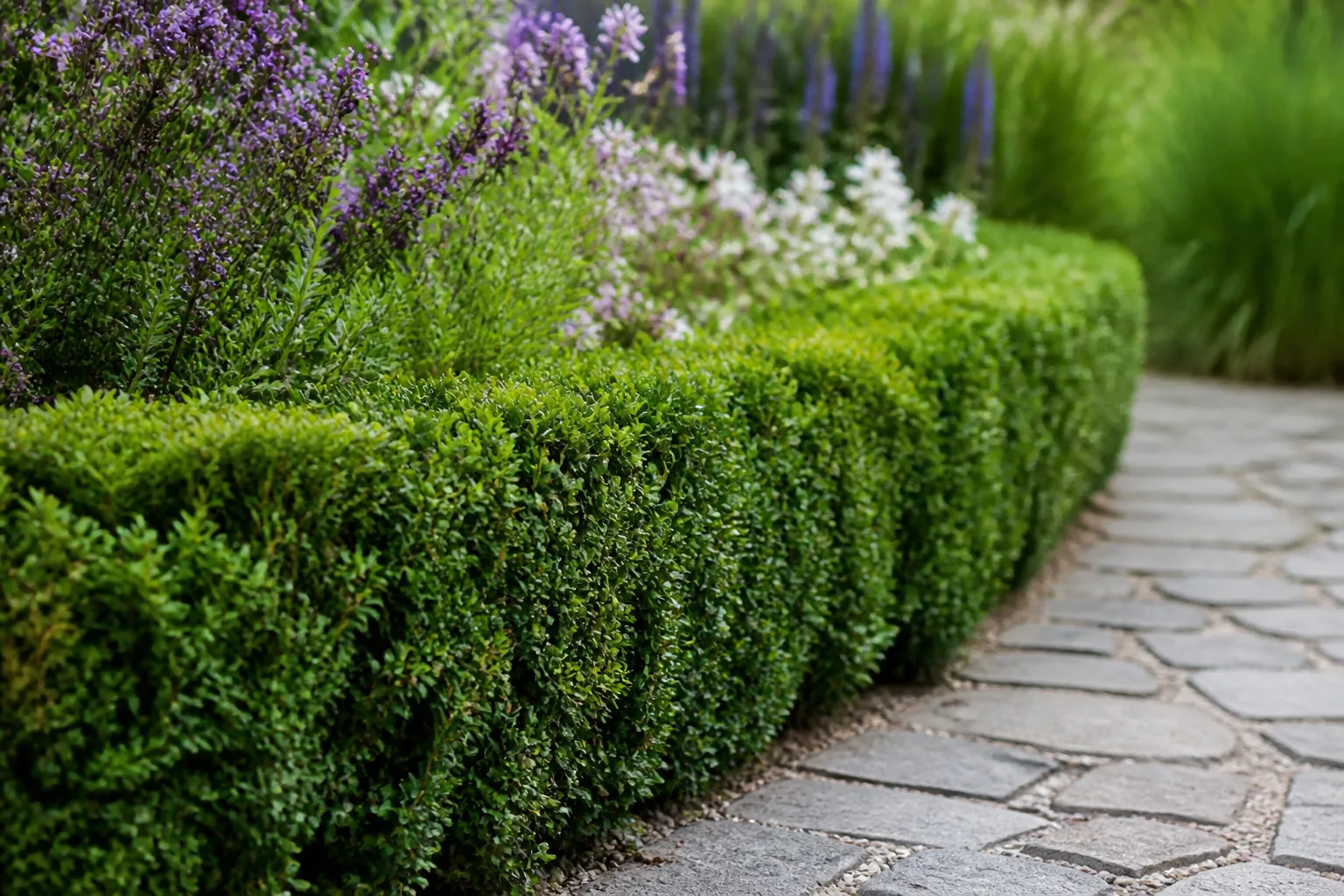
Boxwood is the evergreen shorthand for “this yard is maintained.” Low hedges along walks, clipped spheres flanking doors, and rectangular foundation blocks give order year-round—critical for winter listings when deciduous plants are bare.
Choose cultivars by mature size: ‘Green Velvet’ and similar stay compact; avoid species that want to become 8-foot walls unless you have space and time to shear. Plant in spring or early fall, water deeply weekly the first year, and mulch without piling against stems.
Skip if: You need instant impact for a listing next month—boxwood looks sparse until roots establish. Also skip in areas with active boxwood blight unless you select resistant cultivars and accept monitoring.
Zones: 5–9 for most Buxus used in landscaping.
Boxwood pairs well with flowering shrubs inside the bed—structure on the outside, color behind. For more evergreen options, see our shrubs for curb appeal guide.
Petunias: fast color for staging season
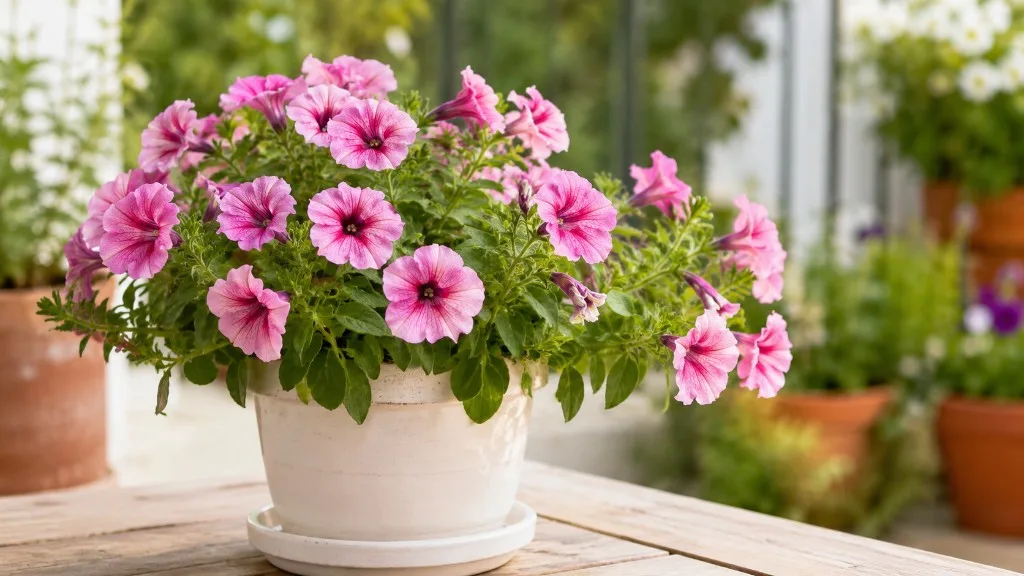
Petunias are the staging workhorse: inexpensive, widely available, and loud in color from spring through frost. Realtors love them because you can transform bare mulch into a photographed bed in an afternoon.
Plant in full sun in rich, well-drained soil or use premium potting mix in containers. Space according to tag—overcrowding invites mildew. Fertilize lightly every two weeks in containers; in-ground beds need less if soil was amended.
Skip if: Your front bed is shady (use impatiens or begonias instead) or you are planting for a multi-year landscape without replanting—petunias are annuals in most climates.
Zones: Grown as annuals north of Zone 10; perennials in frost-free areas.
See our petunia care hub for watering and pest tips during hot listing weeks.
Lantana: heat-tolerant color in warm climates
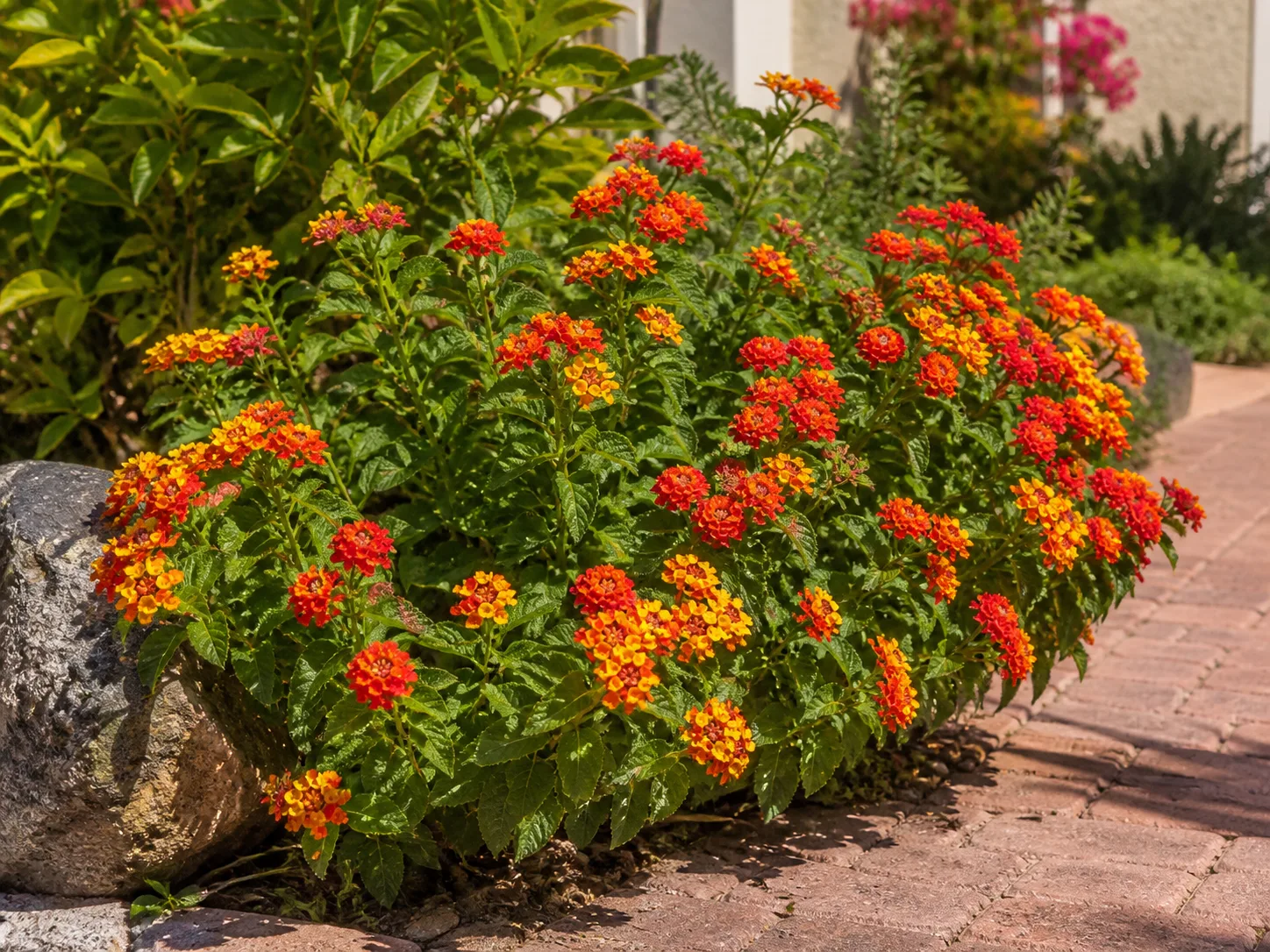
Lantana thrives where petunias fry—full sun, reflected heat, and dry spells. Multicolored clusters attract butterflies and read cheerful from the driveway in USDA Zones 7–11 as a perennial, and as an annual elsewhere.
Use lantana in parking strips, south-facing foundation corners, and large containers by steps. Let it spill slightly over stone edges for a soft, maintained look without constant deadheading.
Skip if: You are in a cool, cloudy coastal microclimate where lantana stalls, or your region lists lantana as invasive—some southern states restrict seeding types. Choose sterile cultivars where required.
Zones: 7–11 perennial; annual in colder areas.
Hostas: shade texture that looks intentional
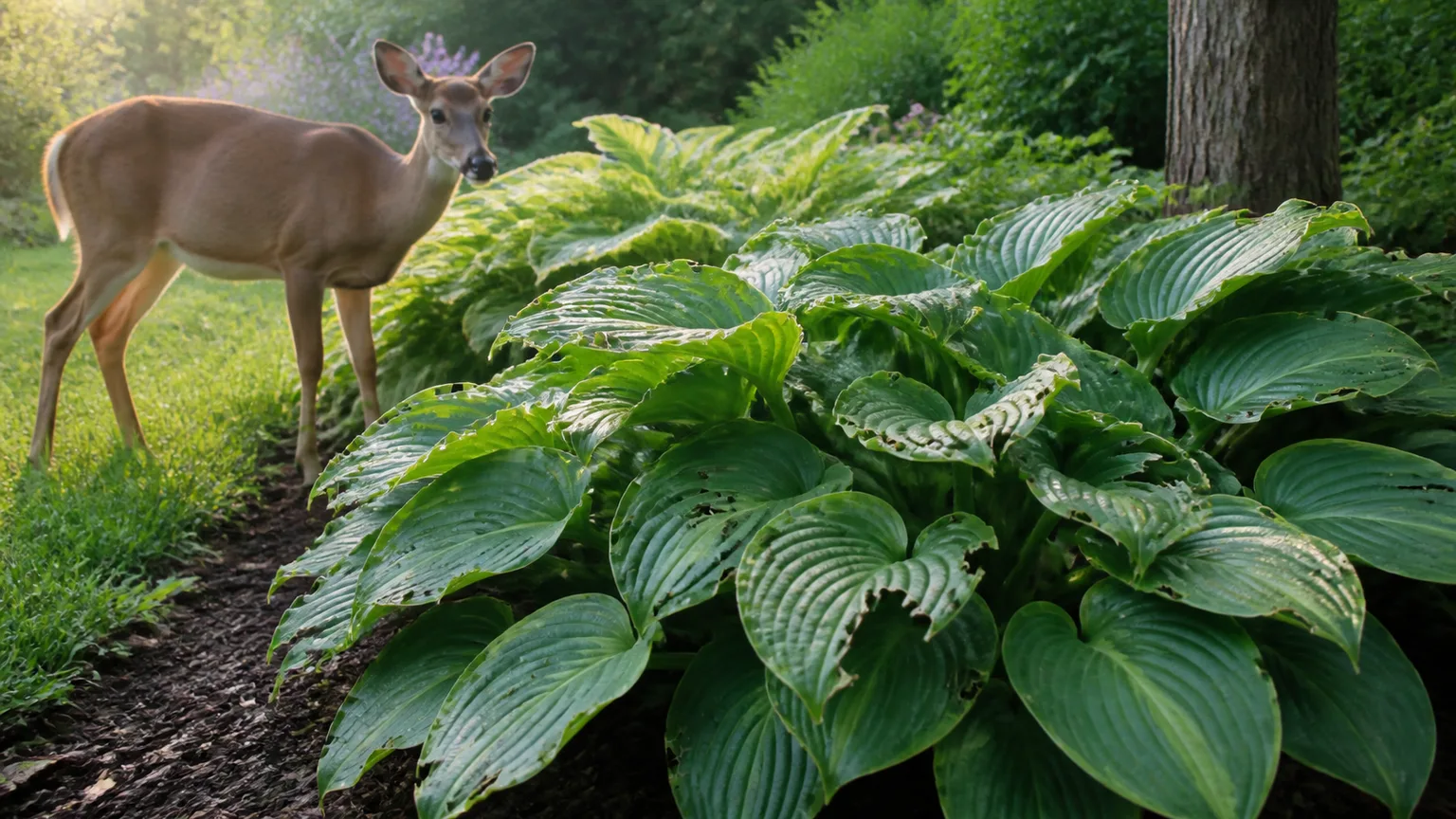
Hostas solve the problem every north-facing ranch has: a dark foundation bed where nothing seems to bloom. Bold leaves—chartreuse, blue, or variegated—reflect limited light and make shade look deliberate instead of neglected.
Mass one variety in groups of three to seven for designer-style repetition. Add contrast with ferns or heuchera at the front edge. Hostas need consistent moisture and slug protection in wet springs—iron phosphate bait and cleanup reduce damage before photos.
Skip if: Deer treat your yard as a buffet (hostas are candy), or the bed actually gets six hours of afternoon sun—leaves scorch and plants look fried. Our hostas wilting in sun guide covers relocation timing.
Zones: 3–9 for most cultivars.
Lilacs: spring scent from the street
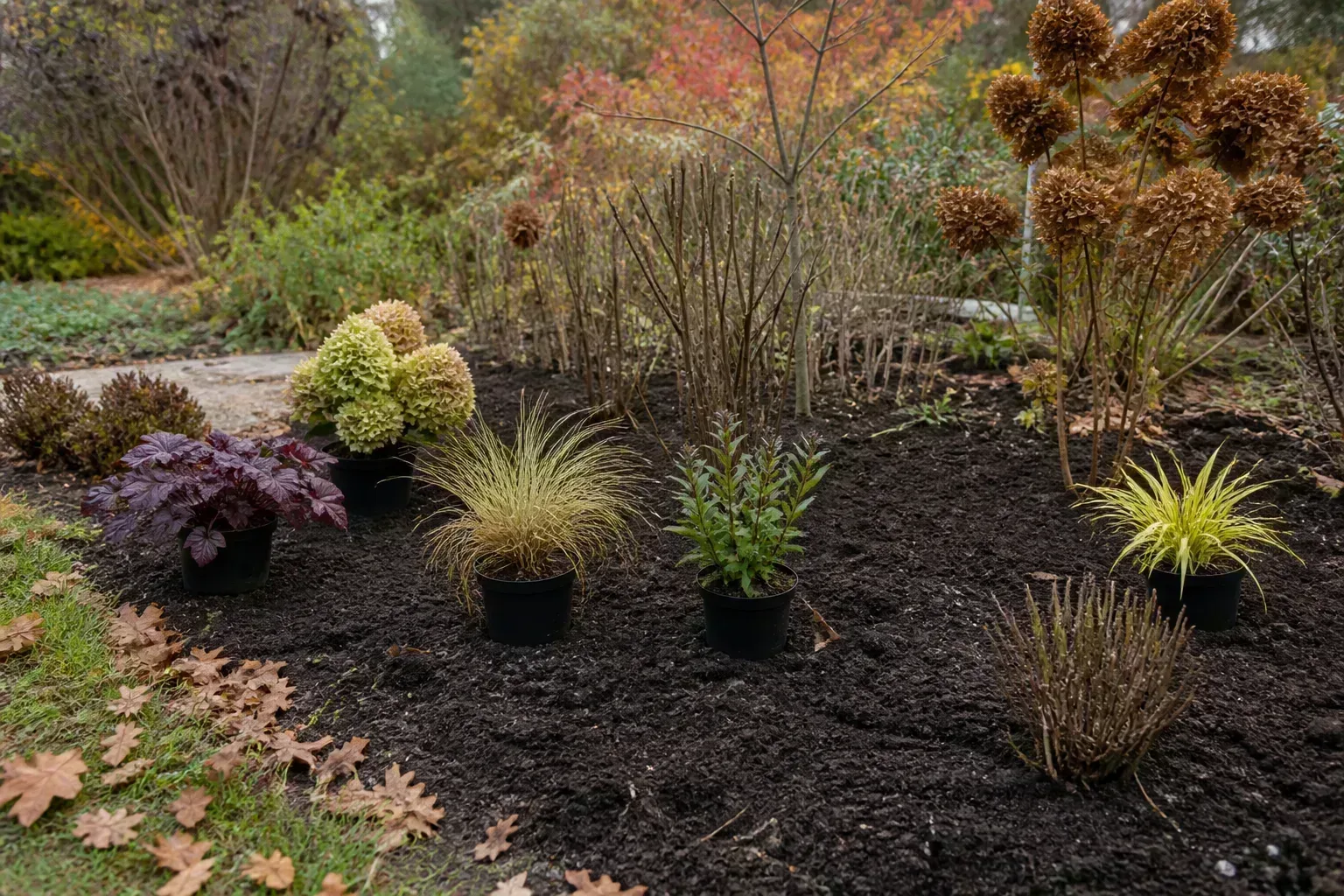
Lilacs (Syringa) deliver the one-two punch of visible purple or white panicles and sweet fragrance buyers remember after the showing. They photograph dramatically in late spring—exactly when many markets heat up.
Plant in full sun with good airflow to reduce powdery mildew. Give shrubs room: common lilacs reach 8–15 feet without pruning. For foundation beds, choose compact cultivars like ‘Miss Kim’ or ‘Bloomerang’ series that stay shrub-sized.
Skip if: You are listing in summer or fall only—lilacs are a spring story unless you pair them with summer plants. Also skip tight beds next to air conditioners where roots and shade fight.
Zones: 3–7 for common lilac; some hybrids extend to Zone 8.
Pair lilacs with later-blooming hydrangeas or daylilies so the bed does not go blank after May.
Marigolds: inexpensive seasonal punch
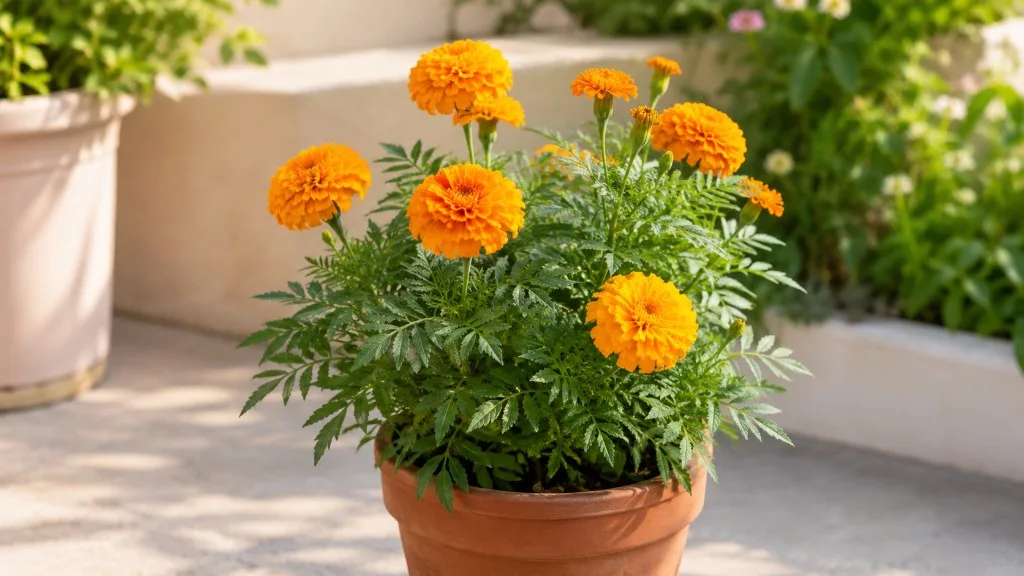
Marigolds are the budget curb-appeal hack: bright orange and gold visible from the curb, pest-resistant once established, and easy for non-gardeners to maintain. Edge front walks or fill gaps in new mulch before an open house.
Plant after frost in full sun. French marigolds stay low for edging; African types grow taller for middle-bed color. Deadhead during staging weeks to keep blooms fresh.
Skip if: You dislike strong color contrast with your home’s paint—orange marigolds clash with some red brick and trim palettes. Choose lemon or cream cultivars for softer contrast.
Zones: Annual everywhere frost occurs; perennial only in Zones 9–11.
Our marigold hub covers soil and watering for long bloom runs.
Conclusion
The best plants for curb appeal are not a universal top-ten sticker chart—they are the plants that match your sun, zone, timeline, and façade scale while signaling easy maintenance to buyers. Use hydrangeas, boxwood, and ornamental grasses for structure; daylilies, lavender, and lilacs for seasonal personality; petunias, marigolds, and lantana for fast color when listings loom.
Start with bed edges, mulch, and a clear walk to the door—then add plants in repeated groups rather than one of everything. If you are selling soon, spend on containers and annuals; if you are staying, invest in woody plants this spring or fall and let them mature. For broader layout ideas beyond this plant list, see our low-maintenance front yard landscaping guide. Get the structure right and the right ten plants will do the rest.