How to Deadhead Daylilies: Timing, Cuts, and Rebloom Rules
Deadhead daylilies without guessing: snap spent flowers before seed pods form, know single-flush vs rebloomers, and keep foliage intact.
The Direct Answer: Yes for Tidiness, Sometimes for More Blooms
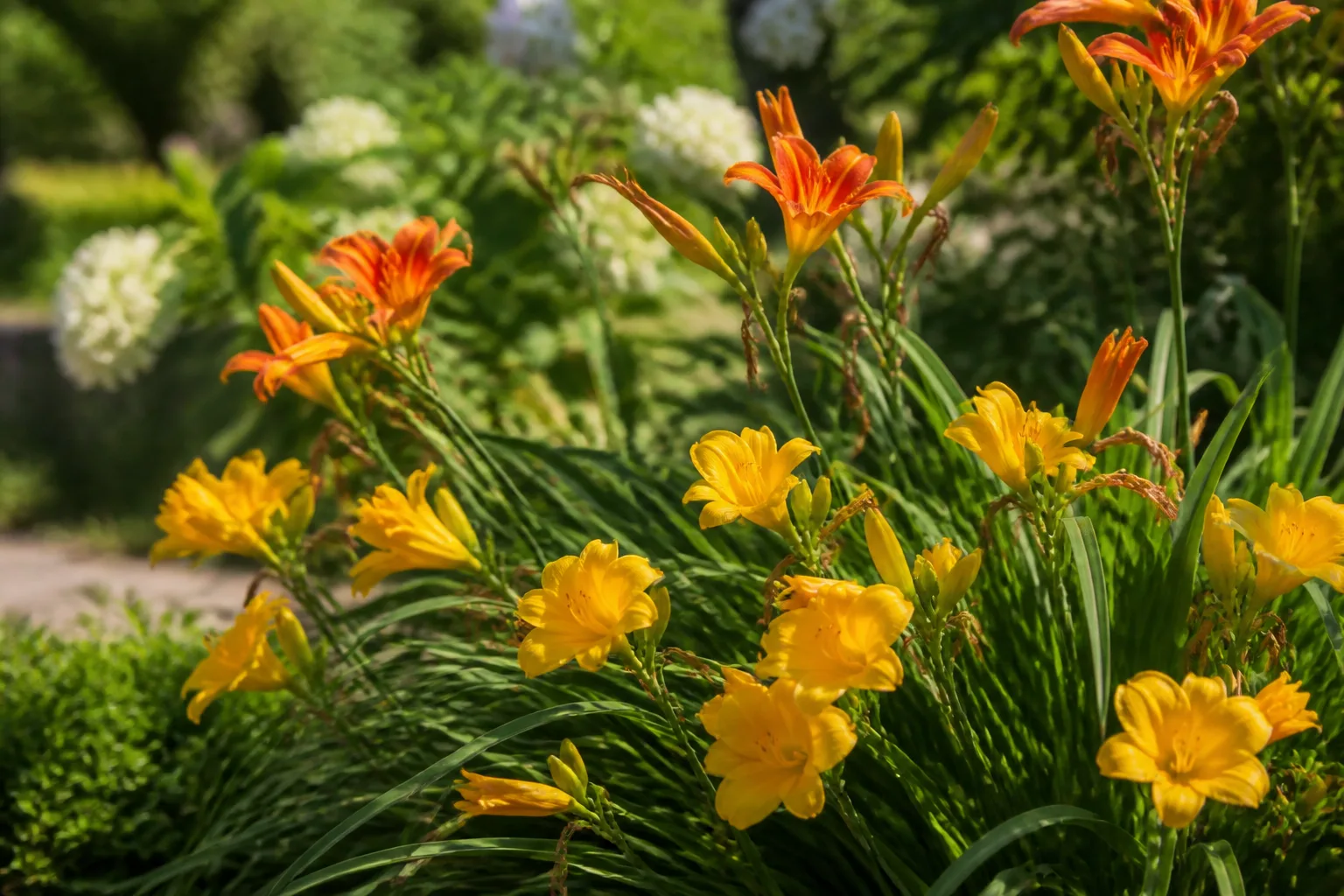
Yes—deadhead daylilies when spent flowers start to fade if you want a neater bed and the best chance of continued flowering on reblooming types. The safe default is to remove each finished bloom down to the small green base—the ovary—while leaving healthy buds and all foliage intact. That stops mushy flowers from smothering buds still waiting to open and prevents seed pods from diverting energy on plants that can produce another flush.
The exception matters as much as the rule. Many common daylilies, including the widespread orange ditch lily (Hemerocallis fulva), put on one main wave of flowers and will not send up a meaningful second scape just because you snip old blooms. Deadheading those plants is still worthwhile for appearance and bud protection, but it is not a rebloom trick. Rebloomers such as Stella de Oro, Happy Returns, and Pardon Me are the ones where regular deadheading most often pays off in more flowers later in the season.
Ohio State University Extension lists two practical reasons to remove old daylily blooms: aesthetics, because each flower turns to mush after its single day, and plant health, because seed production can pull energy away from roots and future flowering. (OSU Extension) Penn State Extension classifies daylily deadheading primarily “for appearance,” then adds that when individual flowers are gone and only a bare stick remains, that stick should be cut to the base. (Penn State Extension) Treat deadheading as one maintenance habit—not a substitute for sun, water, division, or choosing reblooming cultivars when you want summer-long color.
Use this quick decision rule at the plant. If a flower is wilted, papery, or closing while buds remain on the same scape, remove only that bloom including its ovary. If every bud on a scape has opened and faded, cut the whole scape to the crown. If you grow a known single-flush ditch lily, deadhead for tidiness without expecting a second show. If you grow a labeled rebloomer, deadhead consistently through the active season. If foliage is yellowing, the clump is crowded, or the bed is shaded, fix those problems before assuming more snipping will create flowers.
Why Each Daylily Flower Lasts Only One Day
Daylilies earned their name honestly. The genus Hemerocallis comes from Greek words for “day” and “beauty,” referring to flowers that open, peak, and finish within about twenty-four hours. NC State Extension notes that each flower lasts just one day on species such as H. fulva, even though a healthy clump can keep producing new buds for weeks. (NC State Extension)
That biology shapes every deadheading decision. You are not trying to revive a bloom that “went bad early.” You are clearing yesterday’s flower so today’s bud can open cleanly. On a mature scape, multiple buds are lined up along one stalk; they open in sequence, not all at once. An established plant can look full for several weeks even though no individual flower persists.
Because turnover is so fast, deadheading is less about dramatic pruning and more about frequent light cleanup during peak bloom. A bed that looked perfect on Saturday can look tired by Tuesday without it. Spent daylily flowers also collapse into wet, papery mush rather than drying gracefully like some perennials. UNH Extension guidance on perennial deadheading notes that spent daylily flowers are especially unappealing and can turn to mush that dries onto undeveloped buds and prevents them from opening fully. (UNH Extension)
Understanding the one-day life cycle also sets realistic expectations. Deadheading extends the display by protecting buds and, on rebloomers, by redirecting energy. It does not make each individual flower last longer.
Know Whether Your Daylily Can Rebloom
Deadheading only “works” for more flowers when the plant is genetically capable of sending up additional scapes or buds after the first flush. Horticulture specialists consistently separate daylilies into single-flush types and rebloomers. If you do not know what you have, deadhead anyway for tidiness—but do not interpret a lack of second flush as failure on your part.
Single-Flush Types Such as Common Orange Daylily
The common orange daylily, often called ditch lily or tiger daylily (Hemerocallis fulva), is the classic single-flush example. It produces a strong early-to-midsummer show, naturalizes easily, and tolerates a wide range of conditions, but it is not bred to pump out repeat scapes all summer. NC State Extension describes orange daylily as low maintenance, spreading by rhizomes, and blooming on tall scapes above sword-like leaves in large clumps. (NC State Extension)
Deadheading ditch lilies still helps. Removing mushy flowers keeps the planting looking cared for and protects adjacent buds on the same scape. It also limits seed spread if you are trying to keep orange daylily from marching into parts of the yard where you did not plant it. Do not expect a second flowering wave solely from deadheading, though. For longer color in that part of the garden, add reblooming hybrids or stagger early-, mid-, and late-season varieties rather than relying on one old pass-along clump.
Rebloomers That Respond to Deadheading
Reblooming or “everblooming” hybrids are bred to send up new scapes after a rest period, sometimes repeatedly through summer and into fall in warm climates. Stella de Oro is the familiar gold rebloomer many gardeners know; Happy Returns, Rosy Returns, and Pardon Me are other widely sold repeat performers. Editorial growers note that the “Returns” series and Stella de Oro are among the cultivars most likely to flower again after the first heavy flush, especially when spent blooms and seed pods are removed promptly. (Gingham Gardens)
On these plants, deadheading is more than cosmetic. Preventing seed set on fertile rebloomers redirects carbohydrates toward new scape initiation. That is why reblooming labels on nursery tags often mention deadheading in the same breath as sun and fertilizer. Rebloom is still not automatic. Cool summers, short seasons, drought stress, and overcrowded clumps can all shorten the second flush even on a capable cultivar.
If you are buying for rebloom, read the tag for words such as rebloomer, everbloomer, or repeat bloomer, then confirm with local performance. Northern gardens may see a modest second flush where southern gardens see near-continuous bloom on the same cultivar.
When to Remove Spent Daylily Blooms
Remove a spent daylily flower as soon as it begins to fade—typically the morning after it opened—while the scape still carries unopened buds. Watch for closing petals, loss of firmness, and a dry papery feel compared with fresh blooms. Those are your cues that the flower has finished its job.
Timing within the day matters less than consistency. Many gardeners deadhead during a quick morning walk when yesterday’s flowers are obvious and buds are still tight. Others deadhead every two or three days during peak bloom. Even occasional cleanup beats letting dozens of mushy blooms accumulate on a rebloomer.
Hold off on cutting the entire scape until every bud on that stalk has opened and been removed. Each scape is a vertical queue of flowers. Cutting the stalk early removes buds that would have opened over the next week or two. Only when the scape is bare—no buds left, only the dried remains of finished flowers—should you cut it to the base.
Late-season timing shifts again. Many gardeners stop aggressive deadheading about six to eight weeks before typical first frost so plants can wind down naturally and store energy in roots for winter. That pause is especially sensible in cold climates where a hard push on flowering late in the year adds little display but still spends plant reserves.
How to Deadhead Daylilies Step by Step
Deadheading daylilies is simple once you know the cut point. You are removing the finished flower and its seed-forming base, not giving the plant a foliage haircut.
Snap or Cut the Spent Flower at the Ovary
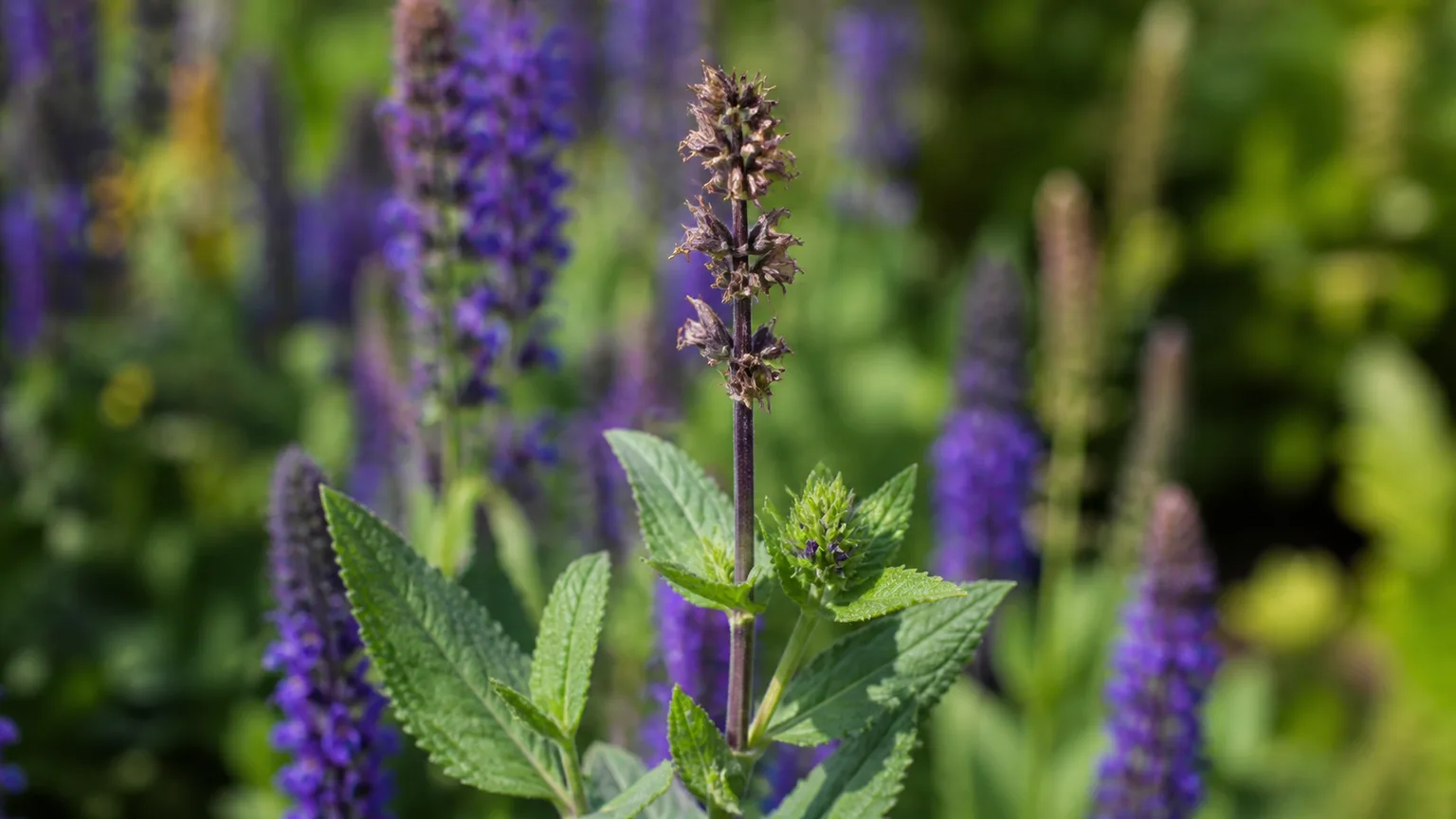
Grasp the faded flower and trace the short stem down to the swollen green base where it meets the scape. That base is the ovary—the part that will swell into a seed pod if left in place. Snap it off with your fingers when it breaks cleanly, or use bypass pruners or snips for a neat cut.
The critical mistake is pulling off only the petals. If the ovary remains, the plant can still invest energy in seed development, and you lose much of the rebloom benefit on fertile types. Penn State Extension’s deadheading guidance for daylilies is explicit: after each individual flower is removed, if nothing remains but a stick, cut that stick down to the base. (Penn State Extension) At the single-flower stage, your target is the ovary, not the middle of the bare scape.
Work bud-by-bud along the scape. Remove only flowers that have finished. Leave tight buds and freshly opened blooms alone even if neighboring flowers on the same stalk are faded. This is the same sequential logic used on many spike-flowering perennials, but daylilies demand it more often because turnover is daily.
Cut Empty Scapes to the Base
When the last bud on a scape has bloomed and you have removed the final spent flower, cut the entire scape near its emergence point at the fan of leaves. Use clean bypass pruners and slice horizontally or at a slight angle just above the foliage crown. The goal is to remove the bare stalk without damaging emerging leaves or new scapes.
On rebloomers, removing finished scapes keeps the plant from maintaining dead scaffolding and can encourage fresh stalks after the cultivar’s rest period. On single-flush plants, scape removal is mainly aesthetic once bloom is over. Either way, bare sticks are not doing anything useful once seed formation is no longer a concern and no buds remain.
If you are also tidying foliage, distinguish scapes from leaves. Daylily leaves are arching straps emerging from the crown in fans. Scapes are rounder, stiffer flower stalks without the flat leaf blade. Cut only scapes unless a leaf is clearly diseased.
Tools That Make Deadheading Faster
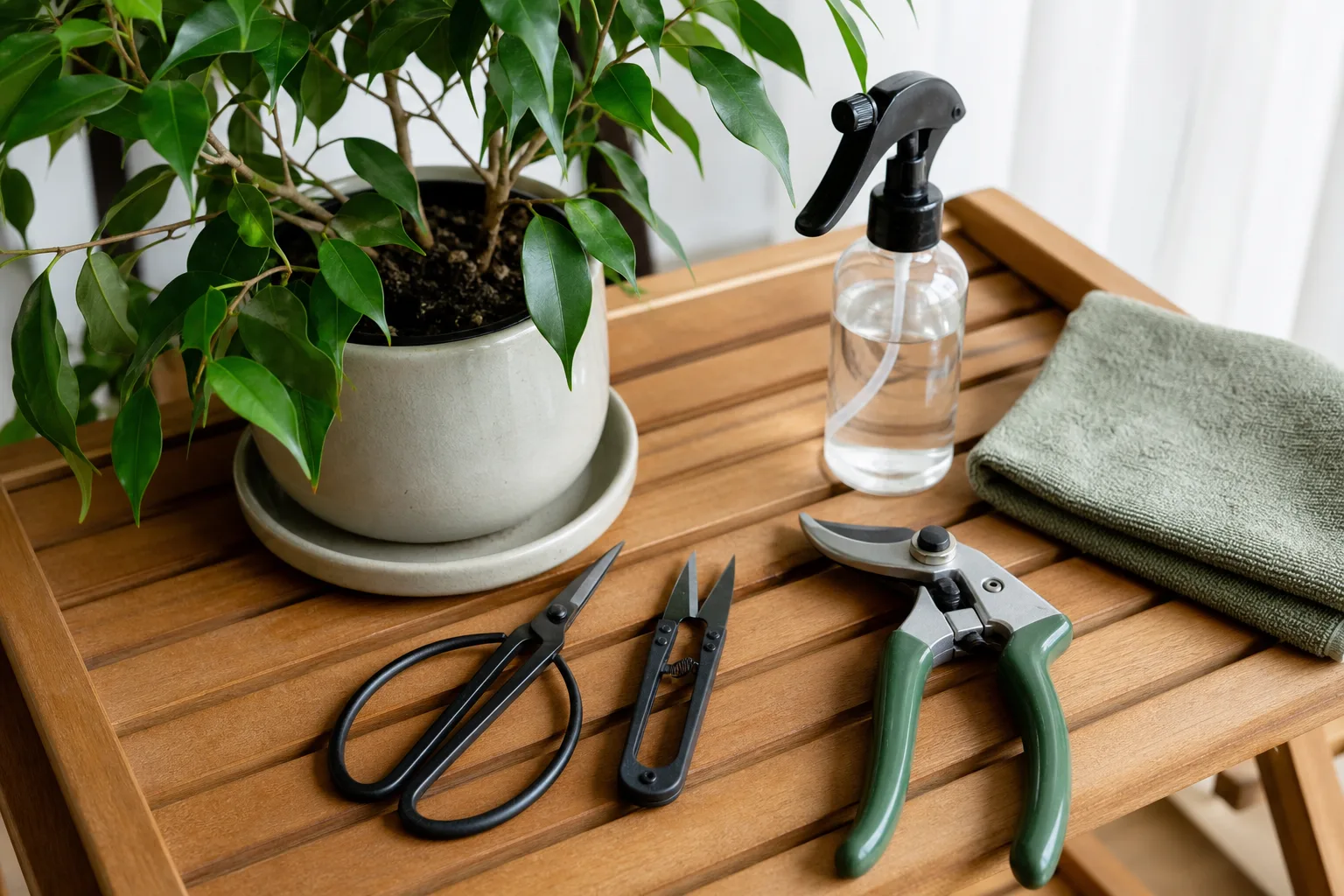
You can deadhead many daylilies with thumb and forefinger during a casual pass through the bed. For a large planting or rebloomer collection, keep a pair of bypass pruners or floral snips in your pocket. Sharp, clean blades make ovary removal quicker and reduce tearing that can leave ragged stubs.
Disinfect tools between plants if you have seen streaking, rot, or suspicious leaf spots in the clump. Daylilies are generally tough, but cleaning blades is cheap insurance when you are handling many fans in one session.
Gloves are optional but sensible if you develop skin irritation from plant sap or if you are clearing mushy flowers in hot weather. Some gardeners also wear gloves when dividing large clumps later in the season, when soil and debris make hands raw.
For very large naturalized patches—think roadside ditch lilies—prioritize the front edge and any rebloomers mixed into the planting. Trying to deadhead every flower in a hundred-foot row is rarely necessary unless you are managing seed spread or running a display garden.
What You Should Never Cut on a Daylily
Do not remove healthy foliage when deadheading. Leaves photosynthesize for the rest of the season and rebuild the rhizome that will fuel next year’s scapes. Stripping leaves to “clean up” after bloom weakens the plant far more than leaving a few bare scapes would.
Do not cut scapes that still carry green buds, even if lower flowers are faded. Those buds are the upcoming show. The only flowers to remove are the ones that have already finished.
Do not confuse daylilies with true lilies (Lilium spp.), which grow from scaly bulbs and often need different post-bloom care. Daylilies are rhizomatous perennials in the family Asphodelaceae. Their maintenance center on scapes and fans of leaves, not lily stems that should remain until frost for bulb recharge.
Avoid composting heavily diseased flower or leaf material if you have active leaf streak or rot issues in the clump. Bag and discard suspect tissue instead of recycling pathogens back into the garden.
Exceptions: Seed Saving and Sterile Cultivars
Deadheading is a default, not a moral requirement. Leave selected flowers if you have a deliberate reason.
Some reblooming cultivars are sterile or nearly sterile. On those plants, removing seed pods does not change vigor much because the plant was not going to set viable seed anyway. Deadheading sterile rebloomers is still useful for tidiness and bud protection, but you are not “saving” energy the plant was spending on seeds.
If you want to experiment with seedlings, leave a few pods on your favorite fertile cultivar and mark those scapes with twine so you do not accidentally deadhead them. Daylily seedlings are genetically variable; they will not reproduce the parent flower exactly. That can be fun for breeding curiosity, but it is a poor strategy if your goal is a uniform border.
Orange ditch lilies and some hybrids can self-sow or spread vegetatively aggressively. Deadheading reduces seed set and can slow unwanted spread in mixed beds. Conversely, if you are restoring a cottage garden where pass-along seedlings are part of the charm, you might leave pods on purpose.
Pollinator value is a middle path. Open daylily flowers attract pollinators for their brief daily window. Deadheading removes spent blooms after pollination is largely complete, not during peak open-flower time. You can deadhead most scapes while leaving a few early pods for seed or leaving adjacent nectar plants untouched.
Support Longer Bloom Season Beyond Deadheading
Deadheading is the fast maintenance task. The slow work that makes rebloom possible is good culture.
Light, Moisture, and Fertilizer
Daylilies bloom best with strong light. NC State Extension lists full sun to partial shade for orange daylily, with average well-drained soil and moderate water. (NC State Extension) For rebloomers, aim for at least six hours of direct sun when possible. Deep shade produces foliage but few scapes.
Keep soil evenly moist during active growth, especially while scapes are rising and buds are swelling. A deep soak beats daily sprinkles that wet only the leaf surface. Mulch moderates soil temperature and reduces watering swings.
A balanced fertilizer in spring supports the first flush; a light follow-up after heavy rebloomers finish their first wave can help fuel a second round on fertile soil. Avoid heavy nitrogen late in the season, which pushes leaves over flowers. Editorial growers often recommend a slow-release granular feed at bloom onset and another modest boost when rebloomers pause between flushes. (Gingham Gardens)
Division for Crowded Clumps
Mature daylilies can bloom poorly when rhizomes crowd each other, even if you deadhead perfectly. Dividing every few years restores vigor. NC State Extension notes that orange daylily clumps spread rapidly by rhizomes and may be divided as needed. (NC State Extension) Spring division as new shoots emerge is the traditional timing in cold climates; early fall after heat breaks works in mild regions.
When you divide, replant fans at the same depth they grew before, water well, and expect a lighter bloom year while roots re-establish. That trade-off is normal. A crowded heirloom clump that has not been split in a decade will often out-flower a meticulously deadheaded but root-bound neighbor once it is divided and fed.
A Seasonal Daylily Deadheading Calendar
Early bloom period: Deadhead daily or every few days as the first major flush begins. This is when mushy flowers most threaten closed buds on the same scape.
Peak summer: Continue ovary removal on rebloomers through their repeat flushes. Cut bare scapes to the base as each stalk finishes. Watch for drought stress during heat waves; water before you prune more.
Late summer: Begin tapering deadheading on plants that are clearly entering dormancy, especially in short-season regions. Allow the last modest flush to finish naturally if frost is approaching.
After bloom ends: Remove any remaining bare scapes. Leave foliage intact. Do not cut fans back hard unless you are renovating the bed.
Fall and winter: No deadheading needed. Mark overcrowded clumps for spring division. Avoid heavy fertilization that would stimulate tender late growth in cold zones.
Mistakes That Waste Time or Hurt Buds
Pulling petals without removing the ovary is the most common error. It tidies the flower face for a day, then seed pods form anyway.
Cutting entire scapes while buds remain is the most damaging error. If you accidentally sheared a stalk, you cannot recover those buds this season.
Removing leaves to make the bed look “fresh” after bloom trades long-term health for short-term neatness. Penn State Extension’s deadheading brochure reminds gardeners that bulb leaves should die naturally and should not be removed; daylily foliage plays the same post-bloom storage role for rhizomes. (Penn State Extension)
Expecting rebloom on single-flush ditch lilies leads to unnecessary frustration. Deadhead them if you want, but plant rebloomers nearby if continuous color is the goal.
Deadheading stressed plants without fixing shade, drought, or rot issues treats the symptom while the underlying problem continues. If a clump wilts every afternoon, check soil moisture and root health before snipping more flowers.
When Deadheading Will Not Bring More Flowers
If your rebloomer still refuses a second flush after careful ovary removal, look beyond the scissors. Insufficient sun is the usual culprit in beds that leaf out heavily but barely flower. Crowded rhizomes, chronic drought, poor drainage, and nutrient imbalance all reduce rebloom potential.
Single-flush species and many old pass-along clumps simply finish their genetic program regardless of maintenance. That is normal plant behavior, not a care failure.
Late-season plants may lack enough remaining warmth and day length to initiate another scape even when culture is good. In that case, deadheading still improves appearance but cannot extend the calendar.
Finally, remember that each flower still lasts one day. Deadheading improves the sequence and total number of buds that open cleanly; it does not change the daily rhythm of the genus.
NC State Extension also notes that daylilies are reportedly toxic to cats. (NC State Extension) If cats access your garden, avoid leaving chewed flowers or plant debris where they might ingest them, and consult a veterinarian promptly if exposure is suspected.
Conclusion
Deadhead daylilies by removing each spent bloom down to the ovary while buds remain on the scape, then cut bare scapes to the crown when the stalk is finished. That routine keeps beds tidy, protects unopened buds from mushy spent flowers, and gives reblooming cultivars the best chance of another flush. Single-flush types such as common orange ditch lily benefit from the same cleanup for appearance even when they will not bloom again from deadheading alone.
Match expectations to variety, keep all healthy foliage, and pair deadheading with sun, even moisture, occasional balanced feeding, and periodic division. When you know what to remove, when to stop, and which plants can actually rebloom, daylily maintenance becomes a five-minute habit instead of a season-long guessing game.



