Should You Prune Squash Plants? When It Pays Off
Squash pruning is optional—not like tomatoes. Learn when to remove leaves, how much is safe, and which cuts improve airflow without starving your harvest.
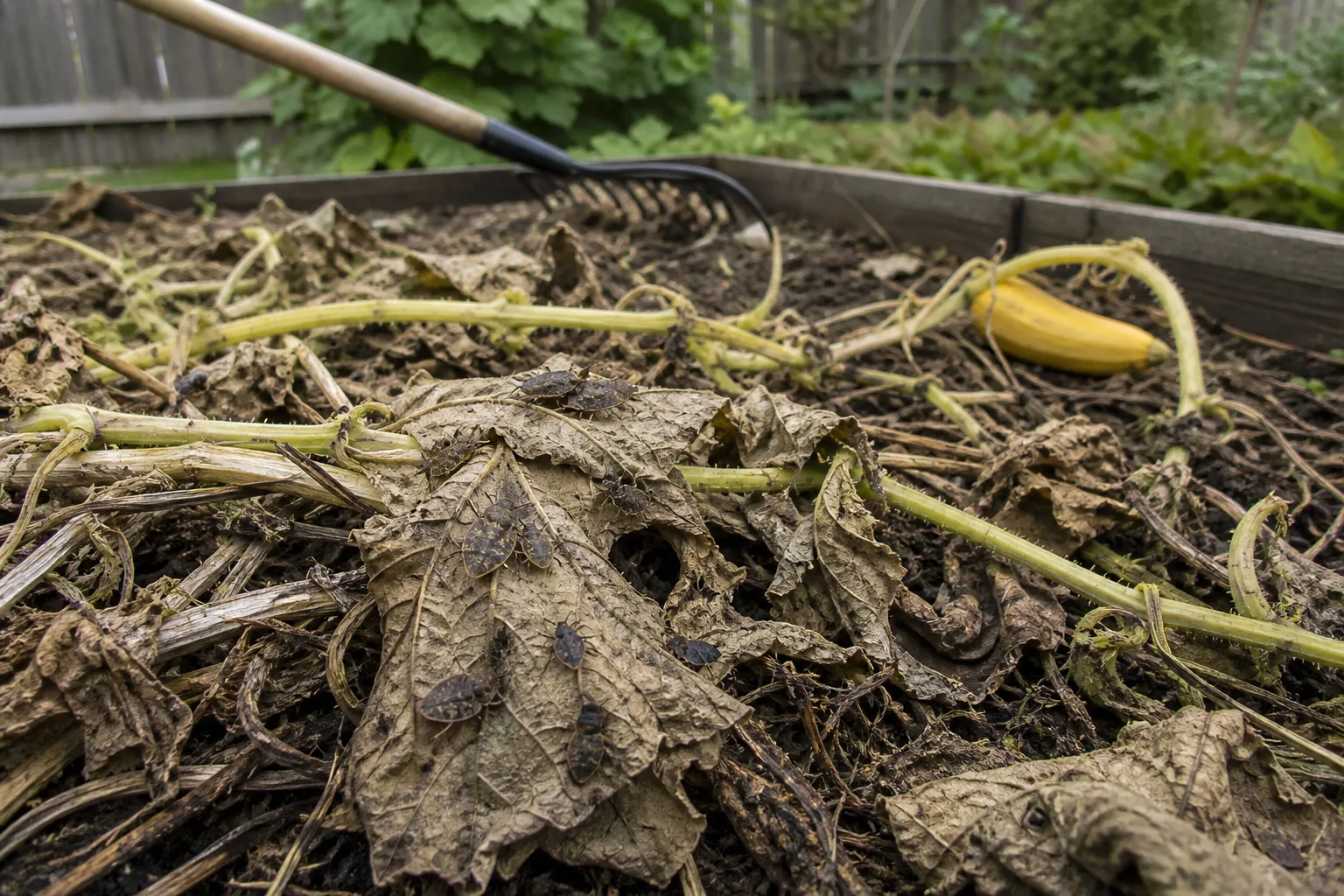
Short answer: You can prune squash, but you do not need to on a schedule the way many gardeners prune tomatoes. Summer squash and zucchini benefit from selective leaf removal when disease, overcrowding, or ground contact creates real problems. Long-vine winter squash and pumpkins respond to sucker trimming and tip cuts that redirect energy toward ripening fruit. The goal is never a tidy plant for its own sake—it is healthier airflow, easier harvests, and fruit that actually gets pollinated.
Pruning Squash Is Optional—Unlike Tomatoes
Tomatoes often need canopy management to stay upright and productive on a stake. Squash (Cucurbita spp.) is different. These plants evolved to sprawl, and their large leaves are part of the production system—not decorative excess waiting to be stripped.
UF/IFAS describes summer squash as typically bush types with less vining spread than winter squash, yet still capable of filling a bed with foliage in six weeks (UF/IFAS Summer Squash). That canopy shades developing fruit, cuts soil evaporation, and feeds photosynthesis. Pruning only earns its place when a specific problem—mildew, dead tissue, neighbor crowding, or late-season vine chaos—outweighs the value of those leaves.
Think of squash pruning as sanitation and space management, not training for maximum sucker removal. If your plant looks messy but is setting fruit and staying disease-free, the best cut is often no cut at all.
Why Squash Leaves Matter More Than You Think
Before you reach for shears, understand what you are trading away. Every leaf you remove is both a solar panel and a sun umbrella. Cut too aggressively and you may fix airflow while creating new problems: sunscald on fruit, wilt from moisture loss, and stalled growth while the plant rebuilds foliage.
What Healthy Leaves Do for Fruit and Soil
Squash leaves shade fruit from intense midday sun, which helps prevent sunscald on pale-skinned zucchini and yellow squash. They also reduce water evaporation from soil beneath the canopy—important in hot, dry stretches when cucurbits are already thirst-prone. Photosynthesis in those broad blades fuels flower production; remove too many at once and the plant may pause fruit set while it regrows.
Pollination depends on leaves getting out of the way strategically, not disappearing. Summer squash bears separate male flowers on long stems and female flowers closer to the plant center, with a tiny fruit swelling at the base of each female bloom. Bees have a narrow morning window to visit open blossoms. Dense lower foliage that hides those flowers is a legitimate pruning target—but stripping the upper canopy rarely helps pollinators and often hurts fruit size.
When Extra Foliage Becomes a Problem
Leaves become liabilities when they touch wet soil for days, overlap neighbors so air cannot move, or show active disease. Powdery mildew thrives in stagnant, humid canopy zones. Squash bugs and cucumber beetles hide under damaged, yellowing leaves near the soil line. Vines that engulf pathways or shade out companion plants create competition you can relieve with a few targeted cuts—not a full defoliation.
The decision test is practical: Will removing this leaf solve a problem that is already happening? If yes, prune. If you are only pruning because the plant looks wild, wait.
Summer Squash vs Winter Squash: Different Plants, Different Cuts
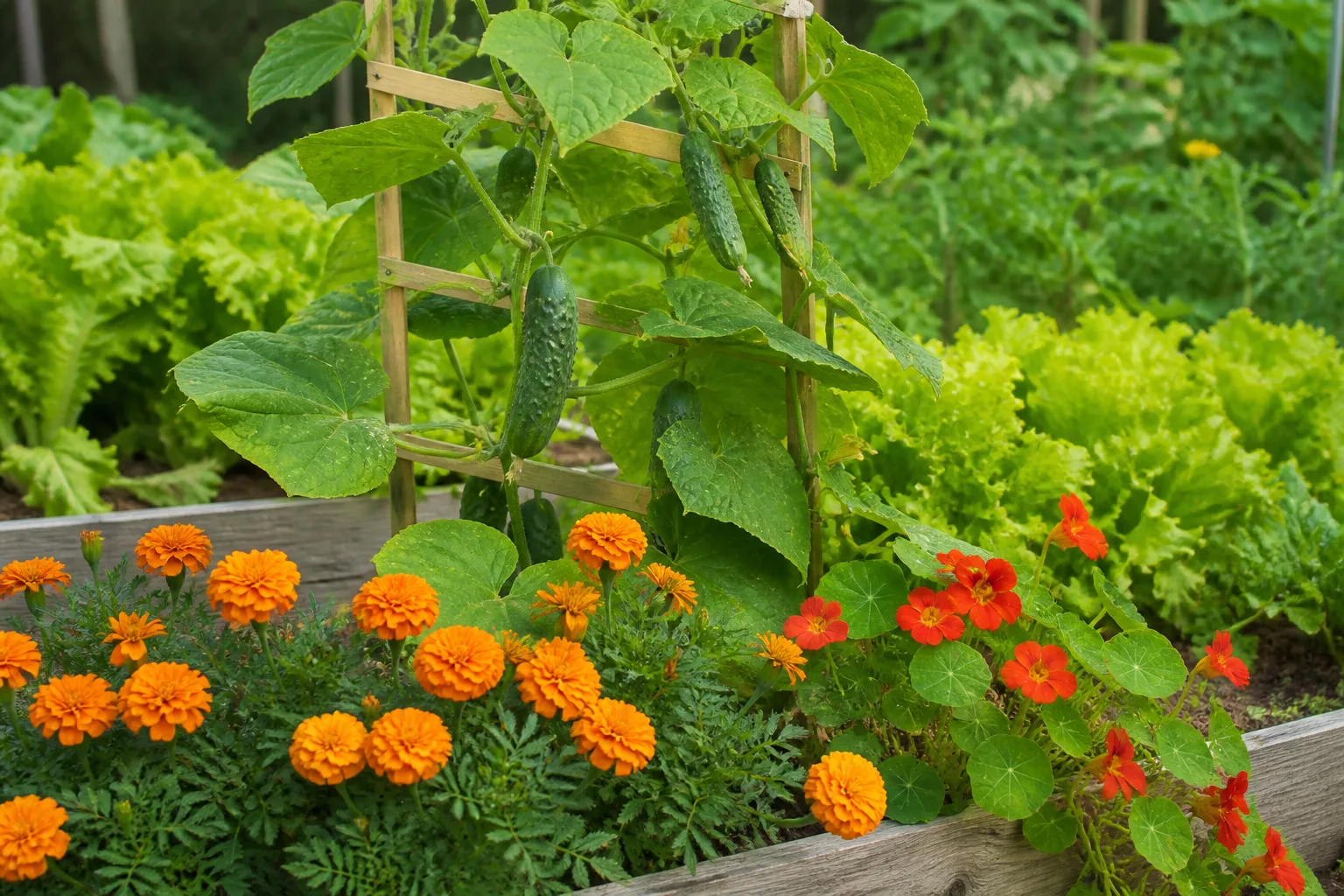
All squash share the cucurbit family, but pruning technique follows growth habit. Treating a bush zucchini like a pumpkin vine—or vice versa—is how gardeners accidentally reduce harvests.
Bush Zucchini and Yellow Squash
Summer squash—including zucchini, straightneck, crookneck, and pattypan—is usually a compact bush that spreads outward rather than running fifteen feet across the yard. Pruning here means removing individual leaves or small stems: lower leaves touching soil, diseased blades, and crisscrossing foliage that blocks air and flowers.
Gardener’s Path notes that for zucchini, routine pruning is typically optional; vining summer types may benefit from trimming a few leaves when space gets tight, but bush varieties often need only damaged-tissue removal (Gardener’s Path). Focus on leaf thinning, not cutting main stems that carry flowers and fruit.
Long-Vine Pumpkins and Butternut
Winter squash and pumpkins grow long main vines with lateral shoots—functionally similar to tomato suckers— that can consume bed space and nitrogen-driven leaf growth. Pruning strategy shifts to training one or two main vines, removing early side shoots, pinching growing tips once vines reach mature length and fruit is set, and removing late flowers that will not ripen before frost.
Epic Gardening recommends letting main winter squash vines extend roughly 10–15 feet (variety-dependent) before snipping tips to redirect energy to existing fruit, and limiting late-season flower formation around mid-August in many climates so plants finish ripening what they already carry (Epic Gardening). These are vine-management cuts—not the same as zucchini leaf cleanup.
| Squash type | Typical habit | Primary pruning moves |
|---|---|---|
| Bush zucchini / yellow squash | Wide mound, short stems | Remove lower, diseased, or overlapping leaves; keep flowering stems |
| Vining summer squash | Longer runners | Light leaf trim + optional tip pinch if overcrowded |
| Pumpkin / butternut / winter types | Long vines, side shoots | Remove suckers, pinch vine tips, drop late flowers near frost |
When You Should Prune (and When You Shouldn’t)
Pruning pays off when it fixes a condition that is already limiting health or harvest. It fails when done on autopilot because another crop in the garden gets weekly trims.
Seven Signs Pruning Will Help
- Powdery or downy mildew on leaves—remove affected tissue early and improve airflow (Powdery mildew guide).
- Dead, brown, or mushy leaves at the base, especially after heavy rain or irrigation splash.
- Leaves lying flat on soil for multiple days, trapping moisture and inviting rot.
- Canopy so dense that you cannot find fruit or open flowers for hand pollination.
- Vines crossing into paths or smothering neighboring crops.
- Confirmed pest harbors—heavily infested lower leaves where squash bugs cluster (remove and destroy, do not compost).
- Late season on winter squash—redirect energy by tip-pruning and removing flowers that will not mature.
Prune on dry mornings when wounds heal quickly and fungal spores are less likely to spread. Avoid cosmetic cuts during heat stress right after transplanting or when the plant is wilting from drought.
Situations Where Pruning Usually Backfires
Do not prune young seedlings until they have several true leaves and active growth—usually three to four weeks after planting. Do not remove more than about 30% of healthy foliage in one session; experienced growers keep 60–70% of the leaf canopy intact when thinning zucchini (Epic Gardening). Do not cut stems bearing female flowers with tiny fruit attached unless disease forces it.
Skip aggressive pruning during peak fruit set unless mildew or pests demand it—energy diversion at the wrong moment can reduce size and count. If plants are already stunted from nitrogen imbalance or root damage, foliage removal makes recovery harder, not easier.
Powdery Mildew, Yellow Leaves, and Natural Zucchini Markings
Yellowing lower leaves on an otherwise productive plant are often normal aging—remove them. But check before you treat or prune for disease.
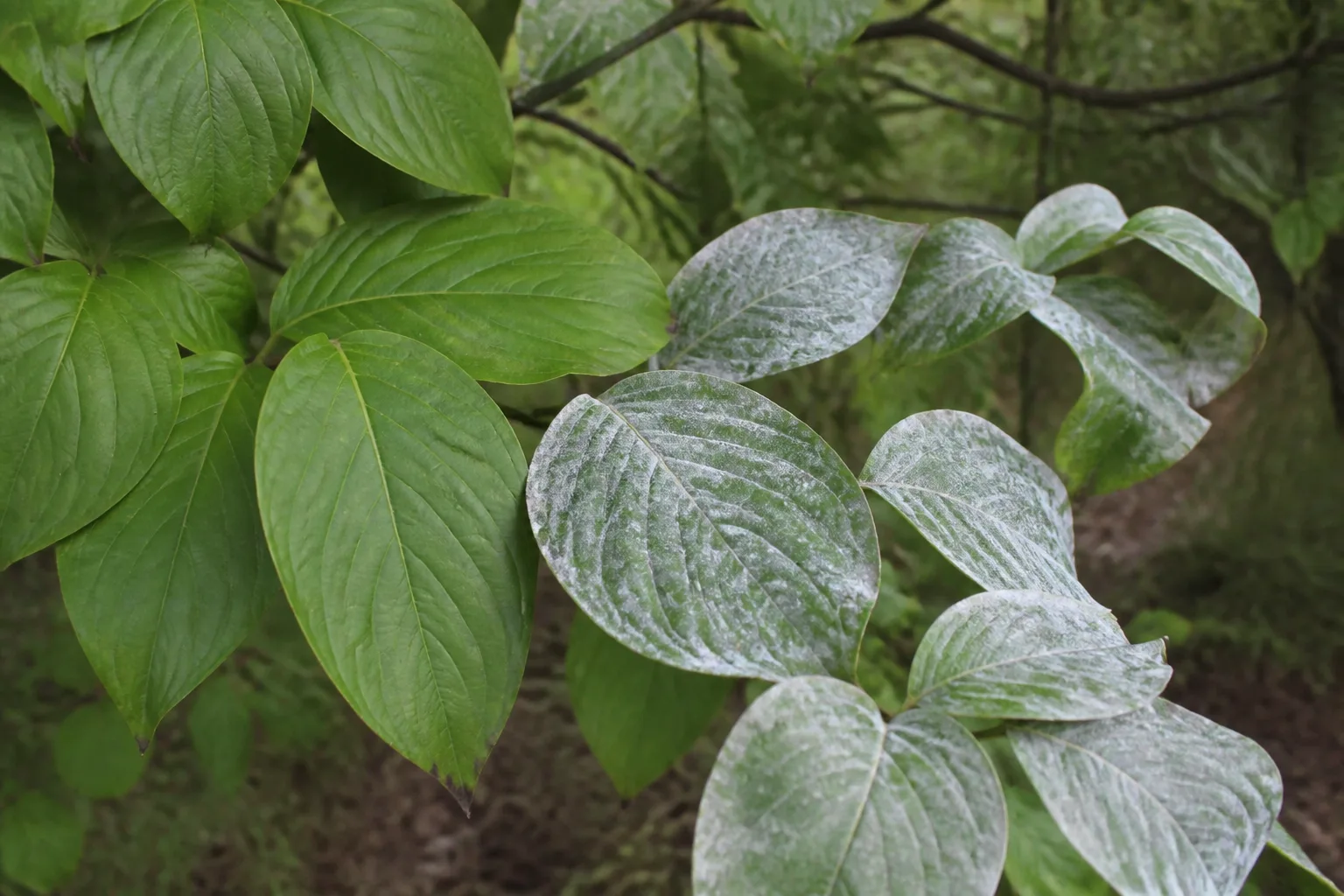
UF/IFAS warns that zucchini leaves naturally show light greenish-gray splotches and streaks that many gardeners mistake for powdery mildew (UF/IFAS Summer Squash). True powdery mildew forms a white, talcum-like coating that wipes off and spreads to stems and fruit. Downy mildew looks different—angular yellow patches on upper leaf surfaces with gray-purple fuzz underneath. Identifying the pathogen matters because pruning alone will not stop an active epidemic; you may still need cultural shifts or labeled fungicides per your extension office.
When mildew is confirmed on a few leaves, remove those leaves first, sanitize tools between cuts, and bag diseased tissue instead of composting it. Then thin overlapping healthy leaves nearby to improve airflow—exactly the two-part approach mildew-prone gardens need, expanded in our powdery mildew guide.
Tools, Timing, and Sanitization Before the First Cut
Use sharp bypass pruners or snips that slice cleanly through squash petioles. Dull blades tear tissue and open larger wounds for botrytis and bacterial rot. Wear gloves—squash stems and leaf hairs irritate skin on many varieties.
Sanitize between plants and after every diseased cut. Iowa State Extension recommends cleaning soil and sap from blades, then disinfecting with 70% isopropyl alcohol, 10% bleach solution, or Lysol before moving to the next plant (Sanitize Pruning Shears). Pathogen spores are microscopic; blades that look clean can still spread powdery mildew across the row.
Timing details that reduce stress:
- Morning, while plants are hydrated but dew has dried
- Dry weather forecast for 24–48 hours after cutting
- Weekly light passes only if mildew pressure or crowding is ongoing—not a fixed calendar for every garden
How to Prune Summer Squash and Zucchini Safely
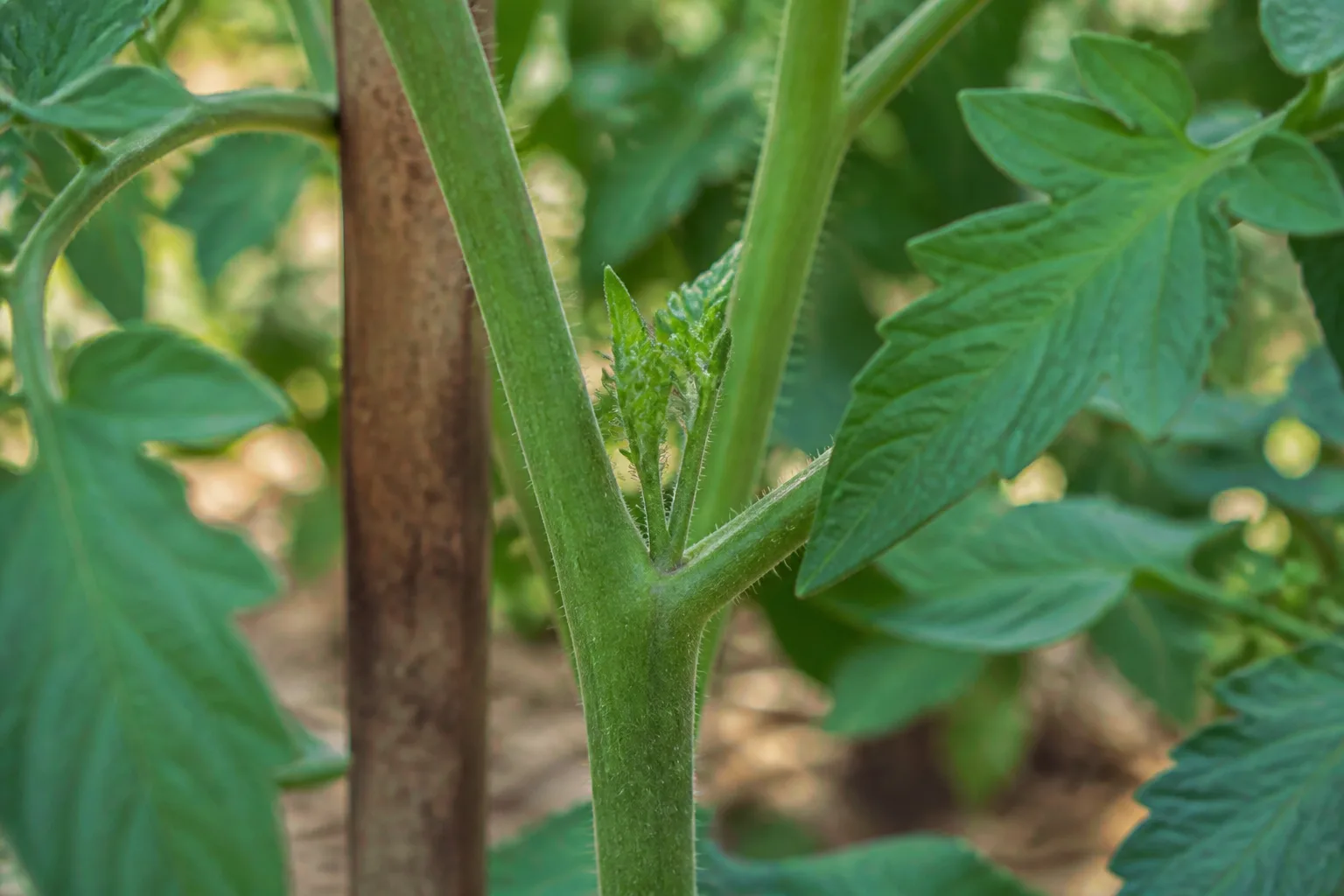
Summer squash pruning is leaf-focused. You are opening the bush, not rebuilding its skeleton.
Step-by-Step Leaf Removal
- Scan the base first. Remove yellow, brown, or soil-touching leaves by cutting the petiole where it meets the main stem, as close as possible without nicking healthy tissue.
- Identify overlap zones. Where two large leaves cross and trap humidity, remove the weaker or more shaded blade.
- Clear flower access. Trim leaves blocking open male and female blossoms—especially lower foliage hiding female flowers with fruit initials.
- Stop at ~30% removal. Step back and confirm most of the mound still looks green from every angle. If the plant looks bare, you went too far.
- Sanitize and collect. Mist pruners with disinfectant between diseased cuts. Carry clippings out of the bed immediately.
Optional mid-season refresh: if early production was heavy and the plant now looks tired with fewer new flowers, a light second pass—again staying near the 30% rule—can stimulate new growth on healthy bushes. This is situational, not mandatory.
Some gardeners stake bush zucchini vertically in tight beds, tying the stem and removing lower leaves as it climbs. That is advanced space-saving, not beginner maintenance; try it on one plant before converting the whole row.
How to Prune Winter Squash and Pumpkin Vines
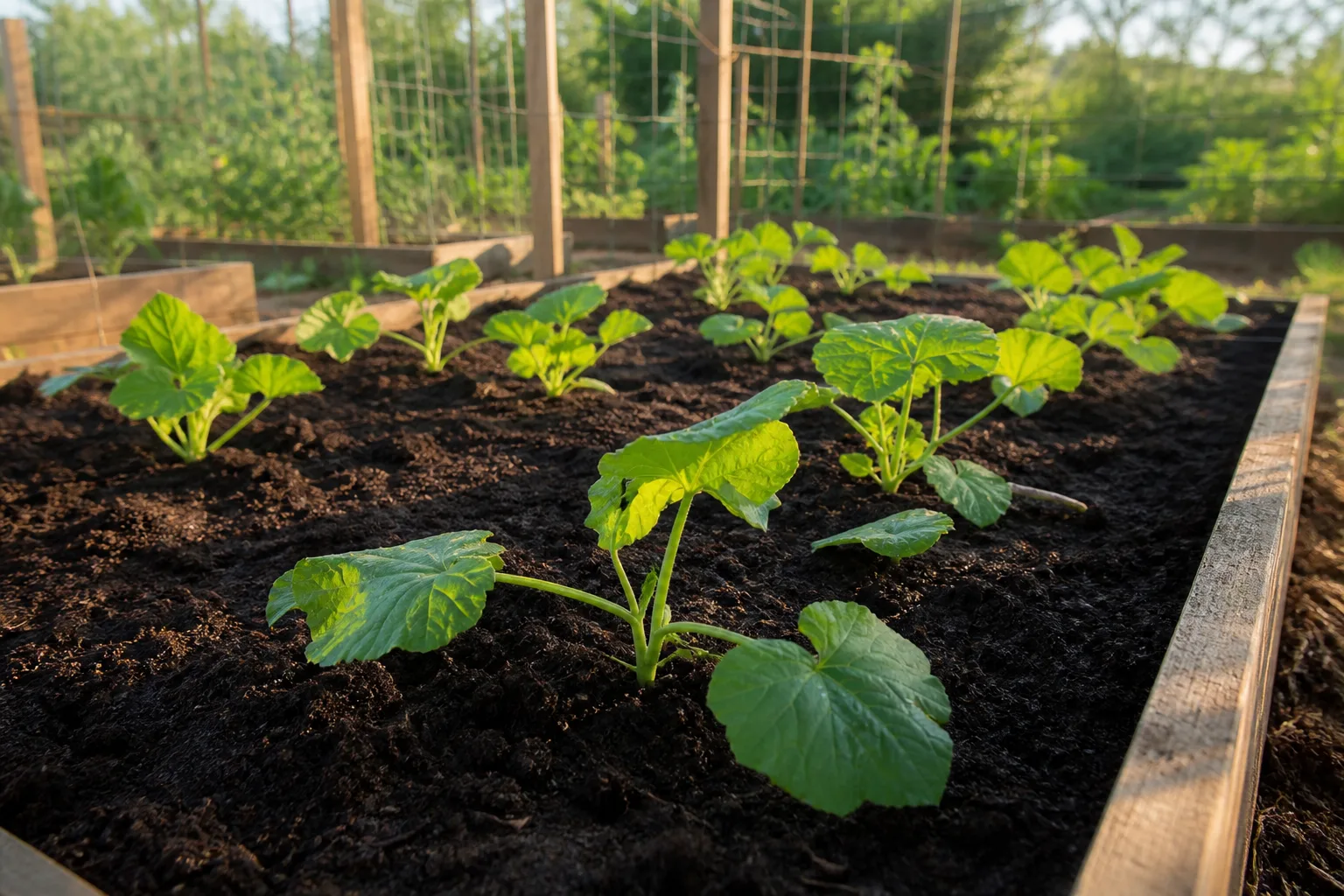
Winter squash pruning is vine architecture: fewer, stronger runners carrying fewer, riper fruit.
Sucker Removal, Tip Pruning, and Late-Season Flowers
Young vine stage (6–12 inches tall): After transplant shock passes, remove browned cotyledons and pinch small lateral shoots if you want one or two main vines rather than a mat.
Flowering stage: Continue removing suckers at leaf axils on the main vine—similar logic to tomato sucker removal, but stop short of stripping the plant naked. Excess nitrogen often drives sucker explosions; pruning compensates but does not replace balanced fertility.
Fruit-set stage: When main vines reach variety-appropriate length with developing fruit along them, snip the growing tip of each main runner. That halts length extension and pushes energy into sizing existing squash.
Late summer: Count developing fruit. On pumpkins and large winter types, keeping roughly 15–20 fruit per plant (variety-dependent) is a common ripening strategy; remove new flowers that cannot mature before your average first frost. Summer squash gets the opposite treatment—you usually want continued flowering until cold stops the plant.
Remove pruned vine pieces from the bed surface. Wet clippings harbor mold and overwintering squash bugs if left in place.
Common Pruning Mistakes That Reduce Your Harvest
Pruning on a schedule instead of on symptoms tops the list. Squash is not a hedge. Confusing natural zucchini mottling with mildew leads to unnecessary cuts and wasted leaves. Yanking leaves by hand tears petioles and invites infection—always cut.
Removing too many leaves at once starves the plant and exposes fruit to sunburn. Composting mildew-covered clippings reintroduces spores when the pile does not heat enough. Pruning during wet evenings spreads disease faster than the airflow gain is worth.
Cutting every flower because the plant “looks done” shuts down summer harvests prematurely. Ignoring pest pressure while chasing aesthetics wastes effort—if squash bugs infest the base, integrate removal with the pest plan in our squash bug guide, not random defoliation.
What to Do With the Clippings
Healthy green leaves and small stems can go to a hot compost pile that maintains adequate temperature, or you can chop them into mulch away from cucurbit beds if disease pressure is low. Mildew-infected, rot-softened, or bug-infested material belongs in trash bags or municipal yard waste, not the home compost heap—cool piles preserve spores and insect eggs.
Never leave clippings scattered under the plant you just trimmed. They hold moisture against stems and recreate the disease microclimate you were trying to fix.
Conclusion
You should prune squash plants when a real problem—disease, dead tissue, crowding, or unmanageable vine length—outweighs the value of the leaves you remove. Bush summer squash responds to selective leaf thinning with a strict ~30% per-session cap. Winter squash and pumpkins respond to sucker control, tip pruning, and late flower removal so fruit ripens before frost.
Default stance: leave healthy foliage alone. When you do cut, use sharp sanitized tools on dry mornings, prioritize lower and diseased leaves first, and haul clippings out of the bed. Match the technique to the squash type, and you get airflow and easier harvests without the yield hit that comes from treating zucchini like a tomato vine.



