The 11 Best Gardening Tools, Tested and Reviewed
We tested 40+ gardening tools over eight months. Compare our 11 top picks for pruners, trowels, hoses, and more—plus kit-building order and maintenance rules.
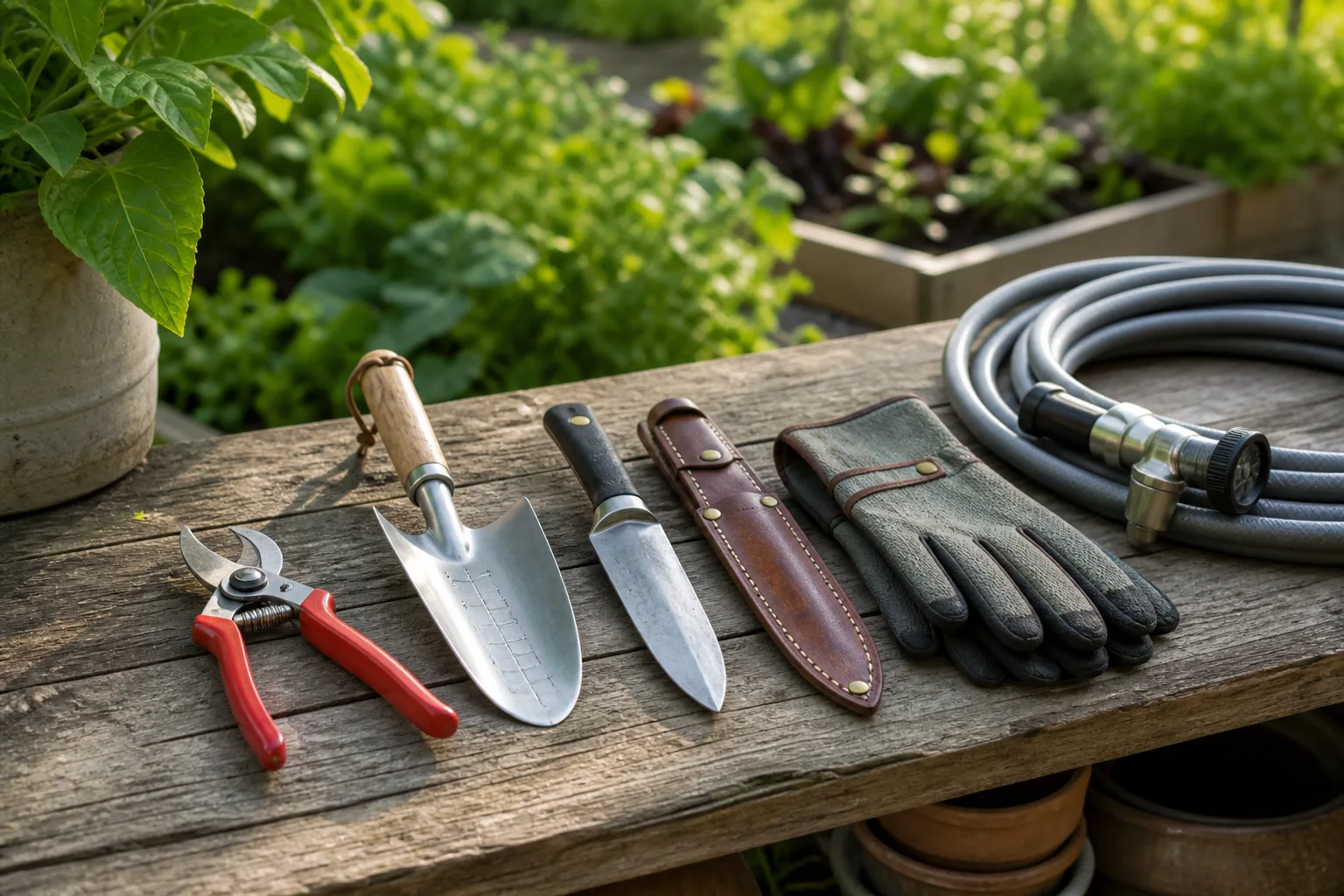
Cheap gardening tools feel like a bargain until the trowel bends in clay, the pruner pivot gums up with sap, and the hose kinks at the worst corner of the bed. We tested more than 40 hand tools, hoses, and accessories over eight months across container patios, raised beds, and in-ground yards in several U.S. regions. These 11 picks are the ones we would buy again—the tools that survived daily abuse, stayed comfortable past the ninety-minute mark, and justified their price against dozens of alternatives.
This is not a “buy everything” list. It is a task-matched toolkit with a sensible purchase order, honest limitations, and maintenance steps that keep metal sharp and disease-free. If you already own a category, skip to the comparison notes and move on.
Quick picks by garden job
Start with the job you do most often—not the flashiest product photo.
Best overall pruner for live wood: Felco F-2 One-Hand Pruning Shear — replaceable hardened steel blades, sap groove, and a pivot that still feels precise after hundreds of cuts.
Best multi-purpose blade for weeding and bulbs: Nisaku Hori-Hori Tomita Weeding Knife — serrated and straight edges, depth marks, and a sheath that keeps it in the apron pocket instead of the compost pile.
Best trowel for compacted soil: Wilcox 14-Inch Digging Trowel — single-piece stainless steel with depth markings; slices through dense beds better than stamped tin sets.
Best general digging shovel: Bully Tools 82515 14-Gauge Round Point Shovel — welded I-beam socket, fiberglass handle, and a closed back that sheds sticky clay.
Best everyday gloves: Firm Grip General Purpose Synthetic Leather Gloves — padded palms, breathable mesh, touchscreen fingertips; see our full gardening gloves guide for thorn work and wet soil.
Best maneuverable hose: Zero-G Ultra Flexible Durable Garden Hose — lightweight woven jacket, crush-rated couplings, and fewer kink fights on long runs.
Best nozzle for variable pressure: Dramm Revolution 9-Pattern Spray Gun — thumb throttle instead of a death-grip squeeze trigger.
Best reach for baskets and shrubs: The Relaxed Gardener Watering Wand — eight spray patterns and a padded handle in a 16-inch wand that does not feel like a pool toy.
Best mobile hose storage: Gorilla Aluminum Mobile Hose Reel — stable base, integrated spigot, and smooth rewind for 150–200 foot hoses.
Best rainfall tracking: Stratus Precision Rain Gauge — NWS-style inner tube plus overflow cylinder for accurate weekly totals.
Best knee cushion for bed work: Red Home Club Thick Kneeling Pad — oversized foam with a carry handle; not PPE for sharp gravel, but excellent on lawn and mulch.
How we tested these tools
We bought tools from mainstream retailers—no manufacturer samples—and used each through at least two weeks of daily garden work before long-listing finalists. The strongest performers stayed in rotation for eight months across spring planting, summer watering, and fall cleanup.
Each product was scored on performance for its intended task, comfort during sessions longer than 90 minutes, build quality after drops and weather exposure, and value relative to alternatives in the same category. Pruners and knives were tested on green wood, dry stems, and sap-heavy cuts. Shovels and trowels went into clay, sandy loam, and root-filled beds. Hoses were dragged around corners, run over with a wheelbarrow tire once (on purpose), and left pressurized in afternoon heat. Nozzles and wands were cycled through every spray pattern while watering containers, shrubs, and hardscape rinsing.
Performance, comfort, and value scoring
Performance meant clean cuts, efficient soil entry, even spray patterns, and mechanisms that did not require two-handed wrestling. A tool that “worked” but left crushed stems or shredded roots lost points. Comfort covered handle diameter, grip texture with gloves on, trigger or throttle fatigue, and whether small-handed testers could reach the safety latch. Value weighed warranty terms, availability of replacement parts, and expected lifespan—not sticker price alone. A $75 pruner that lasts fifteen seasons beats three $25 pairs with loose pivots.
We also tracked failure modes: rust at welded joints, handle loosening, hose wall collapse, gauge cracking when knocked off a post, and foam compression in kneeling pads. Those weaknesses appear in each review below.
Build your toolkit in the right order
You do not need eleven tools on day one. Buy in the order you will actually use tools, then add watering gear when planting is underway.
Budget starter kit under $75
If you are stocking a first patio or balcony garden, start here:
- Wilcox trowel or a shorter 9-inch version if beds are shallow—your most-used hand tool.
- Firm Grip gloves—cheap cotton gloves shred on pruners and blisters appear fast.
- Nisaku hori hori OR a basic hand fork—pick hori hori if weeds outnumber seedlings.
Add a Felco pruner when you have shrubs, roses, or perennials that need real cuts—not when you only grow lettuce. Container gardeners on a hose bib can delay shovel and reel purchases indefinitely; a watering can may be enough until beds expand.
Full yard kit for in-ground gardens
Once you are digging planting holes and running beds longer than thirty feet, prioritize:
- Bully round-point shovel for holes, edging, and bulk soil moving.
- Felco F-2 for pruning and deadheading woody plants.
- Zero-G hose plus Dramm nozzle—buy hose length for the farthest bed plus ten feet, not “whatever is on sale.”
- Stratus rain gauge if you irrigate manually; guessing rainfall is how tomatoes crack and lawns stay soggy.
Layer the Gorilla reel when you are tired of coiling a heavy hose daily. Add the Relaxed Gardener wand when overhead baskets or foundation shrubs make ground-level spraying awkward. The kneeling pad pays off when more than half your weeding happens at soil level—otherwise try knee pads on gravel paths.
Best pruners: Felco F-2 One-Hand Shear
Felco F-2 Classic Manual Hand Pruners are the benchmark bypass pruner for good reason. The hardened steel blade holds an edge, the sap groove keeps sticky species from gluing the jaws shut, and every wear part is replaceable—springs, blades, bumpers—so a decades-old Felco often outlives three discount pairs.
In our testing, the F-2 sliced cleanly through green wood up to about three-quarters of an inch without crushing cambium. Larger cuts belong on loppers; forcing the F-2 invites hand fatigue and twisted stems. The rubberized grip and shock pads kept testers comfortable through long hydrangea and raspberry sessions.
Bypass vs anvil: Bypass pruners (Felco F-2) scissor past each other for live wood. Anvil pruners crush stems against a flat plate—acceptable for dry deadwood, poor for live tissue because they bruise bark. If you own one pruner, make it bypass.
Fit matters: The F-2 suits medium to large hands. Small-handed gardeners should try the Felco F-6; joint pain sufferers often prefer rotating-handle F-7 or F-8 models. Felco also makes left-handed versions—worth seeking instead of adapting to backwards grips.
Limitations: Price stings upfront. Blades still need annual sharpening and wiping between plants; dull bypass pruners tear stems and invite disease. See our garden tool cleaning guide for disinfecting between diseased cuts.
Best garden knife: Nisaku Hori-Hori
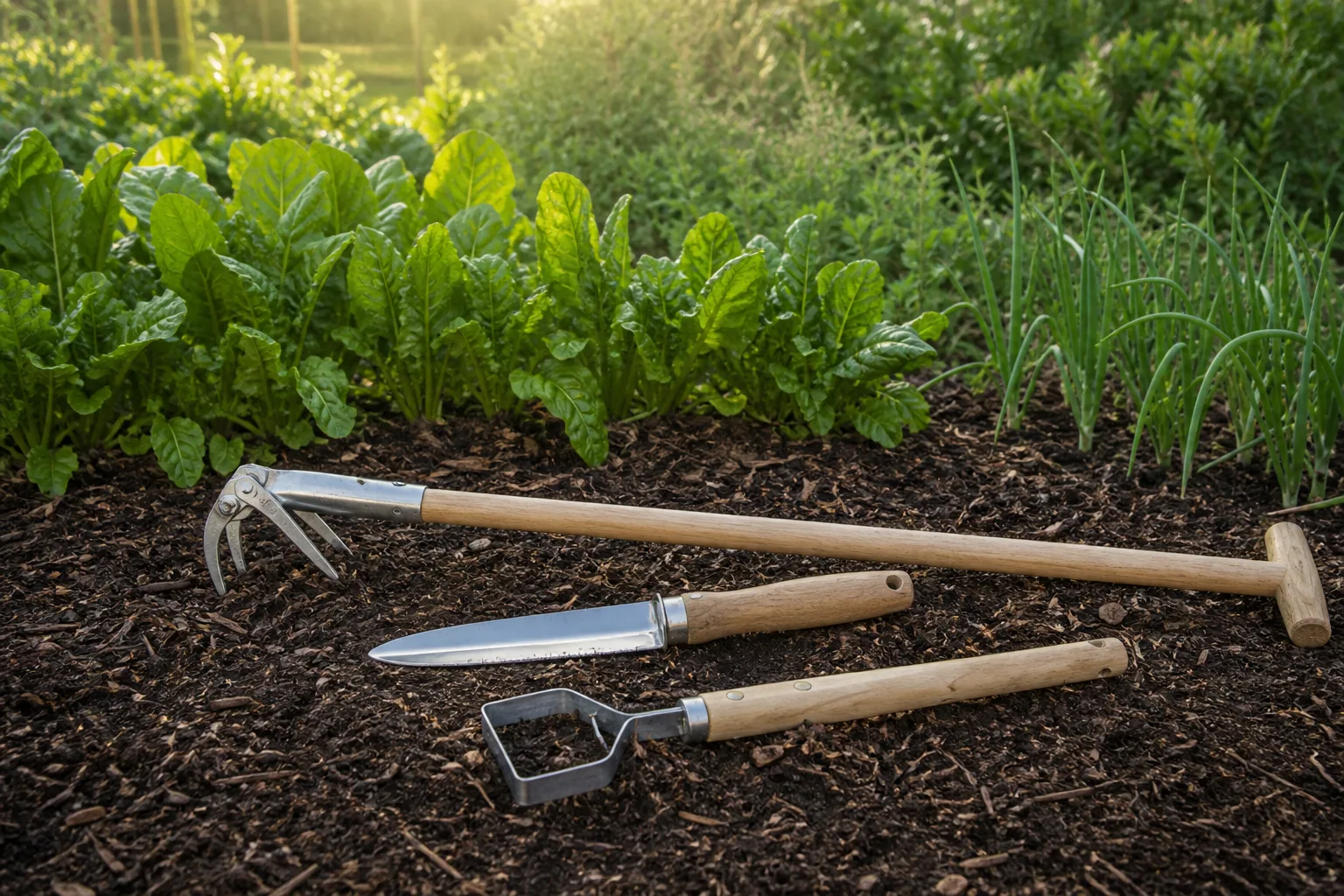
The Nisaku Japanese Hori-Hori is part trowel, part knife, part saw. The 7.25-inch stainless blade carries a straight edge on one side and serrations on the other, with depth markings for bulbs and transplants. In dense beds it uproots taprooted weeds faster than pulling by hand, and it divides clumping perennials without a spade.
We reached for it when planting daffodil drifts, cutting sod rings for new shrubs, and opening bags of mulch on days we forgot scissors. The included leather sheath keeps the blade out of the soil pile—and off your shin.
Limitations: The square wooden handle is functional, not luxurious. Extended work in rocky soil can bruise palms unless you wear gloves. For pure horizontal weeding in open rows, a scuffle hoe is faster; the hori hori wins in tight spaces, containers, and mixed perennial borders.
Best trowel: Wilcox 14-Inch Digging Trowel
Stamped tin trowels from big-box sets bend the first time they meet real soil. The Wilcox All-Pro 14-Inch Digging Trowel is one piece of stainless steel from blade to handle—no rivets to pop, no welded scoop to trap moisture. The pointed tip penetrates compacted beds; depth marks help hit consistent planting holes for bulbs and seedlings.
Our longest-running sample has spent five seasons in wet Pacific Northwest soil without rust through the blade. The 14-inch length adds leverage for levering stones and cutting small roots; Wilcox offers 9- to 18-inch sizes if your beds are shallow or you need extra reach from the path edge.
Limitations: The open handle can trap dried mud inside the grip—rinse before storage. It is heavier than plastic trowels, which is the point. If you only repot houseplants indoors, a shorter 9-inch Wilcox or basic narrow trowel is enough.
Best shovel: Bully Tools Round Point Shovel
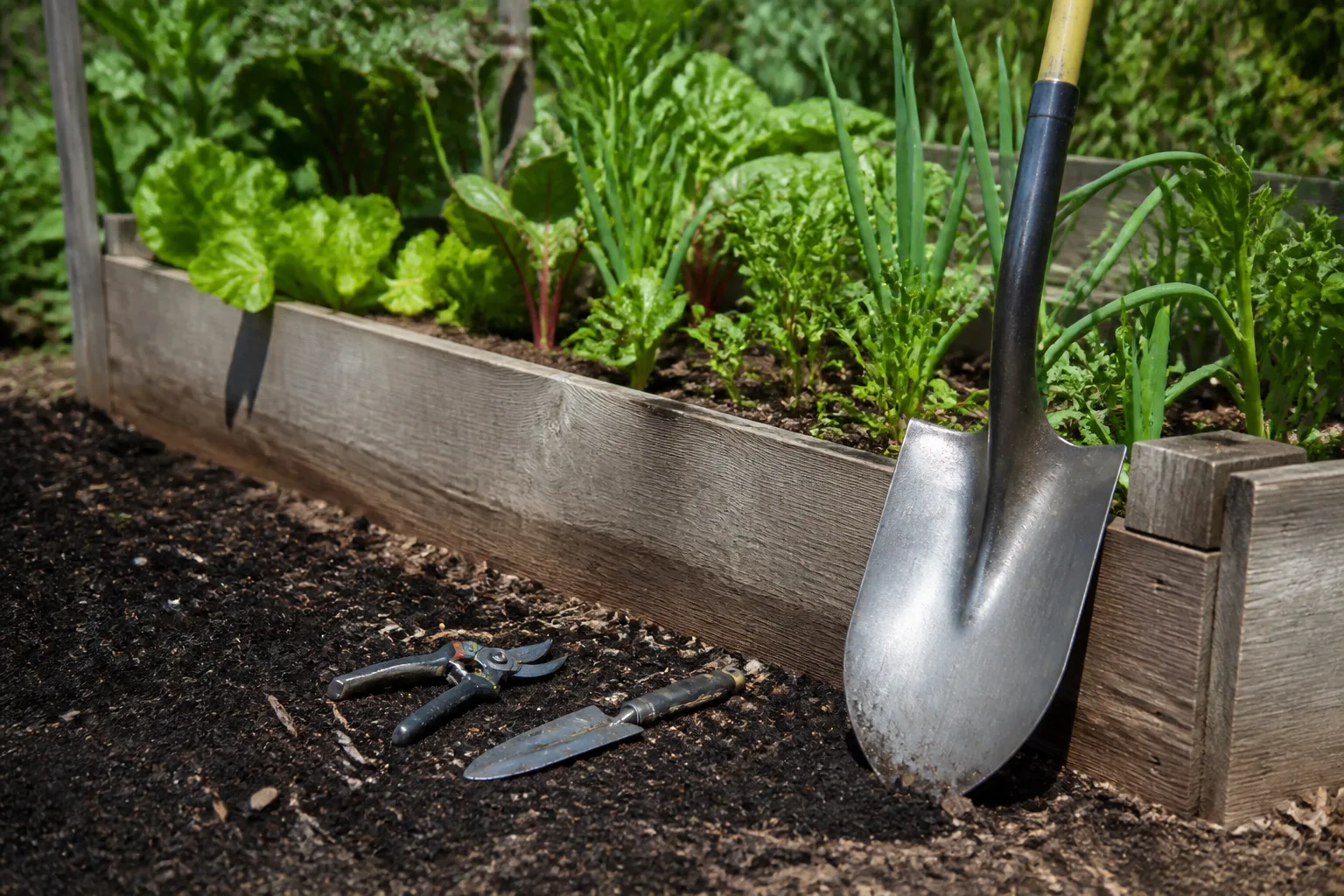
For planting trees, turning compost, and digging trenches, you need a round-point shovel with a handle that will not snap under prying pressure. Bully Tools 82515 pairs a 14-gauge steel blade with a fiberglass handle and closed-back I-beam socket that resists the twisting force cheap shovels hate.
The D-grip poly handle is textured for gloved hands and sized for average adult leverage. A limited lifetime warranty covers defects—reasonable given the welded construction. We dug in clay and sandy loam; the blade entered without the “tin can” flex common on discount shovels.
Limitations: Not a transplant spade for precise edging—that is a different shape. Very rocky ground still demands a mattock or bar first; no shovel happily pries fieldstone. Store under cover; fiberglass lasts longer when UV and freeze-thaw cycles are reduced.
Best gardening gloves: Firm Grip General Purpose
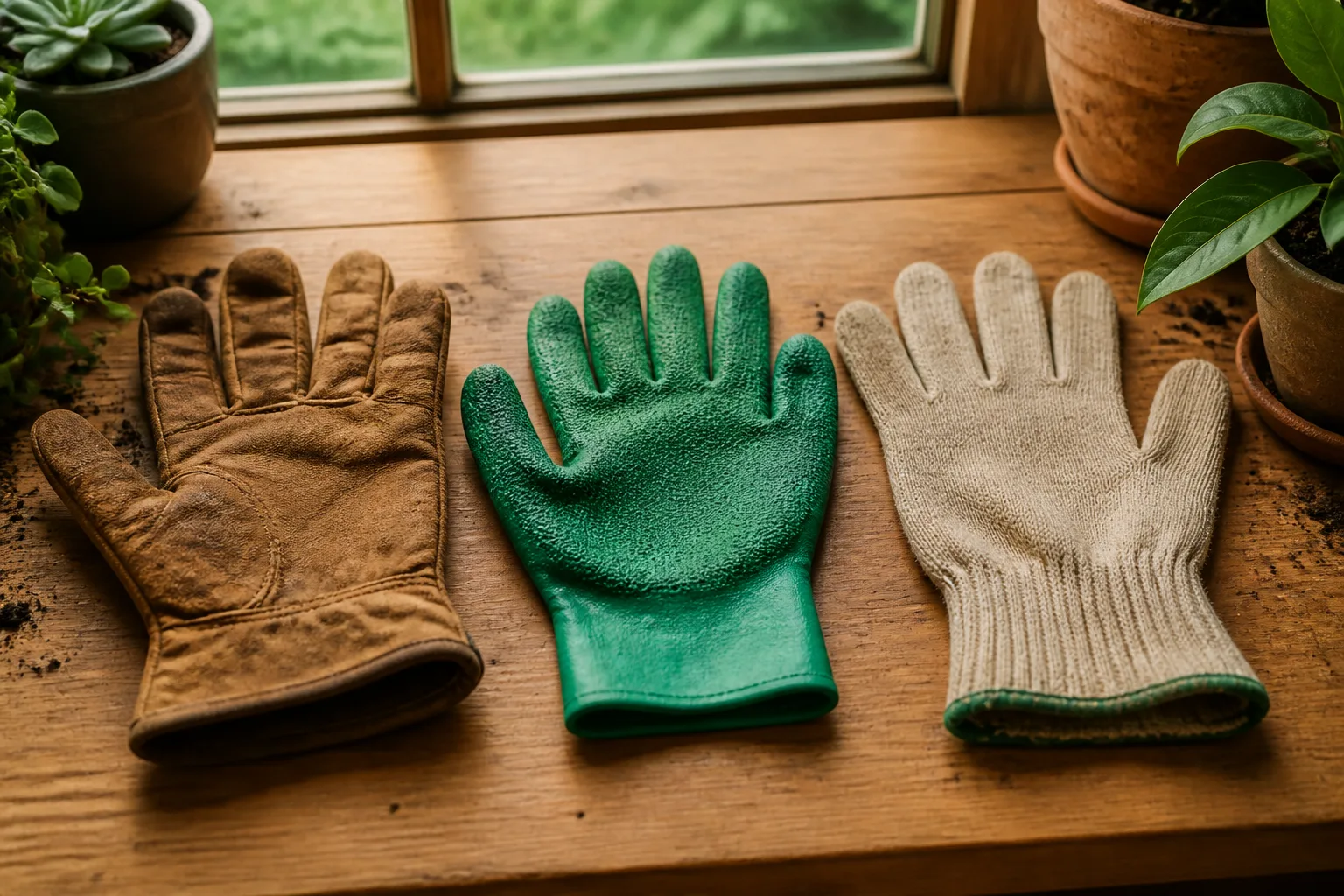
Tools only work if you can hold them without blisters. Firm Grip General Purpose Synthetic Leather Gloves balance dexterity and abrasion resistance for pruning, shoveling, and hose work. Synthetic leather stretches more than stiff cowhide, terry thumbs wipe sweat, and touchscreen fingertips let you check weather radar without stripping gloves.
Padded palms and knuckles improve grip on fiberglass handles and reduce vibration fatigue. An adjustable wrist strap keeps soil out better than loose cuffs.
Limitations: These are not rose gauntlets. Thorny work needs a longer cuff—our gardening gloves roundup ranks Magid and G & F gauntlets for that job. Thumb length ran slightly long on one tester; try another size before abandoning the brand. The RHS advises gloves when handling fertilizers, plant protection products, and potentially harmful plants, and when you have open cuts touching soil or compost (RHS: how to garden safely).
Best garden hose: Zero-G Ultra Flexible
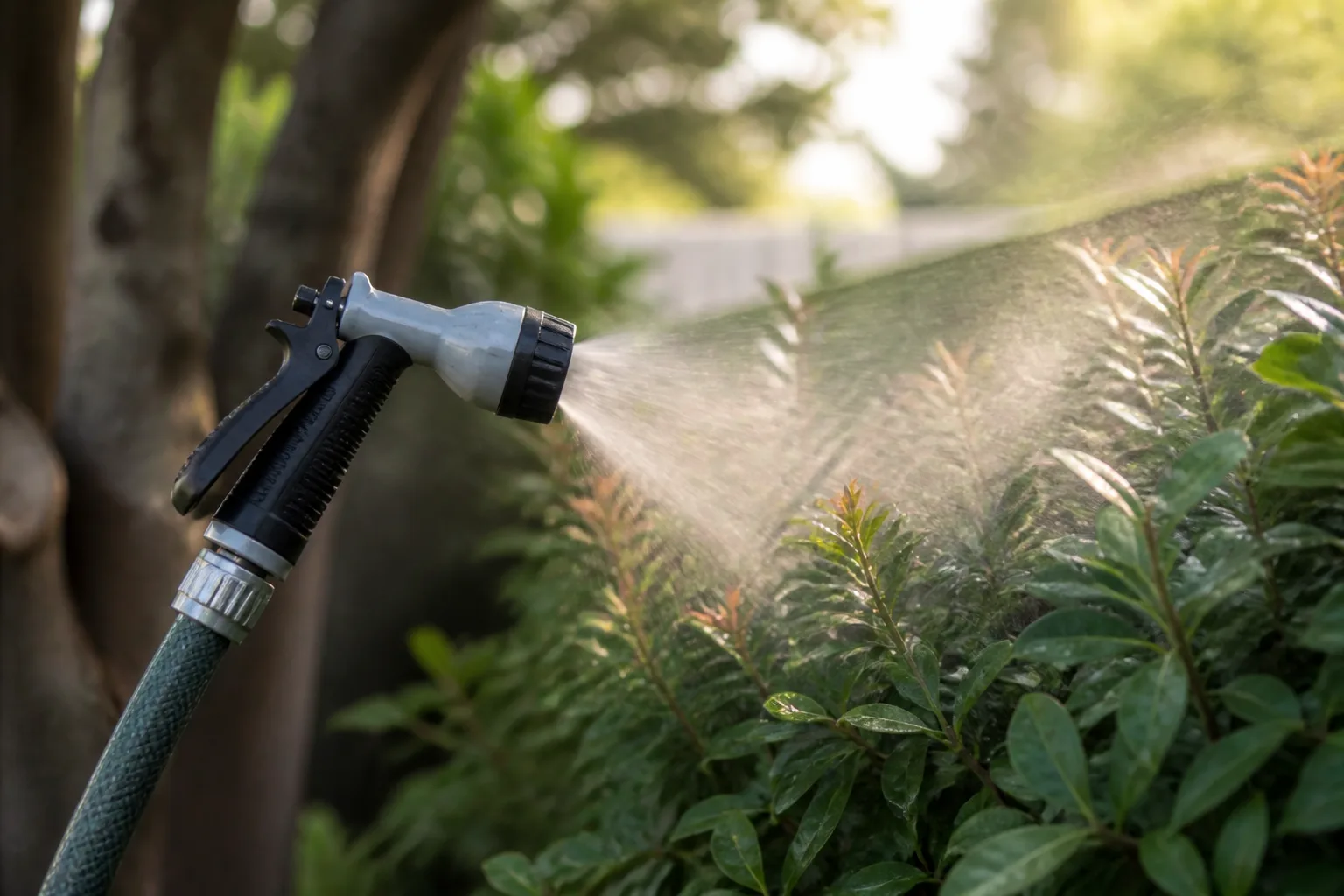
A hose fight wastes water and patience. Zero-G Lightweight Ultra Flexible Garden Hose (Teknor Apex) uses a woven outer jacket over an inner tube so the assembly stays flexible when pressurized and lighter than traditional rubber—roughly four pounds for a 100-foot 5/8-inch line in our scale check.
Crush-proof aluminum couplings survived a deliberate wheelbarrow tire pass without leaking—rated to very high crush loads in manufacturer specs. The jacket resisted snags from roses and cedar branches better than flat vinyl hoses that scar easily.
Diameter guidance: 5/8-inch is the default for home gardens—enough flow for sprinklers and wands without the weight of 3/4-inch contractor hose. Match hose length to your longest bed run plus slack; every extra fifty feet reduces pressure at the nozzle.
Limitations: Manufacturer guidance typically cites use above freezing; drain and store indoors in cold climates. It is not a soaker hose substitute for deep, slow irrigation. Pair with a good nozzle or wand—cheap twist valves at the spigot are how hoses get dragged and kinked.
Best hose nozzle and watering wand
Ground-level spraying works until you have hanging baskets, dense shrubs, or seedlings that need a gentle shower. We split watering into nozzle (versatile, close work) and wand (reach, overhead arcs).
Dramm Revolution Spray Gun
The Dramm Revolution 9-Pattern Spray Gun replaces the white-knuckle squeeze trigger with a thumb throttle you can lock partially open. That matters when you are rinsing pots, cleaning pavers, or soaking a new tree for twenty minutes. Nine labeled patterns—from jet to fine mist—switch with a dial that gloved hands can manage.
We dropped one down concrete steps; no cracks, no leak at the swivel. Metal body, lifetime guarantee, and bright color options that are easier to spot in ivy than black plastic.
Limitations: Painted surfaces can chip over years of gravel contact. It is not a soft-rain wand for delicate seedlings on the jet setting—match pattern to plant.
The Relaxed Gardener Watering Wand
The Relaxed Gardener Watering Wand adds reach without a heavy telescoping pole. Eight spray patterns cover everything from container gentle rain to a strong stream that reached about 27 feet in our open-yard test on the highest setting. The padded handle and thumb throttle reduce wrist strain when watering elevated baskets.
At just under sixteen inches, it is shorter than pro greenhouse wands but easier to store and maneuver around patio furniture. A swivel adapter would improve tight-corner work; we still preferred it to bending a rigid nozzle under hanging fuchsias.
Limitations: Aluminum and plastic scuff when dropped on pavement—cosmetic, not functional. For very large yards, consider a longer wand or move up to a watering can for precision spots to save hose drag.
Best hose reel: Gorilla Mobile Hose Reel
Leaving a hose in a tangled heap on the lawn is how couplings crack and mildew grows in the folds. The Gorilla Aluminum Zero-Rust Premium Mobile Hose Reel stores 150–200 feet (model dependent) on a rust-resistant aluminum frame with wide wheels and a low center of gravity that did not tip during rewind tests on grass and pavers.
An integrated spigot lets you connect the supply hose once and roll the whole cart to different beds. Side guides help lay hose evenly without manual coiling gymnastics. Assembly takes thirty to forty-five minutes—budget that before you expect to water.
Limitations: Handle height is fixed; tall users may stoop slightly. Price is real compared with wall-mounted reels, but mobility matters if your yard has multiple zones and no single faucet reaches everywhere.
Best rain gauge: Stratus Precision Rain Gauge
Irrigating on guesswork overwaters lawns and underwatering stresses vegetables. The Stratus RG202 Precision Rain Gauge follows National Weather Service collection principles: a one-inch inner measuring tube for daily precision and an outer overflow cylinder capturing up to eleven inches before spill.
UV-resistant polycarbonate will not rust like metal gauges. The funnel and inner tube detach for measuring hail or snow melt water—more useful than a decorative stake gauge that only roughly indicates “some rain fell.”
Mount on a post away from roof drip lines and sprinkler overspray; open ground a few feet from beds is ideal. Log readings weekly and adjust irrigation—your tomatoes will thank you.
Limitations: Plastic cracks if dropped on stone; install where mowers and dogs will not knock it. No in-ground mount option—use the included bracket on a fence post or 4x4.
Best kneeling pad: Red Home Club Thick Kneeling Pad
Knee damage ends more gardening hobbies than bad seed choices. The Red Home Club Thick Kneeling Pad uses high-density foam in an 18 x 11-inch (or larger 24 x 14) footprint that fits both knees for weeding rows. One side is textured to reduce sliding on damp grass.
A center handle makes carrying between beds painless, and at under a pound it lives on the tool hook instead of forgotten in the shed. We used it for tulip planting, edging, and hand-weeding sessions exceeding an hour.
Limitations: Foam compresses over years; replace when you feel gravel through the pad. It is not structural PPE—pair with sturdy footwear on uneven ground (RHS: how to garden safely). On pure gravel paths, padded knee sleeves beat a flat pad.
What to look for in garden tools
Before any purchase, run this checklist—faster than reading another roundup.
Fewer seams on soil tools. Trowels and hori horis should be forged or stamped from one metal piece, or welded with closed backs on shovels. Riveted scoops on wooden handles rot from the inside out.
Replaceable wear parts on pruners. Springs and blades should be orderable; Felco set the standard here.
Handles sized to your hands. If you cannot close the grip fully, fatigue arrives early. Rotate-handle and smaller models exist for a reason.
Warranty that matches construction. Lifetime policies on fiberglass shovels and steel trowels signal manufacturer confidence; ninety-day big-box sets do not.
Task fit over bundle deals. Nine-piece kits usually include three tools you will never use and one that bends. Buy individuals in the order above.
Safety basics. Gloves for thorns and chemicals, eye protection when pruning overhead, and sturdy shoes when digging—garden injuries are common and mostly preventable with PPE (RHS: how to garden safely).
Tool care and maintenance basics
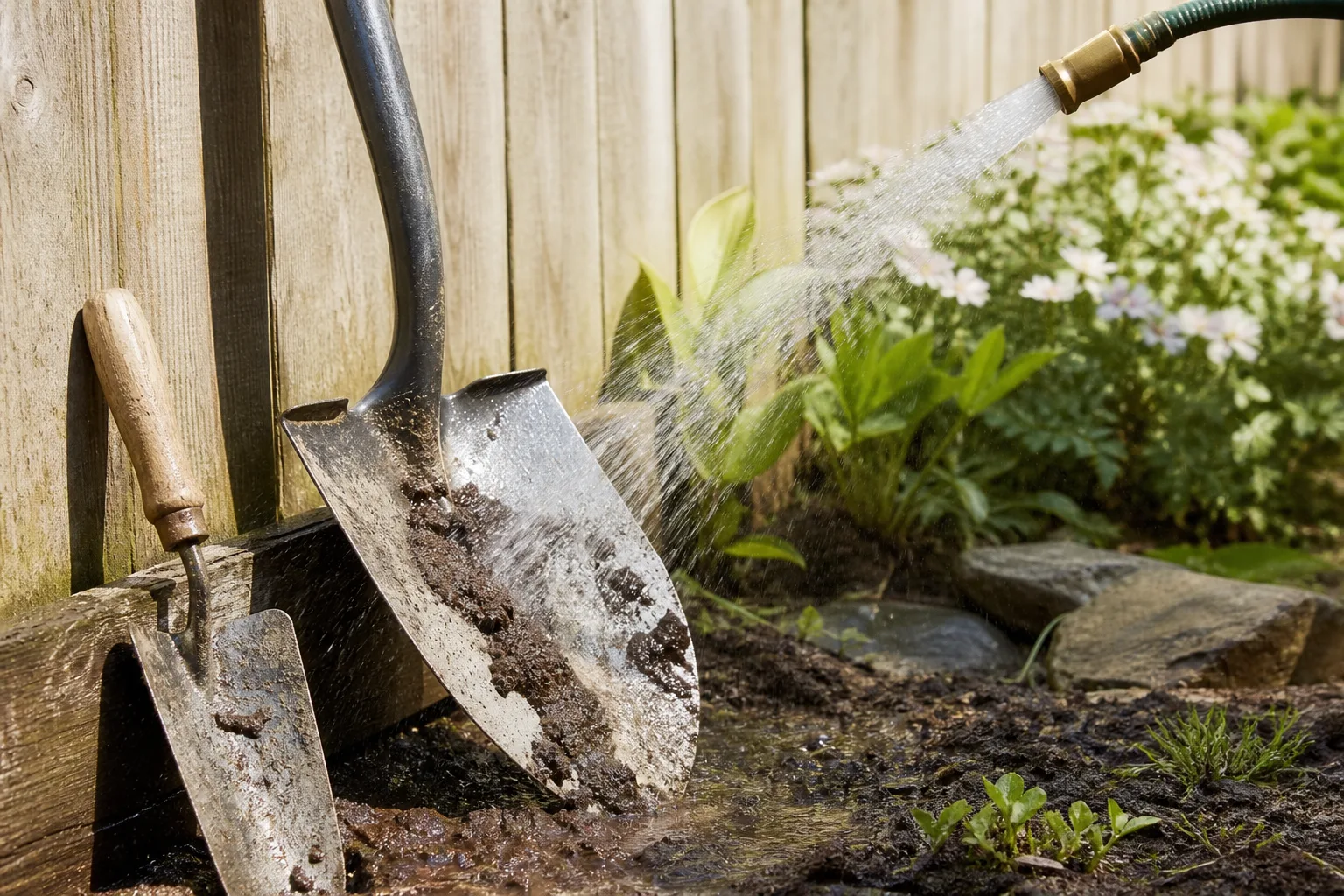
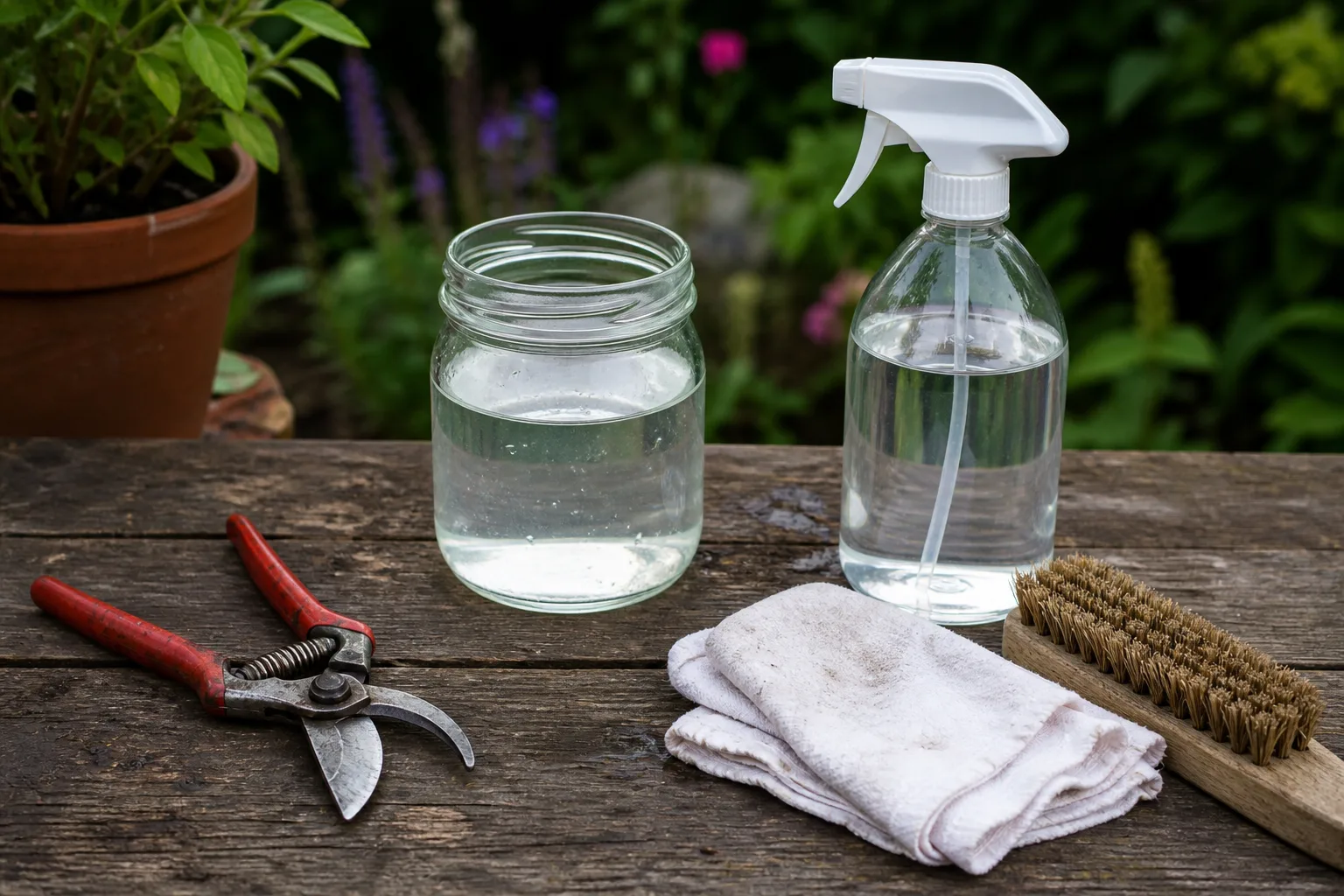
Quality tools still fail when they stay muddy, dull, and wet. Cleaning removes soil and sap; disinfecting kills pathogens when you move between diseased and healthy plants. Our full workflow lives in how to clean garden tools; the short version:
After each session: Knock off soil, rinse metal, dry thoroughly. Wipe pruner blades with rubbing alcohol when you finished with blight, canker, or virus-suspected tissue.
Monthly in season: Wash with soap and a stiff brush; oil pivots on pruners; inspect shovel handles for loosening.
At least once per year—or when cuts crush instead of slice: Sharpen pruners, hori hori, and shovel edges. UMN Extension notes dull blades damage plant tissue and increase disease entry (UMN Extension: sharpening garden tools). Epic Gardening recommends seasonal prep—clean, sharpen, oil, repair loose handles—before heavy spring use (Epic Gardening).
Store tools under a roof or in a deck box; minerals in clingy soil accelerate rust. Wooden handles benefit from occasional boiled linseed or mineral oil. A labeled hook board beats a pile in the corner—lost tools left outside cost more than the organizer.
Kick off each season with our pre-spring garden chores checklist so maintenance happens before planting rush, not after problems spread.
Conclusion
The right gardening tools do not multiply with ego—they match the work you actually do. Felco pruners, a Wilcox trowel, and Firm Grip gloves cover most gardeners before you spend a dollar on hose reels or rain gauges. Add Bully’s shovel and Zero-G hose when beds and distances grow; layer Dramm, Relaxed Gardener, Gorilla, Stratus, and Red Home Club as those jobs become weekly habits—not because a list told you to fill a shed.
Buy once, maintain on schedule, and skip categories your garden never touches. A small kit kept sharp and clean beats a wall of bent steel every time.