Best Weeding Tools: 9 Picks by Weed Type
Compare nine manual weeding tools by weed type, surface, and root depth—stand-up pullers, hoes, hori hori knives, and crack weeders—with a quick-pick table and minimal kit guide.
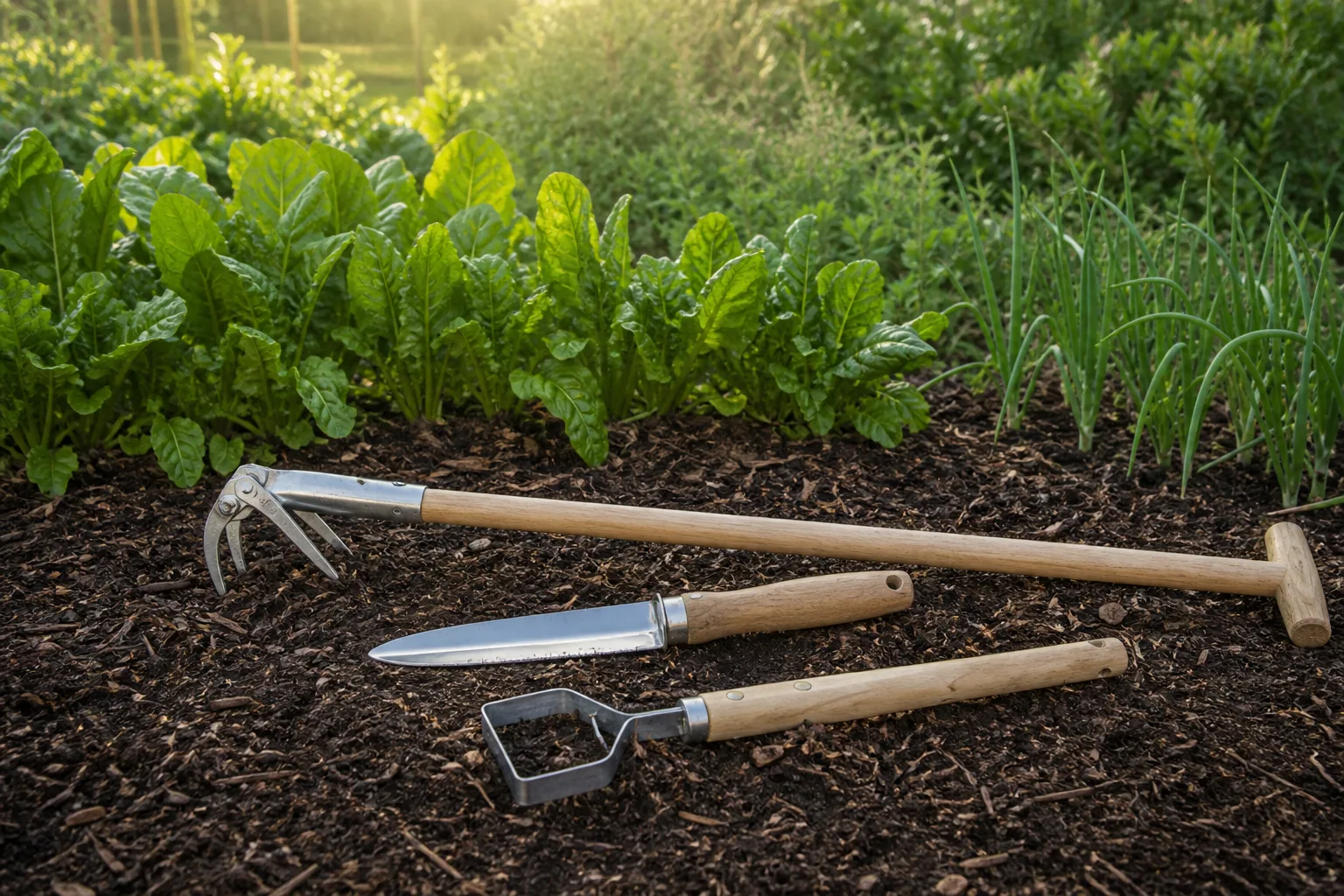
The best weeding tool is not the one with the most five-star reviews—it is the one that matches how your weeds grow and where they grow. A stand-up claw puller that yanks dandelion taproots cleanly will frustrate you on a mat of creeping Charlie. A stirrup hoe that shaves seedling weeds in a vegetable row will tear up lawn turf. Buy for the weed, then for your back.
This guide compares nine manual weeding tools across stand-up pullers, fork weeders, Japanese hand hoes, hori hori knives, stirrup hoes, grass whips, and crack scrapers. Recommendations draw on manufacturer specifications, retailer listings, and weed-biology guidance from the RHS dandelion profile and editorial tool coverage from Homes & Gardens. It does not add fresh hands-on lab testing. Use the quick-pick table to narrow the field, then read the weed-type section before ordering—getting that match right matters more than brand loyalty.
Quick Picks by Weed and Surface
| Job | Best fit | Listed specs | Why it makes sense | Main compromise |
|---|---|---|---|---|
| Deep taproots in lawn or mulch (dandelion, thistle) | Fiskars 4-Claw Stand-Up Weeder | 39 in.; steel claws; ~2.5 lb. | Stand-up push-step-lean motion; foot lever for compact soil | Useless in narrow cracks; misses tiny weeds |
| Budget hand weeding anywhere you can kneel | Fiskars W-Ergo Fork Weeder | 12 in.; steel fork; ~0.27 lb. | Inexpensive, precise, great first tool | Requires bending; short reach on deep roots |
| Daily grab-and-go multipurpose weeding | BlueArrowExpress Kana Hoe 217 | ~11 in.; carbon steel sickle blade | Slices mats, digs taproots, harvests | Learning curve on deep roots |
| Deep roots in beds with one versatile knife | Corona 8-In. Hori Hori | 8-in. blade; gel grip; ~0.64 lb. | Digging, cutting, transplanting, depth marks | No sheath; overkill for hairline cracks |
| Chopping tall grass and overgrown patches | Ames Double-Blade Weed Cutter | 40 in.; double-edged head; ~2.6 lb. | Cuts forward and back swing like a manual scythe | Does not remove roots; tiring |
| Weeds in paver joints and deck gaps | Grebstk Crack Weeder | 13 in.; L-blade; serrated edge | Angled blade scrapes tight joints | Wide cracks only partially; shallow roots |
| Shallow weeds between established plants | Ames Scuffle Hoe | 54-in. handle; stirrup blade; ~2.6 lb. | Push-pull slices roots just below surface | Not for lawns; misses deep taproots |
| Adjustable-height bed hoeing on a budget | DonSail Stirrup Hoe | 30–61 in. adjustable; ~1 lb. | Lightweight; height tuning reduces hunching | Hollow handle less robust than hardwood |
| Containers, raised beds, tight corners | Garden Guru Hori Hori | Shorter blade; sheath included; ~8 oz. | Compact control; safe storage | Shorter blade on hard-packed yard soil |
Prices shift by retailer and season. Treat weights and dimensions as specification anchors when comparing comfort, not guarantees.
Match the Tool to the Weed First
Before you compare brands, classify the weed problem. The RHS notes that many common weeds are perennials with distinct root strategies—and that non-chemical removal works when you target the right structure. Manual tools succeed or fail on that biology, not on marketing photos.
Taproot weeds (dandelion, thistle, plantain)
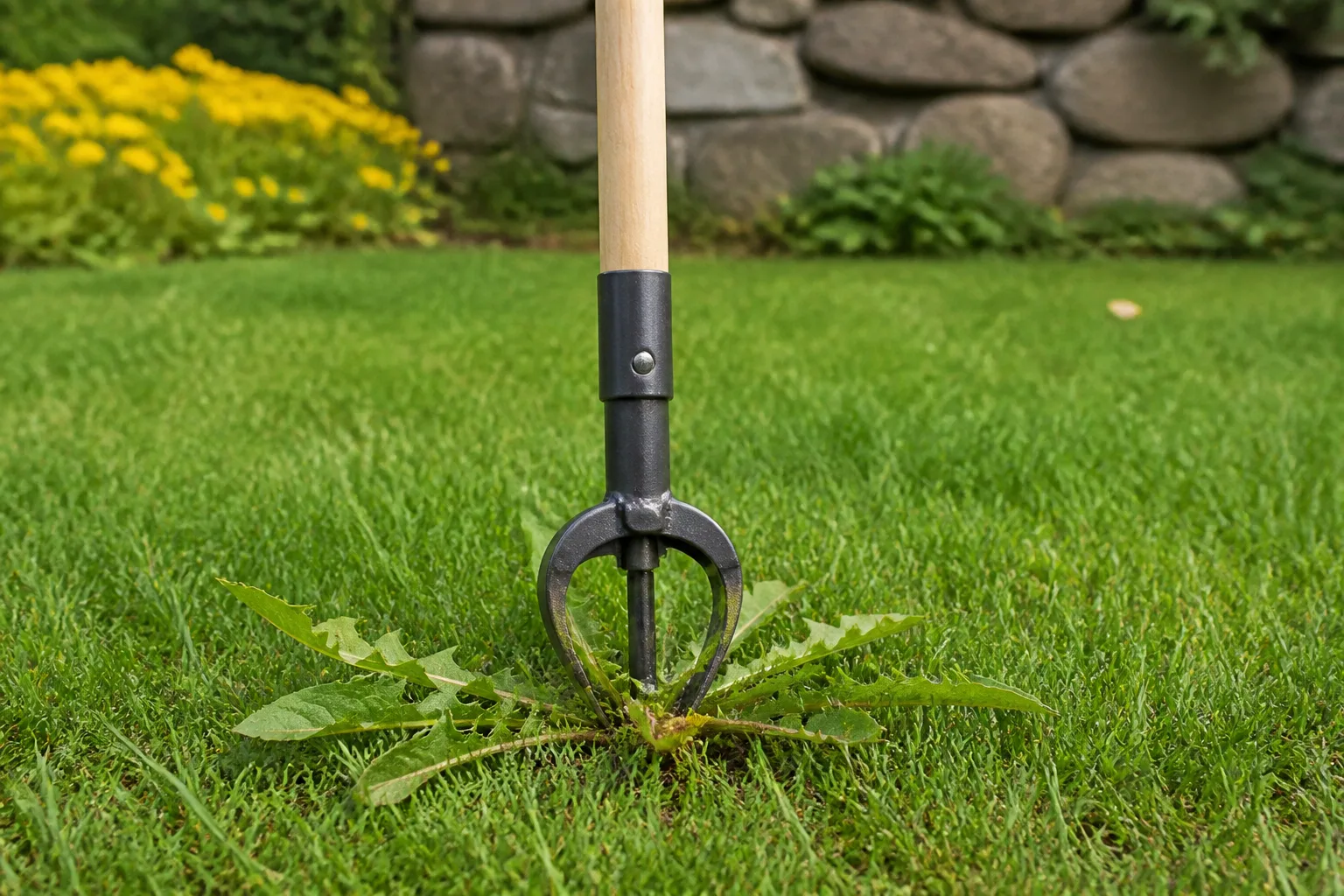
Taproot weeds anchor with a thick central root that can regenerate from fragments left in soil. The RHS advises aiming your tool at the center of the leaf rosette and removing as much taproot as practical; regrowth from leftover root is normal, so repeat pulls weaken the plant over time. In typical garden soil, taproots are often less than 30 cm (about 12 in.) though they fork deeper in stony ground.
Best tools: stand-up claw pullers (Fiskars 4-Claw), fork weeders (Fiskars W-Ergo), and hori hori knives (Corona) that can lever the full root mass. Poor fits: stirrup hoes and grass whips, which cut tops without extracting deep roots.
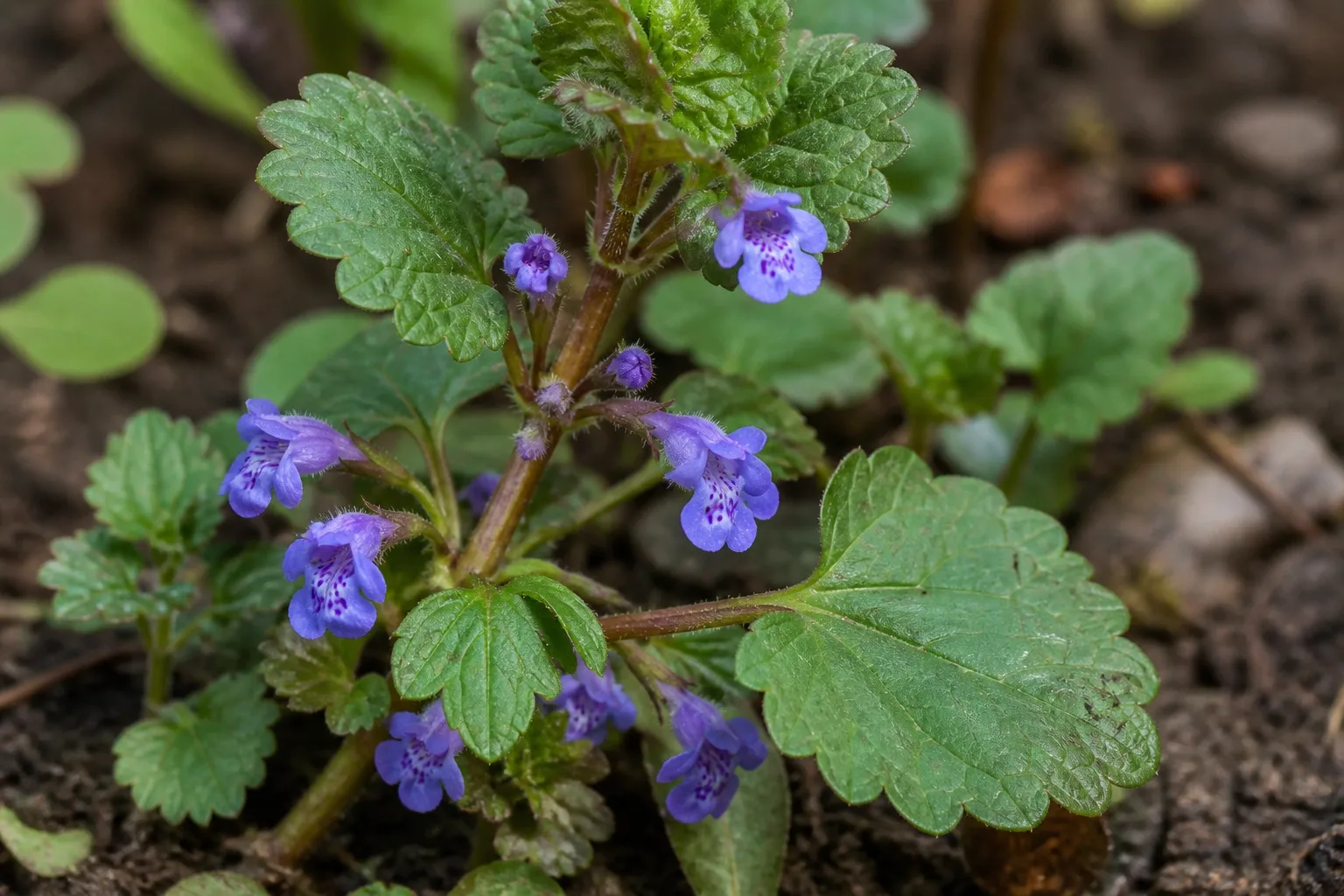
Shallow and creeping weeds (clover, spurge, creeping Charlie)
These weeds spread by stolons, rhizomes, or shallow fibrous roots. Cutting or disturbing the top growth helps, but mats regrow unless you remove runners or hoe repeatedly while seedlings are small. For spurge and other prostrate summer annuals, a stirrup hoe that slices just below the soil surface is often faster than hand-pulling every stem. For creeping Charlie and similar ground-hugging perennials, a sharp kana hoe or hori hori can rake up mats—expect follow-up sessions.
Best tools: scuffle/stirrup hoes (Ames, DonSail), kana hoe (BlueArrowExpress), hori hori for precision. Poor fits: stand-up claw pullers on tiny or prostrate plants.
Weeds in cracks and hardscape
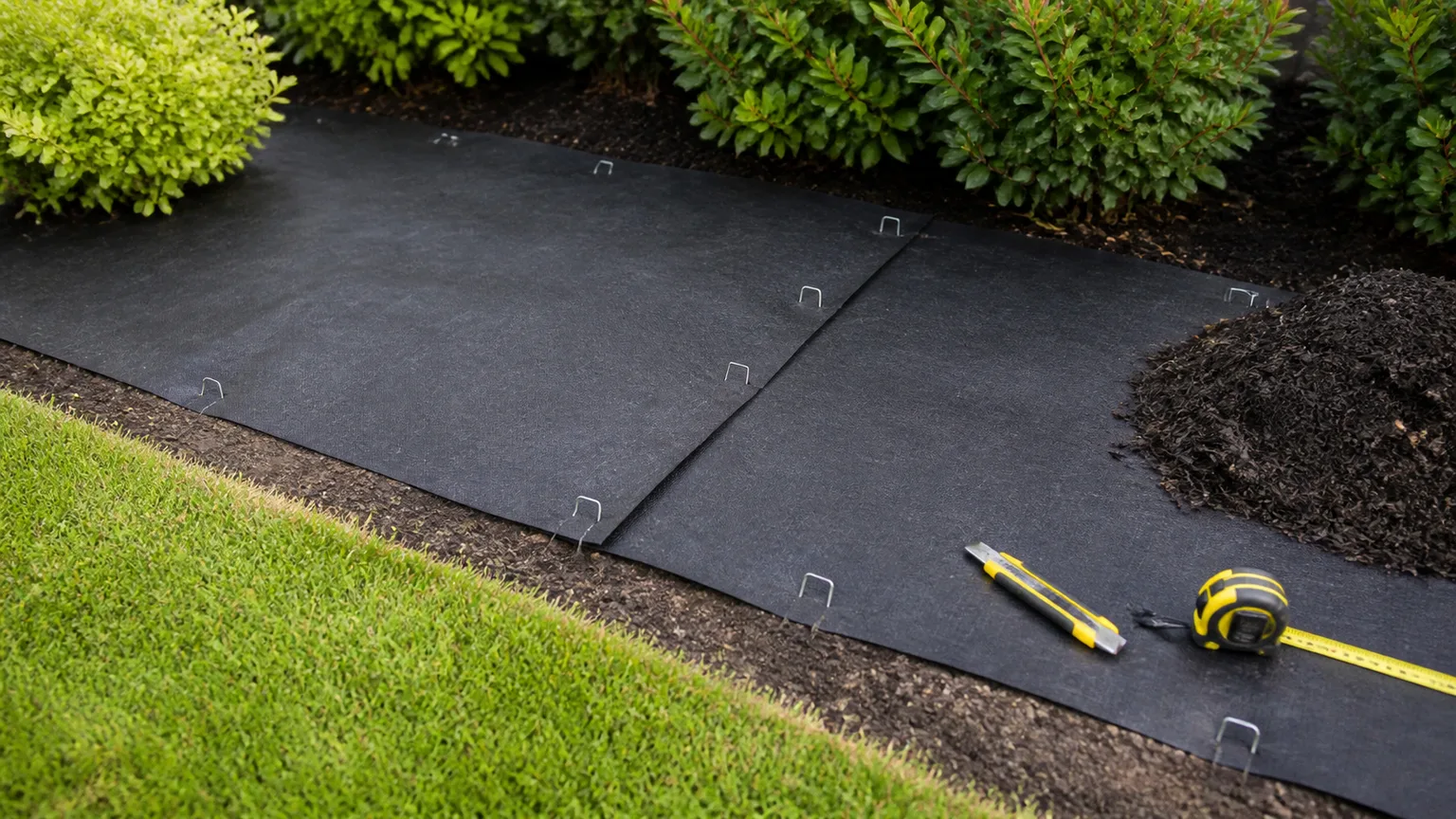
Weeds in driveway joints, paver gaps, and deck boards need a narrow blade that scrapes vertically without prying stones. Root depth is usually shallow, but access is the hard part. Power washing first—then scraping while soil is loose—improves results. Pair mechanical removal with landscape fabric or dense groundcover where appropriate so you are not fighting the same cracks every month.
Best tools: L-shaped crack weeder (Grebstk), fork weeder with thin tip (Fiskars W-Ergo) in wider joints. Poor fits: stand-up claw pullers and wide stirrup hoes.
Nine Weeding Tools Worth Buying
These nine tools cover the main manual categories homeowners actually use. Each entry lists who it suits, honest limits, and a buy/skip check.
Best Overall Stand-Up Weeder: Fiskars 4-Claw Deluxe
The Fiskars 4-Claw Deluxe Stand-Up Weeder is the default recommendation when you need to remove deep taproots without kneeling. Listed specs include an approximately 39-inch aluminum shaft, steel claws, and a weight near 2.5 pounds. The operating sequence is intuitive: center the claws over the rosette, step on the foot pad to drive tines into soil, lean the handle back to close the claws around the root, then lift. A handle-mounted ejector dumps the weed without hand contact.
That ejector matters more than it sounds on a hot afternoon in mulched beds or lawn areas where you are pulling dozens of dandelions. The claws grip thick roots well in both compact and damp soil. Limits are real: the opening is too wide for hairline pavement cracks, and low prostrate weeds like black medic or oxalis slip through. For those, pair this with a hand hoe or fork weeder rather than forcing the stand-up tool.
Choose it if: taproot weeds dominate your lawn or paths and bending is painful or slow.
Think twice if: most of your problem is creeping mats, seedling carpets in rows, or weeds exclusively in mortar joints.
Best Budget Fork Weeder: Fiskars W-Ergo Handle
The Fiskars W-Ergo Hand Weeder is a classic fork-tipped puller—about 12 inches long, roughly a quarter-pound, with a steel fork and ergonomic composite grip. It is the tool every shed should have even if you later buy a stand-up model. Insert the fork beside the taproot, lever slightly, and pull. The slim profile reaches into planting holes and wider driveway cracks better than a claw puller, though very narrow joints still need a dedicated crack tool.
At a typical street price under $15, it is the lowest-risk way to test whether hand weeding solves your problem before investing in long-handled gear. The trade-off is entirely ergonomic: you kneel, you bend, and marathon sessions tire wrists. Damp soil helps; baked clay fights short tines on the deepest thistle roots.
Choose it if: you weed in short bursts, work in containers, or want a backup for spots the stand-up tool cannot reach.
Think twice if: back or knee issues make ground-level work unrealistic—get the Fiskars stand-up tool instead.
Best Multipurpose Hand Tool: BlueArrowExpress Kana Hoe 217
The BlueArrowExpress Kana Hoe 217 is a small Japanese-style sickle hoe—carbon steel blade, wooden handle, under a pound. Homes & Gardens highlights hori hori-style and hand hoe tools for small gardens precisely because one well-designed blade replaces several single-purpose gadgets. The kana hoe extends that idea with a curved edge that slices shallow weeds, hooks taproots when you angle it correctly, and handles light pruning or harvest cuts.
There is a learning curve, especially for deep taproots: you figure out blade angle and wrist motion over a few sessions. Once comfortable, many gardeners reach for it daily because it moves between bed edging, runner removal, and vegetable harvest without returning to the shed. The basic wood handle is functional but less grippy than rubberized grips when wet.
Choose it if: you want one short tool for mixed beds, containers, and creeping weeds.
Think twice if: you only pull lawn dandelions standing up—you still need a long-handled solution.
Best Hori Hori for Deep Roots: Corona 8-Inch Knife
The Corona CT15409 Hori Hori Knife pairs an 8-inch stainless blade with a comfort gel grip and depth markings for planting. Hori hori means “dig dig” in Japanese; the form is half trowel, half knife. Push it beside a taproot, wiggle to loosen, then lever the plant out. Serrated edges cut fibrous roots and small woody stems; the straight edge slices sod or opens bags of mulch.
Compared with a fork weeder, a hori hori makes a slightly larger soil opening but handles transplanting, bulb planting, and dividing perennials in the same session. Corona’s model is a strong mid-price pick. It does not ship with a sheath—store it carefully because the edge is sharp. For dense clay, expect more effort than in loose raised-bed mix.
Choose it if: you maintain ornamental beds and want one knife for weeding, planting, and dividing.
Think twice if: your primary job is hairline crack scraping—get the Grebstk tool instead.
Best for Heavy Overgrowth: Ames Double-Blade Weed Cutter
The Ames Double-Blade Weed Cutter (also sold under True Temper branding) is a 40-inch grass whip with an angled double-edged head. Swing it like a golf club: it cuts on the forward stroke and the return. That makes quick work of thigh-high grass, spent ornamental grasses, and weedy fence lines where a string trimmer cannot fit cleanly.
This is a defoliation tool, not a root remover. You are knocking down growth before seed set or clearing visual mess—not solving a perennial taproot problem. It is physically demanding at 2.6 pounds with a full swing arc. Wear eye protection; debris flies. Excellent for spring cleanup along vegetable garden perimeters and tree rings.
Choose it if: you need fast chopping where precision pulling is unnecessary.
Think twice if: you expect permanent weed elimination without follow-up root work or mulch.
Best for Cracks and Pavers: Grebstk Crack Weeder
The Grebstk Crack Weeder is an L-shaped stainless blade on a short beech handle—about 13 inches overall. One edge is serrated for cutting runners; the other is smooth for scraping. Slide it along paver joints, deck board gaps, and brick walkways to pop shallow roots and crown growth.
It excels where stand-up pullers cannot open and stirrup hoes would damage stone. Effectiveness drops in very wide cracks where the blade loses contact angle, and it will not extract a full dandelion taproot from a joint—you combine scraping with occasional fork work. Kneeling is required. Consider grippy gloves when the handle is wet.
Choose it if: hardscape weeds are your main annoyance.
Think twice if: your weeds are exclusively in open lawn and mulched beds.
Best Stirrup Hoe: Ames Wood Handle Scuffle Hoe
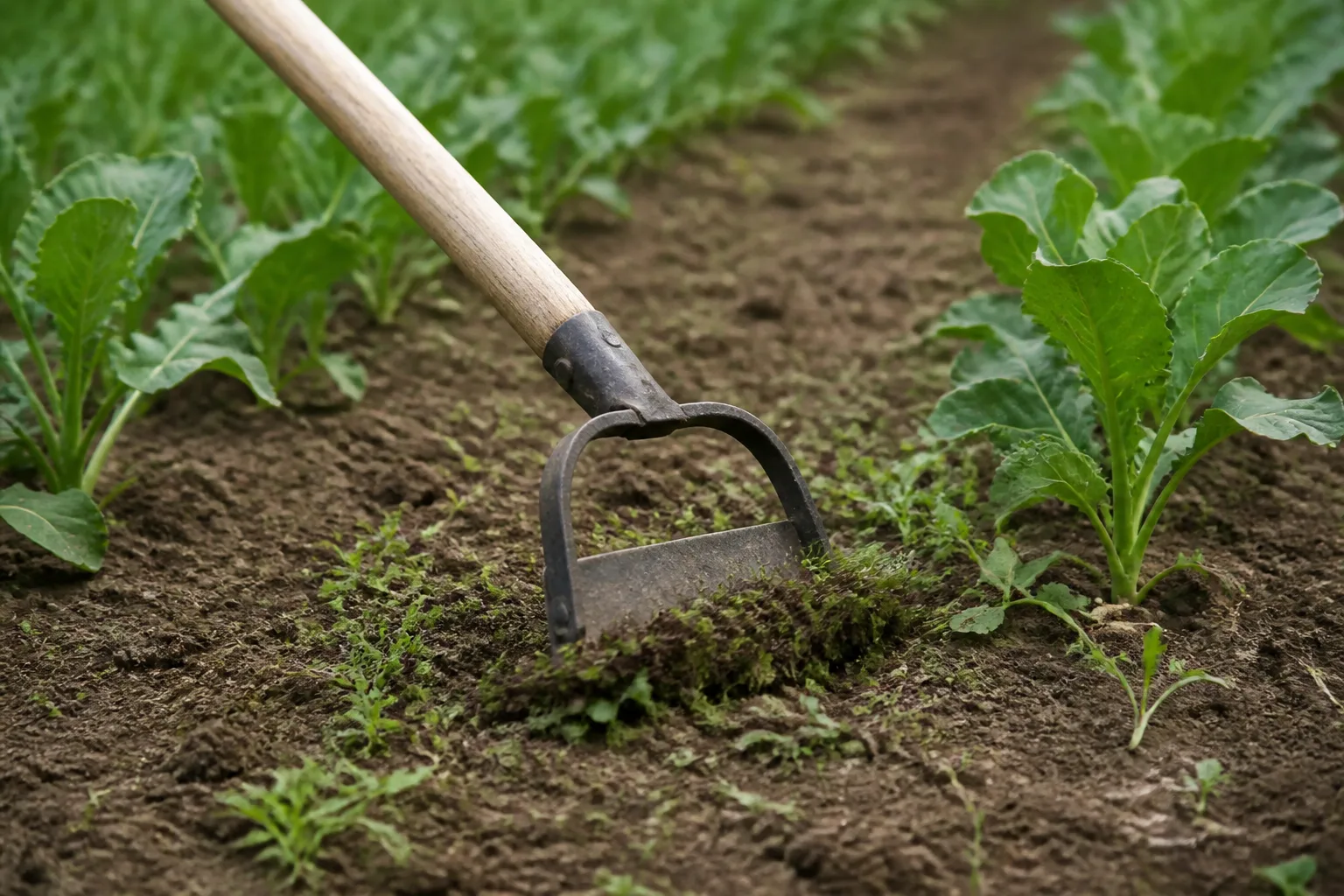
The Ames Action Scuffle Hoe (54-inch hardwood handle, steel stirrup blade, about 2.6 pounds) is a bed-workhorse. Push and pull the loop blade just under the soil surface; it severs shallow roots and disturbs tiny seedlings with minimal deep tillage—aligned with no-dig goals when used lightly.
Use it between rows and around established perennials where a few centimeters of soil disturbance is acceptable. It is not a lawn tool: the blade will scalp turf. Ergonomic grip and long handle keep your back straighter than hand hoeing. Fatigue shows up on large plots because the motion is repetitive—pace yourself.
Choose it if: you maintain vegetable rows or shrub borders with annual weed seedlings.
Think twice if: your weeds are mature taproots already—slice first, then fork or stand-up pull survivors.
Best Adjustable Stirrup Hoe: DonSail 30–61 Inch Hoe
The DonSail Adjustable Stirrup Hoe telescopes from about 30 to 61 inches via sectional handle pieces. Listed weight near one pound makes it noticeably lighter than the Ames hardwood model. The stirrup head uses the same push-pull cutting action on shallow weeds in loose soil.
Adjustability helps households with different heights share one tool and lets you shorten the handle for raised beds or lengthen it for path work. Trade-offs: the telescoping joint is less rugged than a single hardwood shaft, and tight spaces between densely planted perennials still favor a short kana hoe. Like all stirrup hoes, it does not extract established taproots.
Choose it if: you want stirrup-hoe efficiency with height flexibility on a budget.
Think twice if: you need a lifetime heirloom handle for heavy clay day after day.
Best for Containers and Tight Beds: Garden Guru Hori Hori
The Garden Guru Hori Hori Gardening Knife packages a shorter hori hori with rosewood handle, depth markings, and included sheath—a safety advantage Corona skips. The compact blade suits containers, window boxes, and narrow raised beds where a 8-inch knife feels oversized.
It handles the same jobs as larger hori horis at smaller scale: weeding, transplanting, opening soil bags, cutting twine. Steel full-tang construction is listed as durable for home use. In open lawn with deep taproots, the shorter blade simply cannot reach as far as the Corona; match the tool to the bed depth you actually garden in.
Choose it if: most of your growing happens in pots and elevated beds.
Think twice if: your main battlefield is lawn taproots at ground level.
What to Look for Before You Buy
Handle length, grip, and back strain
Long-handled tools (54-inch hoes, 39-inch stand-up pullers) exist to keep your spine upright. If you cannot kneel comfortably, prioritize stand-up claw pullers and long stirrup hoes over fork weeders. For shared households, adjustable handles (DonSail) beat buying duplicates. Look for textured or rubber grips if you weed with wet gloves; smooth wood handles (Grebstk, kana hoe) benefit from gloves with grip panels.
Test the motion before you commit: stirrup hoes reward a shallow slicing angle; stand-up pullers need foot pressure in dry soil. A tool that fights your natural stance will collect dust even if reviews are glowing.
Blade steel, tang, and durability
Weeding forces are high—levering roots, hitting stones, scraping mortar. Prefer forged or stamped steel blades on working edges; aluminum claws on stand-up tools save weight but are not interchangeable with hoe blades. Full-tang hori hori knives (Garden Guru) resist twisting better than stamped novelty blades.
After each session, knock off soil, dry metal, and oil carbon steel (kana hoe) to prevent rust. Store sharp knives in sheaths. Replace or sharpen dull stirrup hoe edges; a dull loop tears weeds instead of cutting them cleanly, which means regrowth.
Build a Minimal Three-Tool Kit
You do not need all nine tools on day one. A practical starter kit covers three weed architectures:
- Stand-up or fork taproot tool — Fiskars 4-Claw if bending is hard; W-Ergo fork if budget is tight and you can kneel.
- Stirrup or kana hoe for seedlings and mats — Ames scuffle hoe for rows; kana hoe if space is tight.
- Crack scraper or hori hori for precision — Grebstk for pavers; hori hori if cracks are secondary.
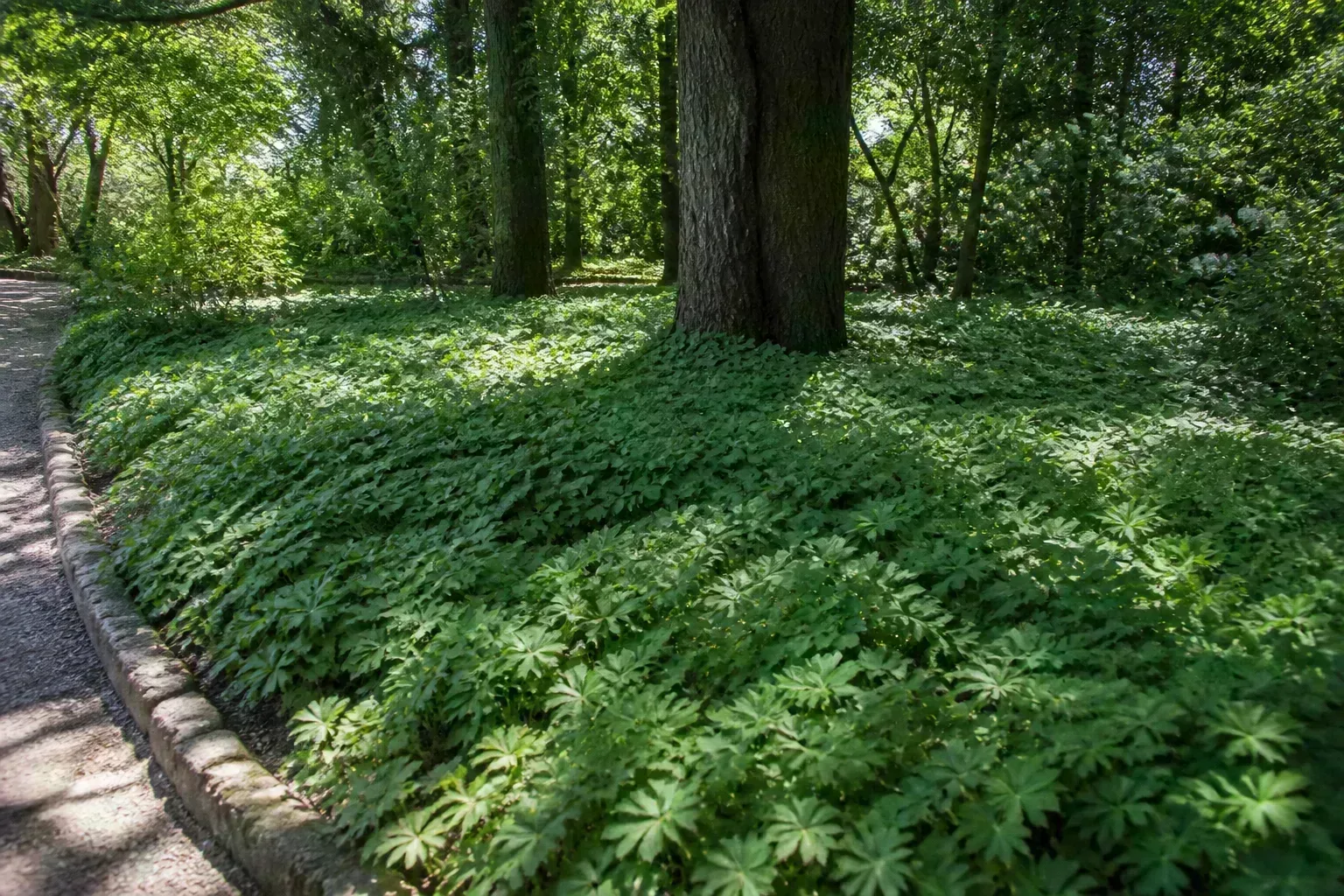
Add the grass whip only if you regularly face overgrown fence lines. Add the second hori hori only if containers and in-ground beds split your time. Prevention—mulch, dense planting, correct mowing height—reduces how often these tools leave the shed. See groundcover options when bare soil keeps sprouting weeds faster than you can pull them.
Conclusion
The right weeding tool is a function of root depth, spread habit, and surface—not brand hype. Stand-up claw pullers win on lawn dandelions, stirrup hoes win on seedling carpets in beds, crack weeders win on pavers, and hori hori knives win when one compact blade must weed, plant, and divide. Buy for the weeds you have this season, keep expectations honest about root fragments regrowing, and pair mechanical removal with mulch or cover where weeds return weekly. Start with the quick-pick table, add only the tools your yard actually demands, and you will weed faster with less frustration than grabbing the first sponsored “best overall” link you see.