How to Grow and Care for Blanket Flower (Gaillardia)
Learn blanket flower care for sun, drainage, watering, deadheading, seed starting, division, containers, winter, and common Gaillardia problems.
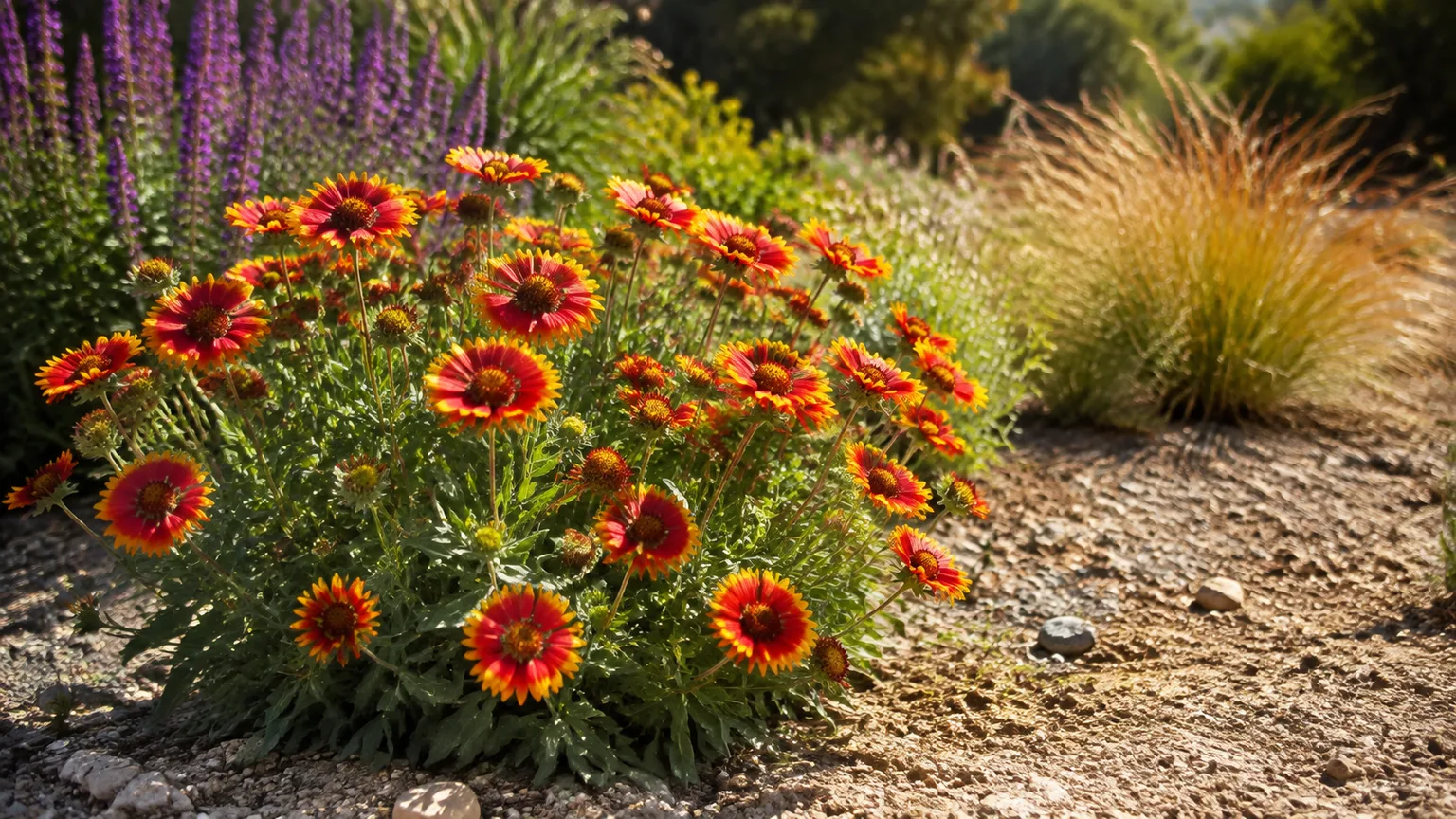
Blanket flower is easiest to grow when you treat it like a prairie or meadow plant, not like a thirsty bedding annual. Give Gaillardia strong sun, open soil that drains quickly, and regular water only while it is establishing. Once the roots are settled, it can carry bright red, orange, yellow, and gold daisy-like flowers through hot weather with very little fuss.
The important qualification is that “blanket flower” describes a genus, not one identical plant. Annual Gaillardia pulchella, perennial G. aristata, and short-lived hybrid G. × grandiflora can differ in height, bloom timing, winter behavior, and whether they return reliably. Use the plant label as your starting point, then use your soil and weather to set the routine.
What Blanket Flower Is—and Why It Can Be Short-Lived
Gaillardia belongs to the Asteraceae family. Its flower head has a central disk surrounded by rays that may be red, orange, yellow, peach, or banded in several colors. The foliage is often gray-green and slightly bristly, and the plant may form a compact mound or send upright stems above a spreading clump.
The genus includes annuals, biennials, and perennials. The Missouri Botanical Garden describes G. aristata as a western North American species of dry meadows, prairies, and grasslands, while many garden hybrids combine perennial G. aristata with annual G. pulchella. That parentage helps explain why a named hybrid can flower heavily in its first season but still behave as a short-lived perennial in a wet or humid garden. (Missouri Botanical Garden plant profile)
So, does blanket flower come back every year? Sometimes, and often for several years in a suitable site, but not every plant has the same promise. A perennial can disappear after a waterlogged winter, a crown can rot during prolonged summer rain, or a hybrid can simply lose vigor after a few seasons. That is normal variation, not proof that you cared for it incorrectly.
Pick the Right Gaillardia for Your Garden
Choose a plant by mature habit and site, not just by flower color. Compact cultivars work well at the front of a sunny border or in a container. Taller forms are useful in a meadow edge or mixed perennial bed but may need a discreet ring support. If you want a naturalized patch, a species or seed strain that self-sows may be welcome; if you want a uniform border, choose a named cultivar and remove most spent heads before seeds mature.
Perennial forms are commonly sold for broad hardiness ranges, but the range depends on the species and cultivar. The Royal Horticultural Society lists Gaillardia ‘Torchlight’ as a clump-forming, relatively short-lived perennial for full sun and well-drained chalk, loam, or sand, with a mature height and spread that can approach 0.5 to 1 meter. That is a useful reminder to check the individual label rather than assuming every blanket flower stays a small edging plant. (RHS Gaillardia ‘Torchlight’ profile)
Before buying, answer three questions. Do you have a spot with at least six hours of direct sun? Does water leave the site quickly after a storm? Can you accept a plant that may need replacing or reseeding after a few years? If the answer to the first two is no, a different flower will be easier than trying to negotiate with Gaillardia’s basic preferences.
Give Blanket Flower Full Sun and Airflow
Aim for six or more hours of direct sun. More light generally means more flowers, shorter and sturdier stems, and a drier leaf canopy after rain. In partial shade, blanket flower may survive, but it often stretches toward light, produces fewer buds, and flops outward instead of holding a neat mound.
Full sun does not mean that every climate needs relentless reflected heat. In a very hot region, especially in a dark container beside a south-facing wall, a little late-afternoon relief can reduce root and flower stress. Morning sun followed by bright, open shade is a reasonable compromise for a stressed pot; deep shade under a tree is not. Watch the plant across a full day before moving it—sun at breakfast can become shade by lunch.
Airflow matters almost as much as light. Leave enough space between plants for wind to move through the foliage, and avoid placing the crown where a fence, dense shrub, or automatic sprinkler keeps it damp. For a larger sunny border, the same open planting logic used in a pollinator garden helps blanket flower stay visible, dry, and easier to deadhead.
Fix Drainage Before You Enrich the Soil
Blanket flower is flexible about fertility but strict about drainage. Average, sandy, gravelly, or rocky soil can work; heavy clay that stays slick days after rain is the bigger concern. Missouri Botanical Garden notes that Gaillardia tolerates dry soil and drought yet performs poorly in overly moist heavy clay, where root rot becomes more likely during long wet periods. (Missouri Botanical Garden culture notes)
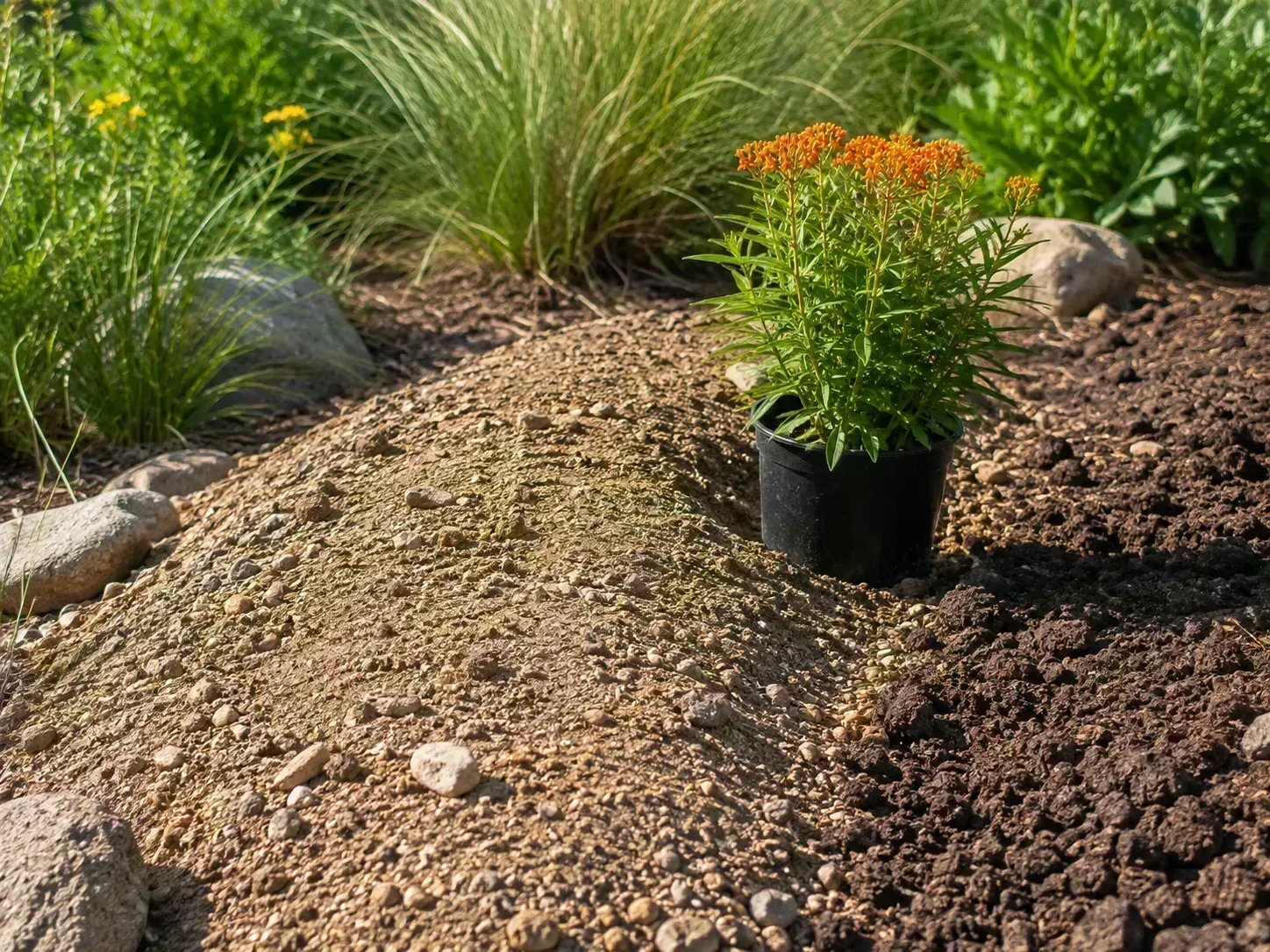
Test the site before planting. Dig a hole about 12 inches deep, fill it with water, let it drain, and fill it again. If the second fill is still sitting the next morning, do not place a Gaillardia crown at the lowest point and hope fertilizer will rescue it. Plant on a gentle mound, use a raised bed, or select a naturally sloped location instead.
Do not mix a small amount of sand into a clay hole. That can create a dense, concrete-like pocket rather than a well-drained root zone. If you are improving the bed, work finished compost through a broad area, avoid walking on wet clay, and raise the planting level slightly so the crown is not sitting in a basin. Keep mulch thin and a few inches away from the stems.
Rich soil is not automatically better. Too much compost or lawn fertilizer can create fast, soft foliage with fewer flowers and more flopping. If the plant is green and leafy but reluctant to bloom, inspect light, nitrogen, and moisture before adding a feed.
Plant Nursery Starts Without Burying the Crown
Plant nursery Gaillardia in spring after the soil is workable and the hard frost risk has passed. In climates with mild autumns, early-fall planting can work if the roots have time to settle before the soil turns cold and wet. Avoid setting a small transplant into a low, saturated bed just before winter; the timing and site combine to create a greater risk than cold alone.
Set the top of the root ball level with, or just slightly above, the surrounding soil. A buried crown stays wetter and can decline even when the upper soil looks dry. If roots are circling densely in the pot, loosen the outer layer gently rather than tearing the entire root ball apart. Space plants according to the label, commonly 12 to 18 inches for compact cultivars and up to 24 inches for broad or tall forms.
A simple planting sequence
- Water the plant in its nursery pot so the root ball does not crumble when lifted.
- Clear weeds and loosen a broad planting area rather than making only a rich pocket.
- Dig a hole as deep as the root ball and about twice its width.
- Set the crown level with the bed, or a little high in heavy soil.
- Backfill with the native soil and firm gently around the roots.
- Water slowly at the base until the full root ball is damp, then let the site drain.
- Add a thin, loose mulch layer if needed, keeping it away from the crown.
The first new growth matters more than immediate size. A transplant may pause while it makes roots, so resist the urge to feed heavily or water every day simply because the top looks quiet.
Water Deeply While It Establishes
The first four to eight weeks are the transition period. Check the soil a couple of inches down every few days, then water deeply when that zone is beginning to dry. A short sprinkle each day wets the surface but may leave the root ball dry inside; repeated shallow watering also keeps the crown unnecessarily damp.
Use a slow stream at the soil line and water until moisture reaches the lower root zone. Then wait for the upper layer to dry before repeating. Hot wind, very sandy soil, a shallow bed, or a fall planting can change the timing, so a calendar is less useful than the soil and the plant’s new growth.
Once established, Gaillardia usually tolerates dry spells and needs supplemental water mainly during prolonged heat and drought. “Drought tolerant” does not mean “never water.” A deep soak can protect a flowering plant during an unusually long dry period, but watering a saturated bed more often will not solve wilt caused by damaged roots.
Containers dry faster than beds. Check a pot when the top inch or two of mix is dry and the container feels lighter, then water thoroughly and empty the saucer. If the mix stays wet for days, improve the drainage or change the potting mix rather than increasing the watering frequency. Garden Design likewise separates regular water during establishment from mature drought tolerance and warns that overwatering can contribute to root rot and fungal disease. (Garden Design Gaillardia guide) A practical growing guide from Leafy Zen makes the same useful distinction: the plant’s first weeks call for closer checks, while an established in-ground clump should be watered in response to real heat and drought rather than on a fixed daily schedule. (Leafy Zen Gaillardia care guide)
Fertilize Lightly—Often Not at All
Established blanket flower rarely needs a regular fertilizer schedule in ordinary garden soil. A modest amount of finished compost at planting is enough for many beds. Overfeeding, especially with a high-nitrogen lawn product drifting into the border, can produce tall leaves and weak stems rather than the flowers you expected.
If flowering is poor, check the site in this order: light, drainage, plant age, pruning, and fertility. A soil test is sensible when growth is generally weak or the bed has a known nutrient problem. Random fertilizer is not a bloom button, and excess salts can stress roots in a container.
A potted plant is the main exception because repeated watering can wash nutrients from the mix. If the plant is actively growing and the potting mix is old, use a modest, slow-release or balanced feed according to its label. Keep the dose conservative and never fertilize a drought-stressed, newly divided, or waterlogged plant until its roots are functioning normally.
Deadhead for Flowers or Leave Seeds for Wildlife
Deadheading is optional for plant survival but useful for a tidy plant and a longer-looking flower display. Follow a spent flower stem down to a healthy leaf set or side shoot, then cut just above it. Removing only the brown head leaves an awkward bare stalk; removing the whole stem to a useful branching point gives the next buds more room.
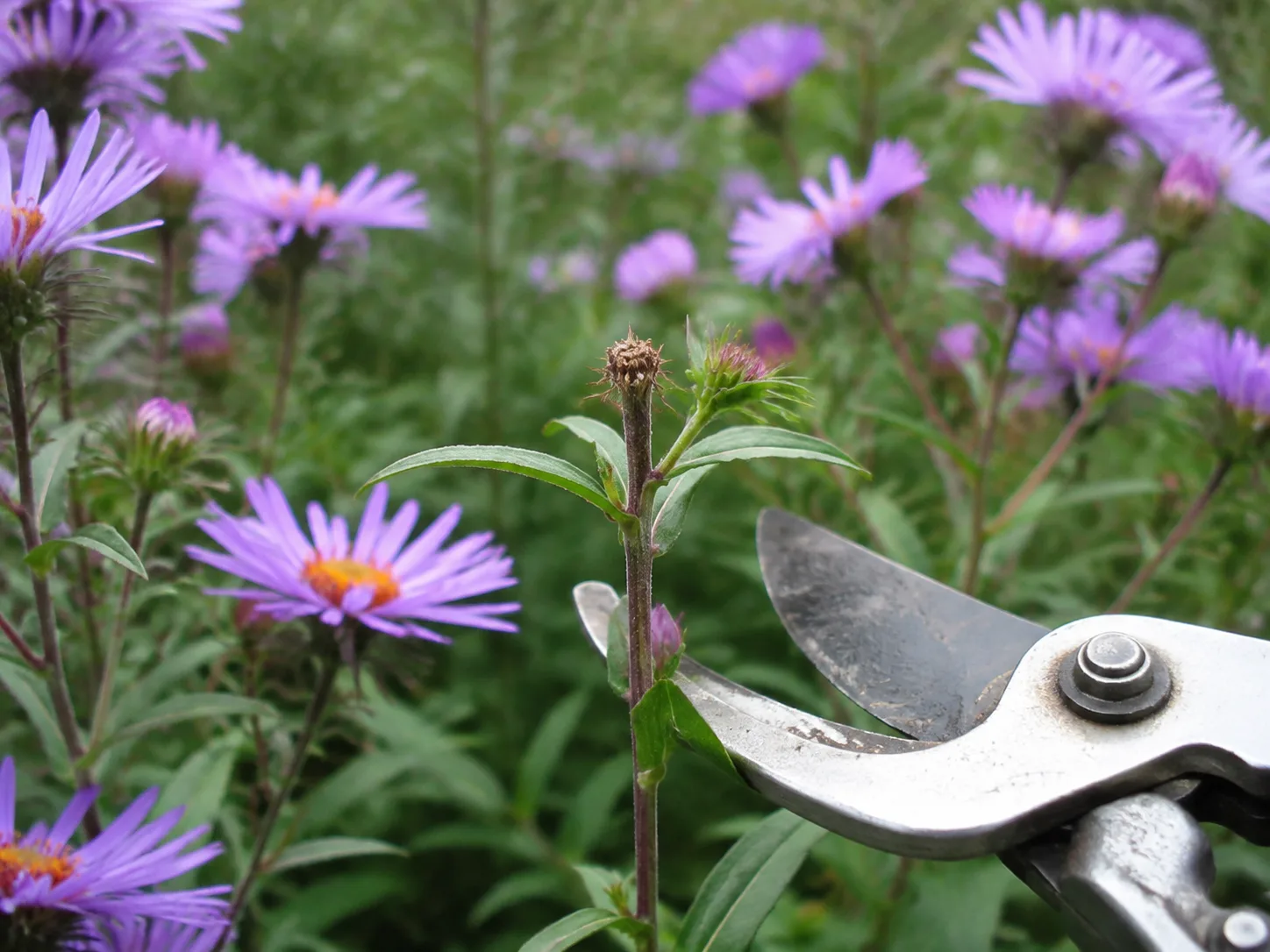
Deadhead through most of summer when your priority is repeat flowers and limited self-sowing. Stop before the final flush if you want seedheads for birds, winter texture, or volunteer plants. Garden Design notes that late-season seedheads can feed goldfinches and other songbirds, while the Missouri Botanical Garden observes that deadheading can tidy a planting and may encourage additional bloom.
The best compromise is to deadhead near a path, patio, or front border and leave a few late heads in the back of the patch. Seedlings from hybrids may not match the parent’s color or height, so let them grow where variation is acceptable and pull extras while young if the bed needs to stay controlled.
When a midseason cutback helps
If a clump has finished a heavy first flush and looks tired, open, or excessively tall, shear it back by about one-third. Leave healthy lower foliage and avoid cutting a newly transplanted plant merely to make it look tidy. A cutback temporarily removes flowers, but it can encourage a fresh, shorter flush when the plant still has a strong root system and several weeks of growing weather left.
At the end of the season, your climate and the plant’s condition should guide cleanup. You can leave dry stems for winter structure and birds, or cut a fully dormant clump back near the ground. In a wet climate, remove collapsed debris that mats against the crown, but do not pile a thick, moisture-holding mulch over it.
Stop Flopping Before It Starts
Flopping is usually a site or growth problem, not a mysterious Gaillardia trait. Insufficient sun makes stems stretch; excess nitrogen makes them soft; too much water encourages lush growth; and crowded plants lose the light and airflow that keep stems firm. Some cultivars are simply taller than the location can support.
Correct the cause first. Move a plant only during a suitable cool season and only if the soil can be prepared to drain. Stop unnecessary fertilizer, reduce irrigation in a soggy bed, and thin congested neighbors. A small peony ring or a few twiggy stakes installed while the plant is short are less visible than tying a flattened clump upright after a storm.
For next year, a light one-third cutback in late spring can produce a shorter, more branched plant, though flowering may start later. Do not keep pinching once flower buds are forming. If the same plant flops every season despite full sun and lean soil, replace it with a shorter cultivar rather than fighting its natural habit.
Grow Blanket Flower From Seed
Seed is an economical way to create a drift, especially with annual Indian blanket flower. It is less reliable when you need an exact named hybrid: seedlings can vary, and some hybrids do not reproduce true to the parent. Buy a plant or divide a known perennial when uniform color and height matter more than quantity.
Gaillardia seed is small and benefits from light exposure. Prepare a weed-free surface, press the seed into the soil, and cover it only as deeply as the packet directs—often barely at all. Keep the seedbed lightly and evenly moist until germination, then begin spacing out watering as roots develop. Germination may take roughly one to three weeks under suitable conditions, but soil temperature and moisture change the result.
Direct sowing and indoor starting
Direct sow perennial seed outdoors after the local frost window or in late fall where the species and climate make natural winter exposure appropriate. Thin seedlings early so they do not compete in a crowded mat. Mark the row: young seedlings can resemble weeds before their mature leaf shape appears.
For an earlier start, sow indoors about four to six weeks before the expected last frost. Use a clean seed-starting mix, set seed on the surface or barely press it in, and provide strong light as soon as seedlings emerge. Transplant outdoors only after frost risk has passed and the seedlings have several true leaves.
Harden seedlings over about a week. Begin in bright shade protected from wind, then increase direct sun gradually. A seedling raised indoors can scorch when moved straight into hot afternoon sun, even though a mature blanket flower thrives in that exposure. Water gently during the transition and avoid pushing tender plants with fertilizer.
Divide Healthy Perennial Clumps Carefully
Divide a perennial Gaillardia when the clump is vigorous but crowded, the center is thinning, flowering has declined despite good light, or the plant has outgrown its space. Early spring as new shoots emerge is usually the easiest time. Early fall can work in regions where the roots have several weeks to establish before hard freezes.
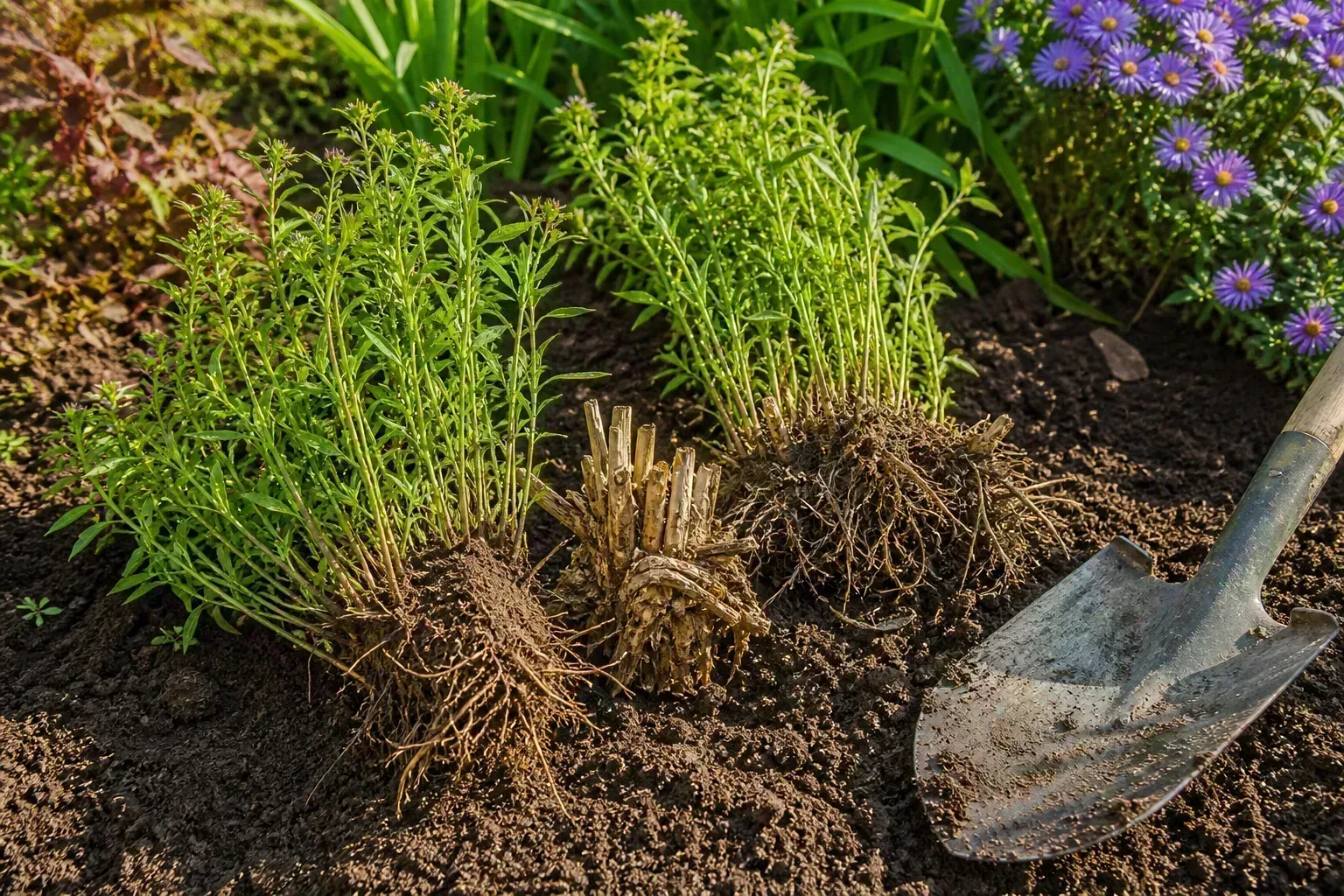
Division is not a cure for crown rot or a permanently wet site. If the plant is collapsing from a waterlogged center, first correct drainage and discard soft, brown, or foul-smelling tissue. Dividing a sick plant into several smaller sick plants only multiplies the problem.
Water the clump the day before digging. Use a spade to lift a broad root ball, then shake away enough soil to see where the crown has healthy growing points. Separate natural sections by hand or cut through the crown with a clean, sharp knife. Each division needs healthy roots and several shoots; do not plant a bare piece of dead center wood.
Replant divisions at their original depth, firm the soil, and water thoroughly once. Keep the surrounding soil moderately moist while new growth appears, but let excess water drain between applications. Expect a short reset period. If the division declines again quickly, inspect winter wet, irrigation, root competition, and fertilizer before attempting another division. A healthy replacement or a new seed-grown patch may be the more honest solution for a short-lived cultivar.
Grow Gaillardia in Containers and Through Winter
A container is a good workaround for heavy clay or a garden bed that stays wet, provided the pot has several drainage holes. Choose a container large enough for the root ball with room to grow, use a loose potting mix rather than garden soil, and place it where the plant receives strong sun and moving air. A compact cultivar is easier to balance than a tall type.
Pots heat and dry quickly, so check moisture more often than you would in the ground. Water when the upper mix has dried, soak until water exits the holes, and empty any saucer. Do not create a gravel layer inside the pot to “improve drainage”; the drainage holes and a suitable mix matter more. If water runs straight down the sides or roots circle the container, refresh the mix or divide in spring.
In-ground plants generally handle cold better than potted plants because the surrounding soil buffers root temperature. For a container, use the cultivar’s hardiness rating conservatively, shelter the pot from wind and repeated freeze-thaw cycles, and keep it protected from winter saturation. In a cold or very wet climate, treating a short-lived selection as a seasonal container display may be more successful than trying to force it to return.
Diagnose Yellow Leaves, Mildew, and Root Problems
Start with the site before diagnosing the leaf. Yellowing on a plant in constantly wet soil points toward root stress or rot; yellowing with dry, crumbly soil can reflect drought; a crowded, damp canopy points toward foliar disease. Check the crown and roots if the plant is declining: healthy roots are firm, while rotten roots are soft, brown, or foul-smelling.
Powdery mildew appears as a pale, dusty coating on leaves and is more likely when humidity is high, plants are crowded, and foliage stays damp. Improve airflow, water at the base, remove heavily affected leaves, and avoid high-nitrogen feeding. If the disease continues, use only a product labeled for the problem and plant, follow its directions, and test a small area first. The RHS lists Gaillardia as potentially susceptible to downy mildews, while the Missouri Botanical Garden also lists powdery mildew and fungal leaf spot among possible problems. (RHS Gaillardia profile)
Aster yellows needs a different response. Watch for stunting, yellowing and twisting of new growth, green or distorted flower parts, sterile blooms, or unusual clusters of leaves. The University of Wisconsin–Madison Extension explains that aster leafhoppers can transmit aster yellows, that symptoms may take weeks to appear, and that the disease is untreatable; infected plants should be removed. Do not compost a clearly infected plant, and remove nearby weeds that can act as reservoirs without assuming weed removal alone will prevent every infection. (UW–Madison Extension aster leafhopper reference)
When the flowers look wrong
Use the pattern to choose the first action:
- Few flowers with lots of leaves: check shade, excess nitrogen, rich soil, and recent transplant stress before adding fertilizer.
- Long stems falling outward: check light, crowding, overwatering, and cultivar height; correct those before staking.
- Crispy leaves and dry stems: water deeply if the soil is dry, then reassess after a day or two; do not keep watering if the root zone is already wet.
- Soft crown after prolonged rain: remove the plant, inspect the roots, and replant only healthy material in a raised, fast-draining site.
- White dusty leaves: improve spacing and keep water off the foliage; persistent disease may need a correctly labeled treatment.
- Twisted yellow growth and malformed flowers: isolate your suspicion from ordinary drought and remove the plant if aster yellows is likely.
If the plant declines after two or three seasons despite full sun and good drainage, do not keep escalating care. A short-lived perennial has reached the limit of its lifespan, or the cultivar is poorly matched to the climate. Replace it, divide a still-healthy neighboring clump, or let a few compatible seedheads renew the planting.
Use Blanket Flower in a Pollinator Border
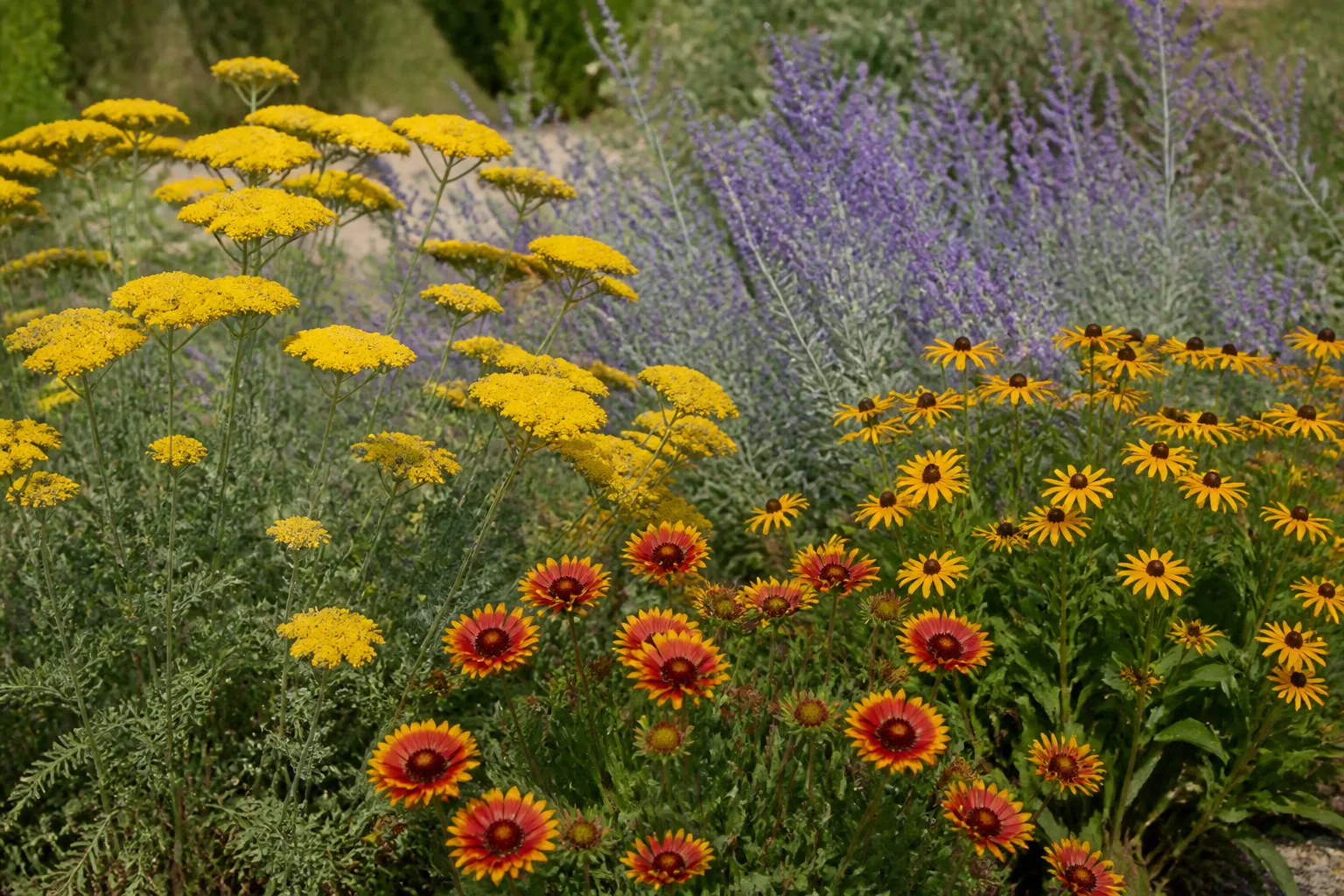
Blanket flower combines well with plants that enjoy the same bright, relatively dry conditions. Pair its warm flowers with purple or blue salvia, catmint, lavender, yarrow, ornamental grasses, coneflower, or tickseed. Keep vigorous companions far enough away that they do not shade the Gaillardia crown or create a permanently damp pocket.
The flowers provide nectar and pollen for insect visitors, and seedheads can benefit birds late in the season. That does not mean every pollinator garden must be untidy. Deadhead the flowers around paths, retain a few seedheads in the back, and avoid broad-spectrum insecticide use when a small amount of chewing or an occasional aphid is not harming the plant. A mixed planting with staggered bloom times gives pollinators more continuity than a single mass of one flower.
For a dry border, combine blanket flower with other drought-tolerant flowers rather than with plants that require daily irrigation. In a drought-resistant flower garden, use the same watering zones: keep new Gaillardia close enough to reach during establishment, then gradually reduce supplemental water as its roots settle.
Conclusion
The reliable blanket flower formula is simple: full sun, quick drainage, moderate establishment water, and restraint with fertilizer. Deadhead when you want a tidier display and more rebloom, but leave some late seedheads when birds, reseeding, or winter texture matter more. Divide only healthy perennial clumps, and treat a pot as a faster-drying but more controllable version of the same sunny, well-drained site.
When Gaillardia struggles, inspect the roots and the planting site before reaching for another product. Shade, wet soil, excess nitrogen, overcrowding, and aster yellows each call for a different response. Matching the plant’s species, cultivar, climate, and garden goal is what turns a vivid first season into a healthy, repeatable planting.