8 Drought-Tolerant Flowers for Summer Color
Choose drought-tolerant flowers by sun, soil, and climate. Get eight colorful picks plus an establishment plan, watering rules, and heat-wave fixes.
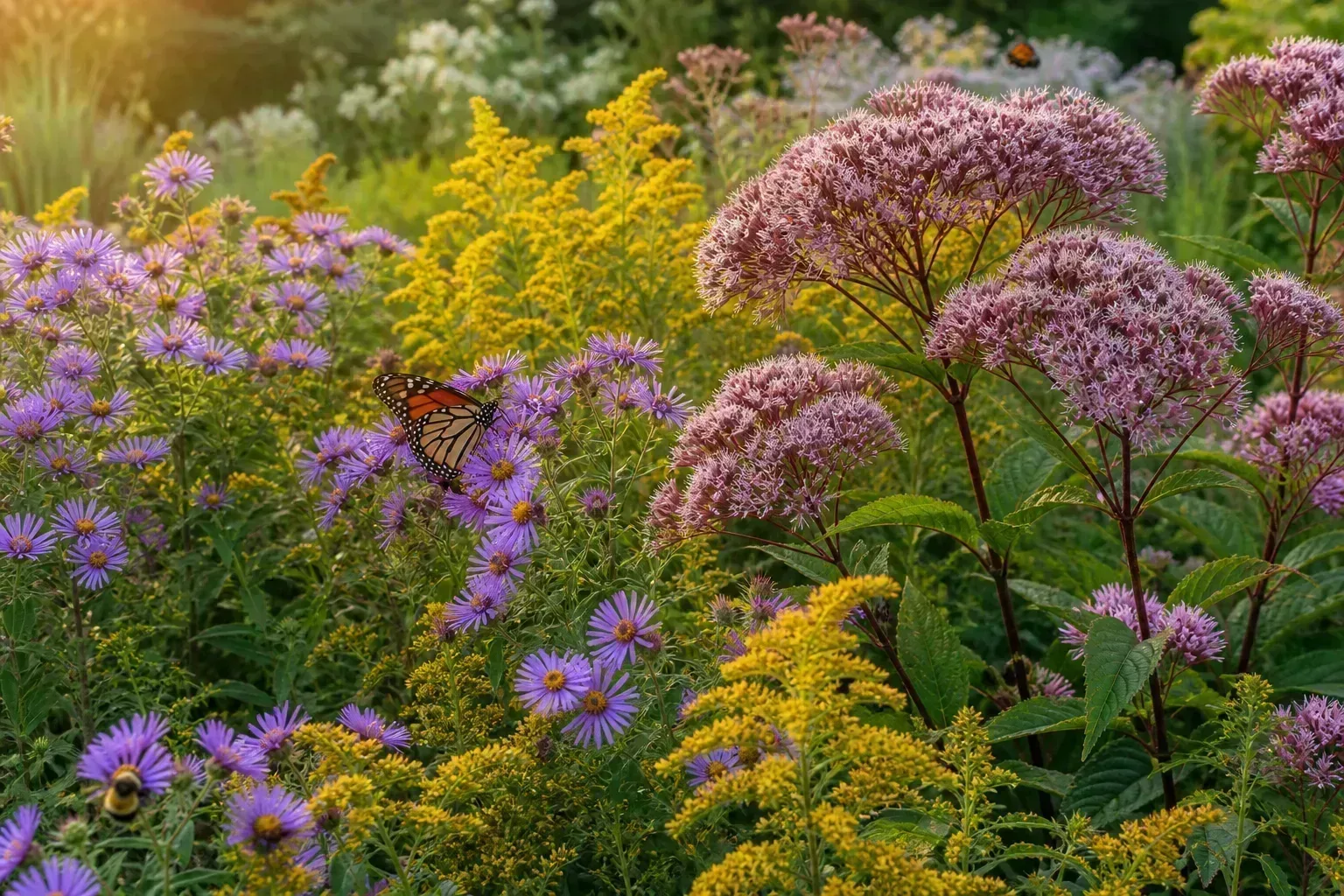
The best drought-tolerant flowers are not simply the ones that survive a dry week. They are the ones that fit your light, soil, temperature, and growing season well enough to build strong roots before the next hot spell. That distinction matters: a plant labeled “drought tolerant” can still fail if it is planted in wet clay, moved into a heat wave, or left to fend for itself before it establishes.
The eight flowers below cover several different jobs. Lantana, zinnias, and cosmos bring warm-season color; California poppy and sea thrift are better bets for sharply drained soil; Douglas meadowfoam and godetia are more conditional choices for regions with a cooler or wetter start to the season; and globe gilia adds airy blue flowers with a wildflower feel. Use the table as a shortcut, then read the individual notes before buying seed or plants.
| Flower | Best fit | Habit | Main watch-out |
|---|---|---|---|
| Lantana | Hot, sunny beds and containers | Tender perennial or annual, depending on climate | Young plants need regular water; winter survival varies |
| Douglas meadowfoam | Cool-season beds with natural spring moisture | Annual that can self-seed | It is not a desert-summer flower; heat ends the show |
| Globe gilia | Sunny, open, well-drained wildflower planting | Annual, often self-seeding | Seedlings need moisture while roots develop |
| Zinnias | Reliable warm-season color and cutting gardens | Annual | Crowding, overwatering, and leaf disease reduce performance |
| Godetia | Cool-summer gardens and massed color | Annual | Performs poorly when the site is hot and constantly wet |
| California poppy | Sunny, dry, lean, sharply drained soil | Annual or short-lived perennial, climate dependent | Wet soil and frequent irrigation cause trouble |
| Sea thrift | Rock gardens, coastal exposure, and dry edges | Evergreen perennial | Heavy, waterlogged soil is a poor match |
| Cosmos | Loose, tall, pollinator-friendly summer color | Annual | Rich soil and excess water can produce floppy growth |
What drought-tolerant really means in a summer garden
Drought tolerance is a plant’s ability to keep functioning through longer periods of low soil moisture once it has a healthy root system. It is not a guarantee of no water, and it is not a single national rating that applies equally to every garden. A flower that survives on rainfall in a cool coastal climate may need supplemental water in a hot inland bed, a raised planter, or a windy rooftop container.
The Royal Horticultural Society’s drought-resistant plant guidance makes the practical point that dry-climate plants still need careful watering while roots establish. Some cope with dry conditions through deep or extensive roots; others reduce water loss with silver foliage, hairs, leathery leaves, or fleshy tissues. Those adaptations help, but only after the plant has had time to develop them in your soil.
Think of “less water” as a design goal rather than a care instruction. Choose plants that match the site, water new plants thoroughly enough to reach the root zone, reduce competition from weeds, and keep the soil covered. The result is usually a bed that can go longer between deep waterings, not a bed that never needs a hose.
Match the flower to your site before you buy
Start with the site, not the flower photo. Watch the bed for a full day if you can, note whether rain disappears quickly or lingers, and check how much wind reaches it. A sunny sandy border, a heavy clay yard, a humid balcony, and a shallow pot may all be described as “dry,” but they create very different growing conditions.
Full sun and fast color
If the bed receives at least six hours of direct sun and warms quickly, start with lantana, zinnias, California poppies, or cosmos. These are the strongest warm-season color choices in this group, although zinnias and cosmos still look better with consistent moisture while they are seedlings and during prolonged heat.
If the soil is dry because it drains too fast, sea thrift and California poppy deserve a closer look. If the soil is dry only in late summer but holds winter or spring moisture, meadowfoam, godetia, or globe gilia may work better. If your summer is short, treat the warm-season annuals as seasonal color and do not judge them by how a perennial performs in a different climate.
Local plant labels and extension guidance should settle questions about hardiness, self-seeding behavior, and whether a species is appropriate for your area. “Native” is also a regional term, not a universal quality mark: globe gilia and California poppy may be excellent native choices in some parts of the West, while a different flower may better support local wildlife elsewhere.
1. Lantana
Lantana (Lantana camara and related cultivars) is the showiest choice here when you want clusters of yellow, orange, red, pink, or purple flowers on a sunny patio or border. It is especially useful in places where a long warm season lets it keep branching and flowering after other annuals begin to fade. In colder climates, treat it as an annual or move a container according to local practice; in frost-free climates, it may behave as a perennial shrub.
The University of California Statewide Integrated Pest Management Program’s lantana notes recommend full sun and warn against assuming that more fertilizer or water means more flowers. That is useful advice for a drought-conscious bed: water deeply when the plant is young, let the surface dry somewhat between waterings once the root ball is established, and avoid keeping the soil constantly soggy.
Choose lantana for heat, pollinator activity, and flower clusters rather than for a truly no-water site. A small transplant in a black container or windy hanging basket can dry out much faster than lantana in the ground. Before planting it permanently, check your local guidance on winter survival and spread, and choose a cultivar suited to the space instead of allowing an aggressive-growing form to overwhelm nearby plants.
2. Douglas meadowfoam
Douglas meadowfoam (Limnanthes douglasii), also called poached egg plant, is the most conditional recommendation on this list. Its white flowers with yellow centers bring a cheerful, low-growing carpet to a cool-season or spring garden, and it can return from seed when conditions suit it. It is a clever low-input choice for a region where winter and spring rainfall do much of the watering.
Do not place meadowfoam in the same category as a dryland perennial. It may appreciate soil that holds some moisture, and its flowering season usually winds down as summer heat arrives. That makes it useful for the front half of a seasonal color plan, not a substitute for a flower that must look fresh through a hot, rainless August.
Sow it where you want a temporary patch and where seedlings can be thinned without regret. Let a few seedheads mature if you want it to reappear, but remove excess seedlings if they crowd slower plants. The key decision is whether your garden receives enough cool-season moisture for the plant to finish before the most demanding part of summer.
3. Globe gilia
Globe gilia (Gilia capitata) adds blue, round flower clusters on slender stems, giving a sunny bed height and movement without the dense, thirsty look of a bedding plant. It is a strong choice for a wildflower-style planting, an informal edge, or a pollinator patch where you want flowers to weave between grasses and other annuals.
Its low-water reputation applies after establishment, not at germination. Scatter seed over prepared soil, press it into good contact, and keep the seed zone evenly damp until seedlings are visible and growing. Once roots reach deeper soil, the plants can handle dry intervals more confidently, especially in a bed that is not repeatedly disturbed.
Globe gilia may self-seed, which is part of its appeal and part of the maintenance plan. Leave some spent stems if you want a loose succession of seedlings, then pull volunteers where they land in paths or among plants that need more room. Check regional plant lists before calling it native or allowing it to naturalize; the best low-water garden is still one that respects local ecology.
4. Zinnias
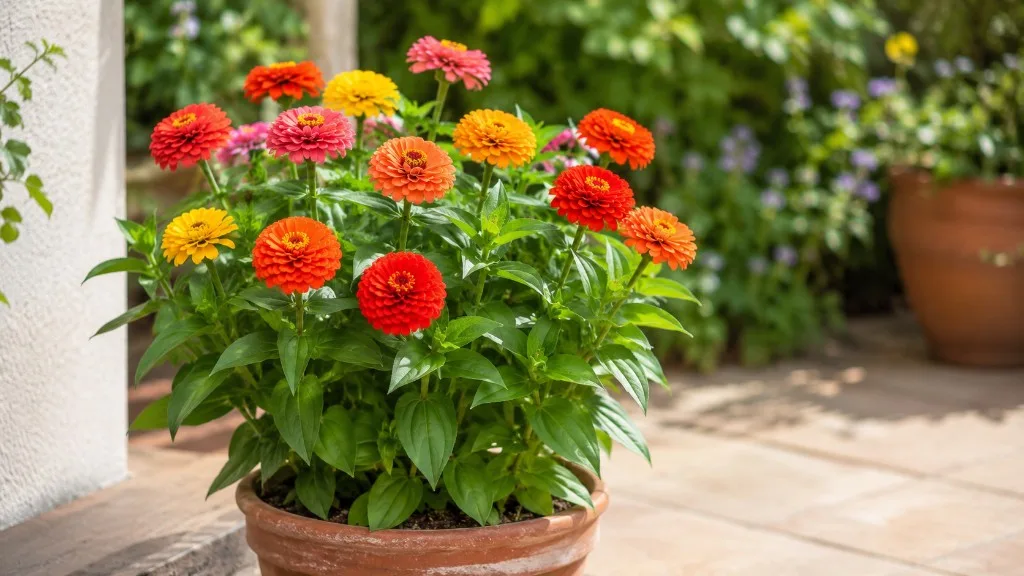
Zinnias (Zinnia elegans and related garden types) are the dependable answer when the brief is “bright color, bouquets, and a warm-season payoff.” They come in an unusually broad range of colors and forms, grow quickly from seed, and make a sunny bed look full without the continuous feeding that produces lush foliage in some bedding plants.
For practical growing details, Savvy Gardening’s guide to fast-growing flowers notes that zinnias can be started indoors shortly before the last frost or direct-sown after frost, and that pinching and deadheading can increase branching and flowers. Direct sowing is often the lower-water route because it avoids transplant shock, but it works only when the seedbed can be kept evenly moist until germination.
Give zinnias space for air movement and water at the soil line rather than wetting the leaves late in the day. They are drought tolerant in the everyday gardener’s sense once rooted, but a severe heat wave can still reduce flower size, cause wilting, and shorten the display. If the choice is between watering a zinnia bed and watering a newly planted shrub, prioritize the plant that is still establishing and accept that annual color may pause during extreme weather.
5. Godetia
Godetia (Clarkia amoena) is a good fit for gardeners who want luminous pink, rose, or white flowers and live where the beginning of the growing season is relatively cool. It can produce a dramatic mass of color from seed, but it is not the best universal recommendation for a hot, dry region with warm nights from the start of summer.
Treat godetia as a timing-sensitive annual. Give seedlings enough moisture to establish, then reduce irrigation as the root system develops and the weather allows. Avoid a site that stays saturated after rain; “drought tolerant” never cancels a plant’s need for oxygen around its roots.
The best use for godetia is a planned wave of early-summer color in a border that will transition to heat-loving zinnias, cosmos, or lantana. This succession keeps you from forcing one plant to bloom through conditions it does not prefer. If your summers are reliably hot, choose a different flower from this list rather than trying to compensate with more water.
6. California poppy
California poppy (Eschscholzia californica) is built for a sunny, lean, well-drained site where frequent irrigation would do more harm than good. Its satiny orange, yellow, pink, red, or cream flowers open in bright light above finely divided foliage, and the plants can create a strong sweep of color with very little fertilizer.
The most common mistake is improving the soil too much. A rich, heavily amended bed and frequent watering can encourage soft, leafy growth while reducing the conditions that make California poppy useful in a water-wise planting. Loosen compacted ground enough for roots to penetrate, improve drainage if necessary, and resist the urge to keep the soil wet after the plants are growing.
California poppy is also a good candidate for direct sowing because the roots dislike unnecessary disturbance. Allow some seed to mature if you want volunteers next season, but do not assume every volunteer belongs in the same place. Remove plants from paths, vegetable rows, or areas where local rules or ecology make self-seeding undesirable.
7. Sea thrift
Sea thrift (Armeria maritima) is the perennial choice for a rock garden, gravel border, coastal-style planting, or any sunny edge where the soil drains quickly. Its grass-like evergreen foliage forms tidy cushions, followed by rounded clusters of pink or white flowers on wiry stems. Compared with the annuals on this list, it offers structure between bloom periods and can return year after year in a suitable climate.
Sea thrift is a poor choice for a low spot that stays wet. If your ground is heavy clay, plant it on a raised mound, in a sharply drained pocket, or in a container with a free-draining mix. Water new plants enough to settle the root ball, then let the site’s drainage and rainfall pattern do more of the work.
Its coastal reputation should not be translated into “indestructible.” Salt exposure, winter wet, summer humidity, and local cold tolerance all vary. Buy from a nursery that can explain how the particular cultivar behaves in your region, and use the foliage as a year-round edging feature rather than expecting the spring flower clusters to carry the whole summer display.
8. Cosmos
Cosmos, especially warm-season types such as Cosmos sulphureus, bring tall, airy stems and open flowers that make a dry garden feel relaxed rather than sparse. They are useful behind shorter plants and in mixed beds where butterflies and other insects can move through the planting. The colors range from yellow and orange to red and pink, depending on the species and cultivar.
Cosmos usually prefers sun, good drainage, and a lighter touch with fertilizer. Overfeeding or overwatering can create tall, floppy growth with plenty of leaves but fewer sturdy stems. Water seedlings and transplants while roots are shallow, then lengthen the interval between deep waterings as the plants settle in.
Leave a few spent flowers to mature if you like a self-sown patch, or deadhead when you want a tidier display and fewer volunteers. Because cosmos can get tall, place it where it will not shade smaller flowers or become a wind hazard. A little movement is part of its charm; staking every stem to make it behave like a formal bedding plant defeats the point.
How to combine the eight for a longer color season
The strongest water-wise flower beds are assembled as a sequence, not as eight plants blooming at the same time. Use meadowfoam and godetia where cool-season moisture can support an early display. Follow them with globe gilia and California poppy for lighter, more naturalistic color, then let zinnias, lantana, and cosmos carry the warmest part of the season.
Layer the planting by height and root-zone behavior. Keep sea thrift in the driest, fastest-draining edge; put zinnias and cosmos where you can reach them for occasional deep watering; and place lantana where its long flowering season is worth the maintenance and winter check. A bed with several flower shapes also gives pollinators more useful choices than a single block of one double-flowered cultivar. The RHS drought-tolerant pollinator planting guidance recommends varying flower types and overlapping bloom times, while using ground cover and mulch to reduce bare-soil evaporation.
For a small bed, choose three roles rather than trying to grow all eight: one low edging plant, one medium mound, and one taller airy flower. For example, sea thrift, zinnia, and cosmos create a simple height progression in a sunny, well-drained bed. In a cooler climate, substitute meadowfoam for one of the warm-season annuals and treat the display as a relay rather than a single continuous show.
Annuals, perennials, and self-seeders: plan for next year
Annuals complete their life cycle in one growing season, so they often deliver fast color but ask you to resow, buy transplants, or accept volunteers next year. Perennials take longer to establish but can reduce replanting work once their roots occupy the site. Sea thrift is the perennial anchor here; lantana may be perennial only in climates without damaging freezes.
Self-seeding can lower the cost and labor of a water-wise garden, but it is not the same as reliable replanting. Seedlings appear where conditions were favorable that year, and a wet winter, late frost, mulch layer, or change in rainfall can alter the result. Let a few seedheads mature in open space, mark the plants you want to keep, and pull extras while they are small.
A useful rule is to budget water for establishment, not for a fantasy of permanent neglect. If you plant annual seed into bare soil, the first irrigation may be frequent and shallow by necessity; if you plant a perennial root ball, the first watering should reach the full root zone and then be repeated as the soil dries. Once the plant is rooted, both can often tolerate longer gaps than a thirsty bedding plant, but their recovery from severe drought will still depend on species, soil, and weather.
A low-water planting and establishment plan
Prepare the site before planting so the water you apply reaches roots instead of running off. Remove competing weeds, loosen compacted soil, and shape the bed so rain or irrigation does not drain away from the root zone. The RHS guidance on drought-resistant plants supports adding organic matter where it improves both water availability and drainage, while cautioning against heavy fertilizer that pushes soft growth and can increase water demand.
The first 48 hours
Plant during the cooler part of the day when possible. Set transplants at the same depth they were growing, firm soil around the root ball, and water slowly enough to wet the entire planting pocket. For seed, prepare a fine surface, press seeds into contact, and keep the top layer evenly moist until germination; a thick, dry mulch directly over tiny seeds can prevent emergence.
Do not respond to a wilting transplant by adding fertilizer. Wilting immediately after planting is more often a root-contact, heat, wind, or water-availability problem. Shade a vulnerable plant temporarily if the weather is extreme, check that water is entering the soil, and look again before making multiple changes at once.
Weeks one through six
Move from frequent checks to deeper, less frequent watering as roots extend. The exact interval depends on soil and weather, but the decision should come from the soil around the root zone rather than a calendar. Water when that zone is drying, apply enough to wet it thoroughly, and then allow appropriate drying before repeating.
Check new plants more often than established ones, especially in raised beds, containers, sandy soil, and windy locations. A small pot can need water even when an in-ground plant two feet away is fine. Once new growth is steady and the plant recovers quickly from a normal warm afternoon, begin extending the interval instead of continuing a daily habit.
Mulch, soil, and fertilizer decisions that save water
Mulch is one of the easiest ways to make a low-water planting more forgiving. Apply it after the soil is moist, keep it a little away from stems and crowns, and use enough to shade the soil without burying young plants. Organic mulch also suppresses weeds, which otherwise compete for the same limited moisture; the RHS notes that mulches are most useful when they trap moisture before the summer surface dries.
Soil improvement needs to be targeted. Add organic matter to a sandy or compacted bed when it improves root penetration and water-holding, but do not turn a sharply drained plant’s home into a soggy reservoir. California poppy and sea thrift need drainage more than they need a rich bed; meadowfoam may prefer the opposite balance. Match the amendment to the plant instead of applying one recipe across the entire yard.
Use fertilizer sparingly, especially during a drought. Excess nitrogen can create lush foliage that loses water quickly, flops, or needs more irrigation to stay presentable. If flowers are pale or growth is weak, first check sun, root competition, drainage, and establishment; fertilizer is not a substitute for a site that does not fit.
What to do when a drought-tolerant flower wilts
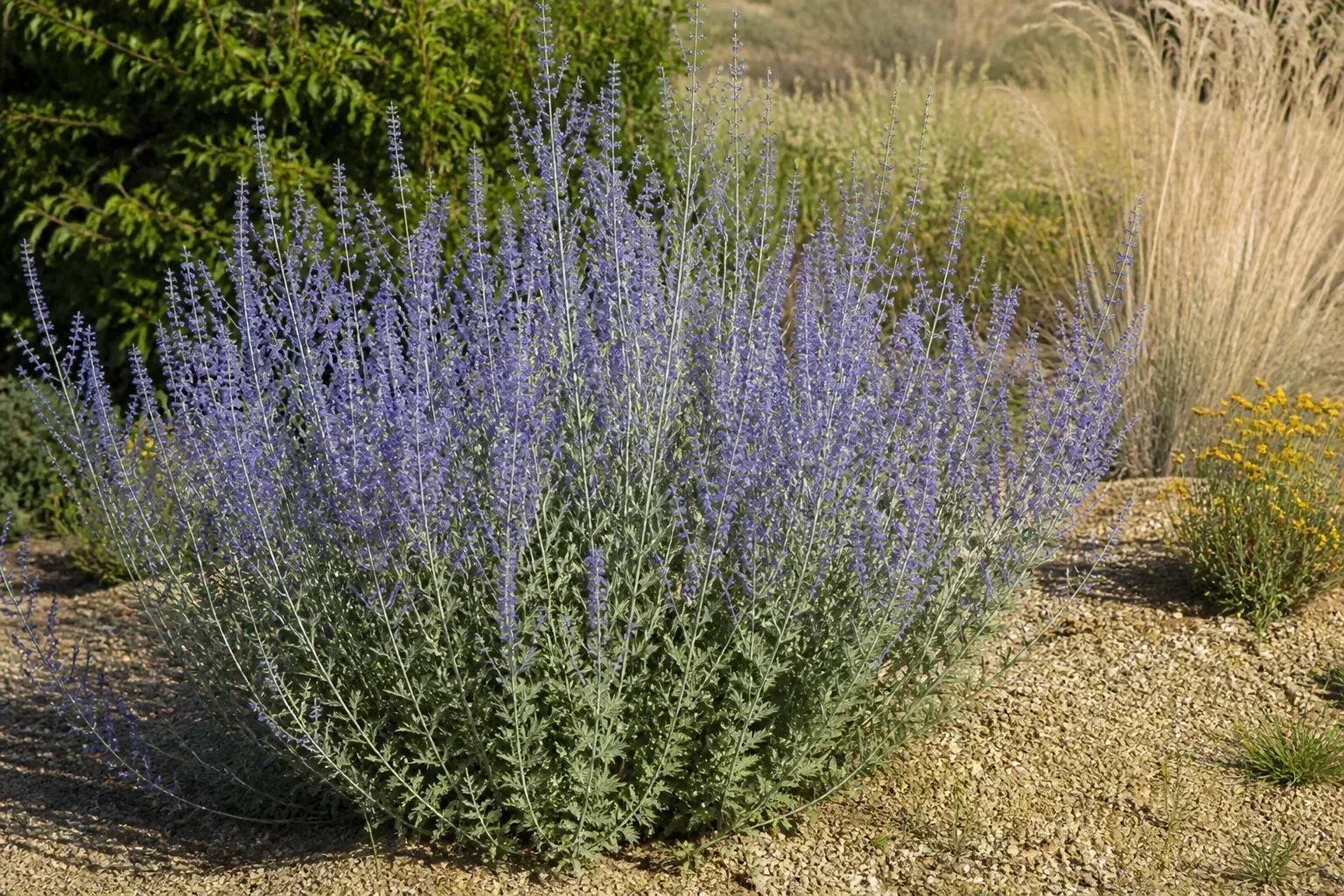
Wilting is a signal, not a diagnosis. Before watering, push a finger or a trowel into the soil near—not directly against—the root ball. If the soil is dry several inches down and the plant is in full sun, water slowly at the base and check again later. If the soil is wet, improve drainage and look for root damage rather than adding more water.
Use this short sequence during a heat wave:
- Check the root zone. Dry soil calls for a deep soak; wet soil calls for airflow and drainage.
- Check the plant’s age. A new transplant or seedling needs priority over an established sea thrift or poppy.
- Check exposure. Wind, reflected heat, and a dark container can make a “drought-tolerant” plant lose water faster than expected.
- Check the leaves and stems. Chewed, spotted, or collapsing growth may indicate a pest or disease issue rather than simple thirst.
- Give the plant time. A brief afternoon droop followed by evening recovery is different from persistent morning wilting.
Do not try to force a struggling plant through a heat wave with daily fertilizer, constant shallow watering, or a sudden move into deep shade. Protect the root zone, remove only dead or damaged material, and resume normal care when conditions moderate. A plant that repeatedly fails in the same microclimate is giving you useful information: replace it with a better-matched choice rather than spending more water to prove it can survive.
Conclusion
For reliable summer color with less water, start with the site and then choose the flower. Zinnias, lantana, and cosmos are strong warm-season color makers; California poppy and sea thrift suit sharply drained ground; globe gilia adds a self-seeding wildflower note; and meadowfoam and godetia reward gardeners who can give them a cooler, naturally moist start.
Establish every new plant deliberately, mulch once the soil is moist, avoid excess fertilizer, and judge watering by the root zone. That combination does more for a resilient flower bed than any label promising “no water.”



