The 10 Best Gardening Gloves, Tested and Reviewed
We tested 22 gardening gloves over six months. Compare our top 10 picks for thorns, wet soil, dexterity, and value—plus a material guide and fit rules.
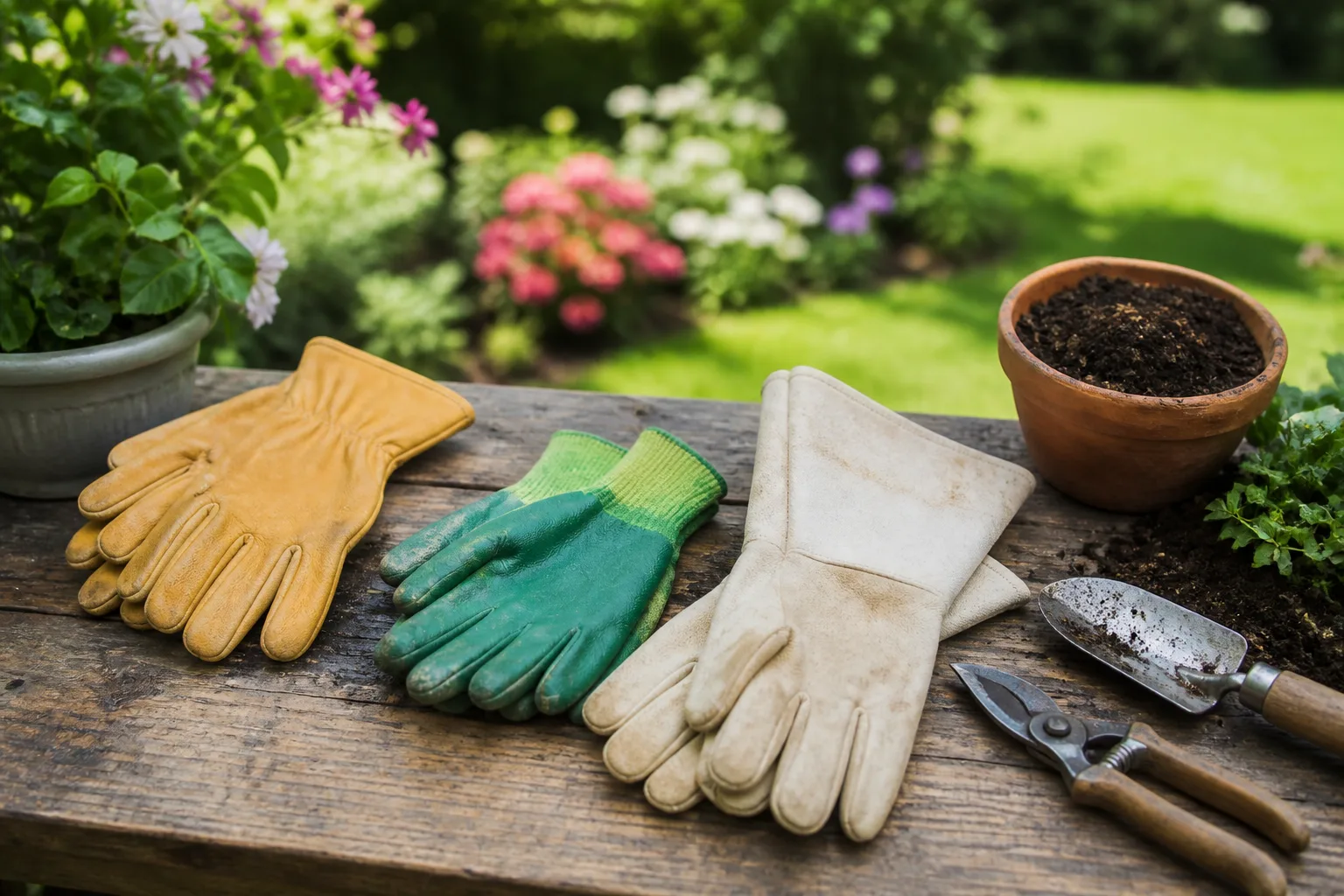
The right gardening gloves are not a style choice—they are task-specific hand protection. A breathable nitrile pair that feels perfect for seeding becomes useless the moment you reach into a rugosa rose. A thick leather gauntlet that saves your forearms in July can feel like a sauna by August. We tested 22 pairs over six months across weeding, compost turning, rose pruning, wet planting, and tool work to find 10 that earn a permanent spot in the shed—and to show you why most gardeners need two pairs, not one.
Quick picks by garden task
If you are shopping in a hurry, start with the job—not the colorway.
Best overall for mixed yard work: Firm Grip General Purpose Synthetic Leather Gloves — padded grip, mesh back, touchscreen fingertips, and enough structure for digging without the bulk of full leather.
Best thorn-proof for roses and brambles: Magid Professional Rose Pruning Gloves — elbow-length gauntlet, reinforced knuckles, and synthetic-leather palms that stopped thorns in repeated testing.
Best value for tough jobs on a budget: Bamllum Leather Gardening Gloves — thick leather, playful patterns, and real durability for debris and hedge work at a low price point.
Best for large hands and long sessions: Bionic Tough Pro Natural Fit Gloves — vented knuckles, padded palms, and leather that broke in rather than stiffened over time.
Best grip in damp soil: Cooljob Rubber Coated Gardening Gloves — micro-foam latex coating sheds water, grips tools when hands are wet, and machine-washes cold.
Best lightweight for hot weather: Garden Works Bamboo Garden Gloves — bamboo shell wicks sweat; foam-latex palm adds grip without oven-like heat.
Best leather workhorse: StoneBreaker Rancher Work Gloves — double-stitched cowhide with a soft liner for mulch, firewood, and thorny shrubs.
Best design without giving up function: ban.do Strawberries Gardening Gloves — silicone palm dots and breathable cotton for weeding and planting in heat.
Best long-sleeve protection with mobility: G & F Products Florist Pro Garden Gloves — breathable inner liner and gauntlet cuff that did not bunch at the wrist.
Best multi-pack for fine motor work: Ansell Hyflex Gloves — twelve thin nylon shells with palm coating for repotting, seeding, and houseplant chores.
Read on for how we tested, a material decision guide, fit rules, and honest limitations on every pick.
Why gloves matter for more than dirt
Gardening gloves keep soil out of nail beds, but their real job is risk reduction. The RHS advises wearing gloves when handling potentially harmful plants, fertilisers, and plant protection products, and when you have a cut or open wound and must touch soil or compost (RHS: how to garden safely). Waterproof gloves—not absorbent cotton—give the best barrier against harmful substances during chemical work.
Thick, sturdy gloves also protect against prickles, spines, and thorns on roses, barberry, and firethorn; for major work on sharp plants, gauntlet cuffs shield wrists and forearms (RHS: how to garden safely). Gloves improve grip on knives, saws, shears, and trimmers and reduce cut risk when blades slip.
That does not mean gloves belong on every task. Bare hands sometimes give better feedback for delicate seed placement or checking soil moisture in a single pot. The goal is matching protection to the hazard—something product roundups rarely spell out.
How we tested these gloves
We bought 22 pairs from mainstream retailers and wore each through two weeks of daily garden tasks, then kept the 12 strongest performers for six months of follow-up wear. Testers gardened in cool spring mornings and hot summer afternoons across multiple U.S. regions.
Each pair was scored on initial build quality, comfort during sessions longer than 90 minutes, grip when wet and dry, dexterity for fine tasks, heat buildup, and visible wear (seam failure, coating breakdown, thumb blowouts, staining). Gloves marketed as waterproof were worn at least 30 minutes while watering and handling saturated soil. Machine-washable pairs went through a cold gentle cycle once, then air-dried, to check shrinkage and coating damage.
We also tracked fit complaints—especially excess thumb length, loose wrists that let in grit, and one-size gloves that failed small or large hands. Price was weighed against expected lifespan, not sticker cost alone.
Material guide: match fabric to the job
Material drives 90 percent of glove performance. Buy for the hardest task you do regularly, then add a second pair for everything else.
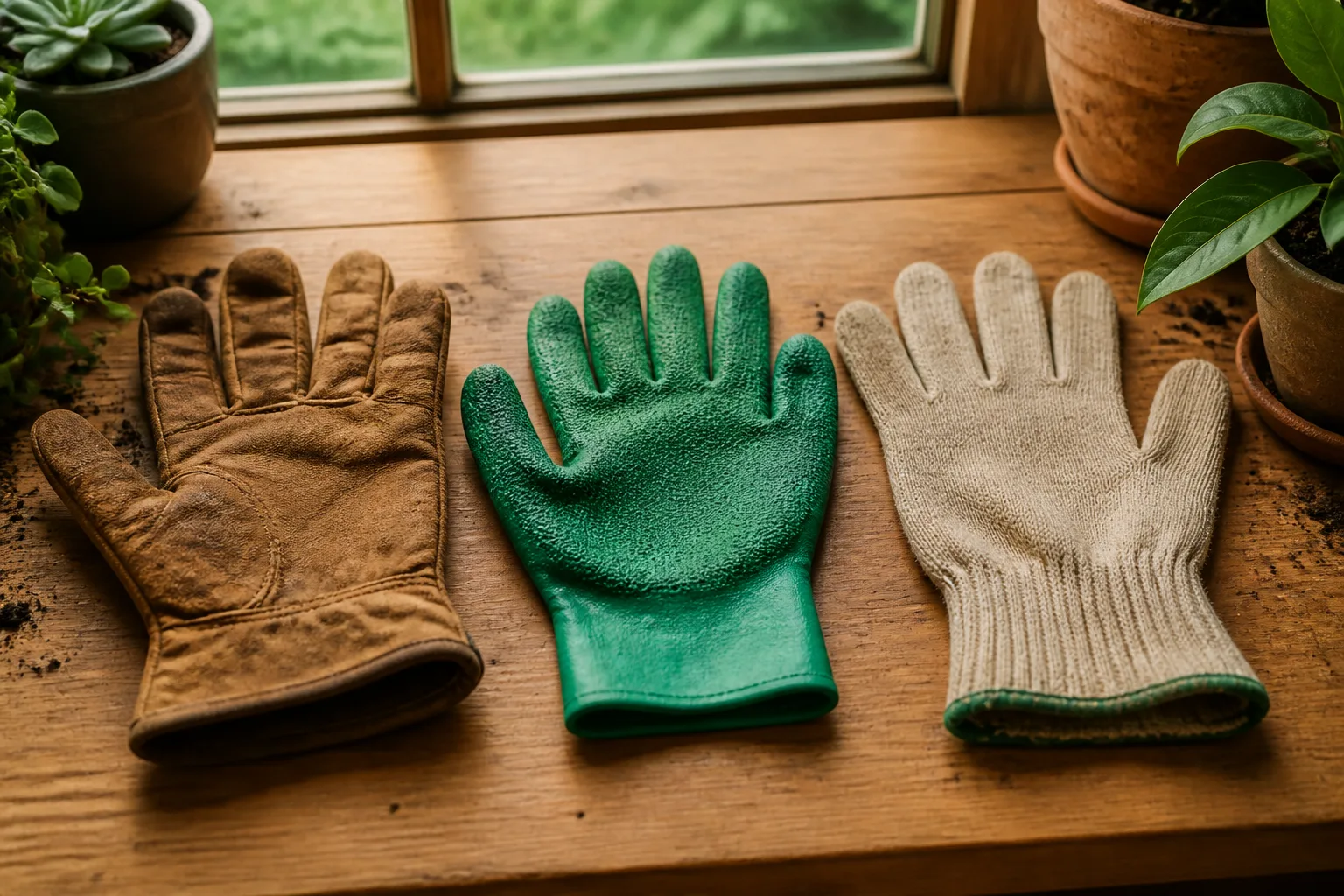
Leather and synthetic leather
Real leather (cowhide, goatskin, pigskin) offers the best thorn resistance and abrasion protection for pruning, hauling brush, and moving rough mulch. Goatskin and pigskin tend to stay suppler in heat than stiff cowhide. Leather is not waterproof; repeated soaking can harden cheaper hides unless you condition them.
Synthetic leather (polyurethane overlays on knit backs) splits the difference: more structure than coated nitrile, lighter than full leather, and often machine washable. It handles digging and tool work well but will not stop a determined rose thorn the way a thick hide gauntlet will.
Choose leather or synthetic leather when: pruning thorny shrubs, clearing brush, shoveling, or handling splintery wood.
Nitrile, latex, and rubber coatings
Nitrile and micro-foam latex coatings on knit shells deliver excellent wet grip and high dexterity for weeding, transplanting, and hose work. They dry fast, run cool, and often cost less per season than leather. Trade-off: minimal puncture protection—do not reach into blackberries wearing only a coated knit glove.
Practical buying guides note that nitrile-coated palms are the sweet spot for vegetable beds, planter filling, and general yard work in humid weather (Gardening Know How glove buying guide).
Choose coated knit when: weeding, planting seedlings, watering, repotting, or any task where you need to feel stem diameter and tool triggers.
Bamboo, cotton, and breathable knit
Bamboo and cotton blends prioritize breathability and sweat wicking in hot weather. They feel like a second skin and excel at light weeding and deadheading. They snag on twigs, stain quickly, and offer little thorn defense.
Choose lightweight knit when: summer maintenance, harvesting, and quick bed tidy-ups—not rose renovation or rock work.
Fit and sizing mistakes to avoid
A glove that fits wrong fails even if the material is perfect. Practical testing guidance holds that fingertips should leave no more than about a quarter-inch of empty space at the tips, and the wrist should seal snugly enough to keep soil and debris out without cutting circulation.
Common mistakes:
- Buying by gender label instead of hand measurement. “Men’s” and “women’s” sizes vary by brand; measure palm circumference and finger length, then check each brand’s chart.
- Accepting excess thumb fabric. Several pairs in our test ran long in the thumb, which catches on weed roots and seed packets. If thumbs feel sloppy, size down or switch brands.
- Choosing one-size leather gloves for small hands. Thick one-size leather often twists on narrow palms, reducing grip on pruners.
- Ignoring cuff length for thorn work. Short cuffs save heat; they do not save forearms when you reach into a climber.
If you are between sizes, size down for coated nitrile (they stretch) and size up for stiff leather that must break in.
Best overall: Firm Grip General Purpose Gloves
Material: Synthetic leather palm and fingers, breathable mesh back | Washable: Yes (cold, air-dry) | Waterproof: No
The Firm Grip General Purpose Synthetic Leather Gloves earned top overall because they balance protection, breathability, and daily usability better than any single pair we tested. The mesh back dumps heat during mulching and raking, while the synthetic leather palm and padded fingertips add grip on shovels, trowels, and wheelbarrow handles.
Standout features: Terry-cloth thumb for wiping sweat, touchscreen-compatible index and thumb (you can answer a call without stripping gloves), and an adjustable Velcro wrist that kept soil out during compost turning.
Where they shine: Digging, mulching, raking, general pruning of thornless shrubs, and any job where you alternate between tools and phone checks.
Honest drawbacks: Testers with shorter thumbs found about an inch of extra fabric at the thumb tip, which can snag on fine weeding. They are not thorn-proof—reach for a gauntlet for roses.
Bottom line: If you want one pair for 80 percent of yard tasks, start here.
Best thorn-proof: Magid Professional Rose Pruning Gloves
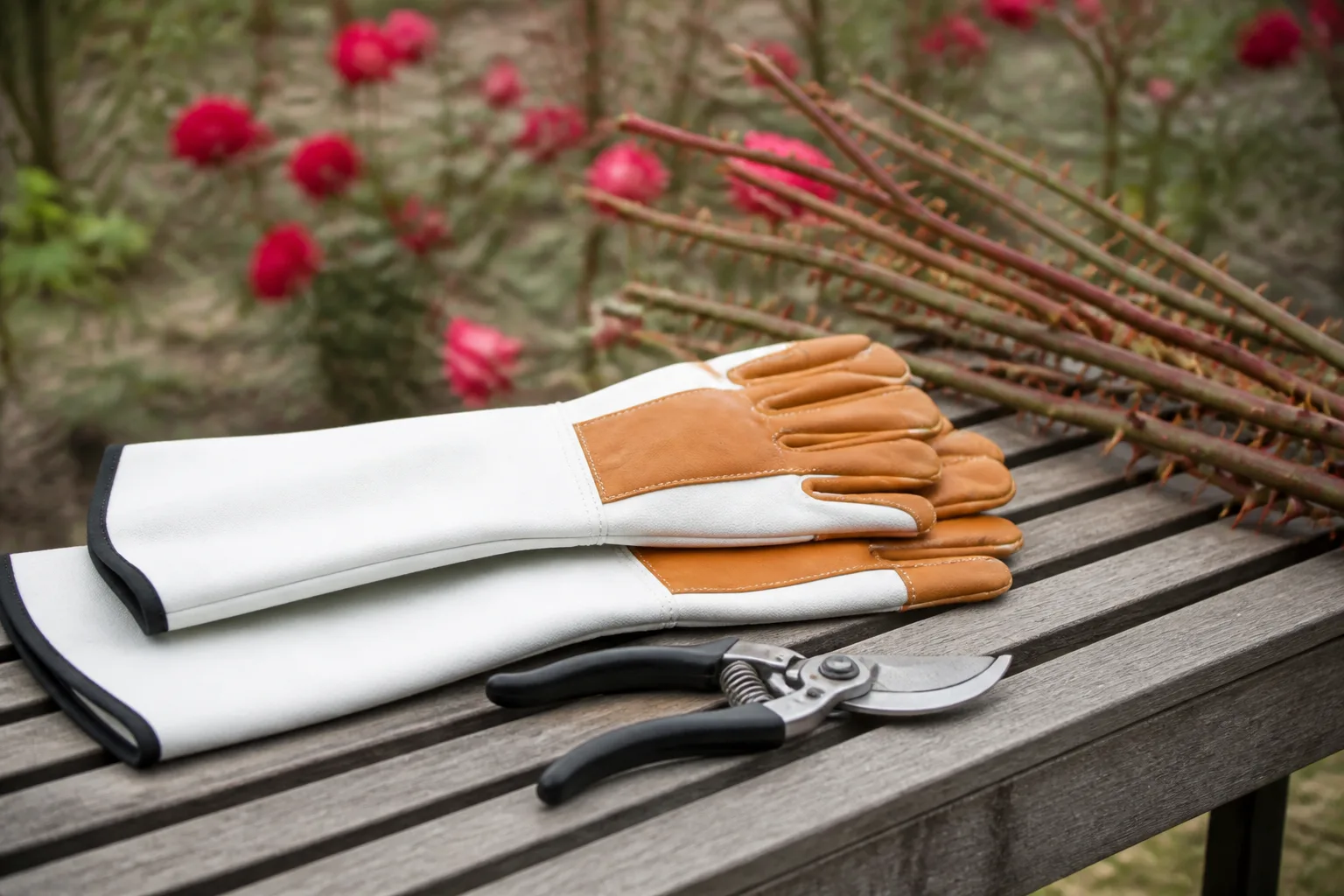
Material: Synthetic leather palm and knuckle guard, spandex back and gauntlet | Washable: Hand-wash only | Waterproof: No
The Magid Professional Rose Pruning Gloves are the pair we reached for when testing moved into rugosa roses, pyracantha, and spiny succulents. The elbow-length gauntlet and synthetic-leather knuckle guard stopped thorns that punched through lighter coated gloves.
Standout features: Reinforced fingertips, long cuff that stays in place while reaching into shrubs, and enough structure that thorns did not penetrate the palm after repeated sessions.
Where they shine: Rose pruning, blackberry cleanup, cactus repotting outdoors, and any arm’s-length work around spines.
Honest drawbacks: The spandex back can snag on rough bark and is not thorn-proof—thorns can still find the dorsal side of your hand if you press down on canes. They run warm within 15 minutes in direct sun; testers accepted sweat as the price of forearm coverage. Hand-wash and slow air-dry only.
Bottom line: Best dedicated thorn gauntlet in the test group for gardeners who regularly fight spines.
Best value: Bamllum Leather Gardening Gloves
Material: Leather | Washable: Wipe clean; do not machine-wash | Waterproof: No
Bamllum Leather Gardening Gloves prove you do not need a premium price for real hide protection. The leather is thick and stiff out of the box, which is exactly what you want for hauling brush, grabbing splintery stakes, and pulling stubborn taproots in dry soil.
Standout features: Playful patterns that make the pair easy to spot in the shed, solid stitching after six months, and enough stiffness to block sharp plant edges.
Where they shine: Debris cleanup, hedge trimming support work, moving spiky plants, and raking—jobs where dexterity matters less than toughness.
Honest drawbacks: Not for fine seed work or repotting; fingers feel bulky. Light colors stain permanently. They stay hot in summer and did not soften much over six months—do not expect a dress-glove break-in.
Bottom line: The budget heavy-duty leather pick that still feels like real protection.
Best for heavy work: Bionic Tough Pro Natural Fit Gloves
Material: Premium leather with rubberized grip pads, vented knuckle seams | Washable: No | Waterproof: No (hydrophobic coating, not immersion-proof)
Bionic Tough Pro Natural Fit Gloves target gardeners with larger hands who wear gloves for hours, not minutes. The vented knuckle seams and padded palm reduced fatigue during long shoveling and hauling sessions, and the leather softened and molded over months instead of cracking.
Standout features: Grippy palm pads that held barrows and mower handles when hands were sweaty, excellent wrist closure, and comfort across three-hour stretches in testing.
Where they shine: Shoveling, fence work, splitting/stacking light firewood, and sustained tool use by gardeners prone to blisters.
Honest drawbacks: Among the most expensive pairs tested. Leather and water are a bad mix—testers reserved these for dry work and switched to coated nitrile for wet planting. Grip pads must be kept out of harsh solvents.
Bottom line: Worth the splurge if you wear out cheaper gloves every season doing real labor.
Best grip: Cooljob Rubber Coated Gardening Gloves
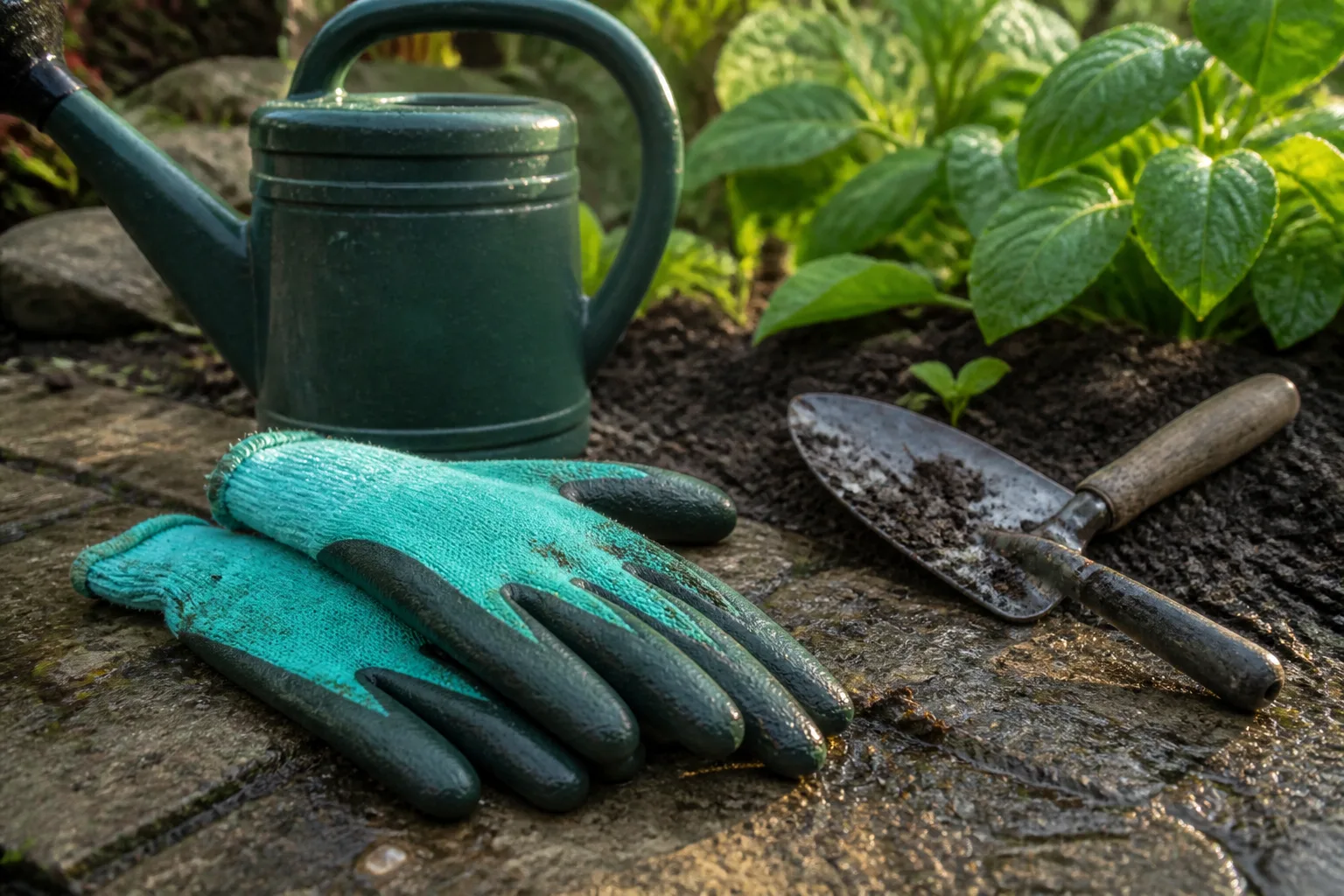
Material: Knit shell with micro-foam latex coating | Washable: Yes (cold) | Waterproof: Yes (coating sheds water; not submerged)
Cooljob Rubber Coated Gardening Gloves were the most comfortable coated pair in the test and the default choice for wet soil, hose work, and transplanting. The coating kept moisture from soaking through during watering sessions, and the extended knit cuff blocked soil from sliding in at the wrist.
Standout features: Stretchy fit, fast dry time after washing, secure grip on slick tool handles, and enough dexterity to plant small seedlings and work snap-on hose fittings.
Where they shine: Vegetable beds, container watering, spring planting in damp beds, and summer work when leather would be miserable.
Honest drawbacks: Not thorn-proof and not built for abrasive rock work—the coating wears at the fingertips over a full season. Staining on pale coatings is cosmetic but permanent.
Bottom line: The everyday wet-grip workhorse to pair with a leather gauntlet.
Best lightweight: Garden Works Bamboo Garden Gloves
Material: Bamboo fiber shell, foam-latex palm | Washable: Hand-wash recommended | Waterproof: Not rated
Garden Works Bamboo Garden Gloves feel closest to bare hands with a thin protective film. The bamboo knit wicks sweat better than cotton in hot, breezy conditions, and the foam-latex palm adds grip without the heat trap of leather.
Standout features: Four-size range for a truer fit, cooling sensation on hot afternoons, and enough flexibility for hand-tool work and light weeding.
Where they shine: Summer deadheading, harvesting herbs and cherry tomatoes, and quick bed maintenance when heat is the main enemy.
Honest drawbacks: Snags and nicks from twigs appear quickly (though our test pairs did not tear through six months). Price is high for a lightweight glove—wait for a sale if budget matters.
Bottom line: Best hot-weather comfort pick when thorns are not in the picture.
Best leather: StoneBreaker Rancher Work Gloves
Material: Double-stitched leather with soft interior liner | Washable: No | Waterproof: No
StoneBreaker Rancher Work Gloves sit between ranch work and serious gardening—thick enough for thorny roses in testing, yet flexible enough for hand-pruner triggers once broken in slightly. The double liner reduced blisters during long mulching sessions.
Standout features: Heavy exterior stitching, comfortable interior against skin, and real thorn resistance on canes that pierced thinner synthetics.
Where they shine: Pruning thorny shrubs, picking up yard waste, mulching, and any task where you want one leather pair without gauntlet bulk.
Honest drawbacks: Runs large—small-handed testers struggled. Not breathable or waterproof; fingertips showed thinning after six months though no holes formed. Skip for wet planting.
Bottom line: The best traditional leather glove for all-around yard protection if gauntlet length is overkill.
Best design: ban.do Strawberries Gardening Gloves
Material: Cotton blend with silicone grip dots | Washable: Check label; gentle hand-wash safest | Waterproof: No
ban.do Strawberries Gardening Gloves are the pair you will actually want to wear—and that matters when gloves left in the shed do not protect anyone. Silicone dots on the palm add surprising grip for weeding and trowel work, and the breathable cotton kept hands cooler than coated pairs in the same session.
Standout features: Snug fit on smaller hands, charming print, and enough structure for light to medium garden chores.
Where they shine: Weeding, planting annuals, patio container work, and gift-giving to gardeners who refuse utilitarian gray gloves.
Honest drawbacks: Not for thorns, rocks, or brush—treat them as a lightweight seasonal pair. Sizing skews small; large-handed gardeners should look elsewhere.
Bottom line: Proof that cute and functional can coexist for fair-weather garden sessions.
Best long-sleeve: G & F Products Florist Pro Garden Gloves
Material: Synthetic leather palm, spandex back, lined gauntlet cuff | Washable: Hand-wash | Waterproof: No
G & F Products Florist Pro Garden Gloves compete directly with the Magid gauntlet but won fans for a breathable inner liner that felt less clammy during long rose-pruning sessions. The cuff is long without feeling like a rigid tube, and the wrist does not bunch when you twist into a shrub.
Standout features: Thorn resistance on palms and fingers, mobility in the cuff, and frequent sale pricing that undercuts many premium gauntlets.
Where they shine: Rose gardens, spiny succulents, and any pruning where forearms take scratches.
Honest drawbacks: Thorns can embed in the thick cuff material—remove them promptly so they do not work through over time. Not as cool as short cuff gloves in peak heat.
Bottom line: The best-value long-cuff gauntlet if Magid runs warm or tight on your hand shape.
Best multi-pack: Ansell Hyflex Gloves
Material: Thin nylon shell with palm coating | Washable: Not listed; hand-wash gently | Waterproof: No
The Ansell Hyflex 11-600 Multipurpose Gloves come in a 12-pack that looks disposable but is not. Testers used the first pair for six months of repotting, seed starting, and houseplant division with minimal coating wear. The nylon shell breathes well during long indoor potting sessions.
Standout features: Excellent fine motor control for separating root balls, gripping small labels, and handling wet soil in trays. Anti-slip palm coating also worked for light non-garden tasks.
Where they shine: Seed starting, repotting, bulb handling, indoor plant care, and any job where thick gloves feel clumsy.
Honest drawbacks: Zero thorn or blade protection—one sharp pruner slip can slice the shell. Hands get damp in soaked mix because the coating is not a waterproof membrane.
Bottom line: Buy the pack for precision work; keep leather or gauntlets nearby for outdoor hazards.
Conclusion
No single gardening glove covers every hazard. After six months of testing, Firm Grip General Purpose Gloves remain the best default for mixed yard work, while Magid Professional Rose Pruning Gloves and G & F Florist Pro Gauntlets own thorny shrub jobs. Add Cooljob coated gloves for wet soil and Ansell Hyflex for seed and repotting precision—and you have a complete hand-protection system instead of one compromised pair.
Match material to the hardest task you do, verify fit with the quarter-inch fingertip rule, and follow material-specific care so gloves last more than one season. Your hands will thank you on the first long pruning day—and on every compost turn after that.



