Crushed Red Pepper Flakes for Garden Pests: What Works
Crushed red pepper flakes may briefly deter some pests thanks to capsaicin, but they are not a reliable fix. Learn what works, how to apply them safely, and when IPM beats spice.
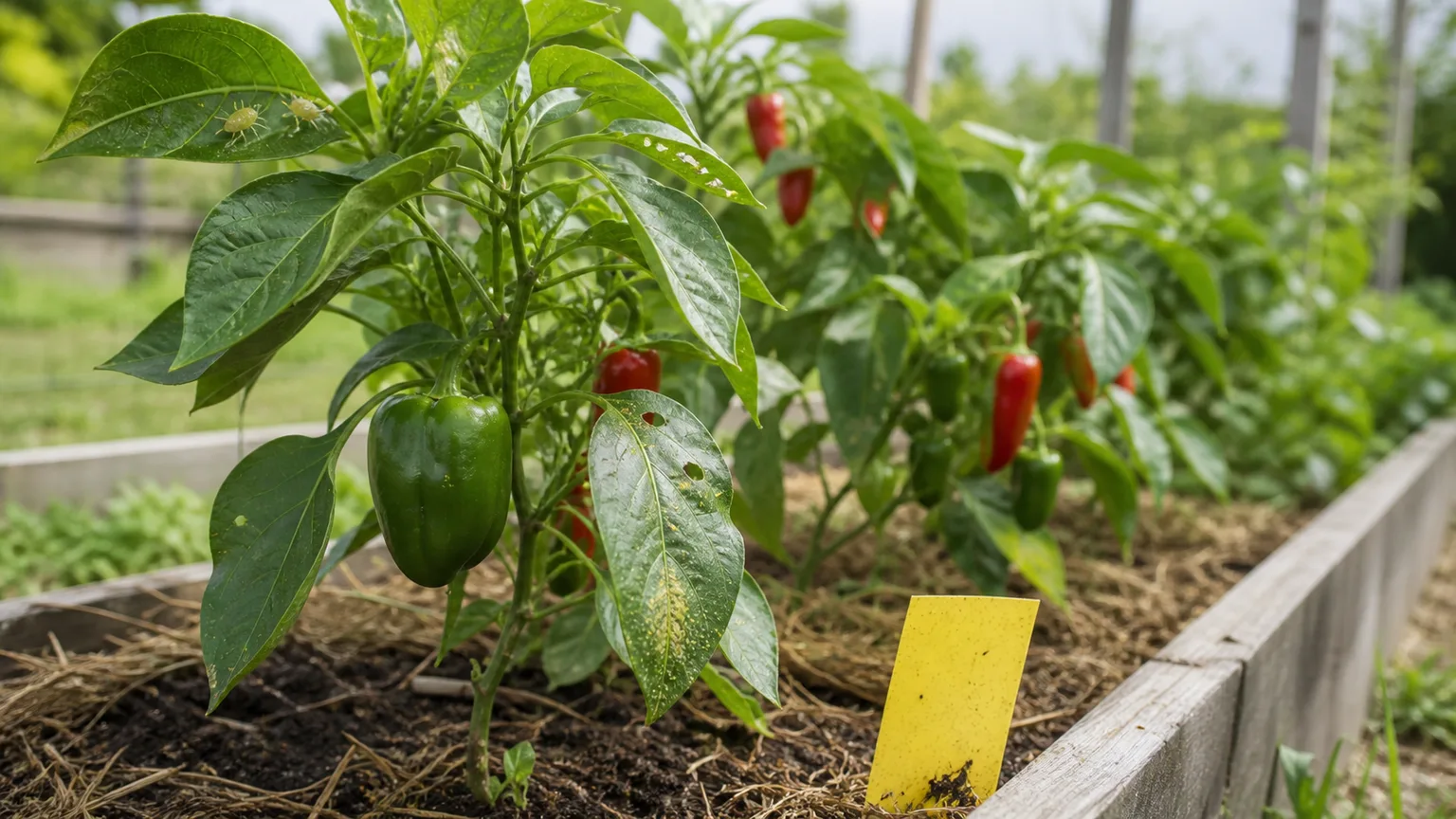
Crushed red pepper flakes can nudge some pests away for a few days, but they are not a dependable substitute for scouting, exclusion, or labeled controls. The heat comes from capsaicin, a compound that irritates mammal mouths and can disrupt some soft-bodied insects — yet the flakes in your spice rack vary in strength, wash away in rain, and may bother bees while doing little against a real infestation.
If you are standing in the kitchen wondering whether to carry the pizza-night shaker into the garden, treat flakes as a low-risk experiment, not a plan. Use them only where pests must contact the spice, reapply constantly, and switch to integrated pest management (IPM) the moment damage keeps climbing.
The Short Answer: Sometimes, Briefly — Not a Pest-Control Plan
Sprinkling crushed red pepper flakes around beds can discourage some mammals (rabbits, squirrels, and occasionally deer) and may irritate aphids, spider mites, thrips, and whiteflies when the capsaicin coats the surface pests touch. That is a far cry from “keeping pests out of the garden.” Flakes do not kill established colonies, do not reach pests hiding under leaves, and do not stop insects already inside fruit or stems.
Board Certified Entomologist Wizzie Brown, Senior Extension Program Specialist at Texas A&M AgriLife, puts it plainly: red pepper flakes contain capsaicin, which is what could deter insects — but application is very important, because pests must come into contact with the pepper where you place it. A random dusting on mulch while aphids feed on new growth three feet away will not register as control.
Commercial capsaicin repellents exist because manufacturers standardize concentration, add stickers that help the active ingredient cling, and print legal use directions. Your kitchen flakes skip all three advantages. That does not make them useless; it makes them weak, inconsistent, and short-lived.
What Entomologists Say About Pantry Pepper Flakes
Extension entomologists see the pepper-flake hack every spring: a gardener notices rabbit nibbles or aphid clusters, remembers a social post about chili deterrents, and dusts the bed before breakfast. The logic is sound at the chemistry level. Capsaicin binds to pain receptors in mammals and can damage cell membranes or nervous-system activity in some insects, which is why the U.S. EPA classifies it as a biochemical pesticide registered since the 1960s (NPIC).
What extension specialists push back on is treating pantry spice like a labeled product. Penn State Extension warns that home mixes — including chile and cayenne pepper sprays — lack precise rates, safety instructions, and EPA-reviewed efficacy data. Pepper preparations can be very potent on skin and eyes, may harm beneficial insects, and can injure plants when applied heavily on sunny days. Brown’s guidance aligns: flakes are unlikely to harm plants in light, targeted use, but they are not a miracle solution for major bug infestations.
Why Application Location Matters More Than the Jar
Brown emphasizes that where you place flakes matters as much as whether you use them. Mammals must taste or inhale capsaicin near the plant you are protecting. Soft-bodied insects must walk across treated tissue. A perimeter sprinkle on dry mulch while pests feed on the underside of leaves is theater, not management.
Before you open the spice jar, answer three questions: What pest is present? Where is it feeding? Is the damage still low enough that a repellent nudge could work? If you cannot identify the pest or damage is spreading daily, flakes buy you nothing — start with identification and IPM instead.
How Capsaicin Actually Works on Pests and Wildlife
Capsaicin is the main heat compound in chili peppers (Capsicum species). In registered products it is used against insects, mites, and animal pests. The National Pesticide Information Center notes that capsaicin irritates skin and eyes in people, disrupts membranes in insect and mite cells, and interferes with nervous-system signaling — which is why it can function as both irritant and repellent.
In the garden, that translates to two different jobs. Against mammals, capsaicin is an aversive: a painful taste or sniff teaches “do not eat here again,” assuming the animal has other food options. Against small soft-bodied insects, laboratory work shows capsaicinoids can be insecticidal or repellent; a 2019 study in Insects found capsaicinoid extracts from Capsicum chinense showed insecticidal properties against certain pests (PMC).
Mammals Feel the Burn; Birds Usually Do Not
Deer, rabbits, squirrels, raccoons, skunks, voles, and mice have capsaicin-sensitive receptors. A dusty ring or sprayed stem can make the next bite unpleasant enough to stop browsing — if the coating is fresh and the animal is not starving. Research on capsaicin-treated birdseed shows squirrels avoid treated seed while birds keep eating, because avian receptors respond differently to capsaicin (NPIC).
That bird tolerance is useful at feeders but confusing in vegetable beds. Birds pecking tomatoes or strawberries are not repelled by the same capsaicin dose that bothers a rabbit. For bird damage, flakes are the wrong tool; netting and harvest timing work better.
Soft-Bodied Insects vs Chewing Pests
The UConn Home and Garden Education Center lists capsaicin as primarily an insect repellent useful against aphids, spider mites, thrips, whiteflies, lace bugs, and leafhoppers, with research also showing repellency to spider mites in hot pepper extracts (PubMed). These pests contact leaf surfaces directly, so a thin film on foliage they walk across can matter.
Chewing insects — cabbage loopers, flea beetles, squash bugs, cucumber beetles — often keep feeding after brief exposure, especially when flakes sit on soil instead of the tissue they eat. Capsaicin is not selective: the same dust that might repel aphids can harm bees and other beneficial insects on contact, per UConn and NPIC. Evening applications, avoiding open flowers, and targeting stems rather than blossoms reduce but do not eliminate that risk.
Crushed Flakes vs Cayenne Powder vs Commercial Repellents
Not all red pepper is the same product. Crushed red pepper flakes are coarse pieces of dried flesh and seed — uneven size, variable heat, poor coating on smooth leaves. Ground cayenne powder is milled finer, mixes into water more evenly, and usually has a more predictable Scoville range (often 30,000–50,000 SHU for grocery cayenne). Commercial capsaicin repellents (sprays, waxes, granules) list percent active ingredient, crops, and reapplication intervals.
For garden use, flakes lose on coverage. They clump in humidity, blow in wind, and leave gaps on stems. Powder or registered spray wins whenever you need an even film. Flakes still have a niche: a quick dry ring on mulch after fresh rabbit tracks, or a coarse barrier around a single seedling you are watching.
Our companion guide on cayenne pepper in the yard goes deeper on powder dusting and spray ratios for mammal browse. This page focuses on the flake jar specifically — coarser, messier, and weaker per tablespoon than cayenne powder, but often what people already own.
Why Kitchen Flakes Are Often the Weakest Option
Grocery crushed red pepper blends can include multiple pepper types and seeds, so capsaicin content batch to batch is a guess. Flakes also degrade outdoors quickly. Brown notes that capsaicin oils degrade over time, making them less potent — and rain accelerates that loss. NPIC reports half of capsaicin applied to soil broke down in 2 to 8 days under bacterial action, which matches what gardeners see: a ring that worked Monday is invisible by Thursday after showers.
Registered products add waxes or oils to slow wash-off. Flakes have no sticker. Plan on reapplication after every rain, heavy dew, or irrigation event — and after wind that redistributes mulch.
Which Garden Pests Red Pepper Flakes Might Discourage
Match the pest to realistic flake performance:
Rabbits and squirrels — Best flake use case. A light dry ring on soil or mulch around lettuce, tulip shoots, or young shrubs can stop the next nibble if animals have alternatives. Reapply after rain; combine with fencing if damage repeats.
Deer — Occasional short pause on lightly browsed perennials; hungry deer in late winter often ignore spice. For hostas and arborvitae under pressure, see how to keep deer away from hostas — exclusion beats flakes.
Voles and mice — May avoid dusty tunnels temporarily; does not fix population pressure or hidden runways.
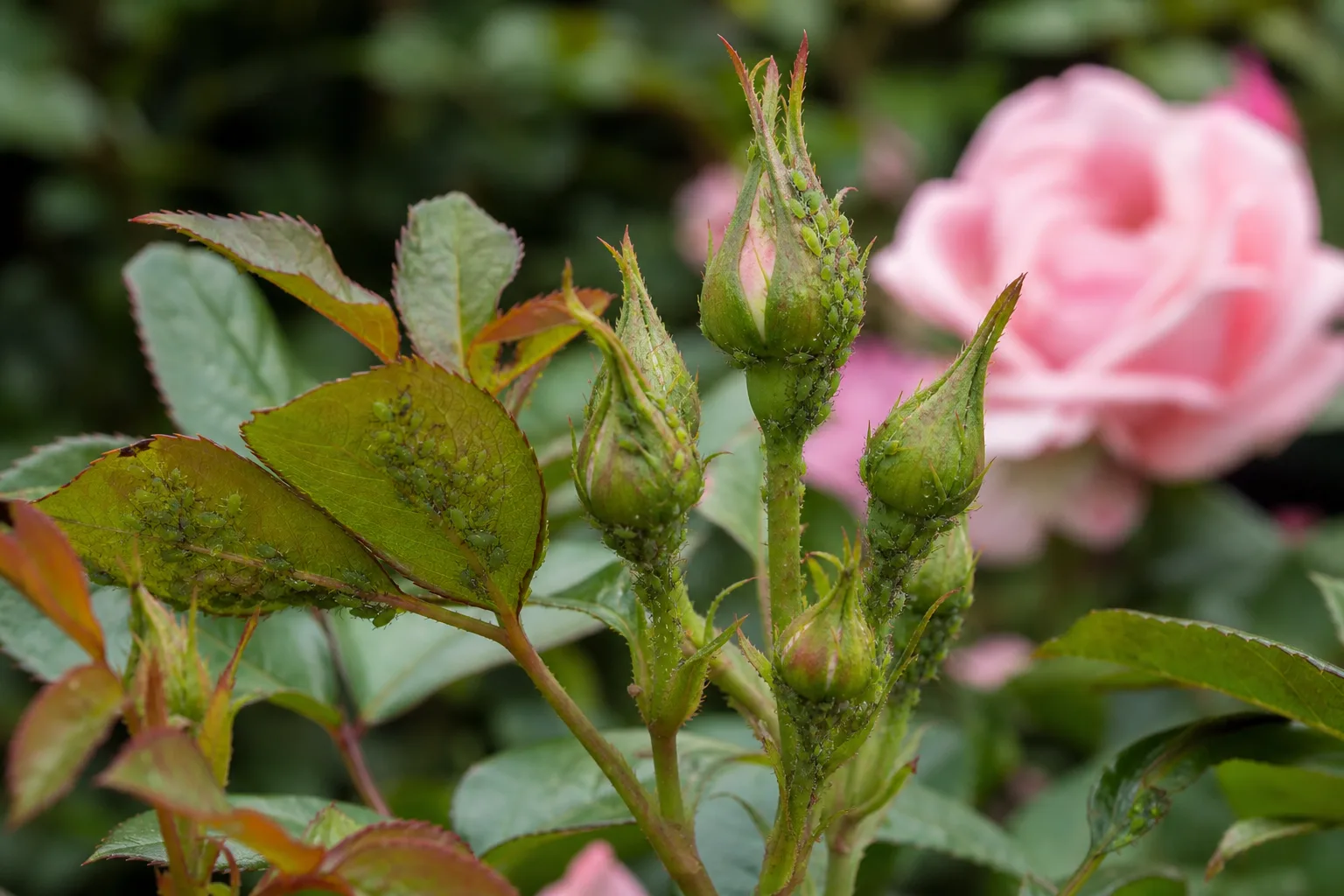
Aphids and spider mites — Possible modest repellency when a strained flake spray coats infested shoots; research supports capsaicin activity but kitchen flakes are weak. Pair with water sprays, insecticidal soap, or removal for real control.
Whiteflies and thrips — Harder target because they feed on protected leaf surfaces; surface dust on tops does not reach them.
Slugs, snails, and root pests — Capsaicin does not address moisture-loving slugs or soil grubs; use traps, barriers, or crop rotation instead.
Indoor invaders — Flakes belong outdoors. For ants and pantry pests, clean food sources and seal entry points; spice on counters creates mess without closing gaps.
Where Red Pepper Flakes Fail Fast
Stop relying on flakes when you see these patterns:
Damage accelerates after two reapplications. If new holes appear within 48 hours of a fresh ring or spray, the pest is ignoring capsaicin or never contacted it.
Rain is in the forecast every few days. A flake strategy that needs daily renewal is not sustainable; switch to row cover, netting, or a labeled repellent with rain-fast claims.
You are treating open flowers during bee activity. UConn and NPIC both flag capsaicin as toxic to bees on contact. If the crop is blooming, flakes are the wrong layer.
Leaf scorch or wilting after spray. High concentration flake tea on delicate seedlings or sprayed at midday can burn tissue — same risk Penn State describes for soapy home mixes on sunny days.
You cannot identify the pest. Dusting unknown damage wastes time. Photograph the insect, check your county Extension office, then choose a tool that fits the life stage.
You need food-crop sales compliance. Penn State explains that residues from unlabeled home mixes on produce you sell can violate federal food tolerances. Home-garden experimentation for your own table is a different risk profile than market farming.
How to Apply Crushed Red Pepper Flakes (If You Try Them)
Wear nitrile gloves, eye protection, and a dust mask when handling flakes — NPIC lists inhaling capsaicin dust as a cause of coughing, tearing, and respiratory irritation. Work on a calm day; wind turns a careful ring into airborne irritant for you, pets, and neighbors.
Test one plant or a small bed section first. Wait 24 hours before treating the whole area.
Dry Ring Method for Mammal Browse
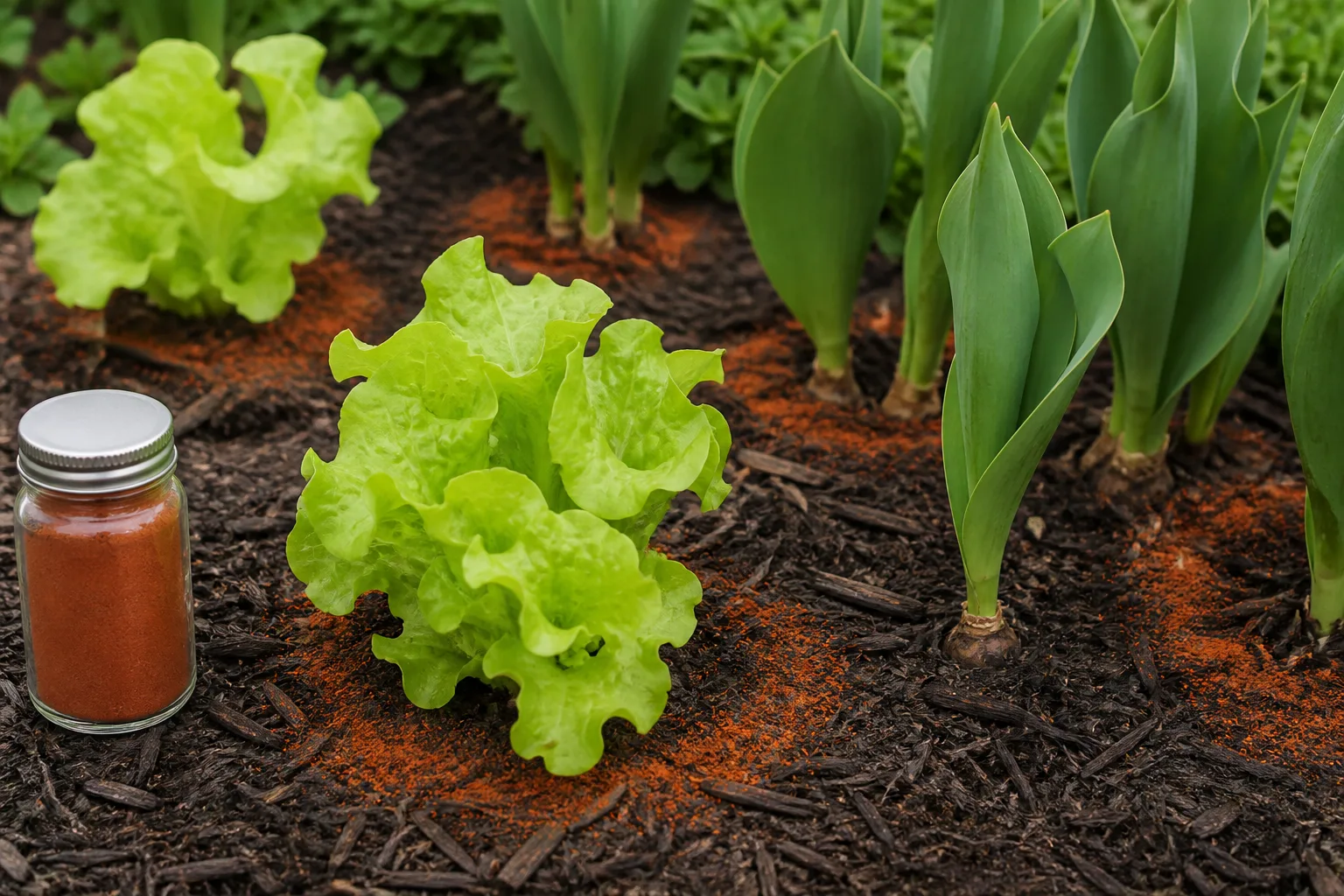
After you spot fresh rabbit or squirrel damage, sprinkle a thin visible line of flakes on mulch or soil in a 6–12 inch band around the plant base — not a thick pile that clumps and washes unevenly. Brown’s “little goes a long way” advice matters doubly on windy days: heavy dust drifts into paths where children and dogs walk.
Reapply after rain or when you no longer see red on the surface. Log whether new bites appear inside the ring; if they do, mammals are jumping the barrier or eating from above — move to fencing.
Steeped-Flake Spray for Foliage Pests
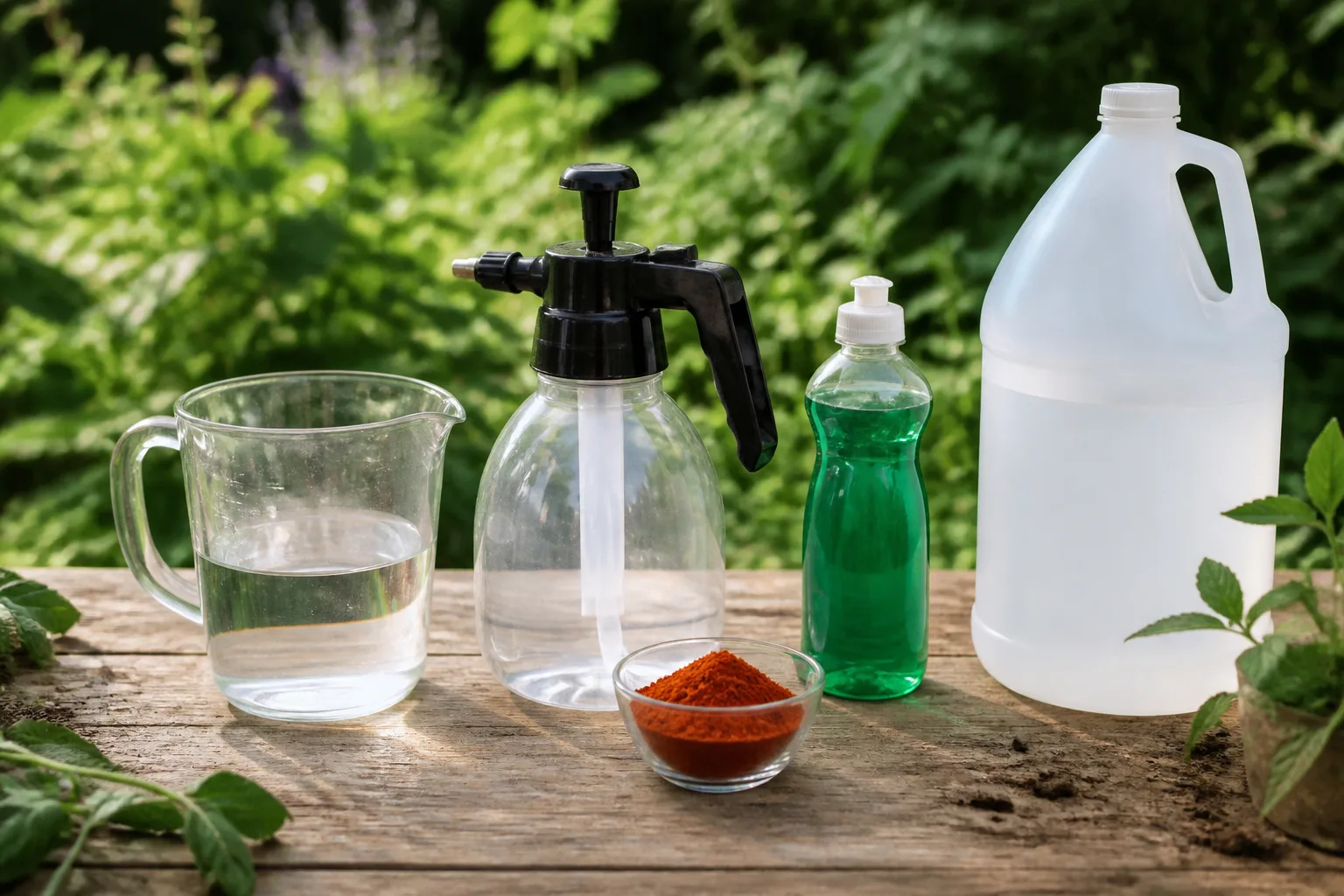
For aphids or mites on a few outdoor container plants, steep 2 tablespoons crushed flakes in 1 quart hot water for several hours, strain through cheesecloth, add one drop mild dish soap to help wetting, and spray stems and leaf undersides in the evening when bees are inactive. This is still a weak, unlabeled mix — treat it as a one-week trial on ornamentals or edibles you will wash thoroughly before eating.
Reapply every 3–5 days or immediately after rain. If counts do not drop after two cycles, switch to soap, horticultural oil, or hand removal. For a powder-based recipe with more even coverage, see cayenne pepper in the yard.
Safety, Bees, Pets, and Legal Limits
Capsaicin is a serious irritant. NPIC warns it is very irritating to skin and eyes and can cause coughing and temporary breathing difficulty when inhaled. Keep children and pets off treated areas until flakes are settled or spray is dry. If capsaicin gets in eyes, flush with clean water; for ingestion concerns call Poison Control at 1-800-222-1222.
Pets that walk through flake dust may lick paws and develop mouth or stomach irritation. Bees and beneficial insects — ladybugs, lacewings, parasitic wasps — can be harmed on contact with treated blossoms or wet foliage (UConn). Never dust or spray open flowers in daylight.
Penn State Extension reminds gardeners that pesticide products carry EPA registration numbers and legal use sites for a reason. Kitchen flake mixes are not labeled for specific crops or rates. Using them on your own backyard tomatoes is a personal risk choice; using them without understanding bee impact or produce washing is where harm shows up.
Wash vegetables and fruits thoroughly if flakes or spray contacted edible parts, and avoid heavy applications right before harvest.
Better IPM Steps Than Relying on Spice Alone
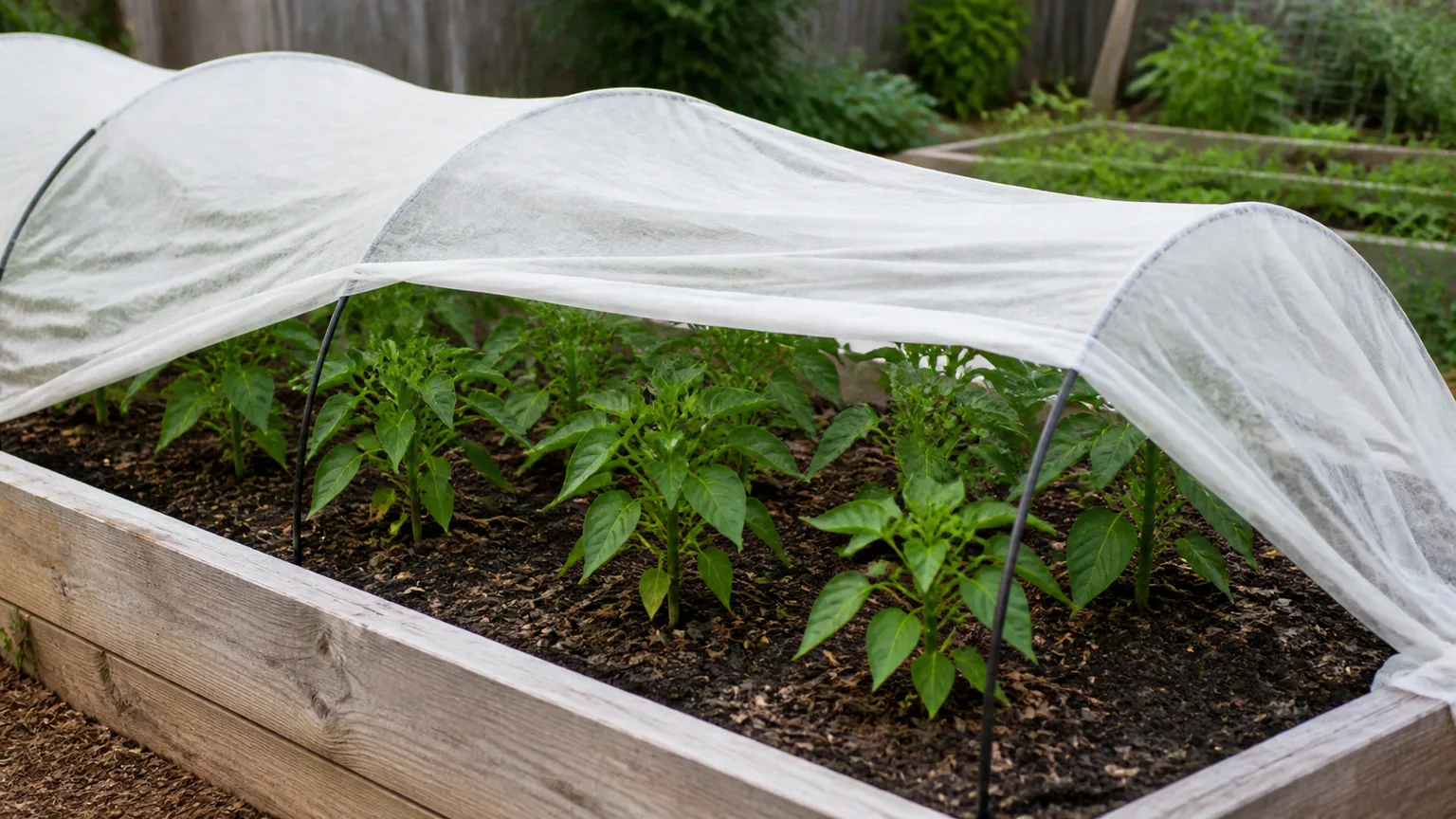
Brown recommends proven IPM over a single unproven home remedy. IPM means prevention first, regular scouting, and the least-toxic control that actually solves the problem — not a spice jar by default.
A practical home-garden IPM sequence:
Scout weekly — flip leaves, check growing tips, note chewed edges before populations explode.
Remove habitat — pull weeds, clear debris piles, and keep firewood off the house foundation so pests have fewer hiding places.
Encourage predators — flowering herbs and diverse plantings support ladybugs and parasitic wasps; avoid broad sprays that wipe them out.
Use physical barriers — row cover on seedlings, tree trunk guards, hardware cloth for voles, and tight screens on vents beat flakes for many pests.
Choose resistant varieties and rotate crops in vegetable beds to break insect life cycles.
Seal building gaps — weatherstripping, copper mesh, and intact screens stop invaders that garden flakes never touch.
Layer pantry tools only as short-term nudges alongside these steps. Garlic sprays and marigold companions are popular neighbors in the hack rotation; each has similar limits. For crawling insects in beds, diatomaceous earth works on different mechanics — desiccation, not heat — and carries its own bee cautions.
When to Stop Experimenting and Escalate
Give flakes one week on a defined target — one rabbit-browsed bed, one aphid-heavy rose, one squirrel-dug bulb row. During that week, reapply after weather, photograph damage daily, and count whether new injury slows.
Escalate immediately if:
- Pest numbers rise despite fresh spice
- You see disease symptoms mistaken for pest damage
- Beneficial insects die off in treated beds
- Pets or kids show irritation from treated play areas
- Woodpeckers, wasps, or stinging insects require structural fixes, not mulch spice
Escalation does not always mean synthetic pesticide. It may mean exclusion fencing, insecticidal soap on a labeled schedule, beneficial release, or an Extension diagnosis for your county. Brown’s bottom line: there are better treatments available than relying on crushed flakes alone — and she is right when damage is already severe.
Conclusion
Crushed red pepper flakes belong in the “maybe worth a careful try” bin, not the “garden saved” bin. Capsaicin can irritate mammals and some soft-bodied insects, which is why entomologists like Wizzie Brown acknowledge a possible repellent effect while stressing that pests must contact the pepper and that potency fades fast outdoors.
Use flakes as a targeted, low-risk nudge after fresh mammal browse or as a weak foliar trial on a small scale — with gloves, without blooming flowers, and with constant reapplication after rain. The moment damage outruns your shaker, shift to integrated pest management: identify the pest, protect pollinators, and deploy barriers or labeled controls that match the problem.
Your spice rack is not useless; it is just not a pest-management program. Treat it that way, and you will spend less time sweeping red dust and more time growing healthy plants.