Cayenne Pepper in the Garden: Does It Work?
Sprinkling cayenne around your garden? See which pests capsaicin actually repels, spray vs dust recipes, reapplication timing, and when fencing beats spice.
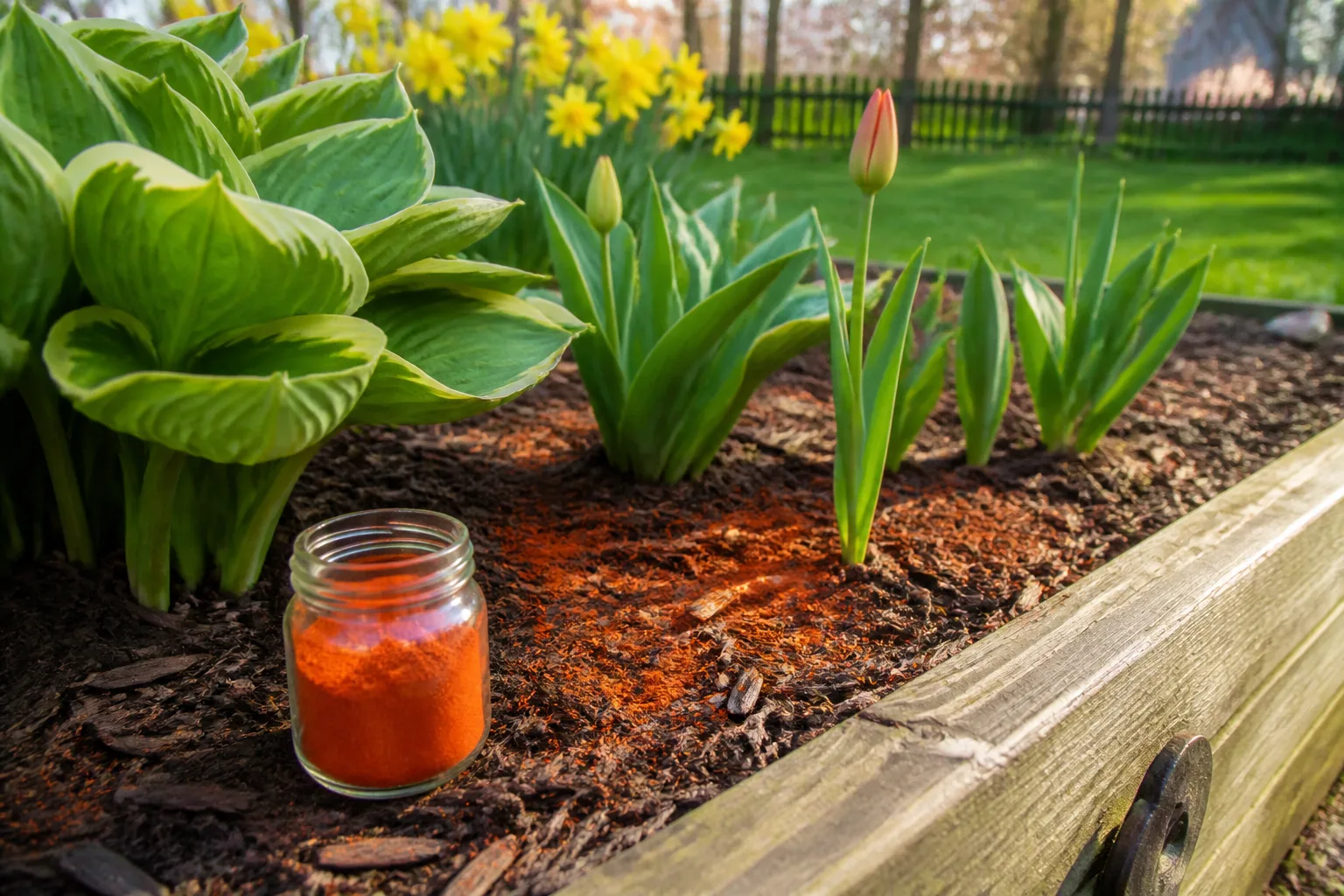
Cayenne pepper works as a short-term mammal repellent—not as a complete yard pest plan.
The active compound capsaicin irritates the mouths and noses of deer, rabbits, squirrels, and similar browsers, which is why gardeners dust it around hostas or spray it on stems after something has been nibbling. It washes away in rain, can bother pets and bees, and hungry deer often ignore it within days. Treat cayenne as a cheap experiment in a layered strategy, not a substitute for fencing when damage is serious.
The Quick Answer: Capsaicin Irritates Mammals—Not a Full Pest Program
If you are deciding whether to copy the trend tonight, match the tool to the pest. For fresh squirrel digs around bulbs or a rabbit sampling lettuce: light dust or a diluted spray on stems and soil within a few feet of damage can buy you a few days. For deer stripping shrubs nightly: cayenne may slow them once, but exclusion—fence, netting, or a tall barrier—wins when pressure is high. For aphids, ants, or slugs: cayenne is a weak secondary option; targeted tools like insecticidal soap, diatomaceous earth, or hand removal belong first in the queue.
Reapply after every rain or overhead watering, and log whether new bites appear. Two weeks of repeated damage despite fresh spice means escalation—not another tablespoon from the spice rack.
Why Cayenne Pepper Landed in the Yard-Hack Rotation
Pantry pest hacks spread because they feel immediate, cheap, and chemical-free. Cayenne checks all three boxes: a few dollars per jar, no store trip, and a story that makes intuitive sense—if spice burns your tongue, it should burn a deer’s too. Social posts show red dust around tulip beds or spray bottles beside raised beds, often paired with other kitchen cures like hanging soap or coffee grounds.
The chemistry is real. Cayenne is ground Capsicum annuum fruit, and capsaicin binds to pain receptors in mammals. That is different from perfume-based tricks that only smell strong. Capsaicin can cause a stinging sensation when an animal tastes treated foliage or inhales dust near its nose—enough that many individuals leave and browse elsewhere if they have alternatives and the coating is fresh.
What Capsaicin Does to Animals (and What It Skips)
Mammals with capsaicin-sensitive receptors—deer, rabbits, squirrels, raccoons, skunks, voles, and mice among common yard visitors—may reject treated plants after one uncomfortable bite. The effect is aversive conditioning, not poisoning: you are teaching “that leaf stings,” not killing the animal.
Birds are the major exception. Avian receptors do not respond to capsaicin the same way mammals do, which is why hot-pepper suet and capsaicin-treated birdseed exist specifically to discourage squirrels without bothering finches. If crows are pecking tomatoes, cayenne on fruit will not produce the same deterrent you get on mammal browse.
For insects, capsaicin can repel or disrupt some soft-bodied pests when sprayed directly, but evidence is mixed and repeat applications stress beneficial species. The University of Connecticut Home and Garden Education Center notes capsaicin is primarily used as an insect repellent yet is toxic to bees and other beneficial insects when they contact treated surfaces (UConn). Use it around mammal damage, not as your default aphid plan.
Which Yard Pests Cayenne Actually Deters
Effectiveness depends on animal hunger, weather, how you applied it, and what else is available to eat. The table below reflects typical field results—not guarantees.
| Pest | Cayenne effectiveness | Best application | Main limitation |
|---|---|---|---|
| Rabbits | High on low foliage | Dust around seedlings; spray leaves | Rain wash-off; habituation |
| Squirrels | High for bulb digs | Dust in planting hole + soil surface | Must re-dust after digging rain |
| Deer | Low to medium | Spray browse line up to 5–6 ft | Hungry deer override spice |
| Raccoons / skunks | Medium | Spray stems, trash-area borders | Attractants beat repellents |
| Voles / mice | Medium | Dust runways, base of trees | Does not replace trapping/exclusion |
| Aphids / mites | Low to medium | Foliar spray with soap | Bee toxicity; better IPM options |
| Slugs | Low | Dry barrier less reliable than DE | Needs dry conditions |
| Birds | None for capsaicin burn | N/A | Use netting, not spice |
Deer, Rabbits, and Hungry Browsers
Rabbits are cayenne’s sweet spot: they feed low, revisit the same beds, and often turn away after one hot mouthful on treated lettuce or hosta tips. Dust a thin ring around clumps and spray the outer leaves they hit first.
Deer are harder. A light sprinkle may discourage a cautious doe passing through, but a starving herd in late winter treats your yard as a buffet regardless of spice. Spray the browse zone—new growth, bud tips, and stems from ground level to about six feet—rather than dumping powder on mulch alone. When bites continue nightly, stop refreshing cayenne and install exclusion; no mammal repellent outperforms a proper fence when deer pressure is real.
Squirrels, Raccoons, and Digging Rodents
Squirrels target bulbs, potted soil, ripening fruit, and feeder poles. Dry dust in the planting hole and on the surface at bulb planting time is the classic fix gardeners repeat each fall. For containers, dust the soil surface and saucer edge; for fruit, use a dilute spray on the rind and wash thoroughly before eating.
At bird feeders, mixing a small amount of cayenne into seed can discourage squirrels while most birds keep eating—capsaicin’s mammal-specific burn again. Keep quantities modest so you are not creating airborne dust clouds near the feeder platform.
Raccoons and skunks respond more to eliminating attractants (pet food, open compost, unsecured trash) than to spice lines. Cayenne around the perimeter may help briefly; locking bins and removing food sources helps more.
Insects, Slugs, and the Bird Exception
Capsaicin sprays can repel aphids, spider mites, thrips, and lace bugs by contact irritation, overlapping with UConn’s list of capsaicin-sensitive pests (UConn). Results are inconsistent compared with horticultural oils, insecticidal soap, or neem on labeled schedules.
Do not treat open flowers if bees are active. Slugs are better managed with diatomaceous earth in dry weather, hand picking at dusk, or copper barriers—not loose pepper that washes into mud.
How to Apply Cayenne Pepper in Your Yard
Two methods dominate: dry dust for soil, holes, and low barriers; liquid spray for stems, leaves, and vertical browse. Pick one based on where the animal contacts the plant.
Dry Dusting at Plant Bases and Borders
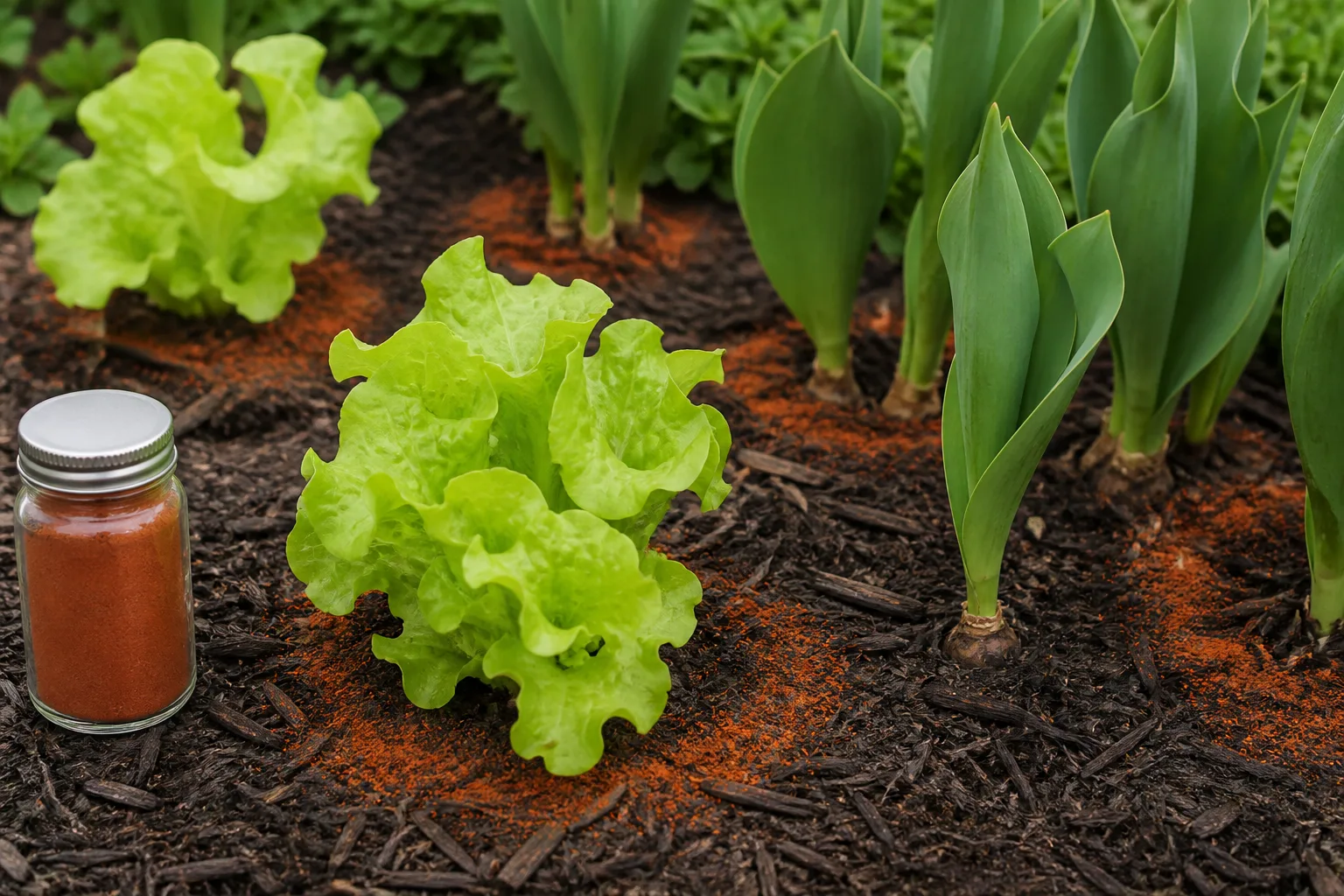
Dry dusting is fastest for bulb beds, container rims, and low rabbit pressure.
- Choose a calm day with no rain forecast for 24 hours.
- Wear gloves, eye protection, and a dust mask—airborne capsaicin hurts lungs and eyes.
- Sprinkle a thin, even layer around plant bases, bed edges, or inside bulb holes. A light red tint on mulch is enough; piles clump and wash unevenly.
- Avoid dusting open flowers and bee-heavy zones.
- Reapply after rain, heavy dew, or sprinkler overlap.
Do not dust edible leafy greens heavily right before harvest; rinse everything you plan to eat, even if applied days earlier.
Cayenne Spray Recipes That Survive Light Rain

Sprays coat vertical stems and stay put slightly better when you add a sticker.
Standard mammal browse spray
- 1–2 tablespoons cayenne powder per gallon of water
- 1–2 drops mild dish soap or 1 teaspoon horticultural oil as surfactant
- Steep 2–4 hours, strain through cheesecloth, fill a pump sprayer
Stronger mix for persistent squirrels on fruit
- 2 tablespoons cayenne + 1 minced garlic clove per gallon
- Same soap/oil sticker; strain before spraying
Test one leaf and wait 24 hours before full application—capsaicin plus soap can spot tender seedlings. Spray stems and outer leaves, not the entire patch, to limit bee contact. Reapply every three to five days and immediately after rain until browsing stops.
Commercial capsaicin-based repellents often outperform DIY dust because they include binders and labeled rates; consider them when you are re-spraying daily and still losing plants.
Reapplication Schedule: When Spice Stops Working
Cayenne is weather-limited. Rain, irrigation, and heavy dew dissolve powder and dilute spray. Wind blows dry dust off mulch. In practice:
- After any rain: re-dust or re-spray within 24 hours if new damage appears.
- Active browsing season: plan twice-weekly spray maintenance on targeted plants.
- Bulb planting: dust at planting and once more if squirrels reopen holes.
- Two weeks with fresh applications and ongoing bites: stop—animals have habituated or pressure exceeds repellents.
Keep a simple log: date applied, weather, new damage yes/no. That prevents the common mistake of assuming the jar “did not work” when it was washed away Tuesday and never replaced.
Safety Rules for Pets, Pollinators, and Produce
Capsaicin is not a labeled pesticide when mixed from your spice rack, and Penn State Extension warns that home remedies lack mix rates, target-species guidance, and safety labels (Penn State Extension). That does not mean you cannot experiment on your own ornamentals—but it does mean you accept responsibility for irritation risks.
For you: gloves, eye protection, mask when dusting; never rub eyes mid-job; wash hands with dish soap afterward.
For pets: dogs and cats that lick treated mulch can get mouth and stomach irritation. Block access until rain washes powder away or rinse treated zones if pets frequent them.
For pollinators: skip flowering portions during daylight; UConn lists capsaicin as toxic to bees on contact. Prefer evening sprays on foliage only when bees are absent.
For food crops: wash produce under running water; peel thick-skinned fruit if sprayed heavily. Penn State notes that using unlabeled products on crops you sell can violate federal food tolerance rules—home garden only for personal consumption.
Store mixed sprays in labeled bottles out of reach of children; capsaicin burns worse than it tastes.
When Cayenne Is the Wrong Tool
Skip cayenne—or stop after one trial—when:
- Deer are defoliating nightly and you have no fence timeline.
- Bees are actively working the same beds you need to protect.
- Pets use the yard as a lounge right on treated mulch.
- You need reliable insect control for a heavy aphid or mite outbreak—switch to targeted IPM.
- Wind would blow dust into your face, neighbor’s patio, or open windows.
- You are treating large acreage; labor and spice cost exceed a barrier install.
Also skip it as moral cover: cayenne causes temporary discomfort. If that crosses your ethics line, choose physical exclusion and companion planting instead.
Stronger Options When Pantry Spice Is Not Enough
Think of cayenne as Layer 1 in integrated pest management: cheap, reversible, and easy to drop when it fails.
Fences, Netting, and Motion Deterrents
Wildlife experts consistently rank proper fencing as the most reliable chemical-free deer solution when installed at adequate height and buried against crawl-under. Hardware cloth around raised beds stops rabbits; bulb cages stop squirrels. Solar motion lights and ultrasonic devices add nudges for nocturnal raccoons but work best paired with exclusion—not alone.
If rats or burrowing mammals share the yard, address harborage and entry points; pepper dust on mulch does not empty a nest.
Other Pantry Repellents Worth a Trial
Kitchen cures overlap in smell-and-burn logic but target different pests:
- Garlic spray: aphid and soft-body repellent; weak mammal nudge; low bee risk when used carefully (UConn).
- Peppermint oil: ant and rodent scent barrier indoors and along foundations; strong indoors—see natural ant repellents.
- Coffee grounds: slug barrier in dry beds; soil amendment side benefit; ineffective when soggy.
- Crushed eggshells: sharp slug deterrent in dry weather; not a mammal fix.
- Citrus/lemon spray: ant trail disruption; not deer control.
Rotate methods monthly if mammals return; single-scent habituation is common. Combine cultural fixes—pick up fallen fruit, secure compost, remove brush piles—with whatever repellent you test.
When spice, soap bars, and scent trials fail, you are not bad at gardening—you are under-fenced for the wildlife your neighborhood supports.
Conclusion
People sprinkle cayenne around yards because capsaicin delivers a real, temporary burn that many mammals avoid—especially rabbits and squirrels on low, reachable plants. It is inexpensive, understandable, and worth a controlled try when damage is new and weather is dry. It is not permanent, not bee-safe on flowers, and not strong enough for relentless deer.
Dust bulbs and bed edges, spray browse lines with a strained mix and surfactant, reapply after rain, and track results for two weeks. Protect yourself, rinse produce, and keep pets off fresh applications. When the log shows continued bites, escalate to fencing, netting, and labeled repellents instead of hotter spice. Used that way, cayenne belongs in the toolkit—not on the pedestal social media puts it on.