Diatomaceous Earth for Pest Prevention: Worth It?
Diatomaceous earth dehydrates crawling pests—but only when dry. See food-grade vs pool-grade DE, garden and indoor tips, and if it is worth using.
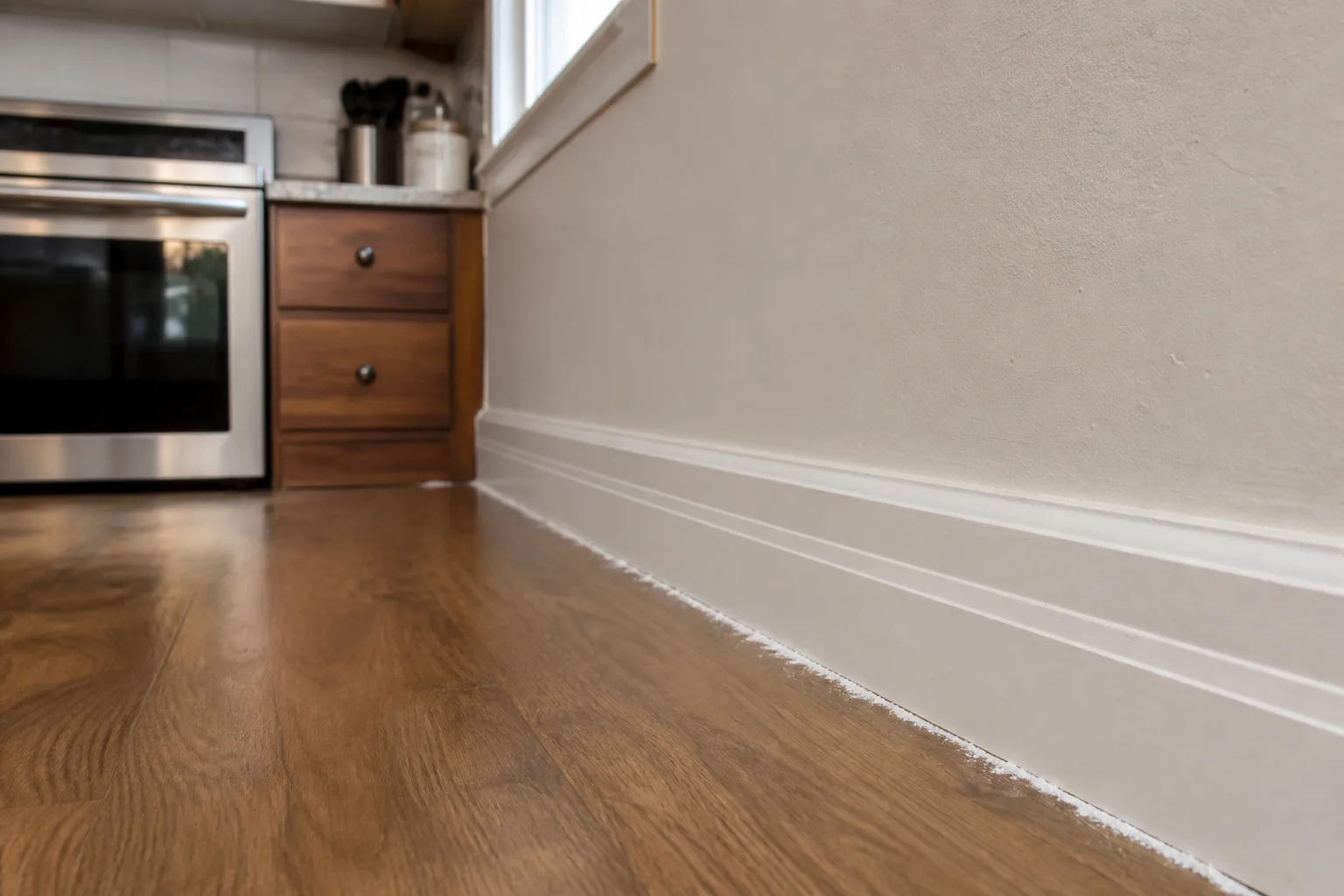
Diatomaceous earth (DE) is a natural desiccant dust that kills many crawling insects by damaging their waxy exoskeleton—not by poisoning them. When you apply a thin, dry layer where pests must crawl, it can reduce ant trails, slug damage, flea adults on dry carpet, and cockroaches in wall voids without synthetic spray residues. It is also slow, useless while wet, harmless to pest eggs, and irritating to lungs when mishandled.
That mix of strengths and limits is exactly why people ask whether DE is “worth it.” The honest answer is conditional: DE is worth keeping on hand for dry barrier jobs and supplemental dust in cracks, but it is rarely the only tool you need for an active indoor infestation or a wet coastal garden.
The Short Answer: When DE Is Worth It—and When It Is Not
Worth it: You need a low-toxicity, contact-based tool for crawling pests in dry zones—baseboard cracks, dry mulch rings, chicken coop perimeters, cabinet voids, or houseplant saucer rims after the soil surface has dried. You accept reapplication after rain or irrigation and you are not expecting overnight population collapse.
Skip it or pair it: You are fighting flying pests, soft-bodied colonies on wet foliage, bed bugs without a coordinated multi-tool plan, or German cockroaches breeding inside kitchen harborages. In those cases, baits, boric acid films, neem, or insecticidal soap usually deliver faster, more predictable results—and DE becomes a supporting dust, not the headline.
What DE Can Realistically Do for You
According to the National Pesticide Information Center (NPIC), diatomaceous earth is not poisonous and does not need to be eaten to work. It damages the insect cuticle, absorbs protective oils, and causes dehydration while remaining effective as long as it stays dry and undisturbed (NPIC). More than 150 EPA-registered products contain DE for use against bed bugs, cockroaches, fleas, ticks, crickets, spiders, and other listed pests.
In practice, that means DE excels as a physical barrier and void dust. A barely visible film along an ant entry crack, under a refrigerator toe-kick, or on dry mulch over a soaker-hose bed can kill individual insects within about 24 to 72 hours after contact. It also fits gardeners who want to cut broad-spectrum spray use without abandoning pest control entirely.
What DE Cannot Replace
DE does not kill eggs or pupae reliably, so populations rebound unless you break the lifecycle another way. University of California Integrated Pest Management (UC IPM) notes that desiccant dusts such as DE can be repellent at heavy doses, which pushes pests away from treated zones instead of through them—another reason thin films beat snowdrifts (UC IPM).
It also cannot replace sanitation (crumbs, pet food, leaky hoses), exclusion (sealed cracks), or targeted baits when a colony lives inside walls. Treat DE as one drawer in an integrated pest management (IPM) toolbox—not a magic powder that replaces thinking.
What Is Diatomaceous Earth?
DE is mined from sedimentary deposits of fossilized diatoms, microscopic aquatic organisms whose skeletons are rich in silica. Processed into a fine powder, it has been registered as a pesticide ingredient since the 1960s and appears in everything from livestock feed anticaking agents to swimming pool filters (NPIC).
Gardeners encounter it as a white or off-white dust labeled for insect control. The label matters: pesticide-grade DE includes directions for legal application sites, re-entry, and PPE. A random bag from a hardware shelf is not interchangeable with pool filter media.
Food-Grade, Pest-Grade, and Pool-Grade DE
Food-grade DE is purified amorphous silica listed by the FDA as Generally Recognized as Safe for certain feed and food uses. That status describes ingestion in formulated products, not a license to breathe clouds of dust. For pest jobs, buy pest-control-labeled or food-grade DE marketed for insects—not pool filter grade.
Pool-grade / filter-grade DE is heat-treated and can contain higher crystalline silica, which poses greater long-term inhalation risk. NPIC warns that crystalline forms may accumulate in lung tissue, while amorphous DE is associated with mild, reversible irritation when exposure is brief (NPIC). Never use pool DE indoors or around food prep areas.
If the bag says crystalline silica or lacks pest-control directions, stop and exchange it before opening.
How DE Kills Crawling Insects
Picture the waxy cuticle on an insect exoskeleton as a rain jacket. Microscopic DE particles abrade that layer and pull out lipids. The insect loses water faster than it can replace it, especially in warm, dry harborages. Grooming spreads dust to legs and mouthparts, but DE still requires physical contact while dry—there is no vapor, no bait attraction, and no systemic movement through plants.
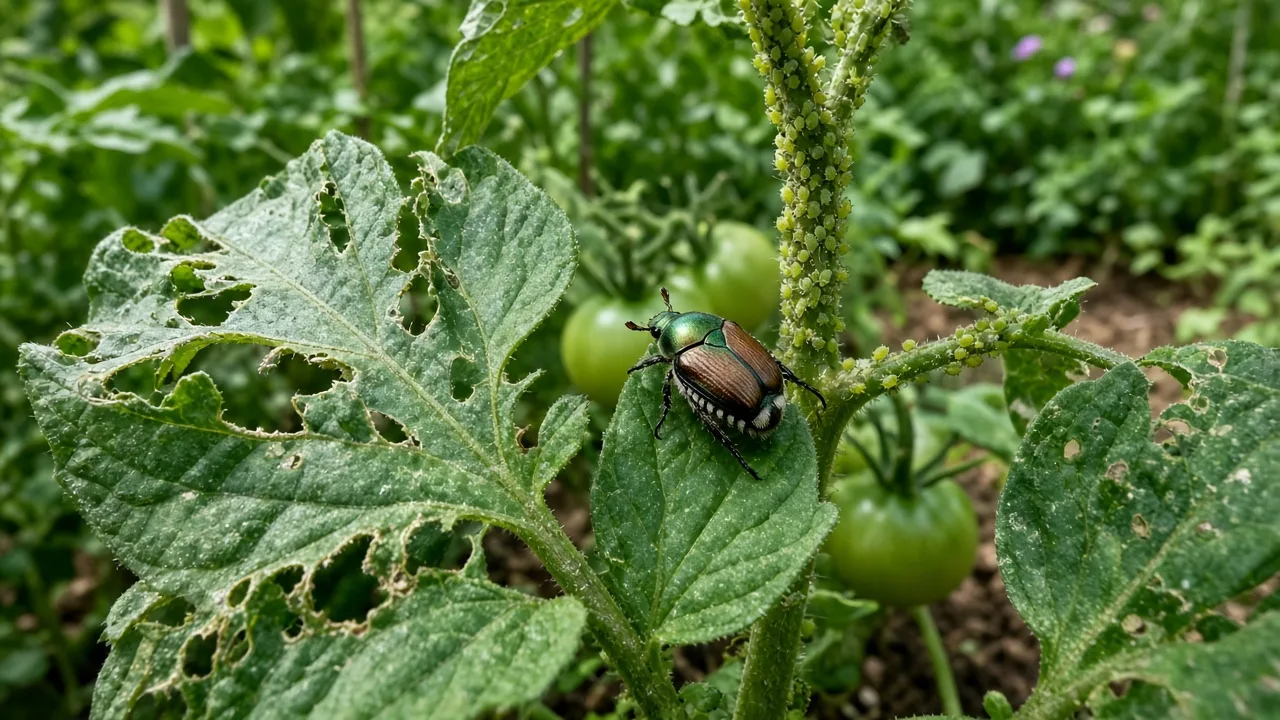
Flying insects that never crawl through treated surfaces may never contact enough dust to die. Soft-bodied aphids on wet leaves are poor DE targets compared with slugs crossing dry mulch or ants marching a baseboard highway.
Which Pests DE Helps—and Which It Barely Touches
DE works best on hard-bodied crawlers in dry travel lanes. Effectiveness drops when humidity stays high, when pests feed without crawling treated zones, or when eggs keep hatching faster than adults die.
| Pest / situation | DE fit | Notes |
|---|---|---|
| Ants (trail workers) | Good in dry cracks | Pair with bait for colony control; see natural ant control |
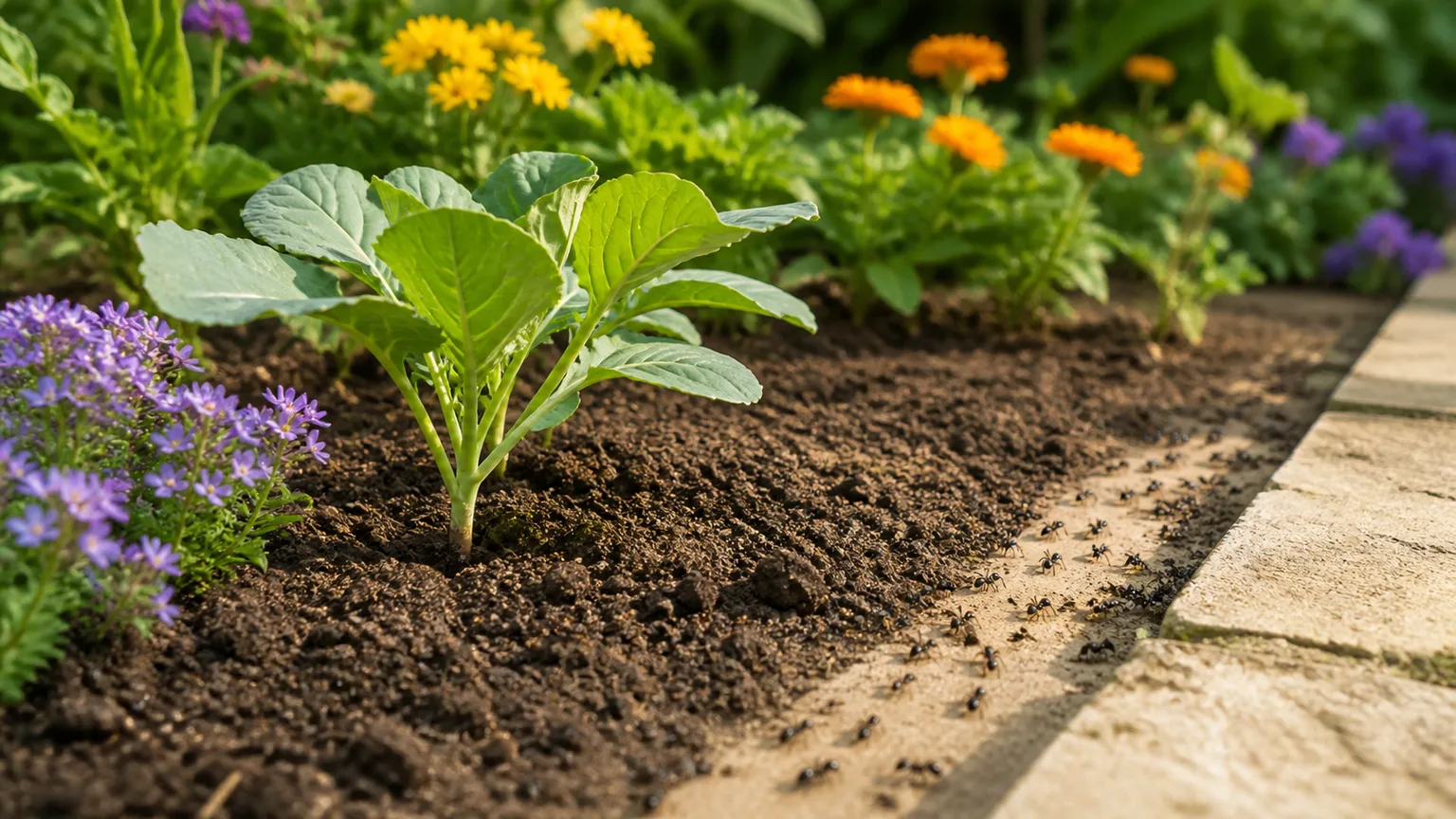
| Slugs, earwigs | Good on dry paths | Reapply after rain; avoid open flowers |
| Fleas (adults) | Moderate on dry carpet | Vacuum first; eggs survive DE |
| Cockroaches | Moderate in voids | Slow vs boric acid; see DE for roaches |
| Bed bugs | Supplement only | Needs encasements, heat, or pro tools |
| Aphids, whitefly on foliage | Poor when wet | Use insecticidal soap or neem instead |
| Spider mites indoors | Poor on humid leaves | Soap or horticultural oil usually wins |
| Flying wasps, gnats | Poor | DE is not an airspace tool |
NPIC lists registered uses against bed bugs, cockroaches, fleas, ticks, crickets, and spiders among others—but registration describes possible control, not guaranteed outcomes in your specific humidity and clutter level (NPIC).
Garden and Outdoor Crawlers
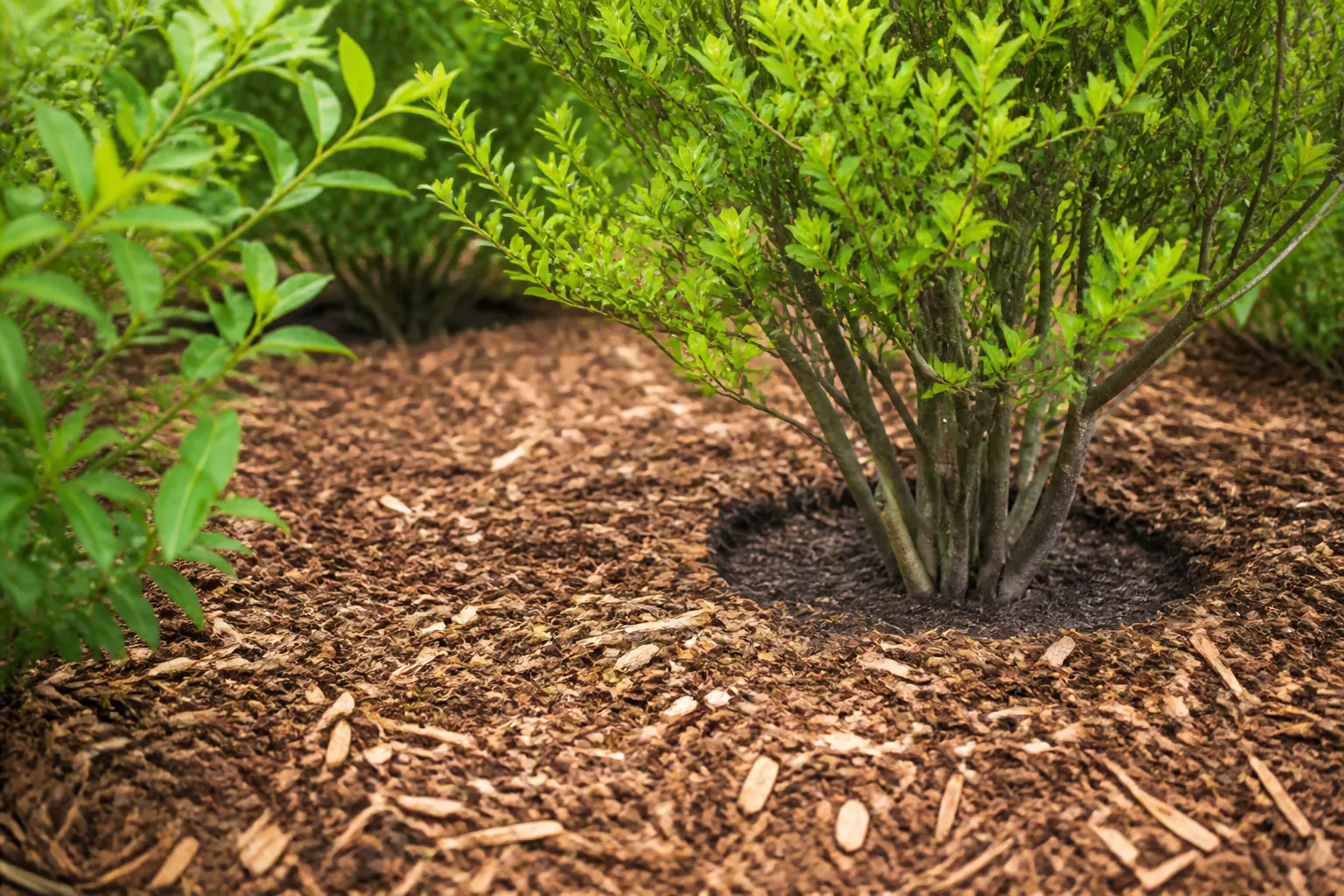
In vegetable and ornamental beds, DE shines as a perimeter dust on dry mulch, patio edges, and stems below the flower zone. Epic Gardening recommends dusting dry soil or mulch—not soaking wet beds—and avoiding flowerheads where bees and butterflies land (Epic Gardening). A light ring at the base of slug-prone lettuce can reduce night damage if rain is not forecast for 48 hours.
For ants farming aphids on stems, DE on the trunk collar may slow workers without fixing the honeydew source. Combine with hose-blasting aphids or soap sprays on tender growth; DE on wet foliage does nothing until it dries, and even then may wash off with the next irrigation cycle.
Indoor Household Pests
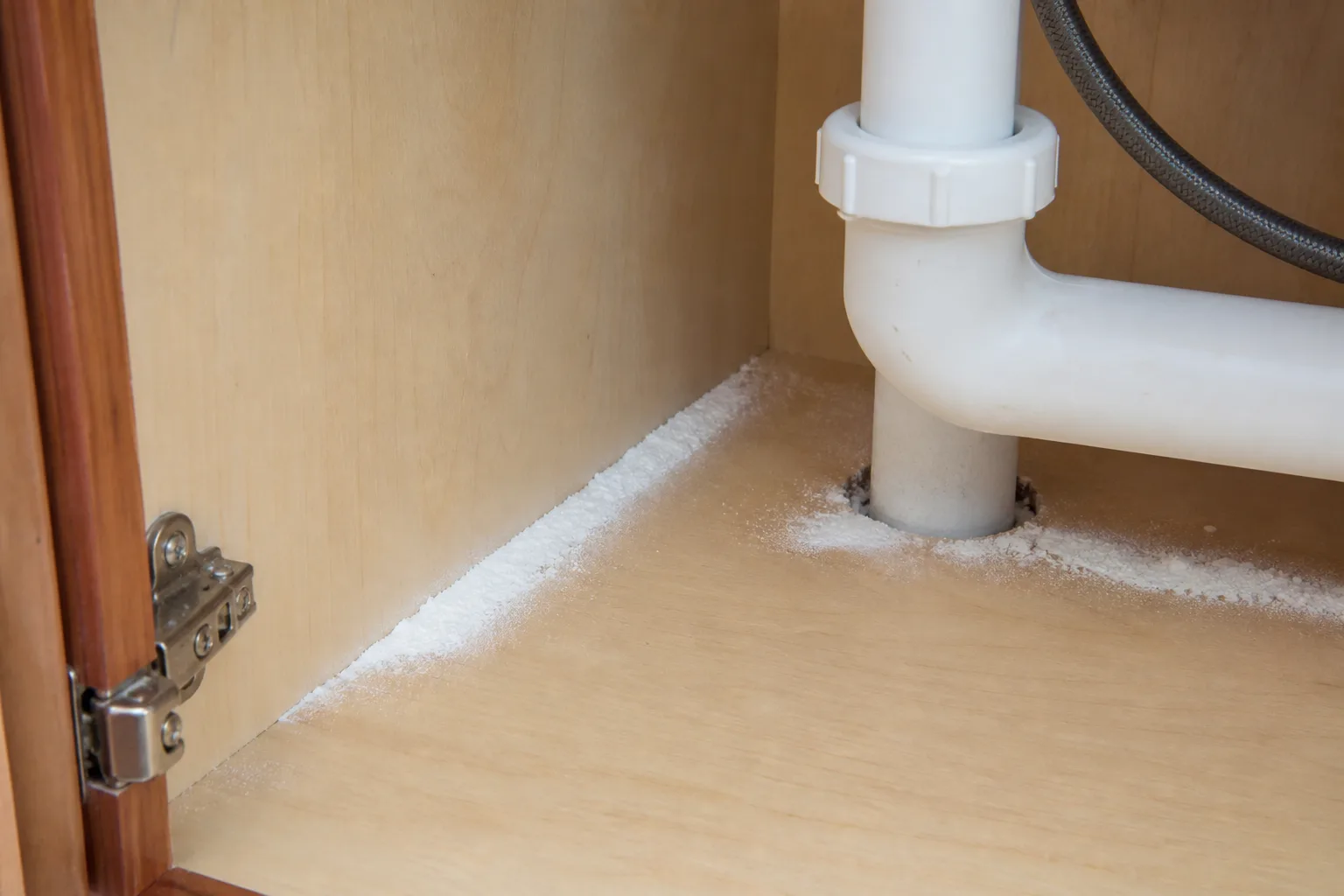
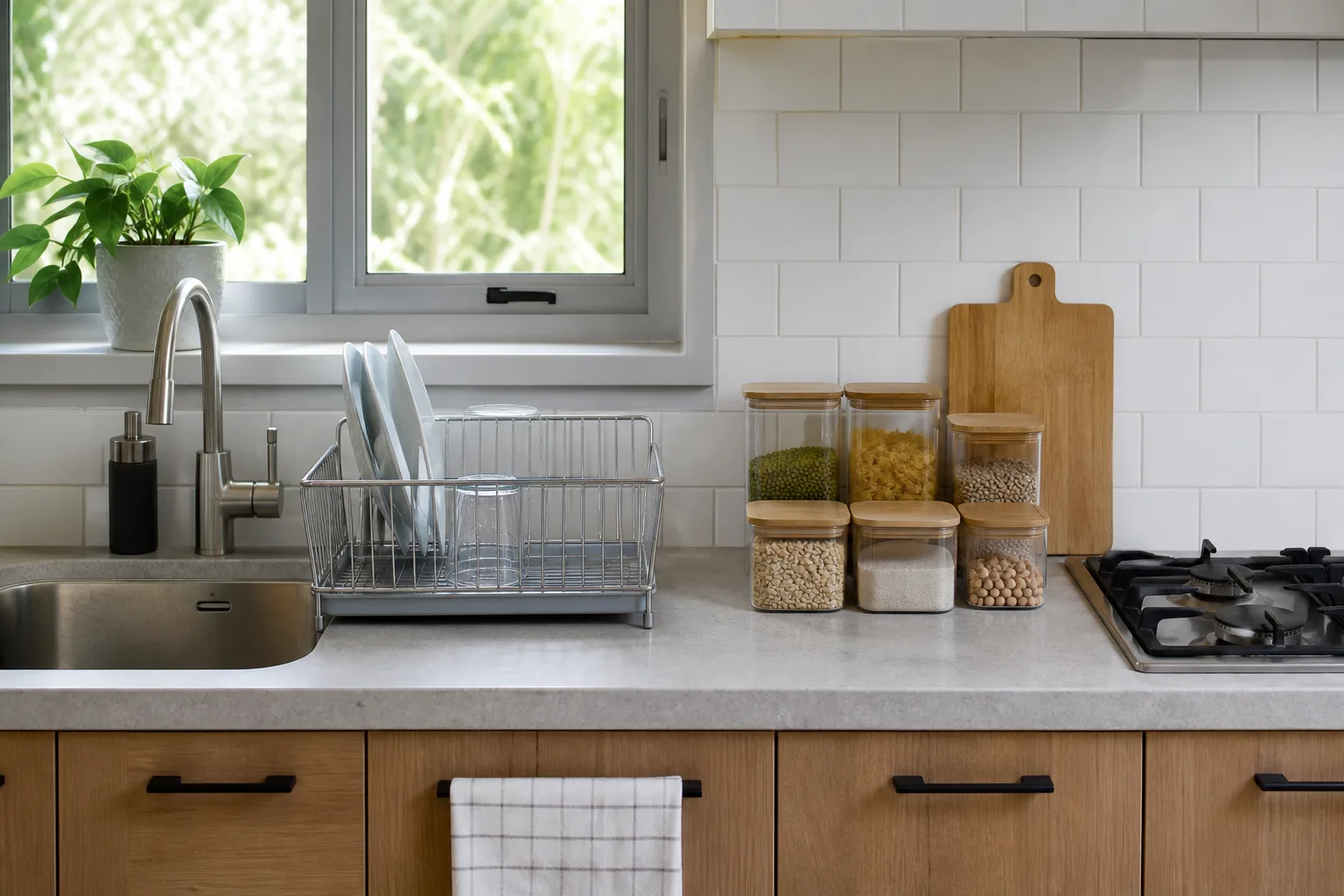
Indoors, think cracks, voids, and dry carpet—not open countertops. Squeeze a thin film with a bulb duster or mustard bottle along baseboards, window frames, pipe chases, and behind appliances where cockroaches and ants travel. Keep children and pets out until dust settles; NPIC notes DE can irritate nose, eyes, and skin when airborne (NPIC).
For fleas, apply to dry rugs and pet bedding, wait several hours, then HEPA-vacuum adults and dust together. Repeat on a schedule because DE will not touch eggs in carpet padding. Our roach-specific DE guide walks through void placement that also applies to other crawling indoor pests.
Houseplant Soil Pests
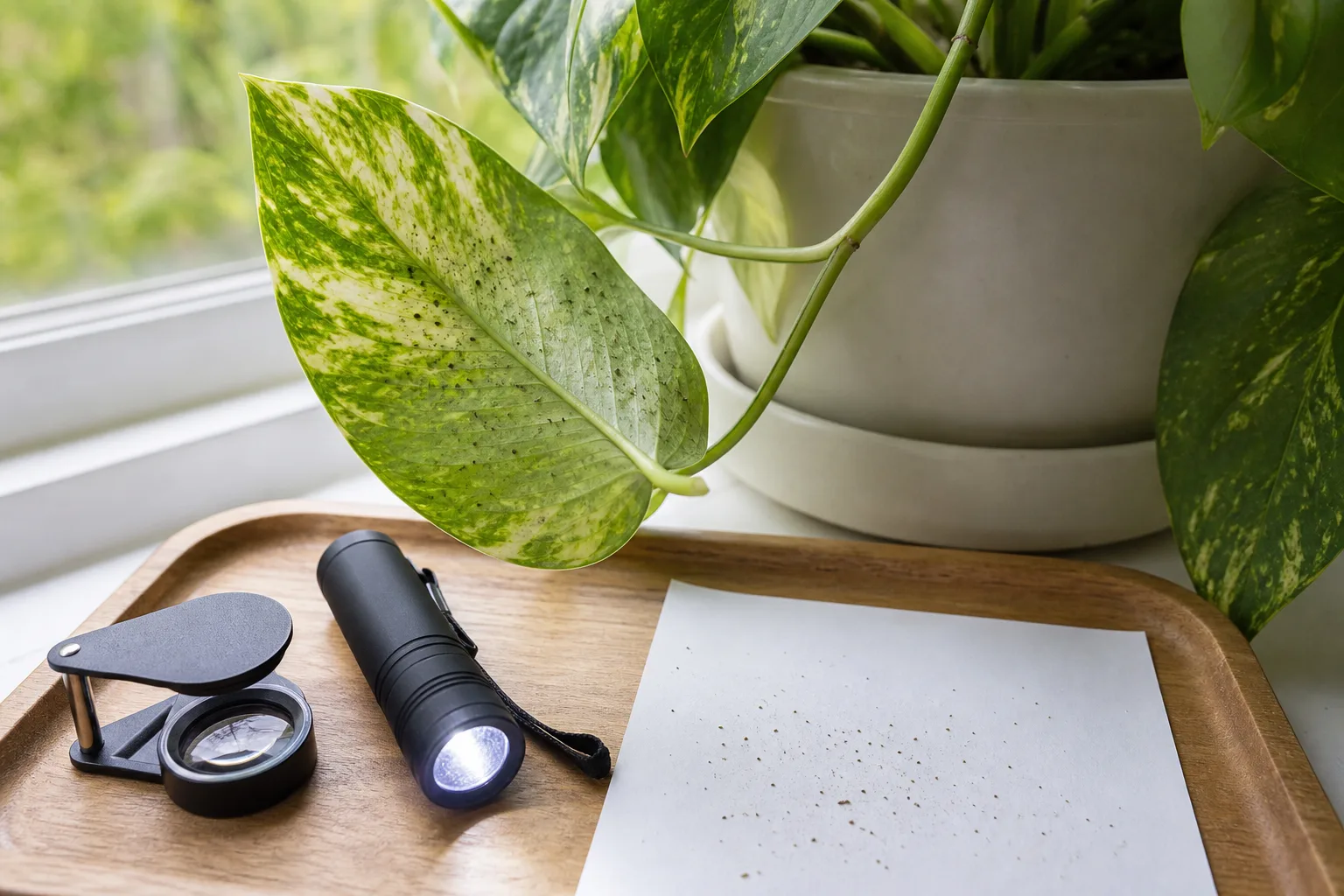
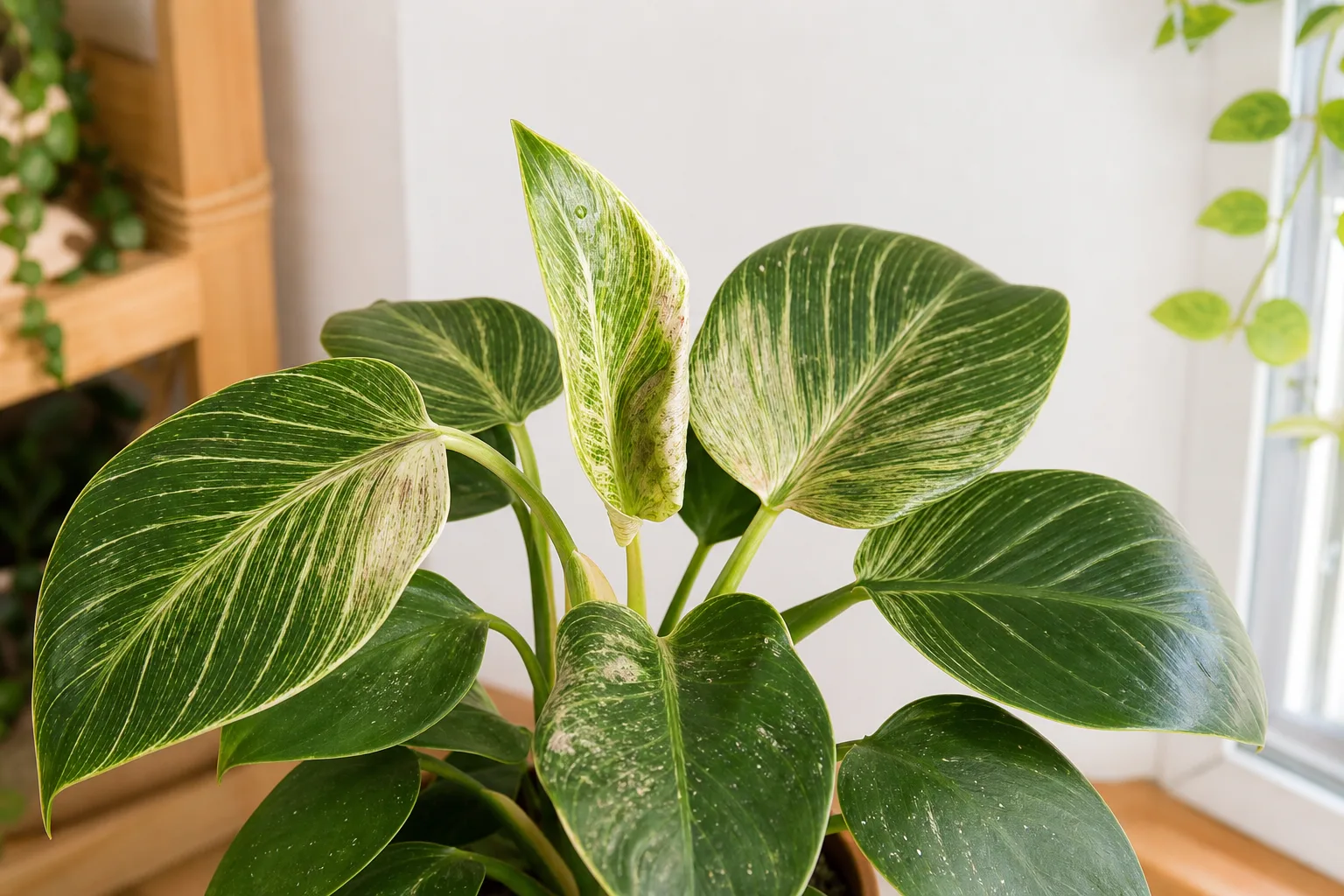
Sprinkling DE on dry houseplant soil can intercept fungus gnats and shore flies crawling on the surface. Wait until the top inch is dry, apply a light dust, and avoid watering until you need to—then expect to re-dust after the surface dries again. Do not treat constantly wet soil; the powder cakes and stops clinging to insects.
For mealybugs or scale on stems, DE on dry bark may help nymphs crawling down to soil, but contact sprays or systemic approaches usually work faster on established colonies. Keep DE off fuzzy leaves (African violets, calatheas) where particles lodge in trichomes and are hard to rinse.
How to Apply Diatomaceous Earth Correctly
The most common application error is too much product in the wrong place. DE works as a thin film insects cannot avoid—not a visible pile they walk around.
Dry Dusting Technique
Wear a dust mask, goggles, and gloves even with food-grade product. Use a bulb duster, squeeze bottle, or fine sifter to lay a barely visible line where pests must cross. Outdoors, apply on dry days with dry mulch or soil; indoors, avoid HVAC vents that will loft particles.
Reapply after rain, heavy dew, steam cleaning, or overhead watering. Epic Gardening notes that topping mulch over soaker hoses can keep DE drier longer than bare soil alone (Epic Gardening). Indoors, treated cracks may stay active for weeks if undisturbed—vacuum only when you are ready to remove dead insects and re-dust.
Wet Slurry for Foliage (Outdoor Only)
You can mix roughly four tablespoons of DE per gallon of water and spray stems and undersides where dry dust will not stick. The slurry is inactive until fully dry; label directions vary by brand, so confirm your product allows wet application. This method suits outdoor cucurbits or shrub stems—not living room furniture or damp bathrooms where drying takes too long.
Never mix DE with water for indoor cockroach or flea control expecting immediate effect. Wet powder cakes on tile and stops transferring to insect cuticles.
Safety, Pollinators, and Beneficial Insects
Food-grade DE is low toxicity if small amounts are accidentally ingested, but it is still a fine respiratory irritant. NPIC lists coughing and shortness of breath after inhaling large amounts, plus eye and skin dryness from abrasion (NPIC). Anyone with asthma should leave the room during application.
Pollinators and predators contact DE the same way pests do. Avoid dusting open blossoms, bee-active herbs, or ladybug release zones. Epic Gardening suggests observing pollinator flight paths for a few days and keeping DE on soil and lower stems only (Epic Gardening). Evening application after bee activity declines reduces accidental contact on dry nights—though dew may deactivate dust by morning in humid climates.
NPIC states DE is practically non-toxic to fish and is commonly encountered by birds without known harm, but no wildlife toxicity studies were found in their review—another reason to target cracks and mulch, not broadcast dust across open lawn (NPIC).
DE vs Boric Acid, Neem Oil, and Other Tools
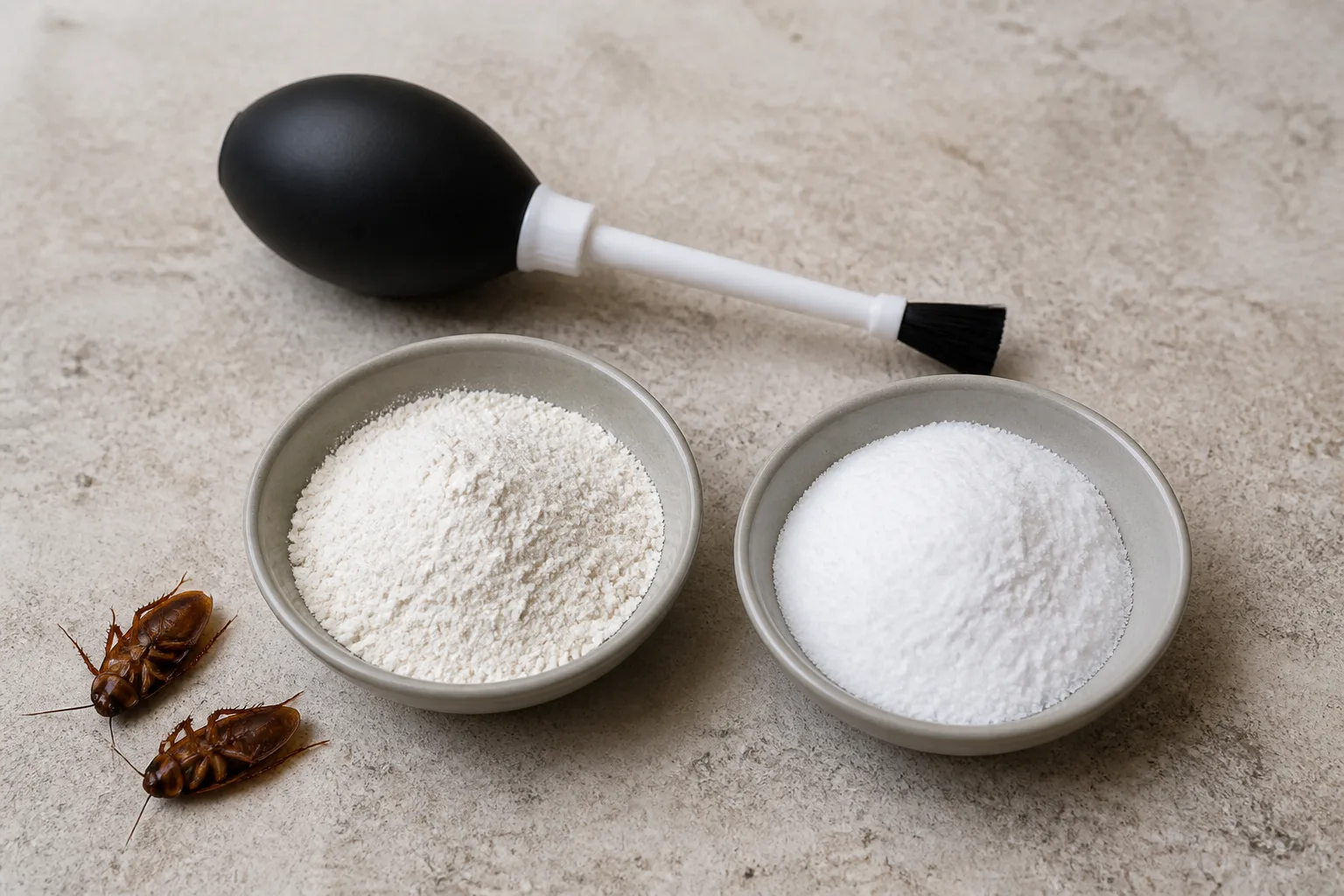
DE is one desiccant. Boric acid is a slower poison ingested during grooming and generally outperforms DE on established indoor cockroach and ant infestations when applied as a thin, non-repellent film (UC IPM). Gel baits reach harborages dust cannot. Neem oil disrupts soft-bodied feeders on foliage but needs thorough spray coverage and works poorly on dry crawlers in wall voids (neem for outdoor pests). Insecticidal soap knocks down exposed aphids and whiteflies on contact but rinses away in rain (soap guide).
| Tool | Best for | Weakness |
|---|---|---|
| Diatomaceous earth | Dry crawlers in cracks, mulch, carpet | Slow; fails when wet; no egg kill |
| Boric acid | Roaches, ants in hidden voids | Toxic if misapplied; keep from kids/pets |
| Neem oil | Chewing/sucking pests on plants | Needs coverage; phytotoxicity risk in heat |
| Insecticidal soap | Soft-bodied pests on foliage | No residual; washes off |
| Gel baits | Social insects (ants, roaches) | Requires clean competing-food removal |
Many successful IPM plans combine sanitation + exclusion + bait with DE as backup dust in dry voids—not the other way around.
Is Diatomaceous Earth Worth Using? A Decision Framework
Run this three-question check before you buy another bag:
1. Will the pest crawl through a dry zone you can treat? If yes, DE belongs on the shopping list. If pests fly, feed without crawling treated surfaces, or live only on wet leaves, pick a different tool from the table above.
2. Can you keep that zone dry for several days? Outdoor DE in a rainy week is wasted effort. Indoor bathroom steam or daily mop passes deactivate dust just as quickly.
3. Are you willing to reapply and wait? DE is a patience product. If you need visible knockdown tonight, soap spray or bait stations beat DE. If you want a low-toxicity maintenance barrier around a dry coop, shed, or perimeter bed, DE earns its shelf space.
When all three answers are yes, DE is worth using—often alongside other tools. When any answer is no, spend your effort on the limiting factor first (fix the leak, set bait, switch to neem) and revisit DE later as a barrier layer.
Common Mistakes That Make DE Look Like It Failed
Piling powder creates repellent mounds pests avoid. Treating wet soil or steamy bathrooms guarantees inactive DE. Expecting egg kill leaves you surprised when a new generation hatches. Using pool-grade product trades pest control for inhalation risk. Dusting open flowers may kill pollinators without solving the target pest. Skipping PPE makes you hate the product after one coughing fit.
If DE “did not work,” audit placement and dryness before declaring the mechanism bogus. Nine times out of ten, the dust was thick, wet, or nowhere near the insects’ travel lane.
Conclusion
Diatomaceous earth is worth using when you treat it as a dry, thin-film desiccant for crawling pests—not as a universal organic pesticide. It reduces reliance on synthetic sprays in the right zones, aligns with IPM when paired with sanitation and baits, and stays effective for days indoors if left undisturbed. It will not rescue a wet garden overnight, eliminate hidden cockroach colonies alone, or replace foliar tools for aphids.
Buy pest-labeled or food-grade DE, avoid pool filter products, wear a dust mask, keep pollinators in mind, and reapply after rain. When your pest fits the crawl-and-dry profile, DE is a cheap, credible layer of defense. When it does not, reach for the specialized guide that matches your actual problem—ants, roaches, neem for foliage, or soap for soft-bodied outbreaks—and let DE play backup in the cracks.