11 Best Lawn Mowers for Every Yard
Compare 11 lawn mowers for small yards, slopes, thick grass, acres, and hands-off mowing, with practical limits for gas, electric, battery, and reel models.
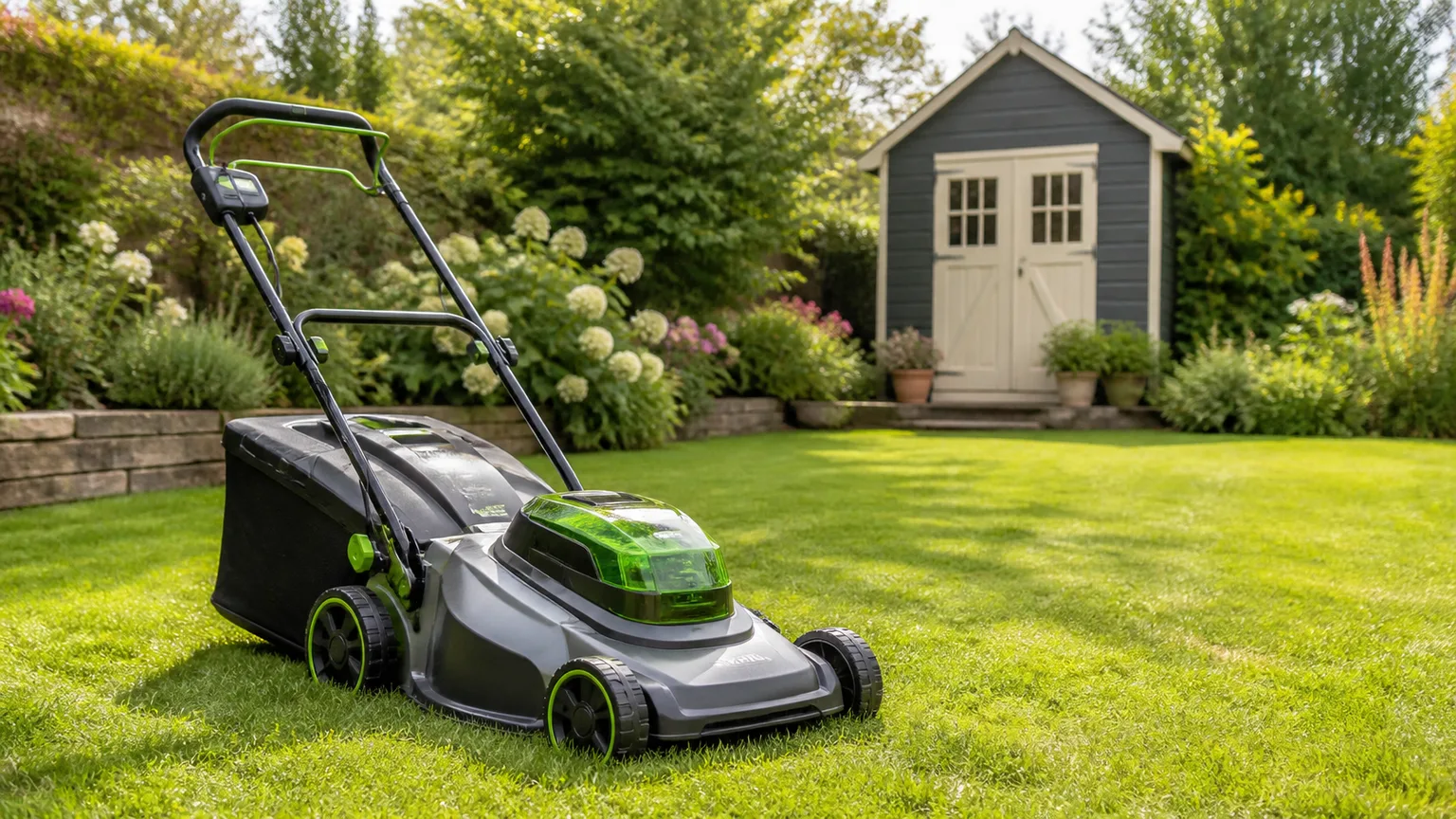
The best lawn mower is the one that can finish your actual route without making you fight the machine. That means lawn size matters, but so do gates, trees, slopes, grass height, storage space, battery logistics, and whether you want to push, steer, or automate the job.
For a typical suburban lawn, a 21- or 22-inch walk-behind mower is the sensible middle ground. Small yards may be easier with a light cordless, corded, or reel model; a steep or frequently overgrown lawn may justify self-propulsion; and acreage is where a riding, zero-turn, or robotic mower starts to make sense.
Quick answer: match the mower to the property
Use the table as a starting point, then read the limitation under each pick. Coverage estimates are not interchangeable: a manufacturer’s acreage claim may assume a particular battery, a particular cutting mode, flat ground, and a lawn that is mowed on schedule.
| Best for | Recommended type | Why it fits | Watch out for |
|---|---|---|---|
| Most suburban lawns | 21- or 22-inch self-propelled walk-behind | Enough width without becoming unwieldy; easier on slopes | More weight and cost than a push mower |
| Small, tight yards | 13-inch cordless or corded electric | Light, easy to turn, simple to store | More passes and limited range for corded models |
| Thick grass or regular hills | Rear-wheel-drive gas or battery | Traction and sustained cutting power | No mower makes a wet or unsafe slope safe |
| One to several open acres | Riding or zero-turn | Covers ground quickly and reduces walking | Storage, delivery, maintenance, and turning space |
| A maintained lawn you rarely want to mow | Robotic | Makes frequent light cuts on a schedule | Mapping, boundaries, edge work, and setup |
| Tiny, flat, frequently mowed lawn | Manual reel | Quiet, inexpensive, and compact | Poor choice for tall grass, weeds, or uneven ground |
The first filter is not the power source; it is the route. Walk the same path you normally mow and note the narrowest gate, the steepest section, the places where you must reverse, and whether the grass is usually short or overdue. That quick survey often rules out a mower more reliably than a long list of feature names. A wide deck that cannot reach the back lawn or a battery mower that must stop at the charging shed is not a bargain in practice.
How these lawn mower picks were evaluated
These recommendations compare current product specifications with the job each mower is realistically suited to do. The comparison considers cutting width, power source, propulsion, height adjustment, clipping options, included battery or charger, storage, and the likely failure point for a homeowner.
The article does not claim that one test yard represents every lawn. Instead, it separates manufacturer-stated limits from practical selection advice, then uses extension guidance to explain why mowing height, blade sharpness, and clipping management affect both the turf and the machine.
A 13-inch corded mower and a 42-inch zero-turn mower should not compete on the same definition of “best.” The smaller machine wins when carrying weight, tight turns, low purchase cost, or compact storage matter; the riding mower wins when walking time across open acreage is the real problem.
The Consumer Product Safety Commission explains that covered walk-behind power mowers must meet a federal safety standard and carry required labeling. That is useful compliance context, but it is not a performance ranking: a mower can satisfy a safety standard and still be the wrong fit for a steep yard, narrow gate, or long grass. Check the CPSC walk-behind mower guidance and the exact owner’s manual before buying or operating any model.
Power labels also need context. Gas engine displacement, battery voltage, ampere-hours, and brushless-motor claims describe different parts of a system, so they should not be treated as a single horsepower scoreboard. Compare the complete machine under the conditions you actually face: a rear-wheel-drive mower with a modest deck may be easier on a hill than a heavier model with more headline power, while a wide deck may finish a flat lawn faster but consume more energy in thick growth.
The 11 best lawn mowers
1. Toro Gas Self-Propelled Recycler — Best Gas Mower
The Toro Gas Self-Propelled Recycler is the best choice here for a homeowner who wants the familiar reserve of a gas engine, a 22-inch deck, and self-propulsion for a lawn around half an acre. It offers bagging, mulching, and side discharge, so you can collect a messy cut, return short clippings to the lawn, or clear a heavy flush without stopping to empty the bag.
Gas makes sense when you regularly cut dense grass, have slopes, or do not want to plan the mowing route around charge time. The tradeoffs are noise, fuel storage, oil changes, seasonal starting issues, and exhaust. It is also less agile than a small cordless mower around beds and tight fencing, so do not choose it solely because the engine sounds more powerful.
2. RYOBI ONE+ 18V Cordless Push Mower — Best for Small Yards
The RYOBI ONE+ 18V 13-inch cordless push mower is a good fit for a small yard with trees, paths, raised beds, or a gate that makes a wider deck annoying. At roughly 27 pounds with a 13-inch cutting path, it is easy to carry, turn, and store, and its push-button start removes fuel and oil from the routine.
The small deck is the reason to buy it and the reason not to buy it. Expect more passes on an open quarter-acre lawn, and treat the roughly 25- to 35-minute practical runtime reported for this class of kit as a planning range rather than a promise. It is a smart choice if you already own compatible 18V batteries or value maneuverability more than speed.
3. RYOBI 13-Inch Corded Electric Mower — Best Budget Mower
The RYOBI 13-inch corded electric mower is the budget pick for a small, reachable lawn where an outdoor outlet is close and the path is clear enough to manage an extension cord. It is light, quiet compared with gas, free of fuel and battery charging, and equipped for bagging or mulching.
Cord management is the whole decision. The cord can snag around trees, beds, and corners, and the mower is not a good match for a property that requires a long or complicated route. Buy it for a compact lawn you can mow methodically, not for a large open area just because the motor never runs out of electricity.
4. Milwaukee M18 FUEL 21-Inch — Best Self-Propelled Battery Mower
The Milwaukee M18 FUEL dual-battery mower kit is the battery choice for a homeowner who wants rear-wheel-drive traction, a 21-inch deck, and more reserve than a small single-battery mower can provide. Its kit includes two high-capacity batteries and a rapid charger, and its bagging, mulching, rear-discharge, and side-discharge options make it adaptable to changing grass conditions.
The dual-battery design is both its strength and its cost. You are buying a heavy, premium machine and a charging setup that makes sense only if you need the range or already use the M18 platform. The self-propelled drive helps on hills, but reduce speed near beds and disengage it for tight turns so the mower does not push past your intended line.
5. Husqvarna Lawn Xpert LE-322R — Best Mulching Mower
The Husqvarna Lawn Xpert LE-322R is for the homeowner who wants a 21-inch self-propelled mower with a mulching-first approach and more control over the pace. It offers mulching and bagging, a wide cutting-height range, and a two-battery setup that gives a maintained quarter- to half-acre lawn useful reserve.
Mulching is not a license to let grass grow tall and then pulverize it in one pass. Use it when the turf is dry and you are removing a modest amount of leaf tissue; bag long, wet, clumped, or diseased material instead. The LE-322R is a poor value if you rarely mulch, do not need self-propulsion, or would rather buy a lighter push mower and spend less.
6. RYOBI 40V HP 21-Inch Push Mower — Best Push Mower
The RYOBI 40V HP Brushless 21-inch push mower is the value choice for a mostly flat lawn where you are comfortable supplying the forward force. Its 21-inch deck, brushless motor, bagging, mulching, and side-discharge modes cover the basics without charging you for a drive system.
The platform becomes more appealing if you already own other RYOBI 40V tools. A push mower is simpler and often lighter than a self-propelled equivalent, but that advantage disappears on hills, thick spring growth, or soft ground. Choose it when you can finish the route comfortably at a steady walking pace and will mow often enough to avoid a tall-grass rescue job.
7. Toro 60V Super Recycler — Best Heavy-Duty Battery Mower
The Toro 60V Super Recycler is the premium battery pick for a homeowner who wants a solid 21-inch self-propelled mower with strong performance in dense grass. Its steel construction, dual-blade cutting system, and bagging, mulching, and side-discharge options are suited to lawns where a light mower tends to bog down.
Its mass is the central tradeoff. A mower around 90 pounds can feel planted on a slope and tiring in a tight garden, especially when backing up or lifting it into storage. It is also less forgiving of an improvised storage area, so confirm that the folded machine can be moved and stored safely before paying for heavy-duty build quality.
8. Toro TimeCutter 42-Inch — Best Zero-Turn Mower
The Toro TimeCutter 42-inch zero-turn mower is the best fit in this group for open acreage with trees, beds, and enough room to learn lever steering. A 42-inch deck and zero-turn maneuverability can reduce mowing time dramatically compared with walking, while the suspension seat and hydrostatic controls make long sessions less punishing.
Zero-turn does not mean universally better. It needs a clear route, a secure storage location, and a learning period; wet slopes, drop-offs, retaining walls, and ponds demand extra caution. Bagging is an additional purchase on this configuration, so include the cost of any catcher you actually need rather than comparing only the mower’s base price.
9. RYOBI 80V 42-Inch — Best Electric Riding Mower
The RYOBI 80V HP 42-inch electric zero-turn mower is the riding choice for a homeowner who wants the speed and turning radius of a zero-turn without a gas engine. Its high-voltage battery system, broad deck, quiet operation, and onboard charging make it attractive for properties where reducing noise and routine fuel handling matters.
This is a large, expensive machine, not a casual upgrade from a walk-behind. Confirm gate width, turning space, delivery access, storage, charging location, and the price of a replacement battery before buying. The machine’s torque and traction can also surprise a new operator; start slowly, practice in an open area, and avoid treating a quiet motor as evidence that a wet hillside is safe.
10. Eufy E15 — Best Robotic Mower
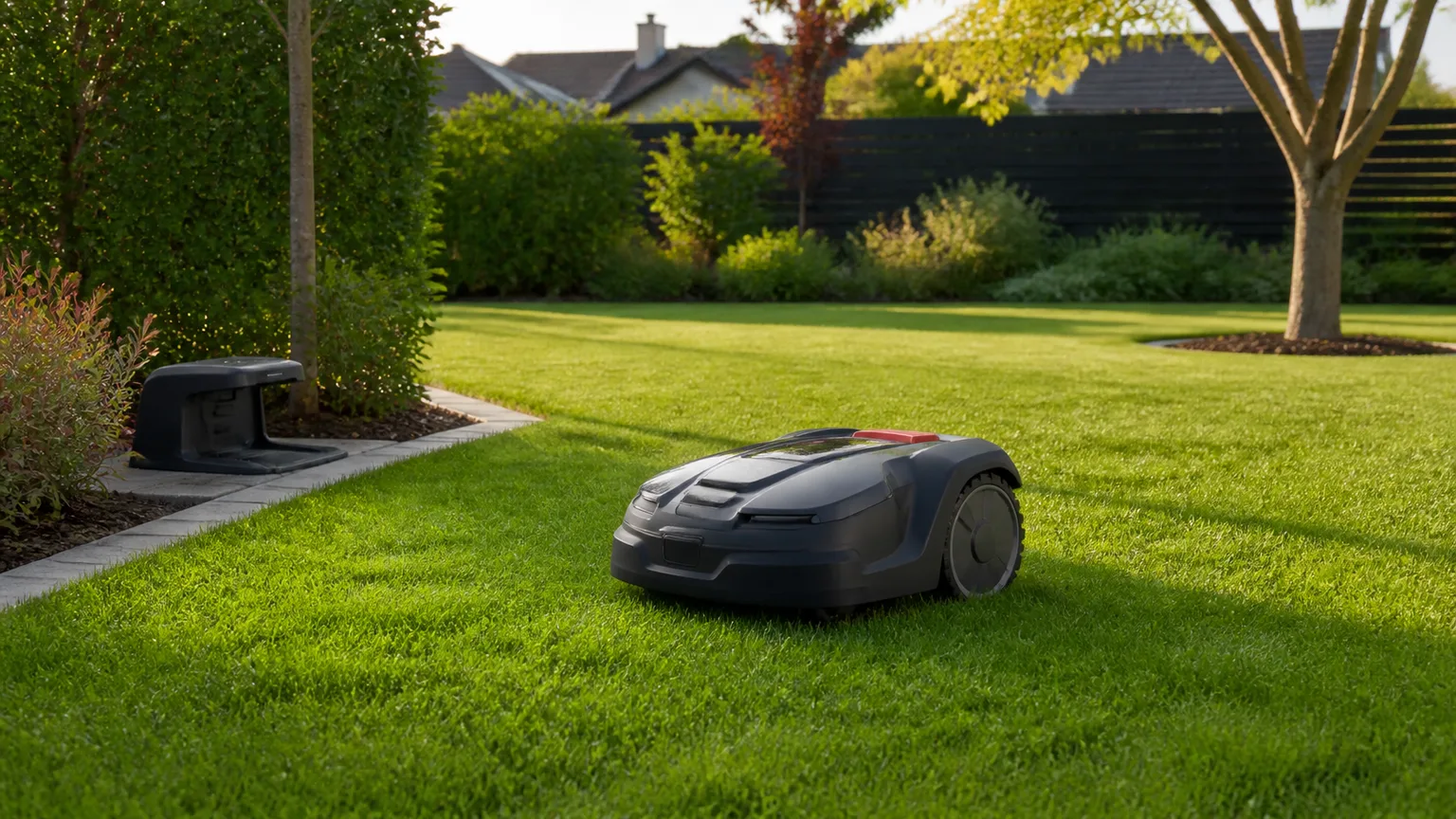
The Eufy E15 robotic mower is for a small, maintained, relatively open lawn where the main goal is to remove the weekly mowing session from your schedule. Its GPS-based mapping, app scheduling, obstacle sensors, and automatic return to the charging base allow it to make frequent light cuts instead of waiting until the grass is long.
Robotic mowing is a system, not a box you drop on the grass. You must map the boundaries, protect the charging station, keep toys and hoses out of the route, and decide how the machine will reach separated lawn sections and edges. It is a poor fit for a yard with disconnected patches, uncertain boundaries, deep ruts, or grass that routinely grows beyond the mower’s operating range.
11. American Lawn Mower 14-Inch Reel Mower — Best Manual Mower
The American Lawn Mower Company 14-inch reel mower is the right answer for a small, flat, frequently mowed lawn where quiet operation, low cost, and easy storage are more important than speed. Its manual reel cuts without fuel, a battery, or a power cord, and the narrow deck can reach spaces that a motorized mower makes awkward.
Reel mowers work best when the grass is short and the ground is even. Sticks, stones, tall weeds, wet growth, and rough terrain make the blades harder to push and more likely to jam. The cutting height is also lower and less convenient to adjust than on many rotary mowers, so do not buy a reel mower for a neglected lawn and expect it to perform like a gas machine.
Choose by lawn size, slope, and grass
Small and obstacle-filled lawns
For a small yard, measure the open grass and map the obstacles before you compare horsepower or voltage. A 13-inch mower can turn around a tree and fit through a narrow gate, but the extra passes may erase its maneuverability advantage on a broad rectangle. A 21-inch push mower is usually the better choice when the route is open, flat, and short enough to finish without fatigue.
Storage is a real selection criterion. If the mower must travel down steps, stand in a shed, or fit beside bicycles, weight and folded dimensions matter more than a headline acreage number. Do not buy a riding mower for a tiny yard simply because it promises speed; the deck may not fit, and you may create more trimming work around beds and fences.
To estimate whether a battery pack is enough, time one normal mowing session with your current mower or a phone timer. Add a margin for spring growth, hills, and the extra energy used by self-propulsion, then compare that route with the manufacturer’s stated test conditions. This is more useful than assuming a battery labeled with a larger number will automatically finish your lawn, especially when two platforms use different voltages or include different battery counts.
Hills, rough ground, and thick growth
Rear-wheel-drive self-propulsion is usually more helpful than front-wheel drive when a walk-behind mower must climb or maintain traction on uneven ground. It still does not make a dangerous slope safe. Follow the owner’s manual, mow only when the ground is dry enough for secure footing, keep the discharge direction away from people and windows, and never reach under the deck while the blade could move.
For tall grass, raise the cutting height and make a second pass rather than removing most of the leaf tissue at once. Penn State Extension explains that mowing higher can reduce weed pressure and support deeper roots; Colorado State University Extension recommends keeping common cool-season turf around 2.5 to 3 inches and following the one-third rule. Read the Penn State mowing guidance and Colorado State lawn-care basics for the turf-specific context behind that advice.
Buying and maintenance checklist
Before you choose a mower, confirm these details for the exact model number rather than a similar-looking version:
- Complete kit: Does it include the battery and charger, or is it tool-only? A bare battery mower can become expensive after adding the pack and charger.
- Actual mowing area: Measure the grass you cut, not the whole parcel. House, driveway, beds, woods, and patio do not count as mowing area.
- Deck width: Match the deck to the open runs and gates. Wider is faster only when you can use the width without constant reversing and trimming.
- Drive system: A push mower saves cost and weight on flat ground. Self-propulsion earns its keep on slopes, long routes, and for users who cannot comfortably push a heavy deck.
- Clipping mode: Mulch short, dry clippings that disappear into the canopy; bag wet, long, diseased, or clumped material; side-discharge when you need to clear a large amount efficiently.
- Cutting height: Look for an adjustment range that suits your grass and climate. A single lever is convenient, but the correct setting matters more than the number of positions.
- Parts and service: Check replacement blade, bag, charger, battery, and drive-cable availability before buying. A low initial price is not a bargain if routine parts are hard to find.
- Storage and charging: Add the battery to the listed tool weight, confirm the folded dimensions, and give batteries a dry, protected place away from extreme heat, moisture, and impact.
Before checkout, price the first three years of ownership instead of only the mower. For a gas model, include fuel, oil, filters, and likely blade service; for a battery model, include a second pack if the route requires it and the eventual replacement cost; for a riding or robotic model, include delivery, accessories, storage, and boundary or charging work. This calculation can change the best value without changing the product’s specification sheet.
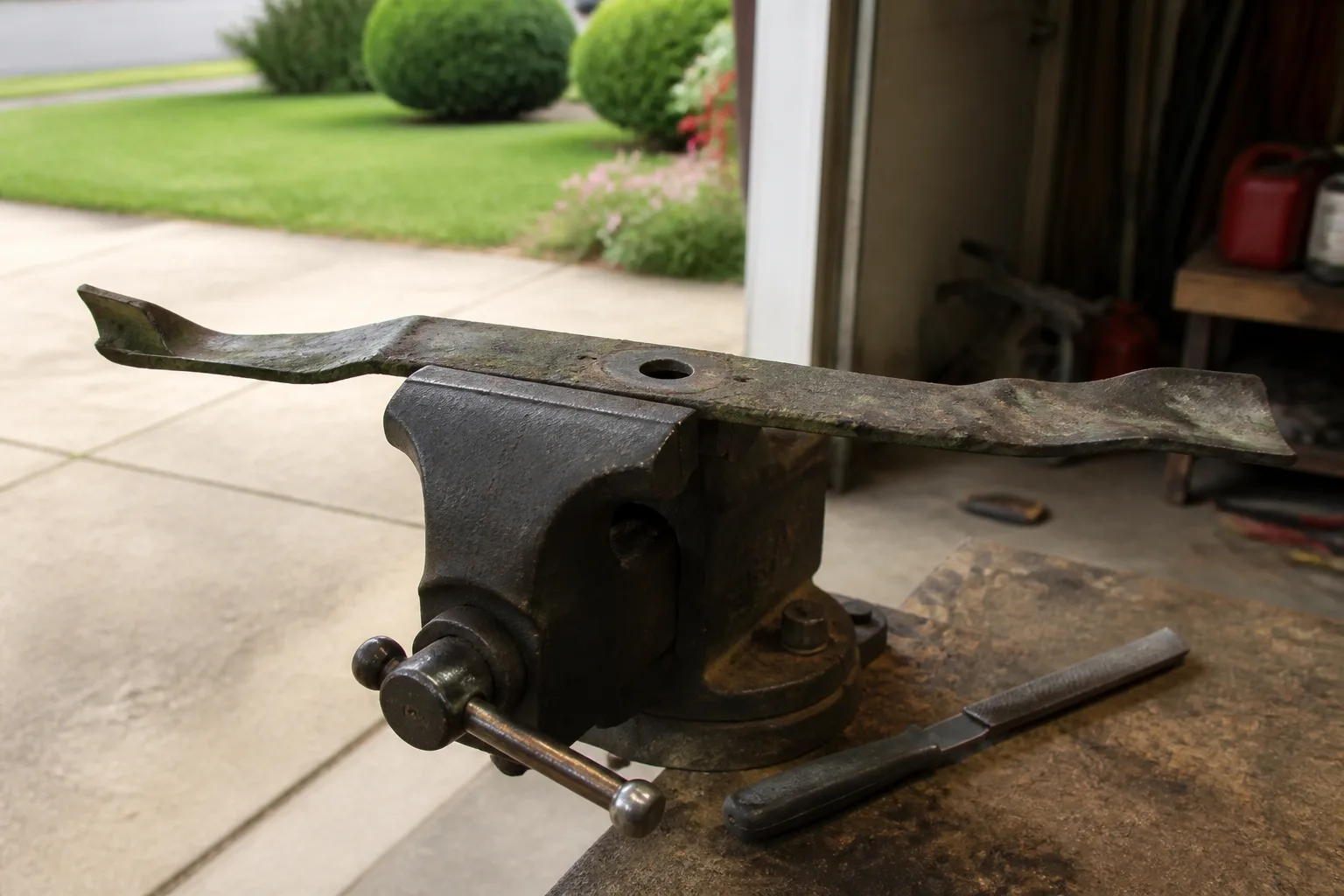
After mowing, remove the battery or safety key before clearing the deck, and follow the manual for cleaning. Keep rotary blades sharp and balanced; Penn State Extension notes that dull blades damage turf, while Colorado State advises regular equipment checks and frequent sharpening for some turf types. The BBC Gardeners’ World mowing guide likewise emphasizes regular servicing and sharp blades for a clean cut.
Return short, dry clippings to the lawn when they spread evenly instead of forming piles. Fine Gardening recommends a taller, lower-input lawn approach, including a mower deck of at least 3 inches and even 4 inches where suitable; its eco-friendly lawn-care guidance also points out that reducing hard-to-mow lawn areas can be better than forcing a machine into unsafe edges and slopes.
Conclusion
For most homeowners, the Toro Gas Self-Propelled Recycler is the most forgiving gas choice, while the Milwaukee M18 FUEL and Toro 60V Super Recycler cover the strongest battery-powered walk-behind use cases. The lightweight RYOBI 18V and corded models make more sense for small yards, and the RYOBI 40V push mower is a good value when the ground is flat.
Once the lawn becomes acreage, stop comparing riding equipment with hand mowers as if they solve the same problem. Choose the Toro TimeCutter or RYOBI 80V when you want to drive the route, the Eufy E15 when the lawn can be mapped and maintained automatically, or the reel mower when the property is tiny, flat, and kept short. The winning decision is the one that matches your actual grass, terrain, storage, and tolerance for maintenance—not the biggest specification on the package.



