How to Choose a Pest Control Company for Your Home
Use this checklist to verify a pest professional's license, assess an inspection, compare estimates, and understand treatment and re-entry instructions.
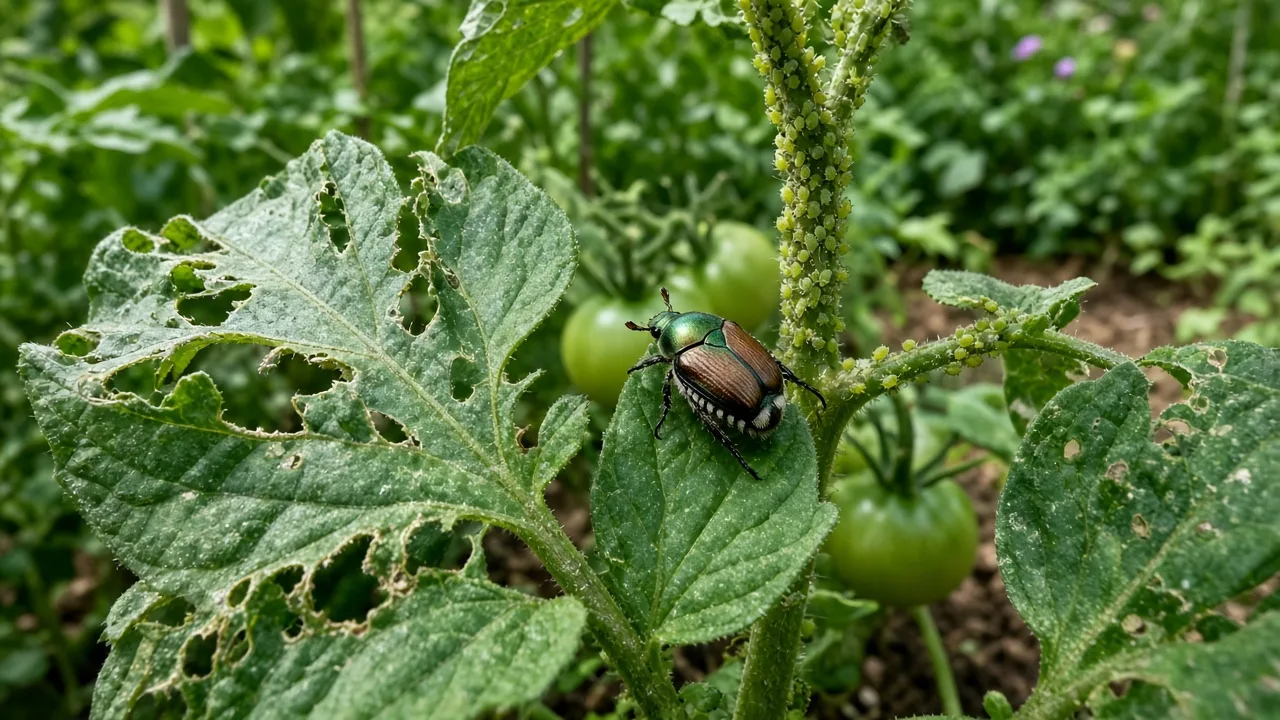
Hiring pest control is not just a choice between two sprays or two prices. The right professional should identify what is happening, explain why action is warranted, show what will be treated, describe safety steps, and tell you how the result will be checked. If a company cannot walk you through that chain in plain language, keep looking.
Use this sequence before you sign: define the problem, verify the credentials required for that work in your location, compare written plans rather than slogans, and agree on follow-up. Sometimes a careful inspection ends with prevention or monitoring rather than a pesticide application. That is a valid result when it fits the evidence.
Why the provider’s process matters as much as the product
A product name alone does not tell you whether a proposed service is appropriate. The same insecticide can be useful against one confirmed pest in a labeled location and a poor choice somewhere else; a stronger application cannot compensate for a mistaken identification, an untreated entry point, or the absence of a return check.
Integrated pest management, or IPM, is a decision process. EPA describes it as identifying and monitoring pests, setting a threshold for action, preventing problems, then choosing controls based on effectiveness and risk; broad, nonspecific pesticide use is not the first move. A qualified company should be able to translate that idea into a plan for your home, lawn, or garden, not just put “IPM” on a truck or invoice. (EPA’s IPM principles; Penn State Extension’s guide to choosing a qualified pest company)
Price still matters. But a low quote that covers one quick spray is not comparable to an estimate that includes inspection, sealing a gap, targeted treatment, monitoring, and a follow-up visit. Ask each company to define the same problem and scope so the comparison is fair.
Identify the problem and decide what help you need
Before calling, write down what you see, where, when, and how often. Photograph droppings, chewed leaves, insect bodies, mud tubes, nests, or damage with a size reference; note whether signs are new or old and whether children, pets, stored food, a vegetable bed, a pond, or a well are nearby. Do not handle a suspected hazardous pest, disturb a nest, or clean away evidence if that could expose you to a bite, sting, or contaminated material.
The goal is not to diagnose a complex infestation from a blurry phone photo. It is to give the professional a useful starting point and make it easier to notice if the proposed diagnosis changes without explanation. If you rent, also check your lease and contact the landlord or property manager before authorizing work in shared spaces; in multifamily housing, the source may sit beyond your unit.
Decide what outcome matters to you. “Make the ants disappear today” is different from “stop them entering the pantry,” and “save this shrub” may require a garden diagnosis rather than a general household service. State whether you prefer to avoid pesticide use when practical, but keep the request evidence-based: a responsible plan may include a labeled pesticide if monitoring shows it is warranted and safer effective options are insufficient.
What should a competent inspection include?
A meaningful recommendation should follow an inspection suited to the pest. For an indoor problem, that may include likely entry points, food and moisture sources, adjacent rooms, and signs of activity. For a garden or lawn issue, it may involve checking the affected plants, nearby conditions, beneficial insects, and the pattern of damage. Not every job requires a long inspection, but the company should explain what it did and what it could not see.
Evidence-based pest identification
Ask the technician to identify the pest and show you the evidence when it is safe and feasible. If the specimen is missing, ask what clues support the diagnosis, what else could cause the damage, and how the plan would change if monitoring contradicts the first guess. Penn State Extension emphasizes accurate identification because different pests require different responses; it also advises consumers to be cautious when a company confirms a pest solely from a phone description. (Penn State Extension)
That distinction protects gardens as well as homes. A few insects may be harmless or beneficial, and visible leaf damage can remain after the cause has passed. BBC Gardeners’ World notes that garden organisms belong to the food web and that control should focus on pests doing meaningful harm; an IPM-minded professional should be comfortable explaining whether the organism is a problem in this setting. (BBC Gardeners’ World Magazine; Fine Gardening’s IPM overview)
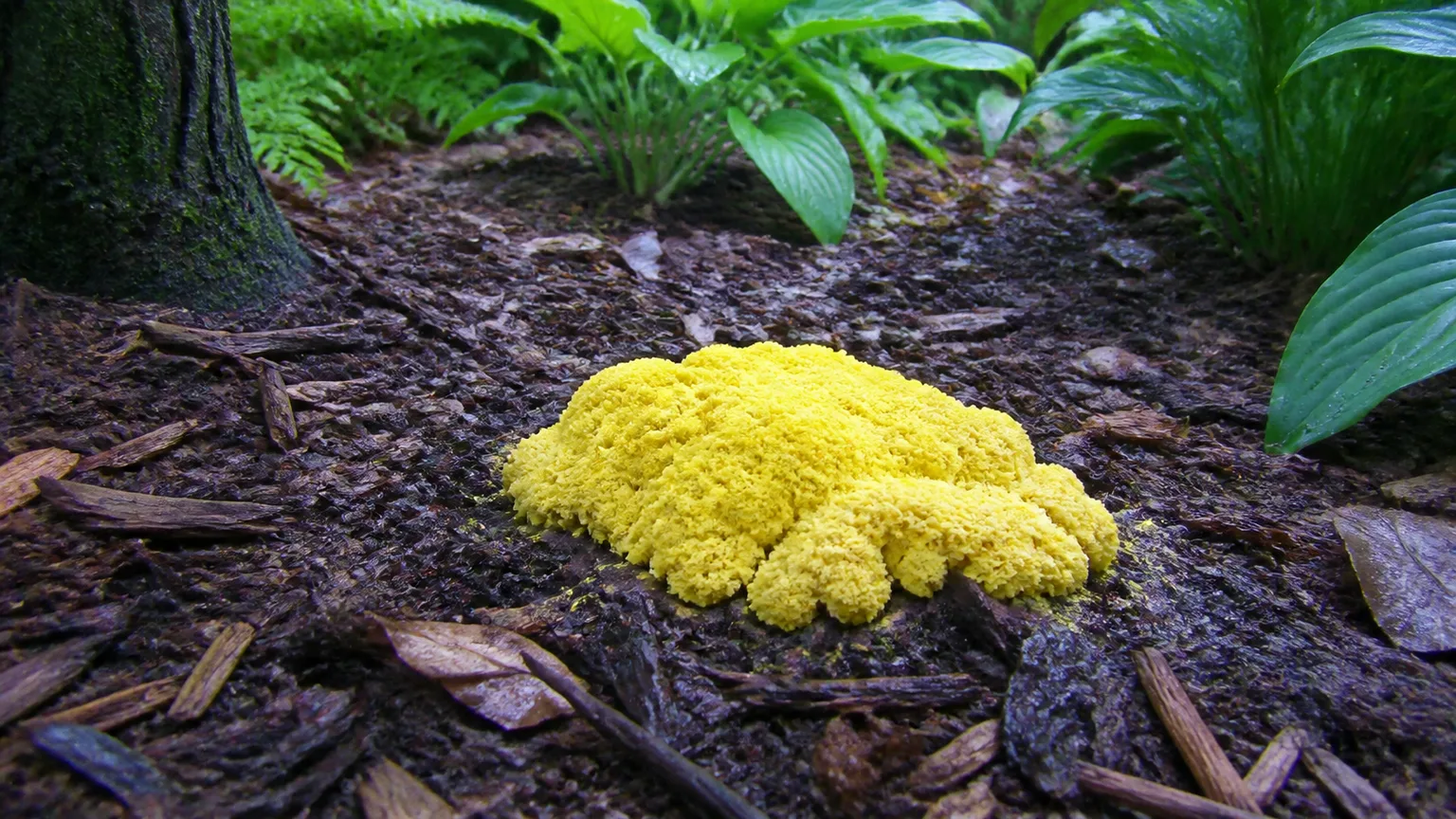
A threshold, goal, and written plan
Ask, “What finding would make treatment necessary, and how will we know the problem is under control?” The answer should connect the observed pest to a clear goal: fewer live insects, no fresh droppings, no new plant injury, a closed entry point, or a monitored decline. For some low-level garden activity, watching and recording may be more sensible than treating immediately; for a confirmed bedbug or termite concern, delaying a specialist inspection can make the problem harder to manage.
Ask the provider to distinguish an immediate knockdown from lasting control. A treatment can reduce visible activity without eliminating the source, and some pests require repeat visits or changes to building conditions. A written plan should name the pest, affected areas, proposed methods, preparation steps, what you need to do, the expected check-in date, and what would trigger another action. “We guarantee pest-free” without those details is a promise you cannot evaluate.
Verify credentials, licensing, and insurance
In the United States there is no single rule that can be applied to every pest job and every technician. Requirements depend on the state, the work category, the property, and sometimes the pesticide. A homeowner applying a general-use product on their own property may be treated differently from a business applying pesticides for customers, a technician handling restricted-use pesticides, or a company doing structural fumigation. Do not infer that a license is unnecessary because a product is described as “natural” or “organic”; Pennsylvania Extension says commercial applicator certification can still apply to organic or natural products used on someone else’s property. (Penn State Extension certification FAQs)
Check the right credential for the work and location
Ask the company for the legal business name, license or registration number, and the name and credential number of the person who will perform or supervise the work. Then look them up through the official state pesticide regulator or agriculture/environment department. Match the exact business and individual, confirm the status is active, check the category covers the proposed work, and ask whether a separate business license or insurance is required. If the official database is unclear, call the regulator using a number on its own government website rather than relying on a sales representative’s interpretation.
The category matters. A credential for lawn and ornamental treatment may not cover structural pests, fumigation, or another specialized service. Pennsylvania provides a concrete example: Penn State Extension describes distinct applicator categories for lawn/turf, ornamental plants, household pests, and wood-destroying pests, and points residents to the state applicator/business lookup to verify credentials. Those category names and rules are not universal, which is why the official regulator in your own jurisdiction should decide what is required. (Penn State Extension; Pennsylvania applicator and business lookup)
Ask what other credentials mean. “Certified,” “licensed,” “registered technician,” “member,” and “IPM-trained” are not interchangeable. A trade-association membership or course certificate may show continuing education, but it does not replace a government license if one is legally required. Request proof of liability coverage for pesticide work, too; licensing does not tell you whether the company’s insurance is adequate for the job. The company should be willing to show documentation without turning the request into a confrontation.
Evaluate the IPM plan, not the slogan
IPM is not a promise never to use pesticides. It means combining methods and making decisions from pest biology, monitoring, prevention, the amount of damage, and the risks of available controls. EPA’s principles and Penn State’s household guidance both place identification and prevention before selective control; a pesticide can still be one part of an IPM program when it is the appropriate tool. (EPA; Penn State Extension)

Prevention and nonchemical controls
Listen for a practical explanation of why the pest is present. Depending on the problem, useful prevention can mean repairing a screen, sealing an entry gap, correcting a leak, changing food or waste storage, removing standing water, pruning a plant, adjusting irrigation, or reducing shelter. The professional should separate work they will do from changes they recommend you make and tell you which change is most likely to reduce recurrence.
Ask which physical, cultural, or biological controls are realistic for your situation. Traps, exclusion, sanitation, habitat changes, hand removal, or protecting plants may be appropriate; none is automatically effective for every pest. Fine Gardening describes IPM as monitoring and assessing damage before escalating, while Gardeners’ World emphasizes that beneficial predators and garden ecology can make blanket control counterproductive. Use those principles as a test of whether a provider is considering the whole site, not as a reason to reject a needed treatment. (Fine Gardening; BBC Gardeners’ World Magazine)
When and why a pesticide belongs in the plan
If a pesticide is proposed, ask for its product name, active ingredient, EPA registration number when applicable, target pest, exact treatment area, application method, and reason it fits better than other options. Ask which surfaces or plants will be treated, where the product will not be applied, whether spot treatment is possible, and whether the plan could affect pollinators, aquatic life, edible crops, pets, or neighboring units. The aim is not to choose the active ingredient yourself; it is to understand the decision and have enough information to check the product label and follow instructions.
Request a copy or link to the label and ask the technician to point out the directions that govern the site, target pest, protective measures, and any people or animals who must stay away. If the label and the verbal explanation seem to conflict, pause and contact the state regulator or the National Pesticide Information Center for independent pesticide information. A professional should welcome that level of clarity. Never accept a secret formula, an unlabeled mixture, or “stronger means better” as a substitute for a treatment rationale.
Ask about safety before any application
Tell the company about children, pets, people with asthma or chemical sensitivities, fish tanks, beehives, edible plants, ponds, wells, and shared ventilation. Ask exactly what to move, cover, wash, or keep out of the treatment zone; who is responsible for that preparation; how long to stay away; and what conditions change the return time. Do not rely on a generic “safe once dry” answer if the product label specifies a different interval or additional precautions.
Ask how the company will prevent drift or accidental contact, protect non-target organisms, handle leftover product and equipment, and communicate to neighbors or building residents if shared areas are involved. The answer should be specific to the application and the site. “We use green products” is not a safety plan: origin or marketing language does not tell you how a product is labeled, applied, or managed.
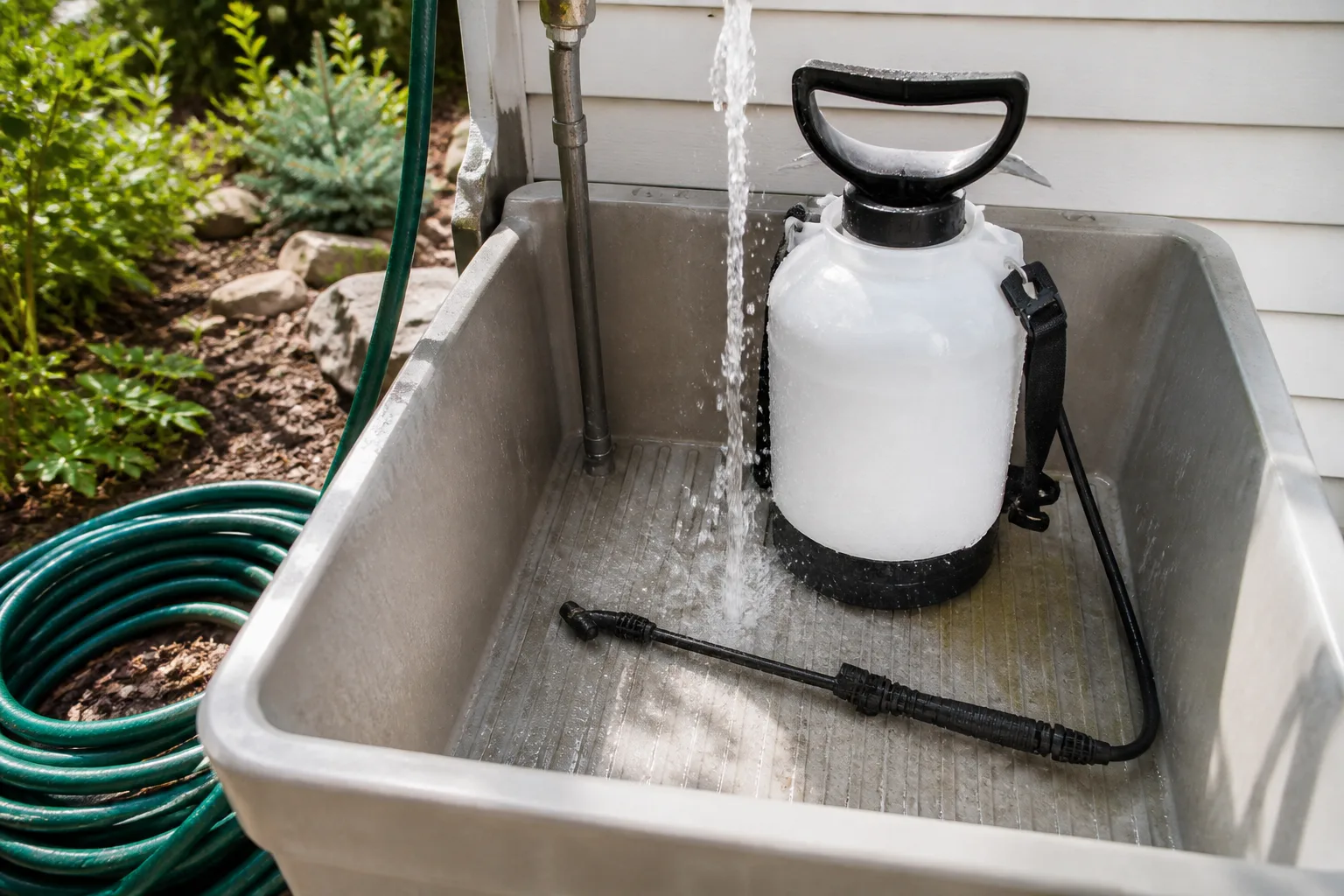
After the service, keep the written instructions and product details where household members can find them. If someone may have been exposed, follow the label’s first-aid directions and contact Poison Control or the relevant local emergency service; do not guess at a remedy. EPA and extension sources emphasize that the product label contains important use and precaution information, and the provider should make that information understandable before work begins. (Penn State Extension; Penn State household IPM)
Compare estimates and contract details
Get at least two written estimates for a substantial, recurring, or expensive job when the situation permits. For an urgent hazard or a clearly specialized issue, compare what can be compared without delaying necessary action. Give each company the same description and ask each to inspect the same accessible areas. A quote by phone can be a rough range, but it should not become authorization for a materially different treatment without your agreement.
| Compare this | What a clear estimate says |
|---|---|
| Problem and evidence | Pest identified, evidence found, locations and limits of inspection |
| Work scope | Areas included, methods, access needs, prevention repairs, exclusions |
| Products | Product/active ingredient if planned, treatment site, application method |
| Safety | Preparation, re-entry conditions, pets/children, plants, water, shared spaces |
| Price | Initial visit, recurring fee, follow-up, retreatment, cancellation, taxes |
| Outcome | What counts as success, monitoring window, reporting, next step if activity continues |
Ask whether the estimate is for one visit or a service plan, and what triggers an extra charge. Check whether retreatment is free, discounted, or billed separately; what pests and locations the agreement excludes; and how to pause or cancel recurring service. An “unlimited guarantee” can have exclusions such as sanitation, structural repair, neighboring infestations, or missed preparation. Get those conditions in writing before you decide.
Do not compare only the bottom line. One provider may price a targeted service and return inspection, while another includes monthly perimeter treatments you did not request. Ask what each element accomplishes and remove services that have no clear purpose. Conversely, the cheapest bid can cost more if it leaves the source untouched and charges each return visit separately.
Set expectations for follow-up and results
Ask what you should see over the next hours, days, or weeks, and what would be a reason to call sooner. Results can be gradual: an application may not eliminate hidden stages immediately, a rodent program may depend on closing access, and plant damage will not disappear from leaves already injured. Agree on observable indicators such as fresh evidence, trap counts, sightings, new damage, or an inspection result rather than “it feels better.”
Clarify who schedules the follow-up, whether it is included, and what the technician will inspect. If a pest remains, will the company repeat the same treatment, revise the diagnosis, change the method, or refer you to a specialist? A useful service record should capture dates, locations, findings, products used, customer preparation, and recommended repairs. You should receive the record, not just a receipt.
Guarantees deserve careful reading. A guarantee may cover a return visit but not property damage, repairs, a pest outside the original scope, or conditions beyond the company’s control. Ask what proof you need to request service, the time window, and whether you must maintain a contract. A written, limited guarantee that explains the process is more meaningful than an unqualified verbal promise.
Red flags that should slow the decision
Walk away or pause if a salesperson pressures you to sign before an inspection, claims a secret or uniquely potent formula, refuses to identify the proposed treatment, or says every pest requires the same perimeter spray. A company that cannot provide the applicable license information, avoids naming the technician, or insists that “natural” means no precautions is not giving you enough to make an informed choice.
Be skeptical of guaranteed pest identification from only a vague phone description, an unexplained large upfront payment, an estimate that never lists treated areas, or a contract that bundles services without a clear opt-out. Claims of endorsement by a university, EPA, or government regulator should be checked with that organization. Penn State Extension specifically warns consumers about pressure, scare tactics, secret-formula claims, and companies implying government or university endorsement. (Penn State Extension)
One red flag does not prove fraud; it does tell you to verify before authorizing work. Call the official regulator to check a license, ask the company for the proposal in writing, and compare another provider. If the company refuses reasonable checks, choose a different one.
When Extension or a public agency should come first
Contact your county or state Cooperative Extension office when the problem may be a plant disease, an unfamiliar garden insect, or an organism whose role is unclear. Extension staff and diagnostic services can often help identify the cause and point you toward regionally appropriate management. That can save you from hiring a structural pest company for a plant problem or treating a beneficial insect as an infestation. Extension may not provide an on-site commercial treatment, so ask what services are available locally.
Use a public agency when the concern involves a regulated or invasive pest, suspected pesticide misuse, a pesticide exposure, a food-safety issue, or a pest that threatens a public place. The responsible office varies: it may be the state agriculture or pesticide agency, local health department, housing authority, animal-control department, or environmental agency. If you suspect improper pesticide application, keep the invoice, label or product name, date, photos, and communications, then contact the regulator listed on its official government website.
For a second source of pesticide information independent of a sales call, the National Pesticide Information Center (NPIC) offers contact options and links to local pesticide and pest-control information. For a suspected poisoning or urgent exposure, contact Poison Control or emergency services first rather than waiting for a pest company to return a call; Penn State Extension lists Poison Control as an emergency resource. (Penn State Extension)
Situations that need a specialist
Some pests have legal, health, building, or ecological issues that call for someone with a narrower scope. Termites and other wood-destroying organisms may require a specialist who can inspect concealed structures and explain the evidence behind a treatment. Bedbugs usually need an experienced provider who can coordinate preparation, monitoring, and follow-up across rooms or units. A stinging-insect nest near a doorway, school, or allergy-sensitive resident may require a trained technician rather than a DIY attempt.
Wildlife, bats, birds, snakes, and protected species may be governed by rules that pest companies cannot override. Ask whether the work involves humane exclusion, trapping, relocation, or killing, and confirm the relevant wildlife authority’s requirements before authorizing it. If a proposed scope includes drilling, fumigation, major landscaping, structural repair, or a multiunit building, ask what licenses, permits, insurance, and property approvals apply.
The professional should say when a case is outside their competence. A referral to an entomologist, arborist, wildlife rehabilitator, structural inspector, or public-health office can be a sign of responsible practice, not a sales failure. Ask who is responsible for coordinating the next step and what you should do while waiting.
Prepare for the appointment and keep a record
Before the visit, collect dated photographs, save samples only if the company or extension office says it is safe, and mark where signs appeared. Remove clutter only if doing so will not destroy evidence or spread pests; do not move infested furniture or plants to another room without asking. Make access available to the areas in the estimate and tell the technician about previous treatments, products, repairs, and unsuccessful attempts.
At the visit, ask the technician to walk through the evidence and treatment boundaries before work begins. Confirm the product, location, preparation, re-entry instructions, and follow-up date. If the technician proposes a different product or adds an area to the scope, pause and ask for a revised written authorization rather than relying on a quick verbal change.
Keep a simple log: date, who visited, what evidence was found, what was done, where it was done, product information, what you observed afterward, and when to contact the company again. This history helps distinguish a new infestation from an old sign and gives the next technician an accurate record if the first plan does not work.
A practical way to compare two providers
Imagine you find fresh ant trails near a kitchen window and an outdoor shrub with aphids. Provider A offers a same-day whole-house spray over the phone, says the product is safe for everyone, and gives a single price without inspecting the entry point. Provider B inspects the trail, identifies a likely entry gap, asks about children and pets, proposes exclusion and monitoring, then explains a targeted treatment option if activity persists.
Provider B has shown a stronger decision process, but the first conversation alone does not settle the choice. Verify the business and applicator credentials required locally, confirm the quote covers the same areas, and check the written safety and follow-up terms. If the diagnosis remains uncertain, ask a local extension service to identify the garden issue before paying for a treatment that may not address it.
Use a simple scorecard when comparing bids: correct identification, legal credentials for the task, understandable IPM plan, site-specific safety details, complete written scope, fair total cost, and a measurable follow-up. A provider does not need a perfect score on marketing language; it does need a credible answer for each item that affects your property.
Conclusion
Choose a pest control company by the quality of its evidence and the clarity of its plan. Confirm what pest is present, verify the company and technician through the regulator that governs your location and type of work, and ask how prevention, monitoring, treatment, safety, and follow-up fit together. Compare written scopes and total costs, not a promise to spray or an impressive-sounding credential alone.
If the proposed work remains vague, pause and ask for specifics. If the pest is unidentified, potentially beneficial, regulated, or outside the provider’s expertise, contact Cooperative Extension or the relevant public agency. The best professional is the one who can explain both what they recommend and what finding would make them change course.



