7 Tricky Houseplants and What Makes Them Hard to Grow
Thinking about bonsai, caladiums, succulents, or Venus flytraps? Compare what each needs and decide which tricky houseplants fit your space and routine.
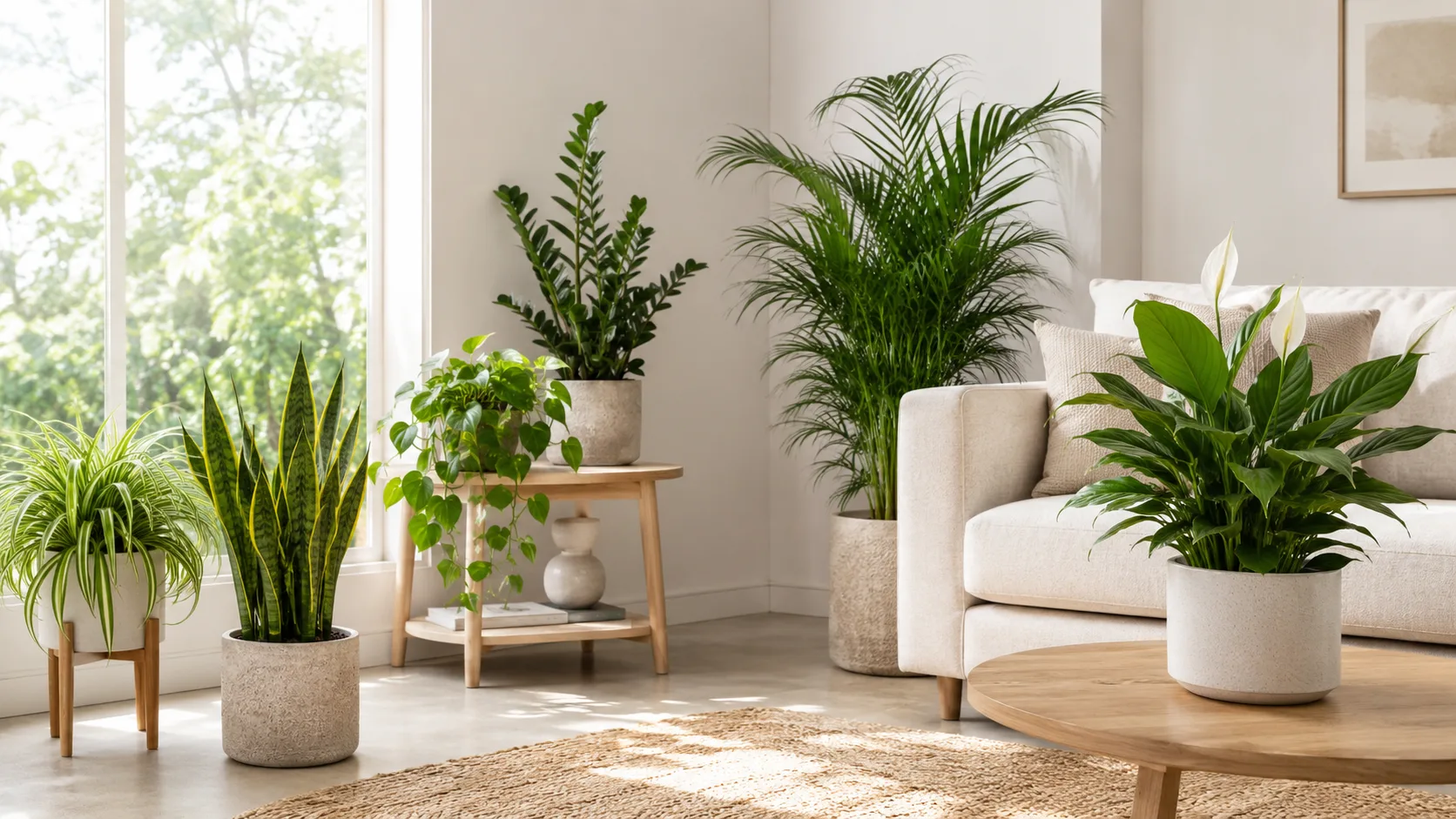
“Hard to grow” is not a permanent label stamped on a plant. A Venus flytrap can thrive for years in a sunny, carefully managed setup, while a so-called easy plant can fail in a cold, dim room where it stays wet. The useful question is whether a plant’s needs fit your light, schedule, habits, and household.
The seven plants below challenge different routines. Bonsai asks for species-specific pruning and seasonal care; caladiums go dormant; succulents often need more light than a home provides; and an avocado seedling is easier to start than it is to fruit indoors. A philodendron is not difficult to care for in the usual sense, but it may be a poor choice when a pet can chew its leaves.
Use the list as a “check before buying” guide, not a ban. If a plant’s needs sound satisfying, the challenge may be part of the appeal. If the conditions it needs are missing from your home, choosing another plant is a smart match rather than a gardening failure.
A difficult plant is a mismatch, not a verdict
A plant becomes difficult when the margin for error is narrow or when its preferred environment is missing. That can mean intense light in a home with shaded windows, a dry rest period that looks like decline, water with low mineral content, or a maintenance task that cannot be skipped for weeks. It can also mean a safety constraint: a plant that is easy to keep alive may still be unsuitable around a curious cat.
Do not judge a plant by its label, price, or reputation. Instead, ask what would make it fail in your home. Would it sit far from a bright window? Do you water every pot when you water any pot? Is there a place for a dormant plant in winter? Would you reliably complete a daily routine through autumn? Those answers predict success better than a “beginner” or “expert” tag.
Check the four limits your room and routine set
Start with four limits: light, water, time, and space. Light means usable brightness at the plant’s leaves, not just a room that looks bright to you. Water includes both your habits and your local water quality. Time covers regular pruning, feeding, seasonal tasks, and checking a plant that dries quickly in a small pot. Space includes room for a mature plant, a winter resting place, or safe separation from pets and children.
Then add a fifth check for safety. If you share your home with an animal that chews foliage, confirm the exact plant on a reliable veterinary or poison-control list before buying it. “Pet-friendly” should never be inferred from a common name or from the fact that a plant is widely sold.
You can also split a care challenge into one of three types: a plant may need a different environment than your room offers, a schedule you will not maintain, or a goal that is unlikely in ordinary indoor conditions. This distinction keeps a plant’s natural growth cycle from looking like a disease and stops a fun foliage project from being mistaken for a fruit crop.
1. Bonsai trees: a technique, not one houseplant
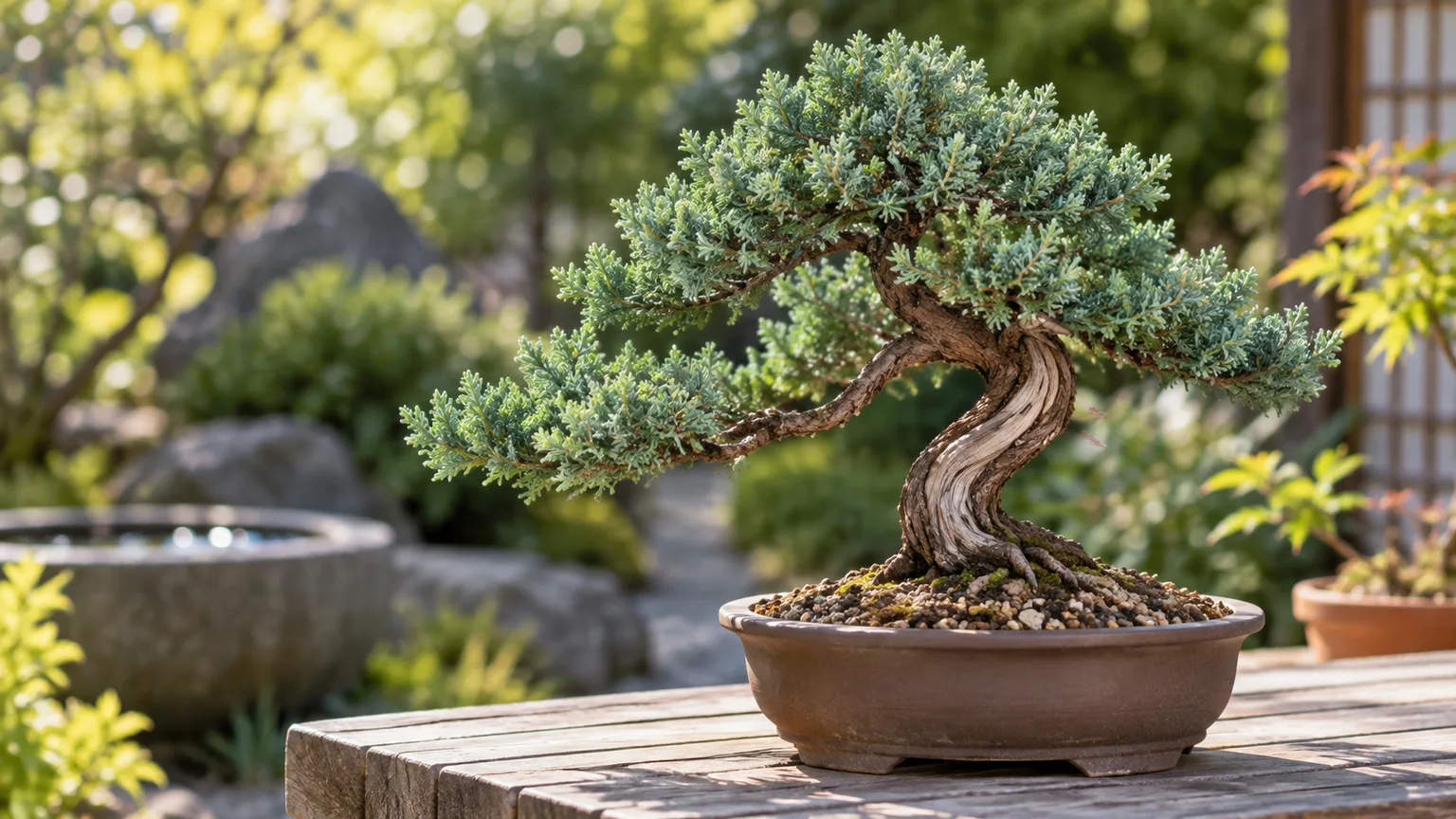
Bonsai is a way of growing and training a tree or shrub in a restricted container; it is not one botanical species with one care recipe. The Royal Horticultural Society’s bonsai guide describes bonsai as requiring careful training, pruning, and container restriction, with care that changes by tree type and season. A juniper trained as bonsai and a tropical ficus bonsai may both fit on a table, but their climate needs are not interchangeable.
The most common mismatch starts at purchase. Many temperate bonsai, including junipers and pines, need outdoor conditions and seasonal change. Keeping an outdoor tree permanently on a warm indoor shelf can weaken it, even if the tree looks miniature and “houseplant-sized.” Indoor bonsai are generally tropical or subtropical species and still need strong light, steady warmth, and attentive watering.
Match the species to indoors or outdoors
Before buying, get the full species name and ask where that species belongs for your climate. If it is a temperate tree, plan an outdoor spot that offers its required sun and winter rest. If it is a tropical bonsai such as a ficus, plan for the brightest suitable indoor window, monitor moisture in the shallow container, and expect to prune and shape it regularly.
The small pot is part of the challenge. A limited root volume can dry faster than a large houseplant pot, so a bonsai cannot be watered casually on the same interval as the rest of your collection. Its pruning and repotting schedule is species-specific too; cutting roots or branches at the wrong time can set back the tree. The RHS bonsai guide notes that established trees may need trimming several times a year to maintain their shape, while root pruning and repotting happen on a separate seasonal schedule.
Choose bonsai if you enjoy observing a plant closely and learning one species in depth. Skip it for now if you want a plant that can be left for a week, if you have no appropriate outdoor space for a temperate tree, or if you are buying a mystery “bonsai tree” without a reliable care label. A clearly identified tropical ficus is a more sensible indoor starting point than a juniper sold beside ordinary foliage plants.
2. Caladiums: beautiful leaves with a real rest cycle
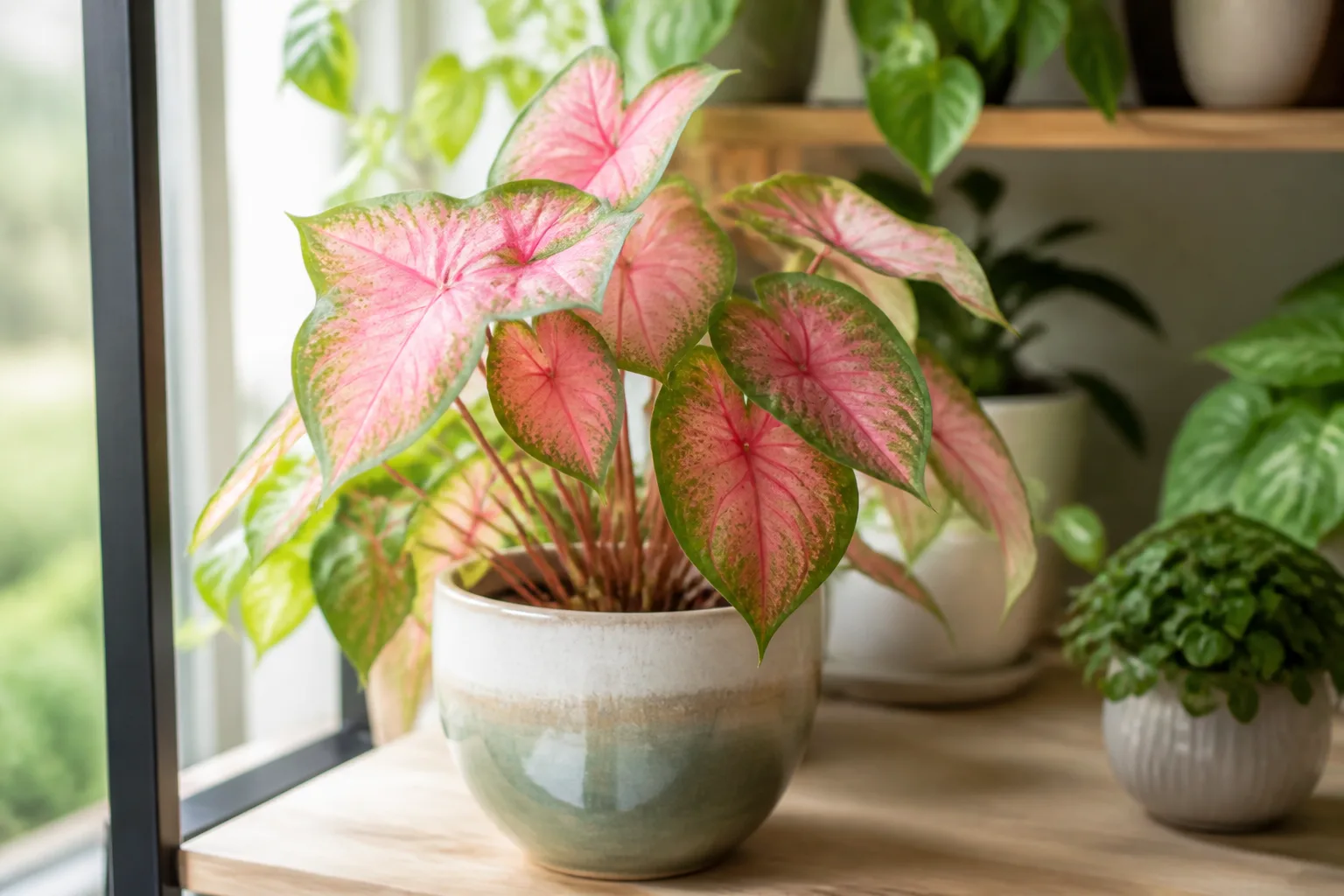
Caladiums are grown for their colorful leaves, but they are not year-round foliage machines. These tropical plants grow from a tuber-like corm and respond to temperature and season. In a warm growing period they can make a striking indoor display; later, the leaves may yellow and die back as the plant enters dormancy.
That seasonal change is where many new owners panic. A caladium that loses leaves at the end of its growth cycle is not automatically dead, overwatered, or beyond saving. Wisconsin Horticulture’s caladium guidance explains that even caladiums grown indoors can go dormant after several months in leaf. When their foliage begins to die back, watering should stop and resume when new growth appears.
Plan for dormancy and winter storage
Caladiums suit you if you can accept a plant that disappears above the soil for part of the year. Keep it warm while it is actively growing, give it bright but indirect light and consistent moisture without waterlogging the medium, and do not rush it into cold outdoor conditions. Cold soil can damage growth and increase the chance of corm rot, so the calendar and temperature matter more than the first warm afternoon.
When the leaves die back, reduce water rather than trying to force new foliage with extra moisture. If you keep the plant as a houseplant in its pot, let the medium dry as it rests and begin watering when fresh shoots return. Gardeners in colder climates may need to store the corm frost-free; in warmer regions, the exact winter approach depends on local temperatures and how the plant is grown.
A second consideration is household safety. Wisconsin Horticulture warns that all parts can be poisonous if enough is eaten and that handling may irritate sensitive skin. If a toddler or pet is likely to bite leaves, put the plant out of reach only if you can keep it genuinely inaccessible; otherwise choose a verified safer plant. Buy a caladium when you want seasonal color and understand its rest cycle, not when you expect continuous leaves with no change in appearance.
3. Succulents: easy care still requires enough light
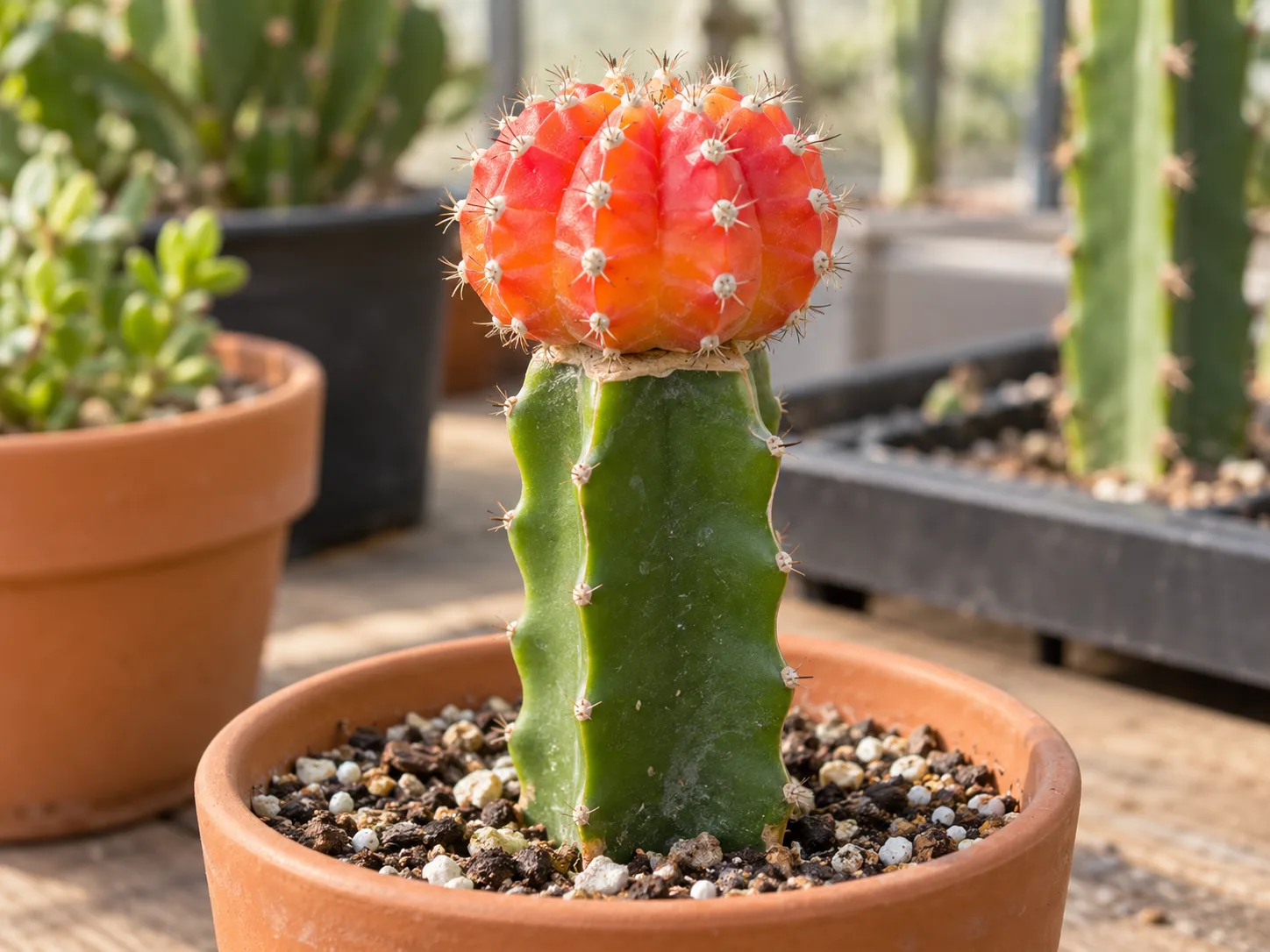
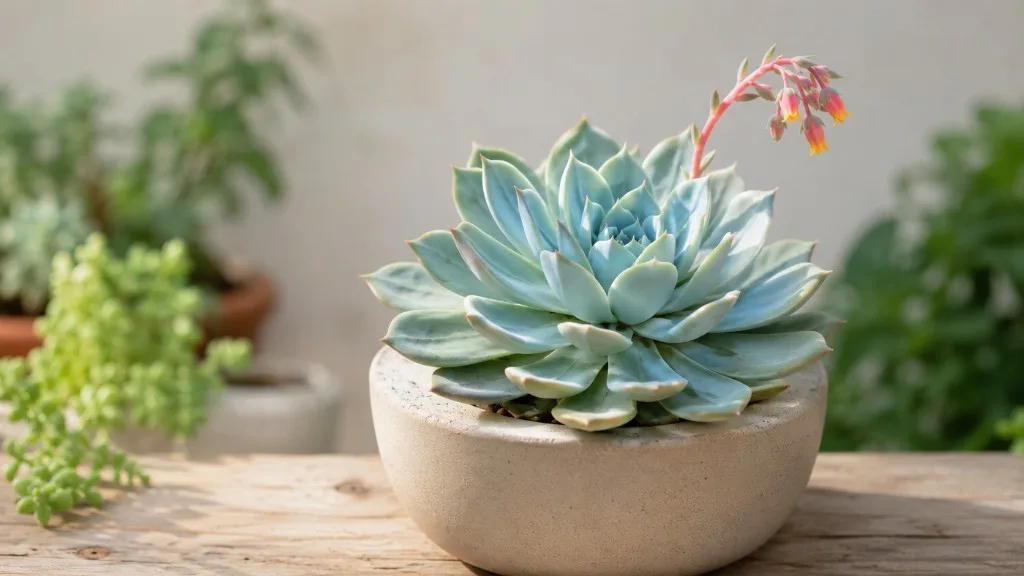
Succulents are often marketed as low-effort because many store water in fleshy leaves or stems. That helps them tolerate a dry interval; it does not make every succulent suited to every room. The classic rosette types people buy for desks and shelves usually need bright light, and a dim corner can leave them stretched, pale, or leaning even when watering is perfect.
Indoor growers also tend to overcorrect in opposite directions. One waters every few days because the pot is small; another withholds water for months because the plant is called a succulent. Both routines ignore what the pot and roots are doing. Light, temperature, container size, growing medium, and season all affect how quickly the soil dries.
Light and potting mix matter more than a calendar
Before buying an echeveria or another sun-loving rosette, check how much direct or very bright light your chosen window actually receives. A spot across the room from a window can look bright while giving the plant too little usable light. If the plant stretches toward the glass, new leaves spread farther apart, or the rosette loses its compact form, move it gradually into stronger light or add an appropriate grow light rather than trying to fix the shape with less water.
The container needs a drainage hole, and the mix should drain freely without staying wet around the roots. Water thoroughly when the mix has dried, then let excess drain away; do not leave the pot sitting in a filled cachepot or saucer. A fixed weekly reminder is a poor substitute for checking the medium because a sunny summer windowsill and a cool winter room dry at different speeds. The RHS succulent-growing guide emphasizes bright conditions and free-draining growing media, while Fine Gardening’s indoor succulent advice helps explain why light and placement often matter more than a “water once a month” rule.
Succulents can be a good choice if you have a bright window, a pot with drainage, and the patience to check soil rather than react to every dry leaf. They are a poor match for a dark office, a humid bathroom, or a grower who keeps moistening any pot that looks dry at the surface. The RHS succulent-growing guide emphasizes bright conditions and free-draining growing media; Fine Gardening’s indoor succulent advice helps explain why light and placement often matter more than a “water once a month” rule. The problem is not that succulents are impossible; it is that their water-storage strategy is paired with conditions many indoor rooms do not provide.
4. Avocado trees: fun from a pit, unlikely to fruit indoors
An avocado pit can be an engaging germination project. A seed may sprout into a slender tree with glossy leaves, and the Royal Horticultural Society describes seed-grown avocados as enjoyable foliage houseplants for a warm, bright window. The common disappointment comes later, when the grower expects the same seedling to become a compact indoor fruit tree.
A pit-grown plant can be easy to start and still be a poor fruiting plan. The RHS avocado-growing guide notes that avocado plants generally do not flower or fruit as houseplants, may decline after a few years, and can need more humidity, light, patience, and space than most homes provide. Trees may take a decade or longer to reach fruiting size and several metres in height. A small seed in a jar is not evidence that a harvest is around the corner.
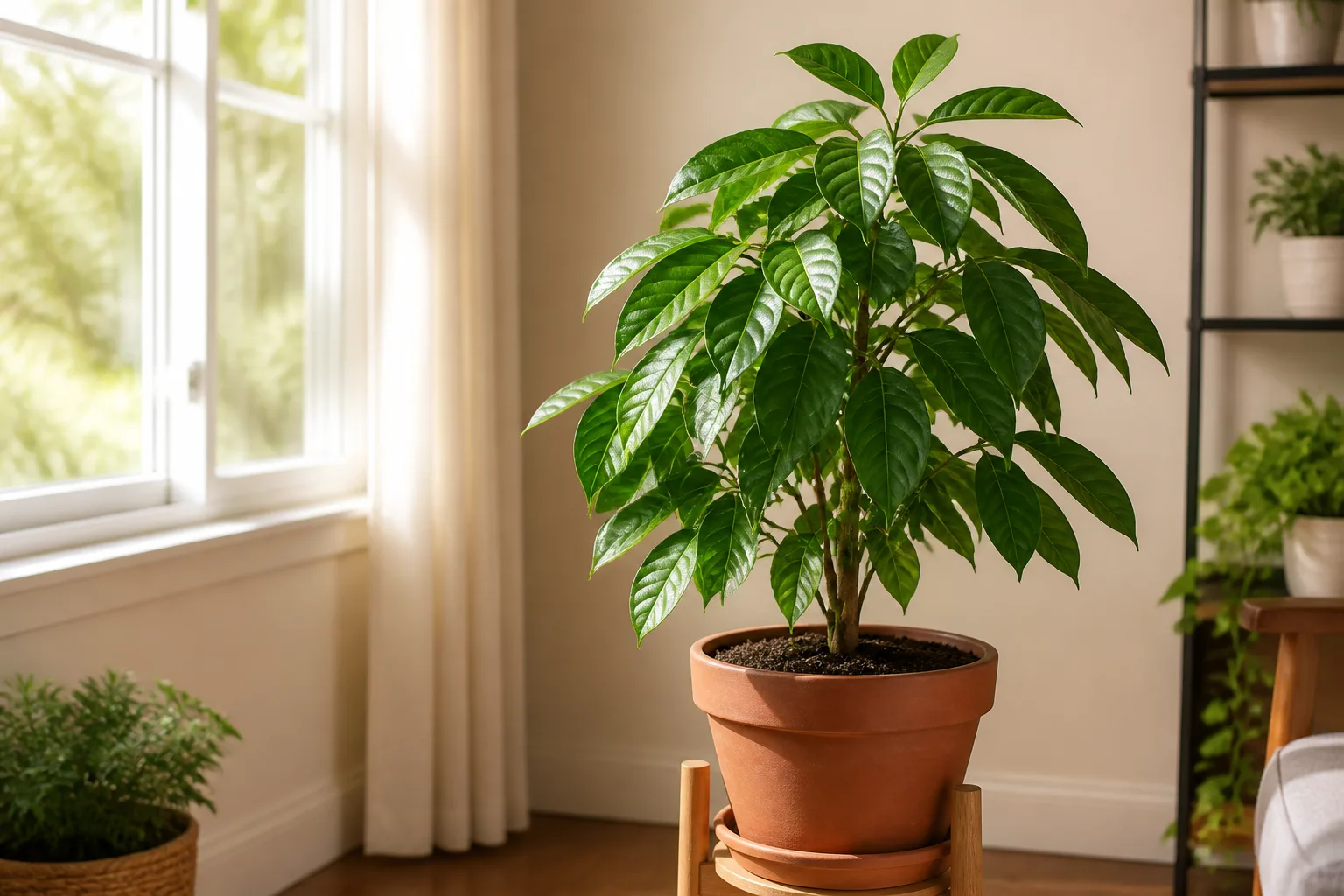
Treat seed-grown avocados as foliage plants
Grow an avocado from a pit if you enjoy the process and want a foliage plant. Give it warmth and a very bright position, water when needed without leaving the compost waterlogged, and expect to prune or repot as it grows. Watch for leaf curling, browning, or leaf drop as signals to check light, moisture, and room conditions rather than adding water automatically.
If your goal is avocados to eat, start with a realistic plan before buying or germinating anything. Fruiting trees need maturity and suitable growing conditions; a grafted plant may be more promising than a supermarket pit, but it is still a substantial tree and not a guaranteed indoor crop. A warm greenhouse or conservatory may offer a better environment than a typical living room, depending on climate. Even then, fruiting is not assured.
This is one of the easiest “tricky plant” decisions: keep the pit project if a leafy tree is enough, and choose another plant if the harvest is the point. The distinction makes the project rewarding on its own terms instead of turning a healthy seedling into a perceived failure because it has no fruit.
5. Carnivorous plants: bog conditions in a living room
Carnivorous plants are a diverse group, so the famous Venus flytrap is the clearest example of the challenge rather than a rule for every pitcher plant or sundew. Venus flytraps evolved for nutrient-poor, wet habitats. Their needs reverse several familiar houseplant habits: the growing medium should stay wet, the water should be low in minerals, fertilizer can harm them, and they need a seasonal winter rest.
The Royal Horticultural Society’s Venus flytrap guide says a Venus flytrap can be grown as a houseplant when it is kept permanently wet with rainwater or distilled water in suitable carnivorous-plant compost. The RHS also calls for full sun and a cooler rest over winter. That is a specific routine, not a plant you can put on a shelf and water with whatever comes out of the tap.
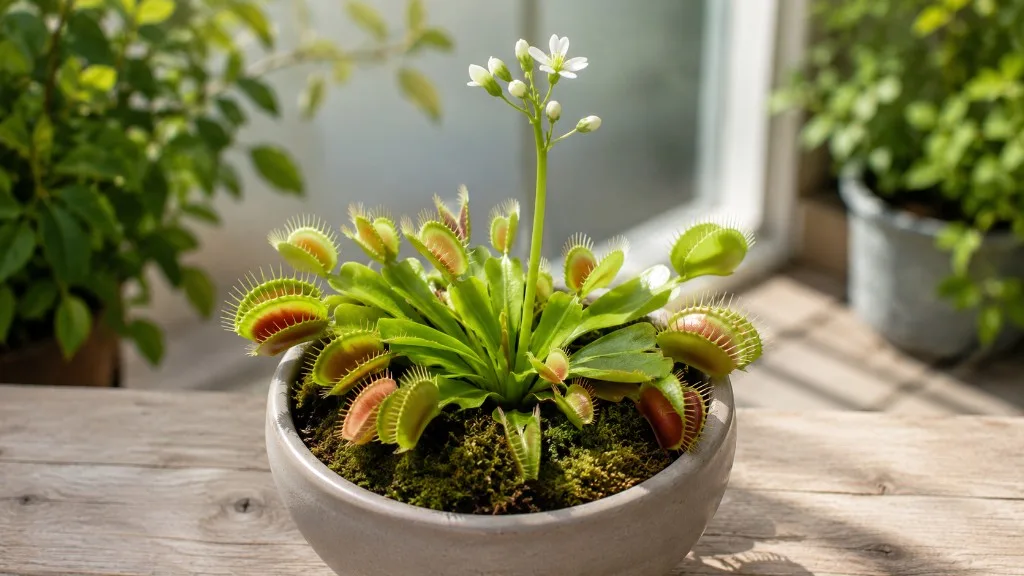
A Venus flytrap needs rainwater, sun, and winter rest
Use rainwater, distilled water, or reverse-osmosis water with low mineral content. Hard tap water can build up minerals that a bog-adapted plant is poorly equipped to handle. Keep the potting medium moist to wet, but do not treat a standard potting mix or fertilizer as an upgrade; carnivorous plants are adapted to lean conditions. A bright window is important, and an outdoor growing spot may make it easier to provide strong light if your climate is suitable.
Winter dormancy is part of the plant’s life cycle. Leaves may darken or decline as growth slows, which can alarm a first-time owner who expects a tropical-looking plant to stay lush all year. Savvy Gardening’s practical Venus flytrap guide describes dormancy as a necessary several-month rest and warns against trying to feed or fuss with the plant through that period. Follow region-appropriate guidance for temperatures and winter placement rather than assuming that the same indoor routine works in every climate.
You do not need to feed a Venus flytrap meat or trigger its traps for entertainment. Outdoors, it can catch prey itself; indoors, occasional feeding may be possible, but it is not the main care task. Skip this plant if you cannot provide appropriate water, bright light, and a seasonal rest. Choose it if you enjoy specific care requirements and can supply them consistently.
6. Philodendrons: simple care, serious pet-placement concern
Philodendrons belong on a tricky-houseplant list for a different reason: many grow readily in ordinary homes, but the plant can be unsafe for pets that chew foliage. This is a household-fit problem, not proof that the plant is difficult to keep alive. A healthy-looking plant in a pet’s reach can still create an avoidable risk.
The ASPCA identifies philodendron as toxic to dogs, cats, and horses because it contains insoluble calcium oxalates. Chewing can cause oral irritation, pain, swelling, drooling, vomiting, or difficulty swallowing. Pet Poison Helpline also describes irritation in the mouth and throat after ingestion and notes that severe throat swelling with breathing difficulty is rare but possible. Those sources support careful placement and prompt veterinary or poison-control advice if an animal eats part of the plant; they do not mean every exposure has the same outcome.
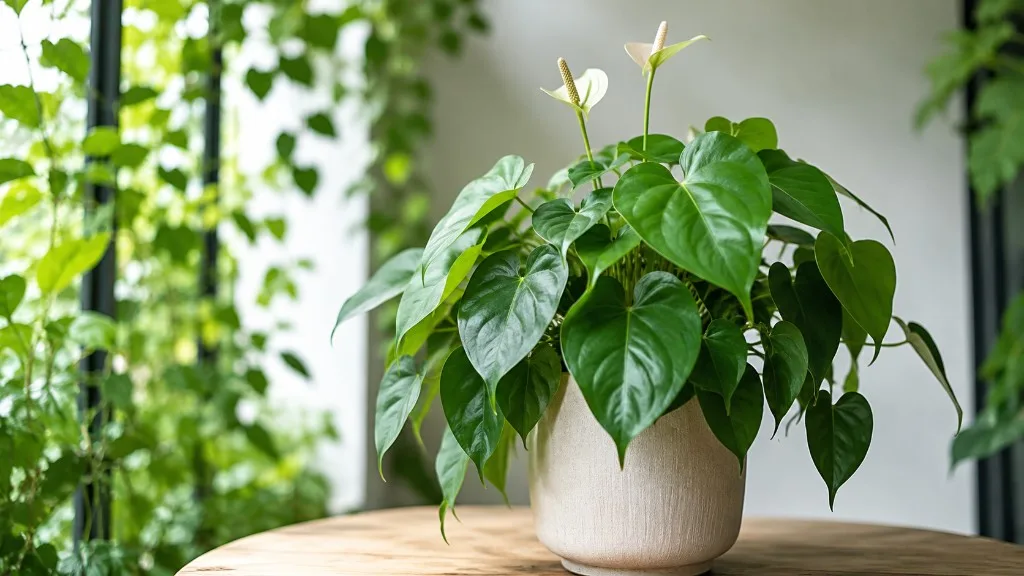
Make the pet decision before the plant comes home
If you have a cat that climbs shelves, a dog that samples leaves, or a child who puts plant parts in their mouth, decide where the philodendron will live before you buy it. A high shelf only works if the animal cannot reach it by jumping, climbing, or knocking the pot down. A hanging basket only works if trailing stems and fallen leaves remain inaccessible. If you cannot create reliable separation, choose a plant whose exact species is confirmed on an authoritative non-toxic list.
If pets do not chew plants and the plant can sit safely, a philodendron may be easier to maintain than several other names on this list. That is why “avoid philodendrons” is too broad as care advice. The relevant question is whether your household can prevent access and respond quickly to an exposure. Keep the common name and a photo of the exact plant available so you can give a veterinarian accurate information if needed.
7. Poinsettias: keeping one is easier than reblooming it
A poinsettia can stay alive after the holiday season, but making it color up again for another winter takes deliberate timing. Its red, pink, or cream display comes from bracts that develop in response to short days and long, uninterrupted nights. The challenge is not that the plant immediately dies after December; it is that the rebloom routine has to begin months before the holiday display.
North Carolina Cooperative Extension’s poinsettia advice says a rebloom treatment may require about 14 hours of uninterrupted darkness each day along with several hours of bright daylight. Even a brief light interruption during the dark period can interfere with flowering. The timing can take roughly twelve weeks from the start of treatment to a full display, so a grower aiming for color by Christmas needs to work backward from the date instead of waiting for the leaves to change on their own.
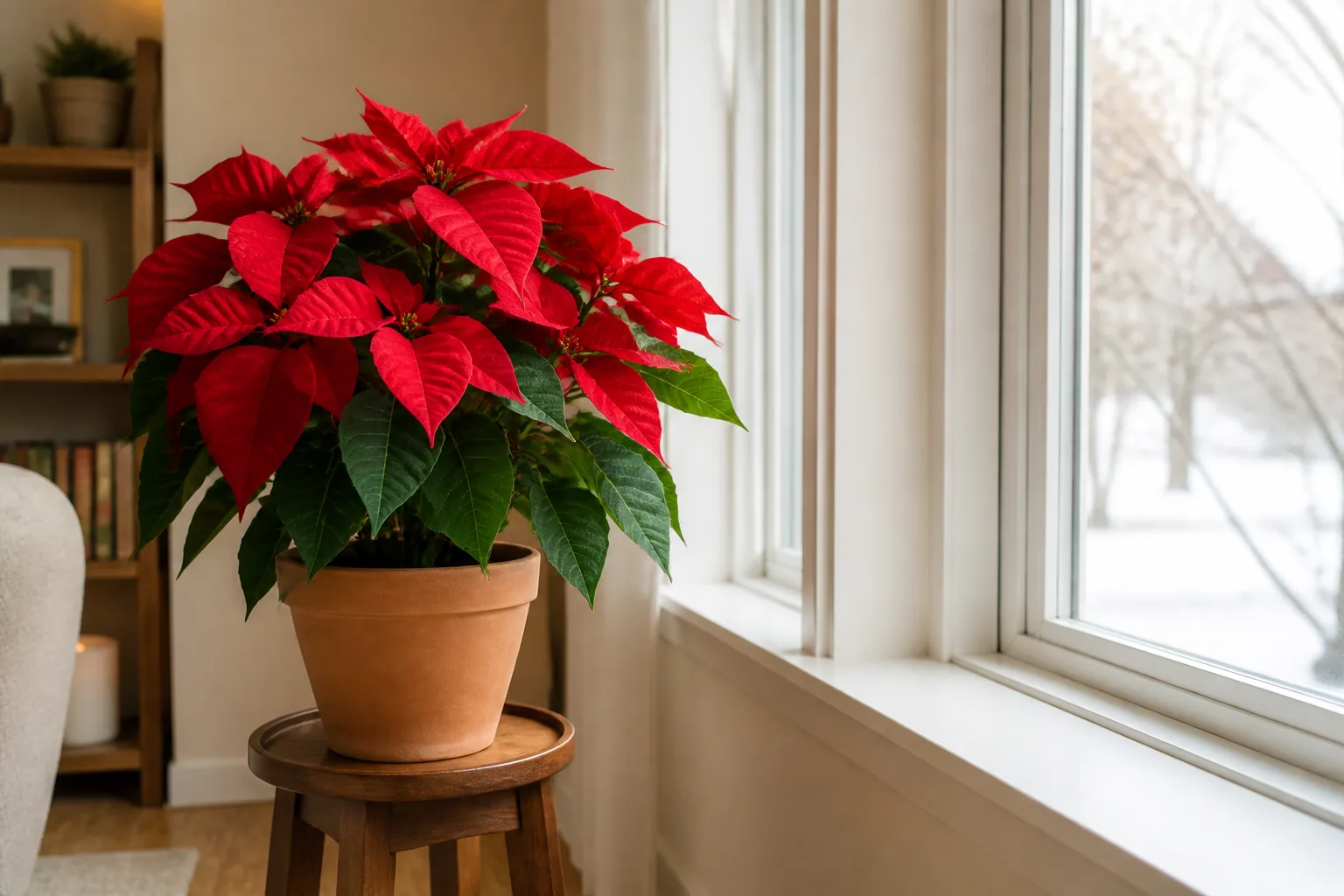
The autumn dark treatment is a calendar commitment
After the holiday, keep the plant in a warm, bright location and water when the growing medium begins to dry, allowing excess water to drain. In spring, pruning and repotting can encourage a fuller plant; if it goes outdoors after frost danger passes, acclimate it gradually and protect it from wind and harsh exposure. As fall approaches, the timed dark period becomes the decisive task.
A dark closet and a daily alarm can make the schedule possible, but it is not effortless. A lamp left on, an opened closet door, or an inconsistent routine may interrupt the long night. The plant may remain green and healthy without completing this treatment, so lack of colored bracts is not necessarily evidence of poor basic care. Decide whether you want a leafy plant for the rest of the year or a repeat holiday display.
Choose a poinsettia if you enjoy seasonal projects and can control light for several weeks. Treat it as a holiday-season purchase or foliage plant if that routine sounds like an obligation. The useful expectation is not “everyone can rebloom one easily,” but “reblooming is possible when the schedule and growing conditions are right.”
Which demanding plant fits your household?
Use this quick match before buying. The point is not to prove that a plant is easy or hard; it is to spot the condition you would need to supply.
| Plant | The main commitment | Consider skipping it if… |
|---|---|---|
| Bonsai | Species-specific light, seasonal placement, pruning, and close watering checks | You want a plant that can be ignored for days or do not know the species |
| Caladium | Warm growing conditions and a planned dormant period | You expect leaves year-round or cannot keep it away from pets that chew |
| Succulent | Strong light, gritty mix, and watering based on soil dryness | Your only spot is dim or you tend to keep every pot moist |
| Avocado from a pit | Years of growth and a large plant, with fruiting unlikely indoors | You want a compact tree that reliably produces fruit in a living room |
| Venus flytrap | Mineral-poor water, bright light, lean medium, and winter rest | You have only tap water or cannot provide a bright, seasonal setup |
| Philodendron | Safe placement around pets and children | An animal can reach and chew the leaves |
| Poinsettia | A consistent long-night schedule to rebloom | You do not want a daily autumn routine |
If one of the listed plants still appeals to you, start with the condition that is hardest to change. A south- or west-facing window may make a sun-loving plant realistic; a lack of seasonal outdoor space may rule out a temperate bonsai. A pet’s habit of chewing leaves is a firmer constraint than whether you remember to water every Saturday.
Buying one plant with a clear care plan is a better test than collecting several challenging plants at once. Put the plant where it belongs, write down the one or two seasonal tasks that cannot be missed, and check its progress before changing multiple care factors. If the setup proves inconvenient, you can give the plant to a grower with more suitable space rather than repeating the same mismatch.
Conclusion: choose the challenge you can sustain
None of these plants is universally off-limits. Bonsai depends on species, caladiums need a rest, succulents need enough light, avocado seedlings are usually foliage projects indoors, and Venus flytraps ask for unusual water and seasonal care. Philodendrons call for a pet-safety decision, while poinsettias need a long-night routine to rebloom.
Pick the plant whose main requirement you can meet consistently. When the plant fits your light, habits, space, and household, “tricky” becomes a satisfying project; when it does not, choosing another plant is the more successful gardening decision.