How to Keep Mice Out of Your House: 7 Steps
Learn how to keep mice out of your house: find pencil-width gaps, seal food and shelter, place traps safely, clean droppings, and stop repeat entries.
If you want to keep mice out of your house, start with the building—not a strong-smelling spray. A mouse can use an opening about 1/4 inch (6 millimeters) wide, so the lasting plan is to find and close entry points, remove easy food and shelter, trap any mice already inside, and monitor for fresh evidence.
The order matters. Sealing a hole can stop the next mouse but does not remove one already nesting behind a cabinet; cleaning crumbs can make traps more effective but does not close a foundation gap. Use the steps below as a small integrated pest-management plan, then adjust it to the evidence you find.
The Short Answer: Seal, Sanitize, Trap, and Monitor
For a small, accessible mouse problem, follow this sequence:
- Confirm current activity. Look for fresh droppings, new gnawing, shredded nesting material, food damage, or repeated movement along a wall. One old dropping or a nighttime sound alone is not enough to identify the animal.
- Remove support. Put dry food, birdseed, pet food, and animal feed in hard-sided containers; clean spills; secure garbage; fix leaks; and move outdoor clutter away from the foundation.
- Set mouse-size snap traps. Place several on active wall routes, behind appliances, or near fresh evidence, with the baited end against the wall and the trap protected from children and pets.
- Seal the outside route. Close openings about 1/4 inch and larger with gnaw-resistant materials, while preserving the function of vents, drains, and exhausts.
- Clean safely and keep monitoring. Do not sweep or vacuum dry droppings. Continue checking traps and signs until you have a full week with no new evidence, then recheck the exterior after weather changes.
The University of Nebraska–Lincoln Extension’s house-mouse guidance describes effective control as a combination of sanitation, exclusion, and population reduction. That is a more useful mental model than choosing one “natural repellent” and hoping a mouse that already found warmth, food, and a nest will leave.
Confirm You Have Mice Before You Seal Anything
Before you caulk a hole or place traps throughout the house, determine whether the evidence is fresh and whether it points to mice rather than rats, squirrels, birds, or a mechanical problem. A quick inspection saves time and prevents you from closing an opening that belongs to a vent, contains wiring, or is being used by a different animal.
Recognize Fresh Mouse Activity
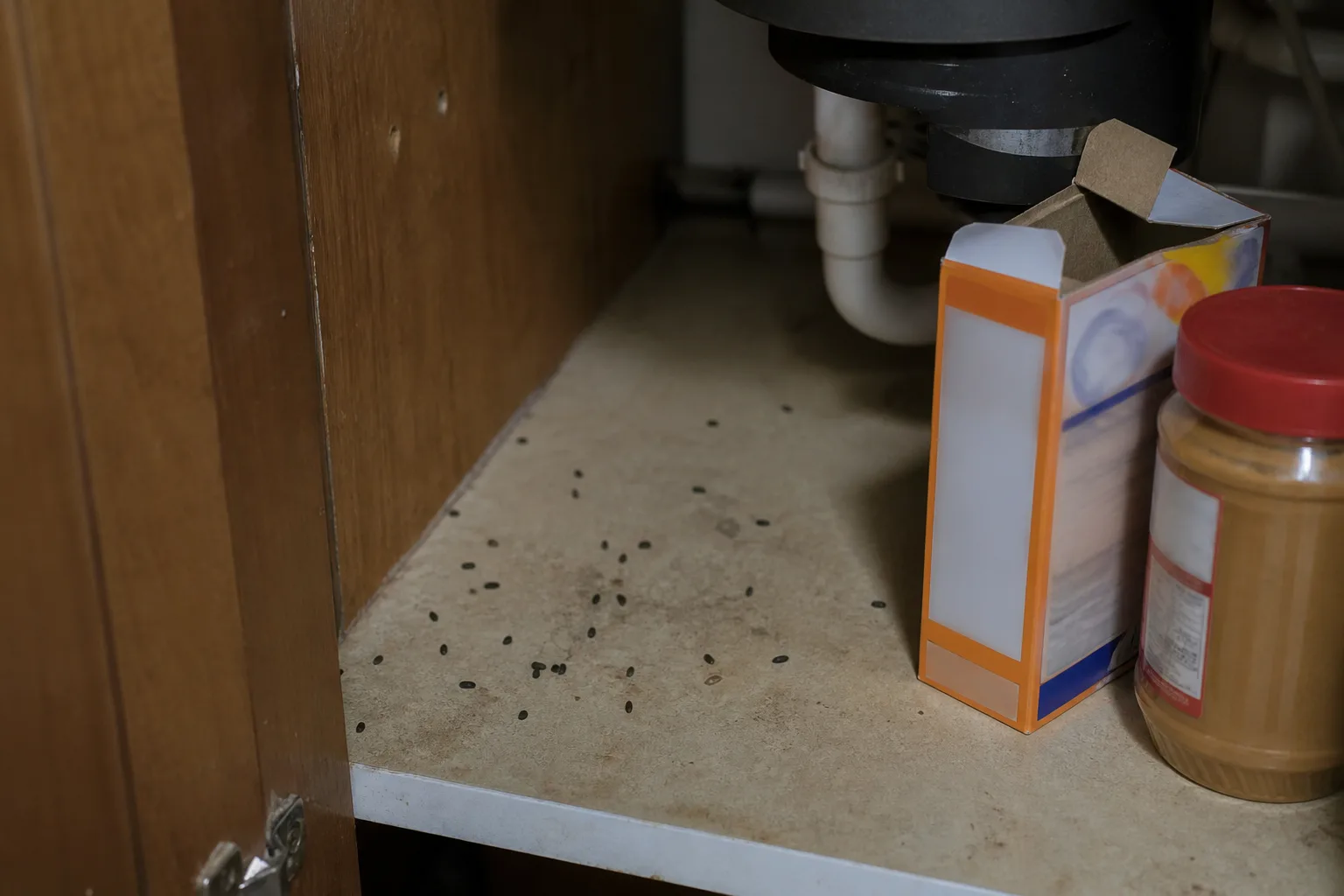
Mouse droppings are usually small, dark pellets, often about 1/8 to 1/4 inch long, with one or both ends tapering. Fresh droppings tend to look moist or slightly shiny; older ones become dull, hard, and dusty. Do not handle them to test freshness—use appearance, nearby activity, and location instead.
Other useful clues include clean-edged gnaw marks on cardboard or food packaging, shredded paper or fibrous nesting material, greasy rub marks along baseboards, a musky odor, and scratching or squeaking near a wall, ceiling, or appliance. The Nebraska Extension guide notes that nests often occur near heat-producing appliances such as water heaters, ovens, and refrigerators, which makes warm, quiet utility areas worth checking early.
Fresh evidence is more useful than a single sighting. Place a small piece of removable paper or painter’s tape beside—not on—an area of suspected activity and take a dated photo; a new dropping, disturbed material, or fresh gnawing after a night gives you a route to investigate without spreading dust.
Tell Mice From Rats and Other Noises
House mice are small enough to use pencil-width gaps and usually leave tiny droppings. Rats need larger access points, may leave larger droppings and heavier gnaw marks, and can damage doors, plastic, wood, and wiring more forcefully. If the evidence is large, the sounds are heavy, or the animal is repeatedly visible during daylight, pause before choosing mouse-size traps.
Scratching does not prove that a mouse is in the wall. Squirrels, birds, insects, expanding ductwork, pipes, and heating equipment can all create movement or tapping sounds. Look for a second sign before opening drywall or sealing a cavity, and call a wildlife or pest professional if a protected animal, nest, or live electrical hazard is possible.
Inspect the House in a Smart Order
Start where a small exterior opening can connect directly to food, warmth, or a hidden route: the kitchen, garage, basement, crawl space, attic, and the outside foundation. Carry a flashlight, gloves for handling building materials, a notepad, and a phone for photos. Inspect in daylight when possible, because light around a closed door or vent can reveal gaps that are easy to miss at night.
Start With Utilities, Doors, and Foundation Joints
Inside, check under and behind kitchen cabinets, around sink and washing-machine pipes, behind the stove and refrigerator, around water heaters and furnaces, at floor and dryer vents, and where the floor meets the wall. Also inspect around electrical, plumbing, gas, cable, and sewer penetrations, but do not reach into an unknown opening.
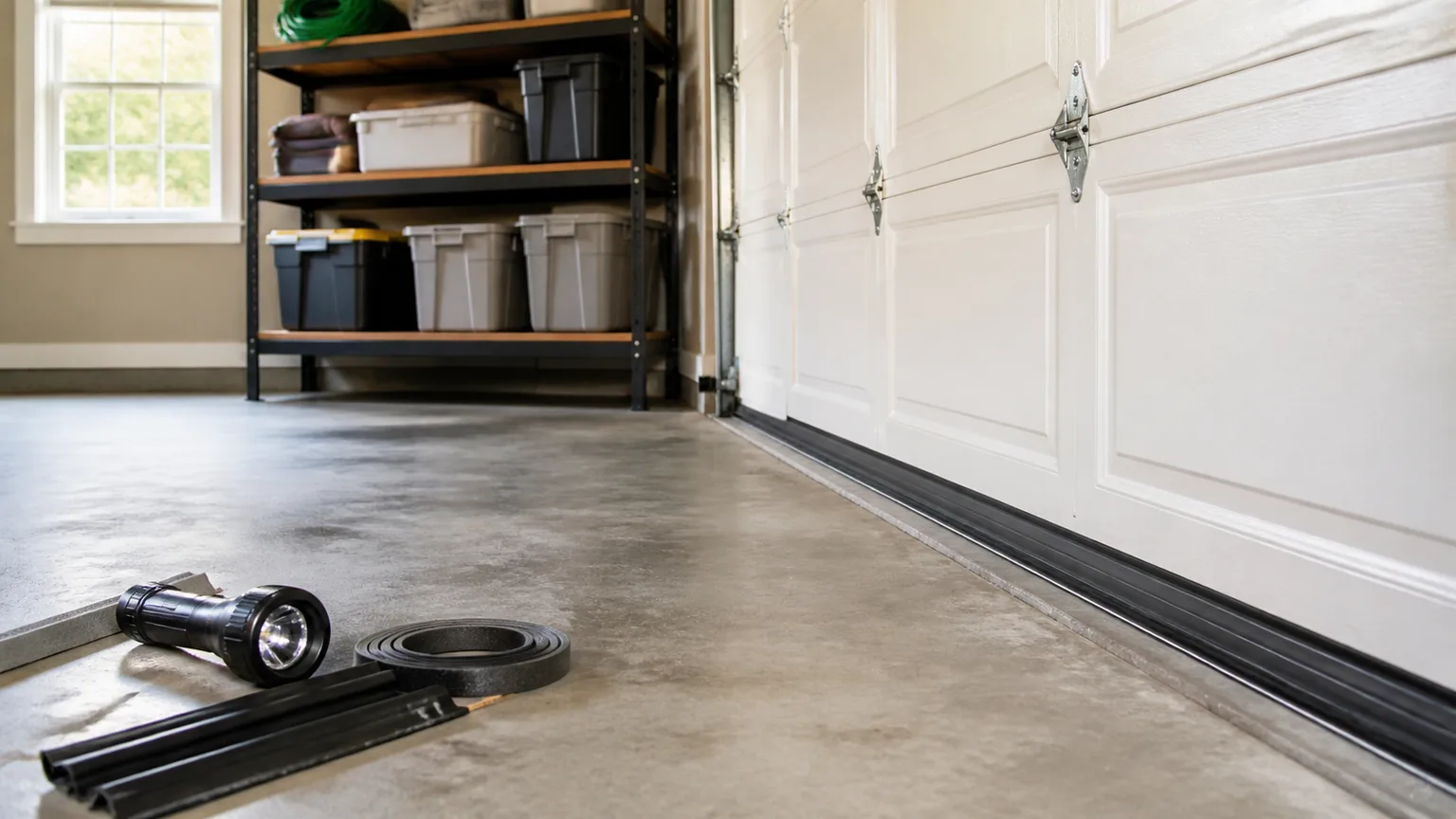
Outside, look at door thresholds, garage-door sweeps, weather stripping, window screens, the joint between the foundation and ground, and every hole where a utility line enters. The CDC’s seal-up checklist specifically recommends checking both inside and outside, including behind appliances, floor drains, attic and crawl-space vents, soffits, eaves, and utility lines.
Prioritize openings with evidence nearby. A clean gap is still a prevention target, but a hole with rub marks, droppings, gnawed edges, disturbed insulation, or a visible food trail tells you where the current route may be.
Check Attics, Crawl Spaces, Garages, and Rooflines
Mice do not have to enter through a kitchen wall. They can move through a garage, crawl space, attic, shed, or attached porch and then follow pipes, wiring, insulation, or wall cavities into living areas. Check access panels, vent screens, siding joints, roof-to-wall transitions, soffits, and places where the garage door does not meet the floor.
In a garage or shed, inspect stored grass seed, birdseed, pet food, cardboard, soft insulation, and dark corners near shelving. Leave a narrow inspection space between storage and walls so you can see new droppings and avoid creating a hidden runway. If you find contaminated insulation, extensive nesting material, or rodents in heating and cooling ducts, skip DIY cleanup and seek professional guidance.
Seasonal timing can make this inspection more valuable. Gardening Know How’s fall pest coverage notes that dropping temperatures can make warm indoor rooms, pantries, attics, and wall voids attractive to rodents; inspect and repair before the first cold spell rather than waiting for the first indoor sighting (Gardening Know How).
Seal Gaps With Materials Mice Cannot Chew
Exclusion is the part of mouse control that prevents a repeat entry, but a patch must remain closed after rain, temperature changes, and gnawing. Do not judge a repair only by how tidy it looks on installation day; recheck it after a week and after severe weather.
Match the Material to the Opening
For a small gap around a pipe, cable, or trim joint, pack steel wool or copper mesh tightly into the void and finish with a compatible caulk or sealant to hold it in place and stop airflow. Wear gloves because metal fibers can cut skin, and do not pack material where it could contact hot equipment, moving parts, or electrical connections.
For a larger opening, use a gnaw-resistant substrate such as 1/4-inch hardware cloth, metal flashing, sheet metal, cement, or a properly fitted metal screen. Fasten the edges securely rather than laying mesh loosely over a hole; mice can pry up an edge that is not anchored. The CDC recommends steel wool for small holes and metal, cement, hardware cloth, or metal sheeting for larger repairs.
Spray foam can help hold a packed material in place or reduce airflow, but foam alone is not a reliable mouse barrier. Soft plastic, rubber, thin wood, loose caulk, and cardboard are also poor choices where gnawing is possible. Keep vents, dryer exhausts, drains, and combustion-air openings functioning; screen or repair them without blocking the airflow or safety purpose.
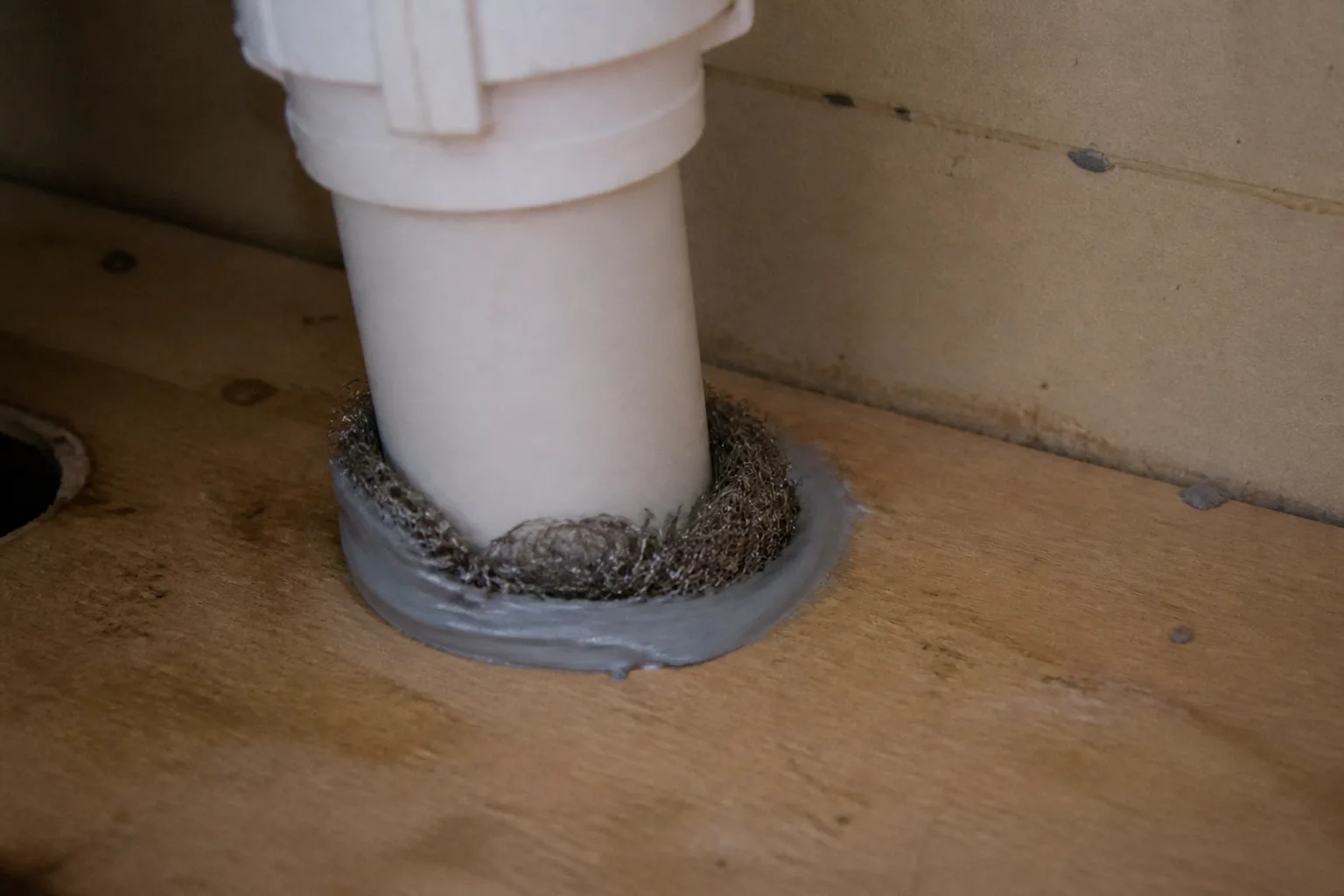
If you find several openings, work from the outside route inward. First close accessible foundation and utility gaps while traps are active inside, then recheck the interior. If scratching continues in a cavity with no accessible trap route, do not blindly seal the only opening; have the space assessed so you do not trap an animal inside.
Remove Food, Water, and Nesting Opportunities
Sanitation is not a promise that a house becomes mouse-free. Mice need very little food and can survive in small hidden spaces, but removing easy resources reduces competition for traps, prevents a population from growing, and makes fresh signs easier to see.
Make the Kitchen and Pantry Uninteresting
Transfer grains, cereal, flour, sugar, nuts, seeds, snacks, and pet food from paper bags or thin plastic into thick plastic, glass, or metal containers with tight-fitting lids. Wipe crumbs beneath the stove, refrigerator, toaster, and high chair; clean food-preparation surfaces; and empty indoor garbage before it overflows.
If you have pets, pick up leftover food after meals and do not leave full bowls out overnight while activity is present. Check the back of pantry shelves, the floor beneath a refrigerator, and the bottom of a pet-food bag for small spills that can support repeated visits. Fix dripping faucets, slow leaks, condensation, and water collecting under sinks rather than covering the area with loose absorbent material that could become nesting material.
The CDC’s prevention guidance recommends tight-lidded containers, prompt spill cleanup, putting pet food and water away after use, and frequent garbage disposal. These measures are simple, but they matter because one sealed pantry bin cannot compensate for an open bag of seed or a bowl of kibble beside the wall.

Reduce Outdoor Attractants Without Stripping the Yard
Keep garbage cans closed, repair holes in the bin, and move them away from doors when practical. Store birdseed, chicken feed, grass seed, and livestock feed in rodent-resistant containers. If a feeder is drawing rodents to the foundation, move it farther from the house, use a baffle where appropriate, and sweep spilled seed instead of accepting a permanent food patch beside the wall.
Clear leaf piles, loose cardboard, rubbish, dense weeds, unused pots, and stacked materials from the foundation. Move firewood and lumber away from the house and raise them when practical so the ground remains visible for inspection. Trim vegetation that touches siding, vents, or rooflines, but preserve useful garden habitat elsewhere; a tidy inspection strip is the goal, not a sterile yard.
Compost and garden debris deserve a closer look. The BBC Gardeners’ World Magazine guidance on garden rodents recommends reducing spilled bird food, clearing ground-level clutter, securing garden-building gaps, and keeping compost uninviting to rodents. Do not use an old, rodent-nested compost bin on edible crops without checking local guidance and the condition of the material.
Trap Mice That Are Already Inside
If you find active evidence indoors, prevention alone is too slow. Mouse-size snap traps are usually the most controllable first removal tool in a home because you can place them on a known route, check them, and remove the carcass instead of leaving a poisoned animal to die in a wall.
Place Mouse Traps on the Routes Mice Use
Use several traps where signs are fresh: along baseboards, beside cabinet toe-kicks, behind appliances you can safely access, in dark corners, and near the edge of an attic, basement, crawl space, or garage. Place the trap perpendicular to the wall with the baited end touching the baseboard so it forms a T; mice tend to travel along protected edges rather than across the middle of an open floor.
The CDC’s trap-up guidance recommends traditional snap traps, mouse-size equipment, small amounts of bait, and placement where rodent evidence is present. Keep every trap and bait out of reach of children and pets, and use a protective enclosure or a closed area when the setting is otherwise accessible.
Trap density should follow evidence, not the size of the house. Two traps close to fresh signs may outperform one trap in every room; on a long active wall route, place additional traps along the same edge rather than scattering them in open spaces. Check them daily, add clean traps as needed, and keep trapping until there are no new captures or fresh signs for at least a full week.
Chunky peanut butter can work because it sticks to the trigger, but use a small amount and avoid it if a household allergy makes contamination a concern. The food already being nibbled—such as a particular kibble, seed, or grain—can be a better lure. Do not put your fingers near a loaded mechanism; bait first, follow the manufacturer’s instructions, and use a press-to-set or enclosed model if a traditional trap is difficult to handle safely.
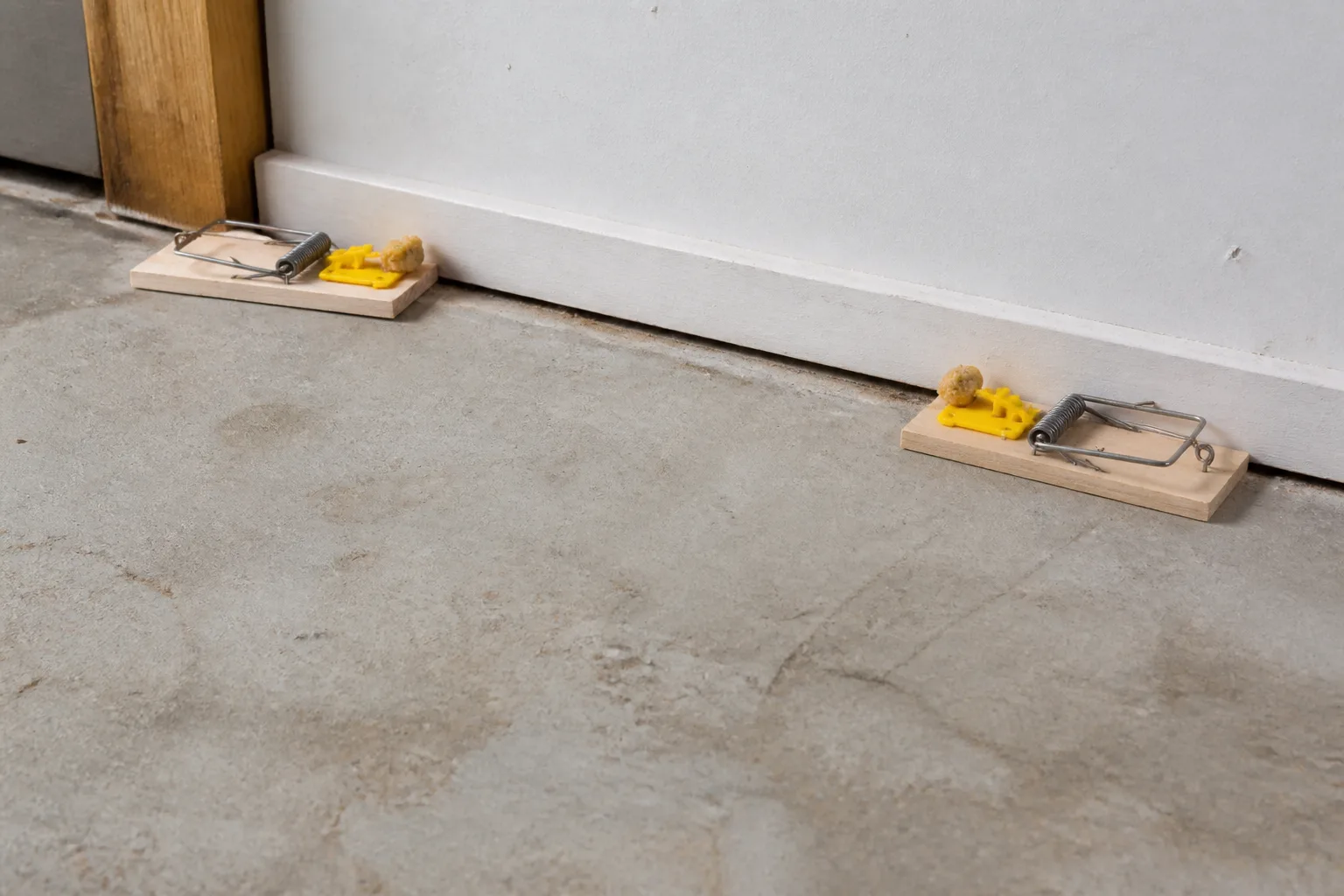
Avoid glue boards indoors. The CDC advises against glue and live traps because frightened rodents can urinate, increasing contamination risk; glue also creates a serious welfare problem when a trapped animal cannot be checked and released promptly. Live traps may sound humane, but relocation rules vary and a released house mouse may not survive or may return, so verify local requirements before using one.
If Bait Disappears or Traps Stay Untouched
Bait disappearing without a catch usually means the trap is not aligned with the route, the bait is too easy to steal, another animal is reaching it, or a mouse is feeding from the side. Move the trap closer to fresh evidence, reduce competing food, use a smaller sticky bait, or switch to an expanded-trigger model. Inspect the trap for a misfire rather than reaching toward it with a bare hand.
An untouched trap does not prove the house is mouse-free. It may be in the wrong room, too exposed, or near a food source that is easier to reach. If several well-placed traps remain untouched but new signs appear, reassess the species and route instead of continuously adding devices.
For rats, pre-baiting an unset trap for a short period can help with caution around new objects, but do not use rat behavior to design a mouse program blindly. Persistent bait theft, larger droppings, heavy scratching, or traps that are repeatedly damaged are good reasons to ask a professional to identify the animal and inspect the structure.
Use Repellents Only as Temporary Add-Ons
Peppermint, eucalyptus, cinnamon, cayenne, dryer sheets, ammonia, mothballs, and ultrasonic devices are popular because they feel easier than drilling, screening, or moving food. Their weakness is the same: a smell or sound does not remove a nest, close a hole, or eliminate the food that made the building attractive.
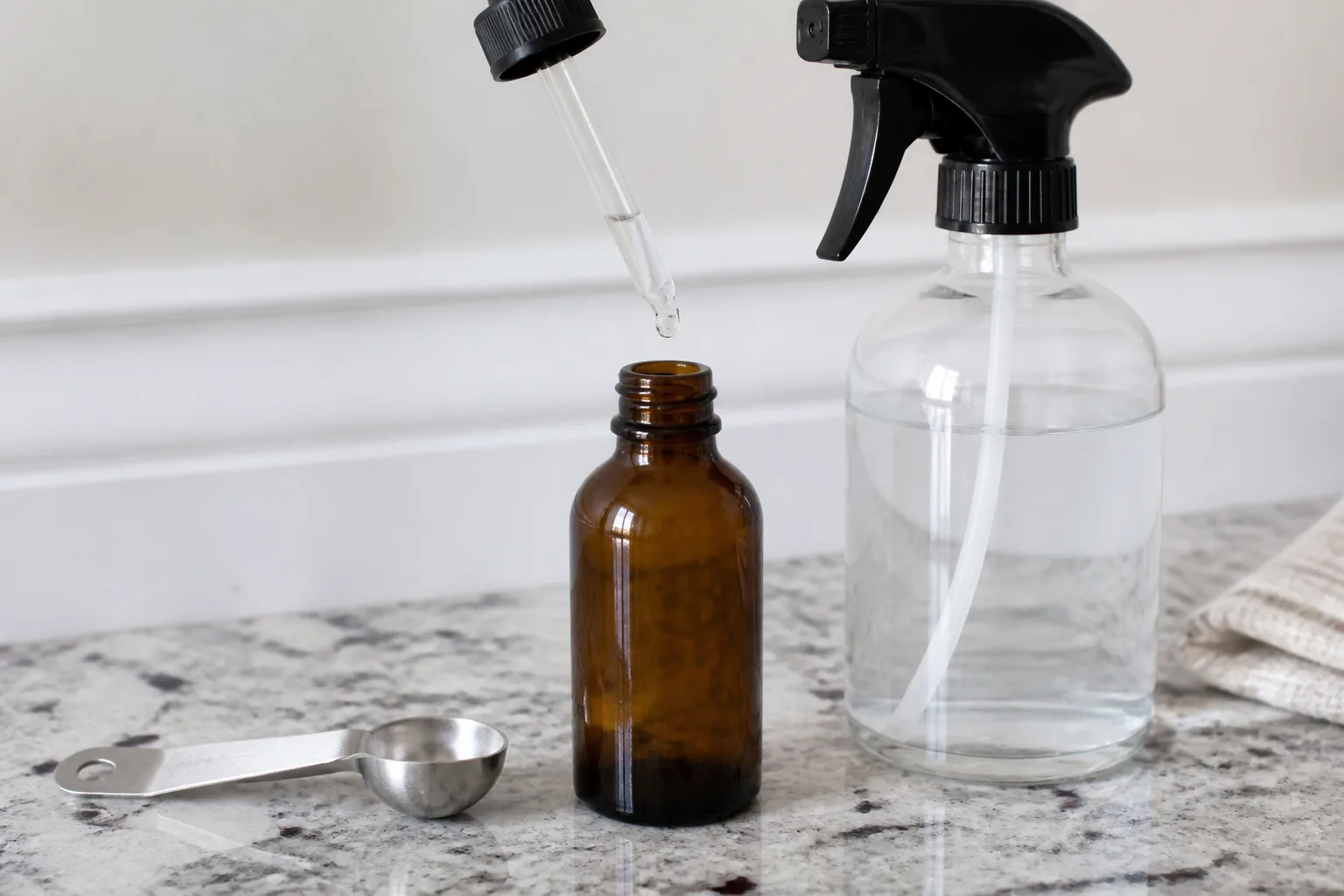
Some odors may briefly change where a mouse travels, especially in a small, unoccupied gap, but rain, airflow, evaporation, and habituation reduce the effect. The Internet Center for Wildlife Damage Management notes that natural oils have limited evidence and that chemical repellents are seldom practical solutions for resolving mouse infestations. Treat a scent as an optional short-term nudge while you complete exclusion and trapping, never as the barrier itself.
Do not put mothballs in open rooms, walls, attics, gardens, or crawl spaces unless the product label specifically allows that site and use; they are pesticides, not harmless air fresheners. Do not spray concentrated essential oils around pet bowls, children’s hands, food-preparation surfaces, or animals, and do not use ammonia or bleach in a homemade mixture. Ultrasonic devices are especially poor value when a mouse is already nesting behind an appliance or inside a wall because sound does not repair the access route.
Clean Droppings and Nests Safely, Then Monitor
Rodent waste is a hygiene issue, not ordinary household dust. Dry sweeping or vacuuming can send contaminated particles into the air, so isolate children and pets, ventilate the space when appropriate, and gather gloves, disinfectant, paper towels, and sealable bags before you begin.
For a small area, put on rubber or plastic gloves and thoroughly wet droppings, urine spots, nesting material, or a dead mouse with an EPA-registered disinfectant or fresh bleach solution. The CDC recommends letting the disinfectant soak for five minutes or for the contact time on the label; its example bleach solution is 1 part household bleach to 9 parts water. Never mix bleach with ammonia, vinegar, acids, or another cleaner.
Wipe the wet material with paper towels, place the waste in a covered trash container, disinfect the hard surface, and wash gloved hands before removing the gloves. For a dead mouse or used trap, the CDC recommends disinfecting first, double-bagging the animal and contaminated materials, and washing your hands after disposal. Launder washable fabric and discard contaminated cardboard or porous material that cannot be cleaned and dried.
Do not handle exposed insulation, a large amount of nesting material, or contamination in ducts as a routine weekend cleanup. The CDC recommends professional help when rodents have entered heating or cooling ventilation systems and additional protective measures for heavy infestations. If anyone develops illness after rodent exposure, tell a healthcare professional about the exposure and contact your local health department for situation-specific advice.
After cleanup, replace the trap and do not erase the evidence before taking a photo or noting the location. Check the same route each morning for new droppings, gnawing, or disturbed bait. A successful control job is not “I have not seen a mouse”; it is no fresh signs for a full week, followed by an exterior inspection showing that the entry route is still closed.
Know When to Call a Pest Professional
Call a qualified pest professional when fresh evidence continues after a disciplined trapping and exclusion attempt, when several rooms or floors are involved, or when the activity is inside a wall, ceiling, duct, or other space you cannot inspect or clean. Professional help is also appropriate when the animal may be a rat, squirrel, bat, or another species with different legal or safety requirements.
Escalate sooner if you find chewed electrical wiring, contaminated insulation, a strong dead-animal odor, a large number of droppings, a nest near a child’s sleeping area, or evidence in a food-service or rental setting. People with respiratory vulnerability, weakened immune systems, or a heightened concern about rodent-borne disease should not take on heavy contamination without advice and appropriate protective equipment.
Ask the company to describe its inspection, exclusion, trapping, cleanup, and monitoring plan—not just the pesticide it wants to apply. If bait is proposed, ask where it will be placed, how children and pets will be protected, how carcasses will be recovered, and what label governs the product. Poison can reduce a population, but it does not close the entry route and can create odor or non-target exposure when a carcass cannot be retrieved.
Keep a short record of dates, room locations, trap placements, catches, fresh signs, repairs, and products used. That log helps a professional find the remaining route and helps you distinguish an old problem from a new entry after a storm, renovation, or change in outdoor feeding.
Conclusion
The most dependable way to keep mice out of your house is a sequence: confirm fresh activity, inspect the kitchen and structure, remove food and shelter, trap mice already inside, seal pencil-width gaps with gnaw-resistant materials, clean contamination safely, and monitor until a full week passes without new signs.
Peppermint oil, ultrasonic devices, a cat, a tidy counter, or a single trap may change part of the problem, but none replaces exclusion. If the route is inaccessible, the evidence suggests rats or wildlife, wiring is damaged, cleanup is heavy, or signs continue after careful work, bring in a qualified professional and ask for an inspection-led plan.