11 Plants Not to Grow Near Tomatoes (And Why)
Find out which plants should not grow near tomatoes, why the risk varies, and how to use beds, trellises, and crop rotation for a healthier harvest.
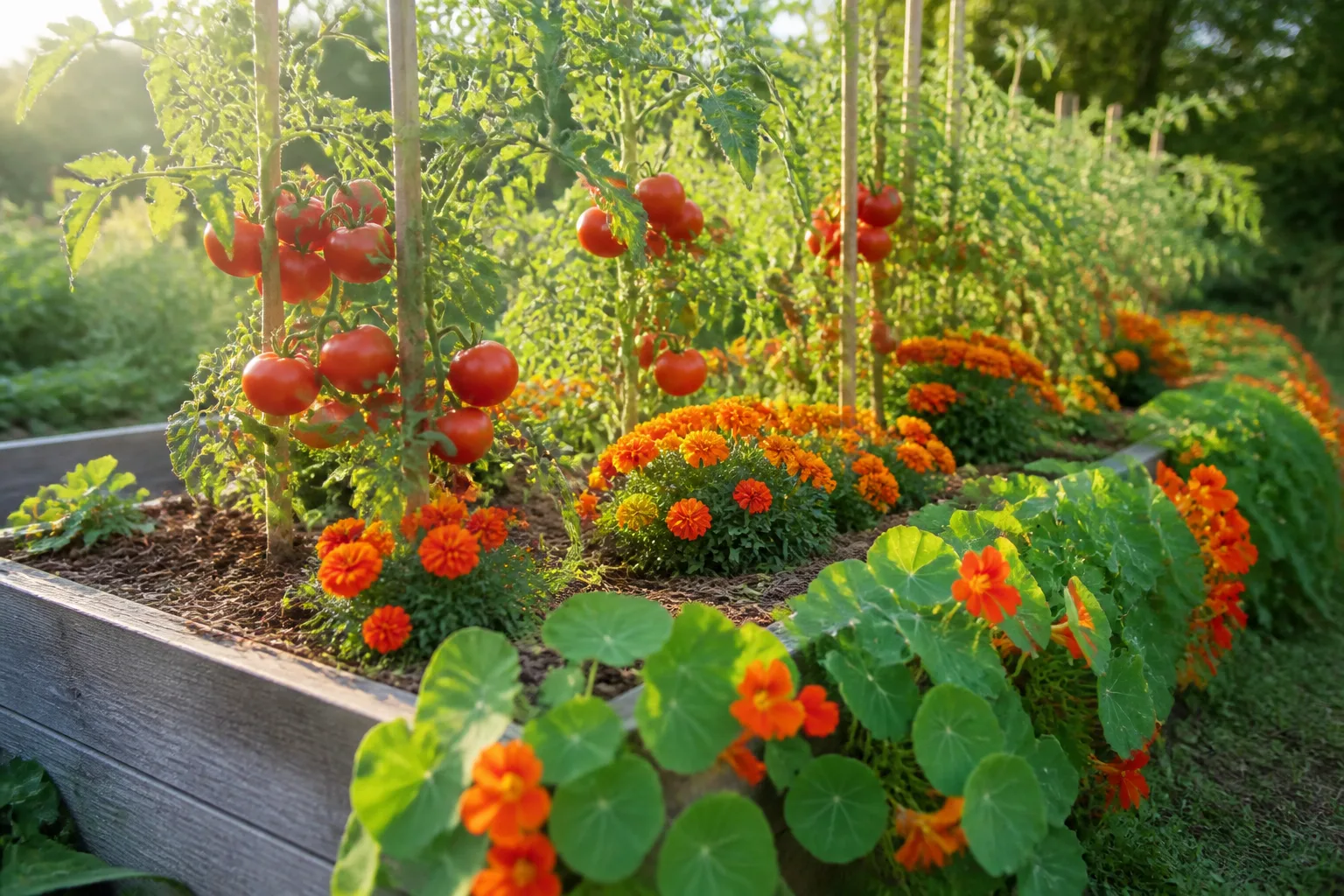
The word never is too strong for most tomato companion-planting warnings. A tomato and a cucumber can share a large garden if both have room, support, and airflow; a sunflower can be useful at the edge of a plot if it does not cast a midday shadow over the tomatoes. But black walnut is a genuine exclusion, and several other plants become bad neighbors when they share a cramped root zone, the same irrigation line, or a dense canopy.
The 11 plants below fall into three practical groups: plants that compete for light or resources, plants that share important pests and diseases with tomatoes, and plants that create a special site problem. That distinction matters because moving a potato to another bed is a different job from moving a tomato away from a mature black walnut tree.
What “near” actually means in a tomato garden
“Near” is not a fixed number of inches. It means close enough for mature leaves to overlap, roots to compete in the same small volume of soil, one crop to shade the other, or a pest or pathogen to move easily between hosts. A plant can be in the same broad garden and still be safely separated by a path, a trellis, a different irrigation zone, or a different bed.
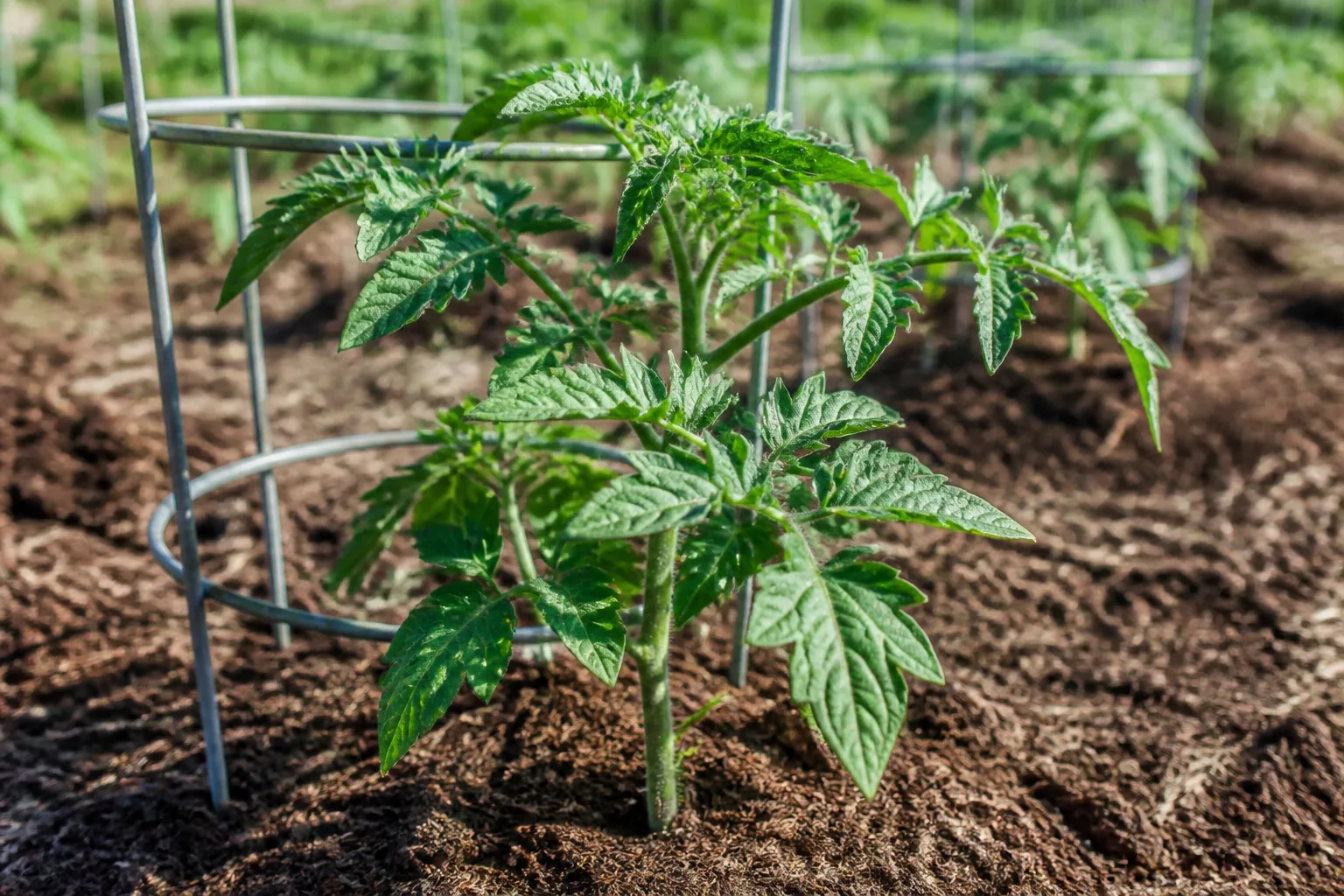
Look at the plants at their mature size, not on the day you transplant them. An indeterminate tomato may become a tall, wide vine; corn and sunflowers rise above it; cucumbers and sweet potatoes spread outward; and a black walnut tree can occupy a root zone far beyond its visible trunk. The useful question is not “Are these two plants companion plants?” but “Will this arrangement protect both crops’ light, roots, air, and harvest access?”
Four conflicts that make a pairing fail
Most poor tomato pairings can be explained without invoking mysterious plant chemistry.
- Light and airflow: A tall or sprawling neighbor can shade tomato leaves, keep foliage damp longer, or block the space needed to prune, tie, and inspect the plant.
- Water, roots, and nutrients: Two vigorous crops can exhaust a small bed faster than it can supply moisture and nutrients. A dry-loving plant can also suffer when its neighbor requires frequent irrigation.
- Shared pests and diseases: Plants in the same botanical family often share vulnerabilities. They do not infect each other automatically, but the same bed can keep a pest, pathogen, or volunteer host close by.
- Allelopathy or permanent site effects: A few plants release compounds that inhibit sensitive neighbors. Black walnut is the important case here; it is a site problem, not a normal companion-planting debate.
Plan by mature canopy, not seedling size
The simplest test is to draw the bed at full growth. Mark the tomato’s stake or cage, the height of any corn or sunflower, and the direction a cucumber or sweet-potato vine will travel. If the drawing leaves no open path for a hand to reach the soil or no gap for air to move through the foliage, the plants are too close even if they look fine in spring.
Tall crops usually belong on the north side of a bed in the Northern Hemisphere so their shadows move away from shorter crops for much of the day. Gardeners in the Southern Hemisphere should make the opposite adjustment. Either way, the principle is the same: place the tallest crop where it will not steal the strongest light from the tomato canopy.
The 11 plants to keep away from tomatoes
Here is the short version before the details:
| Plant | Main reason to separate it | How strict is the warning? |
|---|---|---|
| Broccoli | Resource competition and different seasonal rhythm | Separate in a small bed; not a chemical ban |
| Cabbage | Resource competition, space, and shared brassica management | Separate in a small bed; not a chemical ban |
| Sweet corn | Height, heavy feeding, and corn earworm/tomato fruitworm | Usually separate or place in a distinct block |
| Cucumber | Tangles, shade, and poor airflow when unsupported | Conditional; trellising can solve it |
| Eggplant | Same nightshade family and overlapping pest/disease risks | Separate beds if possible |
| Fennel | Height, spread, self-seeding, and uncertain allelopathy claims | Keep out of a mixed tomato bed |
| Peppers | Same nightshade family and overlapping pest/disease risks | Separate beds if possible |
| Potatoes | Same nightshade family plus soil-borne disease concerns | Separate beds and rotate |
| Sunflowers | Tall canopy and root-zone competition | Plant at the edge, not south of tomatoes |
| Sweet potatoes | Long trailing season and ground-covering vines | Usually separate for space and harvest access |
| Black walnut | Juglone and extensive roots/debris | Hard avoid for tomatoes |
Broccoli and cabbage: heavy-feeding brassicas
Broccoli and cabbage are not toxic to tomato plants, and a large, fertile vegetable garden can grow them in the same general area. The problem appears when both crops are packed into a small bed and expected to draw from the same limited supply of water, nutrients, and open soil. Their broad leaves also make it easy to lose the airflow and access that tomatoes need once the plants fill out.
Treat these as separate-zone neighbors, not forbidden plants. Put broccoli and cabbage in their own row or bed, leave enough space for the variety’s mature spread, and avoid running a constant wet irrigation cycle through the tomato crown just to keep a brassica happy. If the tomato and brassica leaves touch, you have lost the main advantage of separation.
Plant family is useful for planning here. Penn State Extension’s plant-family rotation guide lists tomatoes in the Solanaceae and broccoli and cabbage in the Brassicaceae, which means these are not the same-family disease pair. The reason to separate them is mainly competition, seasonal timing, and bed management—not a claim that brassicas poison tomatoes.
Sweet corn: shade and a shared fruitworm
Corn is tall, hungry, and best grown in a block that has room for strong growth and pollination. A block of corn immediately south of tomatoes can cast shade across the tomato canopy, while the tomato’s sprawling growth can make it harder to reach the corn rows. In a tiny bed, both crops may grow, but neither will have the space it needs.
There is also a real pest-host reason to avoid putting them side by side. Utah State University Extension lists corn, tomato, pepper, and eggplant among the hosts of corn earworm, also called tomato fruitworm, and notes that the larvae can damage both kernels and fruit. Its management guidance specifically warns against planting tomato, pepper, or eggplant near post-silking corn fields because moths may seek nearby hosts after corn silks age.
That does not mean every stalk of sweet corn will ruin a tomato harvest. Grow corn in its own block when possible, keep tall crops where their shade falls away from the tomatoes, and scout both crops when corn is silking and tomato fruit is developing. This is a stronger reason for separation than a blanket claim that the two plants cannot share any garden.
Cucumbers: a canopy and airflow problem
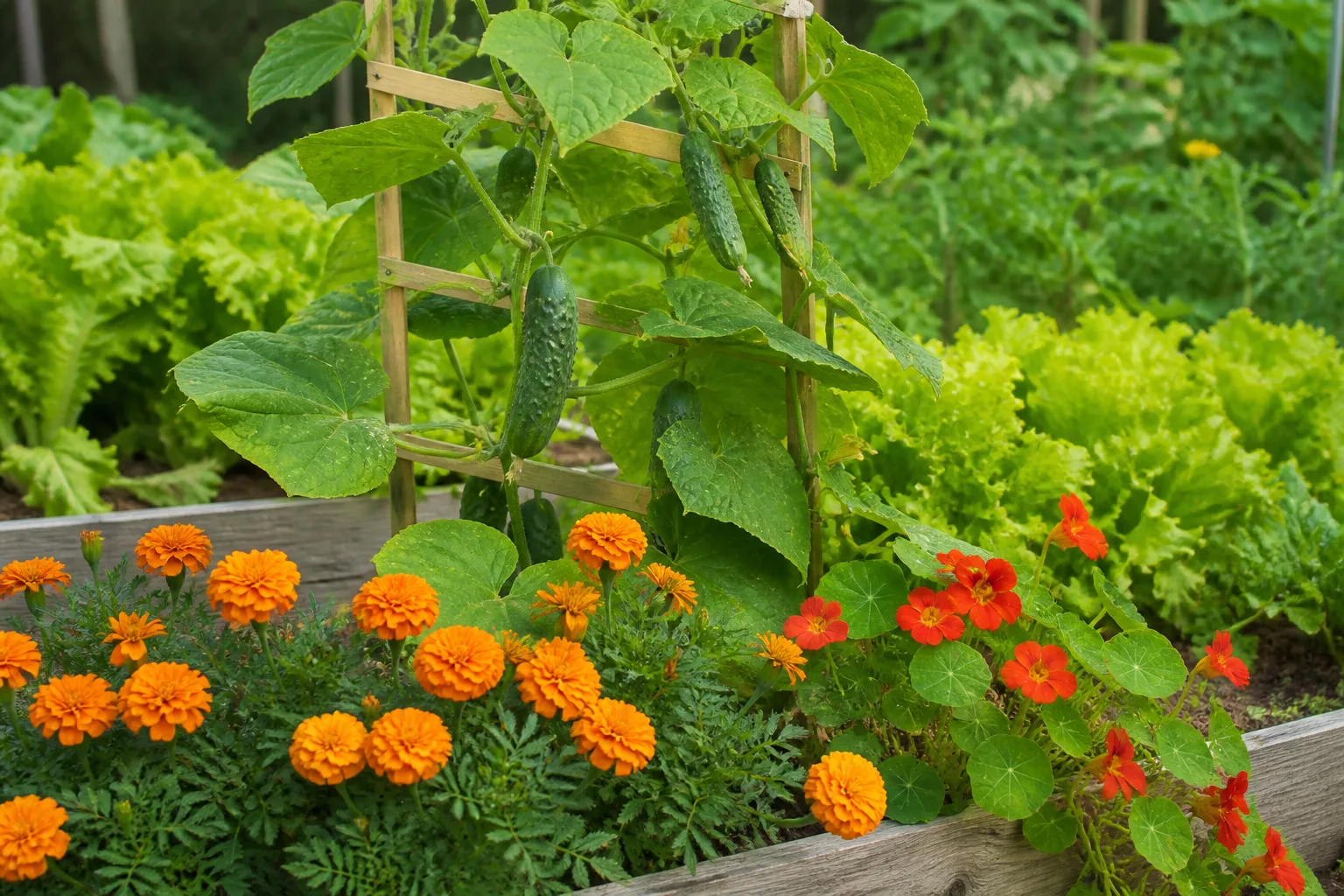
Cucumbers are low-growing only if you let them sprawl. On the ground, their vines and leaves can run into a tomato cage, cover the soil around the stem, and make both crops difficult to water and inspect. On a trellis, they use vertical space and may coexist with tomatoes in a roomy bed, provided the leaves do not form one crowded, damp wall.
The risk is greatest with an indeterminate tomato that is already filling its support. Both crops want warm, bright conditions, so a tomato canopy that shades a cucumber trellis is not a good trade. Leave a walkable gap, train the cucumber away from the tomato, and keep the lower tomato leaves off the soil. If you cannot provide those conditions, use a separate bed.
Eggplants, peppers, and potatoes: the nightshade cluster
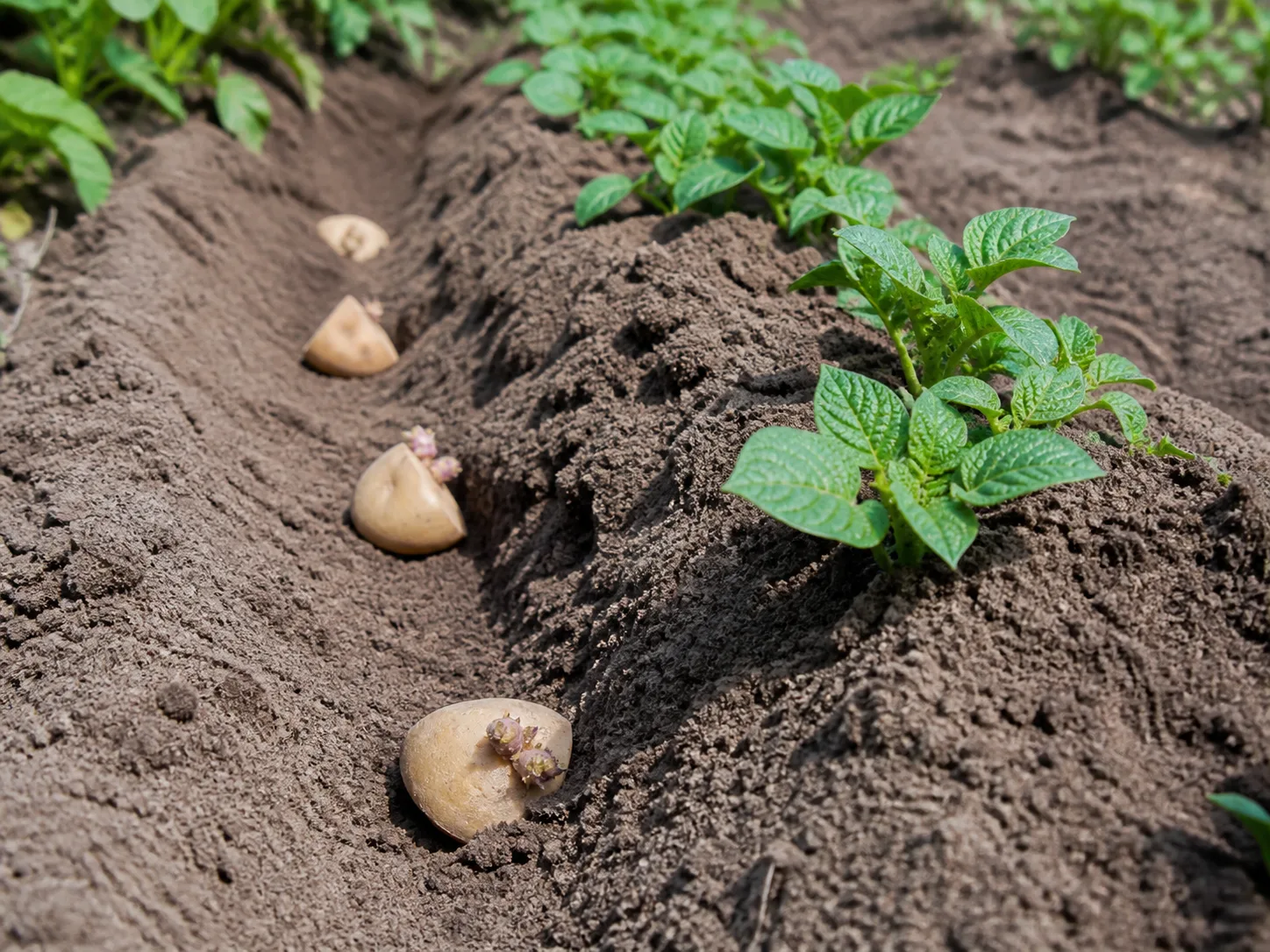
Eggplants, peppers, potatoes, and tomatoes all belong to the nightshade family, Solanaceae. That shared family is the clearest reason not to create one dense “nightshade bed” and leave it in the same spot year after year. The plants can share pests and diseases, and potatoes add a soil-disturbing harvest that can spread or leave behind problems in the same root zone.
Penn State Extension explains that related plants often share susceptibility to insects, diseases, and nematodes. The University of Wisconsin’s crop-rotation guidance gives the practical example directly: after tomatoes, do not plant peppers, eggplant, potatoes, or tomatoes in the same area the following year because they are all Solanaceae.
This is not a rule that a pepper plant six feet away will infect a tomato by proximity. It is a reason to avoid crowding the family together, to remove diseased residue, and to rotate the family out of a bed rather than relying on companion plants to break the disease cycle. If space is limited, plant one or two nightshade crops in the best-ventilated bed and put the others in containers or a different plot.
Fennel: keep the tall, self-seeding herb separate
Fennel is a poor direct neighbor for tomatoes mostly because it is difficult to contain in a crowded annual bed. It can grow tall, flower freely, shed seed, and occupy more space than its fine foliage suggests. That makes it a bad match for a tomato row that needs clear access, regular tying, and controlled irrigation.
Some companion-planting articles also describe fennel as allelopathic and say it suppresses nearby seedlings. The Epic Gardening discussion of plant combinations summarizes that concern, but the practical evidence is not a universal “fennel kills tomatoes” rule. Keep fennel in its own container, herb area, or edge where its height and reseeding are manageable; that separation is sensible even when the chemistry claim is uncertain.
Sunflowers: good pollinator plants, poor immediate neighbors
Sunflowers can be valuable in a vegetable garden. Their flowers provide nectar and pollen, and their height can make a useful screen or backdrop. The problem is placement: a tall sunflower planted between a tomato and the strongest afternoon sun can create a long shadow just when the tomato is trying to ripen fruit.
Sunflower roots also occupy space and the plants can become top-heavy. Put them along a boundary or on the north side of the tomato bed in the Northern Hemisphere, choose a dwarf type for a small plot, and leave a service path so the flowers do not lean into the tomato cage. If a sunflower is already casting shade, move or stake the sunflower rather than aggressively pruning healthy tomato foliage to compensate.

Sweet potatoes: long-season vines that take over space
Sweet potatoes are not nightshades, so their problem is not the same family as tomatoes. Their long season and trailing vines are the issue. A sweet-potato plant can cover bare soil, run through a tomato row, and make it difficult to find suckers, inspect the stem, water at the soil line, or harvest the tubers without disturbing tomato roots.
If you want both crops, give sweet potatoes their own bed or a defined section where the vines can travel. A wide, open bed can work if the tomato is trellised and the vines are directed away from it, but do not confuse “low-growing” with “small.” In a narrow raised bed, separating them saves more harvest than trying to force two long-season crops into the same footprint.
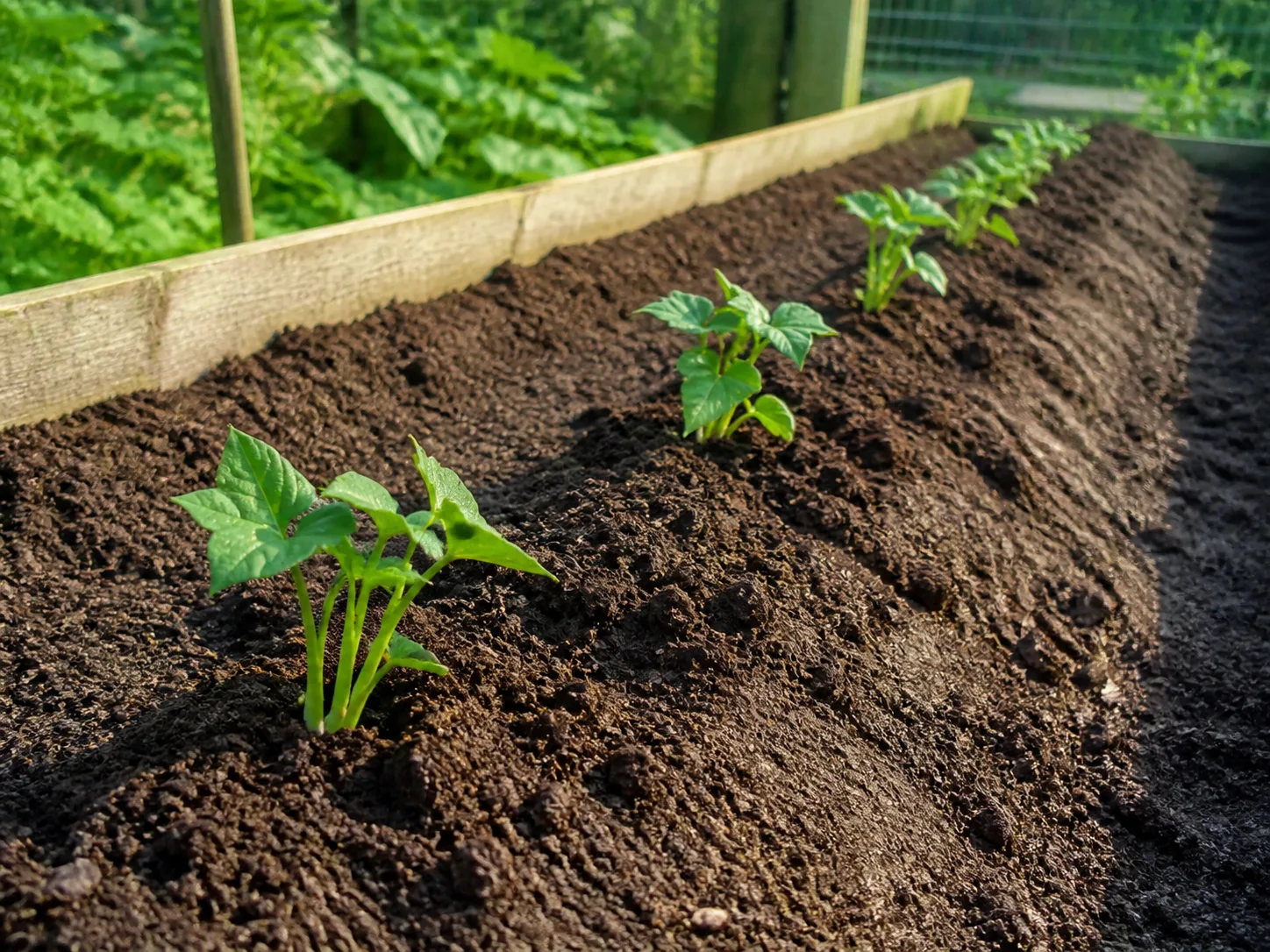
Black walnut: the true hard-avoid case
Black walnut (Juglans nigra) is the plant on this list that deserves a genuine do not plant tomatoes nearby warning. It produces juglone, a compound found throughout the tree and especially concentrated in roots, buds, leaves, and nut hulls. Tomatoes, potatoes, eggplants, and peppers are among the vegetables listed as particularly sensitive by the University of Wisconsin Plant Disease Diagnostics Clinic’s black-walnut toxicity guidance.
The visible symptoms can look like drought or disease: stunting, yellow or twisted leaves, sudden wilting, brown tissue, and eventual death. Wisconsin Extension notes that a mature tree’s toxic effects can extend roughly 50 to 80 feet from the trunk, with the greatest risk under the dripline. Penn State’s guidance on gardening around juglone-producing plants adds an important nuance: juglone does not move far through water, but direct root contact, wet poorly aerated soil, and decaying roots can keep the problem active.
Do not solve this by scattering walnut leaves, hulls, bark, or wood chips around tomatoes. An ordinary raised bed placed over walnut roots is not automatically isolated; roots can grow into it. The safer choices are a different site, a container whose soil is not connected to the walnut root zone, or a properly root-limited raised bed with a barrier and fresh soil. Removing the tree may not end the problem immediately because old roots can continue releasing compounds as they decay, and there is no reliable cure for a tomato already affected by walnut toxicity.
How to grow tomatoes near problem plants safely
Separating a plant does not always require removing it from the garden. The goal is to give each crop a distinct job and root zone: tomatoes get light and airflow, tall crops stay out of their sun path, sprawling crops have a direction to travel, and repeat host families do not occupy the same soil year after year.
Use bed edges, trellises, and separate irrigation
For a small garden, place tomatoes in a row where you can reach both sides. Put sunflowers and corn on the side that creates the least shade, use a trellis for cucumbers, and keep sweet potatoes in an area where their vines can be redirected. Plant broccoli and cabbage in a separate row rather than wedging them between tomato cages.
Give the tomato root zone its own drip line or hand-watering schedule when a nearby crop needs more moisture. Water the soil, not the tomato leaves, and avoid building a wet, crowded wall of foliage. If the bed cannot provide separate lanes, a container or second bed is often a better use of space than trying to make incompatible water and canopy needs coexist.
What to do when a shared pest or disease appears
When two host plants are already growing together, start with diagnosis rather than panic. Look at the newest leaves, the undersides of foliage, the soil line, and any fruit or corn silk. Note whether the damage is chewing, spotting, wilting, tunneling, or a general loss of vigor; those patterns lead to different causes.
Then use the least disruptive response that fits the problem:
- Scout both crops. If one plant has eggs, caterpillars, wilt, or leaf spots, inspect the other before the problem becomes invisible inside the canopy.
- Remove the source. Pick caterpillars and egg masses, remove badly diseased leaves or fruit, and clear volunteer nightshades and crop debris that can keep pests or pathogens nearby.
- Use a barrier where practical. Floating row cover or insect netting can protect young crops from incoming insects, but it must be installed before the pest arrives and managed so flowers can be pollinated.
- Improve the site. Thin crowded growth, support vines, water at the soil line, and stop wet mulch from touching stems. Better airflow will not cure every disease, but it reduces the conditions that make foliage stay wet.
- Rotate the family. Do not plant tomatoes, peppers, eggplants, or potatoes back into the same bed simply because the old plants were removed. A different family gives the soil a break from the same host pattern.
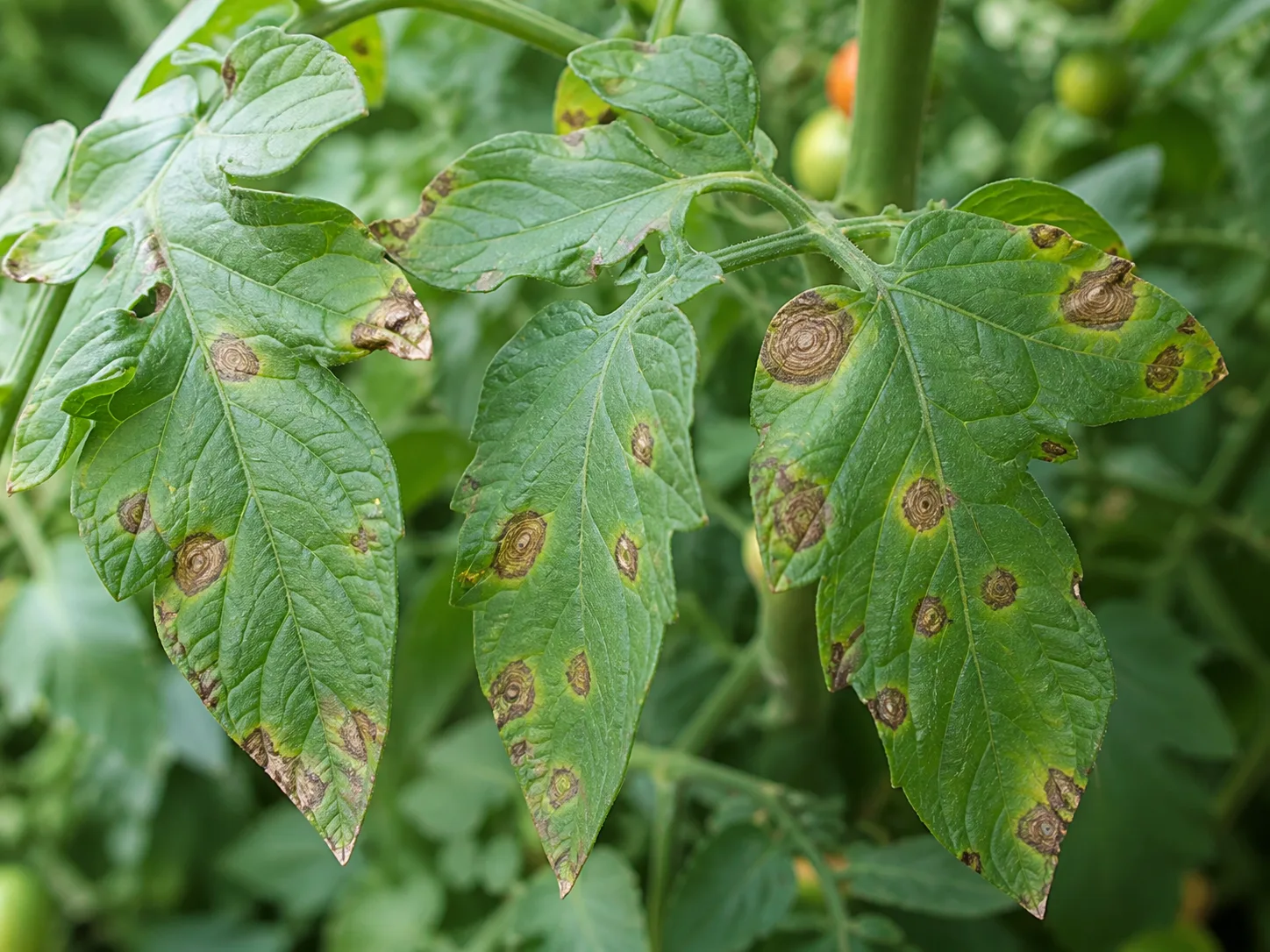
If treatment is necessary, identify the pest or disease first and follow the current label for the intended edible crop. A companion plant is not a reason to spray a whole bed, and a product labeled for one crop may not be labeled for another. This targeted approach protects pollinators and prevents a guess about “tomato disease” from becoming an unnecessary treatment.
Better neighbors and a smarter rotation plan
Tomatoes do not need a ring of special plants to grow well. They need a sunny site, adequate root space, consistent moisture without waterlogging, support, and enough access for scouting. The best neighbor is often a plant that matures at a different height or season and can be removed before it crowds the tomato.
Choose short, manageable crops for the tomato bed
Short-season greens, parsley, cilantro, scallions, bush beans, and low flowers can be easier neighbors than the plants on this list when they fit the season and water needs. Fine Gardening’s companion-planting overview describes the practical value of pairing deep- and shallow-rooted crops or short-season crops with long-season fruiting plants. Use the idea as a layout tool, not a pest-control promise.
BBC Gardeners’ World makes the evidence boundary clear in its companion-planting combinations guide: many claimed benefits are anecdotal, although matching plant size, season, and purpose can still make good horticultural sense. That is why marigolds, alyssum, basil, and herbs can be attractive tomato-bed additions without being treated as guaranteed insect repellents.
Rotate nightshades out for three to four years
Crop rotation is the long-term fix for the nightshade cluster. The University of Wisconsin recommends not growing vegetables or cover crops from the same family in an area more than once every three to four years when possible, while noting that even an annual family change helps in a small garden. Keep a simple bed map so next year’s “tomato spot” does not become the potato spot by accident.
After tomatoes, choose a different family such as beans, carrots, beets, onions, lettuce, or other crops suited to your climate and soil. This does not make a black-walnut site safe—juglone is a permanent landscape constraint rather than a rotation issue—but it reduces the repeated host pressure that makes a small vegetable bed harder to manage.
Conclusion
Most of the 11 plants on this list are not forbidden because they dislike tomatoes. They are poor immediate neighbors when their mature size, water needs, shared pests, family history, or harvest method creates a crowded bed. Black walnut is the exception: keep tomatoes away from its root zone and debris rather than trying to solve juglone with companion planting.
Start with the bed map. Give tomatoes their own light and airflow, move potatoes, peppers, and eggplants into a rotation plan, place corn and sunflowers where they do not shade the crop, trellis cucumbers, contain fennel, and give sweet potatoes space to run. Then scout what you grow and use physical protection when needed. That approach turns a vague “never plant these together” rule into a garden layout that protects both the plants and the harvest.