8 Overrated Houseplants: Why They Struggle Indoors
Some popular houseplants are poor matches for ordinary rooms. See why eight overrated houseplants struggle indoors, and who should grow them anyway.
“Overrated” is not a botanical diagnosis, and plant professionals do not share one universal blacklist. It usually means a plant is sold for the look people want while its real needs—stronger light, steadier warmth, a particular watering rhythm, or seasonal attention—do not match the room where it lands.
That distinction matters: several plants below are rewarding in the right setup. One is artificial, so it is not even in the same category as the living plants. Use this list to decide whether a plant suits your home, not to feel bad about liking it.
What makes a houseplant overrated?
A plant earns the label when the marketing promise hides the maintenance or conditions behind the display. “Low light” may mean a plant tolerates less light than a sun-loving species; it does not mean it can thrive in a windowless corner. Likewise, a colorful plant bought for a few weeks of holiday décor is not necessarily a poor purchase if that is exactly the job you want it to do.
For a useful test, compare the plant’s needs with three things you can observe: how bright the intended spot is, how long its pot stays damp after watering, and how much seasonal care you are willing to provide. Extension guidance stresses choosing houseplants for the conditions available indoors, because light, humidity, temperature, and watering differ from a plant’s ideal outdoor environment (Nebraska Extension’s houseplant guide; Purdue Extension’s indoor plant care guide).
English Lavender: lovely outside, demanding indoors
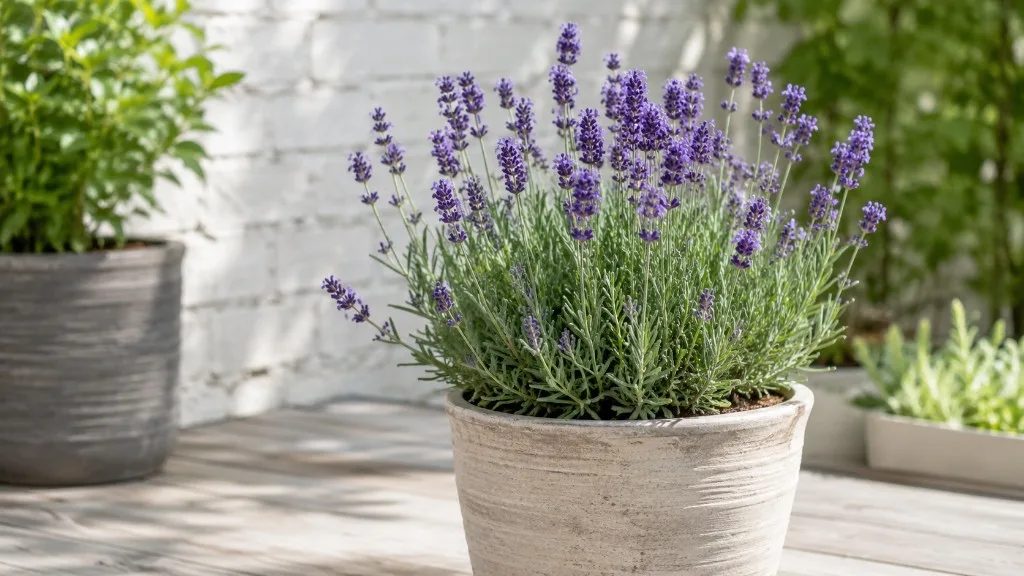
English lavender is prized for its fragrance, purple blooms, and drought tolerance. The catch is that those strengths come from a sun-loving, fast-draining shrub. NC State and the Royal Horticultural Society both describe lavender as needing full sun and sharply drained soil; that combination is easy on a sunny patio and much harder to reproduce in an average living room (NC State Plant Toolbox; RHS lavender growing guide).
An indoor lavender plant needs the brightest window you have, ideally several hours of direct sun, plus a pot with drainage and a mix that does not remain wet. A north-facing room, heavy decorative cachepot, or frequent small sips of water stacks the odds against it: weak light slows growth and drying, while persistently damp roots invite rot. A compact cultivar can still work in a very sunny kitchen or enclosed porch, but “aromatic houseplant” should not be read as “happy in any bright-looking room.”
If you mainly want a few weeks of scent and color, treat a blooming nursery plant as seasonal décor and move it outdoors when weather allows, acclimating it gradually to stronger sun. If you want a permanent indoor plant with fragrance, grow culinary herbs under a strong grow light or choose a foliage plant that tolerates your actual window. Lavender is a poor default houseplant, not a bad plant.
Poinsettia: more than a holiday decoration
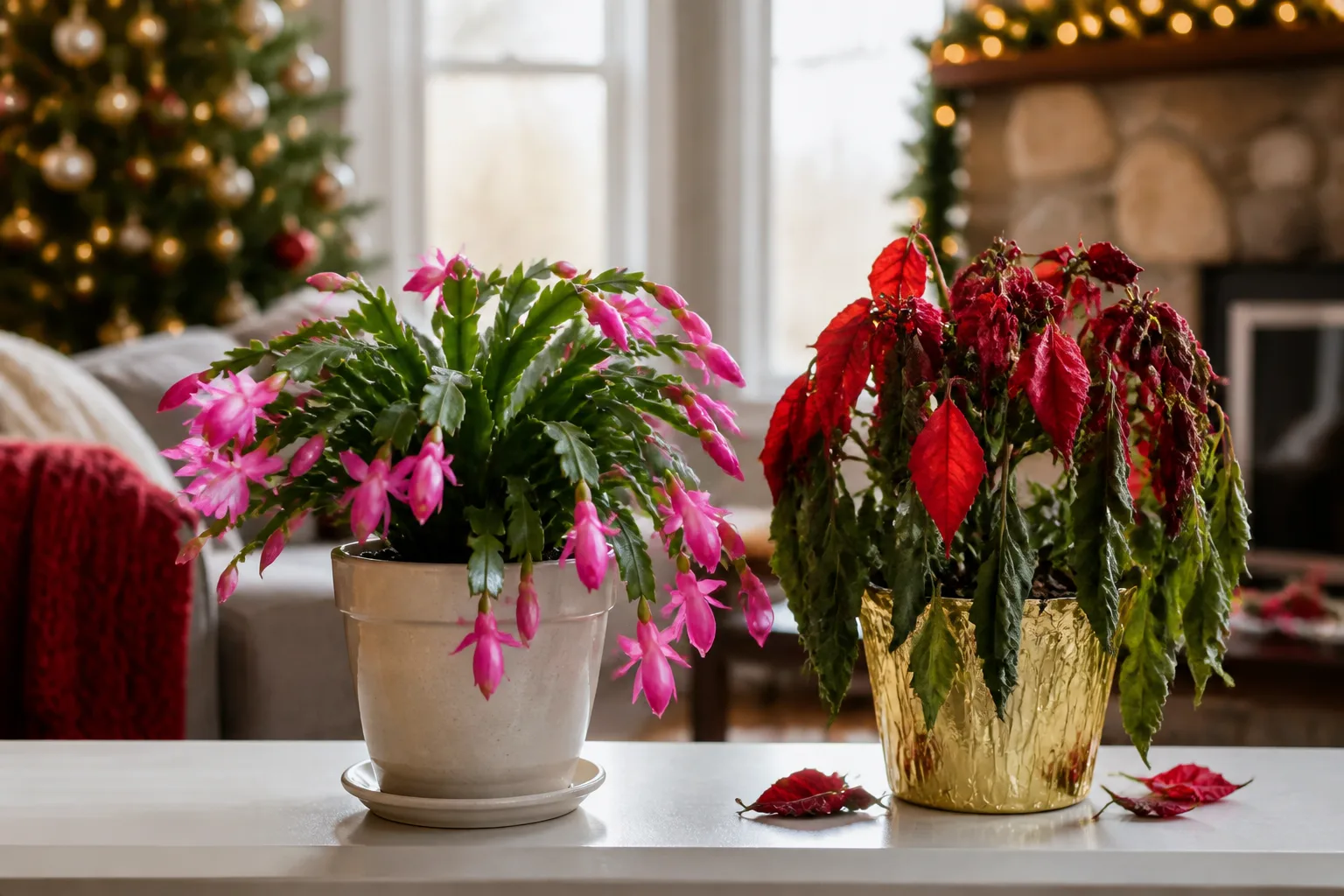
Poinsettias are often dismissed as disposable because their red display is seasonal. The colored parts are bracts—modified leaves—not petals, and modern cultivars can hold their color for months indoors when kept warm, bright, and away from drafts. UF/IFAS recommends watering when the soil surface feels dry and draining excess water from the saucer; the RHS similarly warns that cold drafts, hot dry spots, and waterlogged or parched compost can trigger leaf and bract drop (UF/IFAS poinsettia guidance; RHS poinsettia growing guide).
Keeping one through the year is realistic. Getting the bracts to color again by Christmas is the project: the plant needs a long, uninterrupted night each day for roughly eight to ten weeks in fall. The RHS describes the target as fewer than 12 hours of light daily; room lights or a streetlit window can interrupt the dark period. If you do not want to manage that schedule, enjoying the plant through winter and composting it responsibly afterward is a reasonable choice—not evidence that you failed.
Pet-safety descriptions can sound contradictory. UF/IFAS says poinsettias are not poisonous, while ASPCA lists the sap as an irritant that may cause mouth or stomach irritation and sometimes vomiting, generally with toxicity considered overrated. The practical takeaway is proportionate: do not invite chewing, wash sap from skin, and contact a veterinarian or poison-control service if an animal eats the plant or becomes unwell (ASPCA poinsettia listing). Choose this plant if seasonal color is the point; skip it if you expect a carefree, year-round bloom without a dark-period routine.
String of Pearls: a trailing succulent with little margin for error
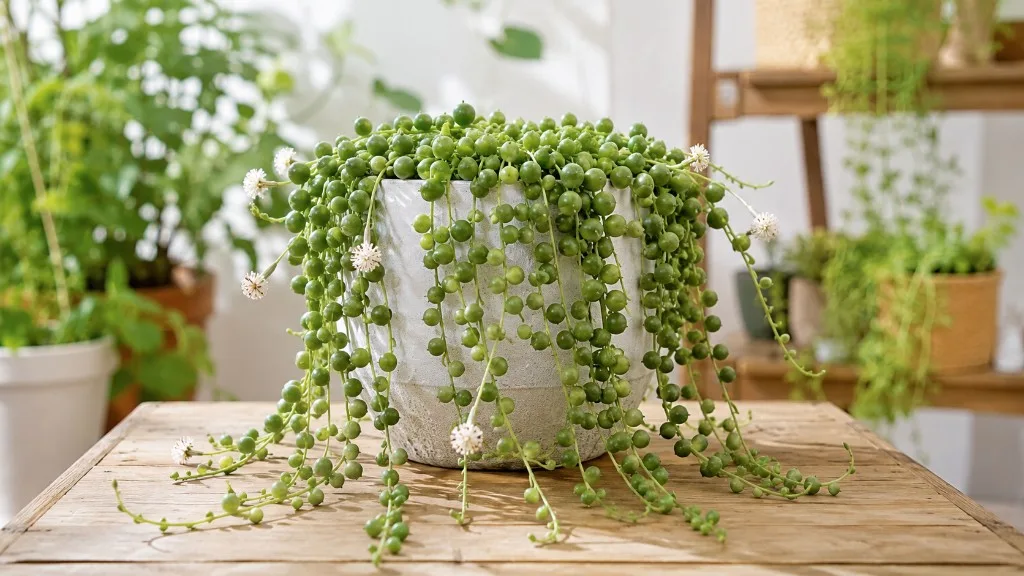
The beadlike leaves make string of pearls look like a forgiving hanging plant, but its shallow roots and succulent stems are a poor match for frequent watering or dim rooms. It wants bright light and a fast-draining mix; a pot without a drainage hole turns an ordinary watering mistake into a long period of wet soil. Gardening Know How’s care guide likewise emphasizes strong light, drainage, and letting the plant dry between waterings (String of Pearls care guide).
The safer routine is to check the mix rather than follow a weekly calendar. When the root zone has dried, water thoroughly and let the pot drain; do not leave it sitting in the saucer. Flat or deflated beads can signal thirst, while translucent, mushy stems and a sour-smelling mix point toward excess moisture or root trouble. A bright east or west window often works better than a shelf several feet into the room, where the plant may stretch toward the light and use water slowly.
This is a satisfying choice for someone with a sunny window who enjoys checking a small pot. If you want a long cascade but forget watering or have limited bright light, choose heartleaf philodendron or pothos instead. Their leaves do not mimic pearls, but they tolerate ordinary indoor conditions with much more room for error.
Peace Lily: easy to keep alive, harder to keep flowering
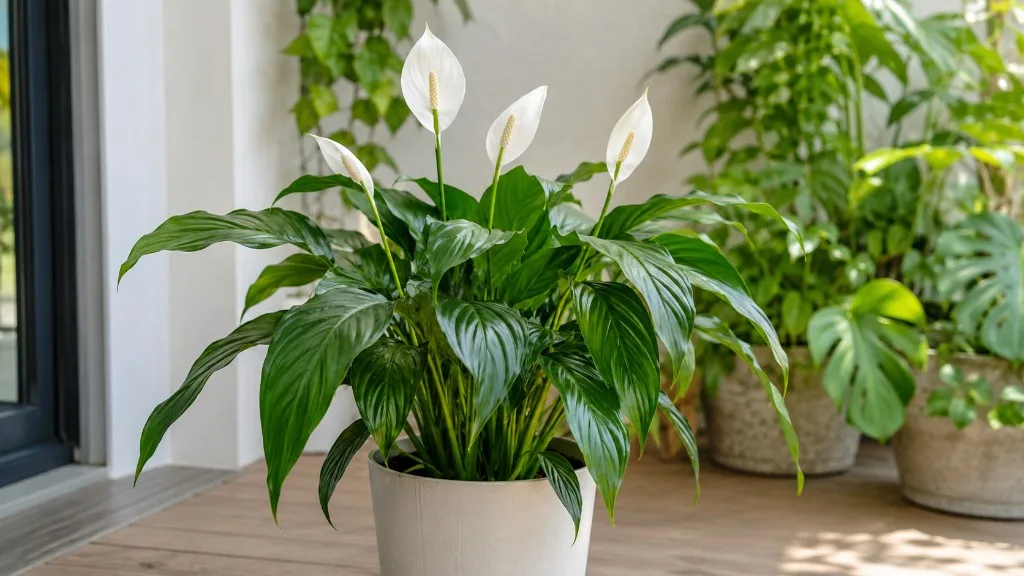
Peace lilies are often criticized as dull office plants, which is a matter of styling, not horticulture. Their glossy leaves and white spathes can look elegant in a well-chosen pot. The real disappointment is expecting reliable flowers in a dark corner: peace lilies tolerate lower light, but low light can mean fewer blooms, while harsh direct sun can scorch foliage. Homes & Gardens’ practical placement guide makes the same distinction between tolerating lower light and having enough light to flower (Homes & Gardens peace lily placement guide).
Give one bright, indirect light and a potting mix that stays lightly moist without standing water. A peace lily that droops is asking for attention, but repeated wilting is not a watering strategy; check the soil before watering and empty the cachepot or saucer. If new leaves look healthy and the plant is stable but bloomless, first assess light and maturity instead of adding fertilizer or moving it into direct afternoon sun.
There is also a real household constraint: ASPCA lists peace lilies as toxic to cats and dogs because they contain insoluble calcium oxalates, which irritate the mouth and can cause drooling, vomiting, or difficulty swallowing. Keep the plant inaccessible or choose a pet-safer alternative if an animal chews foliage (ASPCA peace lily listing). The plant itself is not overrated for everyone; it is a poor fit when you want flowers in deep shade or need every plant within pet reach to be non-toxic.
Parlor Palm: an indoor palm that gets unfairly lumped in with others
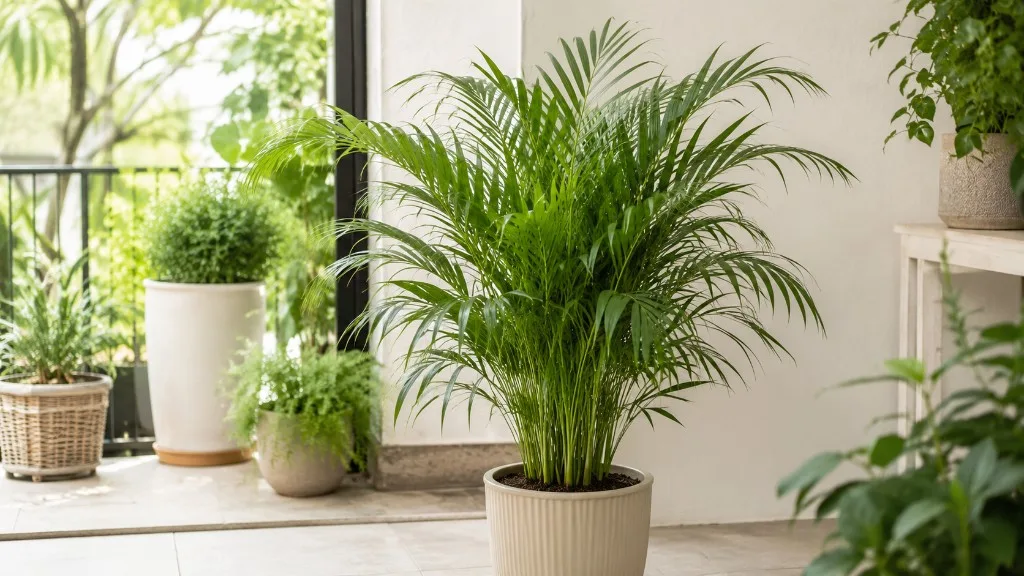
The claim that true palms do not want to live indoors is too broad. Parlor palm (Chamaedorea elegans) is a tropical understory species that has long been grown inside. NC State says it tolerates low light and dry indoor air, although bright indirect light and moderate humidity support fuller growth; it also notes that this palm is not hazardous to pets (NC State Plant Toolbox parlor palm profile).
Its actual drawbacks are less dramatic: it grows slowly, dislikes waterlogged roots, and may lose some crowded stems when several seedlings share one pot. A plant can survive in a dim room without looking lush, so place it near a north- or east-facing window if you want steady, compact growth. Let the mix dry slightly between waterings, protect it from cold drafts, and do not repot simply because growth seems slow.
Parlor palm is a good pick for someone who wants a small, pet-friendlier palm and accepts gradual growth. It is not a substitute for a large, fast-growing tropical statement plant, and no palm can make a room with virtually no daylight into a good growing space. Of the plants on this list, it is one of the most unfairly maligned.
Painted Succulents: color added for display, not plant health
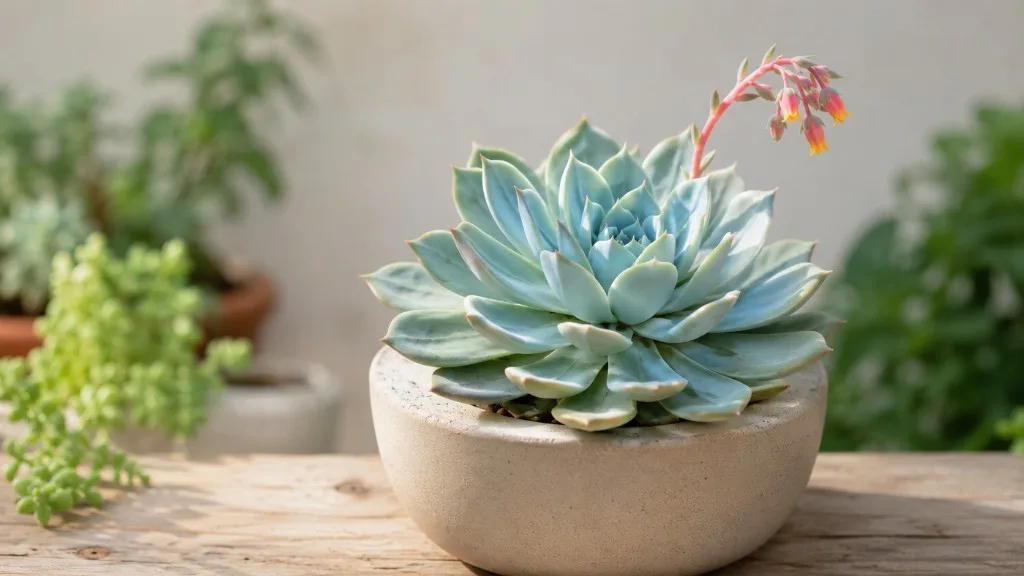
Painted succulents are living plants coated with artificial color, glitter, or a metallic finish. That coating does not create a new cultivar, and thick or opaque coverage can shade photosynthetic tissue. The effect depends on the material and how much of the plant is covered, so claims that every painted succulent will die quickly go too far; nevertheless, the paint adds no horticultural benefit and can hide natural signs of stress.
Do not scrape or dissolve the coating with household solvents. The outer leaf surface is delicate, and aggressive removal may injure the plant more than leaving the finish alone. If you already own one, give it appropriate bright light, water only when the mix dries, and look for healthy new growth; uncoated leaves emerging from the center are a better sign than the appearance of the painted outer leaves.
If you want color, buy a named, unpainted succulent. Echeverias and other sun-grown rosette succulents can develop gray, blue, burgundy, or pink tones naturally, although color varies with cultivar, light, and growing conditions. These still need bright light and well-drained soil, so they are a better swap for a sunny sill than for a dim shelf.
Alocasia amazonica: dramatic leaves, specific conditions
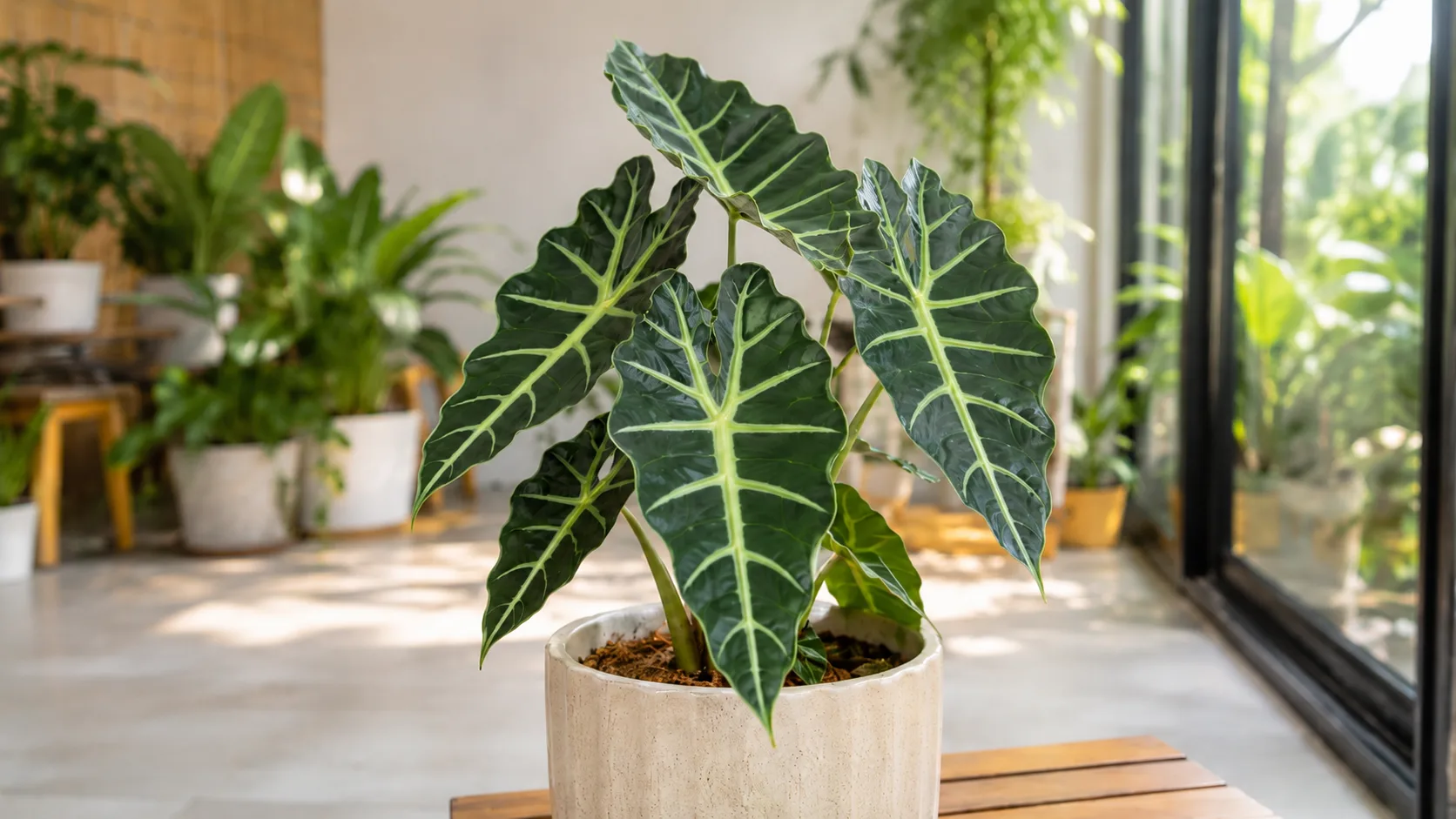
The dark, arrow-shaped leaves and bright veins are the attraction; inconsistent conditions are the cost. Plants sold as Alocasia amazonica or ‘Polly’ are cultivated hybrids, and NC State lists the commonly used name under Alocasia × mortfontanensis. A label can be confusing, but the care question is simpler: can you provide warmth, bright filtered light, an airy mix, and attentive watering without keeping the roots constantly soggy?
One older leaf yellowing as a new one opens is not automatically a crisis. Judge the whole plant: repeated leaf loss with no replacement, a soft corm, or a persistently wet pot suggests a problem; one-for-one turnover on a growing plant may be ordinary aging. Avoid trying to fix every brown edge by misting. Stable warmth, adequate light, airflow, and a moisture check at the root zone matter more than a quick humidity hack.
This is a rewarding specimen if you like monitoring a plant and can give it a bright, warm spot. It is a frustrating impulse buy for a cold, dim room or an irregular watering routine. ASPCA lists Alocasia as toxic to dogs and cats due to insoluble calcium oxalates, so place it where pets cannot chew it or choose a different foliage plant (NC State Alocasia profile; ASPCA Alocasia listing).
Artificial Houseplants: useful décor, different trade-offs
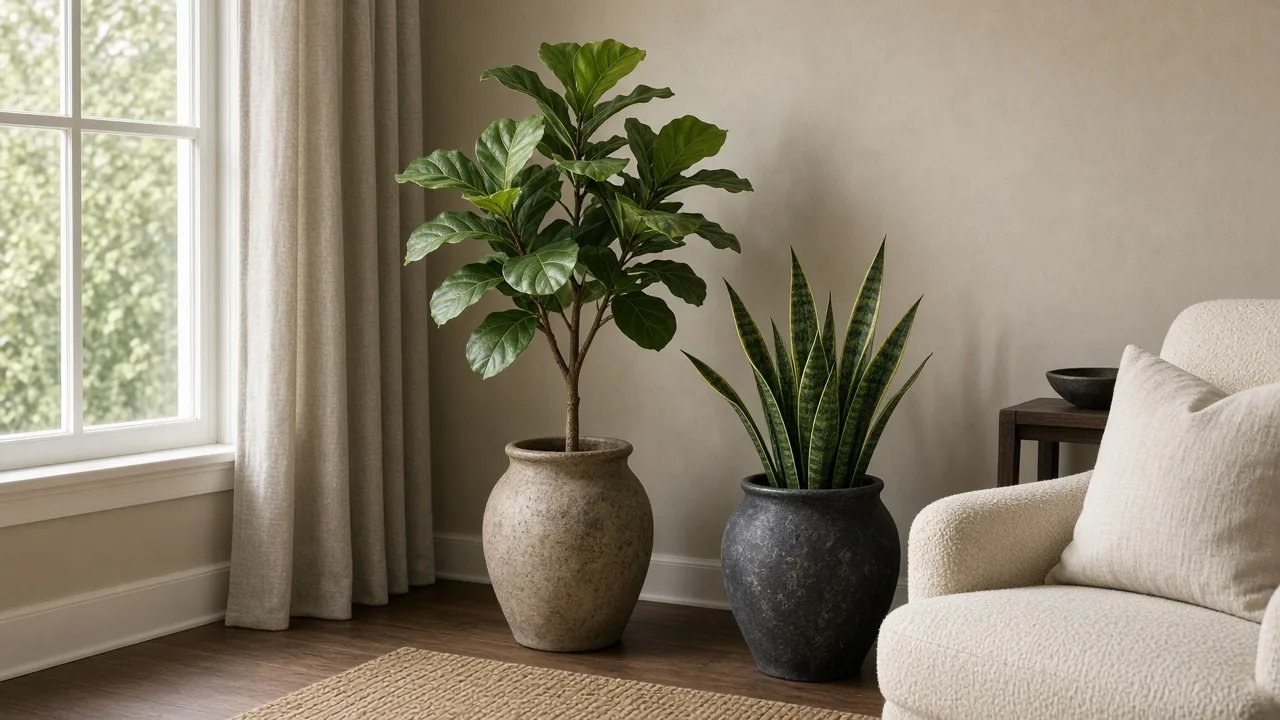
An artificial plant is not a failed houseplant. It is décor for a windowless bathroom, a high shelf, a frequently empty home, or a place where living foliage would be unsafe or impractical. It will not grow, flower, respond to care, or provide the biological functions of a living plant, but it also will not wilt when a work trip runs long.
The hidden maintenance is dusting and, near a bright window, fading. Cheap mixed materials can also be difficult to repair or recycle, so choose one you intend to keep rather than replacing it every season. For a dark spot, a convincing artificial plant may be the most honest choice; for a bright window, a low-maintenance living plant gives you changing growth and can be composted at end of life where local systems accept it. Treat the two as different tools, not moral opposites.
Choose by the room you actually have
Before buying, stand where the pot will sit at midday and notice whether direct sun reaches that spot, whether the room stays cold near the glass, and whether the plant will be accessible to pets. A plant displayed in a greenhouse or shop has been grown in brighter, more controlled conditions than many homes offer. The goal is not to reproduce a nursery; it is to choose a plant that can adjust to your home’s limits.
Start with usable light
“Bright room” is not a reliable measurement. A window-facing sill and a table several feet back can receive very different amounts of light, and direction, trees, curtains, and season all matter. Match sun-loving choices such as lavender and succulents to your brightest positions; reserve lower-light tolerant plants such as parlor palm for interior spots, while remembering that tolerance means slower growth rather than zero-light survival. If no window suits the plant, a grow light or a different plant is more useful than repeatedly moving it after decline.
Match the watering routine to the roots
Check moisture before watering and make sure excess water can escape. A small succulent in a gritty mix may dry in a few days in summer and much more slowly in winter; a larger tropical plant in a nursery pot may need water on a different rhythm. Pour until the root ball is evenly moistened, drain the saucer, and wait until that plant’s appropriate portion of mix dries again. Calendar reminders can prompt a check, but they should not decide whether the plant gets water.
Check household and pet constraints
If a pet can reach a plant, verify that exact species in a current poison-control or veterinary reference before bringing it home. “Pet-friendly” labels are shorthand and do not guarantee that chewing a large amount is harmless. Peace lily and Alocasia contain insoluble calcium oxalates; poinsettia sap is an irritant. When in doubt, place a plant out of reach or choose a verified safer option, and contact a veterinarian or poison-control service after a suspected ingestion.
Better alternatives for the look you want
Replacing a trendy plant works best when you preserve the feature you liked. Think about whether you wanted fragrance, a trailing outline, a sculptural silhouette, or a burst of seasonal color; then choose for the light and care you can provide. An “easy” plant in the wrong window will still be difficult.
For flowers or fragrance
For a sunny sill, try a compact herb such as thyme or rosemary if you can provide direct light and let the mix drain. For seasonal indoor flowers, Christmas cactus or cyclamen can give a deliberate bloom display without pretending to be permanent foliage; follow each plant’s temperature and watering needs. If your room is dim, enjoy cut lavender or a flowering bouquet instead of asking a sun-loving shrub to flower there.
For a trailing shape
Pothos and heartleaf philodendron provide long, leafy stems and forgive missed waterings better than string of pearls. They still need usable light and a draining pot, but their foliage gives clearer feedback and they recover more readily from ordinary indoor variation. Choose a compact philodendron for a shelf, or train pothos along a support if you want height rather than a hanging cascade.
For bold foliage
If you like the patterned leaves of Alocasia but not its care sensitivity, try a robust Aglaonema or a mature rubber plant in a bright indirect spot. For a palm-like shape with less concern about pet toxicity, parlor palm is already the strongest candidate on this list; a spider plant is another adaptable option with arching leaves. Confirm each plant’s pet status individually and remember that “low light” still means some daylight.
Conclusion
The most overrated houseplant is the one sold as effortless for a home that cannot meet its needs. Lavender can thrive outdoors, poinsettia can last beyond the holidays, string of pearls can flourish on a bright dry sill, and parlor palm is a genuinely useful indoor palm. Keep the plant if its conditions fit; choose a substitute if they do not. Your window, routine, and household matter more than a trend or a universal list of favorites.