7 Overrated Houseplants—and Who Should Still Grow Them
Seven popular houseplants can demand more light, humidity, or upkeep than expected. Learn the trade-offs, who should grow them, and what to choose instead.
“Overrated” is not a botanical category. It is a judgment about the gap between a plant’s reputation and what it asks from the person taking it home. A Boston fern may be effortless on a humid porch and a daily chore in a heated apartment; a variegated Monstera may be worth every penny to one collector and a slow-growing green plant with an expensive pattern to someone else.
The useful question is not whether these seven plants are bad. It is whether their signature feature is worth the light, humidity, watering attention, floor space, price, or specialized setup your home will need to provide. Each has a real appeal, and each can disappoint when the conditions behind its glossy shop-floor appearance are missing.
What “overrated” means when a plant is alive and well
A plant can be popular, beautiful, and perfectly healthy while still being the wrong purchase for a particular room. “Overrated” becomes a fair shorthand when marketing makes a plant look nearly effortless, but the grower only discovers its nonnegotiable needs after bringing it home. That is a mismatch, not a personal failure or proof the species is inherently difficult.
There is also a difference between keeping a plant alive and keeping it looking like the full, compact, unblemished specimen in a shop. A fern that sheds some fronds may be alive but messy; a polka-dot plant that grows long stems may be vigorous but no longer resemble its nursery pot; a Monstera that grows slowly may be healthy but not deliver quick visual payoff. Decide which outcome matters to you before judging the plant.
The seven below are not a ranking of the hardest plants, and there is no reliable universal measure of “overrated.” They are popular plants whose rewards come with specific conditions or trade-offs. A household that can supply those conditions may find each one satisfying; a household that cannot may be happier choosing a plant with the same visual effect and fewer constraints.
The three-question fit test to use before buying
Before buying any high-profile houseplant, ask three practical questions: Does the spot have enough usable light? Can my watering routine match the plant’s root zone rather than a weekly calendar? Am I willing to make room for the plant’s mature size and ongoing upkeep? These questions catch more mismatches than a generic “beginner-friendly” label.
Check light, moisture, and maintenance as a package
Start with the exact place the pot will live, not the brightest place in the store. Note whether direct sun reaches it, how far it sits from the glass, and whether a heater, air conditioner, or draft affects it. “Bright room” can still mean dim light at the back of a shelf, while a south-facing window can be too intense for a plant that has never been acclimated to direct rays.
Next, match the plant’s preferred moisture pattern to your habits. Some plants object when their mix dries fully; others need the root ball to dry between thorough waterings. Drainage matters in both cases: roots that like moisture still need oxygen, and a pot standing in a full cachepot can stay wet long after the surface looks dry.
Finally, count the work that does not show in a care label: sweeping fallen leaflets, pinching growth, buying low-mineral water, running a humidifier, rotating a heavy pot, or providing a cool seasonal rest. If the care sounds unpleasant before you buy, it rarely becomes fun because the plant is fashionable. The best match is the one whose repeated tasks fit an ordinary week in your home.
Boston fern: lush fronds, little tolerance for missed watering
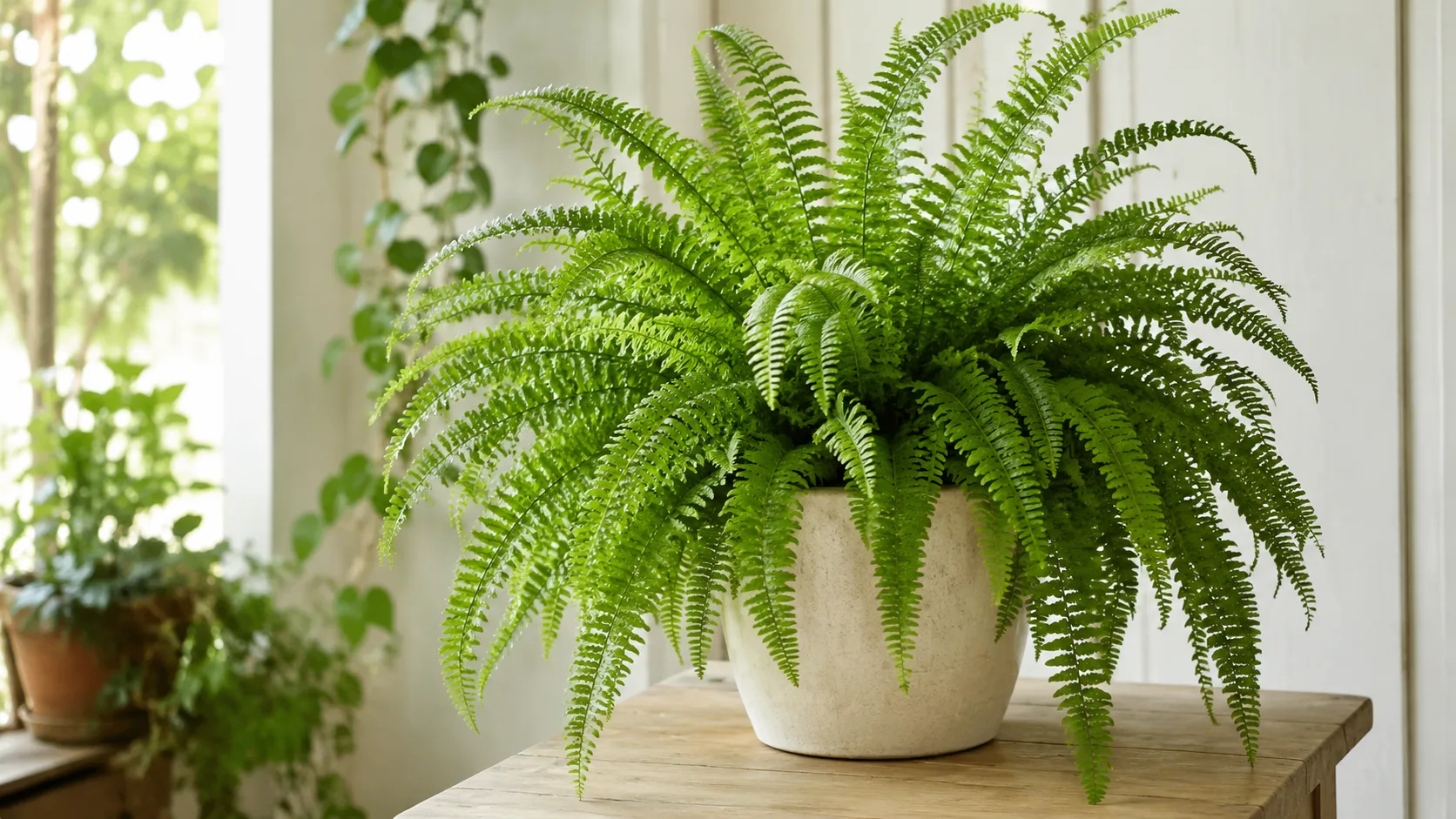
The Boston fern’s appeal is easy to understand: its arching fronds fill a hanging basket or brighten a shaded corner without looking stiff. It is often described as forgiving, but that word can blur two different things. A plant may recover from an imperfect week and still demand more consistent moisture and humidity than a busy household wants to provide.
Boston ferns prefer a mix that stays evenly moist but not sodden, bright indirect light, and humid air. Gardening Know How’s Boston fern care guide likewise describes consistent moisture and humidity as central to keeping the fern lush. In a dry winter room, warm air from a vent can speed moisture loss, and a missed watering may show up as brown fronds and leaflets scattered below the basket.
That litter is part of the real maintenance cost. A hanging plant is harder to inspect, lift, and water evenly than a small pot on a table; if water drains onto the floor, it becomes a household chore as well as a plant-care task. A bathroom can help only when it also has adequate light and airflow. Humidity does not compensate for a dark room or persistently waterlogged soil.
Choose a Boston fern if you have a bright, naturally humid spot, enjoy regular checks, and do not mind trimming old fronds or cleaning up shed leaflets. If you want a soft, arching look but your indoor air is dry, a bird’s-nest fern or parlor palm may ask less of you, although every species still has its own light and watering needs. If you already own a fern, try moving it away from vents and checking the pot before it dries completely before deciding it has to go.
Calatheas: gorgeous leaves with a narrow comfort zone
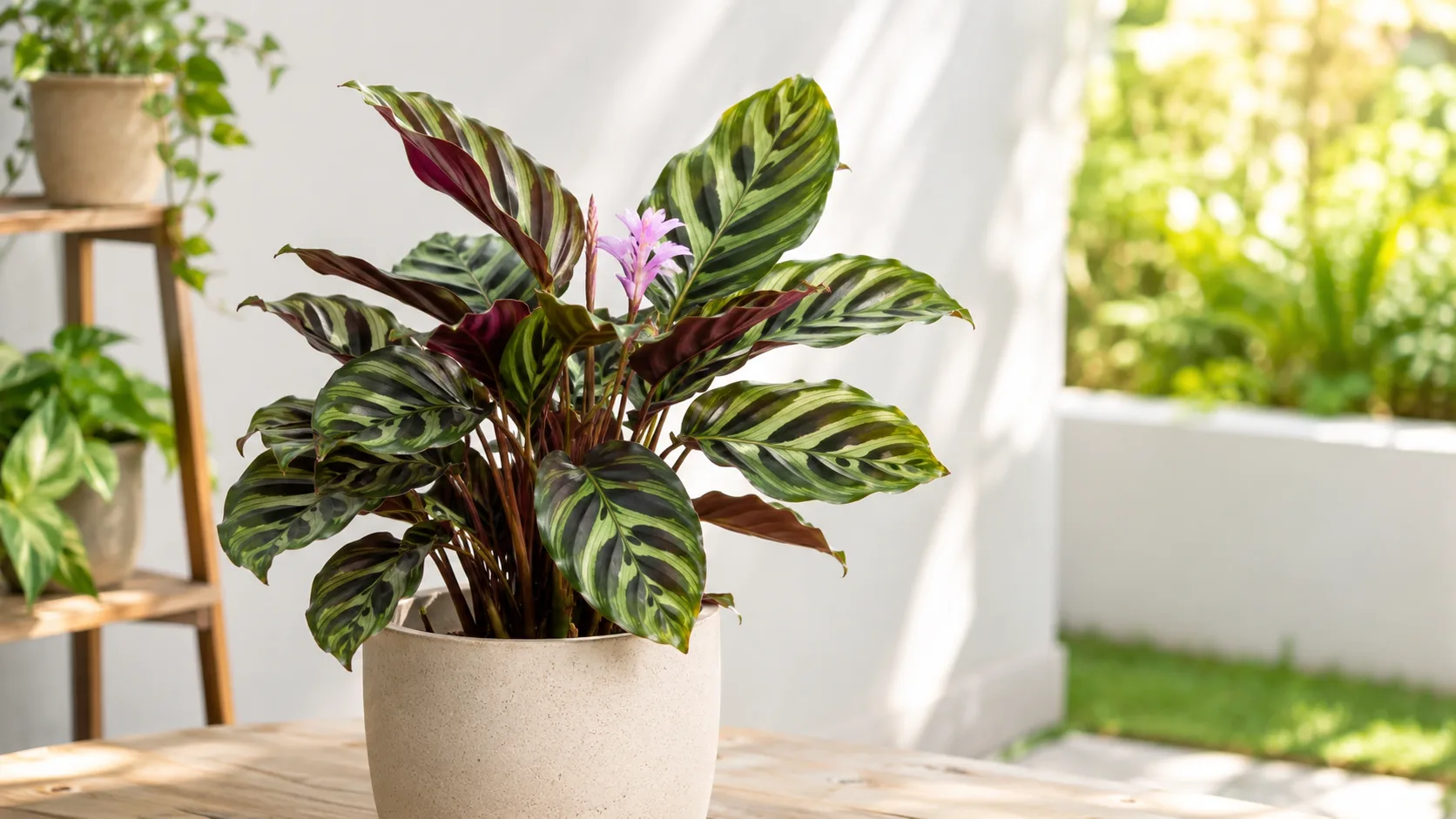
“Calathea” covers a group of patterned tropical foliage plants, not one uniform care recipe. Their leaf markings are the selling point, but those leaves can show stress quickly when the air is dry, the room is chilly, the light is harsh, or the root zone swings between bone-dry and waterlogged. This fast feedback can make the plant feel fussy even when the real issue is one fixable feature of its placement.
For example, the Royal Horticultural Society’s profile for pinstripe calathea recommends bright, filtered light, high humidity, and warm, draught-free conditions. NC State Extension’s Goeppertia ornata profile similarly describes moist but well-drained media, warmth, and high humidity. Those needs help explain why an ornamental calathea may struggle beside a heater or in a room that gets cold against the glass at night.
Brown edges do not identify one cause by themselves. Before replacing the plant or buying a humidifier, check whether the mix is drying too far, whether water is draining, and whether the leaves face direct sun or a draft. If the room is generally dry, measure it with a hygrometer rather than misting several times a day and assuming the air stays humid; brief leaf wetting is not the same as a stable change in room humidity.
Calatheas make sense for someone who likes patterned foliage, has a warm bright-indirect spot, and is willing to monitor moisture and room conditions. They are a poor impulse buy for a cold windowsill, a dark office, or a person who wants to water every plant on the same weekly schedule. If you love the look but not the upkeep, try a peperomia or an Aglaonema suited to your light; avoid swapping one humidity-loving prayer plant for another and expecting a dramatic reduction in care.
Carnivorous plants: fascinating, but not casual novelty plants
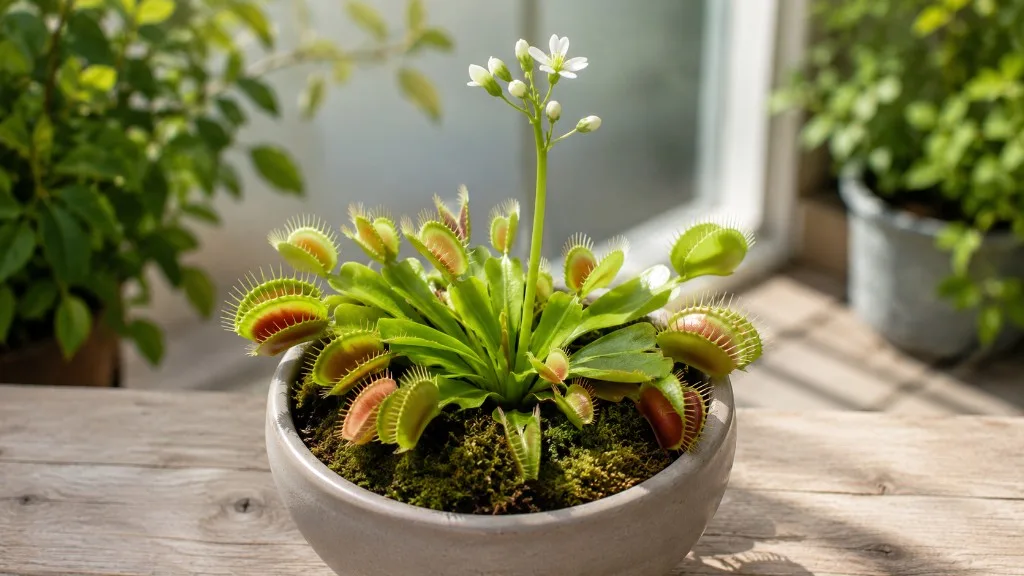
Venus flytraps, sundews, and pitcher plants are captivating because they do something most houseplants do not: capture prey. Their reputation as a fun desktop novelty can hide the fact that many are bog plants with requirements that differ from ordinary foliage plants. They are not disposable decorations, and feeding insects is not a substitute for providing the right light, water, and seasonal conditions.
For a Venus flytrap, water quality is a hard constraint. NC State Extension’s plant profile and the University of Alaska Fairbanks Institute of Arctic Biology’s care notes recommend low-mineral sources such as rainwater or distilled water rather than typical mineral-rich tap water. UF/IFAS Extension also cautions growers to avoid repeatedly triggering traps; closing and reopening takes energy, so it is not a harmless toy for constant handling.
Light is another common mismatch. A sunny windowsill or appropriate grow light may be necessary to keep a Venus flytrap robust indoors, while a glass terrarium on a desk can overheat or restrict airflow depending on its design. Many Venus flytraps also benefit from a cool winter dormancy; a plant that slows down seasonally is not automatically dying, but someone seeking constant year-round growth may dislike that rhythm.
Buy one only if you are comfortable sourcing suitable water, giving it strong light, and learning its seasonal cycle. Do not buy it as a natural mosquito trap, a pet that can be fed scraps, or an easy plant for a dark office. If the predatory novelty is the entire attraction, there is no ordinary houseplant that behaves exactly the same way; if you mainly want unusual leaves, choose a colorful foliage plant that fits your actual windows and routine instead.
Fiddle-leaf fig: a statement tree that needs a stable home
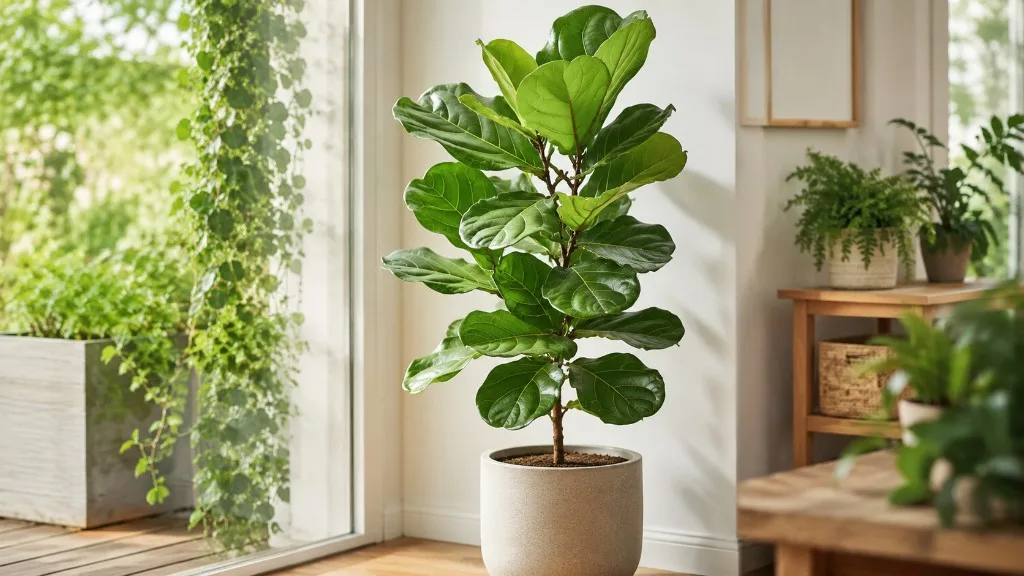
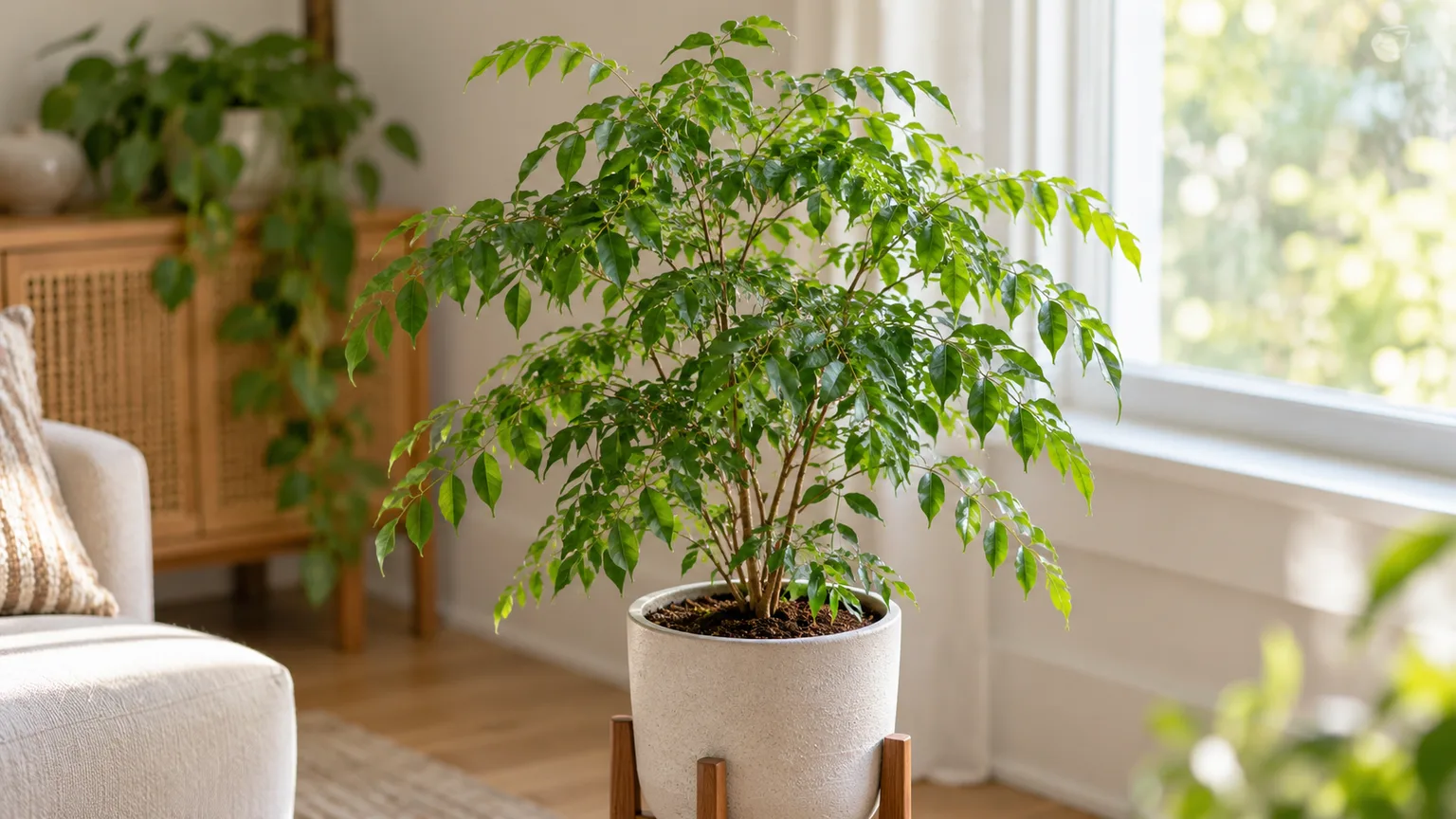
Few plants deliver a tall, sculptural focal point as quickly as a fiddle-leaf fig. The same size that makes it striking also makes it difficult to hide in a room that lacks bright light or floor space. A small plant bought for a corner can become a large indoor tree, and its position is not easy to change once the pot is heavy and the branches spread.
NC State Extension’s Ficus lyrata profile notes that fiddle-leaf figs can reach several feet indoors, prefer bright indirect light, and are sensitive to overwatering and temperature fluctuations. Epic Gardening’s practical growing guide adds an important point: these plants may react poorly to abrupt environmental changes. A room with a workable bright window, stable temperatures, and enough clearance is a better starting point than repeatedly moving the fig to chase a perfect look.
Leaf drop is a symptom, not a diagnosis. If leaves fall after a move, a cold draft, a change in watering, or a major shift in light may be involved; check the history and the potting mix before you react. Changing the location, watering frequency, fertilizer, and pot all in one afternoon makes it harder to learn what caused the decline and can add more stress to an already adjusting plant.
Keep a fiddle-leaf fig if you have a bright, stable position and genuinely want a large-leafed indoor tree. Consider a rubber plant if you want a similar upright silhouette but would prefer a plant with a broader reputation for tolerating ordinary indoor variation; it still needs light and can still become large. If the fig must live in a dim corner or block a walkway, the fairest conclusion may be that the room—not your skill—is a poor match.
Pearls and Jade pothos: forgiving, but not a low-light variegate
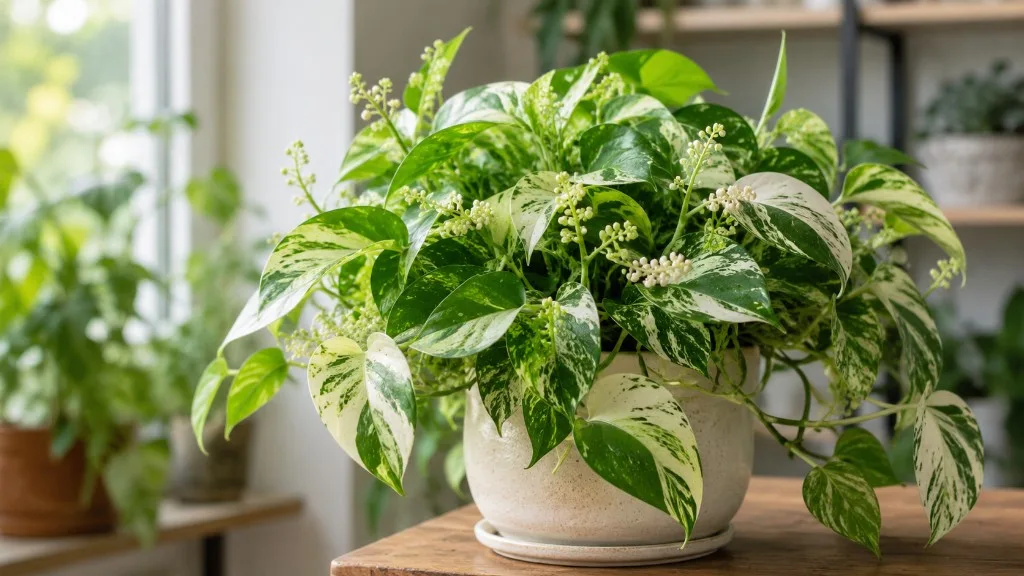
Pearls and Jade pothos combines the forgiving trailing habit people expect from pothos with smaller leaves marked in green, white, and gray. That makes it attractive for shelves and hanging planters, but a variegated cultivar is not always as visually rewarding in the darkest corner where plain green pothos might keep growing. The cream areas contribute less green surface to the leaf, and the plant may lose some contrast when light is inadequate.
NC State Extension’s pothos profile describes the species as easy to grow and notes that low light can reduce variegation. That is a useful distinction: the plant may survive and continue trailing while the bright pattern that justified the purchase becomes less prominent. If the leaves are becoming greener, move the pot gradually to a brighter indirect-light position rather than placing it suddenly in harsh afternoon sun.
The rest of the trade-off is modest but real. Pothos still needs a draining container, an occasional moisture check, and pruning if long stems become sparse; low light slows growth and can make the vine look less full. If you leave home often, it is generally more forgiving than a calathea or fern, but if you expect fast growth, sharply defined variegation, and an interior shelf far from a window all at once, the conditions are working against each other.
This plant is a reasonable choice for a pothos lover who has bright indirect light and enjoys a slower, patterned vine. A solid-green pothos or heartleaf philodendron is a more practical option for a dimmer spot, though both still need some daylight. Keep pothos out of reach of pets that chew plants; NC State identifies it as having poisonous characteristics, so do not assume a common houseplant is harmless if ingested.
Polka-dot plant: colorful, quick to outgrow its tidy phase
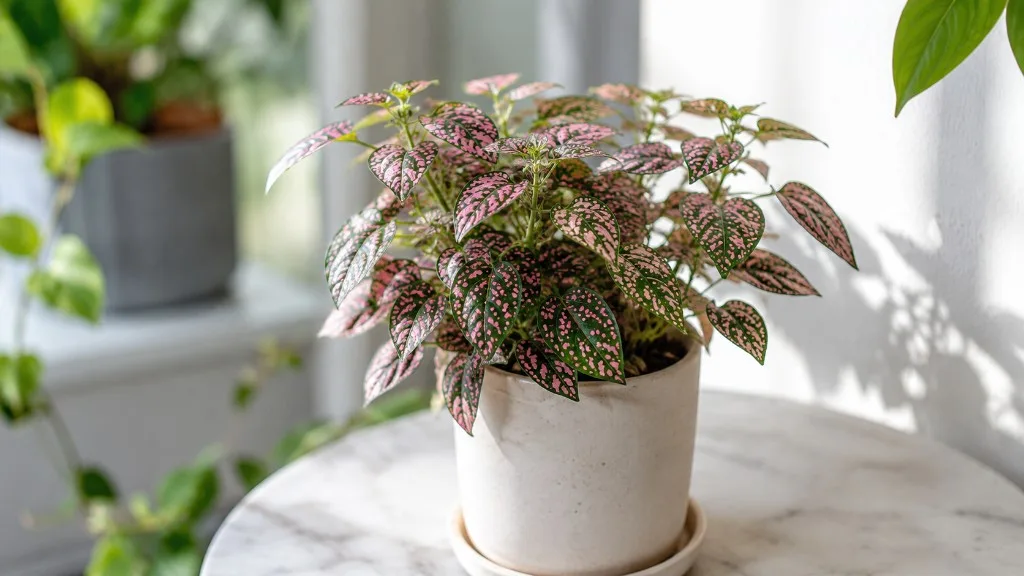
The polka-dot plant (Hypoestes phyllostachya) delivers a vivid burst of pink, red, or white pattern in a small pot. Its compact shop appearance can be misleading because the plant keeps growing: stems may stretch, foliage can become less dense, and flowering can shift the look from a tight mound to a looser plant. That change is not necessarily a care failure; it is part of the maintenance bargain if you want the plant to stay compact and colorful.
BBC Gardeners’ World Magazine’s polka-dot plant guide recommends warmth, humidity, and bright indirect light, and explains that insufficient light can slow growth while too much direct sun can fade the markings. NC State Extension’s Hypoestes profile notes the range of foliage colors and its use as both a houseplant and an annual bedding plant. The important decision is whether you want a short-lived accent you can refresh, or a permanent low-maintenance specimen.
Regular pinching can encourage branching, and stem cuttings give you a way to renew a plant before it becomes too leggy. But constant pruning, rooting, and replacing is still work, even if each task is simple. A terrarium may reduce some moisture swings, but it does not solve every problem: the container still needs suitable light, space for growth, and enough ventilation to avoid a stagnant, overly wet setup.
Choose a polka-dot plant if you like hands-on trimming and seasonal color, or if you are happy to propagate fresh tips when the original stems lose their shape. Skip it if “compact forever” and “never prune” are both requirements. For patterned leaves in a steadier form, look at a suitable peperomia, matching the variety to the light you have rather than assuming every colorful plant will thrive on a shelf across the room.
Thai Constellation Monstera: pay for pattern, not convenience
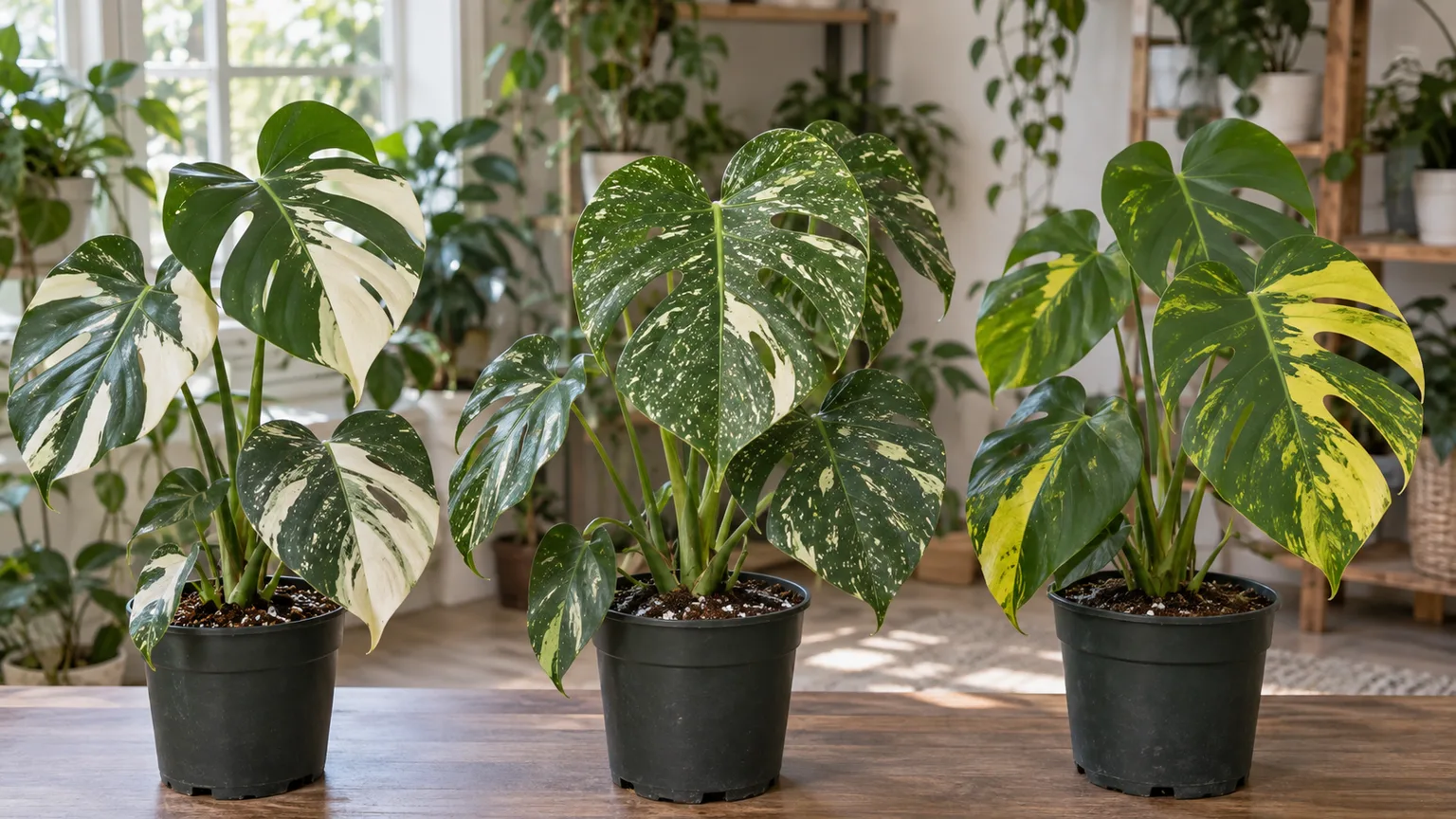
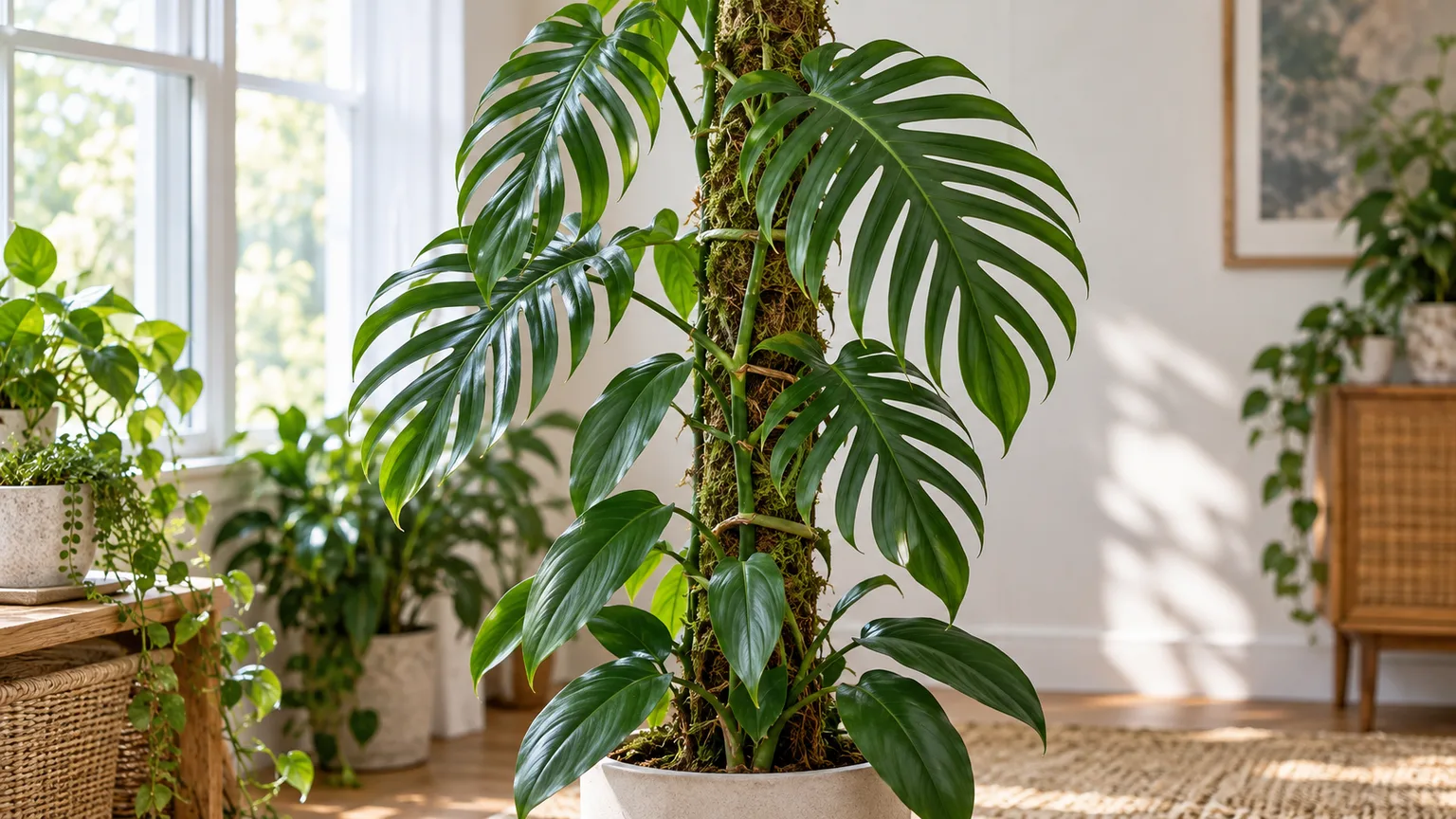
Thai Constellation is a variegated form of Monstera deliciosa, prized for cream splashes and speckles across large, fenestrated leaves. Its appeal is visual and collectible; it does not give you a faster-growing, smaller, or more forgiving Monstera. You are paying for a particular pattern and for the plant’s size, maturity, and availability in your local market, all of which can change the price considerably.
Start with the care of the species, then account for the specific plant you are buying. NC State Extension’s Monstera deliciosa profile describes a climbing tropical plant that needs room and support as it matures. Indoors, a young plant can look compact, but its leaves and stems take up space over time; a support pole and a stable, bright-indirect position make more sense than expecting it to remain a small tabletop accent.
Variegation also changes the visual calculation. Cream sectors create the pattern but do not contribute the same green surface as fully green tissue, so a highly variegated plant may grow more slowly than a comparable green Monstera. That does not make the cultivar a bad purchase, but it does mean a high price cannot guarantee a rapid transformation into a huge, fenestrated specimen. Buy for the pattern you enjoy now, not an imagined growth speed or future resale value.
Choose Thai Constellation if you enjoy patient collecting, can provide a bright position and climbing room, and are comfortable with the budget for that particular specimen. If you mainly want large split leaves, a standard green Monstera delivers the same broad silhouette without the variegation premium. If you want a statement plant but have limited room, a smaller rubber plant or another compact foliage species may be more satisfying than either Monstera.
Better choices for the feature you want
Replacing a trendy plant works best when you identify the feature you were buying: trailing stems, patterned foliage, a tree-like silhouette, flowers, or the pleasure of caring for something unusual. Then choose a substitute for the room and routine you have rather than selecting the closest-looking plant in the same genus. A plant with the same appearance can share the same care difficulty, so compare the conditions before treating it as an alternative.
Want trailing foliage? Pick by light and pet access
For a bright shelf, Pearls and Jade is still a sensible choice if you want a small patterned vine; for a dimmer but still daylit room, plain-green pothos or heartleaf philodendron may forgive lower light better. Keep either trailing plant where pets cannot reach it if they chew foliage. If pet access is the main constraint, check a current veterinary or poison-control reference for the exact species before buying rather than trusting a broad “pet-safe” label.
Want pattern or a dramatic focal point?
For patterned foliage without a sprawling tree, compare peperomia and Aglaonema varieties that fit your light. Their mature size and moisture needs still vary, but many give you bold leaf color in a smaller footprint than a mature Monstera or fiddle-leaf fig. If the attraction is a towering silhouette, a rubber plant can be a more practical statement choice than a cultivar whose main premium is leaf pattern.
Want a plant that rewards close observation?
Carnivorous plants are a genuine specialty, so the best substitute may be a setup rather than a different plant: a sunny windowsill or grow light, a tray routine, suitable water, and a plan for winter dormancy. If you do not want those tasks, choose an unusual-looking foliage plant instead of buying another bog species on the assumption it will be easier. An honest match is more rewarding than a novelty that spends its life declining in the wrong conditions.
Keep, adjust, or rehome: a fair way to judge your plant
Do not discard a healthy plant because it appears on an “overrated” list. First decide whether the problem is a correctable mismatch or a care routine you simply do not want. If the plant is stable but growing slowly, that may be acceptable; if its main feature is fading, the room may not provide enough light; if the recurring task itself annoys you, the plant may not suit your life even when you know how to care for it.
Make one change at a time and give it time
Write down the last move, watering, repotting, temperature change, or new fertilizer before changing anything else. Correct the most likely issue—often placement, drainage, or the watering pattern—then wait long enough to see new growth or a stable response. Old damaged leaves may not regain their original color, so judge the plant by what happens next rather than expecting every blemish to disappear.
If the mismatch remains, offer the plant to a friend, community plant exchange, or local horticulture group that can provide suitable conditions. Keep the label with it, especially for a plant with unusual water needs, and do not release cultivated houseplants outdoors where they could become invasive or suffer in unsuitable weather. Rehoming a plant responsibly is a practical choice, not an admission that you lack a green thumb.
Conclusion
These seven plants are not overrated for everyone; they are easy to oversell without explaining their constraints. Boston ferns want consistent moisture, calatheas want warmth and humidity, carnivorous plants need specialty care, large figs and Monsteras need space, variegated pothos needs enough light to keep its pattern, and polka-dot plants reward regular renewal. If those needs fit your home, grow the plant with confidence. If they do not, choose the feature you love in a plant whose routine, size, and conditions fit the life you actually lead.