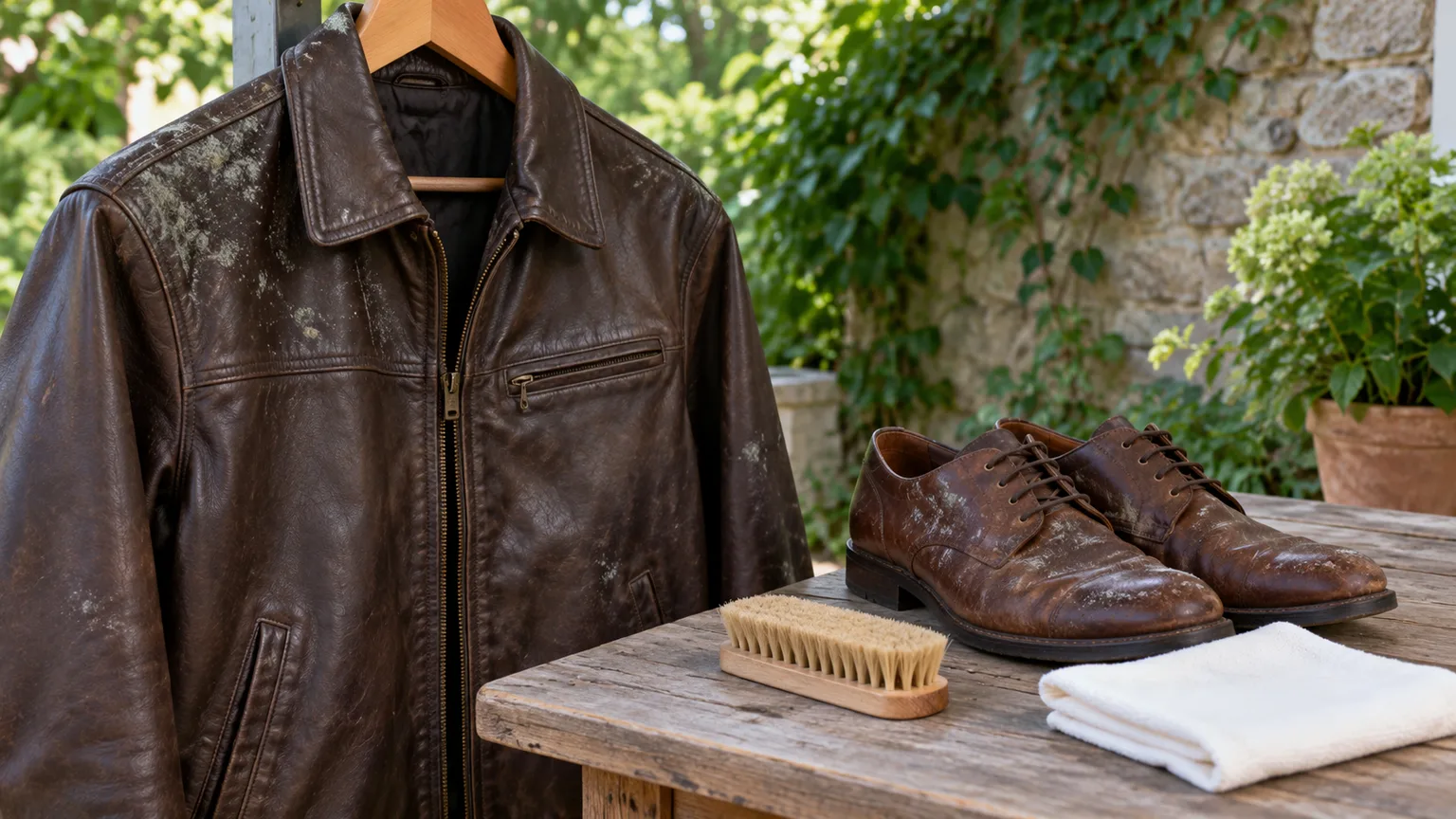
How to Get Skunk Smell Out of Clothes and Gear
Skunk-sprayed clothes need separate laundering; coated tents need different care. Remove odor step by step without risking dyes or waterproof finishes.

The safest first move is to separate the sprayed items, check what each one is made of, and clean only with a method allowed by its care label. Washable clothes can usually start with a separate detergent wash and outdoor air-drying. A tent, waterproof jacket, sleeping bag, leather boot, and foam sleeping pad need different treatment because a strong household cleaner can fade fabric, damage a finish, or get trapped in padding.
Do not pour a homemade peroxide mixture onto clothing or camping gear, and do not combine cleaning products. Nebraska Extension warns that a common peroxide-based skunk treatment may discolor clothing; tent-care guidance from REI also warns that harsh cleaners can impair waterproof coatings. Start with the gentlest method that fits the material, then escalate only to a product whose label names that fabric or gear type.
What Skunk Spray Leaves Behind
Skunk musk is an oily liquid with sulfur-containing compounds that produce its unmistakable odor. Nebraska Extension’s skunk-odor guidance notes that the oily spray can permeate clothing and remain for many days; it recommends washing fabrics and allowing time and air to help reduce the smell. That oily residue is why a quick rinse or perfume spray often makes a garment seem better briefly without actually solving the problem.
The odor can also seem to return after an item dries. Nebraska Extension explains that humidity can make residual skunk odor reappear, so a jacket that smells clean in a dry room may still release an odor when damp or in muggy weather. Treat a weak first result as a reason to reassess the item after it is fully dry, not as proof that a new skunk sprayed it.
The same residue behaves differently in different materials. A cotton shirt has open fibers and a care label that may permit an ordinary wash; a tent rainfly combines woven fabric with coatings, seam tape, and a water-repellent finish. A padded sleeping bag, leather boot, or pack strap can hide musk in seams and insulation, where soaking and drying are slower and home treatments are riskier.
The First 30 Minutes: Keep Odor From Spreading
Move sprayed items outside or to a well-ventilated, washable area before carrying them through the house. Wear household gloves if the fabric is visibly wet with spray, and handle it by the cleanest edges; do not shake it or press it against a clean jacket, car seat, carpet, or upholstered chair. Nebraska Extension recommends ventilation and removing the odor source, while Penn State Extension’s guidance includes laundering among its fabric odor-control steps.
Separate the load by care needs rather than putting every item in one bin. Keep washable cottons together, and set aside gear with waterproof membranes, down fill, leather, suede, foam, glued seams, or a “dry clean only” label. If you need to move a wet item indoors, use a washable tote or a temporary bag for transport, then take it out and air it rather than storing damp fabric sealed up.
If the spray got on skin or in someone’s eyes, stop the laundry work and address the exposure first. Nebraska Extension describes eye and nose irritation from skunk musk and recommends rinsing exposed eyes with water; seek medical advice if irritation, breathing difficulty, or other concerning symptoms continue. This guide covers fabrics and equipment, not treatment for people or pets.
Choose the Treatment by Material
Use the care label, owner’s manual, or manufacturer’s cleaning page as the decision point. A label may be inside a garment, sewn into a sleeping bag, or included in a tent’s product manual; the brand’s instructions matter because two pieces that look like nylon can have different coatings, adhesives, dyes, and seam constructions.
| Item | Safer first step | Avoid unless the maker specifically permits it |
|---|---|---|
| Washable cotton or durable everyday clothing | Separate wash with a suitable laundry detergent; air-dry and reassess | Direct peroxide, bleach on colored fabric, dryer heat while odor remains |
| Performance clothing or waterproof shell | Follow the garment’s cleaning instructions; use a labeled technical-wash product if required | Household stain removers, fabric softener, bleach, or improvised soaking |
| Tent, rainfly, and coated fabric | Open it outdoors; spot-clean gently, then use a tent-safe cleaner only as directed | Machine washing, machine drying, bleach, peroxide, long unapproved soaks |
| Down sleeping bag, leather, suede, foam, or dry-clean-only garment | Contact the manufacturer or an experienced cleaner before treatment | Submerging, home peroxide, or generic laundry cycles |
A peroxide formula may be recommended for other skunk-removal situations, but that does not make it a universal textile cleaner. Nebraska Extension explicitly cautions that the formula can discolor clothing, and it says odor products should not be mixed with other chemicals unless their labels allow it. For a colored garment or any technical fabric, skip peroxide and bleach unless the item’s manufacturer expressly approves the product and procedure.
Bleach requires its own caution. The CDC’s bleach-safety guidance warns never to mix household bleach with other cleaners or disinfectants because hazardous vapors can form. For skunk odor on colored clothes, waterproof gear, or a tent, bleach is usually a poor first choice anyway: it can remove dye or harm finishes, and it is not needed for a careful detergent wash.
Machine-Washable Everyday Clothing
Cotton T-shirts, jeans, work clothes, and washable towels are the best candidates for ordinary laundering, provided the care label permits a machine wash. Wash them separately from unaffected laundry so oily residue and odor do not transfer, and use the warmest water temperature allowed on the label—not a guessed hot cycle. Penn State Extension and Nebraska Extension both include washing clothing in their skunk-odor guidance; Nebraska’s advice also emphasizes fabric-specific washing directions and line-drying.
Check printed graphics, dark dyes, elastic, reflective strips, and decorative trim before adding any stain treatment. The safest first attempt is a normal measured dose of a laundry detergent that is suitable for that fabric, used by itself. Do not add a peroxide mixture, bleach, vinegar, ammonia, or a second odor product to the same load.
Waterproof Jackets and Performance Fabrics
Rain shells, softshell jackets, ski pants, and technical base layers may have membranes, durable water repellent (DWR) finishes, seam tape, or delicate stretch fibers. Follow the exact garment instructions; some makers recommend a technical wash and a specific rinse or reproofing step, while others allow a gentle machine cycle. “Synthetic” is not a cleaning instruction, and a treatment suitable for polyester leggings may be unsuitable for a waterproof shell.
Do not assume that “odor remover” means safe for technical clothing. Read the product label for the material and use, test an inconspicuous spot if the maker permits testing, and do not extend a soak or double the concentration to chase a stronger smell. If the care directions are missing, search the garment’s model name or contact its maker before using peroxide, bleach, degreaser, or a general-purpose stain remover.
Tents and Coated Rainflies
A tent is not a large garment. The fabric, mesh, seam tape, polyurethane or silicone coating, zippers, and water-repellent surface may respond differently to soaking and detergents. REI’s tent-care guidance cautions against machine washing and drying, and warns that harsh household cleaners can impair a tent’s durable water repellent finish; it recommends cleaning according to tent-care directions and drying completely before storage.
For a small affected area, begin with a cool-water damp cloth and a light blot rather than vigorous scrubbing. For broader contamination, use the tent maker’s approved cleaner and follow its dilution, contact time, rinsing, and soak directions exactly. REI’s tent-cleaning advice notes that enzyme cleaners may be used for foul odors on tents, but it also warns that soaking a tent longer than the product directs can risk damaging a polyurethane waterproof coating. Do not infer that any enzyme cleaner is safe for every tent.
Sleeping Bags, Packs, Shoes, and Dry-Clean-Only Items
A sleeping bag is especially easy to damage with a well-meant soak. Down and synthetic fills, water-resistant shells, liners, zippers, and baffles each have care requirements; use only the maker’s instructions for laundering, drying, and approved cleaners. If the bag is expensive, heavily sprayed, or has a delicate shell, call the manufacturer or an outdoor-gear cleaner before treating it at home.
For a backpack, check whether the maker permits washing and whether the hip belt, frame, foam padding, or waterproof lining can be removed. Clean only removable parts that have a washing label; do not submerge a pack just because the shoulder straps are washable. For sleeping pads, boots, and camp furniture, distinguish the fabric cover from foam, valves, leather, rubberized surfaces, adhesives, and metal parts, then clean each only as its maker allows.
For a “dry clean only” jacket or tailored garment, call the cleaner before taking it in and say plainly that it was exposed to skunk spray. Do not use a home soak first: water, peroxide, or bleach may cause shrinkage, dye bleed, or damage that makes professional cleaning harder. Shoes that cannot be safely washed can be opened, laces and removable insoles treated separately if their labels allow it, and the main shoe aired outdoors while you contact the maker or a shoe-cleaning professional.
Remove Skunk Smell From Washable Clothes
The goal is to remove residue without spreading it to other loads or over-treating the fabric. Work outdoors when practical, keep the dirty items separate, and make a decision about color and construction before reaching for a stronger cleaner.
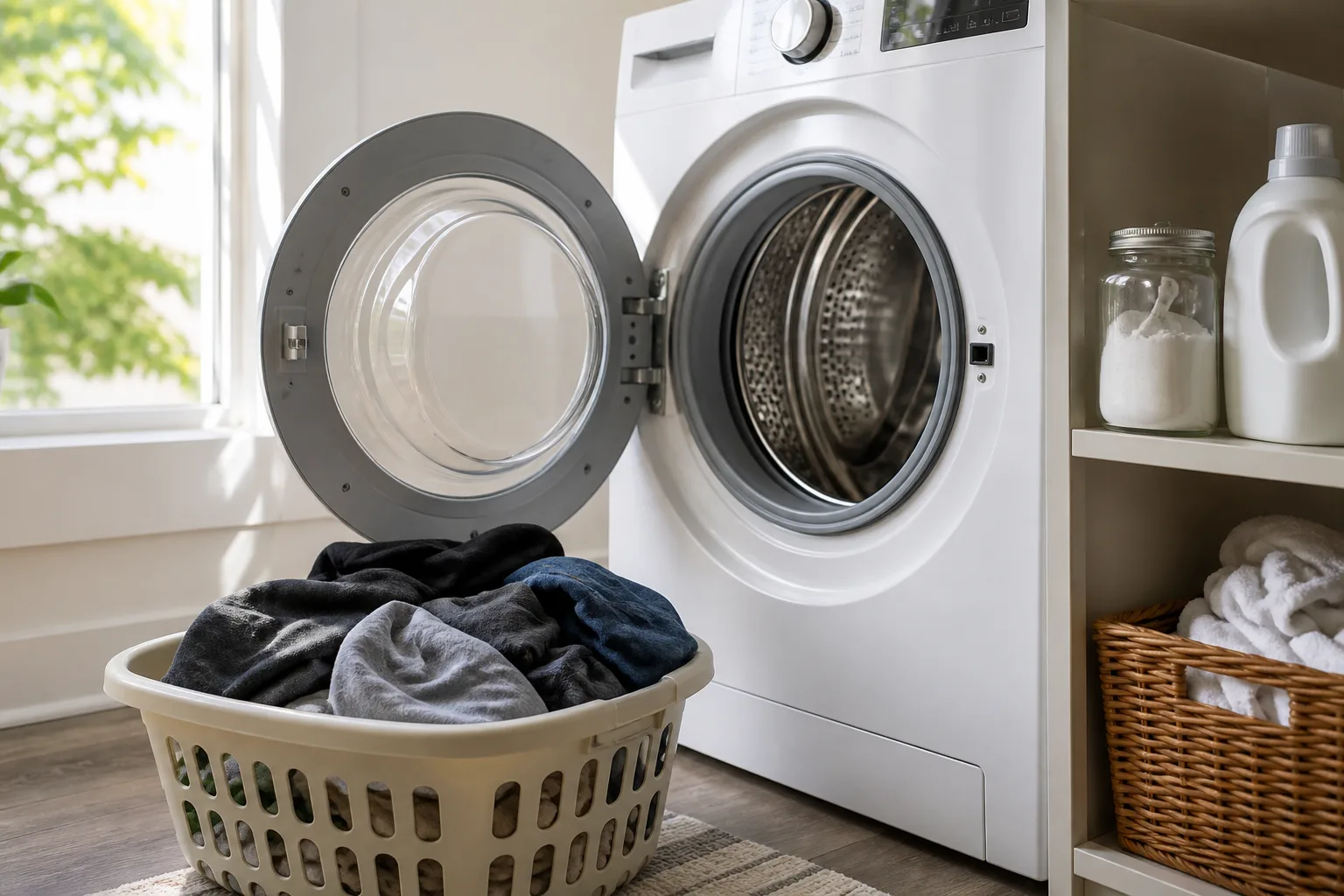
Step 1: Air Outside and Check the Care Tag
Hang or drape the garment in moving air, away from a door, patio furniture, or clean laundry. Airing helps keep the smell out of indoor spaces while you prepare a wash; it is not a substitute for washing a visibly sprayed item. Do not leave the item in a sealed hamper, and avoid brushing or rubbing a wet patch, which can smear it across a larger area.
Read the care label for wash temperature, cycle, bleach restrictions, and drying instructions. If the label permits handwashing but not a machine wash, use a clean basin and one suitable detergent according to its label. If it says dry clean only or has no clear instructions, stop here and call a cleaner or the manufacturer.
Step 2: Wash Separately With One Approved Method
For a machine-washable garment, wash it by itself or with other skunk-affected items that share the same care instructions. Use a normal measured amount of suitable laundry detergent and the warmest water the label allows. Do not overload the washer: the fabric needs room to move and rinse, and a packed drum makes it harder to remove residue evenly.
Start with one detergent wash rather than an improvised cocktail of household products. Nebraska Extension describes laundry detergent as part of fabric odor removal and cautions that products should be used separately; the CDC’s warning about bleach mixing is another reason to keep the treatment simple. Never combine bleach with detergent or another cleaner in a bucket, soak, or spray bottle, and do not add peroxide, vinegar, ammonia, or an unlabeled odor eliminator to the same solution.
After the wash, check the garment before adding another treatment. If the odor remains but the fabric looks unchanged, repeat the same compatible detergent wash or use a product specifically labeled for washable textiles, following its exact instructions as a single treatment. If the color shifts, print cracks, elastic feels weak, or a waterproof finish changes, stop home treatments instead of escalating.
Step 3: Air-Dry and Check Before Using Heat
Hang washable clothes outdoors or in a well-ventilated shaded place until they are fully dry. Nebraska Extension specifically recommends hanging washed items to dry and says not to use a clothes dryer while odor remains. This also gives you a chance to inspect the fabric without adding heat or transferring the smell to a dryer drum.
Assess the garment after it is dry, not while it is wet and full of detergent fragrance. If you still notice skunk odor, especially around cuffs, seams, pockets, collars, or the sprayed area, wash it again with the same label-safe method. Only use a dryer once the odor is gone and the garment’s care label allows it; check again when the clothing is warm and completely dry before putting it with clean items.
Clean a Tent and Camping Gear Safely
Set the tent up outdoors or spread it in a clean, ventilated space so you can locate the affected area and avoid taking the odor into a bedroom or storage closet. Check the model’s care instructions before using soap, soaking the fabric, or treating the rainfly. If you can’t identify the fabric or finish, call the manufacturer rather than choosing a cleaner based on the tent’s color or feel.
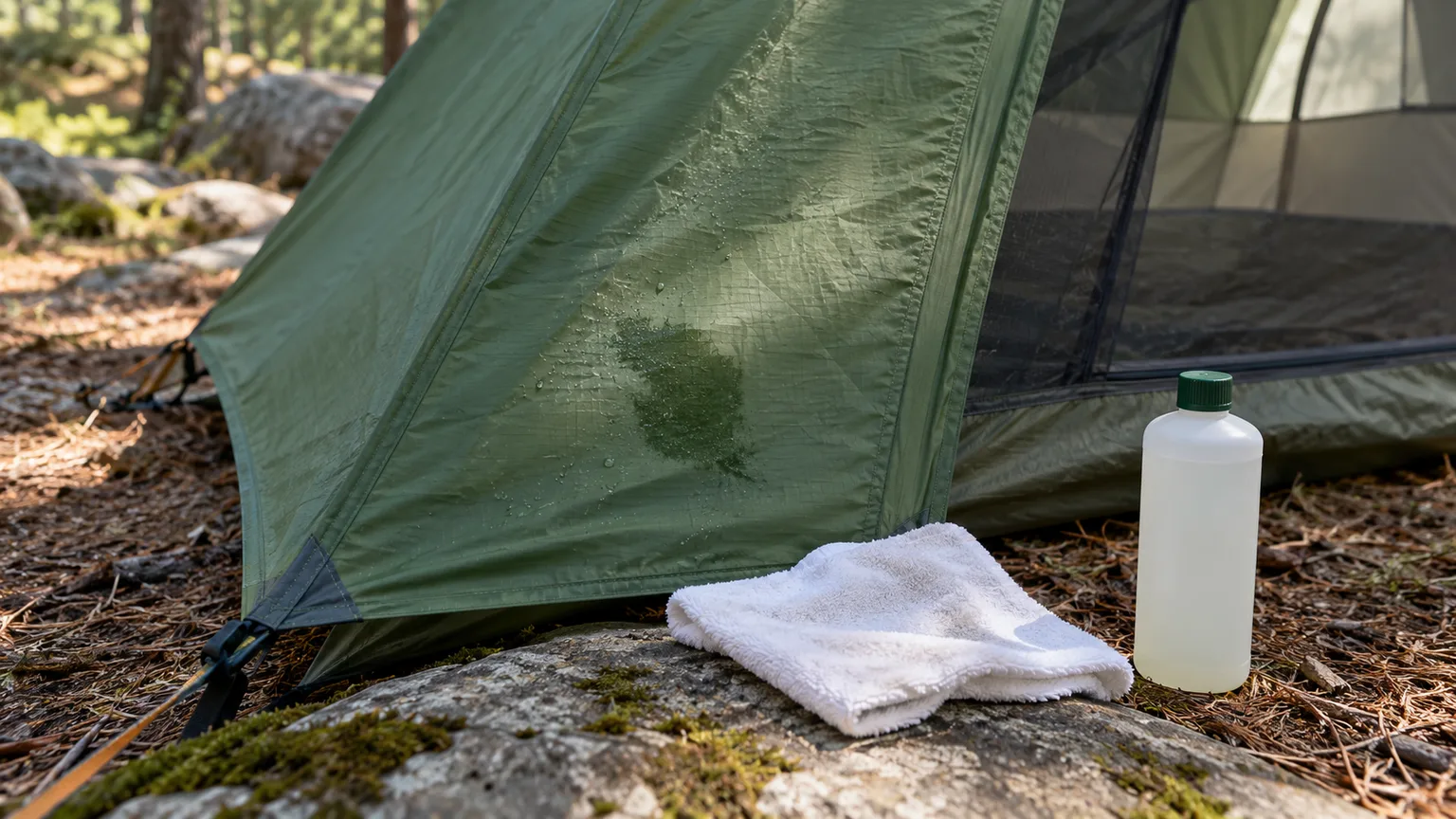
Start With a Cool-Water Spot Clean
If only one small area was sprayed, remove loose dirt first and blot with a soft damp cloth. Use minimal water at first; avoid a stiff brush, abrasive sponge, or vigorous scrubbing that could stretch mesh or abrade a coating. If the manufacturer allows soap, use its approved product in the directed amount and test an unobtrusive spot before treating a large visible panel.
Keep dirty runoff off the tent floor, mesh, poles, sleeping bags, and clean accessories. Work from the outside in, rinse only as directed, and do not wipe a contaminated cloth across clean fabric. If the spray hit several panels or soaked through the tent, the problem may need a full tent-safe wash or professional outdoor-gear service rather than repeated spot treatments.
Use a Gear-Safe Odor Cleaner Only as Labeled
A cleaner that works on cotton can leave a technical fabric less water-resistant. REI’s tent-cleaning guidance recommends a cleaner made for outdoor gear and stresses following the label’s soak time; its care article warns against bleach, stain removers, laundry presoak products, and machine washing. Wirecutter’s tent-cleaning guide also cautions that bleach and harsh cleaners can deteriorate waterproof coatings and that aggressive scrubbing can damage tent fabric.
If the tent maker approves a specialized odor or enzyme cleaner, use only that one product, in the stated concentration and for the listed contact time. Do not combine it with dish soap, detergent, peroxide, bleach, vinegar, or a second odor neutralizer. Some gear cleaners require rinsing; others specify a different procedure, so follow the actual product label rather than a general internet recipe.
For a sleeping bag or jacket, verify that the product names the relevant insulation or shell. For foam pads, boots, pack straps, and chair fabric, confirm that the label covers the material in contact with the product; a cleaner approved for tent nylon is not automatically safe for leather, foam, rubber, or a membrane. When in doubt, use a damp cloth and maker guidance instead of a stronger chemical.
Dry Completely, Then Inspect the Waterproofing
Air-dry the tent in a shaded, ventilated location, with the doors and vents open where practical. REI emphasizes that a tent should be completely dry before storage because moisture can promote mildew and affect coatings. Do not machine-dry it or put a damp tent back into its stuff sack to wait for the smell to fade.
Once dry, inspect seam tape, the floor, rainfly, and water-repellent surface. If water no longer beads as it did before, consult the manufacturer about cleaning residue, reproofing, or repair; do not coat the whole tent with a waterproofing product to hide a lingering odor. The purpose of the cleaning is to remove contamination while preserving the tent’s weather protection, not to trade a smell for a leak.
Treat Lingering Smell and Washer Transfer
If odor remains after the first wash, check where it is strongest. A concentrated patch, thick cuff, padded collar, liner, zipper flap, or seam can hold more residue than the flat surface of the garment. A second wash is reasonable for a sturdy item that shows no damage; use the same approved method before trying a new one.
Humidity can make residual odor more noticeable again. Nebraska Extension notes that skunk odor can reappear in humid conditions, so give a washed item time to dry fully and reassess it in ordinary air before deciding whether it is ready to store. If a shirt is fine when dry but becomes strongly skunky every time it gets damp, the odor has not been fully removed; repeat a compatible wash or consult a cleaner rather than masking it with fragrance.
If the washer smells after the load, check the drum, gasket, dispenser, and lint-prone areas that the appliance manual says you can clean. Wipe visible residue with an appropriate single cleaner and run the washer’s own cleaning cycle if needed; do not combine bleach, vinegar, ammonia, or other cleaners. Keep unaffected clothes out until the odor is gone, and clean any washable tote or basin that carried the items.
Skip These Risky Shortcuts
- Do not pour a peroxide mixture directly onto a garment. Nebraska Extension warns that a commonly cited peroxide treatment may discolor clothing. A hidden-spot test cannot guarantee that a large soak will preserve the dye, lining, elastic, or coating.
- Do not use bleach as a universal odor remover. It can strip dye and damage gear finishes. The CDC warns that mixing bleach with other cleaners or disinfectants can create dangerous vapors; skip improvised bleach combinations entirely.
- Do not combine cleaning products. Use one product at a time, only for its labeled material and purpose. If changing methods, complete the first wash or rinse as directed, let the item dry if appropriate, and check the care instructions before proceeding.
- Do not mask the smell with perfume or fabric spray. Fragrance can make the first sniff less unpleasant without removing the oily residue, and scented products may be incompatible with technical fabrics.
- Do not use a dryer before the smell is gone. Nebraska Extension advises against dryer use for skunk-affected laundry; a tent or sleeping bag also needs its own approved drying method.
- Do not machine-wash or machine-dry a tent unless its maker explicitly says to. REI warns that machines can stretch or tear fabric, mesh, and seams, and heat can damage a tent.
- Do not store gear damp. Bagging a wet tent, jacket, or sleeping bag can add mildew odor and make later diagnosis harder.
Tomato juice is not a reliable textile-cleaning plan. A tomato scent may temporarily compete with the skunk smell, but it can also add color or residue; use a fabric-safe wash and time instead. For a dedicated skunk odor product, check that the label specifically permits clothing or the exact camping material—labels for pet fur, carpet, or hard surfaces do not automatically cover apparel or tent coatings.
When a Cleaner or Replacement Makes Sense
Call a professional dry cleaner before treating wool coats, silk, suede, tailored garments, leather, formal clothing, or an item marked “dry clean only.” Tell the cleaner that the fabric was exposed to skunk spray and list any products already used. That information helps them decide whether to accept the garment and prevents a home-applied cleaner from complicating the professional treatment.
For technical camping equipment, contact the gear maker or a service that specializes in outdoor textiles when spray soaked a large area, odor remains after one or two maker-approved cleanings, or the waterproof coating feels tacky, flakes, or no longer sheds water. Some tents can be cleaned and reproofed; others may have a degraded coating or damaged seam tape that needs repair. A professional can help distinguish persistent musk from a coating that is already failing.
A low-cost washable shirt may not be worth repeated chemical treatment if the color is bleeding or the fabric is deteriorating. A costly sleeping bag or tent usually deserves a maker’s opinion before replacement, but a heavily saturated foam or padded item may hold odor inside materials that cannot safely be rinsed. Keep a questionable item isolated while you decide; do not return it to a clean closet or pack it beside unaffected gear.
If the smell grows stronger over several days instead of fading, consider whether the clothing is the only source. Nebraska Extension notes that high humidity can reactivate odor, but a new or intensifying smell around a home can also mean another source is present. This clothing-and-gear guide cannot diagnose an animal in a structure; inspect likely outdoor areas safely or contact a wildlife professional if the source is not the item you are cleaning.
Conclusion
To get skunk smell out of clothes and camping equipment, start by separating the affected items and identifying their materials. Wash ordinary washable clothing by itself with a suitable detergent, air-dry it, and repeat only if the fabric remains in good condition. For tents, waterproof shells, sleeping bags, leather, and foam, follow the manufacturer’s care directions and use only a cleaner labeled for that exact material.
Skip direct peroxide, bleach on colored textiles, heat before the odor is gone, and any mixture of cleaning products. Nebraska Extension’s guidance supports washing, airing, and fabric-specific care; REI and Wirecutter emphasize that tent coatings and seams need gentle, purpose-made cleaning. Persistent odor may require another compatible wash, an experienced cleaner, or gear repair—but protecting the item is more important than trying a stronger household chemical.