Should You Cut Down Sunflowers in Fall? Here's When
Should you cut down sunflowers in fall? Learn when to remove diseased or unstable stalks, when to leave seedheads for birds, and how to cut cleanly.
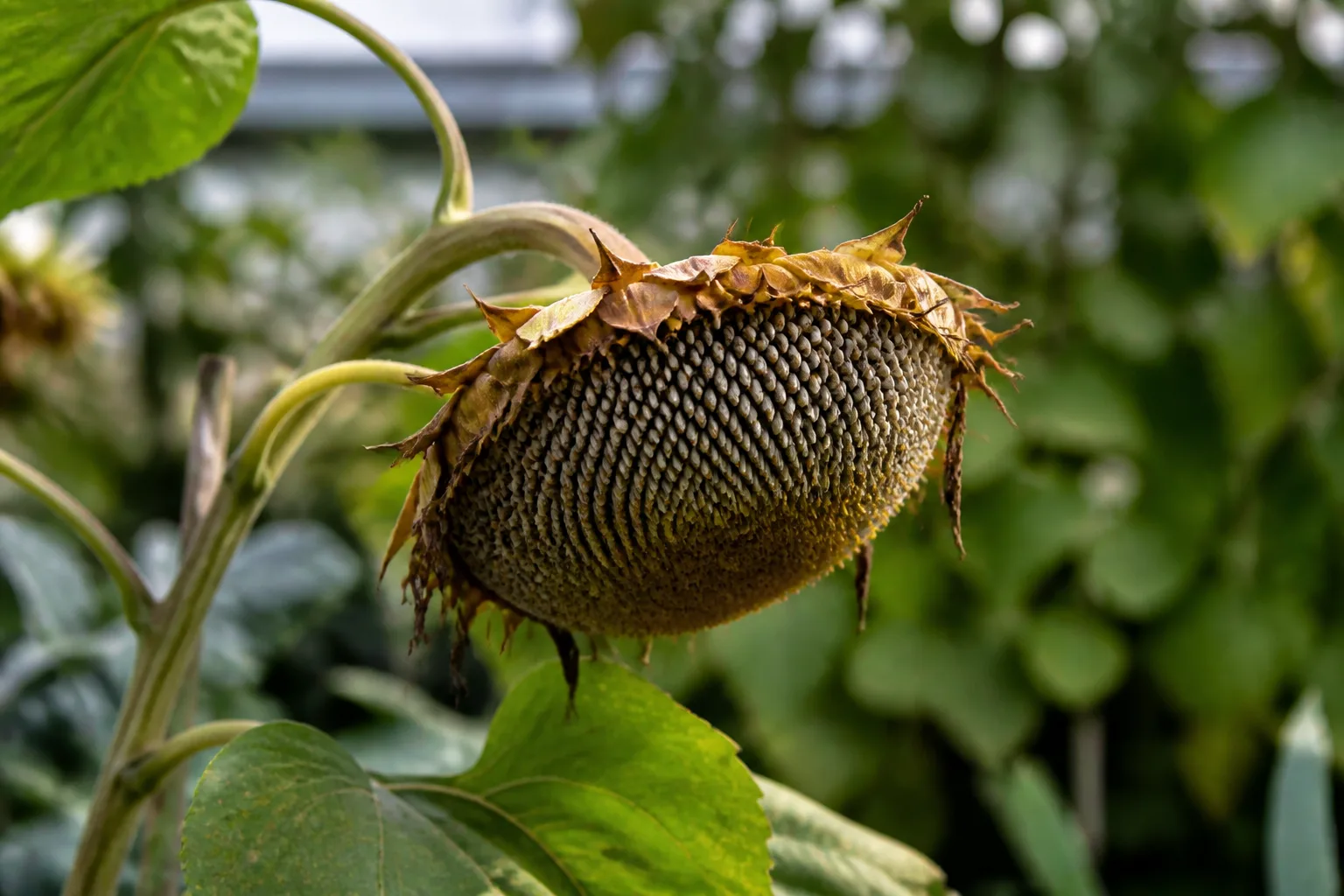
If your common sunflowers have finished flowering, you do not have to cut them down just because fall has arrived. Leave healthy stalks and seed heads if you want birds to forage, enjoy winter structure, or allow a few plants to self-sow. Cut them when disease is active, a tall stalk is unstable, you need the bed, or you want to stop seeds from dropping.
The useful question is not simply “cut or leave?” It is which parts should stay, and for how long? You can harvest or remove a seed head while leaving a sturdy stalk, cut a plant at the base without digging out its roots, or remove the whole plant if disease or bed turnover makes that the sensible choice.
For most familiar garden sunflowers, late-fall cleanup is flexible. Common sunflower (Helianthus annuus) is an annual, so the same plant will not return after winter; seeds may sprout next season if they fall and conditions suit them. Perennial sunflower species are different, and their living crowns or rhizomes need a different approach.
The short answer: choose by goal and plant condition
Leave a healthy sunflower standing if its seeds are mature and you want to support birds or let the bed retain winter interest. Cut it down if it is diseased, about to fall, obstructing a path or new planting, or producing seeds you do not want. There is no fixed calendar date that applies to every climate, variety, and garden.
A fading head is not automatically a diseased head. Petals naturally wither, the back of a mature seed head changes from green toward yellow-brown, and the stalk eventually dries. Those are ordinary stages of an annual’s life cycle. By contrast, spreading leaf spots, powdery growth, a soft or rotting stem, or a head that is collapsing and molding are reasons to inspect more closely.
You can also split the decision. Remove the heads you do not want to seed, leave one or two sturdy heads for birds, and cut the remaining stalks once the bed needs to be replanted. This partial cleanup often gives gardeners the wildlife benefit without turning the entire bed into a thicket of brittle stems.
First confirm what kind of sunflower you have
Most large, familiar garden sunflowers are common sunflowers, Helianthus annuus. NC State Extension describes this species as a fast-growing annual that will not survive winter in North Carolina, while its plant profile notes that volunteers can spread readily from fallen seed. New York Botanical Garden also distinguishes annual H. annuus from the many perennial sunflower species.
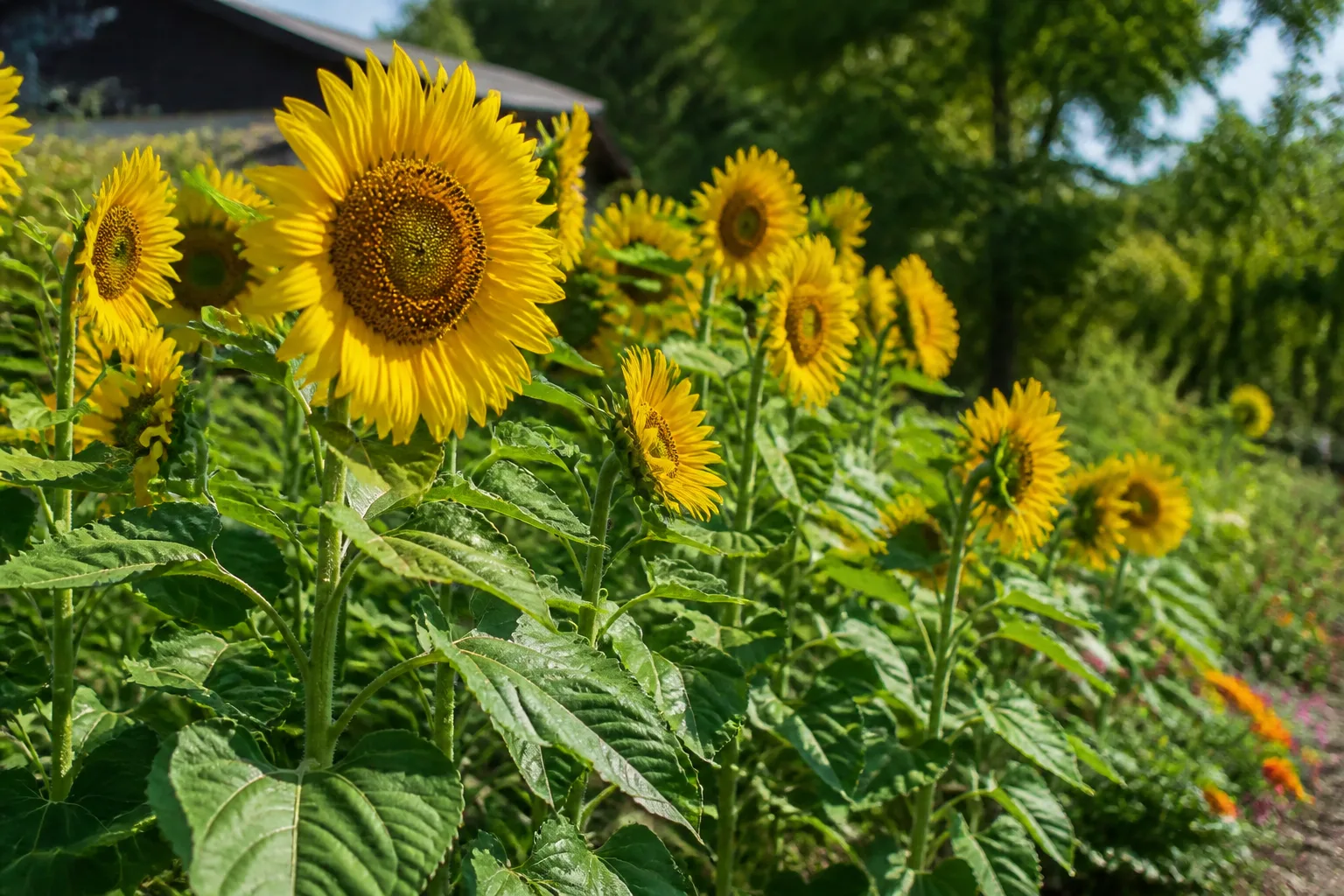
That difference changes what “cut back” means. An annual sunflower is finished once its seed production and growing season are over; leaving the base does not make that same stalk regrow next spring. A perennial sunflower can return from a living crown or spreading rhizomes, so if your plant is a named perennial species, do not pull up its roots just because the top has browned.
Check the seed packet, plant label, or botanical name if you are unsure. If it says H. annuus, treat it as an annual. If it names a perennial such as swamp sunflower, woodland sunflower, or ashy sunflower (Helianthus mollis), identify the species and follow its local care guidance. The common label “sunflower” covers plants with different growth habits; a “cut it all down to the ground” rule can be harmless for one plant and unnecessarily rough on another.
When cutting down sunflowers in fall is the better choice
Cutting is useful when it solves a clear problem, not because every spent flower must be removed. Make the decision after checking the head, leaves, stem, and the space around the plant. If the plant is healthy and stable, you can wait. If it is diseased or creating a hazard, the benefit of leaving seed is usually outweighed by the immediate issue.
Remove plants with clear disease or stem rot
Look for a pattern rather than one imperfect leaf. Sunflower diseases documented by West Virginia University Extension include leaf spots, rust, powdery and downy mildew, white mold, and head rot. A single old lower leaf turning yellow late in the season is not enough to diagnose disease; multiple spreading spots, a powdery coating, a soft darkened stalk, or a wet, decaying head deserves more attention.
If disease is clearly present, cut and remove the affected material instead of leaving it in the bed for winter. Keep obviously infected leaves and heads out of a casual home compost pile; Duke Gardens advises removing plant material hosting pathogens such as powdery mildew and putting it in the trash rather than composting it. Follow your local yard-waste rules if they specify a different disposal method, and clean soil and plant residue from tools before using them elsewhere.
You do not need to remove every healthy sunflower because one plant has a small, uncertain mark. Isolate the suspect plant in your decision: remove the affected plant if symptoms are spreading or the stem/head is rotting, then monitor neighbors. That approach prevents unnecessary cleanup while reducing the chance that you leave heavily infected debris mixed into the bed.
Clear stalks that are falling, unsafe, or in the way
A tall, dry sunflower can be top-heavy, especially when its seed head is large and the stalk is exposed to wind. If it leans over a walkway, falls onto nearby plants, blocks a gate, or repeatedly breaks, cut the stalk before it becomes a trip hazard or damages something else. You can remove the head first to reduce the load, then lower the remaining stem in manageable pieces.
Space is another valid reason. If you are preparing the bed for fall vegetables, bulbs, or another planting, clear the sunflower plants that interfere with the work. You do not need to excavate every root to reclaim the space: an annual stalk can be cut near the soil surface, and the remaining roots will break down over time. If a large root ball is already loose or the bed needs a full reset, remove it carefully rather than yanking a stiff stem and scattering soil.
Consider the next planting before chopping everything. Large, coarse sunflower stalks take longer to break down than tender leaves and can make a fine-seedbed harder to prepare if left whole on the surface. Move bulky stalks to a separate pile, chop them, or put them into an approved yard-waste stream; keep small debris out of the exact row where you need fine soil.
Harvest seed heads when saving seed is the goal
If you want seed for next year, do not cut the head while its seeds are still soft and pale. A practical cue is the back of the head shifting from green to yellow-brown, the head beginning to droop, and the seeds feeling firm. West Virginia University Extension uses browning on the back of the head as a harvest signal; Master Gardener Mary Jane Howie at Home for the Harvest and Southern Living describe waiting for the head to change color and dry as the seeds mature.
Let the head finish maturing on the plant if birds and weather are not taking it first. If you need to harvest it sooner, cut with a length of stem attached and dry the head in a warm, dry, well-ventilated place. A paper bag or breathable cover can catch loose seeds while allowing air to move; avoid sealing a damp head in plastic, where moisture can encourage mold.
Do not confuse a dead flower head with a ready seed head. If you harvest too early, some seeds may be underdeveloped and will not store or germinate reliably. If birds are welcome, you can leave selected heads on the stalk instead of harvesting them; if seed saving is the priority, protect the head once it begins to mature and dry it before storing.
What you gain by leaving healthy sunflowers standing
A healthy, upright sunflower can do more in winter than look tidy. Its most concrete benefit is seed: the New York Botanical Garden and NC State Extension both recommend leaving sunflower heads standing for birds, and Penn State Extension lists sunflowers among seed-head plants that can feed birds in winter. The decision is especially worthwhile if you enjoy watching wildlife or have few other seed-bearing plants in the yard.
Leaving the plant is optional, though. It may be less appealing in a small formal bed, and a mature head can scatter seeds into places where you do not want volunteers. Decide whether the wildlife benefit is worth the seed drop and the spring thinning that may follow.
Seed heads can feed birds through winter
Once the seeds are mature, a standing head gives birds a natural place to forage. Penn State Extension notes that seed heads from sunflowers and other flowers can be left from late summer into winter, and Duke Gardens describes withered sunflower seed heads as food for juncos and sparrows after frost. Which birds visit depends on your location, nearby cover, and what other food is available; do not expect every head to be emptied or every local species to use it.
Leave the flower head attached if you want that benefit. A seed head cut off and placed on a bench is not the same as one attached to a stable stalk where birds can perch and feed. If a tall plant might fall, cut the head and set it somewhere sheltered and accessible, or remove it and rely on other seed-bearing plants and feeders.
Watch for wet rot or mold. Birds benefit from sound mature seed, not a collapsing, moldy head. If the center is soft, badly deteriorated, or visibly affected by disease, remove it and leave other healthy heads standing instead. This is one reason a selective approach works better than a blanket rule.
Standing stems add structure, but cleanup can wait
A dry stalk can provide vertical structure in a winter bed, and frost on the seed head may be attractive to some gardeners. The value is partly practical and partly aesthetic: a bed does not have to be bare to be cared for. Duke Gardens’ guidance on fall cleanup recommends leaving selected stems and seed heads where they are healthy and useful, while removing material known to host disease or pests.
That advice does not mean every dead plant should stay until spring. If stems are brittle, leaning, blocking access, or likely to break into the path, cut them. If you want a compromise, trim the stalk to a stable height after removing the head, or leave only the healthiest, best-placed plants. Do not leave a stem in place merely because “wildlife gardening” is supposed to look messy; the garden should still work for you.
For an easy spring cleanup, mark the plants you intend to leave or leave them in a dedicated corner rather than scattered through the bed. Once the heads have been eaten or the ground is workable in spring, cut down the remaining stalks and remove them before you prepare the next planting. This gives the heads a winter without requiring a permanent change to your garden layout.
Self-sowing can be a benefit or a nuisance
Sunflowers do not normally return from last year’s annual root system, but fallen seeds may germinate in spring. NC State Extension notes that common sunflowers self-seed readily and can spread by volunteers. In a cottage or wildlife garden, a few seedlings may be welcome; in a tidy vegetable bed, they may become weeds competing for space and light.
If you want volunteers, leave some heads until seeds have dropped naturally and identify the seedlings before you thin them. Do not assume every sprout is the variety you planted: hybrid seed may not reproduce the parent plant exactly, and birds can move seed away from the bed. Keep the seedlings you like and pull or transplant extras while they are small.
If you do not want volunteers, remove or harvest the heads before seeds scatter. You can still leave a few heads for birds in another corner or use a feeder elsewhere. This is often the cleanest compromise when you want winter bird food but do not want sunflower seedlings in the middle of a planned spring crop.
Choose by goal: a fall sunflower decision table
| Your main goal | What to do | Best timing | Trade-off |
|---|---|---|---|
| Feed winter birds | Leave healthy, mature heads attached to sturdy stalks | After seeds mature; remove if the head rots or the stalk becomes unsafe | Some seeds may scatter and germinate |
| Save seeds for planting | Let the back turn yellow-brown, then cut and dry the head | When seeds feel firm and the head begins to droop | Birds or wet weather may reach seed first |
| Keep a formal bed tidy | Remove spent heads and cut annual stalks near the soil | When blooms and seed saving are finished | Less winter structure and less natural seed for birds |
| Stop volunteer seedlings | Cut or harvest seed heads before seeds drop | Before the head dries and sheds | You give up self-sowing and some bird food |
| Manage obvious disease | Remove affected head, leaves, or whole plant; dispose responsibly | As soon as disease or rot is clear | No need to remove nearby healthy plants without symptoms |
| Make room for the next crop | Cut obstructing plants; remove bulky stems and roots only if needed | Before preparing the new seedbed | Pulling roots disturbs more soil than cutting stems |
| Preserve a perennial sunflower | Keep the living crown/rhizomes; remove only dead or hazardous top growth | Follow the species’ care guidance, often after winter | Cutting or digging the crown can damage next year’s growth |
Use the table as a starting point, then check the plant itself. A bird-friendly head that is moldy is no longer a good candidate to leave, and a healthy head on a falling stalk may need to be moved or cut. If you have several plants, make different choices for different stalks.
How to cut down a sunflower without damaging the bed
A common annual sunflower has a taproot, but there is no need to dig it out just to finish its life cycle. Cutting the stem close to the soil line removes the top growth while leaving most of the root undisturbed. That is useful when the bed will be replanted or when you want to avoid loosening soil around neighboring plants.
Choose a dry day if the plant is diseased or heavily coated with mildew, and avoid shaking spores or debris through the bed. Put on sturdy gloves; sunflower stems and bracts can be coarse, and dried seed heads may shed material as you work. If the stalk is taller than you, remove the head and upper sections in controlled pieces rather than pulling the plant toward yourself.
Deadhead the flower head or remove the whole annual?
Deadheading means cutting off the finished flower head while leaving the rest of the stem. It makes sense if you want to prevent seed drop but the stalk is stable and attractive, or if a branching sunflower still has side buds you want to keep. Some branching varieties can continue flowering while other heads mature, so inspect for unopened buds before cutting the whole plant.
If the sunflower is a single-stem variety whose only head has finished, deadheading will not make that stalk bloom again. It may still be worth cutting the head for seed saving or cleanup. Once the stem and remaining foliage are fully spent, cut the annual at the base if you need the space; leave it standing if the seeds and winter structure are useful.
Do not confuse this seasonal cut with pruning a perennial. With a perennial sunflower, remove dead or broken stems without damaging the living crown, and use the species’ recommendations to decide whether to cut in fall or wait until spring. If you cannot identify the plant, leave the base intact until you confirm whether it returns from roots or rhizomes.
Match the tool and cut to the stem
Use hand pruners only when they can close cleanly around the stalk without twisting or forcing the handles. For a thicker, fibrous stem, use loppers or a pruning saw sized for the diameter. For a very tall plant, cut the head first, then lower the stalk in sections; do not stand directly beneath a heavy seed head or try to catch it as it falls.
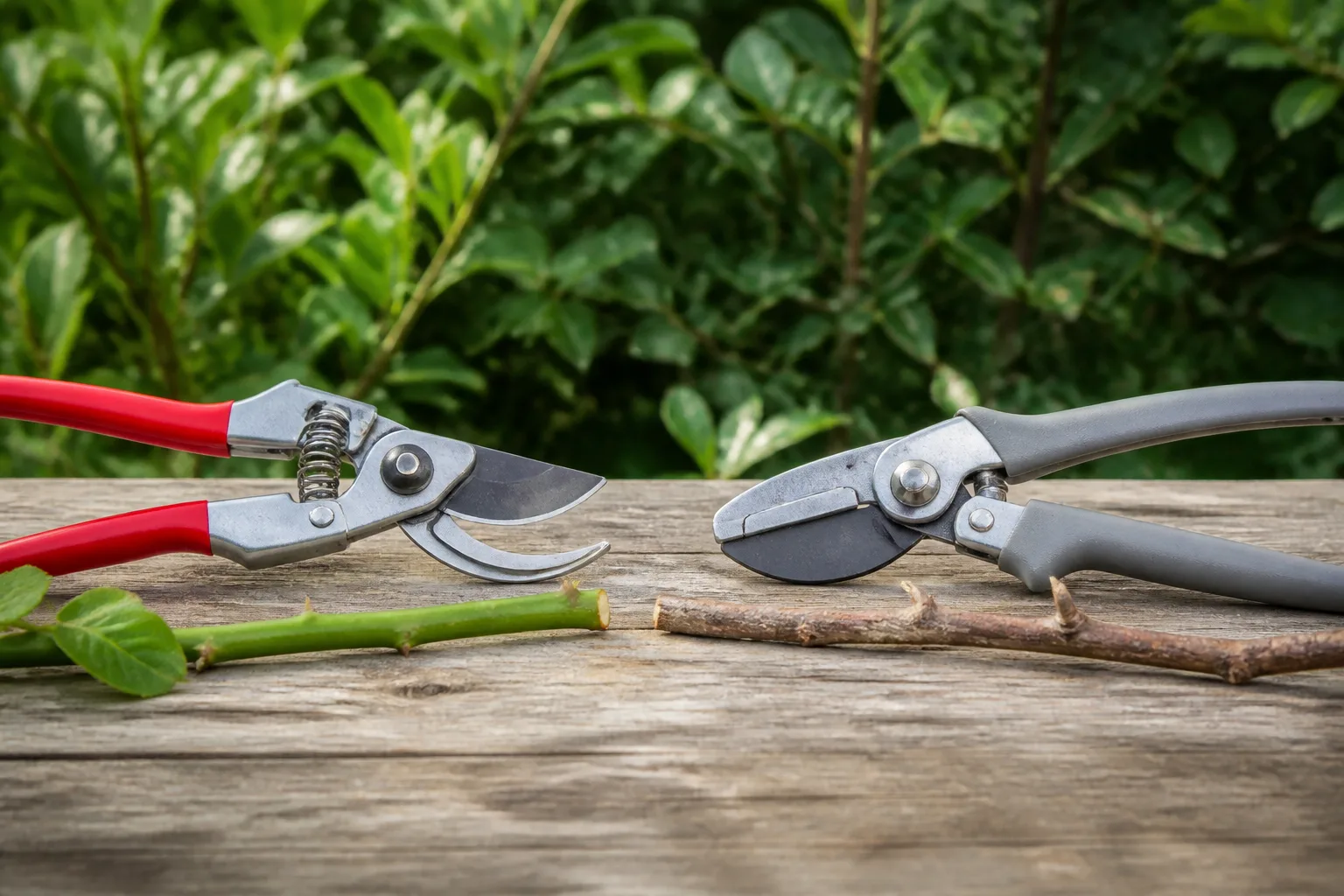
A safe sequence is simple:
- Decide whether the head should be harvested, left for birds, or removed.
- Clear the area around the plant and note where the stalk will fall.
- Support the upper stem or ask someone to steady it from a safe position if it is tall.
- Cut the stem in sections, starting at the head and working down.
- Make the final cut near the soil surface for an annual; do not pull hard on the root.
- Collect diseased debris separately and clean the tool before moving to another plant.
Do not use a dull blade that crushes the stem, and do not cut above your shoulder while the head is unsupported. For very thick stalks, a small pruning saw is more controlled than repeated force with undersized pruners. If a plant is tangled with wires, fencing, or other stems, free the surrounding material first so it does not spring back toward you.
What to do with sunflower heads, stalks, leaves, and roots
Handle each part according to its condition. Mature, healthy heads can be dried for seed, left for birds, or discarded if volunteers are unwanted. Healthy leaves and soft stem pieces can be chopped and composted under ordinary home-compost conditions; thick stalks break down more slowly, so cut them into shorter pieces or send them through an approved municipal yard-waste program.
Keep diseased material separate. Do not put visibly moldy heads or heavily infected stems into a cool, unmanaged pile and assume that decomposition will solve the problem. Local composting facilities may accept material under their own processing rules, so check the program rather than putting prohibited plant waste in the green bin.
You can leave the roots of an annual in place after cutting the stalk. They will decay underground, and pulling them is optional unless the root ball obstructs digging or the bed needs to be turned. Avoid burying a large pile of whole stalks in a planting hole; coarse material can take time to break down and can make the bed harder to work.
If you are saving seed, remove any seed heads you want to store before composting or chopping the stalk. Dry the heads thoroughly before rubbing seeds free, then store only fully dry seed in a cool, dry place. Keep seeds intended for food separate from seed treated with any pesticide, and do not use seed that has become moldy or smells musty.
Does sunflower allelopathy mean you must clear the bed?
Sunflower allelopathy is a real research topic, but it is not a reason to remove every healthy sunflower as soon as fall begins. A review in the Journal of Crop Science and Biotechnology describes sunflower residues and living crops being studied for weed suppression in agricultural rotations, including field, pot, and laboratory work. That is useful context, but it does not establish that one sunflower stalk will automatically stunt every neighboring plant in a home garden.
For a home bed, begin with the visible and manageable factors: a tall sunflower can shade nearby plants, compete for water while it is growing, occupy space, and leave a large amount of residue. Those effects are straightforward to observe. If you are sowing a sensitive, small-seeded crop in the same spot right away, clear the coarse sunflower residue from that row and prepare a clean seedbed rather than relying on the allelopathy label to predict the result.
If a crop repeatedly struggles in a bed where sunflowers have grown, rotate the next crop to a different area and compare results rather than guessing from a single season. For general planting timing, use the site’s guide to when to plant sunflowers. The key is to make bed preparation fit the crop you plan to grow, not to treat allelopathy as a universal warning.
Common mistakes to avoid
Cutting before seeds mature is the easiest way to lose seed for wildlife or saving. If you want either, wait for firm seeds and a yellow-brown back, or leave the head attached. You can remove it earlier only when disease, safety, or space is the higher priority.
Assuming every browning sunflower is diseased leads to unnecessary removal. An annual naturally declines after flowering and seed production; look for spreading spots, powdery growth, rot, or other clear symptoms before treating a plant as infected. When the signs are ambiguous, inspect the stem and head as well as the leaves.
Pulling the entire plant by force can disturb nearby roots and scatter seeds. For an annual, cut at the base and leave the roots unless you have a reason to remove them. For a perennial sunflower, identify the species before disturbing the crown or rhizomes.
Leaving an unstable stalk just for wildlife can create a hazard or damage neighboring plants. Harvest the head and place it in a safer spot, or cut the plant in sections. The bird benefit does not depend on keeping a brittle, leaning stem over a path.
Composting infected debris or whole seed heads without thinking can spread disease or create unwanted seedlings. Separate diseased material, and remove seed heads before composting if you do not want volunteers. Chop thick stalks so they break down more readily.
Conclusion
You can leave healthy sunflower stalks standing through winter, but you do not have to. Keep mature, sound seed heads for birds or harvest; remove plants with clear disease, rot, or a safety problem; and cut annual stalks when you need the bed. The same sunflower can be partly harvested, partly left, and later cleaned up without one all-or-nothing rule.
Before you cut, confirm whether your plant is an annual Helianthus annuus or a perennial sunflower, decide what you want from its seed head, and check whether the stem is stable and healthy. That quick check gives you a practical answer for this fall and a cleaner plan for spring.