7 Signs You Have Mold in Your Home and What to Do
Learn the seven common signs of mold in your home, where to inspect, what clues cannot prove, and when to clean, call a professional, or seek health advice.
Mold is common indoors, but it needs moisture to grow into a visible problem. The most useful warning signs are therefore a combination of visible growth, a persistent musty odor, signs of water damage, and damp conditions that keep returning. No single clue can tell you what species is present, how much is hidden, or whether it is causing anyone’s symptoms.
If you find growth, do not taste it, scrape it to identify it, or assume that a dark patch is a uniquely dangerous kind of mold. Start by keeping people away from the affected spot, looking for the water source without opening walls, and deciding whether the area is a small, accessible patch on a hard surface or a larger, recurring, hidden, or water-damaged problem. The CDC’s mold guidance is straightforward: if mold is present, address the growth and the moisture that allowed it to develop.
Start with a Two-Minute Reality Check
Walk the room slowly and look for two things together: a suspicious surface change and a reason the material may have stayed wet. Check ceilings below bathrooms or roofs, the cabinet under a sink, the wall around a window, and the floor or baseboard beside an exterior wall. A stain alone is evidence of moisture, not proof that mold is growing now; a new patch beside a recurring leak deserves more attention than an old, dry mark with no other clues.
Next, note whether a musty odor is strongest in one room, closet, cabinet, or near a vent. Look for condensation, plumbing drips, a damp carpet edge, peeling paint, or a soft area of drywall. Take a photo and record the date, location, recent rain or plumbing events, and whether the patch changes. This simple record helps you see whether the issue is active and gives a landlord, plumber, building inspector, or remediation contractor more useful information than a vague report of “mold somewhere.”
Avoid pulling off wallpaper, cutting drywall, lifting a large section of carpet, or running a fan over visible growth to investigate. Mold particles can become airborne when disturbed. If the source is behind a wall, under flooring, or inside a heating or cooling system, a qualified professional can assess it with less guesswork and help avoid spreading dust through the home.
Sign 1: Irregular Patches or Discoloration
Indoor mold may appear as scattered dots, irregular patches, or a spreading film. It can be black, green, gray, white, yellow, or another color, and the surface may look powdery, fuzzy, or slimy. The New York City Department of Health notes that mold can vary in color, texture, and odor; none of those traits identifies the species by sight alone.
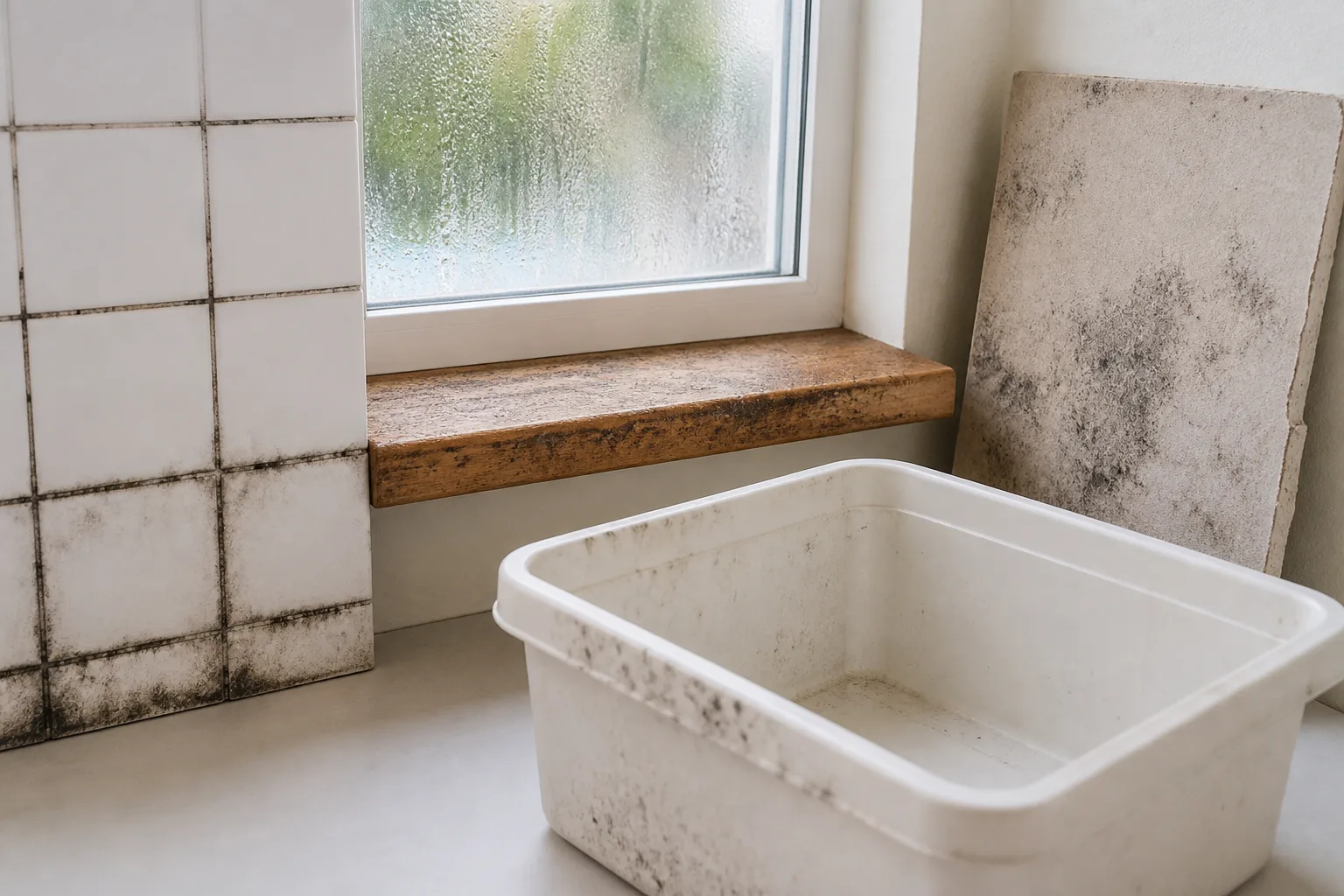
Look for growth on grout, caulk, painted walls, window trim, ceiling corners, cardboard, fabric, or stored items in a damp basement. A single mark could also be dirt, soot, mineral deposits, or a stain. Context matters: mold is more plausible where a patch grows, reappears after cleaning, spreads from a damp area, or sits near a leak or condensation problem. A bleach dab or other chemical “spot test” is not a reliable way to identify mold and can create a chemical exposure or damage a finish.
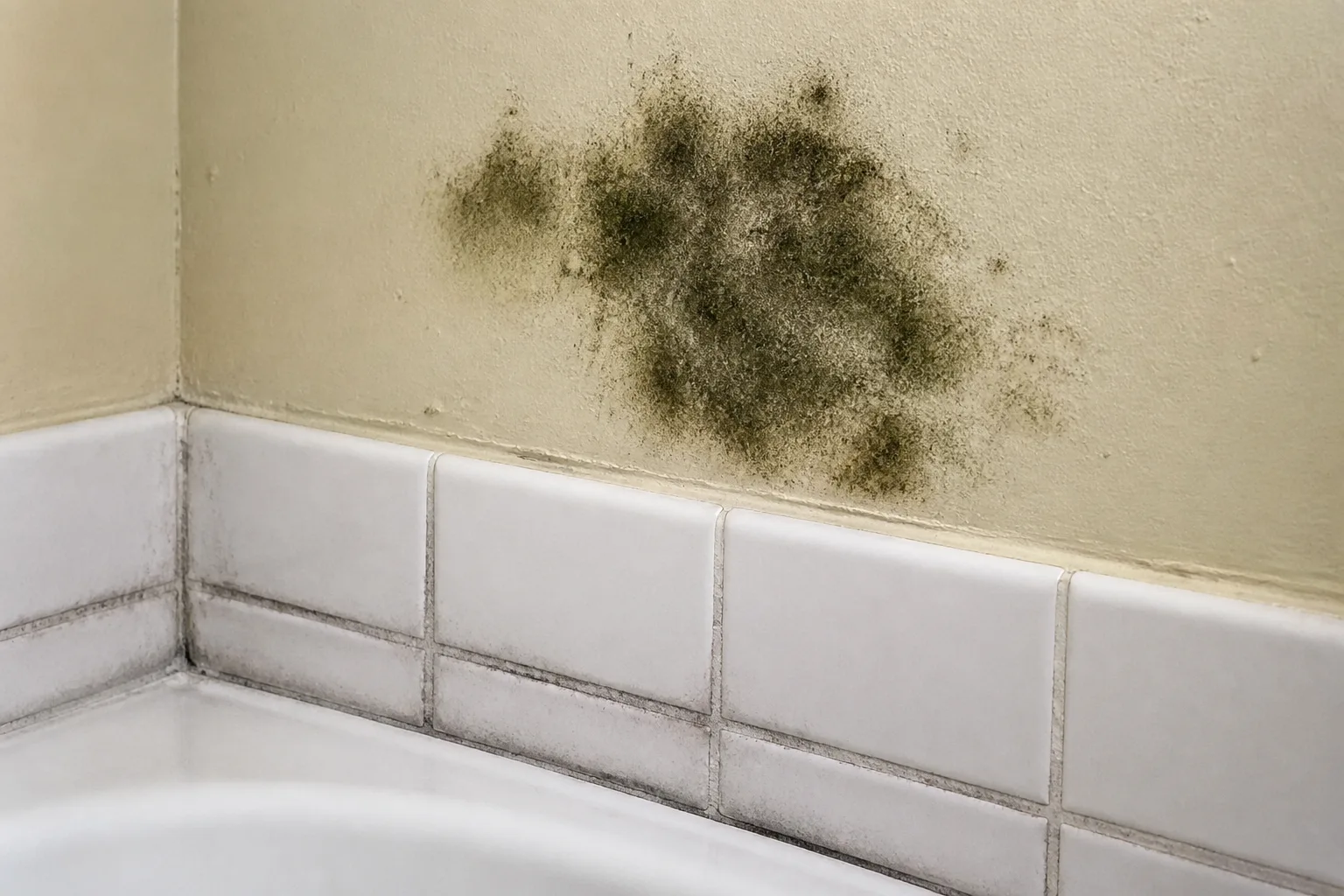
Do not focus on whether the patch is “black mold.” The color black describes appearance, not a confirmed species or risk level. Treat suspicious growth as a moisture and cleanup issue; if you need to know what material is affected or why it keeps returning, investigate the water source rather than trying to name the mold from a photograph.
Sign 2: A Musty Smell That Keeps Returning
A stale, earthy, or musty odor that lingers in one area can point to mold or another damp-material problem, even when there is no obvious patch. The smell is especially worth investigating if it returns after airing out the room, becomes stronger after rain, or is concentrated near a closet, cabinet, basement, or air handler. Family Handyman’s home inspection coverage also treats a changing musty smell as a reason to look for moisture rather than as a stand-alone diagnosis.
Search nearby for the source without dismantling the building: check under sinks, behind stored boxes, around window frames, at the base of plumbing fixtures, and near roof or foundation leak paths. A drain, wet laundry, a dirty appliance tray, or stored items can also produce unpleasant odors, so do not assume that every musty smell is mold. But if you cannot find a benign source and the odor persists, especially with staining or damp materials, arrange an inspection instead of masking it with fragrance.
Smell can be subjective. Some people notice odors others do not, and an odor-free room is not proof that there is no hidden moisture. Use smell as a prompt to inspect the building and document the location, not as a way to estimate the amount or danger of mold.
Sign 3: Water Stains, Bubbling Paint, or Loose Wallpaper
Brown or yellow ceiling rings, streaks under a window, peeling paint, blistered drywall, or wallpaper that lifts at a seam often signal that water has entered or is condensing behind the finish. Those symptoms do not prove mold, but they do show that a surface or cavity may have been wet. If the mark grows after storms, returns after repainting, or is paired with a musty odor, look for a leak or persistent condensation before covering it.
Map the stain to likely sources above or outside it. A ceiling mark may line up with a bathroom, roof valley, chimney, or plumbing run; a lower-wall stain may correspond to a foundation seep or a leaking appliance. Water can travel along framing, so the visible mark may sit some distance from the leak itself. This Old House’s inspection guide identifies water stains, loose finishes, and musty odors as clues that should be read together with the building’s moisture history.
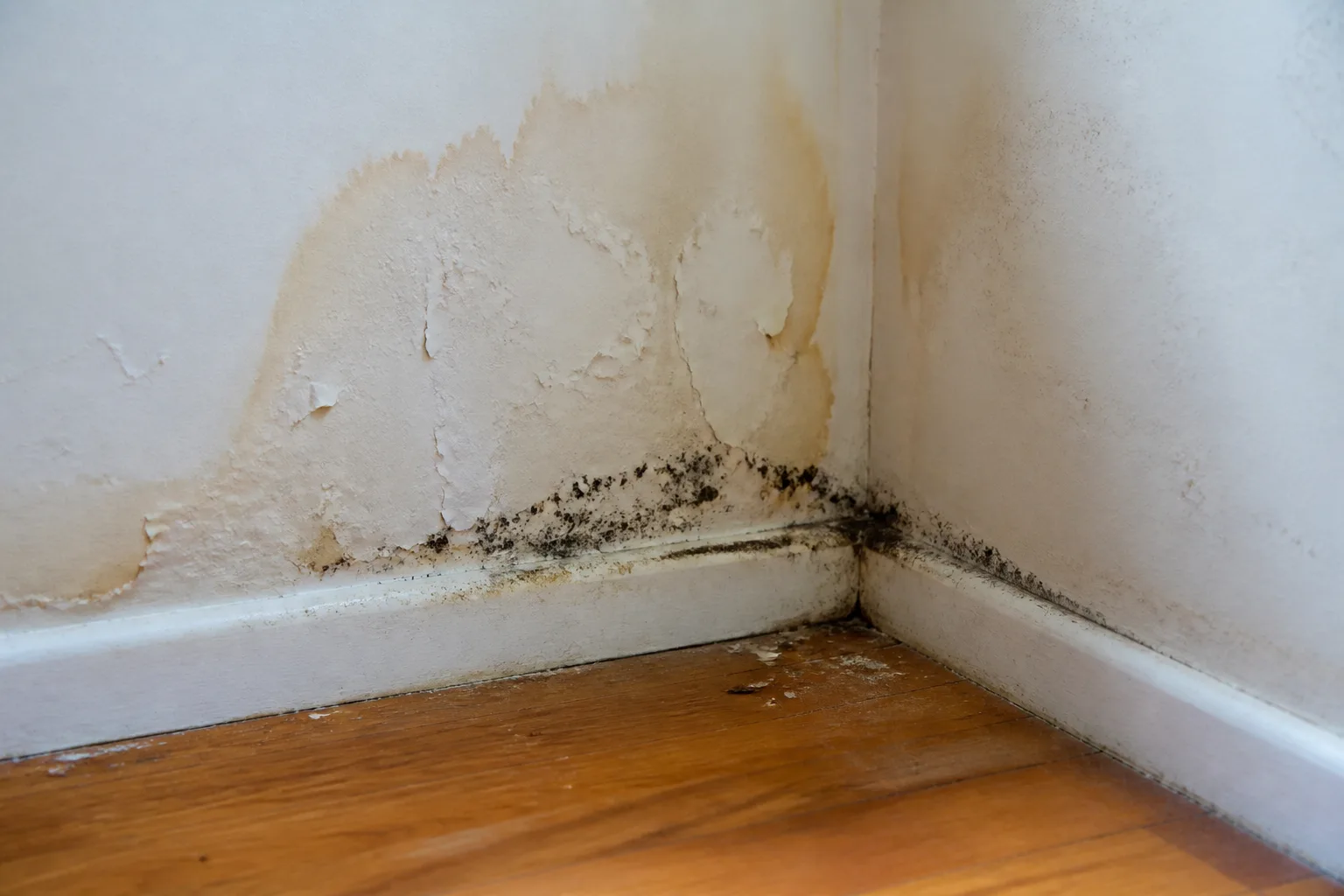
Do not paint over a stained or moldy area as the first fix. A stain blocker can hide discoloration while the leak continues behind the wall. Photograph the affected area, check whether it feels damp without pressing or breaking the surface, and have the leak repaired; only then can you decide whether the finish needs cleaning, drying, or removal.
Sign 4: Condensation That Reappears on Windows or Walls
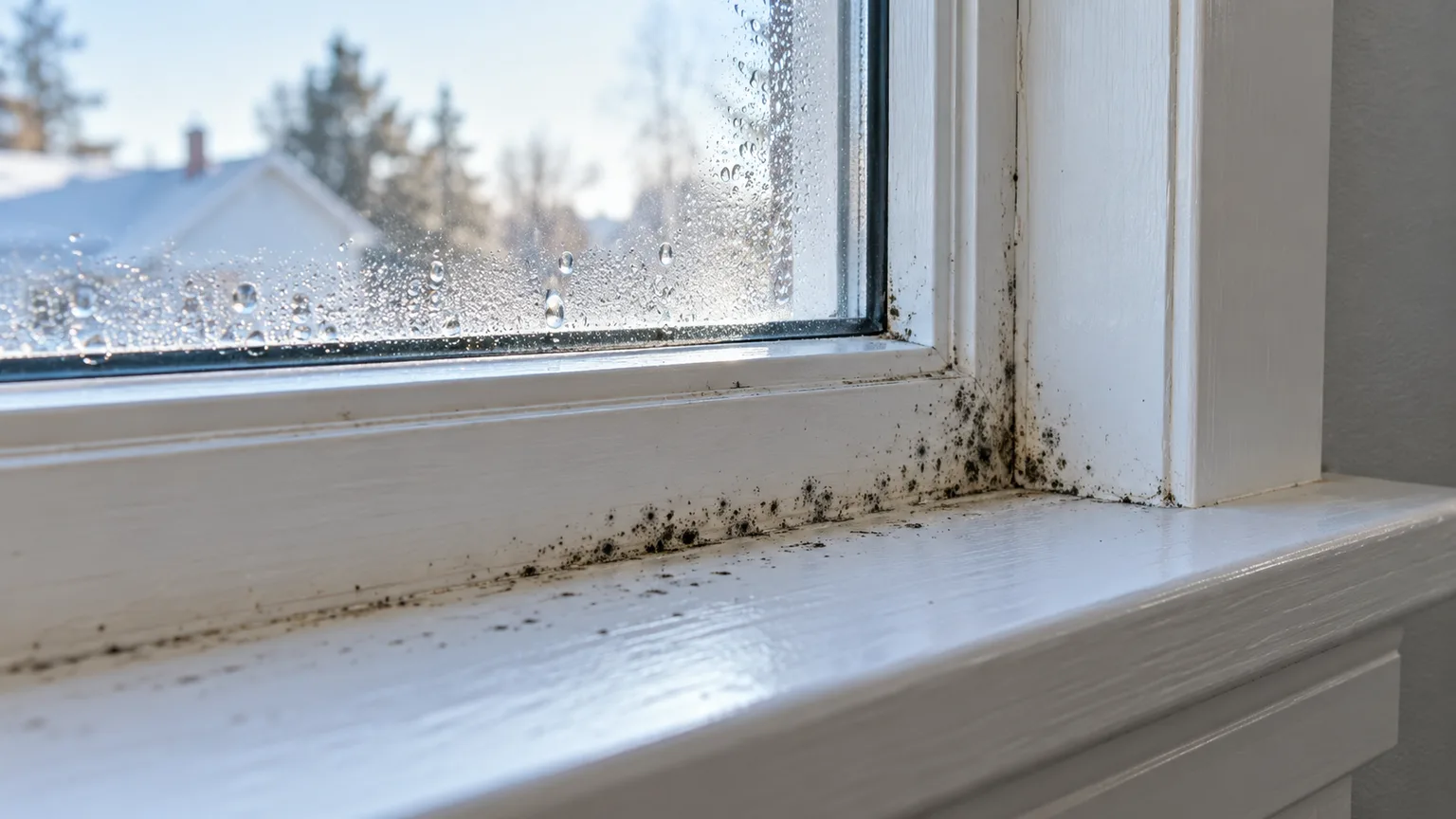
A little condensation can appear when warm, humid indoor air reaches a cold window. Repeated puddles on a sill, water beading on cold walls, or condensation that returns most mornings suggests that indoor humidity, air circulation, insulation, or ventilation deserves attention. The droplets themselves are not mold, but they repeatedly wet the same paint, wood, caulk, or dust and can create conditions where growth takes hold.
Track when and where the condensation forms. If it is limited to one window, check whether a curtain blocks warm room air, whether weatherstripping leaks, or whether the glass is unusually cold. If several windows, outside walls, or closets show dampness, measure humidity with a hygrometer and use kitchen or bathroom exhaust fans that vent outdoors. The CDC advises keeping indoor humidity no higher than 50 percent; that is a practical target, not a guarantee that every cold surface will stay dry.
Dry the sill and nearby surfaces, then monitor whether the water returns. If condensation persists despite ventilation and reasonable humidity, a building professional may need to look at insulation, air leakage, or a hidden water source. Avoid sealing a wet wall behind furniture or a new layer of paint, which can make the trapped moisture harder to notice.
Sign 5: Materials That Stay Damp, Soft, or Warped
A carpet edge that never dries, a swollen cabinet base, soft trim, warped flooring, or drywall that feels cool and damp can indicate chronic moisture. Mold grows on or within many materials that provide food, including paper-backed drywall, wood, cardboard, fabric, carpet, and upholstery. The CDC lists these kinds of building and household materials among places mold can grow when moisture is present.
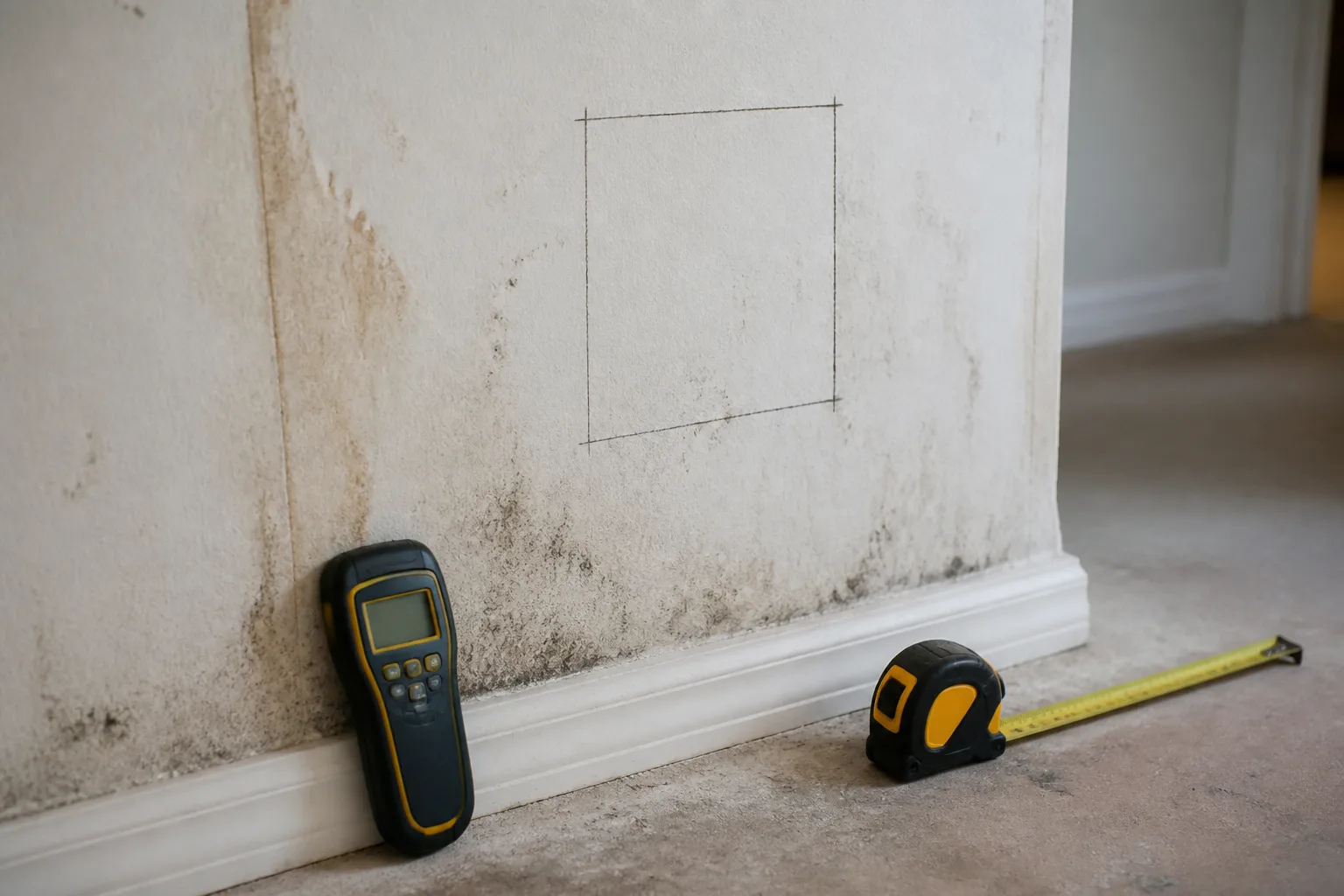
Check whether the dampness follows a plumbing line, appliance, exterior wall, basement slab, or bathroom fixture. A small spill that dries quickly is different from a slow leak hidden under a cabinet. If the wood is discolored or soft, or a floor is buckling, do not poke it with a knife or screwdriver; that can damage the finish, expose contamination, or injure you. Photograph the area and use a moisture meter only as a screening tool—readings can vary by material and do not confirm mold.
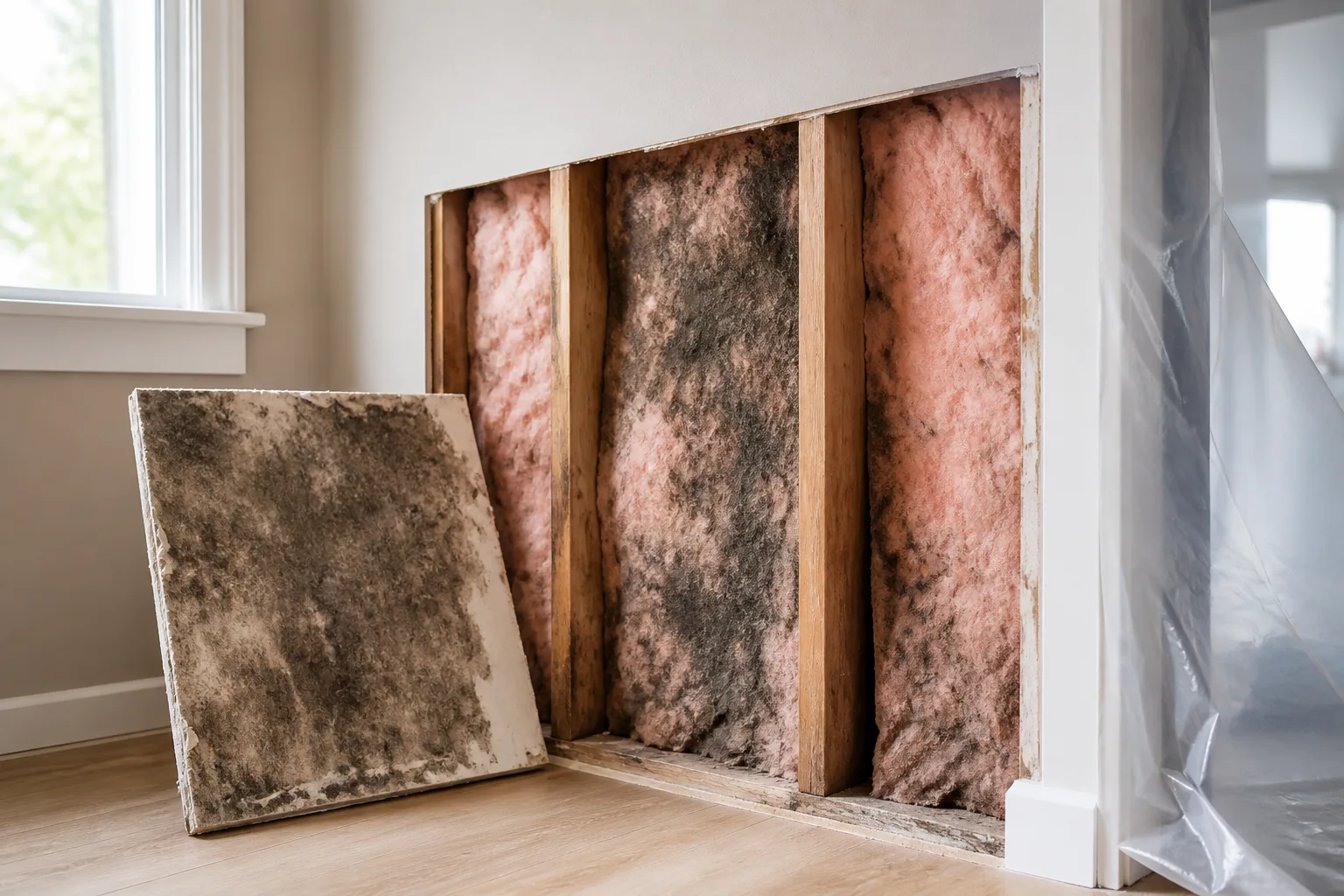
Porous materials are harder to clean thoroughly than a nonporous surface. When carpet padding, insulation, ceiling tile, or drywall has been soaked or visibly colonized, replacing the affected material may be necessary after the leak is fixed and the cavity is dried. A professional can determine how far to remove material; cutting first and asking questions later can release dust and enlarge the repair.
Sign 6: A Leak, Flood, or Repeated Plumbing Problem
A roof leak, burst pipe, appliance overflow, sewer backup, flood, or repeated drip under a sink is a strong warning even before a patch appears. The event supplies the moisture that mold needs; porous materials that remain wet give it time to establish. CDC guidance recommends cleaning and drying a home fully and quickly—within 24 to 48 hours after a flood when possible—to reduce the chance of mold growth.
Stop the water if you can do so safely, protect electrical safety, and contact the right repair professional for the leak. Move dry belongings away from the wet area, but do not carry moldy or soaked material through clean rooms without containment. If the water came from sewage, a flood, or another contaminated source, or if a large area of building material is wet, skip DIY cleanup and seek professional remediation guidance.
Keep receipts, photos, and a short timeline of when the leak began, when it was stopped, and what materials were wet. Renters should report active leaks and mold concerns promptly in writing and keep copies; responsibility, deadlines, and remediation rules vary by location. If the same patch returns after a repair, ask for the water source and wet materials to be reassessed rather than requesting another coat of paint.
Sign 7: Symptoms That Ease When You Leave Home
Some people exposed to damp or moldy indoor environments may have a stuffy nose, sore throat, cough, wheezing, burning or itchy eyes, or a skin rash. Symptoms may be more serious for people with asthma, mold allergies, chronic lung disease, or weakened immune systems. The CDC and New York City Health both describe a range of possible effects, including people who have no noticeable reaction.
A pattern that seems worse in one room and improves after time away can be a useful clue to discuss with a healthcare provider, but it does not prove that mold is the cause. Allergies, respiratory infections, dust, pets, cleaning products, and many other conditions can create similar symptoms. Do not use a home mold test to diagnose a person or delay medical care while trying to identify a species.
If someone has breathing difficulty, a severe asthma flare, or other urgent symptoms, seek medical care promptly. If symptoms persist or recur, tell the clinician about the location and timing, any recent water damage, and whether others in the household are affected. People at higher risk should avoid disturbing or cleaning a moldy area themselves; get medical advice and arrange for a safer inspection or cleanup plan.
How to Inspect Without Making the Problem Worse
Start with a flashlight, phone camera, and notes—not a scraper or a test kit. Inspect the visible surface and the room around it, then trace plausible sources of water: plumbing above or behind the spot, roof penetrations, window joints, appliance hoses, exterior drainage, and condensation on cold surfaces. Look at adjoining rooms and the opposite side of the wall if it is accessible without moving heavy or contaminated material.
Make a simple map of each clue and mark whether it is new, growing, damp, or recurring. A hygrometer can show whether indoor humidity stays high; it cannot detect mold inside a wall. A pinless moisture meter may help a trained inspector compare wall areas, but readings depend on construction and are not proof of growth. Thermal cameras also show temperature differences, not mold itself.
Do not open a wall cavity, remove a ceiling panel, pull up a large carpet section, or use a household fan to investigate a suspected hidden colony. If a persistent odor, repeated water stain, or soft surface points to growth behind a finish, a qualified building or remediation professional can decide whether targeted opening or further assessment is warranted.
Check These Moisture-Prone Spots First
Look under sinks and around toilets, tubs, dishwashers, washing machines, refrigerators with water dispensers, and water heaters. Then inspect window sills, exterior-wall corners behind furniture, basement walls, attic ceilings below the roof, and the area around heating or cooling equipment where a drain pan or condensate line can leak. These locations are useful because they pair likely moisture sources with materials mold can grow on.
A musty smell near a vent or visible growth on an air filter does not establish that the duct system is contaminated. Do not spray a cleaner into vents or open an HVAC cabinet unless you are qualified; ask an HVAC professional to inspect equipment when growth appears inside the system or odors travel through supply air.
What to Do the Day You Suspect Mold
First, keep children, pets, and anyone with asthma, mold allergy, chronic lung disease, or a weakened immune system away from the affected area. Avoid touching, dry-brushing, or vacuuming visible growth. Take photos from a safe distance and write down the room, approximate size, material, odor, and any leak or flood history.
Next, stop the moisture source and decide whether the problem is suitable for limited surface cleaning. For a small patch on an accessible hard surface, public-health guidance from New York City recommends soap or dish detergent and water, waterproof gloves, and thorough drying. CDC cleanup guidance recommends at least a NIOSH-approved N95 respirator, protective gloves, and goggles for mold cleanup; people with asthma, chronic lung disease, mold allergies, or weakened immune systems should not do the cleanup themselves. Follow the cleaning product label, protect nearby belongings, and never mix bleach with ammonia or any other cleaner. If you cannot use appropriate protection, the material is porous, the growth is extensive, the source is contaminated water, or the area is hidden, get professional advice before disturbing it.
After cleaning, dry the surface completely and address the humidity or leak that fed the growth. If the patch returns quickly, expands, or the wall remains wet, stop repeating surface treatments and investigate the cause. Cleanup is not complete just because the discoloration is temporarily gone.
Fix the Water Source Before Cosmetic Repairs
Repair the leak, improve ventilation, clear the condensate drain, or address the exterior water path that is wetting the material. If a roof or plumbing repair is outside your skills, hire the relevant licensed trade; if the source is unclear or the cavity is damaged, request a building or moisture assessment. Keep records of what was repaired and when the area was dried.
Do not seal damp material inside a wall or cover staining with paint before the material is dry and the source is resolved. CDC and EPA guidance emphasize both cleaning mold and fixing the moisture problem. If a landlord controls the repair, send dated photos and a written request, follow local tenant processes, and avoid doing demolition yourself unless you are authorized and the work is safe.
Decide Between Careful DIY Cleanup and Professional Help
DIY cleanup is most reasonable when the visible patch is limited, accessible, on a hard nonporous surface, and the moisture source is understood and fixed. It also assumes the person doing the work is not in a group likely to have a stronger reaction to mold exposure. If any of those conditions are false, a professional assessment can reduce exposure and prevent a cosmetic cleanup from hiding a larger problem.
The size of the patch is one factor, but it is not the only one. The EPA says a moldy area smaller than about 10 square feet (roughly a 3-by-3-foot patch) can often be handled by the homeowner, while more extensive growth or substantial water damage calls for consultation with its remediation guidance. That is a general cleanup guide, not a universal legal cutoff or a promise that every small patch is safe to handle. A small spot after a sewage backup, a recurring patch inside an air handler, or growth in a home with a medically vulnerable occupant can still warrant outside help. Conversely, one isolated patch on tile after a ventilation problem may be manageable after the moisture source is corrected. Local rules may set specific thresholds or licensing requirements; check your state or city health department before hiring or removing building materials.
When choosing help, ask what moisture source they found, what materials they believe are affected, how they will protect clean areas, whether they will document the scope, and how they will verify that the water problem was corrected. If you are concerned about conflicts of interest, ask whether the inspector and remediation company are independent and what local licensing rules apply.
Situations That Call for a Qualified Professional
Get professional help when growth covers more than about 10 square feet, is spreading across rooms, returns after cleaning, may be inside drywall, insulation, flooring, or an HVAC system, follows a sewage or flood event, or is accompanied by soft, buckled, or structurally damaged materials. EPA also recommends consulting its guidance when HVAC contamination is suspected; if you know or suspect the system is contaminated, do not run it because it could spread mold through the building. Also avoid DIY disturbance if a resident has asthma, a significant mold allergy, a chronic lung condition, or a weakened immune system. Public-health advice recognizes that people differ in sensitivity, so the same cleanup task is not equally suitable for every household.
Use a mold remediation or building professional for the scope they are qualified to assess, and use a licensed plumber, roofer, or HVAC contractor to fix the corresponding source. Ask for an itemized written scope rather than approving a vague promise to “kill all mold.” No treatment can compensate for an unrepaired leak, and no general-purpose test can certify that a building is mold-free under every condition.
Do You Need a Home Mold Test?
Usually, visible growth or a persistent moisture problem gives you a more actionable answer than a consumer test plate. The CDC does not recommend routine home mold testing because health responses vary, there are no universal standards for an acceptable level of every mold type, and testing does not change the need to remove visible mold and correct moisture. A test can detect spores without showing where the moisture source is or whether a surface needs repair.
Consider professional sampling only when there is a specific question that a qualified assessor can answer and a clear plan for using the result—for example, a complex building dispute or a targeted investigation of an inaccessible area. Ask what the sample will measure, what decision will change based on the result, and whether moisture inspection is part of the assessment. Be cautious of a seller who claims a single air sample proves that your house is safe or dangerous.
If you can see mold, do not wait for a lab result before addressing a leak or arranging appropriate cleanup. If you cannot see mold but have persistent odor or repeated moisture clues, locate and correct the dampness first; then decide with a professional whether testing adds useful information.
Keep Mold from Returning
Mold prevention is mostly moisture management. Repair roof and plumbing leaks promptly, dry wet materials quickly, and use kitchen and bathroom exhaust fans that vent outside. After a flood, the CDC advises cleaning and drying the home within 24 to 48 hours when possible; porous items that cannot be dried promptly may need to be discarded or assessed for replacement.
Keep indoor humidity at or below 50 percent where practical, using an air conditioner or dehumidifier if needed. A small hygrometer can help you track trends in basements, bathrooms, and rooms where condensation appears. Clean up window water, keep furniture a little away from persistently cold exterior walls to allow airflow, and make sure dryer vents and appliance drain lines discharge correctly.
Do not try to solve every damp-room problem by opening windows. Outdoor humidity, pollution, temperature, and safety affect whether that helps; use exhaust ventilation or mechanical dehumidification when outdoor air would add moisture. If the same area becomes wet again, treat recurrence as evidence that the source or drying plan still needs attention, not as a cue to apply a stronger fragrance or paint.
Conclusion
The clearest signs of mold in a home are visible irregular growth and a musty odor, while water stains, condensation, damp materials, leaks, and room-linked symptoms help you find where to investigate. Treat each clue as a reason to check for moisture; color and smell cannot identify a species, and symptoms alone cannot establish the cause.
Photograph what you see, avoid disturbing hidden or extensive growth, stop the water source, and dry affected materials. A small patch on a hard surface may be manageable with careful cleaning, but recurring, hidden, widespread, flood-related, HVAC, or health-sensitive situations call for professional guidance. Fixing the moisture problem is what prevents the same sign from returning.