Tree Removal Cost in 2026: Price Ranges and Factors
See 2026 tree removal cost ranges by height, what stump grinding and cleanup add, when permits or insurance matter, and how to compare written bids.
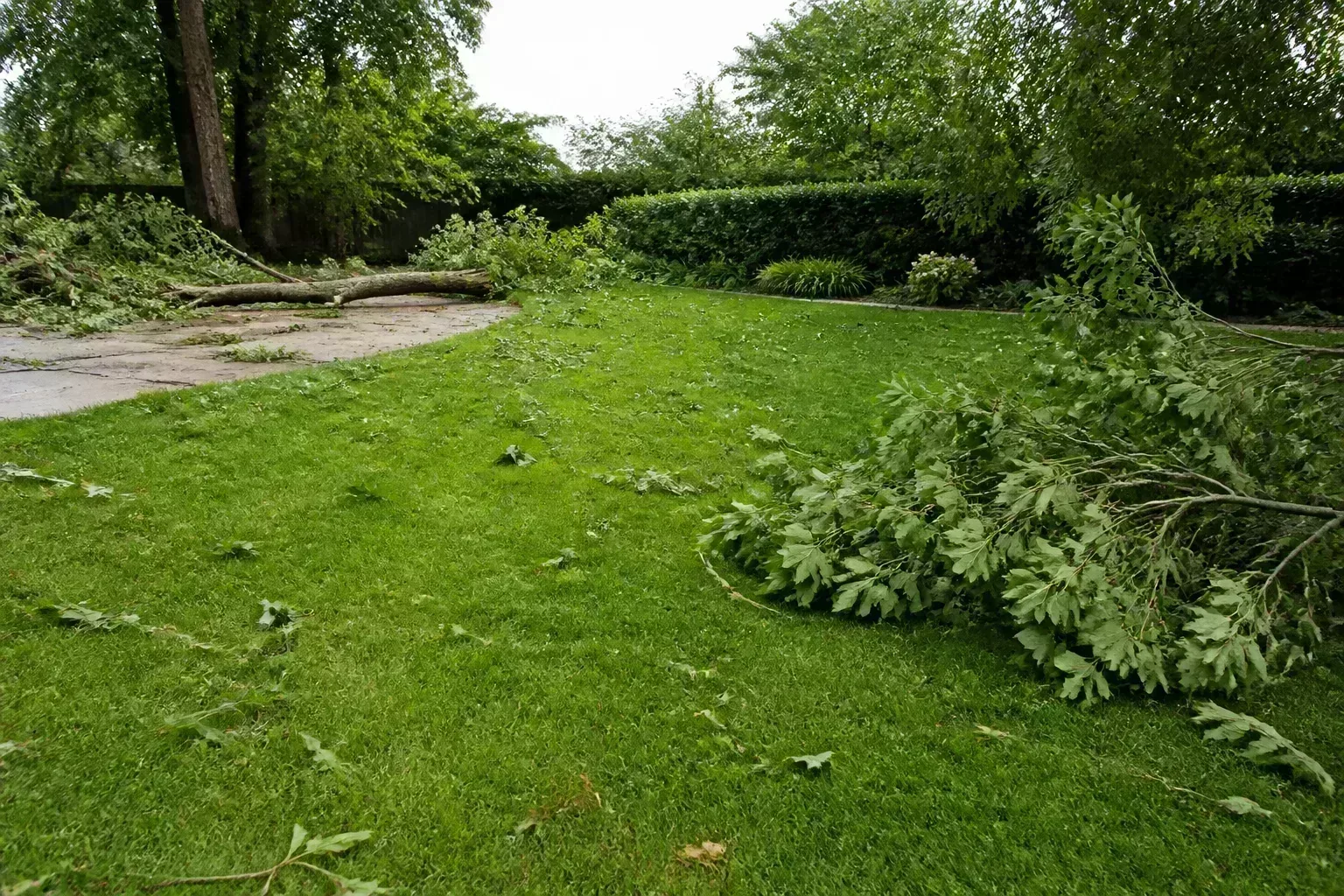
In the United States, a useful 2026 planning range for professional tree removal is about $150 to $2,000 per tree, with very small, open-yard jobs toward the low end and large, difficult removals above the range. This Old House’s March 2026 cost guide reports a national average of $906 and size bands from $150–$450 for trees up to 30 feet to $1,000–$2,000 for trees at least 80 feet tall; those are broad benchmarks, not a quote for your yard. This Old House’s 2026 estimate and Bob Vila’s national cost overview also show why the word “average” can mislead: their reported averages differ, and each pricing guide draws from its own data and assumptions.
For a real budget, start with height, then adjust for trunk diameter, condition, access, hazards, cleanup, and what happens to the stump. A tree in an open lawn can be felled and processed quickly; the same-height tree over a roof or tight courtyard may need climbing, rigging, extra crew, or a crane. Ask for a site-specific written scope and compare what each bid includes before treating the lowest number as the best price.
A realistic 2026 tree removal cost range
The following size bands are a helpful first screen for a standing tree in the U.S. They summarize the March 2026 ranges published by This Old House, whose guide says its cost inputs came from Homewyse and Angi; Bob Vila presents similar broad size tiers. Prices are in U.S. dollars and should be read as planning ranges, not a guaranteed market rate.
| Approximate tree height | Planning range for removal | What to keep in mind |
|---|---|---|
| Up to 30 feet | $150–$450 | Lower only when the tree is healthy, accessible, and clear of targets |
| 30–60 feet | $450–$1,200 | Canopy spread, trunk thickness, and sectional work can move the bid up |
| 60–80 feet | $800–$1,500 | More material and controlled lowering are common |
| 80 feet and taller | $1,000–$2,000+ | Crane, rigging, utility coordination, and difficult access can exceed this band |
A single national average compresses unlike jobs into one number. The 2026 This Old House guide reports $906, while Bob Vila’s page cites an average of $750 and a broad $200–$2,000 range. Neither value tells you what a tree beside a house, across a narrow gate, or under a utility line will cost in your town. The useful takeaway is the overlap in their size-based ranges and the fact that location changes labor and equipment needs.
Online ranges are also not interchangeable with “cost per foot” rules. Contractors may use a quick height band to screen a job, but a final estimate depends on a site visit and a removal plan. A tree’s height alone cannot show whether a crew can reach it with a bucket truck, where each limb can be lowered, whether the wood can be carried to a chipper, or what local disposal fees apply.
Tree removal cost by height
Tree height is an easy way to orient a quote, but it is not a precise measurement of effort. The height bands above describe common planning brackets; they do not imply that every tree within a bracket costs the same or that crossing a band automatically adds a fixed amount. A 28-foot multi-trunk tree wedged between a garage and a fence can be more demanding than a 40-foot tree with a clear drop zone.
Contractors also consider diameter at breast height (DBH), usually measured around 4.5 feet above ground, and sometimes canopy width or the number of stems. A thick trunk yields heavier sections and more saw work, even when the tree is not especially tall. If you want to prepare before the estimator arrives, note approximate height, trunk circumference at chest height, number of trunks, and nearby structures; do not climb or make cuts to collect those measurements.
Species can affect how a tree is handled, but a simple “oak costs X, pine costs Y” chart can create false precision. Branch architecture, decay, wood weight, split leaders, and the size of the actual tree matter more than its name in many yards. This Old House’s price guide includes wide overlapping ranges for common species, which reinforces that a species label is not a substitute for a site assessment.
Why two trees of the same height get different bids
A quote reflects the work needed to remove the tree without letting uncontrolled pieces hit a home, person, vehicle, fence, garden, or service line. The contractor is pricing labor, equipment, rigging, access, debris handling, and the consequences of a mistake, not simply the number of feet above the ground. That is why it is normal for two bids to differ when contractors propose different crew sizes, equipment, or cleanup levels.
A large clear area gives the crew room to establish a drop zone and process wood efficiently. Tight access, steep or wet ground, nearby targets, narrow gates, retaining walls, patios, and a tree that leans over a structure can require more careful sequencing. If a bucket truck or chipper cannot reach the work area, workers may have to carry brush farther or remove branches in smaller sections.
Access, targets, and the removal method
When there is not a safe place to fell the whole tree, an arborist may dismantle it from the top down. Climbers or a lift remove branches and trunk sections in controlled pieces; ropes and rigging lower them to a designated landing area. This takes more labor than a clear felling job, but it can reduce the risk of damaging nearby property. A crane may help in some constrained sites, though mobilization, setup space, and local availability can make it a significant added line item.
Ask the estimator to describe the planned removal method in plain language. “We’ll take it down safely” is not enough to compare bids if one quote assumes a drop zone and another includes rigging over a roof. The estimate should identify the structures or surfaces the crew intends to protect, the access route, whether a lift or crane is included, and what happens if they uncover hidden decay or an obstruction.
Trees near power lines need a separate safety boundary. Do not touch or cut a tree that is contacting a line, and do not hire a general tree crew to work in the electrical clearance zone unless the utility and qualified line-clearance professionals have coordinated the work. If a line is down or a tree is leaning into it, keep away and call the utility or emergency services as appropriate; the urgency is safety, not price shopping.
Condition, trunk size, and species
A standing dead or decayed tree is not automatically a cheaper removal. Hollow wood or weak unions can make it unsafe to climb or rig, requiring specialized access and a more cautious sequence. A storm-damaged tree may also be under tension: branches and trunks can shift unexpectedly when cut, so a low-looking limb is not necessarily a simple job. Share visible cracks, hanging limbs, cavities, prior lightning strikes, and recent changes in lean when requesting an assessment.
Several stems growing from one base, a broad heavy canopy, brittle limbs, or a trunk with a pronounced lean can all add complexity. Trees with the same height may produce very different volumes of brush and logs, changing chipping and disposal time. Ask the company to say which observed condition changes the price so you can understand the work being priced, rather than relying on a blanket species surcharge.
If you are unsure whether removal is necessary, request an evaluation from an ISA Certified Arborist or another appropriately qualified tree-risk professional. ISA says Certified Arborists are trained in arboriculture and must follow its Code of Ethics; its separate Tree Risk Assessment Qualification adds specialized training and assessment in tree-risk evaluation. Neither is a removal bid or an automatic recommendation to cut the tree down. Read about the ISA Certified Arborist credential and Tree Risk Assessment Qualification when deciding what expertise you need.
What the base removal quote may include
“Tree removal” is not a standardized package. One company may include cutting the tree down, bucking the trunk into manageable sections, chipping branches, and raking the work area. Another may price the cut only and list brush hauling, log removal, stump grinding, or surface-root cleanup separately. There is no safe assumption that a quote includes every service just because the phrase “full removal” appears at the top.
Before you compare estimates, ask each contractor to describe the finished site. Will the tree be cut to ground level or will a stump remain? Will branches be chipped and hauled away? Are logs left in the yard, cut to a requested length, or removed from the property? Does cleanup mean raking and blowing hard surfaces, or does it include removing sawdust and filling the stump cavity? Put the answers in writing.
A more complete bid should also state whether permit applications, traffic control, utility coordination, wood disposal, and taxes or fees are included. If the work may damage lawn or paving, ask how the crew protects the route and who is responsible for repairs. Compare the same scope across all companies; otherwise, a cheaper proposal may only exclude tasks you will later need to buy.
Common add-ons that change the final price
The amount due can grow after the tree is down if you add services that were outside the base scope. The biggest scope questions are generally stump treatment, brush and log disposal, crane or lift use, traffic management, emergency dispatch, and permit work. Ask for each as an itemized optional price where practical so you can make the decision before the crew arrives.
Do not assume every add-on is a necessary upgrade. A stump can sometimes remain and decay naturally if it is out of the way and does not send troublesome shoots. Logs can sometimes stay for firewood or habitat if that suits the property, although wood storage may attract pests or create a trip hazard. The right choice depends on the yard’s use, local rules, and whether the tree’s condition creates a safety concern.
Stump grinding versus stump excavation
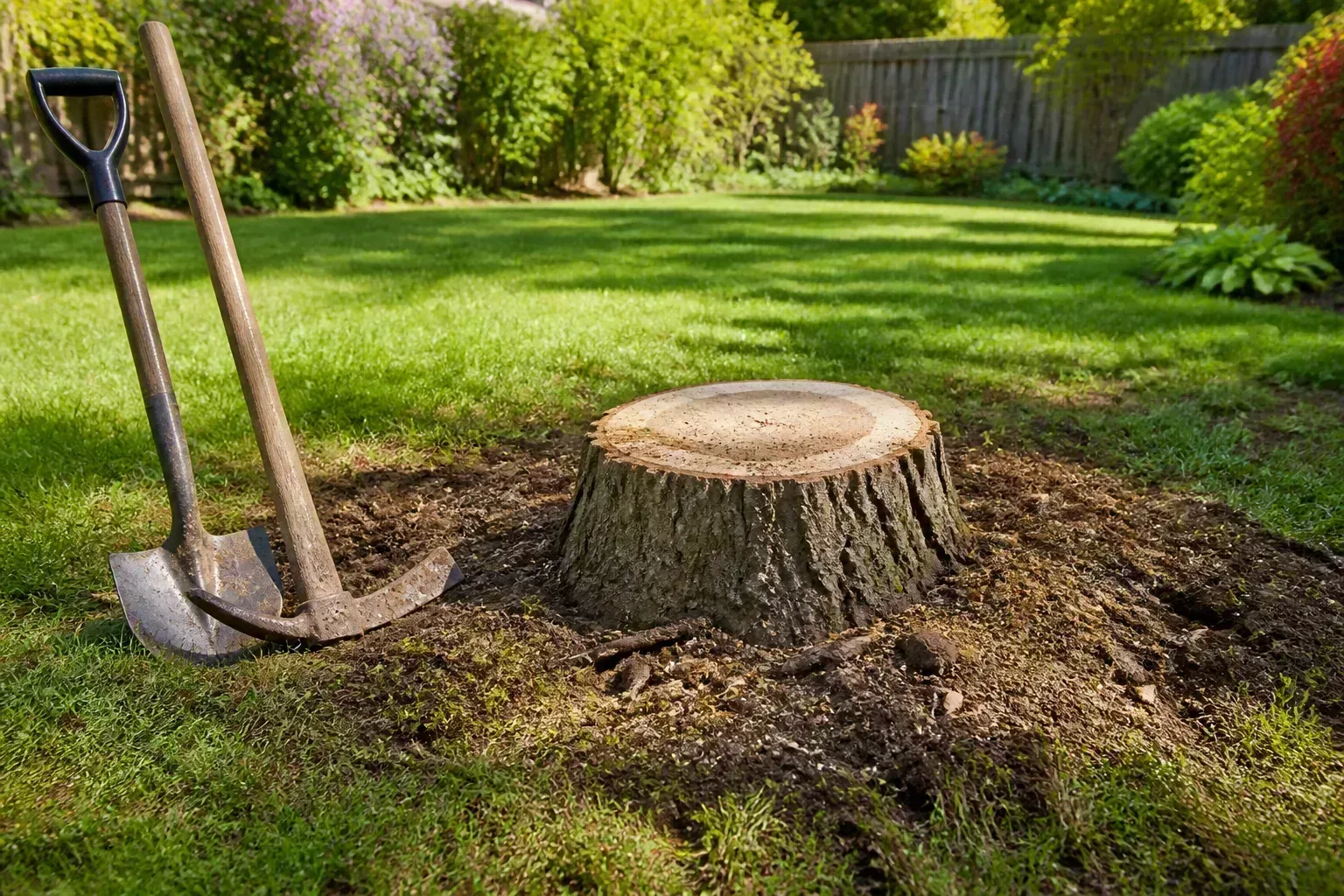
Tree removal commonly leaves the stump. Stump grinding uses a specialized machine to grind the stump below the surrounding grade; many projects then backfill the depression with chips or soil. Pricing guides from Bob Vila place stump grinding broadly around $100–$400, with the real amount depending on stump diameter, surface roots, access, and the requested depth. Ask how far below grade the contractor will grind and whether they remove or leave the grindings.
Grinding is not the same as extracting the stump and root system. Excavation disturbs more soil and can affect paving, irrigation, nearby plants, or buried lines; it may be needed when a new structure, footing, or planting plan requires the area clear. Even excavation usually does not mean every lateral root across the yard will be pulled out. Ask the contractor to mark exactly what “stump removal” means in the proposal.
If you plan to replant nearby, tell the estimator before grinding. The location of the old root flare, the stump cavity, and the amount of wood chips left behind can affect how you prepare the new planting spot. A contractor can explain the work, but a new tree should be planted with enough space for its mature canopy and roots, not simply dropped into the old hole.
Brush, logs, and haul-away
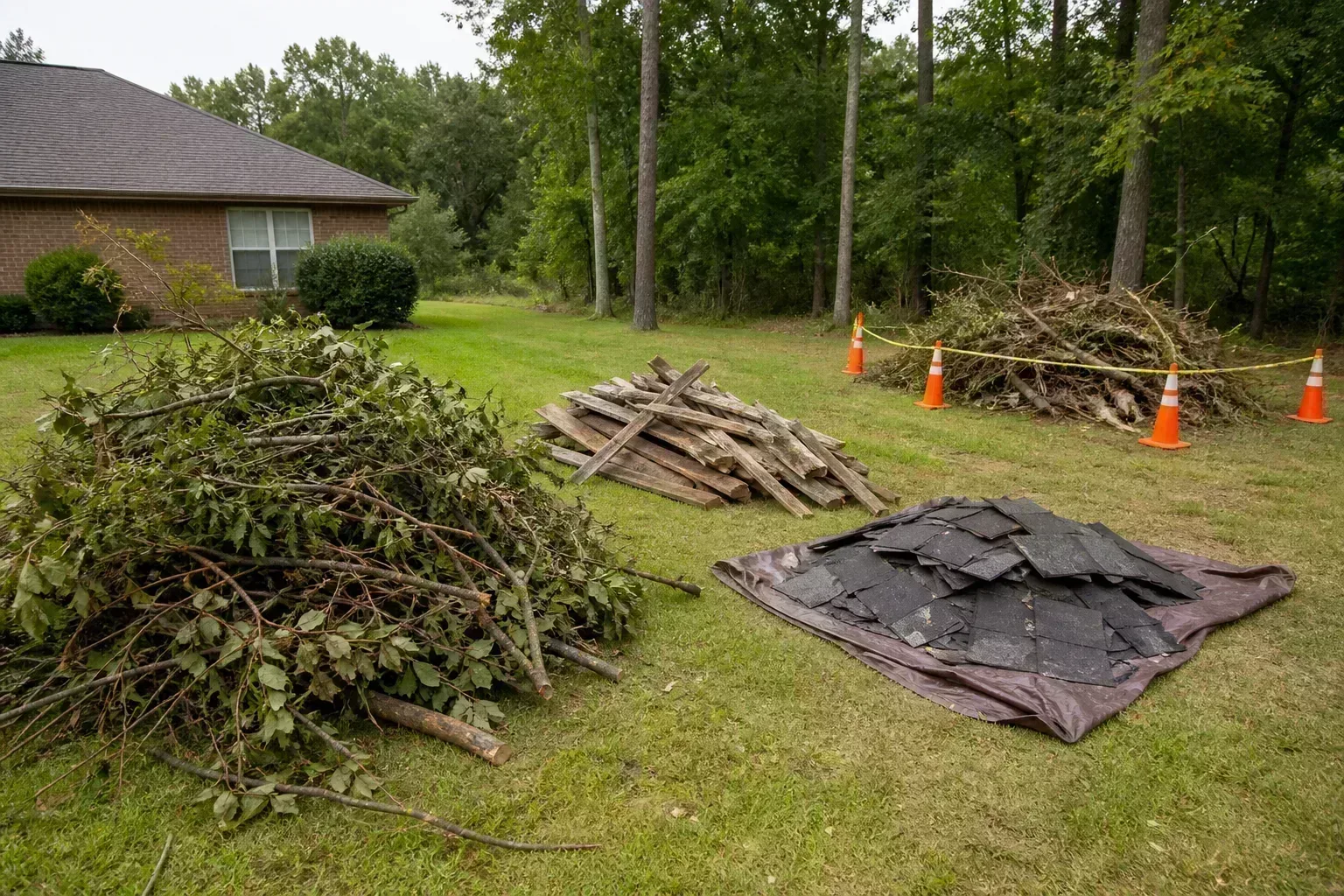
Brush chipping may be included or charged separately, and hauling large logs can be priced differently from processing branches. A crew may be able to leave wood cut into rounds or firewood lengths, but that does not mean the logs are seasoned, split, or ready to burn. Ask how much material will stay, exactly where it will be stacked, and who moves it if the answer changes after work begins.
Keeping some wood can reduce hauling, but it shifts the work and storage burden to you. Fresh logs can be heavy, hold moisture, harbor insects, and take time to season. Branch piles can block access and become a nuisance after the crew leaves. If you keep wood, agree on a location that stays clear of buildings, walkways, and the removal crew’s equipment route.
Permits, protected trees, and arborist reports
There is no single U.S. rule for cutting a backyard tree. Cities may regulate street trees, heritage or protected trees, trees over a local diameter threshold, development sites, or trees in special areas. The City of Sacramento, for example, requires permits for regulated work on city trees and defined private protected trees and states that approved permits must be in hand before work begins. Sacramento’s tree permit page lists local criteria and processing information; the City of San José uses its own categories and application requirements for street, heritage, ordinance-size, and certain property trees.
Those examples are not rules for other towns. Before scheduling, contact your city or county planning department, urban forestry office, or city arborist and provide the property address, tree location, species if known, and trunk measurement. Ask whether a permit is required, who applies, whether the tree needs an inspection or replacement planting, what the fee is, and whether emergency rules differ. Do not rely on a contractor’s guess or assume a dead tree is automatically exempt.
A separate arborist report may be requested for a permit, a dispute, an insurance claim, or a keep-versus-remove decision. The report fee and the tree-work estimate are separate services. Confirm what the report answers, whether it includes a site visit and written findings, and whether the city will accept that professional’s credentials before paying for it.
When homeowners insurance may pay
Homeowners insurance may help when a covered event causes a tree to fall onto an insured structure or otherwise creates a covered loss, but coverage depends on the policy, the cause, where the tree fell, limits, and deductible. Policies often treat preventive removal of a healthy standing tree differently from debris removal after storm damage. An insurer may also distinguish a tree that hits a house from one that lands in an open yard without damaging insured property.
Before authorizing non-urgent work after a storm, photograph the damage from a safe distance, protect the home from further exposure if possible, and contact your insurer to ask whether inspection or claim approval is needed. The guidance from GEICO and Mercury Insurance describes coverage scenarios, but your policy wording and adjuster control your actual claim. Ask whether coverage includes the tree, removal, debris disposal, emergency tarp or mitigation, and any sublimit; keep itemized invoices and do not assume the deductible will be exceeded.
If the tree is still standing and presents immediate danger, protect people first and call the utility or emergency responders when appropriate. Tell your insurer what is happening and ask how to document the work, but do not delay urgent safety action to wait for an adjuster if the hazard is active. Coverage is not guaranteed, and a contractor cannot promise that a claim will be paid.
Emergency tree removal after a storm
Emergency tree work often costs more because crews may be dispatched outside normal hours, work under difficult conditions, or face a surge of calls after a regional storm. A damaged tree may be unstable, and a fallen trunk tangled with branches or resting on a structure can require careful cutting and temporary stabilization. This Old House’s 2026 guide says emergency work can reach $5,000, but the upper end describes unusually demanding situations rather than a standard after-hours surcharge.
First sort the scene by immediate danger. If a tree has struck a house, vehicle, or public area, keep people away from the fall zone and call emergency services if someone is hurt or the structure is unsafe. If wires are involved, do not approach. For a tree down in an open yard with no immediate threat, document it, call your insurer, and request written estimates before agreeing to non-urgent cleanup.
Ask an emergency contractor what makes the call urgent, what area will be made safe during the first visit, and what work is deferred to a later cleanup quote. A temporary cut to remove pressure from a roof is different from complete tree removal, stump grinding, and hauling every branch. Splitting the scope can prevent an emergency invoice from silently bundling work you did not authorize.
When pruning can replace removal
Removal is not the only response to a tree that blocks light, drops limbs, or has branches near a building. An arborist may recommend pruning to remove dead, broken, or conflicting limbs, or to reduce a specific target risk while keeping a structurally sound tree. A structural defect, significant root failure, severe decay, or a tree that cannot be retained safely may still make removal the responsible option.
Ask for the reason behind a removal recommendation and whether the contractor can explain the condition in observable terms. If the decision is not urgent and the explanation is unclear, a second opinion from an ISA Certified Arborist can help distinguish a removable hazard from routine maintenance or a manageable defect. Avoid “topping” as a bargain substitute: indiscriminately cutting the top can leave large wounds and weak regrowth and does not solve every risk.
Compare the written pruning scope with the removal estimate, including how much of the canopy would be cut, what the work is meant to accomplish, how often it may need repeating, and what risk remains afterward. If branches are near electrical lines, contact the utility rather than treating that as ordinary tree trimming. The best option is the one that matches the tree’s condition and the property’s actual safety needs, not simply the smallest initial invoice.
How to compare tree removal estimates
Get at least two or three written bids when timing and safety allow. Walk each estimator around the same tree and point out the same concerns: fences, roofs, power lines, irrigation, gates, slope, landscaping, and where you want wood left or removed. Ask each company to describe the work plan before discussing discounts; a price is meaningful only when the scope and exclusions are comparable.
A reputable proposal should identify the company, job address, tree or trees covered, work method, cleanup endpoint, schedule, payment terms, and exclusions. Ask for proof of liability coverage and workers’ compensation for the crew, then verify that the document is current and applies to the work. The City of Sacramento also advises property owners selecting private tree-care professionals to consider training, ISA or other professional credentials, competitive bids, proof of insurance, and references.
A written-scope checklist
Before accepting a bid, confirm these items in the document:
- The specific tree and the removal method, including rigging, lift, or crane if planned.
- Whether brush is chipped, hauled, or left; where logs will go; and what cleanup includes.
- Whether stump grinding is included, its target depth, and who handles the grindings or backfill.
- Who checks permits and pays application or traffic-control fees, if required.
- How the crew will protect the roof, fence, lawn, paving, irrigation, and access route.
- Proof of liability insurance and workers’ compensation, plus references for similar work.
- How hidden conditions, weather delays, extra work, and payment changes are approved.
If one bid is much lower, ask what it leaves out. A quote that excludes hauling, stump work, permits, or protection can be legitimate, but it is not directly comparable with a full-service price. Get any requested change approved in writing before the crew expands the job.
Ways to reduce the bill without cutting corners
The safest savings usually come from reducing scope or avoiding an emergency, not taking on dangerous cuts yourself. If the tree is stable enough to wait, schedule estimates before the next severe-weather rush and ask whether the company has a lower-demand window. If several trees need work, ask for one combined bid and a clearly itemized price for each tree so you can prioritize without losing sight of the total.
You may be able to keep logs, leave a stump, or handle safe ground-level cleanup after the crew has removed the tree. Agree on those choices in advance and do not enter the work area while cutting is in progress. Keeping wood can lower hauling needs but may not change the price if the crew still has to process and move it; ask how the contractor actually calculates that savings.
Check whether the tree belongs to a public right-of-way or falls under a utility’s maintenance responsibility before paying for private work. Ask your insurer about coverage when a covered event is involved, and check permit requirements before a crew is booked. If the tree is healthy and the concern is a single branch or excess shade, compare an arborist’s pruning recommendation with removal. Never let a lower estimate persuade you to skip required permits, insurance verification, or hazard controls.
A worked example: pricing a hard-to-reach tree
Imagine a 45-foot oak in a fenced back yard, with its canopy over a garage and no gate wide enough for a lift. The 2026 height range puts a 30–60-foot tree at $450–$1,200 as an initial planning band. That is the base benchmark, not the expected final price: the contractor still has to assess trunk diameter, condition, whether a climber can work safely, how branches can be lowered, and how brush reaches the chipper.
A useful estimate would show the chosen dismantling method and any rigging or extra crew, then state whether brush and logs leave the property. It would list stump grinding separately if requested and clarify whether the stump cavity is filled. The permit check should be completed before work if local rules apply. Without a site visit, it would be misleading to invent a precise “oak surcharge” or crane charge; the actual costs depend on local rates and whether the equipment can fit and set up.
If three contractors inspect the site, compare each proposal line by line. One may cost less because it leaves logs; another may include hauling and a deeper stump grind. If you do not want the wood or stump, the more expensive quote may be the better total value. If the difference cannot be explained by scope or method, ask the estimator to walk through the number before you sign.
Conclusion
Tree removal cost is best estimated from the tree’s size and the work conditions together. In 2026, published U.S. planning bands run from a few hundred dollars for an accessible small tree to roughly $1,000–$2,000 or more for a very large one, with the final price shaped by local labor, access, risk, disposal, permits, and optional stump work. Use the range to prepare questions—not to judge a contractor’s final quote without seeing the site.
Get a written, itemized scope; verify insurance and relevant credentials; check local permit rules; and ask what the crew will leave behind. If a storm, unstable tree, or power line creates an immediate hazard, keep clear and contact the appropriate utility or emergency service. A carefully scoped professional bid makes it easier to protect people and property while deciding what work you actually need.