12 Types of Grass for Lawns, Compared
Compare 12 types of grass by season, shade, traffic, water needs and upkeep. Use your region and yard conditions to narrow the list before buying seed or sod.
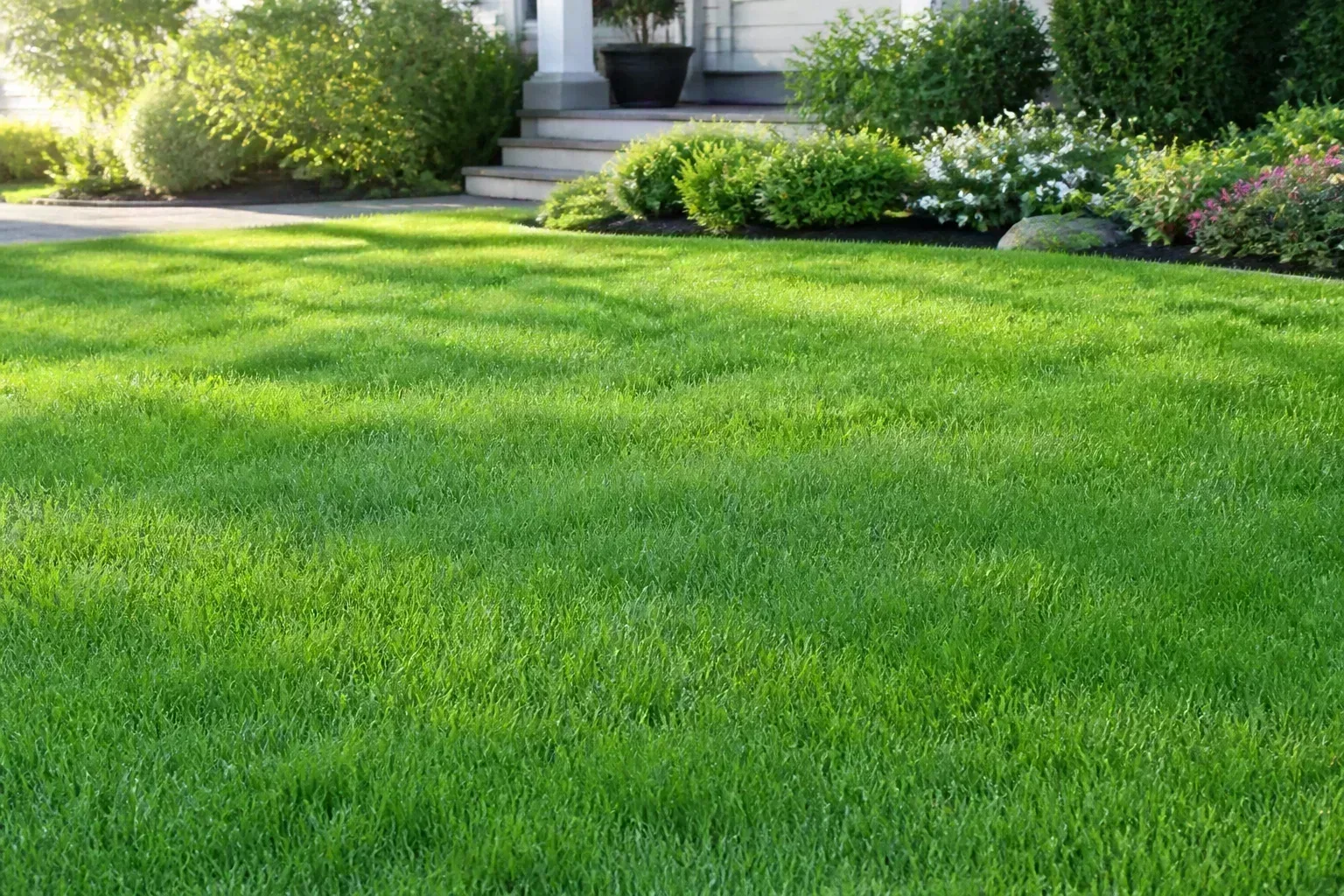
The right lawn grass is the one adapted to your climate and the conditions in your yard—not the one with the most attractive name on a seed bag. Start by deciding whether your region supports cool-season or warm-season turf, then compare sunlight, expected wear, water, appearance and the time you want to spend mowing.
The 12 grasses below include familiar choices such as Kentucky bluegrass and Bermuda, plus more specialized options such as creeping bentgrass and buffalograss. Each can make a good lawn in the right setting; each can disappoint when planted outside its comfort zone.
First choose the season your climate supports
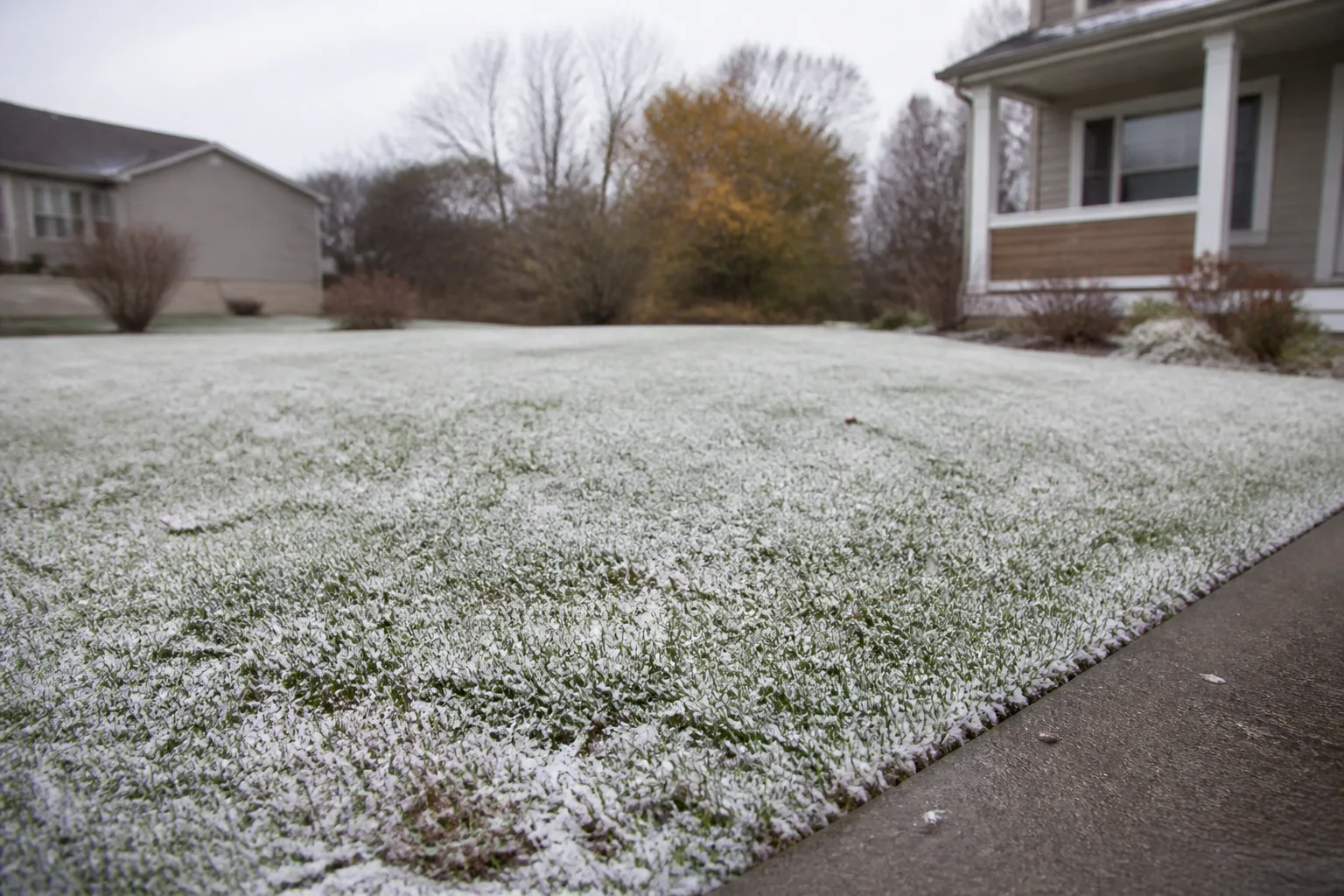
Cool-season grasses—including Kentucky bluegrass, fescues, perennial ryegrass and creeping bentgrass—grow most actively in the milder weather of spring and fall. They are generally the first choice in northern regions with cold winters, but summer heat can slow them, stress them or send them into temporary dormancy. A dormant lawn may look tan, yet recover when conditions improve; it is different from grass killed by drought, disease or winter injury.
Warm-season grasses such as Bermuda, zoysia, St. Augustine, centipede, Bahia and buffalo grow most actively in warm weather. They usually green up later in spring, hold their color through summer heat, then turn brown and stop growing after cold weather. NC State Extension describes this contrast for North Carolina lawns; its planting windows and species recommendations are state-specific, so use your local extension service to confirm what fits your own climate and soil. NC State Extension’s lawn-grass guide also stresses that mountains, piedmont and coastal areas within a single state can call for different grasses.
The band between northern and southern growing regions is often called the transition zone. It has no perfectly sharp border, and a single state can contain both warmer and cooler pockets. Turf specialists interviewed by Turf Magazine note that homeowners in this region may choose either grass class depending on local climate and microclimate, rather than relying on a state label alone. Turf Magazine’s transition-zone overview is a useful reminder that a sunny, south-facing slope can behave differently from a shaded lot nearby.
Six cool-season grasses
Cool-season lawns are common across much of the North, but the group is not interchangeable. Some species knit together and repair bare spots; others stay in clumps, handle shade better, or are grown mainly where a close-cut surface justifies extra care.
Kentucky bluegrass
Kentucky bluegrass (Poa pratensis) is a classic cool-season lawn grass valued for its medium-fine texture, dense green color and ability to spread underground through rhizomes. Those horizontal stems can send up new shoots, helping a healthy lawn fill small gaps and knit into a firm surface. Penn State Extension describes that growth habit as one reason bluegrass has long been useful for northern lawns and athletic surfaces. Penn State’s cool-season turfgrass guide explains how these underground stems differ from aboveground stolons.
Bluegrass is a strong fit when you want a uniform, traditional lawn in a cool climate and can provide the fertility and moisture it needs to look its best. It is less forgiving of summer heat and prolonged drought than a tough, deep-rooted tall fescue in many settings, though cultivars vary and a dormant bluegrass lawn can recover after rain. A blend of bluegrass cultivars can add resilience; in some regions, bluegrass is combined with tall fescue so the mix balances finer texture and repair with better heat and drought tolerance. Avoid choosing it for a hot, dry site simply because the seed is easy to find.
Tall fescue
Tall fescue (Schedonorus arundinaceus, also sold under older botanical names) is a cool-season grass for homeowners who need more heat and drought tolerance than a typical bluegrass lawn offers. Modern turf-type cultivars have narrower leaves than older forage-type fescues, though they still tend to look somewhat coarser than bluegrass. Its comparatively deep roots help it access moisture below the surface, and many cultivars manage partial shade better than sun-loving warm-season grasses.
Tall fescue grows in bunches instead of spreading rapidly by rhizomes, so the lawn will not reliably creep across a dead patch. That is a useful distinction: it can tolerate regular use, but worn or bare spots may need reseeding. It suits many transition-zone yards and cool-season sites that have hot summers, especially when a seed mix is selected for the local region. It is a poor rescue choice for deep shade, waterlogged soil, or a homeowner who expects a thin patch to fill itself in.
Hard fescue
Hard fescue is a fine fescue with narrow leaves and a relatively modest appetite for fertilizer, frequent mowing and irrigation once established. It is often used in low-input cool-season mixtures, especially where the lawn is partly shaded, the soil is less fertile, or the yard does not receive constant foot traffic. It can create a soft-looking, fine-textured surface and may also be left unmown in a naturalized area, depending on the cultivar and local practice.
This is not the best choice for a high-use play lawn. Fine fescues generally recover more slowly from repeated wear than aggressive spreading grasses, and hard fescue can struggle in humid, hot conditions or persistently wet soil. Its usefulness is highly site-dependent: a low-input, lightly used, cool-climate lawn is a better match than a sunny southern yard where summer heat stays intense. Check the seed label to see which fine-fescue species and cultivars are actually in the bag.
Creeping red fescue
Creeping red fescue is another fine fescue, often included in seed blends for partial shade and lower-maintenance cool-season lawns. Unlike hard fescue, some creeping red types spread modestly by short rhizomes. They can help a mixture cover a little more evenly, though this is not a fast-repairing turf like bluegrass or Bermuda. The name covers different forms, including strong and slender creeping red fescues, so the exact cultivar matters.
It is a good candidate for cooler yards with filtered light, lighter traffic and a preference for finer leaves. It is not a magic fix beneath dense tree canopy: shade also brings root competition, limited air movement and longer periods of leaf wetness, which can weaken turf. NC State Extension identifies creeping red fescue as one of the fine fescues used in cool-season lawns, but notes that fine fescues may not persist under high heat, humidity, excess moisture or heavy traffic. Treat it as one element of a climate-appropriate blend, not a universal shade grass.
Perennial ryegrass
Perennial ryegrass (Lolium perenne) establishes quickly from seed and has a fine-to-medium texture, making it useful when a cool-season lawn needs fast cover. It is frequently blended with slower-starting species. For example, Gardeners’ World Magazine describes hard-wearing mixes that include perennial ryegrass and red fescue, while ornamental mixes use finer fescues and bentgrass. Those examples reflect UK lawn styles and climate, but the basic lesson carries over: seed mixtures are designed around an intended use, not just a list of species. BBC Gardeners’ World’s grass-seeding guide discusses these differences in lawn mixes.
Ryegrass is useful for a quicker green-up, but speed is not the same as long-term fit. It grows in clumps, does not repair bare spots by creeping, and may be less winter-hardy or more heat-stressed than the other species in a blend, depending on region and cultivar. In a northern climate, ryegrass may make sense in a mix; in a hot summer region, a lawn built mostly from ryegrass can need more water and may thin out when heat persists. Avoid buying a “quick green” mixture without checking whether it is meant for permanent turf or temporary cover.
Creeping bentgrass
Creeping bentgrass (Agrostis stolonifera) spreads by aboveground stolons and can form an exceptionally dense, fine-textured surface. That growth habit is useful on golf greens and other specialist turf kept at a very low cutting height. It is also why bentgrass can creep into other lawns and become difficult to control once established. Penn State Extension notes that creeping bentgrass may be desirable in specific turf applications but troublesome in a mixed lawn because its stolons spread across surrounding grass.
For most homeowners, this is the “know it exists” option rather than a recommendation. A putting-green-style surface requires specialized mowing, irrigation, fertility and pest management; that routine is a very different project from growing a durable backyard lawn. If you specifically want a short, golf-like carpet and accept the maintenance involved, check with a local turf specialist about the right cultivar and whether the site is suitable. For ordinary play, shade or low-care goals, one of the other eleven grasses is usually easier to manage.
Six warm-season grasses
Warm-season grass is not automatically low-maintenance grass. These species often use water efficiently once established, but their cold dormancy, shade limits, seeding method and growth rate still matter. The USDA hardiness zone alone is not enough to determine whether one will perform well: summer heat, winter lows, sunlight and local disease pressure all help decide.
Zoysiagrass
Zoysiagrass spreads by both rhizomes and stolons, forming a dense, wear-tolerant mat in warm climates. It handles heat and drought well once established, and it is more tolerant of light shade than Bermuda. Dense growth can also make weeds less likely to find open soil, though no lawn is weed-proof. NC State Extension describes zoysia as very drought-resistant and able to grow in full sun and light shade; it also cautions that establishment and recovery can be slow for some cultivars.
That slow growth is the main trade-off. Zoysia can take longer to cover a bare lawn and repair damage than Bermuda, and it may turn brown in winter where cold temperatures stop active growth. Depending on cultivar and availability, it may be installed as sod, plugs or seed; many popular cultivars are vegetatively propagated. Choose it if you want a dense warm-season lawn and can accept a seasonal brown period and slower recovery. It is not a good answer for deep shade or a household that needs damaged spots to disappear quickly.
St. Augustinegrass
St. Augustinegrass is a broad-bladed, fast-growing warm-season grass for humid southern regions. Its stolons spread across the surface to form a thick lawn, and it is among the more shade-tolerant warm-season choices. This makes it useful in parts of the South where trees filter the sunlight but warm winters still suit the grass. In some coastal areas it can also tolerate salt exposure better than many alternatives.
The trade-offs are cold sensitivity and limited wear recovery under heavy use. It is usually established vegetatively as sod or plugs rather than ordinary seed, which can make renovation more expensive or slower. A shaded St. Augustine lawn may look lush when it is well adapted, but dense shade and tree-root competition can still thin it; “shade-tolerant” does not mean “grows without light.” In North Carolina, the species is considered less cold-hardy than other lawn grasses, and its regional performance varies by cultivar. Confirm that a locally recommended variety is available before planning a whole-yard conversion.
Bermudagrass
Bermudagrass thrives in hot, sunny climates and recovers quickly from wear because it spreads aggressively through stolons and rhizomes. It is a strong choice for play areas, sports-like use and full-sun southern lawns where fast regrowth is valuable. UF/IFAS Extension describes bermudagrass as highly tolerant of wear, drought and salt, while also warning that its vigorous growth can invade planting beds and its shade tolerance is poor. UF/IFAS’s bermudagrass guide makes the cultivar distinction clear: common types can be seeded, while many fine-textured hybrids are planted by sod, sprigs or plugs.
That vigor has a price. Bermuda needs regular mowing during active growth, can spread into borders, and goes dormant and brown after cold weather. A shaded lawn or a region with harsh winters is a poor match even if the grass handles heat and foot traffic well. Before choosing it, decide whether you are willing to edge its runners and accept seasonal color change. If your lawn is mostly sunny and you value quick recovery over softness or winter green, locally adapted Bermuda cultivars are worth comparing.
Buffalograss
Buffalograss (Bouteloua dactyloides) is a warm-season, sod-forming grass native to Colorado and much of the North American Great Plains. It is adapted to sunny, relatively dry landscapes and can need much less irrigation than a thirsty cool-season lawn once established. Colorado State University Extension emphasizes a detail easy to miss in a seed catalog: buffalograss can survive without irrigation after establishment, but it may go dormant through much of summer and needs consistent moisture while a new lawn is taking root. Colorado State Extension’s buffalograss guide explains the difference between establishment and long-term water use.
Its appearance is more informal and its spring green-up later than bluegrass or fescue. Buffalograss is not a great fit for deep shade, constantly wet soil, or concentrated, continuous foot traffic, and seed establishment can test a homeowner’s patience. Newer turf-type cultivars may look denser and greener than older prairie selections, so do not assume every bag or sod variety has the same look. It fits best where water conservation and a native, lower-input style matter more than year-round color or a heavily used play surface.
Centipedegrass
Centipedegrass is a slow-growing, light-green warm-season grass suited to parts of the humid Southeast. Once established, it generally needs less fertilizer and less frequent mowing than a high-input lawn. Its spreading stolons gradually cover ground, so it can be useful for a low-maintenance general-purpose lawn when the soil and climate suit it. NC State Extension notes that centipedegrass performs well on acidic soils and requires little fertilizer after establishment.
Do not interpret “low maintenance” as “tolerates anything.” Centipedegrass is slow to establish, has poor recovery from heavy wear and can be damaged by drought, compaction, excessive fertility or unsuitable soil chemistry. It also greens up slowly after winter dormancy. That makes it a poor pick for an active play lawn or a site where a quick thick carpet is essential. Test soil before adding lime or fertilizer: centipedegrass often prefers more acidic conditions and can be harmed by the standard treatment intended for a different lawn type.
Bahiagrass
Bahiagrass is a warm-season option often used in the Deep South, especially on sandy or less fertile soils where a polished, close-cut lawn is not the main goal. It produces a durable, open turf and can make sense on large lots, roadsides or utility areas that need relatively simple upkeep. Its deep roots and drought tolerance help it persist in conditions where more demanding turf may need regular irrigation.
The same open growth and tall seed stalks that make Bahia practical can make it look coarse or uneven in a formal front yard. It is harder to mow into a close, uniform carpet, and seed heads can stand above the foliage. Bahia is therefore a useful grass where function and persistence outrank fine texture, not a universal low-water upgrade for every lawn. Its fit also depends on winter temperatures and local cultivar availability, so check recommendations for your county or region before replacing an existing turf.
Compare the 12 types against your site
Use the table to make a shortlist, not to declare a universal winner. Trait ratings vary by cultivar, growing region and maintenance, so a local extension chart is more useful than a national star rating. NC State’s lawn comparison, for example, distinguishes North Carolina’s mountains, piedmont and coastal plain; the best performers shift within the same state.
| Grass | Best starting point | Main trade-off |
|---|---|---|
| Kentucky bluegrass | Cool regions; a dense, self-repairing lawn | Summer heat and drought can stress it |
| Tall fescue | Cool or transitional regions; heat, drought or partial shade | Bunches do not creep into bare patches |
| Hard fescue | Cool, lower-input, lightly used sites | Weak fit for heavy wear and humid heat |
| Creeping red fescue | Cool, partly shaded blends | Not a solution for dense shade or traffic |
| Perennial ryegrass | Quick cover in a cool-season blend | Clumping growth and local heat/winter limits |
| Creeping bentgrass | Specialist, very close-cut turf | High maintenance and aggressive spread |
| Zoysiagrass | Hot summers; dense, drought-tolerant turf | Slow establishment and winter dormancy |
| St. Augustinegrass | Warm, humid regions; some shade | Cold-sensitive and often installed vegetatively |
| Bermudagrass | Sunny, hot yards with regular use | Poor shade tolerance and vigorous runners |
| Buffalograss | Sunny, dry Great Plains and interior West | Summer dormancy and slower establishment |
| Centipedegrass | Warm, humid, low-input sites | Poor traffic and drought recovery |
| Bahiagrass | Deep South utility turf and sandy soil | Coarser look and conspicuous seed heads |
After climate, map the yard’s light. A lawn can receive very different amounts of sun across a single property, so note which areas have morning sun, afternoon sun, filtered light or full shade. NC State Extension warns that very dense shade is too dark for turfgrass to perform well; it uses less than about four hours of direct sunlight or less than half of open sunlight as a practical threshold. In those spots, pruning to improve light may help where appropriate, but a shade garden, mulch or groundcover can be more durable than repeatedly reseeding grass.
Next, be honest about wear and maintenance. A sunny southern yard with children running across it may reward Bermuda’s rapid repair; a cooler northern lawn could favor bluegrass or tall fescue cultivars. A fine fescue mix may make sense under filtered shade with occasional walking, but not as the surface for a daily soccer game. If you want the lawn to remain green through winter, a cool-season grass may fit farther south in the transition zone, while a warm-season lawn may go brown after frost. “Green all year” is a seasonal and regional compromise, not a trait any single grass guarantees nationwide.
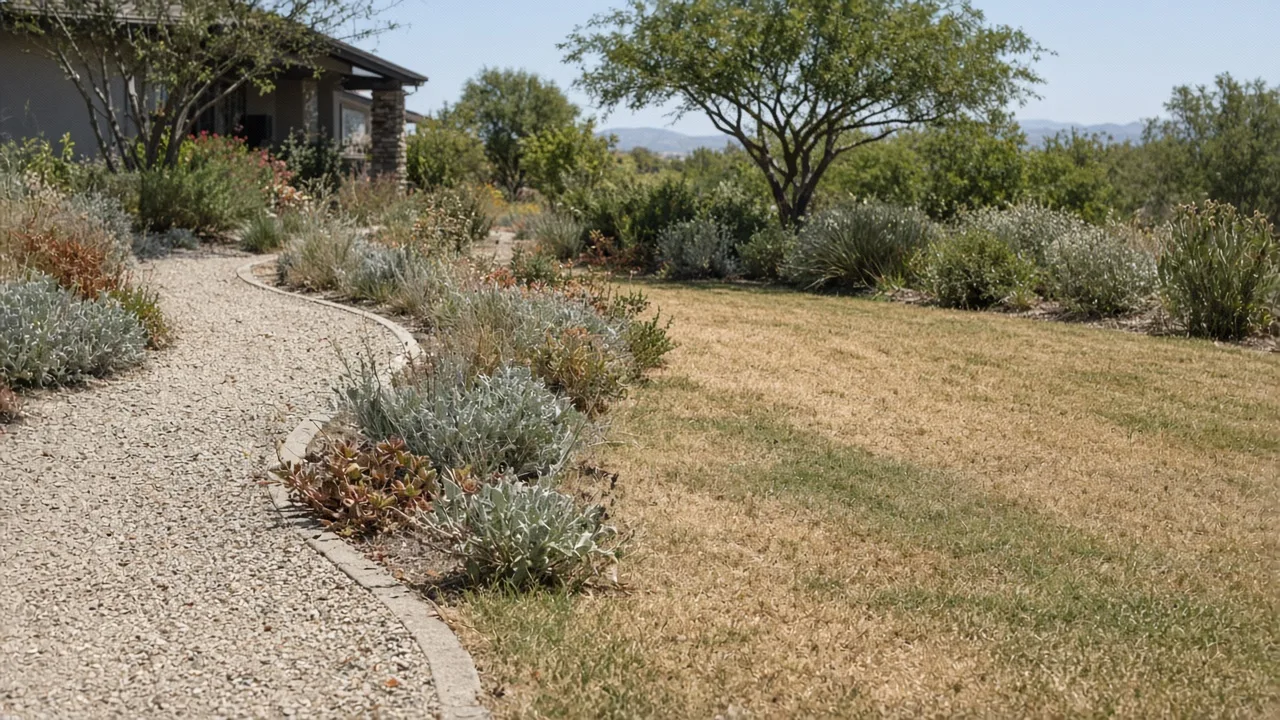
Water needs also depend on soil, rooting depth, weather and establishment. A drought-tolerant grass may conserve water and survive dry periods, but it may turn brown or stop growing to protect itself. If your priority is a green lawn during a dry spell, you may still need irrigation. If your priority is reduced water use, decide whether a summer dormant period is acceptable before you select buffalograss, Bermuda, zoysia or another drought-adapted turf.
Choose between a blend and a single grass
Blends combine several cultivars of one grass species; mixtures combine more than one species. A cool-season seed bag might blend several tall fescue cultivars, or combine tall fescue and Kentucky bluegrass. Different cultivars can respond differently to disease and site conditions, while a species mixture can balance traits such as bluegrass’s spreading repair with fescue’s tolerance of summer stress. The goal is a compatible turf, not maximum species count. NC State Extension recommends considering blends for cool-season lawns and notes that warm-season grasses are more often planted as one species.
Read the seed label rather than relying on the marketing name. Check which species and cultivars are included, the percentage by weight, and whether the mix is intended for sun, shade, traffic or a temporary cover. A bargain bag with annual ryegrass or an unsuitable warm-season species may green up quickly and then leave you with a mismatched patch. The BBC Gardeners’ World advice about using different mixes for hard-wearing and fine ornamental lawns is a useful illustration of matching the seed mixture to the intended use, though its regional recommendations should not replace U.S. extension guidance.
Do not casually mix cool- and warm-season grass across the same lawn. They have different active seasons, color changes and mowing needs, so one can be growing while the other is dormant. A homeowner may deliberately overseed a warm-season lawn for winter color, but that is a managed seasonal practice, not a permanent all-purpose blend. If you are repairing a small patch, try to match the existing species and cultivar so the repair grows and looks like the surrounding turf.
Match planting material and timing to the grass
Cool-season grasses are commonly seeded; sod is also available for some species. Warm-season grasses may be seeded, plugged, sprigged or sodded depending on the species and cultivar. St. Augustine is usually established vegetatively, common Bermuda can be seeded, and many improved Bermuda or zoysia cultivars are sold as sod or plugs. A cultivar with the right drought tolerance is not useful if it is unavailable in the form you plan to install.
Plant during the growth window recommended for the species in your location. In general, cool-season seed is established during a cooler part of the year when soil is still warm enough for roots and seedlings have time to develop before summer heat; warm-season grass is established once warm weather supports active growth. The exact dates shift by latitude, elevation, soil and local weather. Gardeners’ World describes spring and autumn as practical seeding windows in its UK guidance, while NC State gives different regional windows for North Carolina; together they illustrate why there is no calendar date that fits every lawn. Do not apply the UK schedule to a U.S. climate without checking local advice.
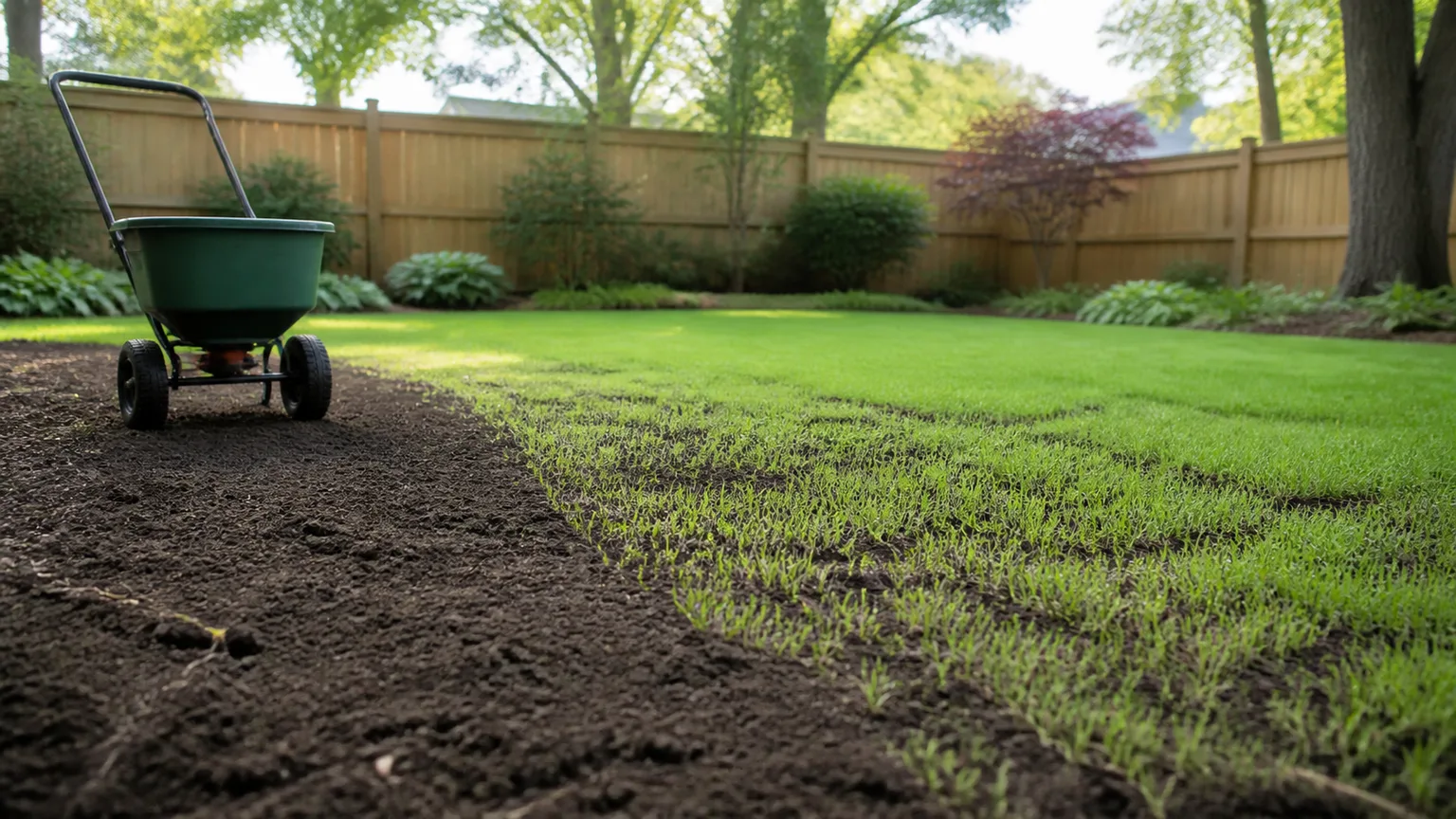
Prepare the soil and watering plan before seed, plugs or sod arrive. Remove weeds and debris, correct grading and drainage problems, and use a soil test to determine whether amendments are needed. New grass needs more attentive watering than an established lawn; drought-tolerant species do not become drought-proof on planting day. Once the grass has rooted, adapt mowing and irrigation to the species and cultivar rather than following a generic lawn schedule.
Conclusion
Choose lawn grass in this order: identify the grass season your region supports, measure the sunlight each part of the yard receives, decide how much wear it must withstand, and set a realistic expectation for water, seasonal color and mowing. Then compare locally recommended species and cultivars, not just broad names on a seed bag.
For a dense cool-season lawn, compare bluegrass and tall fescue first; add fine fescue only where its shade and low-input strengths fit. For a warm, sunny yard, compare Bermuda, zoysia, centipede, Bahia or buffalo according to traffic, climate and desired appearance; consider St. Augustine where local conditions and shade make it a fit. If none of the grasses can handle a deeply shaded or constantly wet area, change the site plan instead of repeating the same failed planting. The right choice is the one that fits the yard you have and the upkeep you are willing to provide.