10 Safe Ways to Keep Squirrels From Eating Pumpkins
Learn how to keep squirrels from eating pumpkins with secure cages, harvest timing, porch-display changes, and safer repellents—and which common tricks to skip.
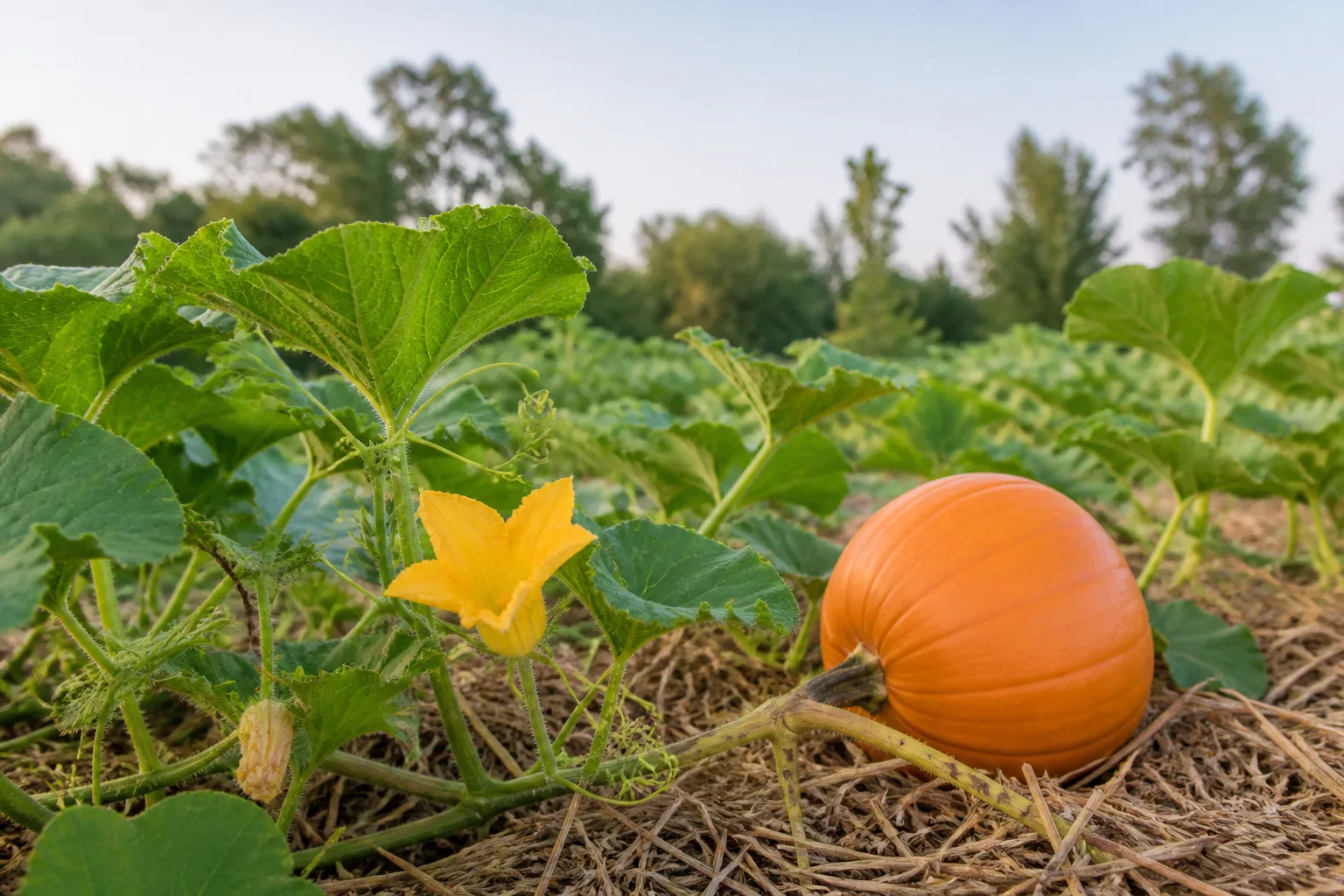
The most dependable way to protect a pumpkin from squirrels is to put a sturdy physical barrier between the animal and the fruit. Cleaning up nearby food and using a motion sprinkler or moving decoy can help, but scents and scare devices are less reliable on their own. If the pumpkin will be eaten, avoid applying any repellent or household mixture unless the product label specifically permits use on that crop.
The right setup depends on where the pumpkin is growing. One fruit in a backyard patch may need a small wire cage, while a porch display is simplest to move behind a window or screened door. There is no single trick that makes an outdoor yard squirrel-proof: tree squirrels climb and jump, can learn that a stationary owl is harmless, and may return when a pumpkin is the easiest food around.
Start by matching the fix to the pumpkin’s location
First confirm what is doing the damage. Squirrels are active by day and may leave small tooth marks, gnawed openings, or missing bites in fruit; deer, raccoons, rats, and other animals can also damage pumpkins. If you see the animal only occasionally, one photo or a brief observation may be enough to choose a response. If you have not seen it, avoid buying a repellent or building a large fence until you have a reasonable idea of what is visiting.
Next decide whether you are protecting a growing crop, a harvested pumpkin for cooking, or a carved decoration. A gardener may accept a small blemish on a field pumpkin but want to save one prize fruit; a family displaying a carved pumpkin may care more about keeping it intact for Halloween. The Maine Department of Agriculture, Conservation and Forestry notes that squirrels feed on gardens and landscape plantings, while UC IPM describes tree squirrels as mobile, agile animals that are difficult to exclude from an entire yard. That is why targeted protection is usually more practical than trying to remove every squirrel from the neighborhood.
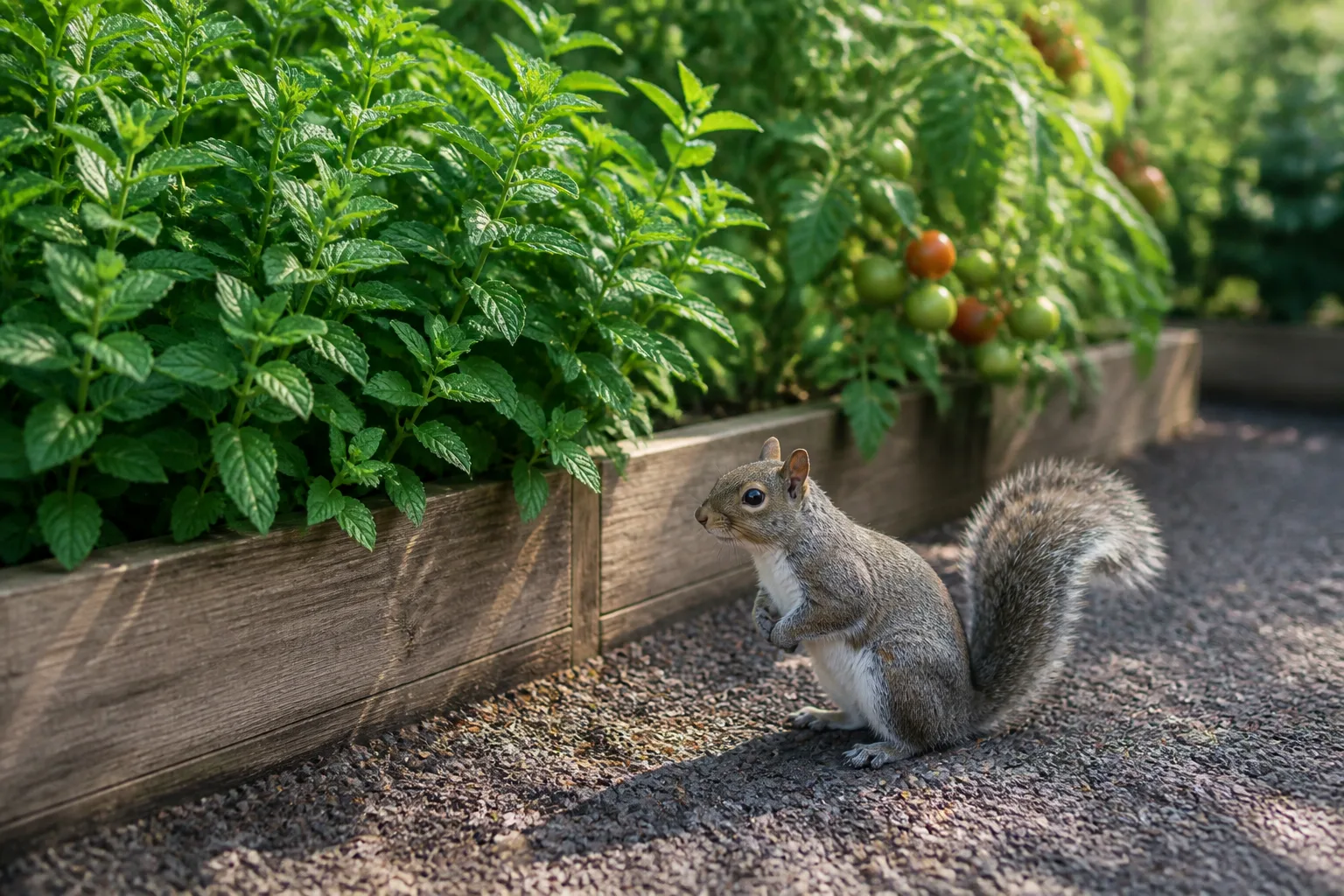
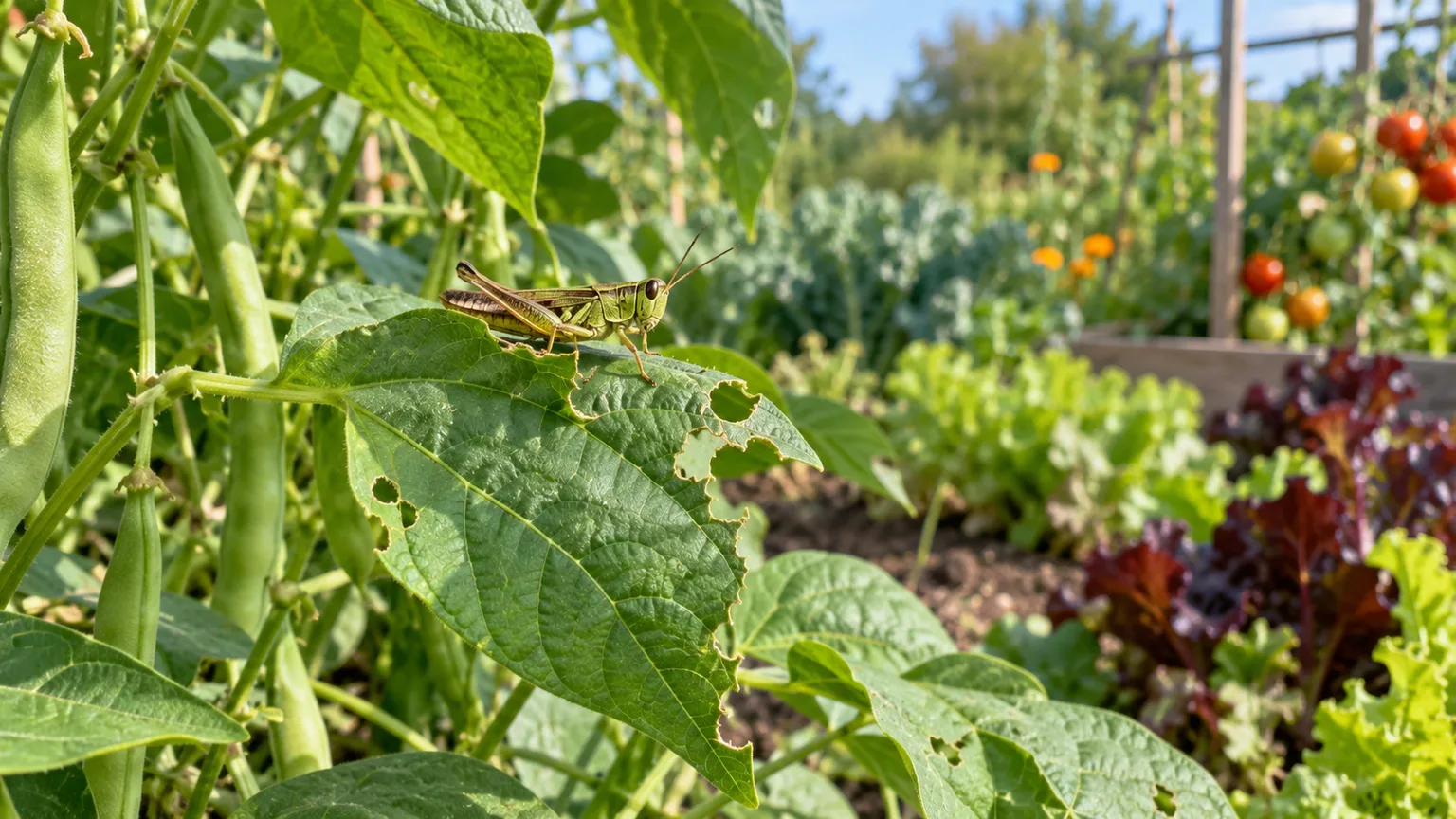
A squirrel near a garden bed shows why it helps to protect the fruit you value most rather than expect one deterrent to secure an entire yard.
10 safe ways to protect pumpkins from squirrels
1. Remove easy food around the patch
Make the garden less rewarding before adding a deterrent. Pick up fallen fruit, spilled birdseed, and produce left after harvest; store pet food, poultry feed, and seed in sealed containers; and use a secure compost bin for food scraps. Michigan DNR identifies accessible bird food, pet food, compost, and fallen produce as attractants to remove or secure. This will not make a squirrel disappear, but it can reduce the number of easy reasons it has to patrol the same spot.
Be selective rather than stripping the whole yard bare. A clean feeding station and closed compost lid are practical; removing all shrubs or leaf litter is not necessary for protecting a pumpkin and can damage useful habitat. If you use a bird feeder, sweep seed underneath regularly or pause feeding near the patch while the fruit is vulnerable. Do not put a new squirrel feeder beside the pumpkins: that can bring animals to the exact area you want them to avoid.
2. Cover one pumpkin with a rigid, gap-free cage
For one or two fruits, a ventilated wire cage is often the best balance of effort and protection. Form sturdy hardware cloth or chicken wire into a cloche with enough room for the pumpkin to grow, close the top, and anchor its base so a squirrel cannot lift an edge or squeeze underneath. UC IPM describes freestanding, cage-like covers made from one-inch chicken wire for protecting crops from tree squirrels; Michigan DNR says sturdy garden fencing with openings of 1.5 inches or smaller can help protect gardens.
Keep wire from pressing against the skin or cutting across the vine. Check the fruit and the cage every day or two for growth, rubbing, trapped leaves, loosened stakes, or an animal trying to enter. A rigid cover is easier to inspect and less likely to tangle wildlife than loose netting draped over vines. Remove it carefully when harvesting; do not leave damaged wire or snags in the bed after the pumpkin is gone.
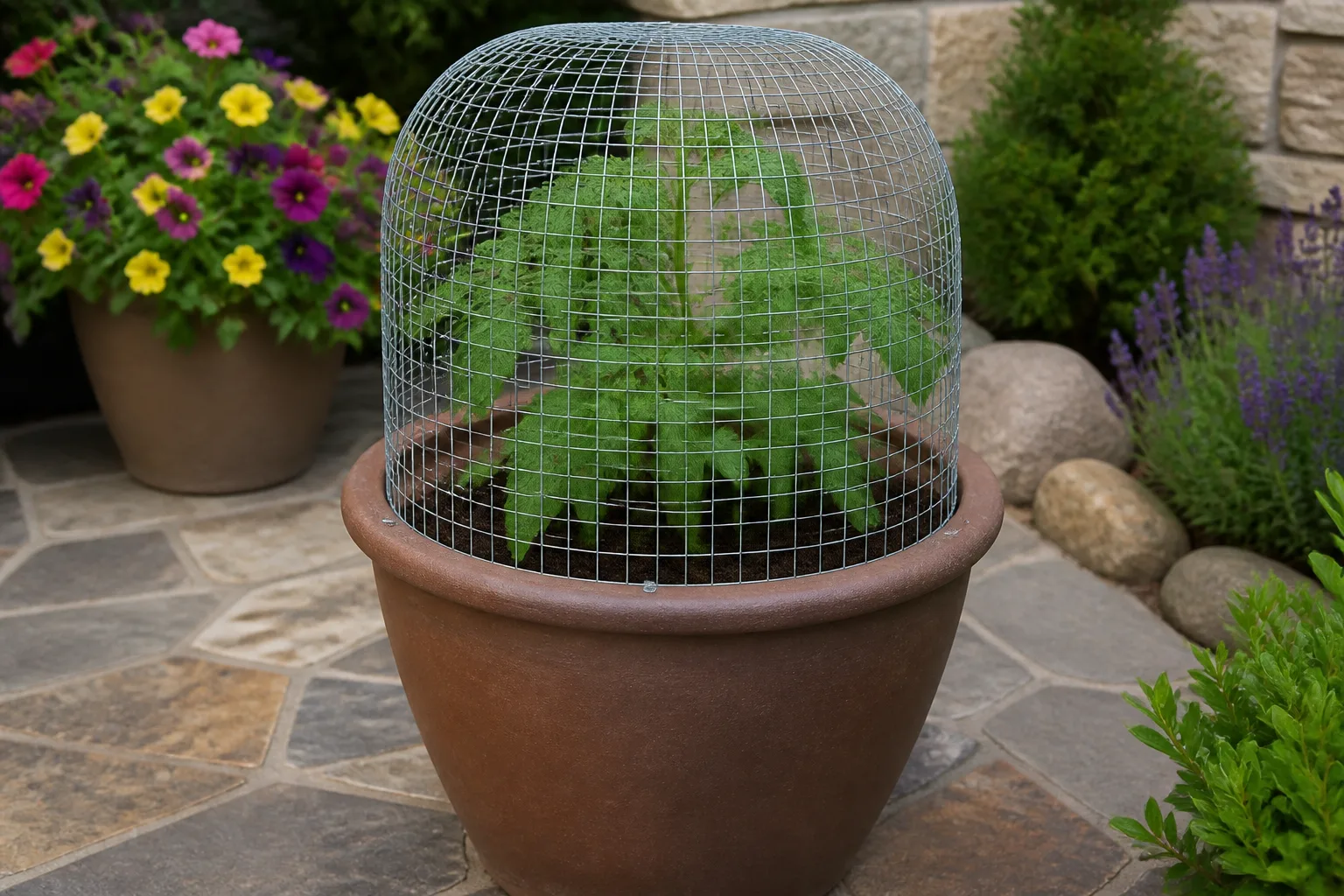
This existing image shows a mesh barrier over a container, not a pumpkin; use the same idea at a larger scale with a stable frame and enough room around the fruit.
3. Enclose the whole patch when several fruits are at risk
If squirrels are taking several pumpkins, a larger enclosure can be more efficient than building a separate cage around each one. Use a sturdy frame, small-aperture wire mesh, a secure top, and a bottom edge fixed tightly to the ground or weighed down with boards. Leave a door or removable panel so you can reach fruit and vines without tearing the barrier each time you weed or inspect the crop.
A low fence with an open top is not a complete squirrel barrier: tree squirrels can climb it or jump in from a branch, rail, or nearby structure. UC IPM emphasizes how difficult it is to keep tree squirrels out of a garden, and Michigan DNR says a sturdy barrier can help rather than promising complete exclusion. Use a full cage only when the crop and layout justify the work, and check that the structure does not block pollinators before flowers set fruit or trap birds and small animals against the mesh.
4. Harvest mature pumpkins promptly and store them securely
Do not leave a ripe pumpkin in the patch longer than you need to. When it has reached its mature color and the rind is firm, cut it from the vine with a clean tool, leaving a short section of stem attached; do not pull it by the stem, which can break and open the fruit to decay. Handle it from underneath and move it to a cool, dry place where squirrels cannot reach it. Harvesting early does not mean picking an immature green fruit: pumpkins harvested before they are fully mature may not develop the same quality or keep as well.
If a hard frost is forecast and the pumpkin is mature, bringing it in protects it from weather as well as animals. Keep stored fruit off wet soil, check it for soft spots, and separate any pumpkin that begins to rot. A harvested pumpkin left by a garage door, open shed, or outdoor workbench is still accessible, so use a closed building or a protected shelf instead of assuming the vine is the only vulnerable location.
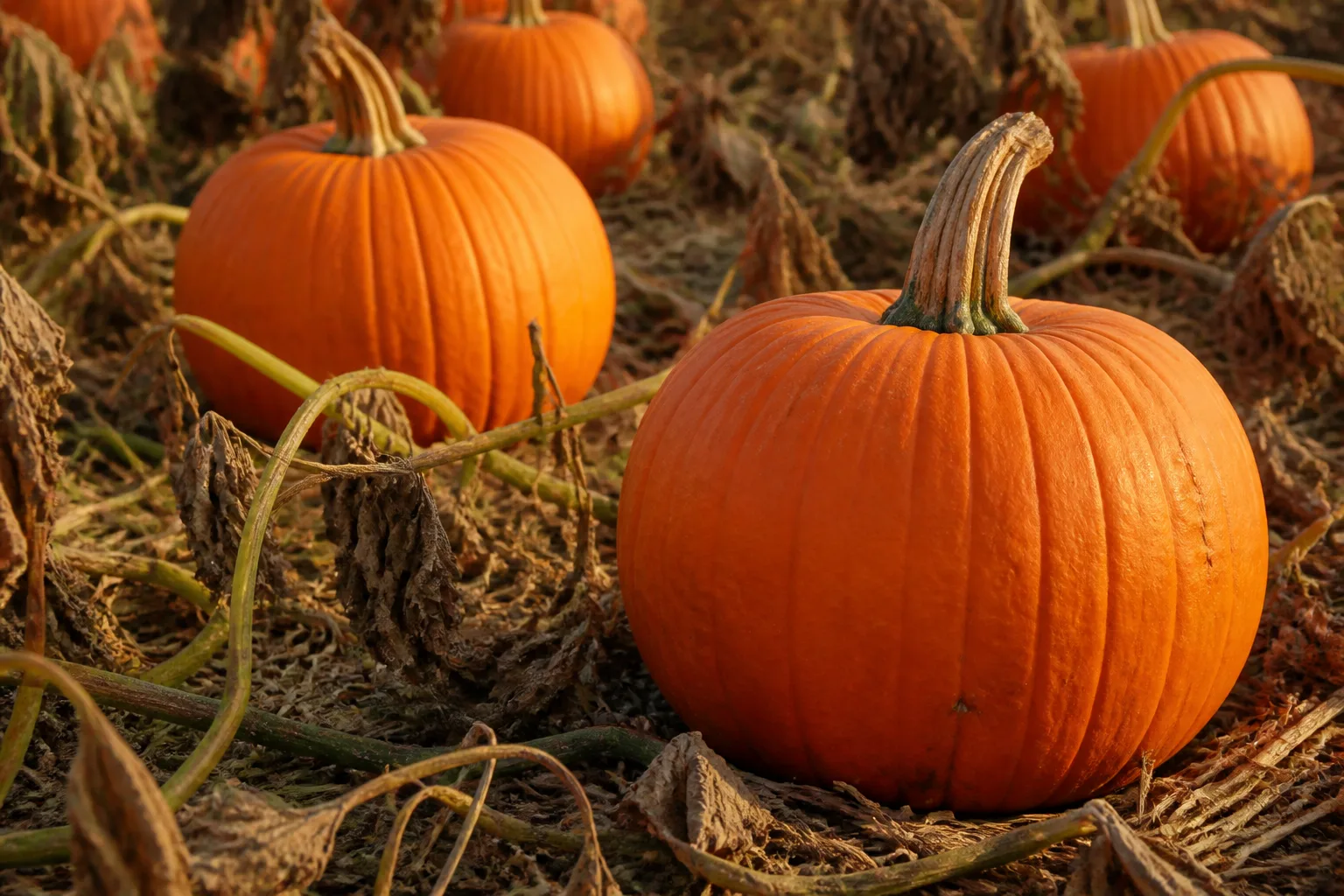
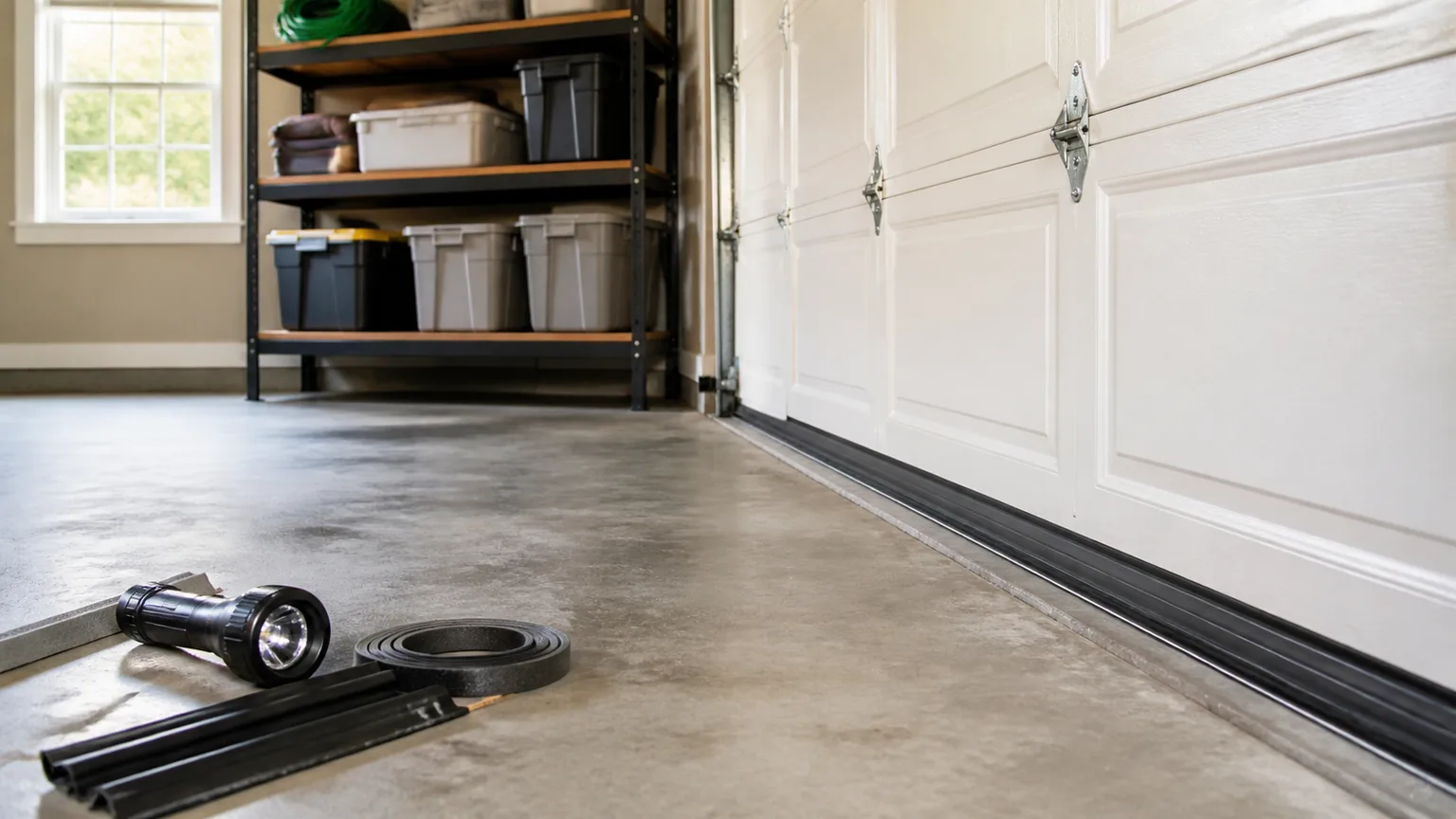
A mature pumpkin can be cut and moved to secure storage before repeated visits lead to deeper damage.
5. Put porch displays behind a physical barrier
For decorative pumpkins, the easiest protection may be changing the display rather than treating the pumpkin. Set it just inside a window, behind a closed screen door, or within a porch enclosure that squirrels cannot enter. A heavy planter or high ledge is not reliable protection by itself because squirrels climb and jump; use an actual barrier or bring the pumpkin indoors when you are not displaying it.
Garden editor Luke Miller of Family Handyman describes a front-window display as the simple option his family used to avoid pumpkin losses. That is an anecdotal example, not a guarantee for every home, but the mechanism is clear: a closed window prevents access in a way that peppermint oil or a plastic owl cannot. Keep carved pumpkins away from heat sources and open flames, and discard them when they soften, leak, or develop mold rather than preserving a damaged display.
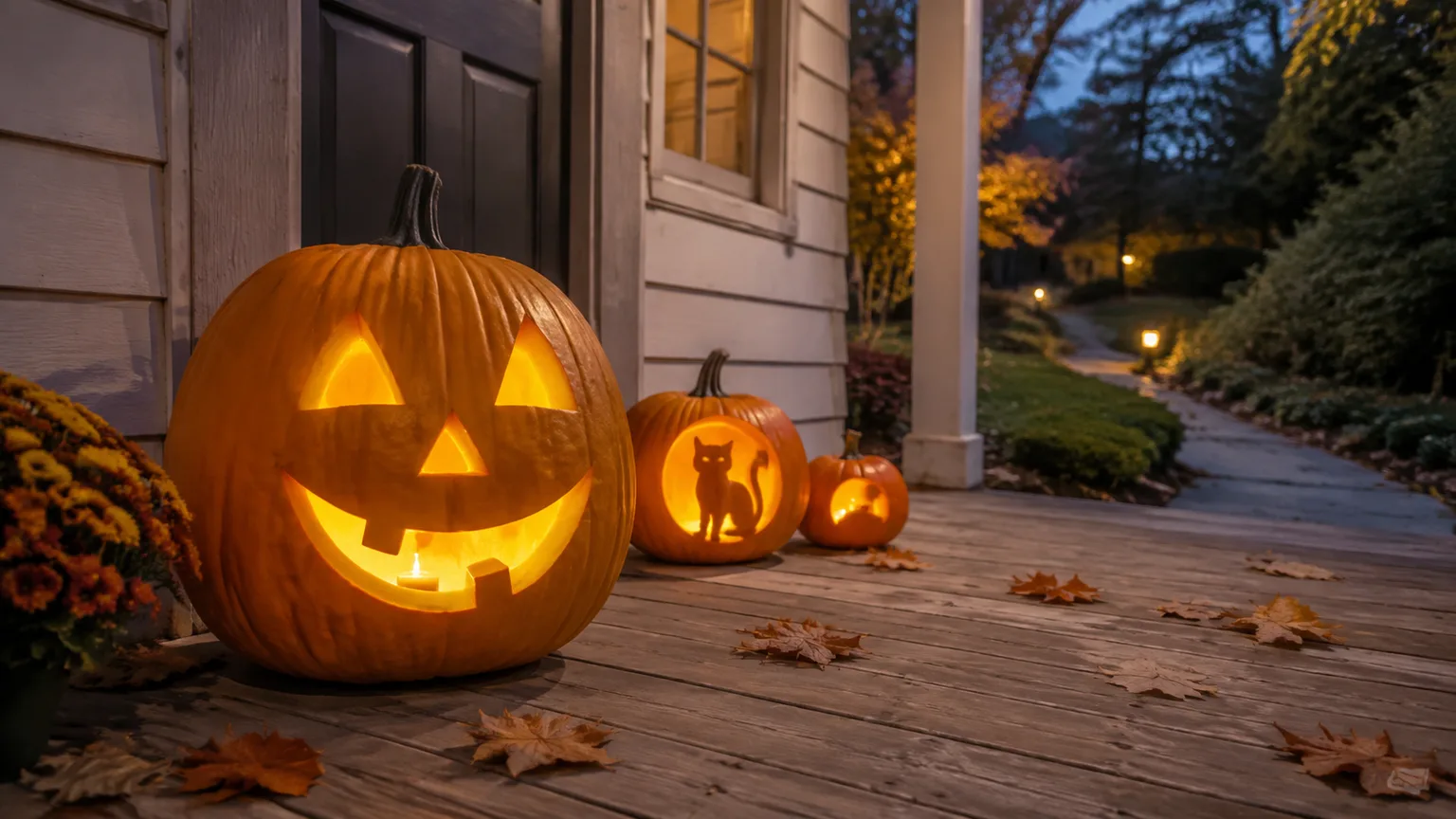
An exposed porch display is easy for wildlife to reach; moving a pumpkin behind glass or a closed screen creates a real barrier.
6. Use a motion-activated sprinkler carefully
A motion-activated sprinkler can startle a squirrel that approaches along a predictable path, especially in a garden where a permanent enclosure is impractical. Aim it at the route to the pumpkin rather than at a sidewalk, doorway, neighbor’s property, or place where children and pets play. Adjust the sensor range and spray arc during the day, and check the device after the first activation so it is not soaking the fruit, electrical fixtures, or a frequently used walkway.
Treat this as a short-term support, not a permanent fix. A device may not cover every approach, and squirrels can learn where its sensor does not reach. In cold weather, follow the sprinkler manufacturer’s directions for freezing conditions and drain or remove the unit before water freezes in the line. Pair it with a barrier or secure storage if the pumpkin is valuable or the animal keeps returning.
7. Rotate visual deterrents for short-term pressure
Reflective streamers, pinwheels, or a movable predator decoy may briefly interrupt a squirrel’s routine. Place them where they move in the breeze but cannot whip into a vine, bird, or walkway, then change their position or remove them after a few days. A stationary owl that has stood by the same pumpkin all week is likely to become background scenery rather than a convincing threat.
Garden Design lists moving and predator-like objects among common garden deterrents, but those suggestions should be treated as experiments, not proof of lasting control. UC IPM warns that tree squirrels habituate quickly to visual and sound cues, often paying less attention after a short period. Skip loud recordings, strobes, or devices that disturb neighbors or nocturnal wildlife; use movement only as an inexpensive bridge while you install a dependable physical barrier.
8. Use a repellent only if its label allows this use
Commercial taste or scent repellents may be an option for an ornamental pumpkin, but products differ in ingredients, target animals, application sites, and reapplication timing. Read the full label before buying. It must name squirrels or the relevant animal, allow use on pumpkins or the intended site, and give directions for the way you plan to use it. If the pumpkin may be cooked or eaten, the label must also permit the crop use and explain any harvest interval.
Do not spray an edible pumpkin with a product just because it says “animal repellent,” and do not assume that a natural ingredient means food-safe. The U.S. Environmental Protection Agency explains that pesticide products must be used according to their specific directions, including any restrictions that apply to food crops. UC IPM also describes squirrel repellent effectiveness as questionable. If the label does not clearly cover your exact use, skip the product and rely on a cage or indoor storage instead.
9. Remove chewed pumpkins and keep compost contained
Once a pumpkin has a deep opening, soft wet tissue, or signs of decay, remove it from the display or patch. A damaged edible pumpkin is not worth salvaging if animal teeth have reached the flesh or if the fruit has sat outside and started to rot. Do not leave the cut pieces beside the bed as a “decoy”; that leaves an easy meal in the same place and may encourage another visit.
If the pumpkin is sound and only has a superficial scrape through the outer skin, assess the damage rather than applying a chemical coating. For a finished or badly damaged pumpkin, use a lidded compost bin or municipal yard-waste program if available. Open compost piles and roadside piles can still attract wildlife, so containment matters. Clean up seeds and pulp around the display, especially after carving, because loose food is easier for animals to reach than a whole intact fruit.
10. Accept small losses and protect priority fruit
There is a point where control costs more than the pumpkin. If a squirrel takes one bite from a field pumpkin that you are not planning to eat, it may be more sensible to remove the damaged fruit and protect the one or two you want for cooking or display. This is not giving up: it focuses your effort on the fruit that matters, avoids unnecessary harm to wildlife, and prevents a large fence project from becoming the first response to a small nuisance.
For a short protection window, combine one physical method with one temporary deterrent: cage the chosen fruit, clear spilled food nearby, and move a reflective object or sprinkler if visits continue. If the squirrel still reaches the pumpkin, change the barrier rather than stacking more scents, lights, and noise. The useful measure is whether the fruit stays protected, not how many deterrents you have set out.
What to do when a pumpkin has already been nibbled
Start by checking how far the teeth went. A small surface mark on an intact rind is different from a hole that exposes the orange flesh, seeds, or inside of a carved pumpkin. If you plan to eat it and the rind is breached, discard the fruit rather than cutting around the damaged section and assuming the rest was protected; for a display pumpkin, remove it once the opening attracts insects, becomes soft, or smells sour.
If the pumpkin is still firm and the damage is limited, move it behind a barrier and keep it separate from fruit that will be stored for later. Do not apply a spray, oil, or sticky coating over a bite mark. That does not undo the damage or make exposed flesh safe, and the smell or residue can draw attention to the same spot. Clean seeds and pulp from the ground, then protect the next fruit before another visit.
Popular hacks that are unsafe or unreliable
Skip household coatings and untested scent recipes
Hairspray is not a food-crop repellent, and a coating of petroleum jelly does not create a dependable barrier. Neither belongs on a pumpkin you may cook or eat. Coffee grounds, peppermint oil, dryer sheets, garlic, and other strong-smelling home recipes are often repeated online, but they wash off, fade, or fail to stop a determined animal. A scent is not a substitute for a cage or a closed door.
Do not make a hot-pepper spray with dish soap and put it on produce. A kitchen mixture has no tested directions for the crop, animal, weather, or harvest timing. If you choose any pesticide product, follow its label exactly and keep it off edible pumpkins unless that exact use is permitted. Do not use poison bait or mothballs as a pumpkin deterrent; products made for other purposes are not general-use squirrel repellents, and off-label use can create avoidable risks.
Do not trap or relocate a squirrel as a quick fix
Live trapping sounds humane because the animal remains alive, but the capture is only the first problem. You must check local rules, manage the animal safely, and know what disposition is lawful; a captured squirrel may also be injured or separated from dependent young. UC IPM explains that releasing tree squirrels elsewhere in California requires permission, while Michigan DNR says it does not authorize live capture and release except for permitted research. Those rules are examples, not a nationwide rulebook.
Before setting any trap, contact your state wildlife agency or local animal-control authority and ask what is legal where you live. Do not improvise a relocation site or release an animal into a park, roadside, or unfamiliar neighborhood. If squirrels are damaging structures or the conflict is beyond a single pumpkin, ask the agency for a licensed wildlife professional who can identify the animal and recommend a lawful, proportionate response.
Put together a simple plan for the patch and porch
For garden fruit, begin with cleanup, then protect the pumpkin you care about with a rigid cage. If multiple fruit are under attack, compare the cost of individual cages with a fully enclosed patch; a fence with an open top may not stop tree squirrels. Harvest mature fruit before weather or repeated bites become an issue, and store it indoors. For porch decorations, the simplest long-term fix is often moving the pumpkin behind glass or a closed screen.
If visits continue, add one temporary tool such as a motion sprinkler or a moved visual deterrent, and check the result after a few days. Avoid layering untested sprays, sticky substances, noises, and lights around a pumpkin that is still meant for food. A short record of what was damaged, where the animal entered, and whether the barrier held can show whether you need a new setup or can stop spending time on the problem.
When to contact a wildlife agency or professional
Call a wildlife agency or a licensed nuisance-wildlife professional if squirrels are getting into a building, damaging wiring or structural materials, repeatedly entering a protected area, or if you are considering trapping. A pumpkin bite alone rarely justifies a dangerous or costly removal plan, but recurring damage may need an accurate species identification and a site-specific recommendation. Ask whether the person is licensed or permitted in your area, what methods they use, and whether the proposed work complies with local wildlife rules.
Rules can differ by state and municipality, including whether a species is protected, whether trapping requires a permit, and whether relocation is allowed. Check with the authority where the animal is found rather than copying instructions from another state’s website. In the meantime, remove accessible food, secure the pumpkin with a barrier, and keep children and pets away from traps or repellents that have not been applied according to their labels.
Conclusion
To keep squirrels from eating pumpkins, start with a real barrier: cage a garden fruit, enclose a patch when the scale justifies it, or move a porch display behind a window or screen. Clear easy food, harvest mature pumpkins before they sit exposed, and use sprinklers or visual deterrents only as temporary support because squirrels can learn to ignore them.
Skip household coatings, untested sprays, poison, and improvised trapping. If a pumpkin is deeply chewed, remove it and contain the waste; if wildlife control seems necessary, check local law and contact a qualified professional. Protect the fruit you value most and choose a method you can inspect and maintain safely.