10 Vegetables to Start Indoors in February
Plan your February seed starting with 10 cool-season vegetables, crop-by-crop timing, transplant advice, and fixes for leggy or weak seedlings.
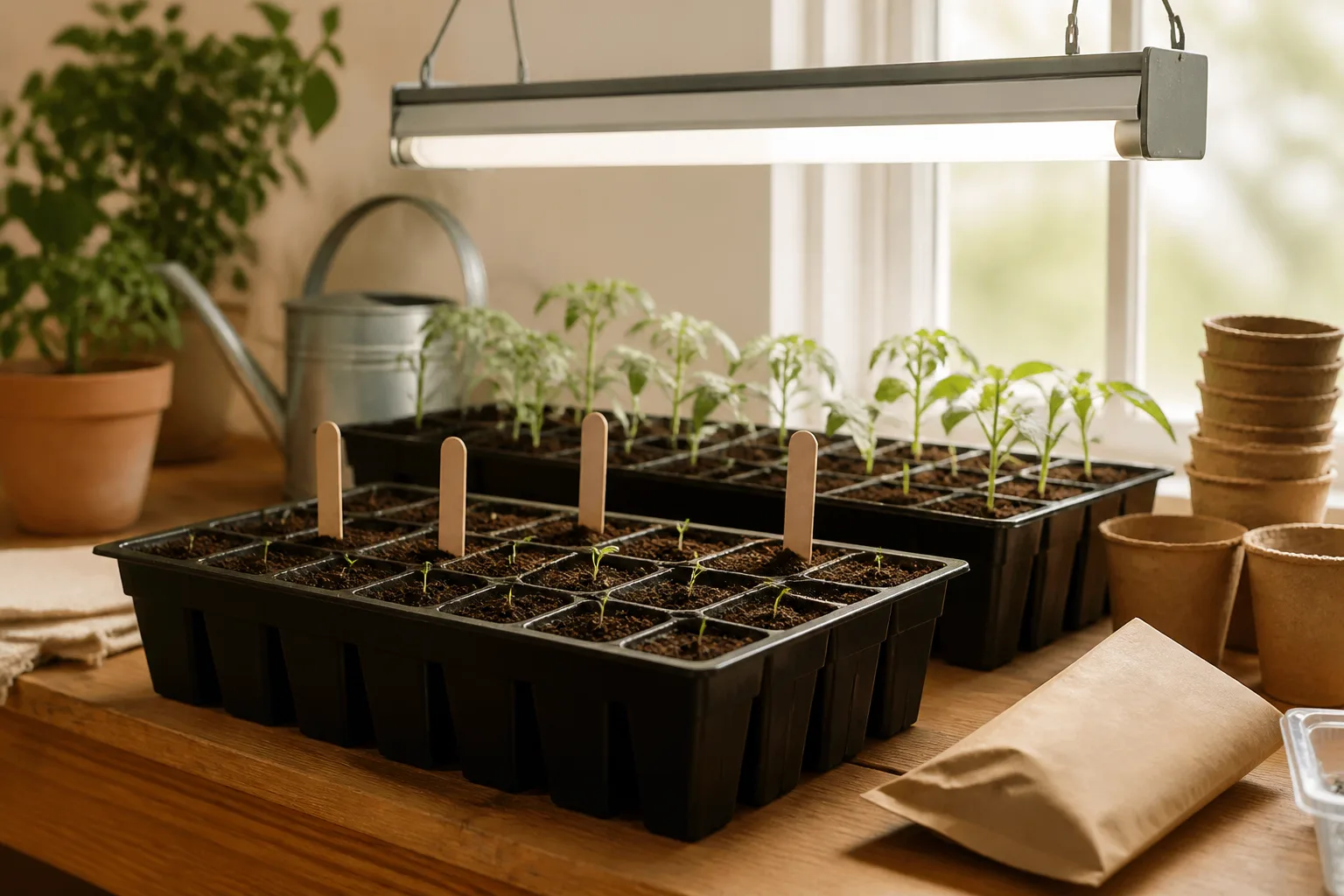
February is a useful seed-starting month when you want cool-season vegetables ready for the first workable spring beds. Starting a few plants indoors can give slow-growing crops time to reach transplant size while the ground is still cold, wet, or frozen. It can also make an early harvest possible in a short-season garden.
The important qualification is that February is not a universal sowing date. A gardener in a mild coastal climate may direct-sow several of these vegetables outdoors, while a gardener with a late spring may need to start them indoors later in the month or even in March. The best candidates are cool-season crops that tolerate chilly weather once acclimated—not heat-loving vegetables that are simply being started too early.
Is February the Right Month for Your Garden?
The ten vegetables in this guide are mostly cool-season crops: lettuce, broccoli, cauliflower, cabbage, peas, chives, kale, spinach, kohlrabi, and onions. They can grow in cooler conditions and are generally planted before warm-season crops. Penn State Extension includes these crops among common cool-season vegetables and notes that many can be planted weeks before the last frost, while warm-season crops need warmer air and soil and must wait until frost danger has passed (Penn State Extension’s cool-season crop guide).
That distinction is more useful than the month name. February is a good fit if your seedlings will be ready when your outdoor soil and weather are suitable. It is a poor fit if the plants will sit indoors for many extra weeks, become rootbound, or outgrow the available light.
Use February indoors when at least one of these is true:
- Your average last frost is late enough that an indoor head start fills a real gap in the growing season.
- Your garden soil is still too wet, cold, or frozen for reliable outdoor sowing.
- You want an especially early bed of leafy greens or brassicas.
- You are growing a long-season crop such as onions from seed.
Direct sow instead when the soil is workable, the crop dislikes root disturbance, and outdoor conditions are already favorable. Peas and spinach are the clearest examples. A sturdy outdoor sowing can catch up quickly and avoids the transplant setback altogether.
Use Your Last Frost Date, Not the Calendar
Start with the date you expect to transplant, then count backward. “Six weeks before last frost” is a planning shortcut, not a command to sow on the same date in every garden. Seed packets may give a different recommendation for a particular variety, and a protected bed, row cover, cold frame, or warm microclimate can shift the practical transplant date.
The ranges below are useful starting points. They assume you are growing compact seedlings under good light and intend to move cool-season crops outdoors before the last frost. Adjust for your local weather, the crop variety, and whether you will use protection.
| Vegetable | Start indoors | Move outdoors | Main reason to start inside |
|---|---|---|---|
| Lettuce | 3–4 weeks before transplanting | About 2–4 weeks before last frost with protection | Get an early stand before heat encourages bolting |
| Broccoli | 6–8 weeks before last frost | About 2–3 weeks before last frost | Give a slow brassica time to size up |
| Cauliflower | 7–9 weeks before last frost | About 2–3 weeks before last frost when weather is steady | Build a sturdy transplant without exposing it too young |
| Cabbage | 6–8 weeks before last frost | About 2–3 weeks before last frost | Establish plants before spring heat |
| Peas | 3–4 weeks before soil is workable | As soon as soil can be worked, while plants are young | Avoid waiting for cold, wet soil in a short season |
| Chives | 8–10 weeks before transplanting | About 2–3 weeks before last frost after hardening | Produce a useful clump sooner and allow indoor snipping |
| Kale | 5–6 weeks before last frost | About 2–3 weeks before last frost | Put hardy plants outside early |
| Spinach | 4–6 weeks before transplanting | About 3–4 weeks before last frost, or direct sow | Fill an early bed when outdoor sowing is delayed |
| Kohlrabi | 4–6 weeks before last frost | About 2–4 weeks before last frost | Get quick bulbs growing in cool weather |
| Onions | 8–10 weeks before transplanting | About 2–3 weeks before last frost | Give slow seedlings a long indoor runway |
When in doubt, choose the later end of the range. A slightly younger seedling is usually easier to establish than an oversized one that has spent too long in a small cell. For a deeper walkthrough of the basic process, see this site’s guide to how to start seeds indoors.
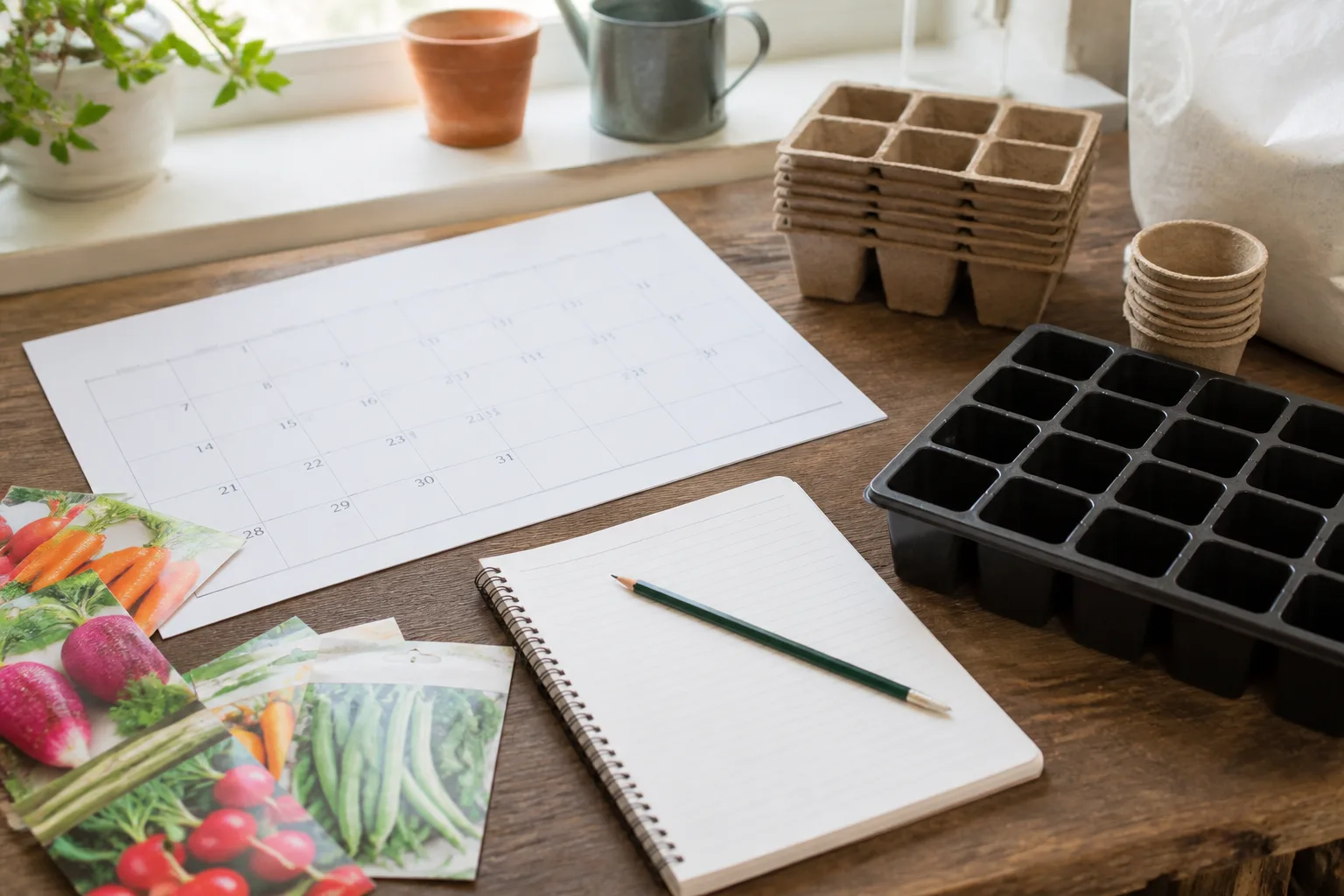
The Indoor Setup That Prevents Weak Seedlings
You do not need a greenhouse to raise these crops, but you do need to control the basics: a clean container, a fine-textured growing medium, consistent moisture, and enough light. Seedlings that germinate in a dim window or stay saturated in a covered tray may look alive while developing weak stems and poor roots.
Mix, Containers, Light, and Heat
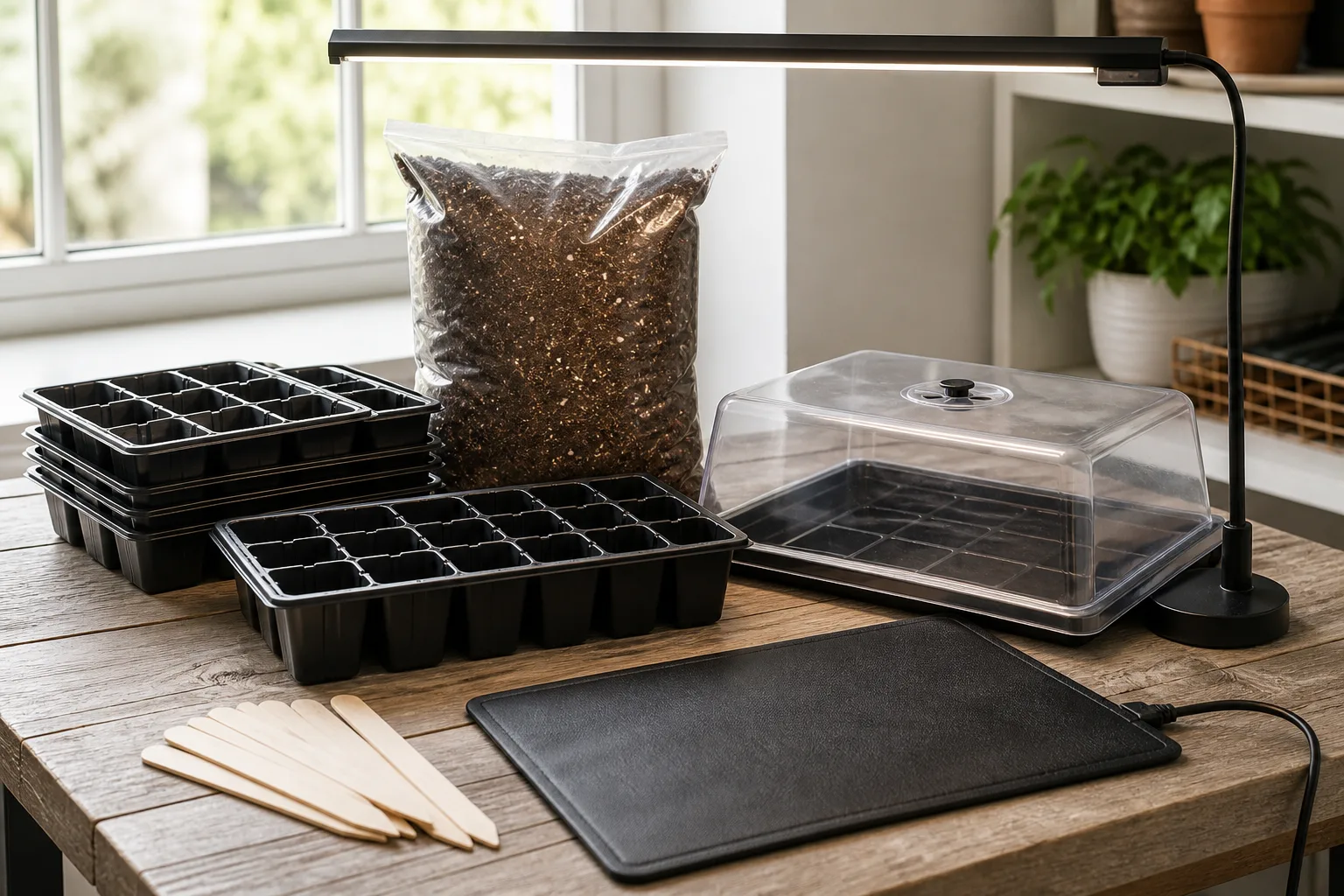
Use a fresh seed-starting mix rather than heavy garden soil. A seed-starting mix is light enough for tiny roots and holds moisture without collapsing into a dense, airless plug. Epic Gardening’s indoor seed-starting guide also recommends a fine, well-draining mix and cautions against using ordinary garden soil in small containers (Epic Gardening’s seed-starting setup guide).
Choose cells or small pots with drainage holes, label every variety, and pre-moisten the mix before sowing. Follow the packet for depth: some seeds need darkness and a covering, while very small seeds such as lettuce may need light and only a thin dusting of mix. Do not bury all ten crops at one standard depth.
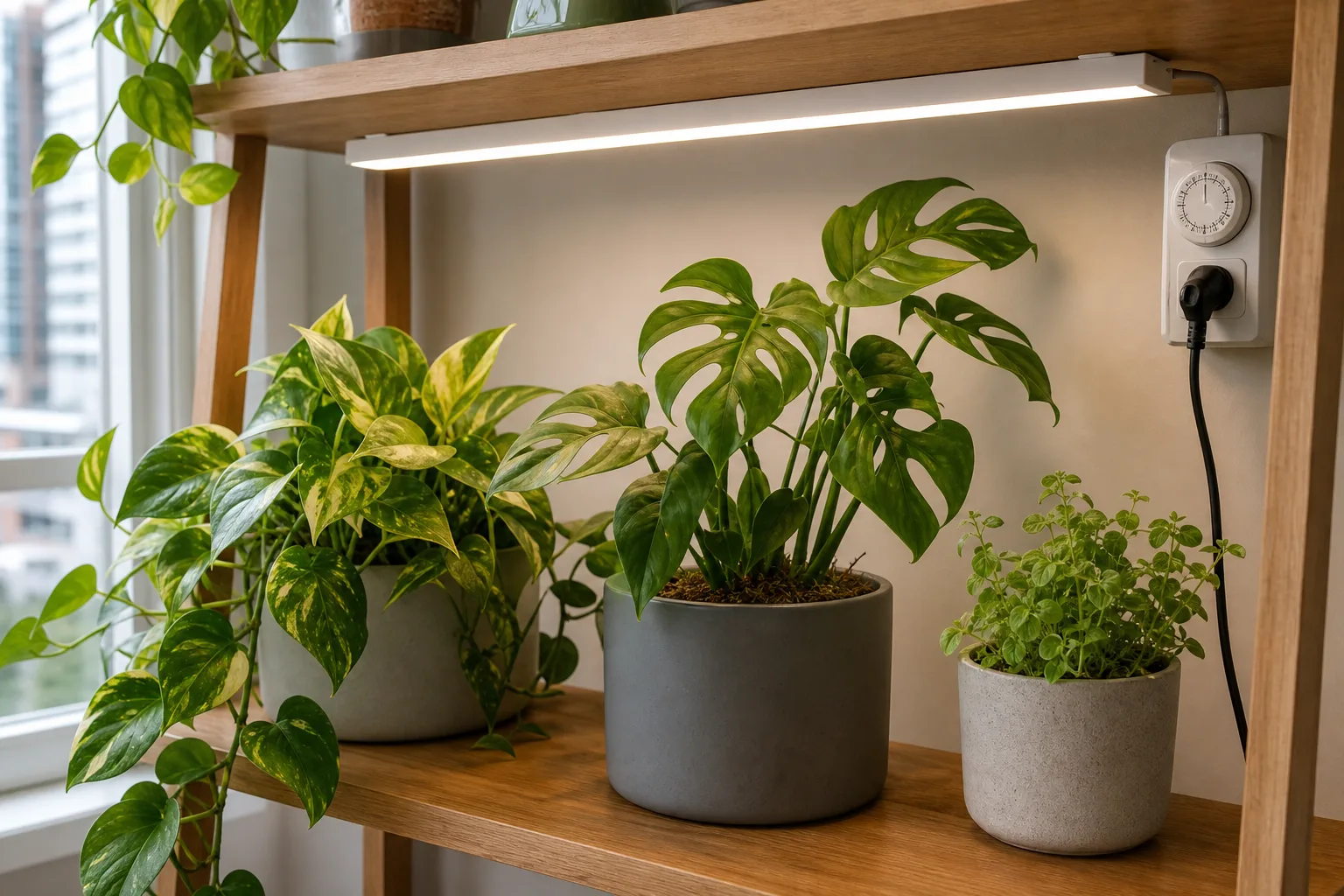
Light is the most common missing ingredient in February. A bright window can work for a short period, but winter sun is low and seedlings can lean toward the glass. A grow light positioned close enough to keep plants compact is more dependable. Put the light on a timer and raise it as the plants grow so the leaves do not touch a hot fixture.
These vegetables generally do not need a heat mat once they are growing. A steady room temperature is usually enough for cool-season seedlings; extra heat can make them stretch or can encourage fast, soft growth. A heat mat is more useful for crops with higher germination-temperature needs, and it should be paired with good light rather than used as a substitute for it.
Water, Airflow, Thinning, and Feeding
Keep the mix evenly moist, not glossy and waterlogged. A humidity dome can slow drying during germination, but remove it after most seedlings emerge or when the first true leaves appear. Stale, humid air around mature seedlings is an invitation to damping off and weak stems.
Give trays gentle airflow with a small fan pointed nearby, not directly at full force. This helps the foliage dry and encourages sturdier stems. Thin crowded seedlings by snipping extras at the soil line instead of pulling them and disturbing the plant you want to keep. One healthy seedling per cell is usually better than three competing seedlings.
Seed-starting mix may contain little fertilizer. After true leaves develop, feed only if the mix and seed packet call for it, using a dilute fertilizer. Too much fertilizer or too much water will not compensate for insufficient light. If growth is slow, check light, temperature, moisture, and roots in that order.
1. Lettuce
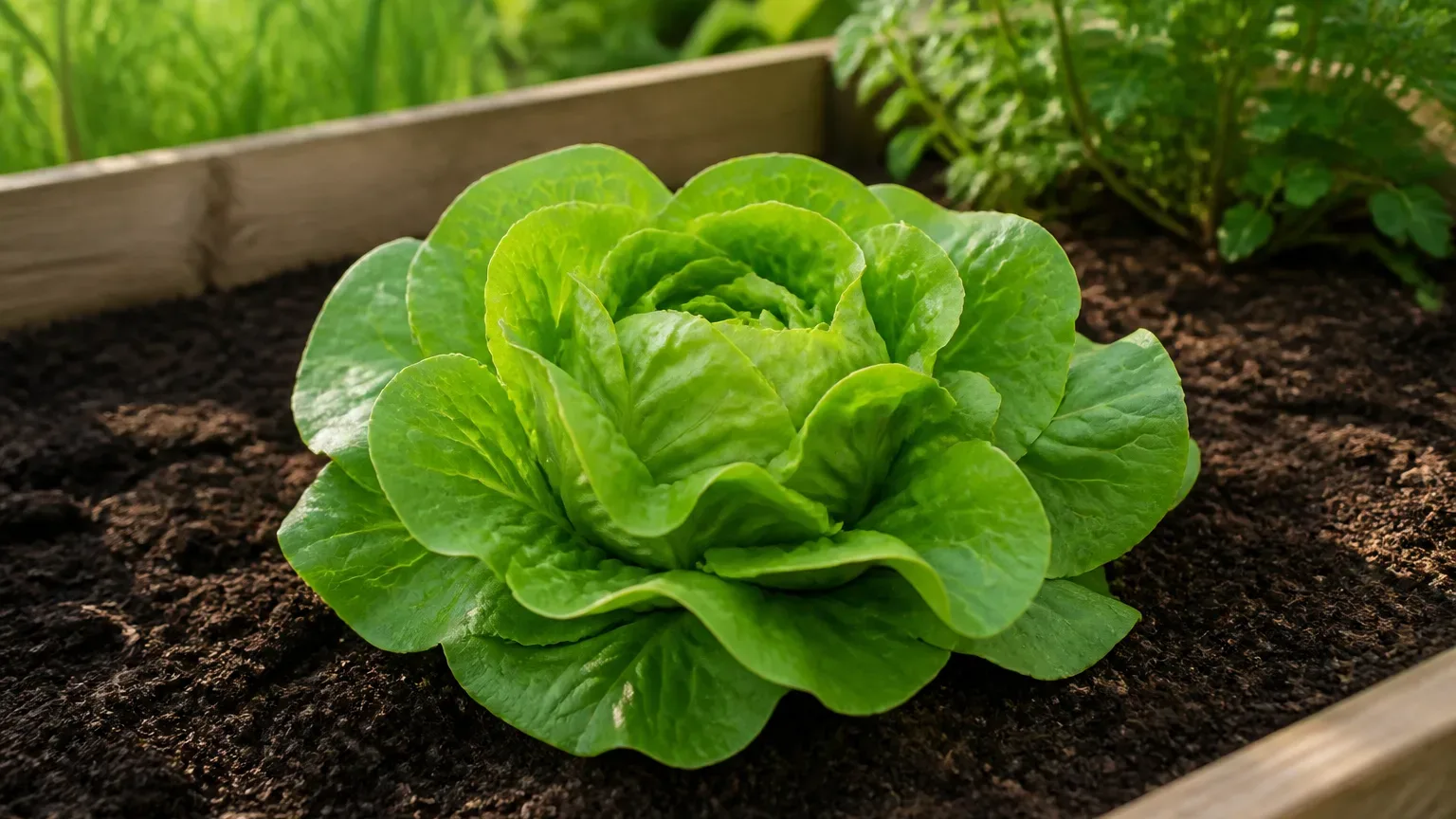
Lettuce is one of the quickest wins for an indoor February start. Sow it about three to four weeks before the date you plan to set plants outside, then transplant young seedlings rather than waiting for a large head. For the earliest harvest, choose loose-leaf varieties and begin picking outer leaves as they expand.
Lettuce seed needs light to germinate, so press it onto the surface of moist mix or cover it only very lightly. Keep the surface from drying while seedlings emerge, then give them strong light and steady moisture. Cornell’s lettuce growing guidance describes lettuce as a cool-weather crop that tolerates light to moderate frost when seedlings are hardened and warns that heat and moisture stress can encourage bolting (Cornell’s lettuce growing guide).
Set lettuce out two to four weeks before your last frost if you can protect it with a row cover. In a mild region with workable soil, direct sowing in succession every week or two may be simpler than transplanting. Indoor starts are most valuable when you want a head start, need to fill a bed quickly, or cannot sow outdoors yet.
2. Broccoli
Broccoli benefits from the longer indoor runway because it takes more time to form a sturdy transplant than lettuce. Start seeds six to eight weeks before your average last frost. Move plants outdoors roughly two to three weeks before that date, once they have several true leaves and have been hardened off.
Do not judge readiness by height alone. A compact plant with a thick stem and healthy true leaves is preferable to a tall plant with a thin stem. Keep the root ball intact when transplanting and cover young plants if a hard freeze is forecast. Row cover can also reduce pest pressure while plants establish.
Broccoli makes its main head in cool weather and may produce side shoots after the central head is cut. If spring turns hot before the plant finishes, head quality can suffer, so the goal of an early start is to reach harvest before sustained heat—not to keep plants indoors indefinitely.
3. Cauliflower
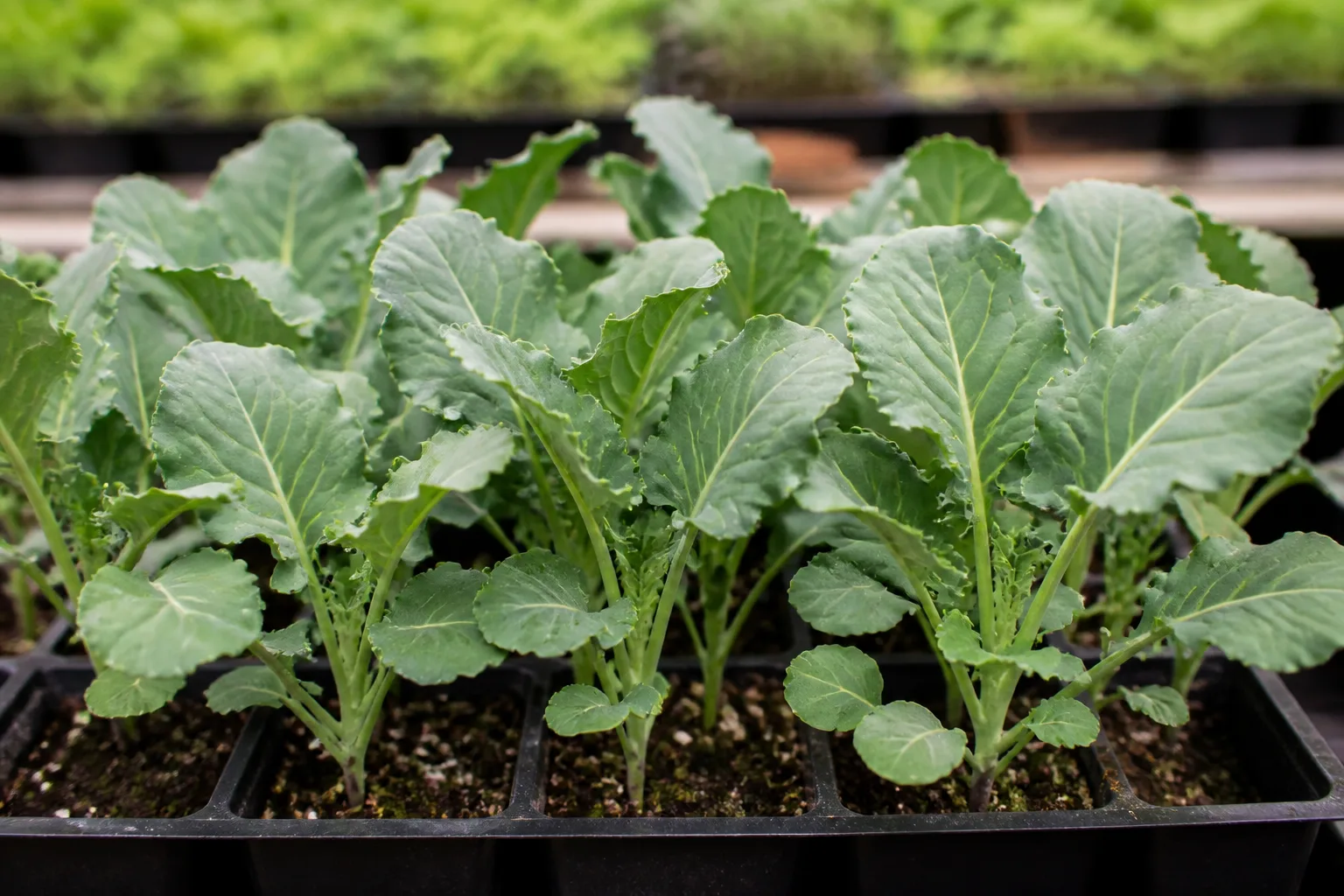
Cauliflower follows broccoli’s timing but rewards a little more care. Start it about seven to nine weeks before last frost, giving plants time to become substantial before transplanting. A young cauliflower plant exposed to abrupt cold, drought, or heat may form a small, poor-quality head instead of producing a full curd.
Keep growth even indoors. Do not let the mix swing from bone-dry to saturated, and do not allow plants to become rootbound while you wait for spring. Transplant two to three weeks before last frost only when the forecast and soil conditions are reasonable for a protected cool-season bed. A row cover can buffer cold nights, but vent or remove it on warm days so the plants do not overheat.
Cauliflower is a good candidate for February in a short season, but not because it needs a fixed calendar date. It needs enough cool, uninterrupted growing time after transplanting. In a mild garden, a later start or direct sowing may be less stressful.
4. Cabbage
Cabbage is hardy, dependable, and forgiving of an early spring planting. Start seeds six to eight weeks before last frost and plan to transplant sturdy plants about two to three weeks before that date. Keep the plants in bright light so the heads begin with a compact framework rather than a floppy stem.
Water consistently and avoid keeping a humidity dome on after emergence. Before transplanting, expose cabbage gradually to outdoor light and wind. Once established, it can tolerate cool conditions, but a small plant still benefits from a cover when temperatures drop sharply.
Cabbage can also be direct-sown in a workable spring bed. Indoor starts are useful when you want a head start, need to beat summer heat, or want a uniform first planting followed by later direct-sown successions. Harvest heads when they are firm and before prolonged heat or irregular watering causes splitting.
5. Peas
Peas are the first crop on this list that you should question before starting indoors. They are cold tolerant and are often best direct-sown as soon as the soil can be worked. Starting them in February makes sense when your ground is frozen, waterlogged, or slow to warm and you need plants ready for the earliest possible window.
Use deep cells or paper pots because pea roots dislike being disturbed. Sow about three to four weeks before you expect the soil to be workable, using the packet’s depth guidance; deep sowing is normal for peas. BBC Gardeners’ World also recommends starting peas under cover for an earlier crop and using deep containers before planting them out in spring (BBC Gardeners’ World February sowing guide).
Transplant while the seedlings are young, before roots circle the container. Set up their support at the same time so you do not have to push a trellis through an established root zone. If the outdoor bed is ready, sow a second batch directly for a succession rather than keeping the indoor batch growing for too long.
6. Chives
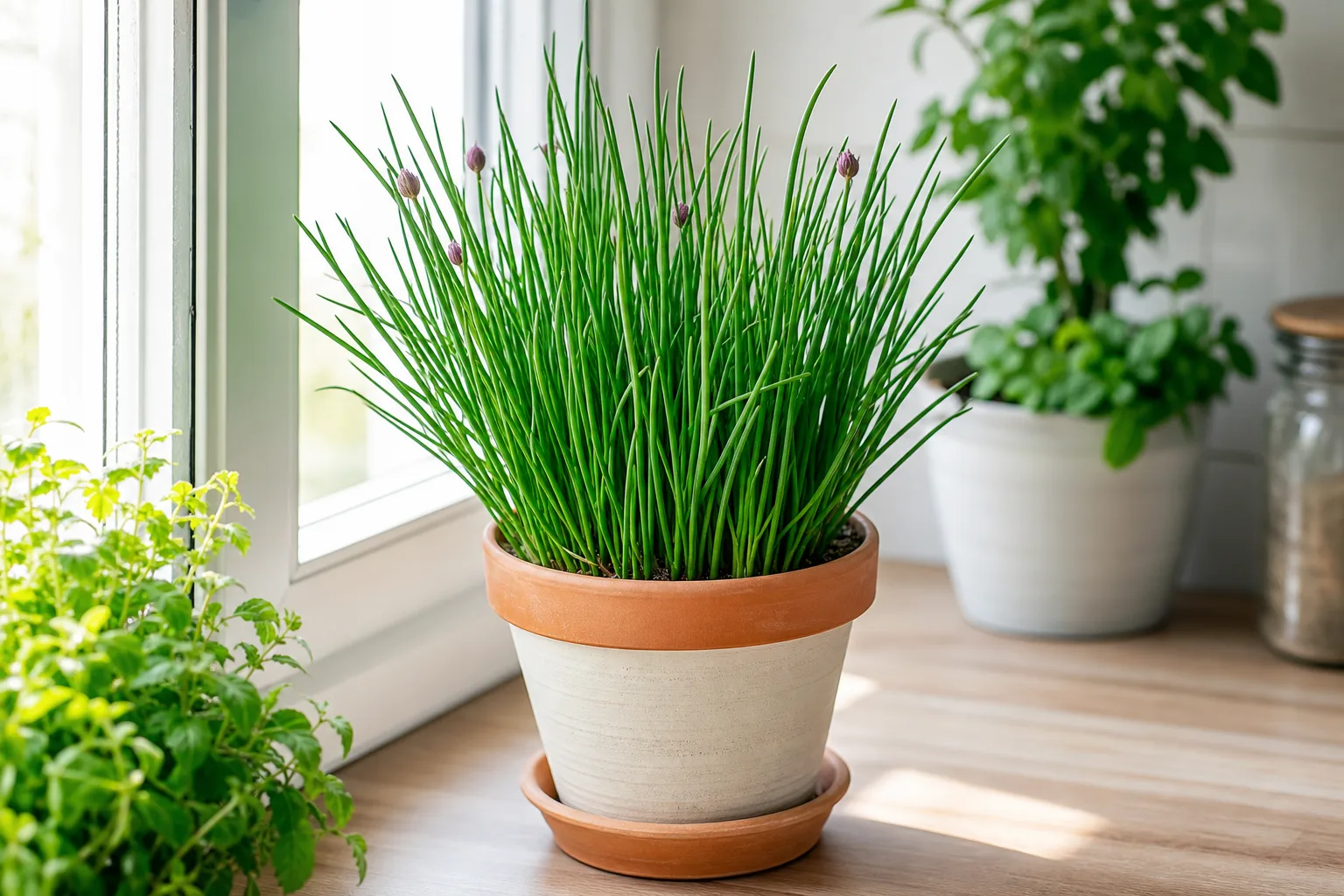
Chives are a useful February project when you want fresh snips indoors and a perennial clump outdoors later. Seedlings grow slowly, so start them eight to ten weeks before transplanting. Sow according to the packet and expect several seedlings to form a tuft; chives do not need to be separated into a single plant per cell in the way a cabbage or broccoli seedling does.
Keep the pot in bright light and trim sparingly once the blades are established. The indoor harvest is a bonus, not a reason to remove so much foliage that the young plant cannot build roots. Harden the clump for about a week and transplant it two to three weeks before last frost if the soil is workable.
Chives can return year after year in suitable climates. Starting from seed takes longer than dividing an established clump, but it is an inexpensive way to raise multiple plants and choose a permanent spot in the herb or vegetable garden.
7. Kale
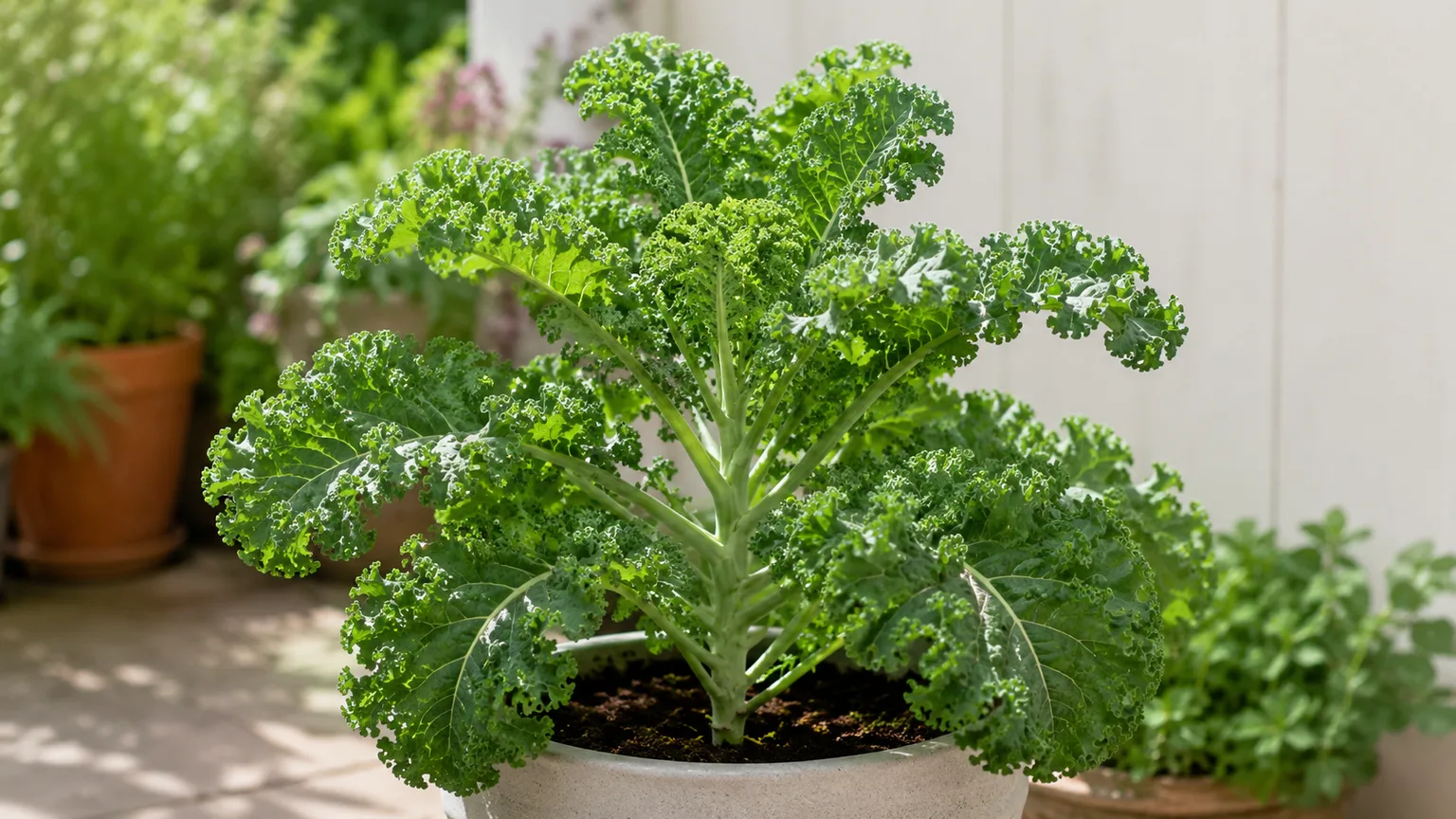
Kale is among the easiest February seedlings because it stays productive in cool weather and tolerates a light frost after hardening. Start seeds about five to six weeks before last frost. Give seedlings strong light, then transplant them two to three weeks before the frost date when the soil is workable.
Kale does not need to become large indoors. A compact seedling with a few true leaves will establish faster than an oversized plant that has exhausted its cell. Space it according to the variety and protect it from early pests with a lightweight cover. Pick lower leaves once the plant is growing strongly, leaving the center intact.
In a mild climate, kale can be direct-sown in February. Indoor sowing is more helpful where outdoor beds stay wet or where you want a uniform early stand. If spring warms quickly, harvest the crop promptly because quality can decline and plants may bolt.
8. Spinach
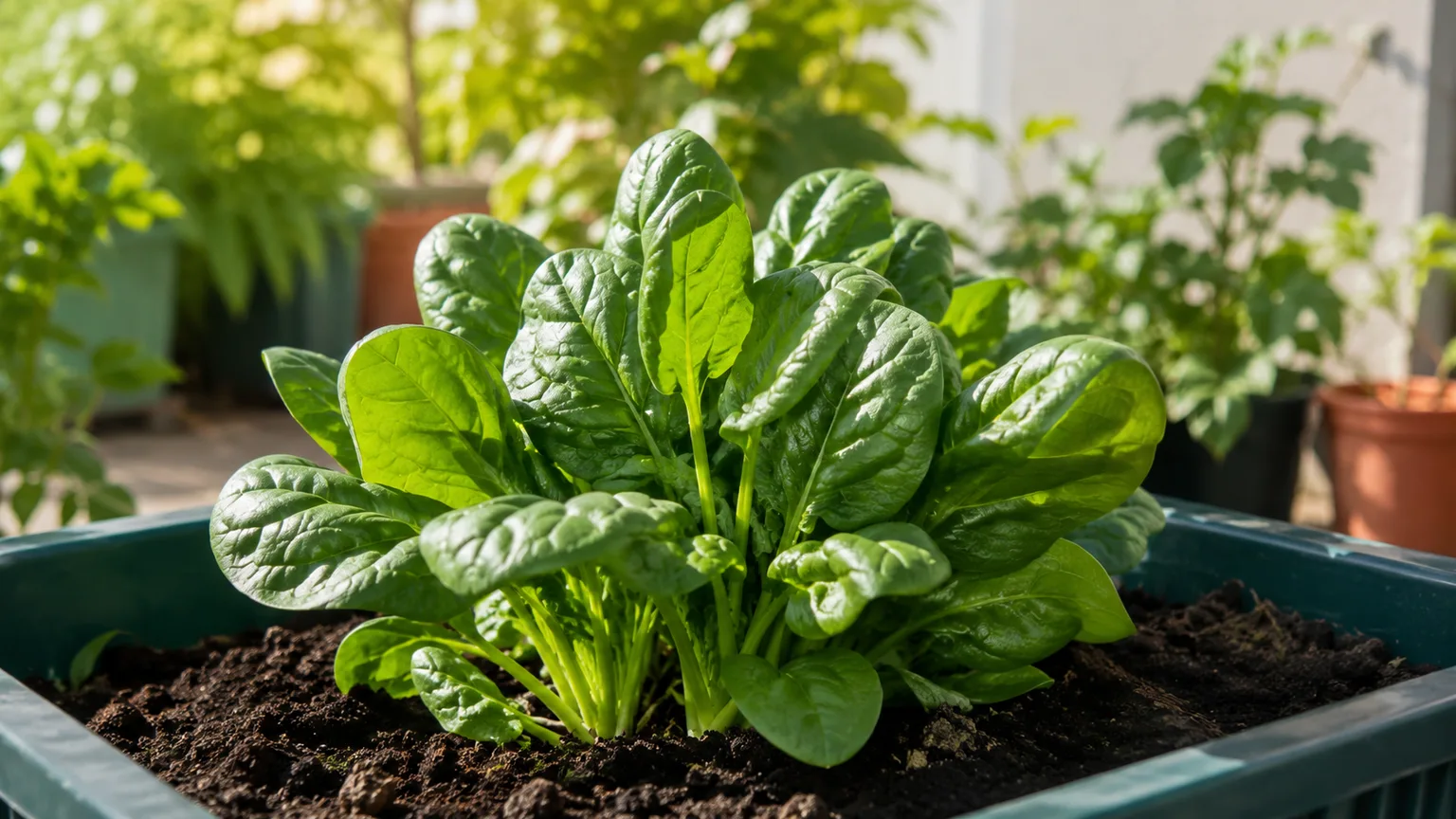
Spinach is another crop that is often better direct-sown, but indoor February starts have a place. Use them when the garden bed is not ready, when you are trying to fill an early protected bed, or when you want harvestable leaves ahead of an outdoor succession.
Start four to six weeks before transplanting and move seedlings while they are young, around three to four weeks before last frost. Spinach has a sensitive root system, so avoid teasing apart a crowded root ball or holding plants in a small cell for extra weeks. Sow a few seeds per cell, thin carefully, and transplant with the mix attached.
Keep spinach cool and well lit. As days lengthen and temperatures rise, plants can bolt, so harvest outer leaves regularly and make another sowing rather than expecting one planting to last indefinitely. If the soil is workable, direct sowing often gives the least disturbed roots and the most straightforward crop.
9. Kohlrabi
Kohlrabi grows quickly, which means the indoor start must stay on schedule. Sow it four to six weeks before last frost and transplant two to four weeks before that date. Do not wait for a large plant: a compact seedling establishes best before the roots fill the cell and the stem begins to stretch.
The swollen stem forms above the soil line, so set the seedling at the same depth it grew in its container. Keep the soil evenly moist while the bulb develops. Cool conditions help keep kohlrabi tender; prolonged heat or drought can make it woody or encourage premature flowering.
A row cover provides a useful physical barrier against early flea beetle damage while seedlings are small. Like other brassicas, kohlrabi is also a good candidate for succession planting. Use the February batch for the first harvest, then direct sow or start a later batch for a longer harvest window.
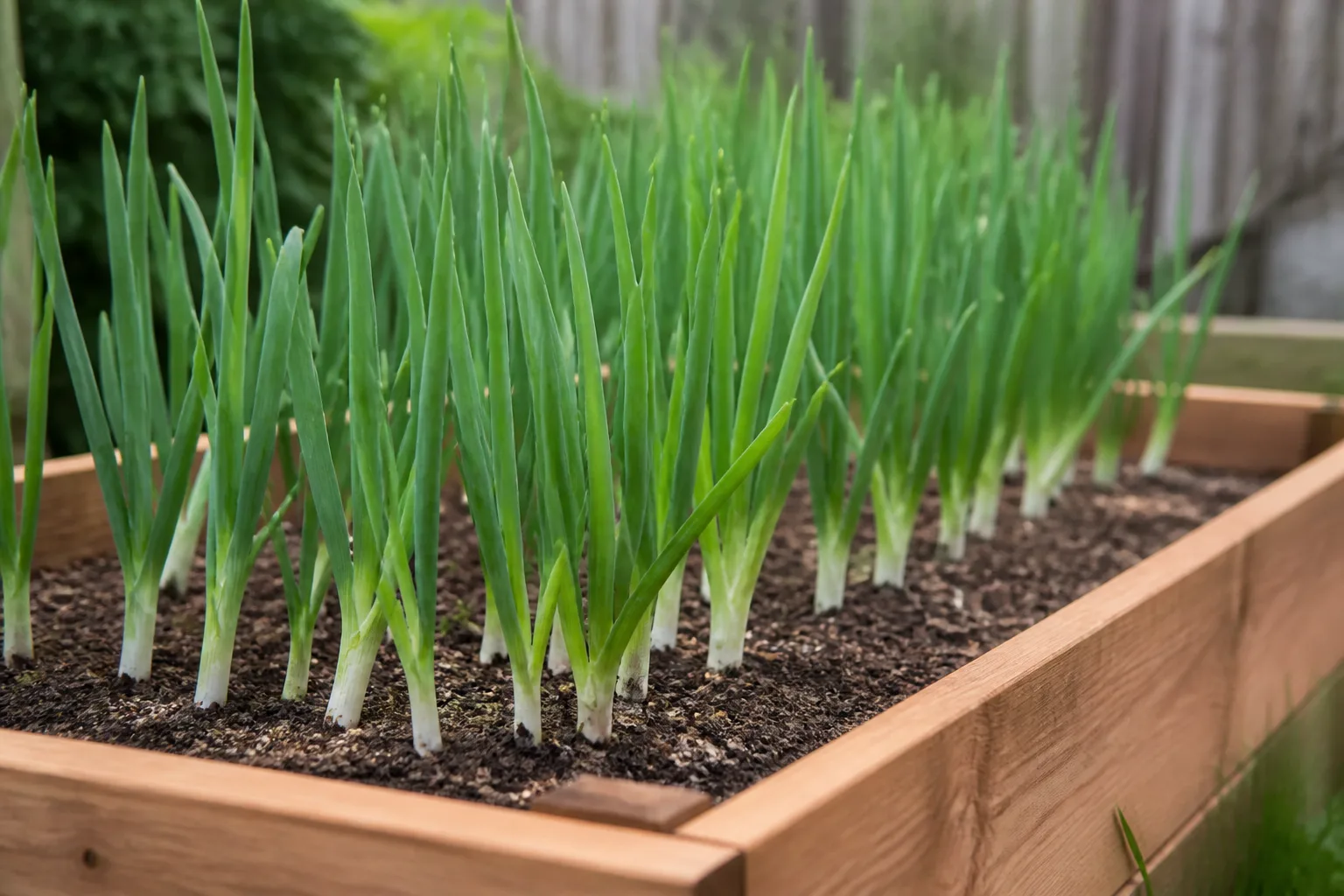
10. Onions
Onions need one of the longest indoor starts on this list. Begin eight to ten weeks before transplanting, or earlier if your variety and climate require a long bulbing season. Choose varieties suited to your latitude and day length; a perfect indoor setup cannot make a day-length mismatch produce a good bulb.
Seed-started onions should grow as slender, upright leaves rather than thick, lush houseplants. Give them bright light, trim only if the packet or growing guidance recommends it, and keep the roots from drying out. Transplant two to three weeks before last frost after about seven to ten days of hardening. Handle the fine roots gently and set plants at the depth they grew.
You can harvest onion greens well before storage bulbs mature. That makes a February start worthwhile even if the final bulbs are still months away. A later direct-sown batch can provide additional green onions, while the indoor batch gets the longest possible season for bulb development.
Harden Off and Transplant Without Setbacks
Hardening off is the transition from stable indoor conditions to outdoor sun, wind, temperature swings, and drying soil. It is not optional just because a crop is cold tolerant. The plant must build resilience gradually before it faces a full day outside.
Start about seven to ten days before transplanting. Put trays outdoors in bright shade for a short period on a mild, calm day, then increase the time and gradually introduce more sun and wind. Bring them back inside if temperatures are forecast to fall sharply, especially for cauliflower and other less forgiving seedlings. University of Minnesota Extension describes hardening as a way to help transplants adjust to field conditions and cautions against exposing cool-season seedlings to temperatures below about 45°F while they are being conditioned (UMN Extension guidance on maintaining healthy transplants).
Reduce watering only enough to avoid carrying saturated pots outdoors; never use severe wilting as the hardening method. Avoid a heavy fertilizer push right before transplanting. On planting day, water the trays, choose a cloudy or calm afternoon if possible, and place the root ball into soil that is moist but not compacted or sodden.
Protect newly planted seedlings with row cover when cold nights, wind, or pests are a concern. Secure the edges so the cover cannot rub against plants or blow away, and vent or remove it during warm sunny weather. The goal is a gradual bridge to the garden, not a sealed tunnel that overheats.
Fix the Common February Seed-Starting Failures
Leggy seedlings usually need more usable light, not more water or fertilizer. Lower the light to the manufacturer’s safe distance, keep it on a consistent schedule, and rotate trays if the light comes from a window. Gentle airflow can strengthen stems. If plants are already severely stretched, move them to better light and transplant only in a way the crop tolerates; peas and spinach are poor candidates for rough root handling.
Slow or uneven germination points to temperature, depth, moisture, old seed, or inconsistent contact with the mix. Check the packet’s germination range before adding heat. Keep cool-season crops cool and evenly moist, and use a heat mat mainly when the crop actually benefits from warmer germination. Do not compensate for a cold room by leaving a covered tray soaking wet.
Damping off is favored by saturated mix, stagnant air, dirty containers, and a humidity dome that stays on too long. Use clean cells, provide drainage, remove the dome after emergence, and water carefully. If a seedling collapses at the soil line, discard it rather than trying to rescue the whole tray.
Rootbound or stalled seedlings are a timing problem. Revisit the last-frost calculation and transplant as soon as outdoor conditions allow. If weather forces a delay, pot up a crop that handles disturbance, but do not assume every vegetable will appreciate being moved twice. Peas, spinach, and chives are better started in containers that accommodate their roots, while brassicas and onions can usually handle a carefully timed move into a slightly larger cell.
Finally, remember that starting indoors is not automatically better. If February soil is workable and a crop prefers direct sowing, put the seed in the garden. The best indoor start is the one that solves a real climate or timing problem without creating a light, root, or transplant problem of its own.
Conclusion
February is a strong month to start cool-season vegetables indoors when you use your local last-frost date as the anchor. Broccoli, cauliflower, cabbage, onions, chives, kale, and kohlrabi benefit most from extra indoor time, while lettuce, peas, and spinach often give you the choice of an early transplant or direct sowing.
Keep seedlings compact with strong light, steady moisture, clean containers, and good airflow. Then harden them gradually and move them outdoors while they are young enough to establish. Start only the crops that fit your weather and your available light, and your first spring harvest will be earlier without turning February into a battle against weak seedlings.