What to Plant in Fall: 12 Cool-Weather Picks
Choose 12 fall plants by first frost date, harvest speed, and winter hardiness. Get practical planting depths, spacing, and protection advice.
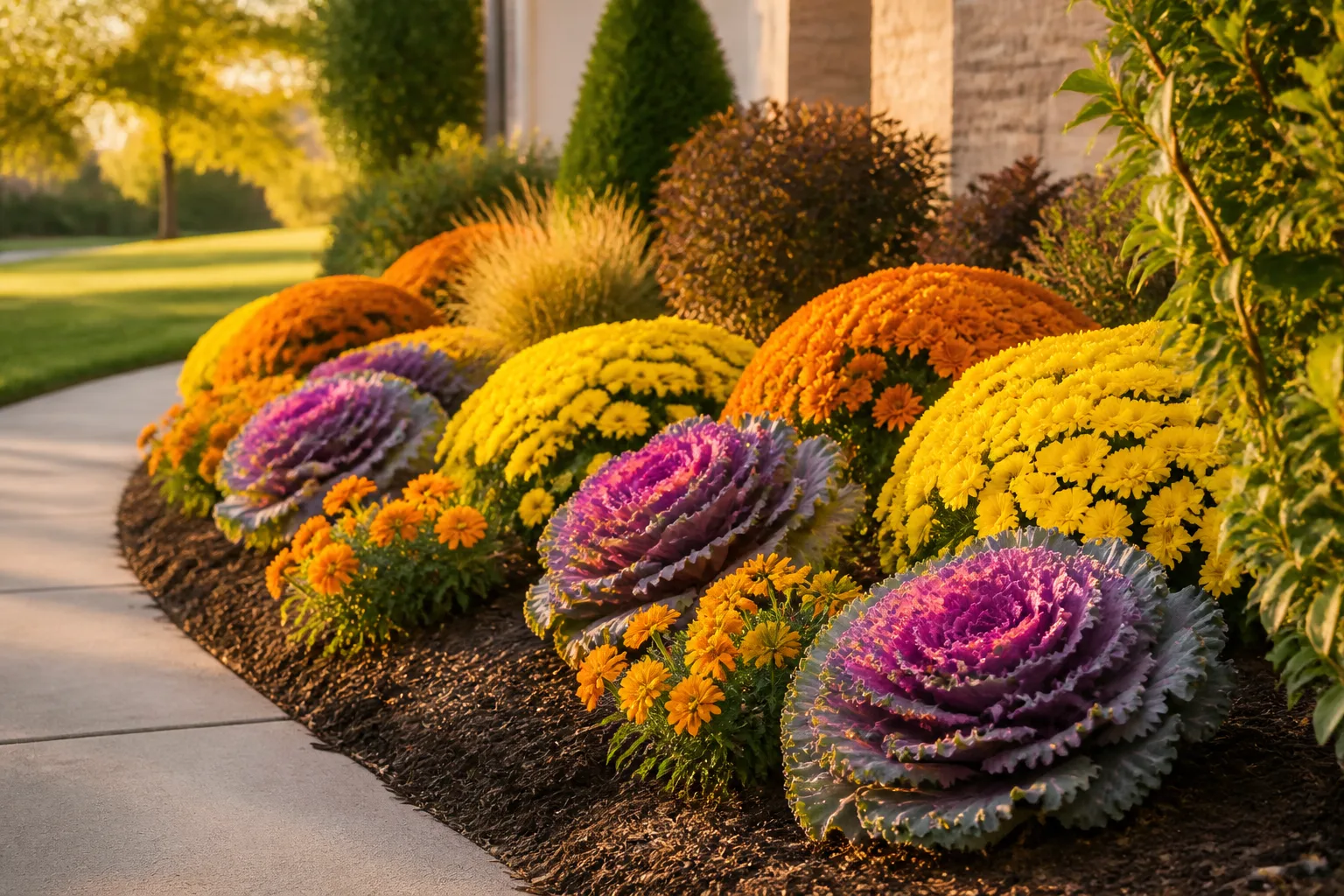
Fall planting works best when you stop treating the calendar as the main decision. A cool September can give seedlings weeks of useful growth, while a hot October can stall germination; a sheltered raised bed may stay productive after an exposed yard has frozen. The right question is not simply “What can I plant in fall?” but which plant can finish, overwinter, or bloom on the time and temperature I actually have?
There are two kinds of fall planting in this guide. Kale, spinach, lettuce, radishes, carrots, beets, peas, and garlic are edible crops; some can be harvested before winter and some can rest through it. Daffodils, tulips, hellebores, and bearded iris are planted for ornamental payoff, usually in spring. That distinction prevents the most common disappointment: expecting a spring bulb to flower a few weeks after planting, or sowing a slow carrot when the garden no longer has enough warm days for a full root.
Use your first frost date before you buy seeds
Cool-season vegetables grow well as temperatures fall because they can tolerate cool air and, in some cases, light frost. Penn State Extension lists crops such as beets, carrots, kale, lettuce, onions, peas, radishes, spinach, and turnips among the common cool-season vegetables, while warm-season crops such as tomatoes, cucumbers, peppers, and summer squash lose quality as nights cool. A fall garden is therefore a temperature-and-time problem, not a list of plants that happen to be sold in autumn.
Start with your location’s average first frost date, ideally from a local extension office or a ZIP-code frost calculator. Treat that date as a planning average, not a promise. A USDA hardiness zone describes typical winter minimums and helps with perennial survival; it does not tell you when your first frost will happen, how quickly a raised bed will cool, or whether a sheltered wall will buy you another week.
Read the seed packet’s days to maturity carefully. For direct-sown crops, count from sowing. For nursery transplants, count from the day the plant goes outside. Fall sunlight is weaker and growth slows, so the number on the packet is a comparison tool rather than a deadline carved in stone. The Penn State Extension guide to season extenders and fall vegetables makes the same practical point: frost dates are the starting information for choosing cool-season crops, not the whole plan.
How to count backward from frost
For a frost-tolerant crop, count backward from the average first frost by its days to maturity, then add about 10 to 14 days as a fall-growth cushion. For a crop that is damaged by even a light frost, add another roughly 10 to 14 days so it has time to produce before the damaging weather arrives. This is a planning model, not a guarantee; your seed packet, cultivar, latitude, elevation, and microclimate should win when they disagree with a generic chart.
For example, suppose your average first frost is October 15 and you want a 45-day baby-leaf crop. Count back 45 days, then add 10 to 14 days for slower fall growth. Your practical sowing window begins around August 17–21, not September 1. If you are already in early October, switch to a transplant, a very fast radish, or a plant that is meant to overwinter rather than pretending the original window still exists.
The Piedmont Master Gardeners’ fall-garden planning method adds a useful refinement: use the crop’s frost tolerance and days to maturity together. A variety labeled “early,” a baby-leaf harvest, or a protected bed can make a late sowing worthwhile; a full head of cabbage or a large carrot may not be realistic. This is why two gardeners in the same USDA zone can have different answers to “What can I plant now?”
Prepare the bed for cool-weather growth
Clear the space before you sow. Pull spent summer crops, remove weeds before they set seed, and discard diseased or heavily infested foliage rather than burying it in a home compost pile. If a crop is still healthy and producing, harvest it or cut it at soil level so you disturb the new bed as little as possible.
Refresh the soil with a thin layer of finished compost and mix only the surface if it is compacted. Avoid deep tilling late in the season: it can break down soil structure, bring weed seeds to the surface, and dry the deeper layer just when seedlings need a steady root zone. Root crops need loose soil, but the answer is usually a prepared planting strip rather than repeatedly turning the entire bed.
Moisten hot, dry soil the day before direct sowing. Scatter seeds at the packet depth, firm the soil gently, and use a light layer of fine straw or screened compost only if it will not bury tiny seedlings. Water with a gentle spray until emergence; after that, water deeply enough to keep the root zone consistently moist, then let the surface begin to dry rather than creating a shallow, constantly wet crust.
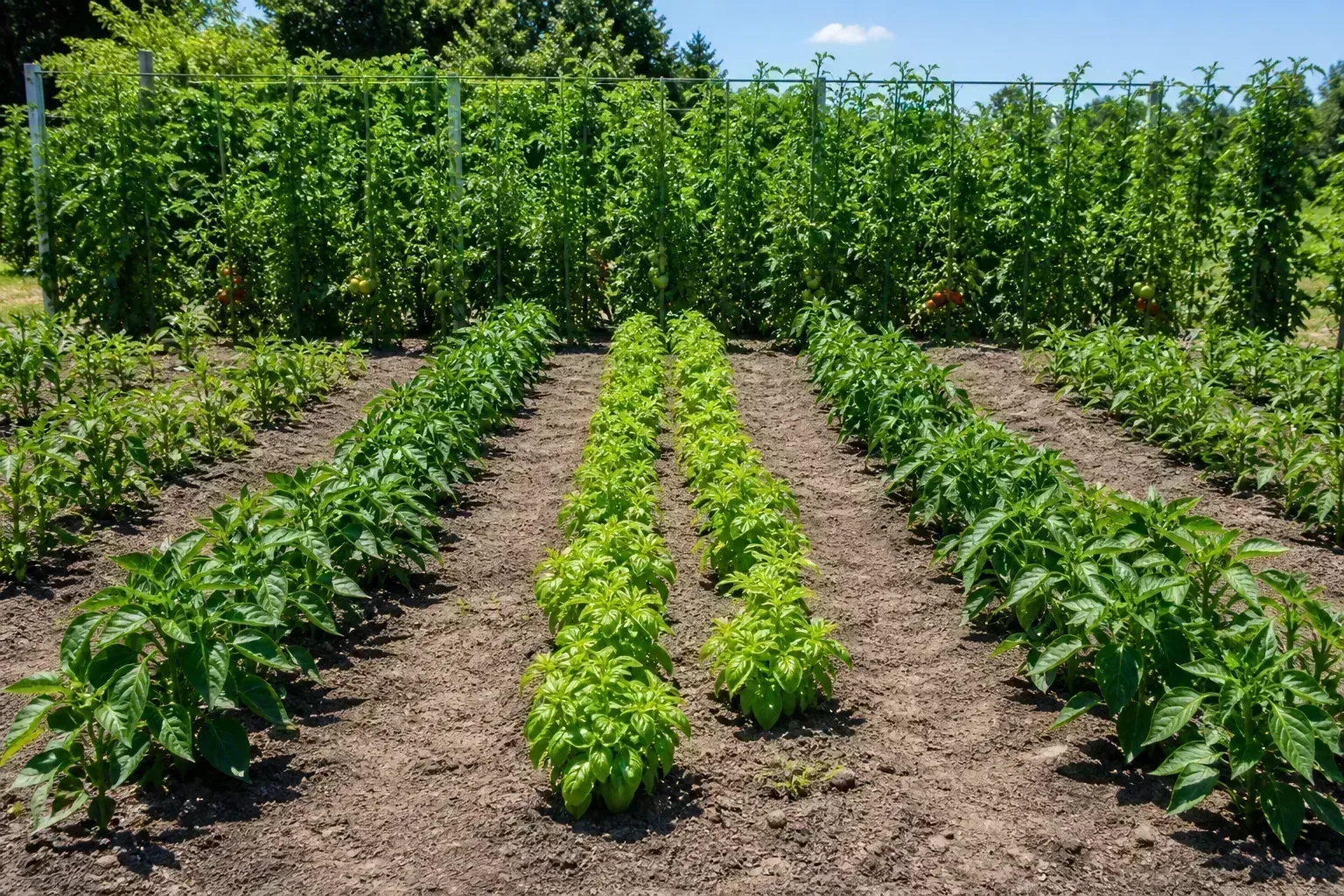
Plan the bed before you plant it. Put taller peas where they will not shade low lettuce, place root crops where you will not walk, and leave an accessible edge for row-cover hoops. If a bed has poor drainage, use a raised ridge or another location; cool weather does not make waterlogged soil safe for roots.
1. Kale
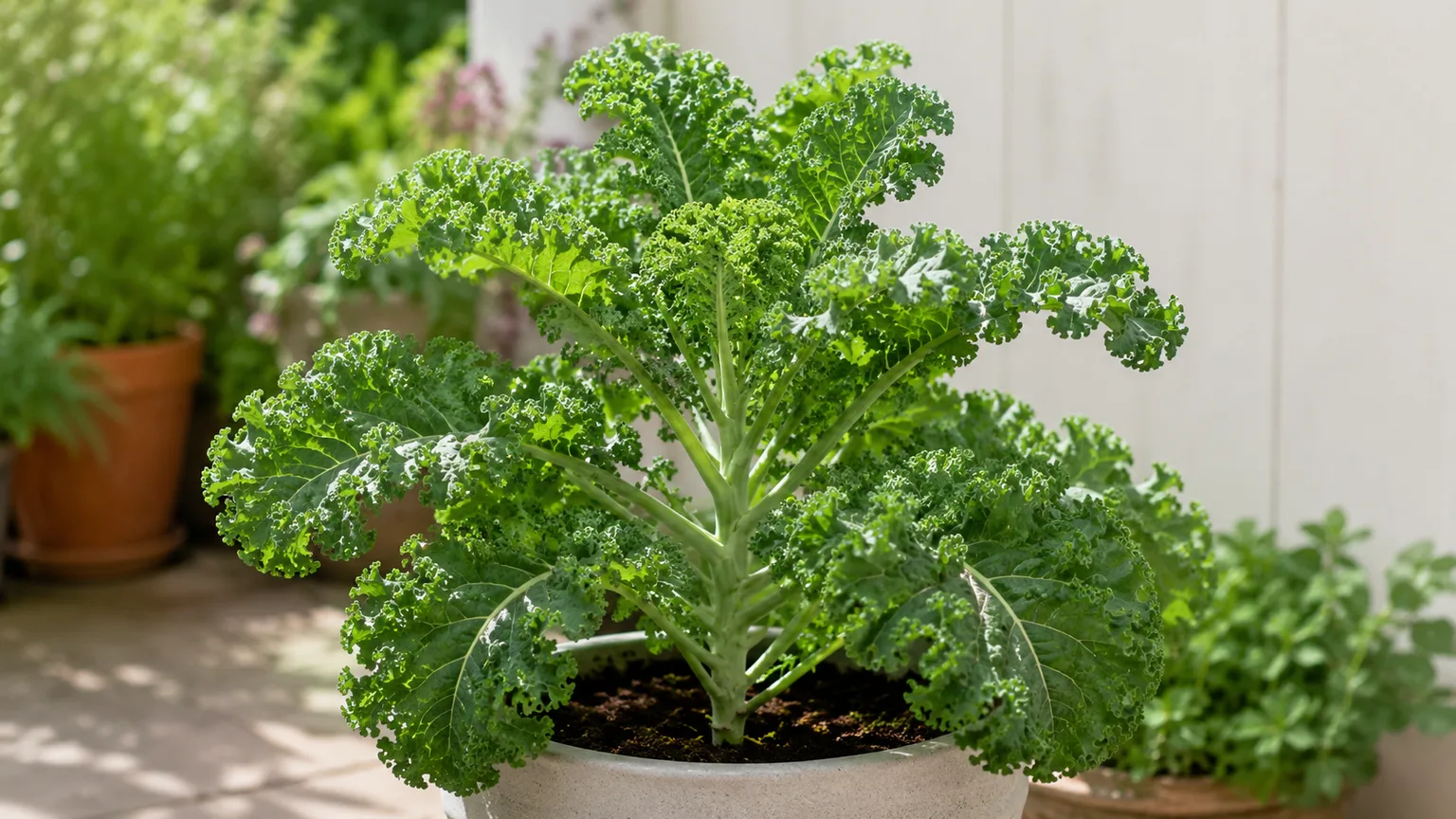
Kale is the best all-purpose fall crop on this list because it gives you a quick baby-leaf harvest, keeps producing as temperatures fall, and can survive weather that ends tender lettuce. Choose a compact or curly-leaf variety for containers and raised beds, or a lacinato type if you want tall, textured leaves for repeated harvests.
Plant kale from seed early enough to form several true leaves before hard cold arrives, or buy young transplants when the season is already advanced. Give it full sun in cool climates; afternoon shade helps in warm regions where late-summer soil is still hot. Space plants so air can move through the leaves, and pick the outer leaves first instead of stripping the crown.
Penn State Extension notes that cool-season crops can taste better after a light frost because some plants convert stored starches to sugars as temperatures drop. That does not mean kale is indestructible. A low tunnel or frost cloth can keep leaves usable much longer, especially in an exposed garden where wind dries foliage even when temperatures are not extreme.
2. Spinach
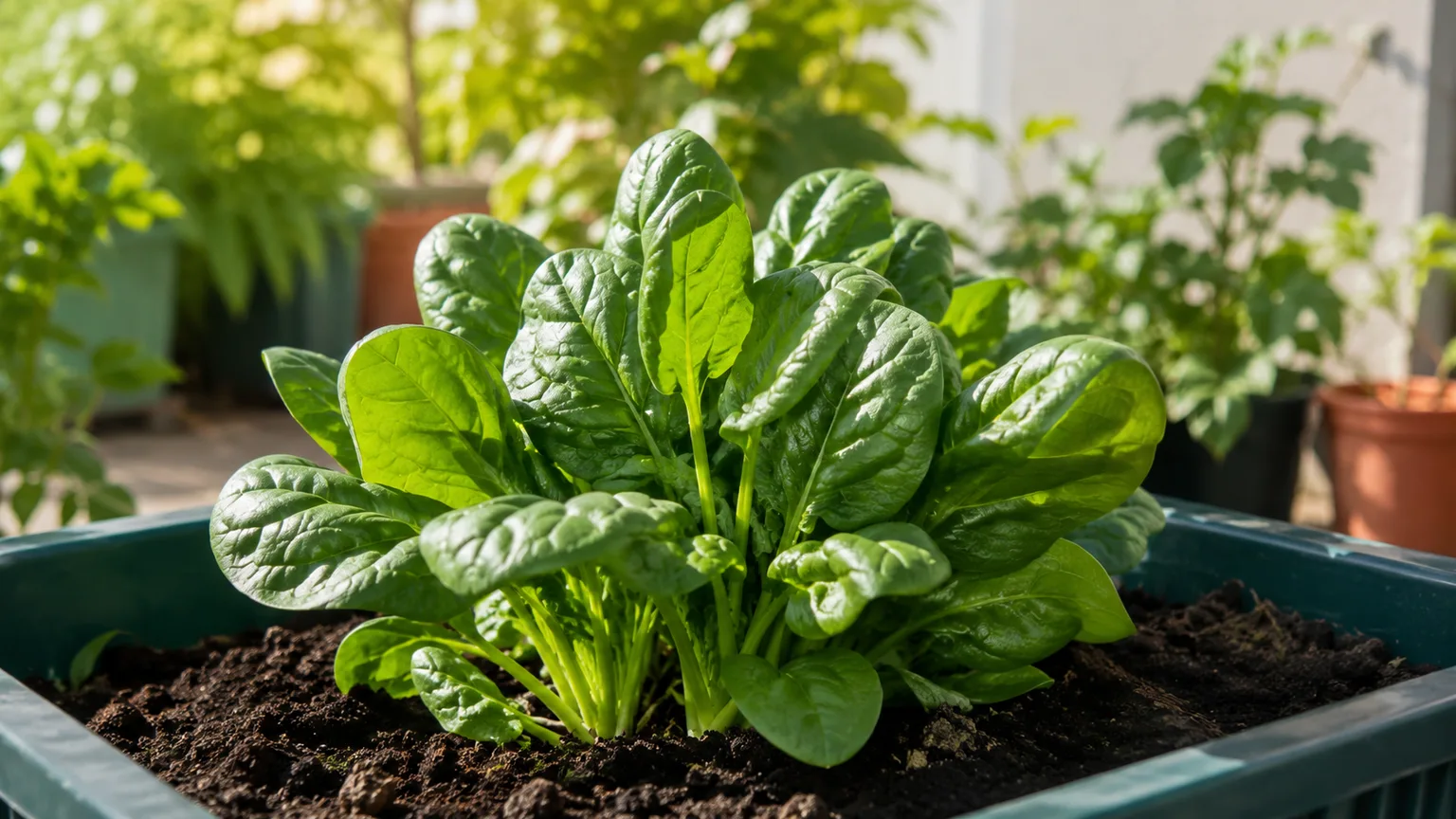
Spinach is a strong choice when your goal is tender leaves rather than a showy head. It grows quickly once the soil cools, tolerates light frost, and can pause during winter before resuming in late winter or early spring in climates where the roots remain alive. Savoyed leaves are often a good choice for cold conditions, but local trial results matter more than a variety name alone.
Late-summer spinach can fail for a reason that looks mysterious on the calendar: the soil is still too warm for even germination. Sow into moist soil, provide temporary shade during the hottest part of the day if necessary, and keep the seedbed evenly damp. As soon as seedlings emerge, give them as much light as the season allows so they do not stretch.
Harvest baby leaves continuously once plants are established. If a hard freeze is approaching, cover the bed before evening with a breathable row cover supported above the foliage. Do not seal spinach under plastic on sunny days; trapped heat and condensation can be as damaging as cold.
3. Lettuce
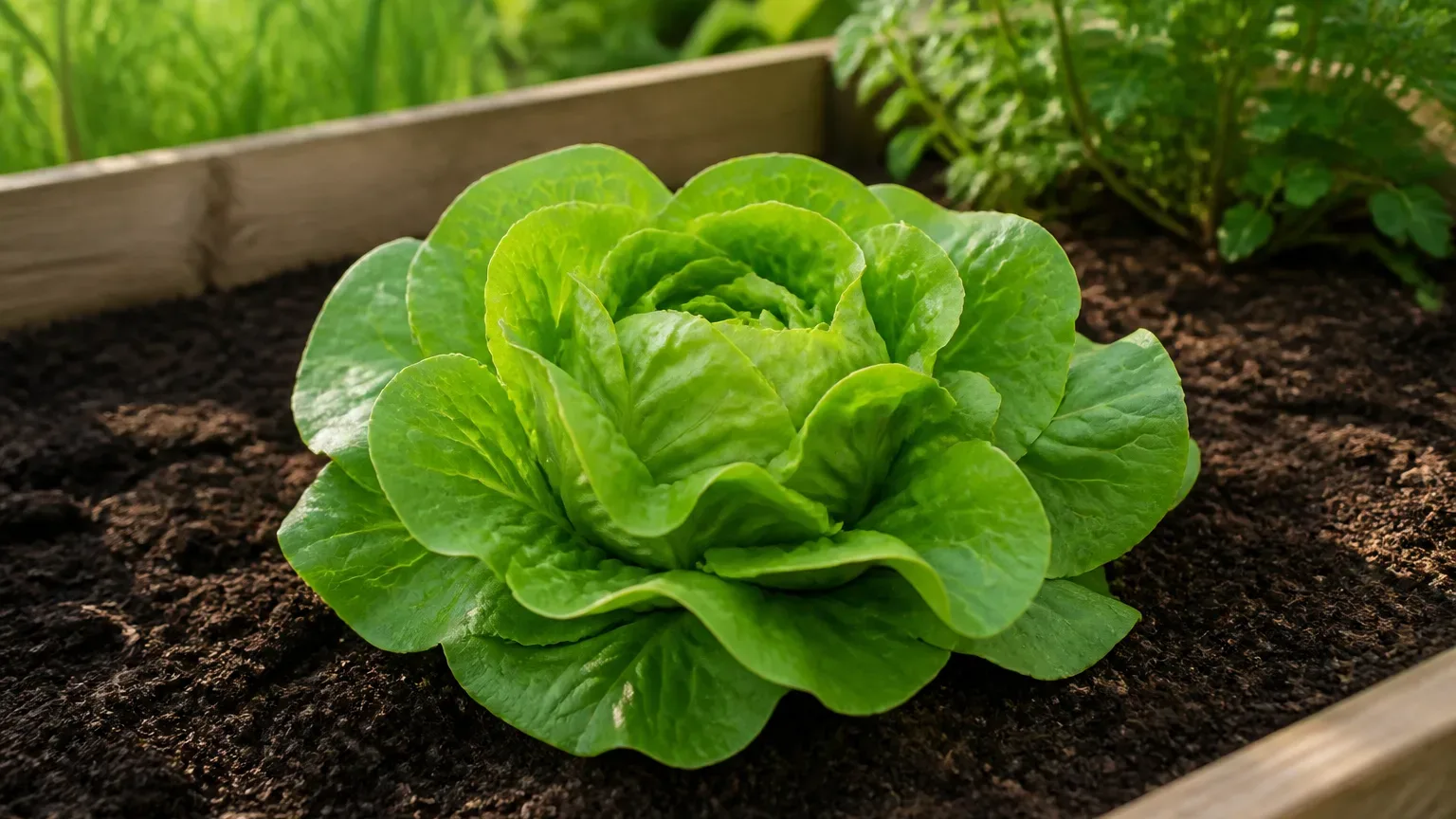
Lettuce is one of the most forgiving ways to make a fall garden look full quickly. Leaf lettuce reaches a useful harvest sooner than a crisphead type, and you can cut the outer leaves while the plant continues growing. If the window is short, choose baby-leaf or loose-leaf varieties rather than waiting for a perfect dense head.
Give lettuce bright light, fertile soil, and even moisture. In a warm late-summer bed, sowing under the edge of a taller crop or using temporary shade can improve germination, but move the plants into full available light as the weather cools. Crowded seedlings stay damp and weak, so thin them early and eat the thinnings.
Lettuce tolerates light frost but is less dependable through a prolonged freeze than kale or spinach. A low tunnel, cold frame, or floating row cover makes it a better overwintering crop. Check underneath the cover after rain; a protected bed still needs airflow and cannot compensate for standing water.
4. Radishes
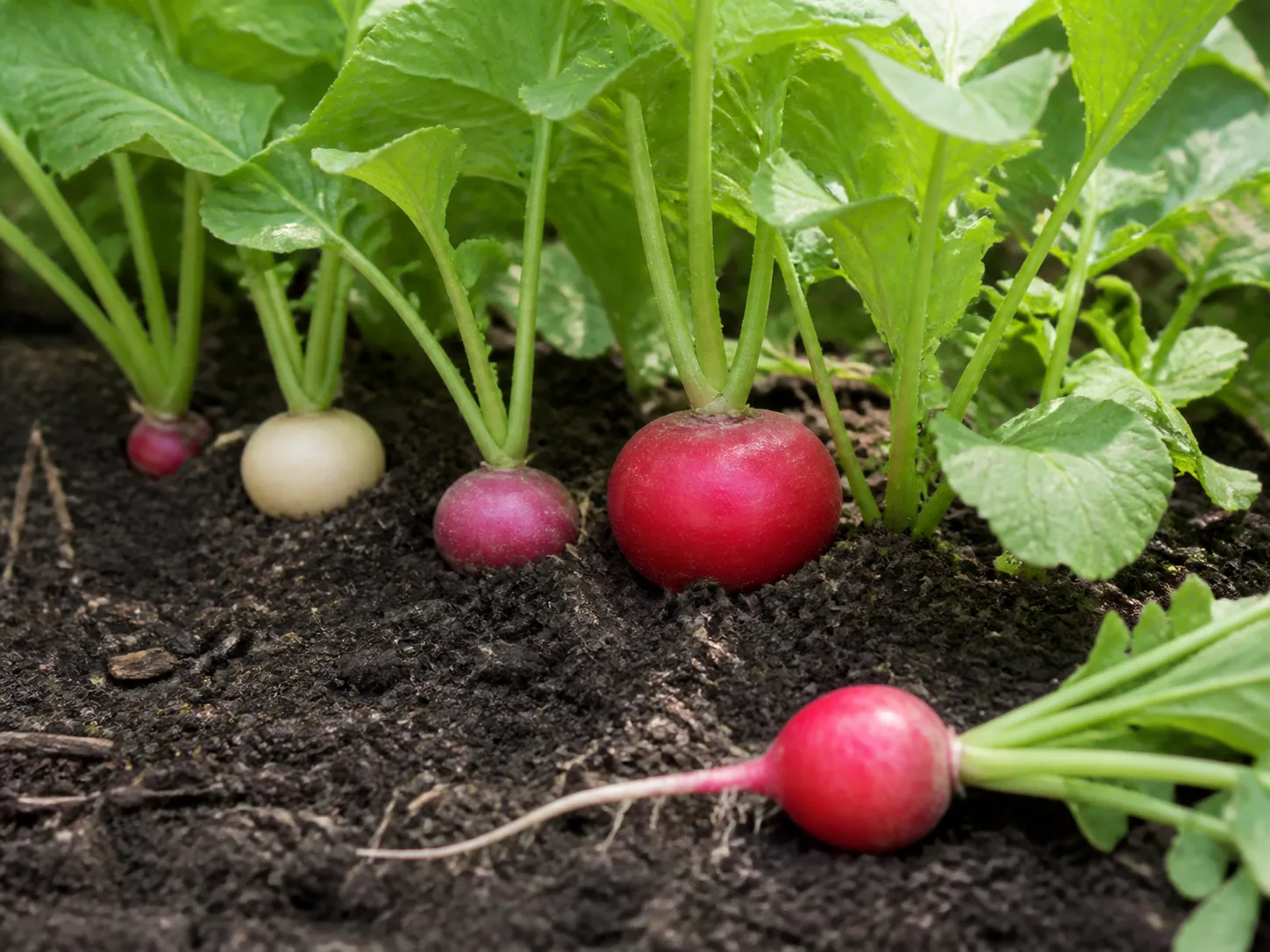
When you want a crop that can still reward a late sowing, choose radishes. Many spring and fall varieties size up in roughly three to six weeks, depending on cultivar and conditions. Sow a short row every 7 to 10 days while the soil remains workable, and you can avoid harvesting an entire bed at once.
Radishes prefer loose soil, steady moisture, and cool temperatures. Heat and irregular watering can make roots woody, pithy, split, or excessively hot. That is why a fall radish often tastes better than a summer one: the plant is growing in the conditions it prefers rather than racing toward seed.
Sow shallowly, thin seedlings so roots can swell, and pull a sample when the shoulders reach the size promised on the packet. Leaving mature radishes in cold, wet soil for too long is not a preservation strategy; it is how you lose texture. Harvest before a hard freeze, or protect the row with a light cover for a short extension.
5. Carrots
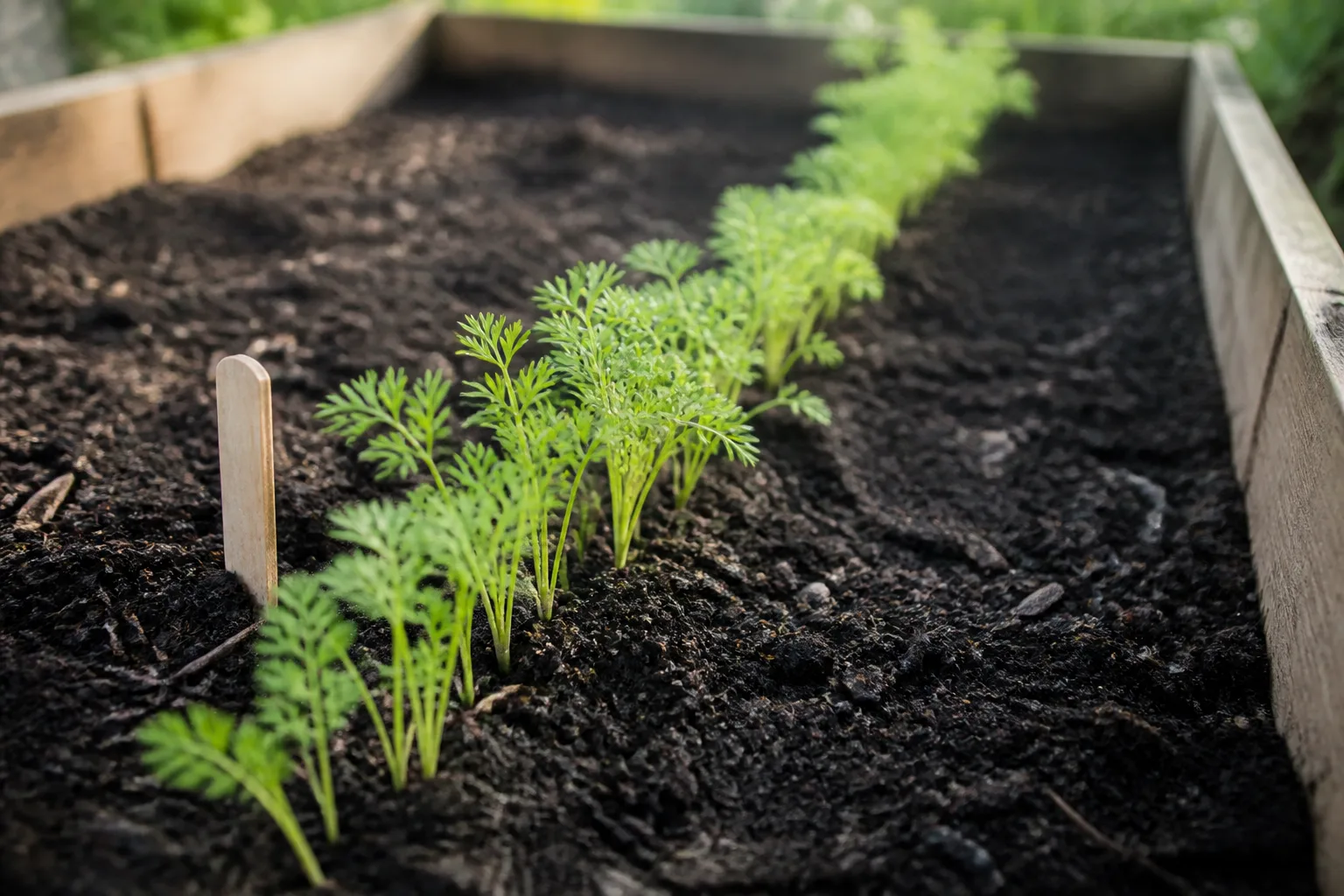
Carrots belong in a fall garden when you still have enough time for roots to size up, or when you are planting in a mild climate where the soil stays workable into winter. They are slower than radishes, so check the packet before sowing. A short, round variety is a smarter late-season choice than a long-rooted cultivar if your bed is shallow or your planting window is narrowing.
The bed must be free of stones, fresh manure, and hard clods. Carrot seed is tiny and should be covered lightly; the real challenge is keeping the upper soil moist until seedlings emerge. Water gently and often enough to prevent the surface from crusting, then thin plants so each root has room.
Cool conditions can improve carrot flavor. Penn State Extension describes “winter sweetening” in roots such as carrots, turnips, rutabagas, and beets as a gradual conversion of stored starches to sugars, not an instant transformation caused by one cold night. Protect the shoulders with mulch in cold regions, but do not use mulch as an excuse to sow carrots after there is no realistic time for roots to develop.
6. Beets
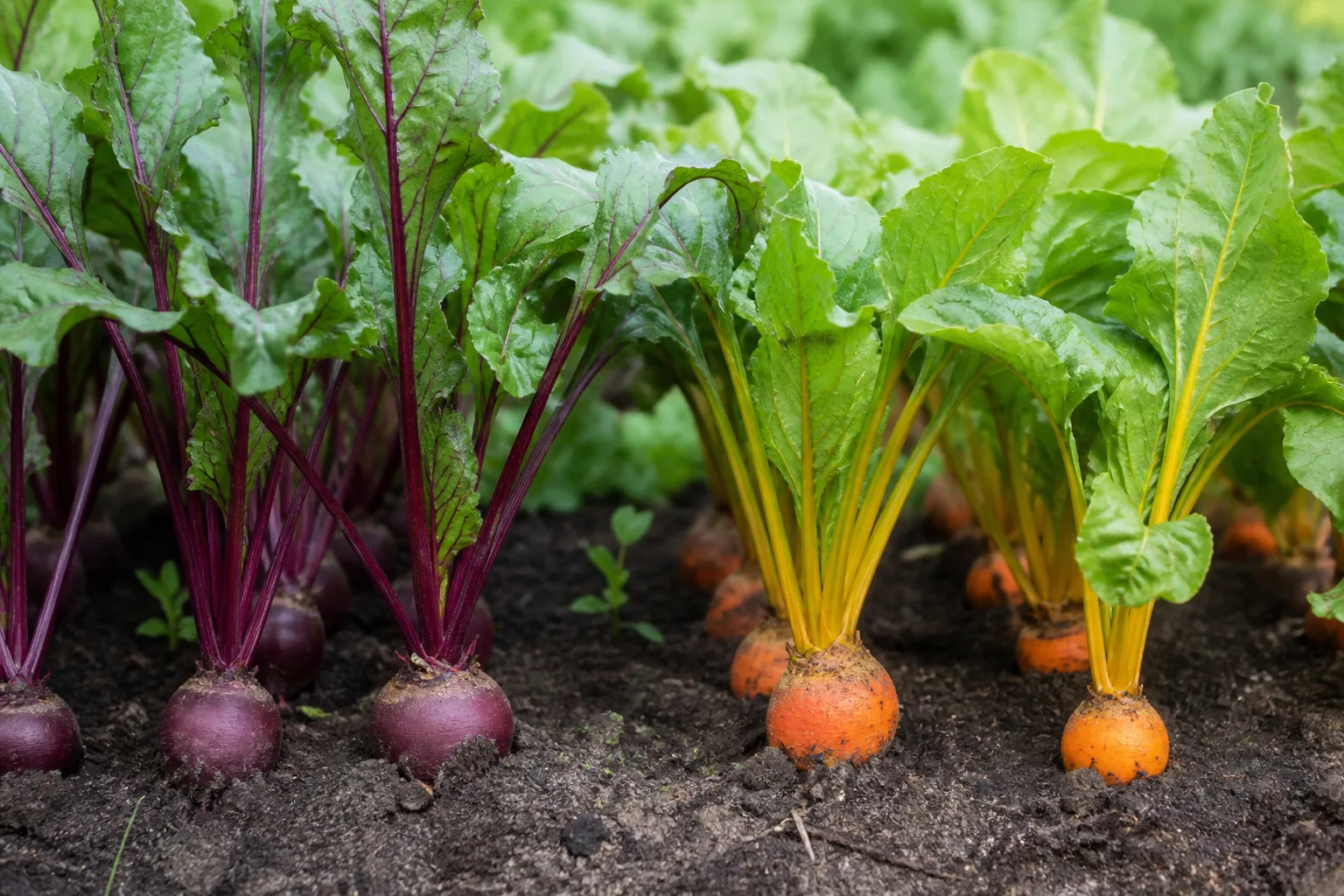
Beets give you two harvests from one planting: tender greens first and swollen roots later. They appreciate cool weather, tolerate light frost, and bring vivid red, gold, or striped stems to an otherwise green fall bed. If you are late, harvest the greens as baby leaves rather than waiting for full-sized roots.
Each beet “seed” is often a cluster that produces more than one seedling. Thin the row when seedlings are small, or the roots will crowd and stay undersized. Keep moisture consistent while the roots enlarge; a cycle of drought followed by heavy watering encourages cracking and uneven growth.
Use a quick variety if frost is close, and consider a low tunnel for continued greens after the first cold nights. Beets do not need a rich, nitrogen-heavy bed. Excess leaf growth without enough root development is a poor trade when you planted for both food and color.
7. Peas
Edible peas are a cool-season crop, but they need enough mild weather to climb, flower, and fill pods. Sugar snap and snow peas are especially rewarding because you can eat the pod, yet they are not a reliable choice once the soil is cold and the daylight is short. Sow directly; pea seedlings dislike root disturbance, and their first priority is establishing a root system.
Give peas a trellis at planting time rather than waiting until vines are tangled. A simple mesh, twig structure, or string support keeps foliage off wet soil and makes harvesting easier. Keep the seedbed moist during germination, then water deeply when the top layer dries.
In warm-winter areas, fall-sown peas may produce a substantial cool-season crop. In colder areas, the better fall job may be preparing the support and saving the seed for the earliest spring window. If you sow late, accept a smaller harvest and protect young plants from wind; a frost-tolerant plant can still be damaged by repeated freeze-and-thaw or by a hard freeze while flowering.
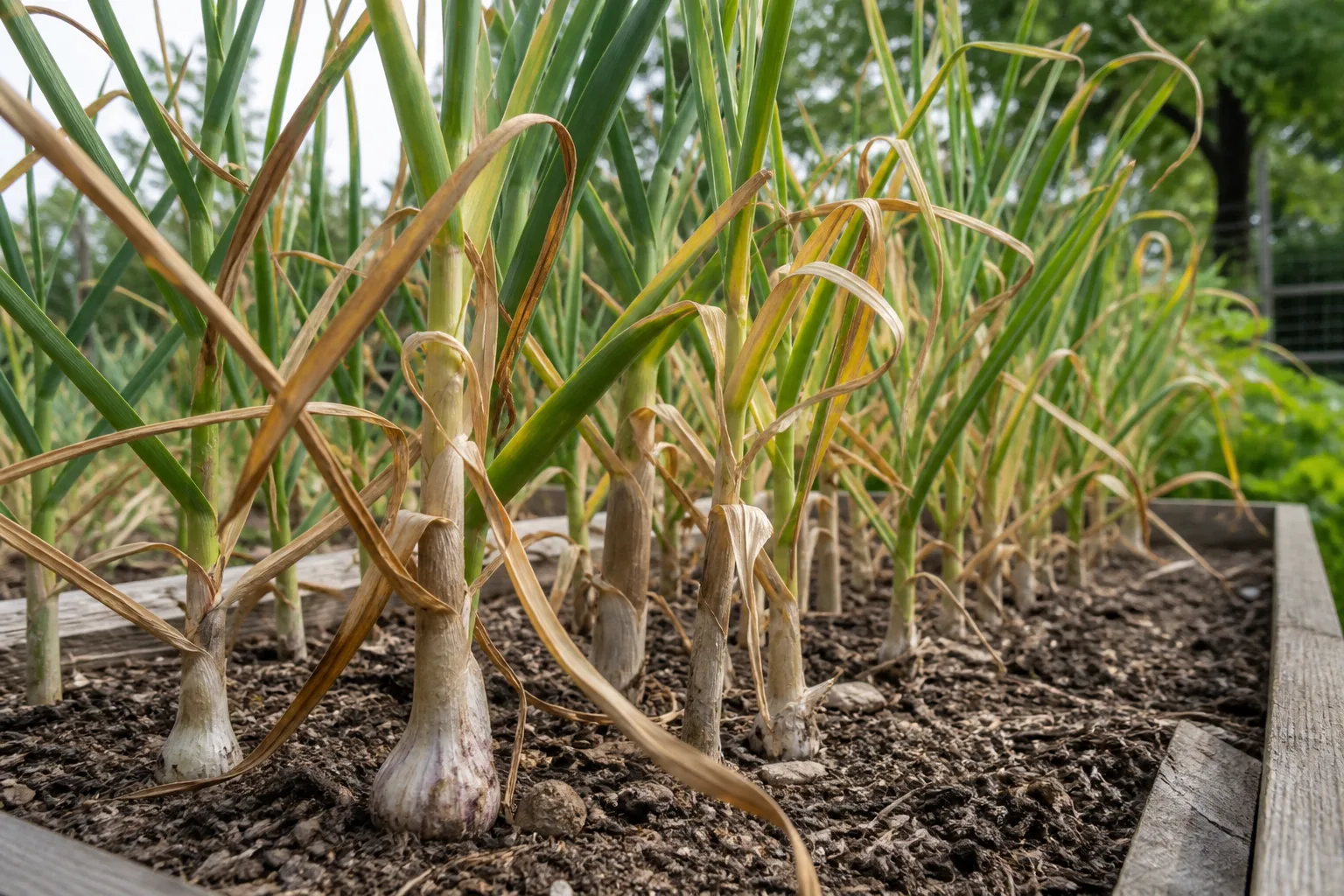
8. Garlic
Garlic is the patience crop: it may not give you a harvest this fall, but a clove planted now can develop roots before winter and form a bulb for early or midsummer harvest. The Colorado State University Extension guidance on fall garlic recommends choosing a local planting window, using well-drained soil, planting cloves pointed end up, and covering the bed with mulch to reduce temperature swings.
Buy seed garlic from a grower or nursery that serves your climate when possible. Hardneck types are generally a better fit for colder regions and produce scapes; softneck types often store longer and can suit milder conditions. Do not assume a supermarket bulb is adapted to your winter, and do not separate the cloves days ahead of planting if you can avoid it.
Prepare a sunny, loose bed. Break the bulb into individual cloves immediately before planting, keep the papery skin intact, and set each clove root plate down and pointed tip up. Follow your local extension depth, but about 2 inches of soil over the clove and roughly 6 inches between cloves is a useful starting point in many gardens. Water once after planting if the soil is dry, then cover with a weed-free layer of straw or chopped leaves. Avoid planting garlic in the same place as onions or garlic if disease has been a recurring problem.
Garlic may send up green shoots before winter; that is not automatically a failure. Keep the bed weed-free and thin mulch in spring if it stays cold and soggy. Harvest only after the lower leaves begin to brown, not because a calendar says July has arrived.
9. Daffodils
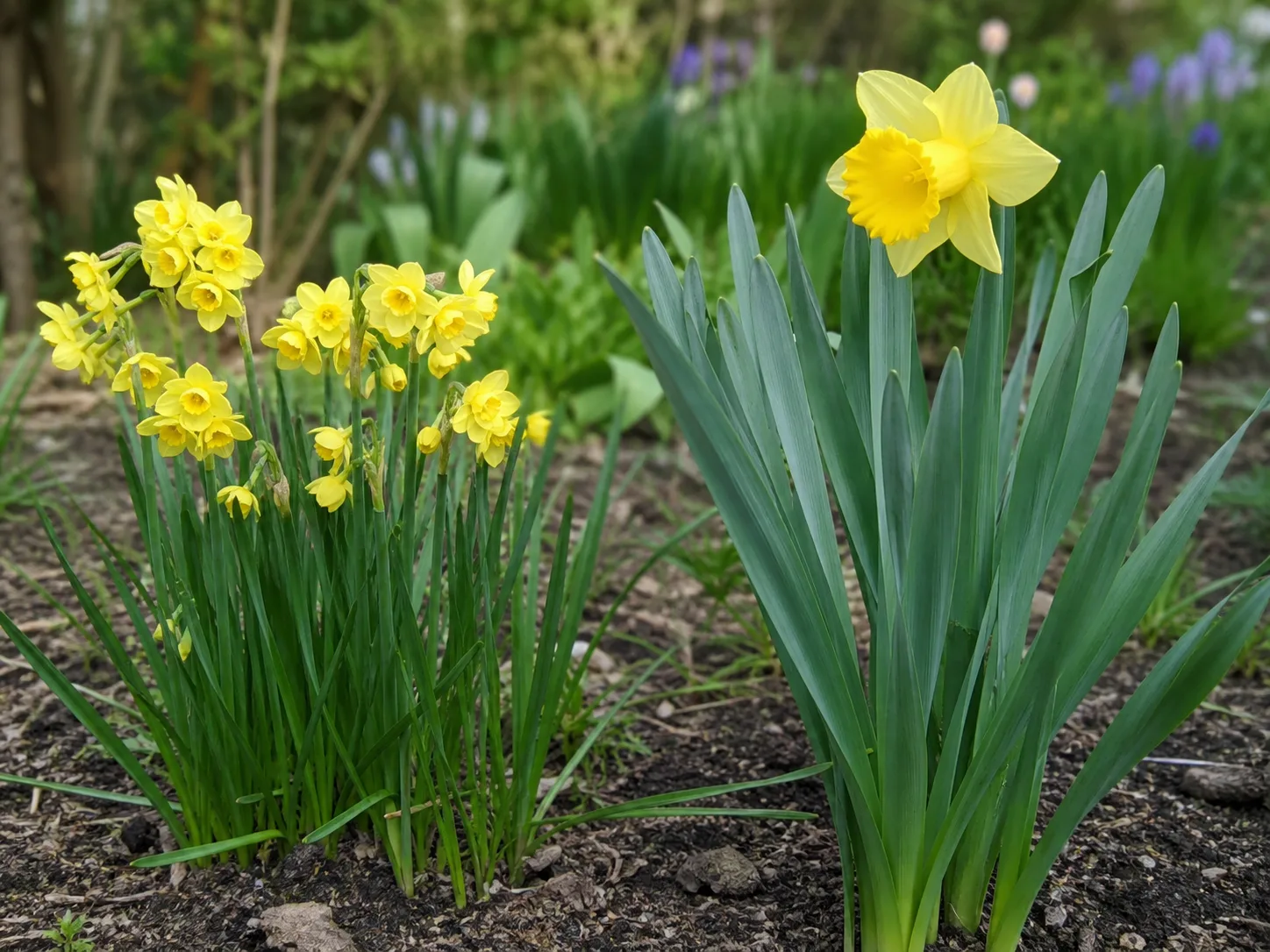
Daffodils are among the most dependable fall-planted flowers for a spring garden. Their bulbs spend winter underground, then send up foliage and flowers when the season turns. Plant them in groups rather than as isolated dots; clumps look more intentional, and the flowers make a stronger display when several bloom together.
Choose a sunny or lightly shaded site with soil that drains after rain. A location under deciduous trees can work because it is often bright in spring before the canopy fills, but avoid a bed that stays saturated. Set bulbs with the pointed end up, following the package depth; the University of Wisconsin–Madison Extension bulb guide gives the general rule of planting two to three times as deep as the bulb is tall, measured from the bulb’s base.
Water bulbs in if the soil is dry, then leave them alone. Do not cut daffodil foliage immediately after flowering next spring; the leaves recharge the bulb. Daffodils often persist better than hybrid tulips in wet or heavy soil, so they are a better first bulb when you want repeat performance with less fuss.
10. Tulips
Tulips deliver some of the clearest color from fall planting, but they deserve an honest expectation: not every hybrid tulip returns strongly for years. Many need a cool period to flower, and many dislike soil that remains wet after blooming. In a heavy or rainy garden, plant them in a raised, sharply drained area or choose shorter species tulips that are more likely to naturalize.
Wait until the ground has cooled, but plant before it freezes solid. Wisconsin Extension places the useful bulb-planting cue around soil temperatures of 50–55°F or lower, provided the soil is still workable. Plant bulbs at the recommended depth, water once if needed, and do not keep irrigating a dormant bulb bed as if it were lettuce.
Use tulips where you can see them from a path or window, and group one color or a restrained mix rather than scattering a single bulb in every empty spot. If rodents are a serious problem, protect newly planted beds with a temporary mesh barrier or choose daffodils for the most troublesome section. Spring bulbs are a long-game design decision, not a last-minute annual display.
11. Hellebores
Hellebores are a useful choice for a shady border because their evergreen or semi-evergreen foliage can hold the bed together while many other plants are dormant, and their nodding flowers arrive in late winter or early spring in many climates. Buy a healthy container-grown plant if you want a visible result sooner; starting hellebores from seed is a longer project and plants may not come true to the parent.
Plant in early or mid-fall while the soil is workable and before the ground freezes. Give the plant rich, well-drained soil and bright shade or gentle morning sun. Deep shade can mean fewer flowers, while hot afternoon exposure can scorch foliage in warmer regions. Keep the crown at the same level it was in its container rather than burying it under a blanket of compost.
Water new plants when the surface begins to dry, especially during a dry fall, but do not keep the bed constantly wet. Once established, hellebores are more about placement than frequent intervention. Pair them with spring bulbs that finish flowering before nearby deciduous perennials shade the bed.
12. Bearded iris
Bearded iris is planted from rhizomes, not ordinary bulbs, and that difference determines success. Fall is a good time to install divisions or nursery plants because the rhizome can make roots before winter while the top growth is slowing. Choose a sunny, open site with excellent drainage; shade and wet soil both reduce flowering and can invite rhizome problems.
Set the rhizome horizontally with the roots below and the top exposed or only barely covered. Burying it deeply is one of the fastest ways to get leaves without flowers or to encourage rot. Give divisions space for their fan-shaped foliage, water them in, and keep nearby weeds from shading the crown.
Bearded iris is a strong choice when your goal is a repeat spring display rather than winter harvest. It also illustrates why “plant in fall” is not one universal instruction: a fall-planted iris needs establishment time, a daffodil needs a cold season, and a lettuce plant needs usable leaves before the weather closes in.
Protect the garden when temperatures drop
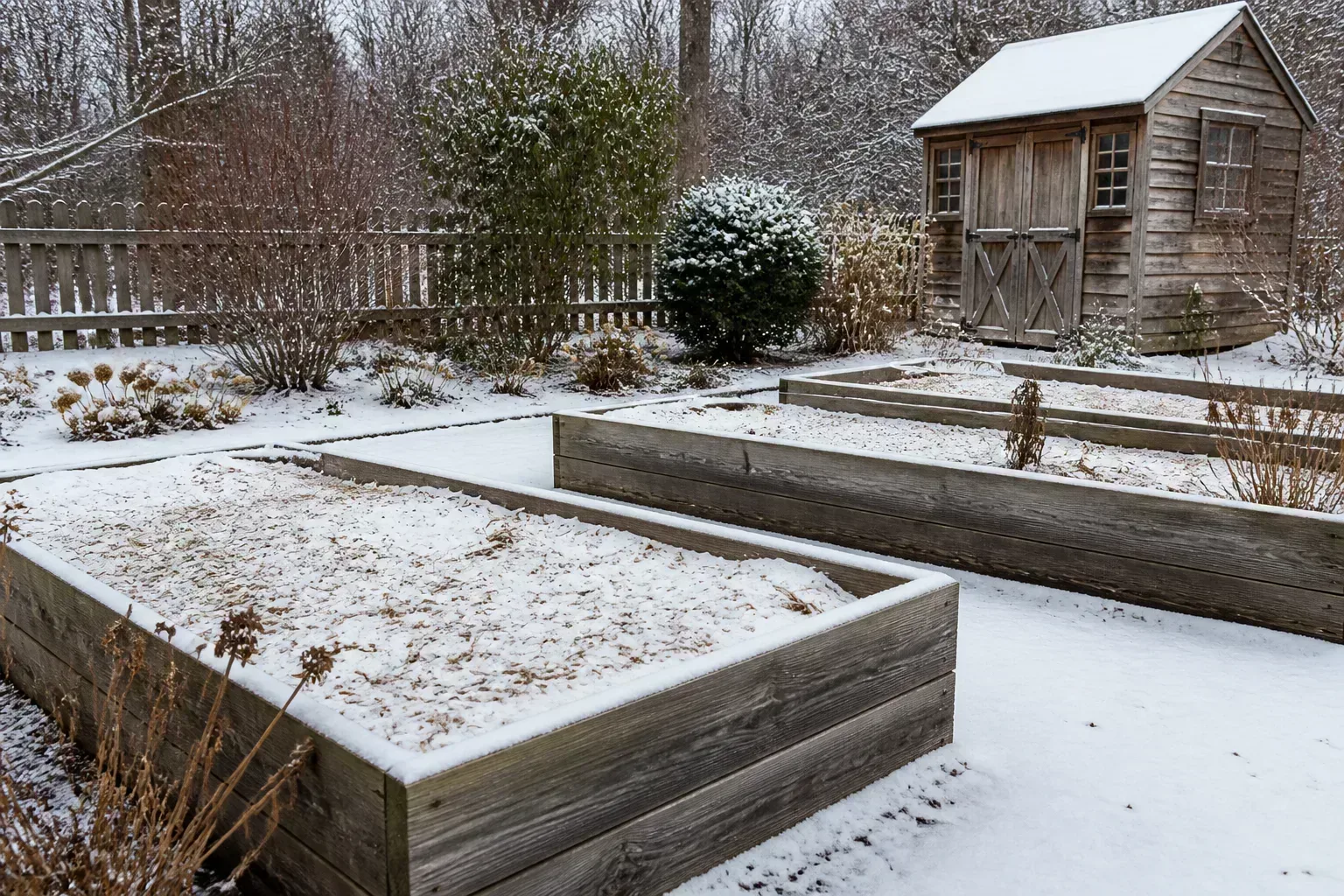
The first frost does not automatically end a cool-season garden. It often ends tender flowers and warm-season vegetables, while kale, spinach, carrots, beets, garlic, bulbs, and established hardy perennials can continue with little help. Protection is most useful when it buys a few extra weeks or prevents a brief cold snap from damaging a crop that is nearly ready.
Gather supplies before the forecast turns cold: frost cloth or floating row cover, hoops, clips, straw, and a way to anchor the edges. A low tunnel or cold frame can protect a whole row; a cloche can protect one plant; a mulch layer insulates roots but does not keep leafy tops warm. Penn State Extension describes low tunnels, cold frames, hot beds, and cloches as season extenders because they create a sheltered growing space rather than changing the plant’s basic hardiness.
Match the cover to the crop
Use breathable row cover for a light frost and remove or vent it when daytime temperatures rise. Support the fabric above the foliage so cold fabric does not press wet leaves to the ground. Plastic can trap more heat, but it must not touch plants and should be vented; a sealed plastic tunnel on a sunny autumn day can cook the crop.
Mulch garlic and spring bulbs after planting, but keep thick organic material from smothering fresh seedlings. For carrots and beets, mulch can protect exposed shoulders and slow swings in soil temperature. For lettuce and spinach, a cover is usually more helpful than piling leaves on top of the plant. For hellebores and iris, keep the crown well-drained; insulation is not a substitute for correct planting depth.
When a frost warning is issued, water the soil if it is dry earlier in the day, cover before temperatures fall, and uncover once the air warms above freezing. Do not cultivate around roots just before a freeze, and do not leave a cover on for days without checking moisture and airflow. If a deep, prolonged freeze is coming, harvest what is ready instead of assuming a blanket can make a tender crop hardy.
If you are planting late, change the goal
Late does not mean pointless; it means the goal changes. If there are fewer days left than the crop’s maturity window, plant for baby leaves, scallions, or a small tasting harvest rather than a full head. Choose radishes, baby lettuce, spinach, and young kale before slow carrots or large beets. Buy transplants when you need size immediately, but handle the root ball gently and water it in.
Garlic and spring bulbs can still be sensible late-season purchases while the soil is workable, though the exact cutoff depends on your climate and whether the ground will freeze soon. Planting a bulb after the ideal window may reduce establishment or flowering, but leaving it in a warm garage until spring usually removes its chance to root outdoors. Follow local guidance when the calendar and soil conditions disagree.
If the bed is already frozen, do not force a shovel through it just to satisfy a planting list. Mark the spot, mulch exposed soil, and prepare for the next workable window. In mild regions, a regional wildflower seed mix can be scattered in late fall so natural winter weather helps break dormancy; American Meadows’ fall-sowing guidance emphasizes matching the mix to the region and preparing the soil so seeds make contact. That is an optional extension of this list, not a substitute for choosing locally appropriate species.
The same principle applies to containers. A deep pot can hold lettuce, spinach, kale, radishes, or peas near a sunny door, but container roots experience temperature swings faster than in-ground roots. Use a pot with drainage holes, place it where winter wind is reduced, and be ready to move or cover it.
Conclusion
The best answer to what to plant in fall starts with the first frost date and ends with a realistic job for the plant. Grow radishes, baby lettuce, spinach, kale, beets, carrots, and peas when there is enough time for a harvest. Plant garlic for next summer, and plant daffodils, tulips, hellebores, and bearded iris for a garden that wakes up with structure and color after winter.
Prepare the soil, count backward from frost, choose early varieties when the window is tight, and protect the crops that are close to paying you back. A fall garden does not have to be large or perfect. One well-timed row of greens, a few garlic cloves, and a generous drift of spring bulbs can make the cool season feel like a beginning rather than an ending.



