Best Countertop Compost Bins for Kitchen Scraps
Compare the best countertop compost bins for collectors and electric processors, with honest trade-offs on odor, capacity, cleaning, and what the output can actually do in a garden.
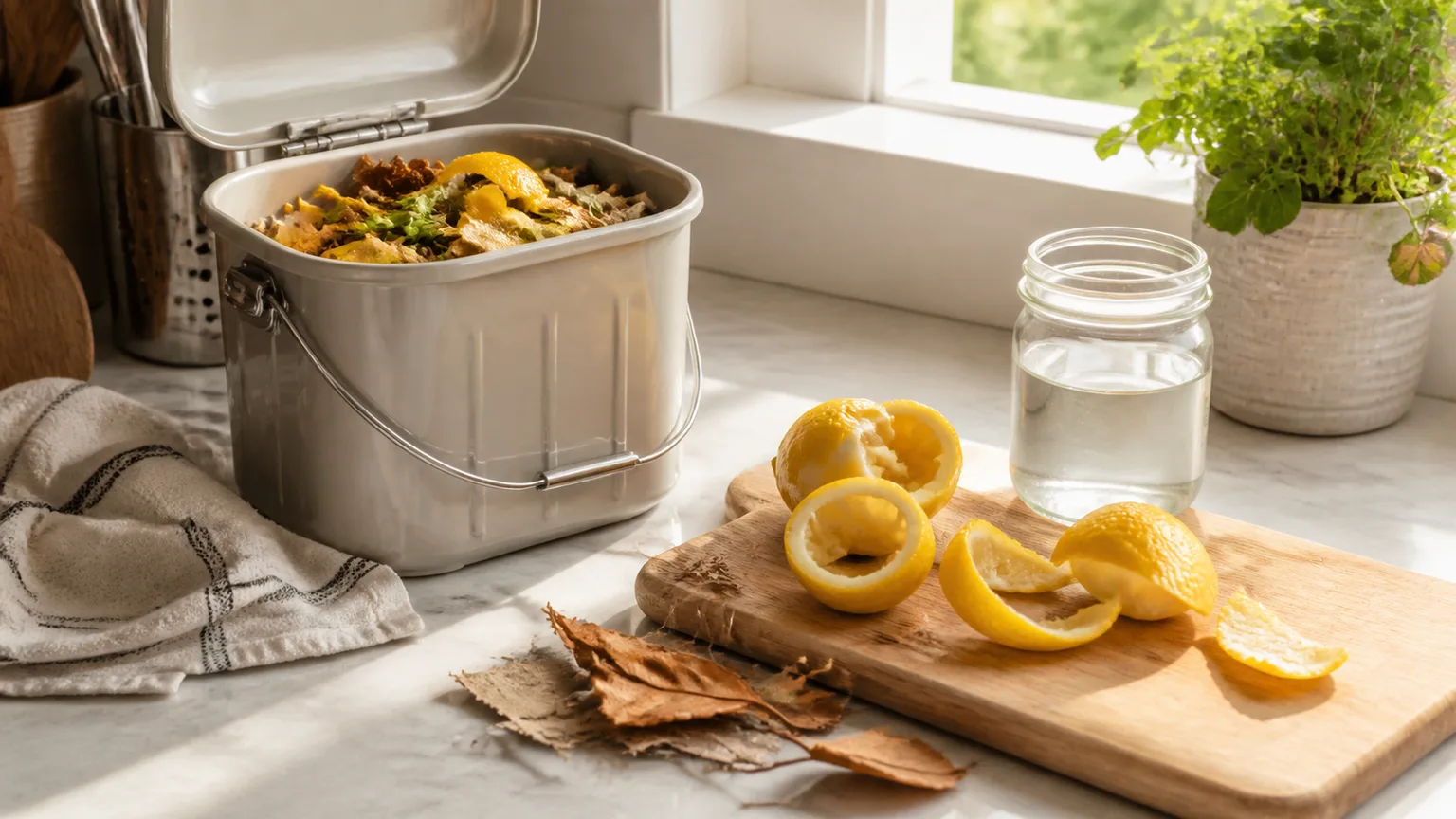
The best countertop compost bin is not always the most expensive one on the shelf. For some kitchens, a $30 stainless collector with a charcoal filter is the right tool. For others, a $500 electric unit makes sense only if you cook daily, have counter space, and know what you will do with the processed output. The mistake most shoppers make is buying the wrong category first.
This guide separates kitchen collectors (they hold scraps until you move them) from electric processors (they grind, dry, or biologically break down waste on the counter). Then it walks through five strong picks, what to compost indoors, and the maintenance habits that keep odor and fruit flies out of a small kitchen.
Quick answer: which countertop bin fits your kitchen?
| Pick | Best for | Type | Why it stands out |
|---|---|---|---|
| Reencle Home Composter | Hands-off daily processing | Electric | Handles roughly 2+ lb of scraps per day with strong odor control when maintained |
| Bamboozle Compost Bin | First-time composters | Collector | Simple 1-gallon pail with filter; easy to carry and wash |
| Lomi 2 Food Recycler | Maximum odor sealing | Electric | Dual carbon filters and a removable bucket; multiple processing modes |
| Epica Stainless Steel Compost Bin | Tight budgets | Collector | Durable 1.3-gallon steel pail, often under $40 |
| Reencle Gravity | Large households | Electric | ~22-liter chamber for families that generate heavy food waste |
If you already have an outdoor composter, municipal green-waste pickup, or a worm bin waiting in the garage, start with a collector like the Bamboozle or Epica. If you want scraps processed before they leave the kitchen — and you accept the price, footprint, and output caveats — compare the Reencle and Lomi electric models.
For broader backyard systems, see our guide to composters for good garden soil. If you are still deciding whether composting is worth the habit, why you should compost this year covers the soil and waste-diversion case in plain language.
Countertop collector vs electric composter: choose the right category first
Retailers often use “compost bin” and “food recycler” interchangeably. They are not the same job.
Kitchen collectors store scraps until you transfer them
A countertop collector is a lidded pail — usually 0.75 to 1.5 gallons — that holds fruit peels, coffee grounds, and other kitchen scraps until you empty them into an outdoor pile, curbside organics cart, worm bin, or drop-off site. It does not compost on the counter. Its only jobs are containment, odor control, and convenience.
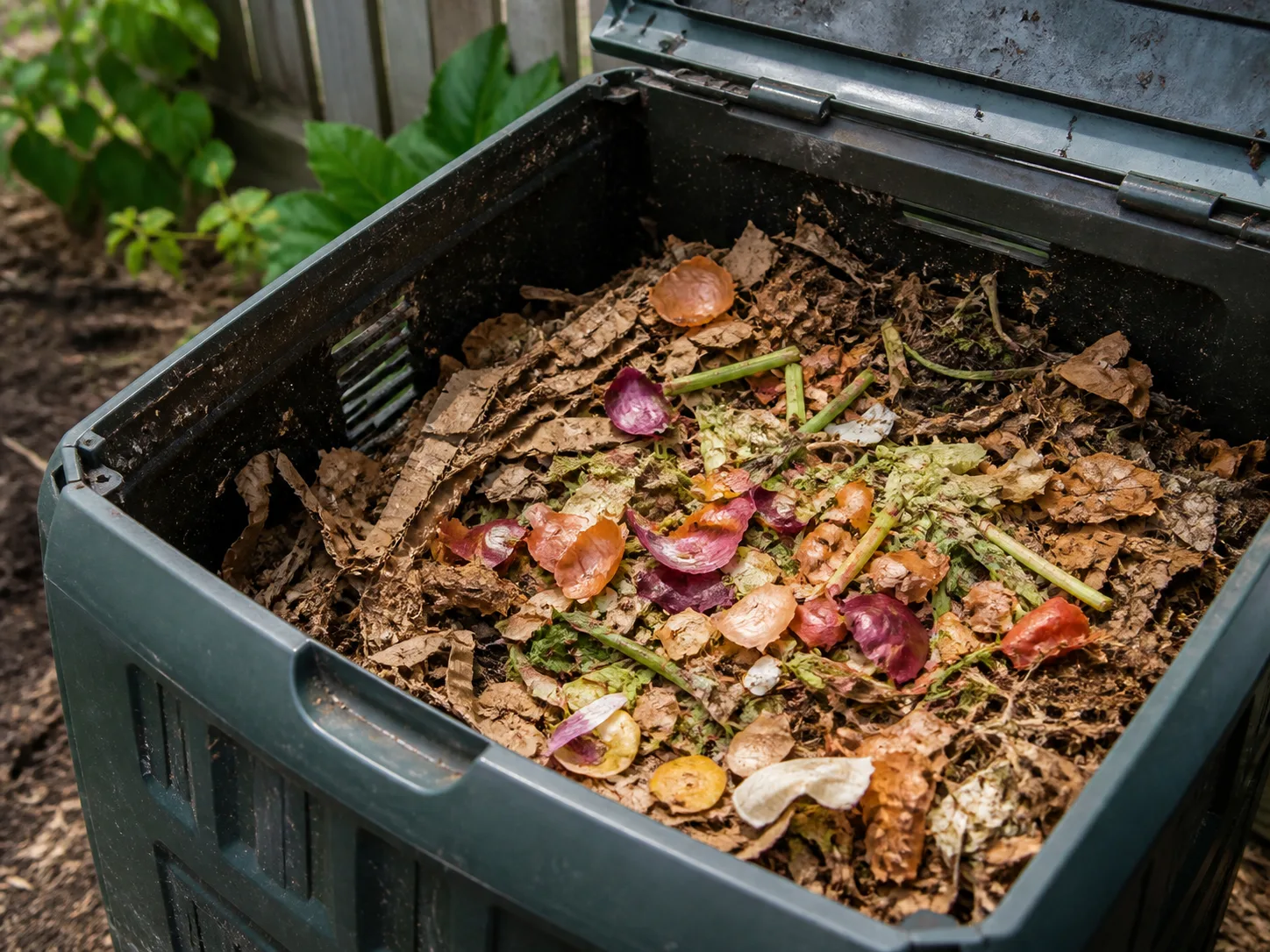
Collectors are smaller, cheaper, and use no electricity. They work well when your real composting happens somewhere else. UConn Extension describes the kitchen pail as one link in a simple home routine: save scraps, cover each outdoor addition with dry browns, and turn the pile when it gets wet or compacted.
Electric units process food waste on the counter
An electric countertop composter (or “food recycler”) uses heat, grinding, mixing, and sometimes biological starter cultures to reduce volume and change the texture of food waste inside the machine. Some models produce a dry, soil-like material in hours. Others use ongoing biological processing and may take longer to yield something you can spread in a bed.
That output is not automatically finished compost. Mature compost is dark, crumbly, earthy-smelling, and stable enough to mix into soil without harming plants. Electric output may still be immature, salty, or too hot in nitrogen depending on the process and what you fed the unit. Treat manufacturer “compost in 24 hours” language as a best-case processing claim, not a guarantee of garden-ready material. When in doubt, cure electric output in an outdoor pile or use it sparingly as a soil amendment rather than planting directly into it.
Electric units cost more, need counter space and clearance, and add noise and electricity use. They earn their place when odor control, daily convenience, or limited access to outdoor composting makes a collector feel like a half-measure.
What to look for in a countertop compost bin
Before comparing brands, decide which features actually matter in your kitchen.
Capacity and how often you will empty it
Most solo cooks and couples do well with 1 to 2 gallons of collector capacity — roughly what extension educators often recommend for small households. A family that cooks from scratch most nights will fill a 1-gallon pail in two to three days and may prefer 1.3 gallons or an electric unit that shrinks volume continuously.
Empty collectors every two to four days in normal use, and more often in summer or during heavy cooking weeks. A bin that seals odors well can trick you into waiting too long; wet scraps still ferment, and fruit flies arrive fast once that starts.
Electric models are judged differently. Look at daily throughput (pounds or liters per day) and internal chamber size, not just exterior dimensions. A large family may outgrow a compact electric unit in a week even if marketing photos show it on a tidy counter.
Odor control that survives a hot kitchen
Odor control comes down to three layers: a tight lid, a carbon or charcoal filter in the lid vent, and habit (emptying before decomposition begins). Carbon filters adsorb volatile compounds that cause sour or onion smells. They wear out — typically every two to six months for collectors, sometimes sooner on electric units with two filter points.
A loose lid or missing filter turns a collector into a fruit-fly incubator. If your kitchen runs warm, sits near a sunny window, or rarely gets ventilation, prioritize seal quality over aesthetics.
Materials, cleaning, and filter replacement
Stainless steel resists stains and does not hold odors as readily as thin plastic, but it is not always dishwasher-safe and can show water spots. Bamboo fiber collectors are lightweight and attractive; hand-wash them and keep the wooden handle out of long soaks. Plastic electric housings are standard; what matters more is whether the inner bucket or tray is removable and dishwasher-safe.
Budget for replacement filters the way you budget for printer ink. A $35 bin that needs $15 filters twice a year is still inexpensive. A $600 electric unit with quarterly filter replacements is a different math problem.
Check handle comfort, liner compatibility (biodegradable bags or silicone inserts), and whether the opening is wide enough for scraping a cutting board without smearing the rim.
Best overall electric pick: Reencle Home Composter
Best for: households that want near-daily processing without carrying wet scraps outside.
The Reencle Home Composter is the most balanced electric option in this list if your priority is steady throughput with low odor rather than the smallest possible footprint. Manufacturer specs put capacity around 2.2 pounds of food waste per day in a roughly 14-liter chamber (about 13 x 12 x 18.4 inches). That is enough for a cooking-heavy household without jumping to the oversized Gravity model.
Reencle uses a biological starter, moisture management, and internal mixing rather than only drying scraps into dust. Users report low odor when filters are fresh and the unit is not overfed. A Purify mode helps when smells spike; a Dry mode addresses excess moisture. Noise is modest — often compared to a quiet conversation — which matters if the kitchen is open to living space.
Trade-offs to know: the lid’s motion sensor can open unexpectedly when you walk past; most owners disable the sensor and use manual open. The chamber is not a removable bucket, so you scoop finished material out with an included tool. At roughly $500, it only makes sense if you will run it daily for years. It is also not a substitute for learning what your garden or municipal program accepts.
Choose Reencle Home if you want an electric processor with biological breakdown, strong odor control, and daily capacity without the Gravity’s floor-hogging size.
Best for beginners: Bamboozle Compost Bin
Best for: anyone new to saving kitchen scraps who needs a simple collector.
The Bamboozle Compost Bin is the easiest on-ramp in this roundup. It is a 1-gallon bamboo-fiber pail with a vented lid and activated charcoal filter — essentially a good-looking intermediary between your cutting board and your real composting system. The wooden handle makes trips to the outdoor bin or green cart feel less awkward than gripping a slick cylinder.
It is dishwasher-safe (though many owners hand-wash to protect the handle), comes in several colors, and fits small counters without dominating them. For a first Thanksgiving prep test, a 1-gallon bin still swallows a surprising amount of peel and trim if you empty it mid-prep.
Trade-offs: one gallon fills quickly in a vegetable-heavy household. Filters need replacement about every two months. Bamboo fiber can stain if acidic scraps sit too long. None of that is a flaw — it is the nature of collectors.
Pair it with a biodegradable liner or Bamboozle’s optional silicone insert if you hate washing the pail. Empty every few days, rinse, and drop filters on a calendar reminder.
Choose Bamboozle if you want an attractive, low-stakes collector and you are still building the habit of saving scraps.
Best odor control: Lomi 2 Food Recycler
Best for: kitchens where smell is the dealbreaker and you have space for a larger electric unit.
The Lomi 2 targets buyers who have been burned by smelly buckets. It seals scraps inside a 3-liter bucket and uses two carbon filters — one near the bucket and one at the rear — to keep volatile odors from escaping. Most owners report little smell while the lid is closed and only a mild food scent when open.
Operation is straightforward: add scraps up to the fill line, close the lid, and select a mode. Grow mode produces material meant for mixing into garden soil over time. Eco Express can process some loads in a few hours. Lomi Approved handles a wider ingredient list, including some bioplastics on approved settings, but the output is generally better suited to green-waste bins than direct planting in edible beds.
The removable bucket is a real advantage for carrying material outside and rinsing at the hose or in the dishwasher. Plan for at least 6 inches of clearance on all sides and avoid tucking it under upper cabinets that trap heat.
Trade-offs: premium price (often around $600), ongoing filter replacements, countertop footprint, and the same output-maturity caveats as other electric units. It is excellent at odor management, not magic at making finished compost instantly.
Choose Lomi 2 if odor sealing matters more than saving $200 and you can give it open counter space.
Best budget pick: Epica Stainless Steel Compost Bin
Best for: shoppers who want a durable collector without spending more than a dinner out.
The Epica Stainless Steel Compost Bin is the value anchor in this list. It is a 1.3-gallon stainless pail with a tight lid and charcoal filter, often priced around $30–40 on sale. Stainless survives years of rinsing, will not absorb onion smell the way porous plastic can, and looks acceptable on a counter in silver, white, gray, or metallic finishes.
The capacity bump over 1-gallon collectors matters if you cook often but do not want an electric appliance. A secure lid and replaceable filter control odor for several days when you are consistent about emptying.
Trade-offs: not dishwasher-safe in most setups; hand-wash and dry to prevent spotting. Still a collector — you are carrying scraps elsewhere. Functionally similar to the Bamboozle, so the choice is mostly material preference and aesthetics.
Choose Epica if you want maximum durability per dollar and prefer steel over bamboo fiber.
Best large capacity: Reencle Gravity
Best for: large families, shared kitchens, or anyone tired of emptying a small collector twice a day.
The Reencle Gravity is the oversized sibling in the Reencle lineup. Its 22-liter chamber (nearly 6 gallons) behaves more like a compact indoor composting appliance than a pail. Manufacturer guidance suggests some households go weeks between harvests, which is appealing if your waste stream includes daily cooking for multiple people.
It shares Reencle’s motion-sensing lid, digital display (including time-since-opened tracking), automatic stirring, and long-life carbon filtration (often 9–12 months in normal use). Odor control is a headline strength when the chamber is managed correctly.
Trade-offs: price near $650, significant counter or floor space (about 20.6 x 12.4 x 13.7 inches), and the same lid-sensor quirk as the smaller Reencle. Overkill for a couple that eats takeout half the week.
Choose Reencle Gravity if volume is your bottleneck and you have already decided an electric processor fits your lifestyle.
How to keep any countertop bin from smelling or attracting flies
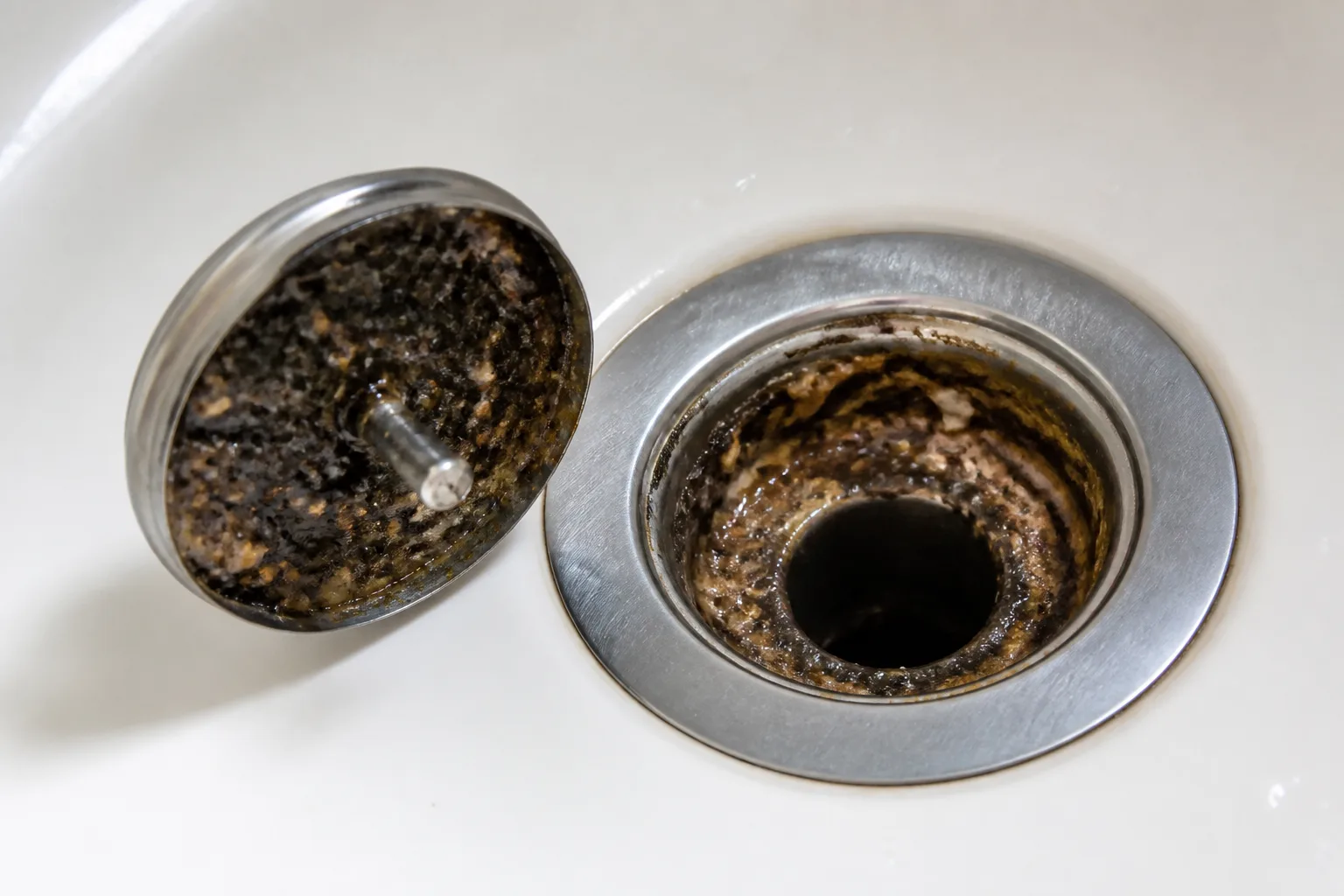
Odor and flies are management problems before they are product problems. Start with frequency: empty collectors before scraps liquefy, especially in summer. Rinse the pail and dry it upside down so film does not breed bacteria.
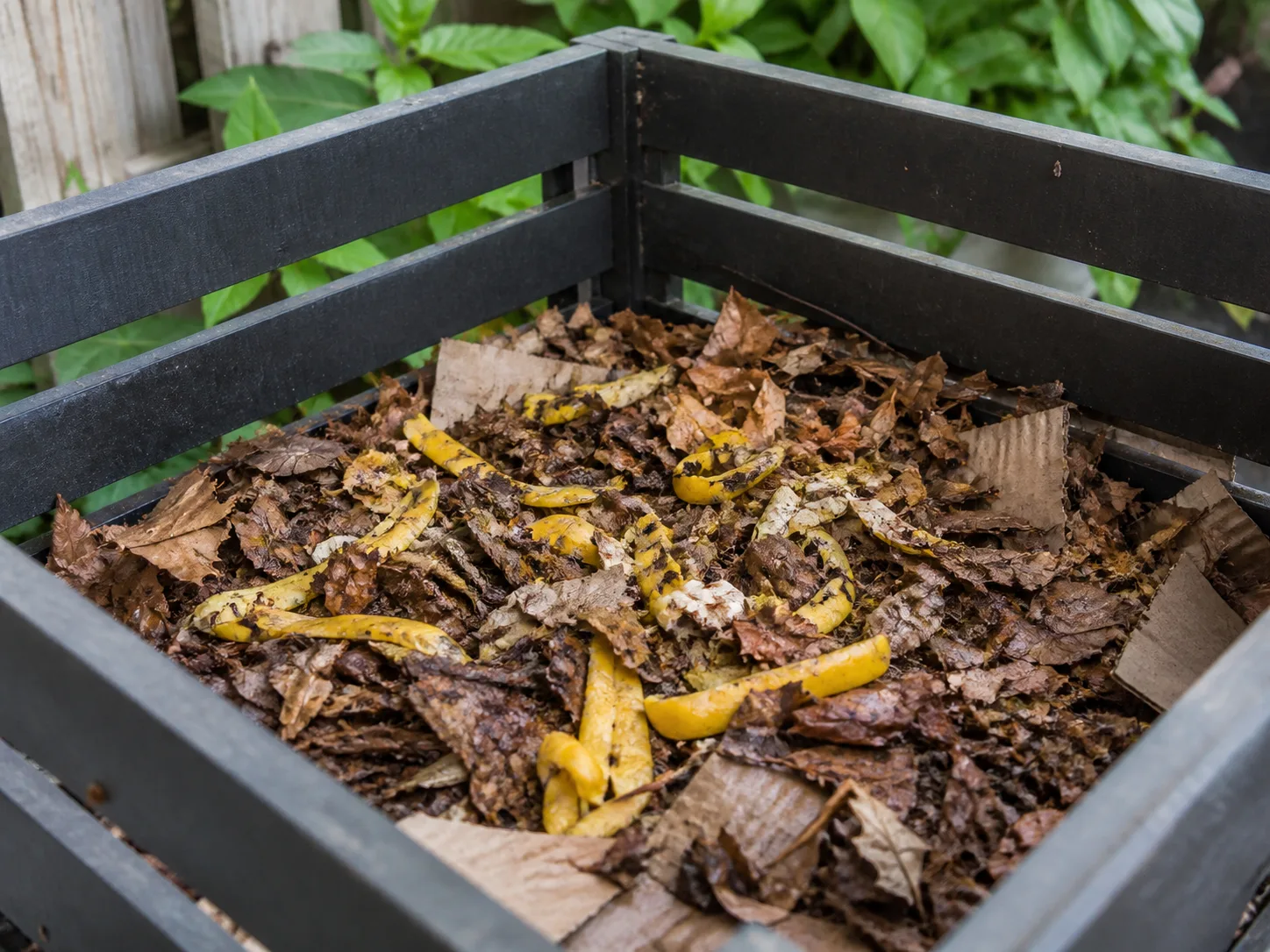
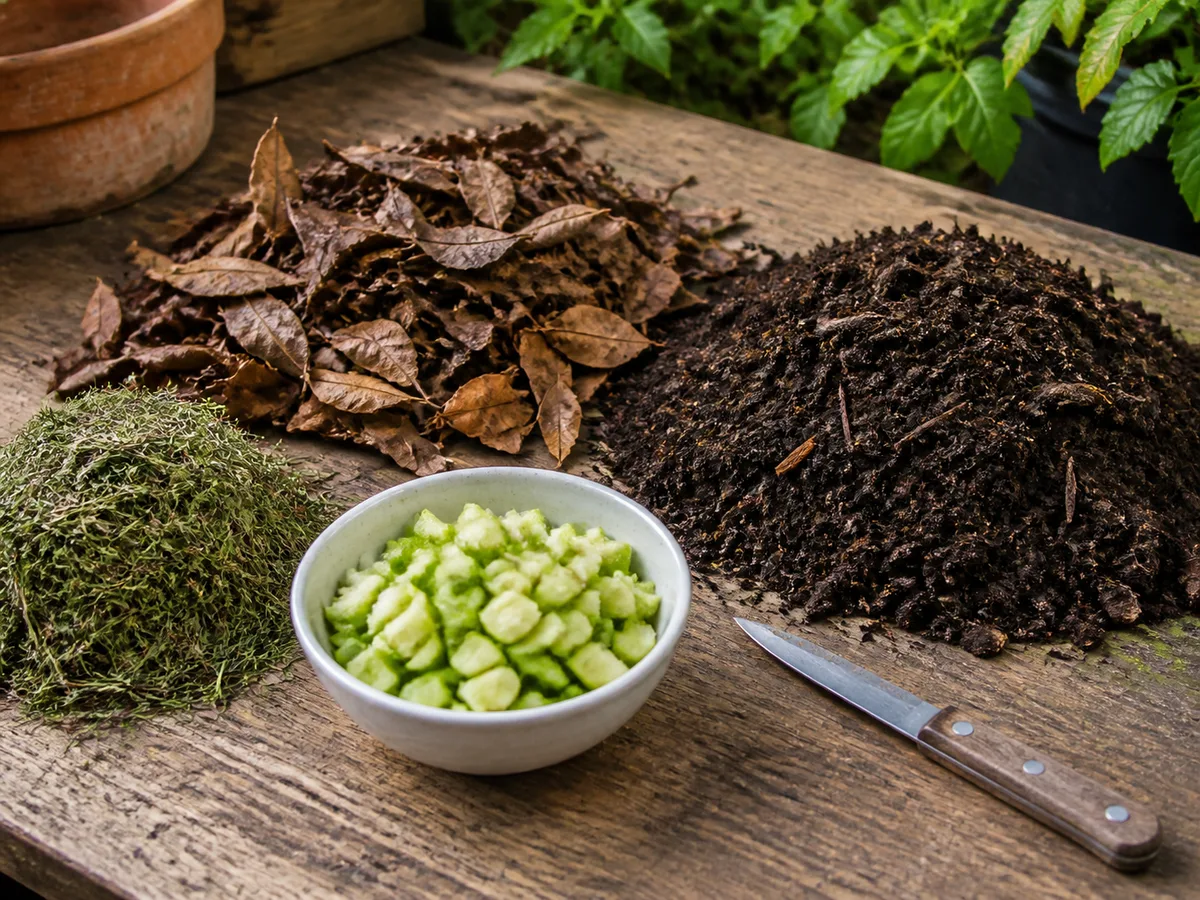
For collectors, layer dry material at the bottom — a folded paper towel, shredded newspaper, or a handful of dry leaves if you keep a bag nearby — to absorb leachate. UConn Extension notes that covering each addition of wet greens with browns is the single most effective way to prevent sour smells and pests in the larger system; the same logic helps on the counter.
Replace charcoal filters on schedule, not when smell is already noticeable. Wash lid gaskets where food paste collects. If fruit flies appear, empty immediately, scrub with hot soapy water, and set a vinegar trap nearby until the cycle breaks.
Electric units need different care: avoid overfilling, run the appropriate mode for the load, and use manufacturer dry or purify cycles when moisture or smell drifts. Keep vents unobstructed.
What belongs in a countertop bin — and what should stay out
For a standard collector headed to a backyard pile or curbside organics program, safe inputs usually include:
- Fruit and vegetable scraps
- Coffee grounds and paper filters
- Loose tea and paper tea bags without staples
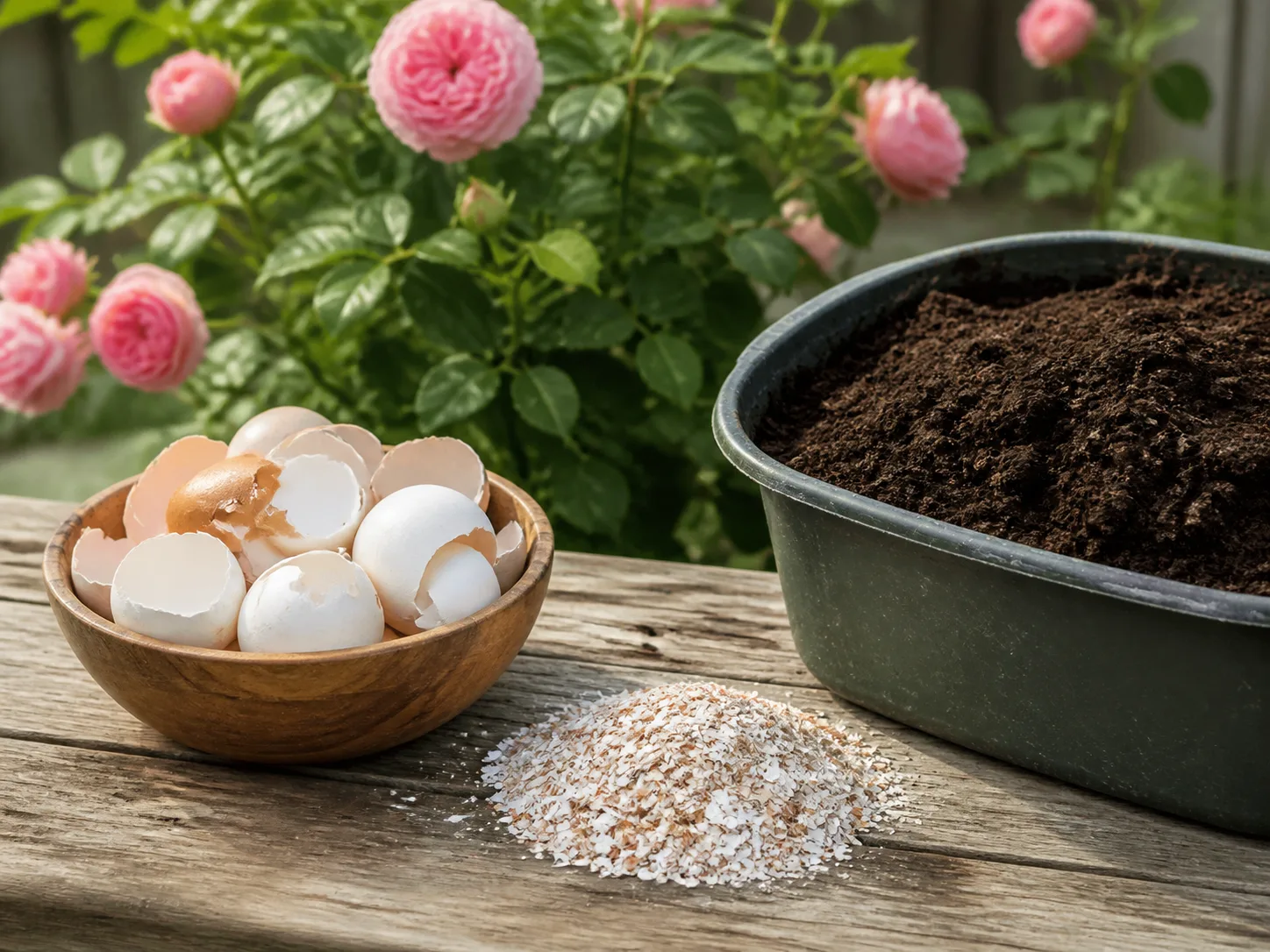
- Eggshells crushed or whole
- Small amounts of bread, rice, or pasta if your destination accepts them
NC State Extension advises home composters to avoid meat, fish, dairy, grease, oil, and bones in typical backyard bins because they attract pests and decompose unevenly. Keep those out of a collector unless your municipal program explicitly accepts them in a sealed organics cart.
Electric units vary by brand and mode. Some Reencle and Lomi settings accept meat and dairy where a backyard pile cannot. Even then, follow the current manual — ingredient lists change with firmware and regional guidance.
Never put pet waste, coated paper, plastic “compostable” serviceware unless certified for your exact processor, or diseased plant material in a casual home stream unless you know your system reaches temperatures that kill pathogens and weed seeds. Most countertop setups do not.
Common countertop compost mistakes
Buying electric when you only needed a pail. If you walk scraps to a municipal bin twice a week, a collector plus habit beats a $500 appliance.
Waiting until the bin smells to empty it. Good seals hide problems until flies arrive.
Ignoring filter replacement. A saturated carbon filter is decorative plastic.
Planting electric output directly. Cure it, mix it sparingly, or send it through an outdoor pile first.
Skipping browns outdoors. Kitchen scraps alone make a wet, anaerobic pile. The collector is only the first step; the outdoor mix still needs dry carbon.
Choosing capacity from photos. Measure your counter depth, cabinet clearance, and outlet placement before ordering an electric unit.
How we chose these picks
We selected these five models because they represent the most common decision branches shoppers face: premium electric processing (Reencle Home), beginner-friendly collecting (Bamboozle), odor-first electric (Lomi 2), budget collecting (Epica), and high-volume electric (Reencle Gravity). Recommendations weigh published specifications, filter design, cleanability, capacity, and consistent owner-reported strengths, then filter those through established composting guidance from university extension sources.
We did not run a single controlled lab test for this article. Instead, we focused on what a buyer needs to decide confidently: category fit, maintenance load, honest output expectations, and which compromises are worth making in a real kitchen. Prices fluctuate; verify current cost and warranty before purchase.
Conclusion
The right countertop compost bin depends on where your food waste goes next. Collectors like the Bamboozle and Epica are the smart choice when you already have outdoor composting, worms, or curbside organics and you mainly need odor control between trips. Electric units like the Reencle Home, Lomi 2, and Reencle Gravity fit cooks who want processing on the counter and understand that the output is a step — not always the final step — toward usable organic matter.
Buy for capacity, seal quality, and cleaning reality, not headline composting speed. Empty often, replace filters on schedule, and match what you toss in the bin to what your downstream system can actually handle. Do that, and even a small kitchen can divert a meaningful share of food waste without smelling like a landfill.



