The 10 Best Composters of 2026, Tested and Reviewed
Compare 10 of the best composters for backyards, apartments, kitchens, worms, bokashi, and leaf-heavy yards, with honest trade-offs for each.
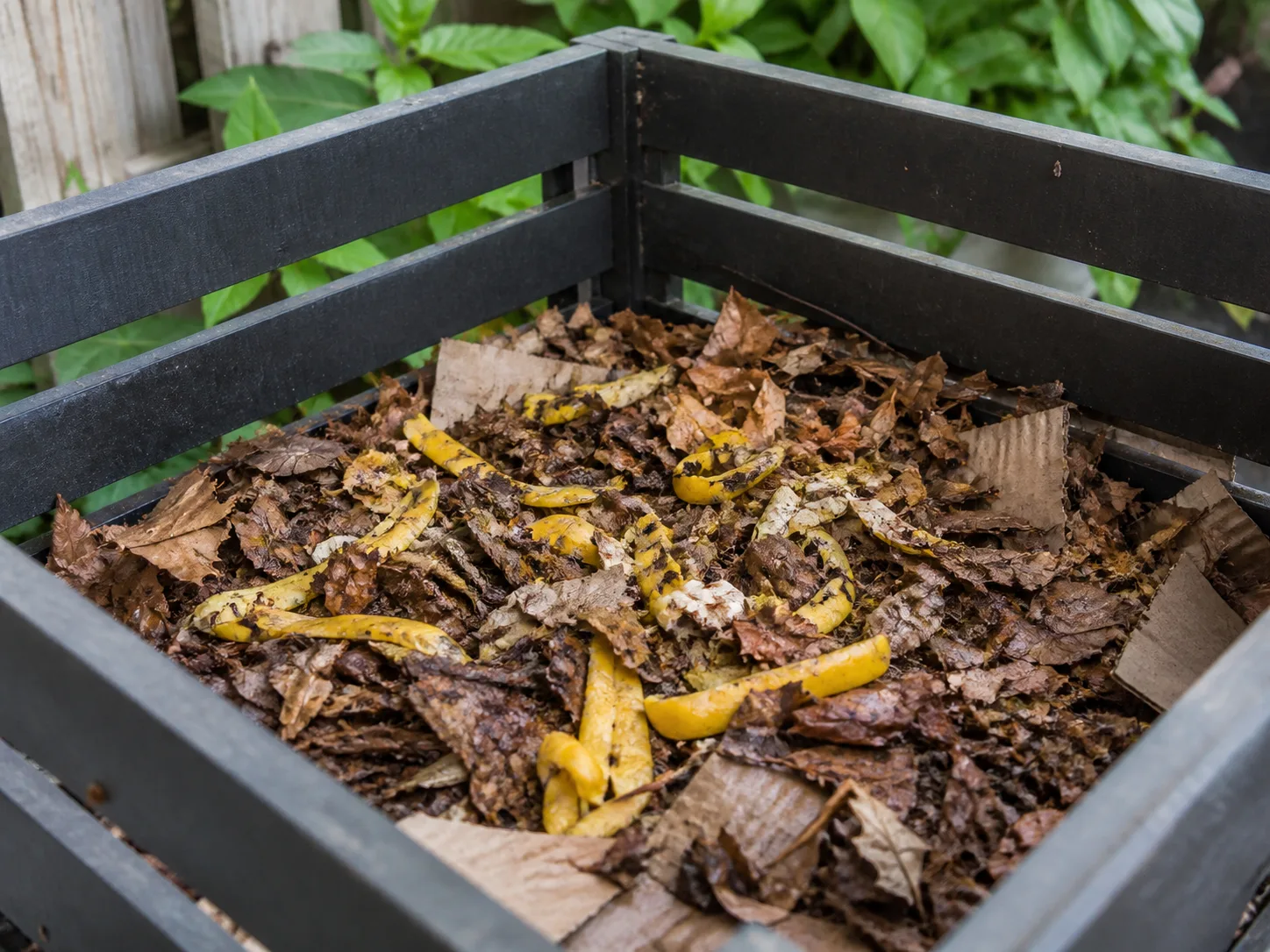
The best composter is not necessarily the largest, fastest, or most expensive model. It is the one that matches your waste stream, fits the space you will actually use, and makes it easy to maintain enough air and moisture for decomposition.
For most small and medium backyards, the FCMP Outdoor IM4000 is the best all-around starting point because its two chambers separate fresh scraps from the batch that is curing. Choose the GEOBIN if leaves and pruning waste are your main problem, the Bokashi Living Starter Kit if you need an indoor system for food scraps, or a worm bin if you have very little space and are comfortable managing a living system.
One important distinction shapes this entire review: a countertop collector stores scraps, a bokashi bucket ferments them, a worm bin produces castings, and an electric processor may dry and grind food waste. None should be judged by the same “finished compost” standard. This guide weighs current product specifications, design trade-offs, and established composting guidance; it does not pretend that every model was run through one controlled laboratory test.
Quick Answer: Which Composter Should You Buy?
| Composter | Best for | What it does well | Main limitation |
|---|---|---|---|
| FCMP Outdoor IM4000 | Most small and medium backyards | Two chambers, easy turning, good airflow | Limited capacity for major leaf cleanup |
| GEOBIN | Large volumes of leaves and yard waste | Low-cost, expandable containment | Open design offers little pest protection |
| Exaco Aerobin 200 | Low-turn maintenance and cool weather | Insulation, internal aeration, lower doors | Tall footprint and higher cost |
| Greenes Cedar Composter | Multi-bin gardeners | Easy access and expandable bays | Manual turning; open top needs pest planning |
| Maze Tumbler and Cart | Easy harvest and moving compost | Crank, two chambers, harvest cart | Large footprint and slower if too dry |
| Bokashi Living Starter Kit | Indoor food scraps, including difficult scraps | Sealed two-bin fermentation cycle | Fermented material still needs curing |
| FCMP Essential Living | Compact vermicomposting | Stackable trays and worm castings | Needs the right worms, bedding, and temperature |
| Reencle Prime | Apartment convenience | Enclosed, automated food-waste processing | Output and maintenance differ from a living pile |
| Bamboozle Compost Bin | Kitchen scrap collection | Compact container and odor filter | It stores scraps; it does not make compost |
| VermiHut Plus 5-Tray | Apartment worm composting | Vertical footprint and multiple trays | Worms are sensitive to heat, cold, and overfeeding |
If you have a yard and want traditional compost, start with the FCMP, Aerobin, Greenes, Maze, or GEOBIN categories. If you have no yard, decide whether you want a living process—worms or bokashi—or simple volume reduction with an electric processor. That decision matters more than a small difference in capacity or finish.
How We Evaluated the Best Composters
The useful question is not “Does this bin have vents?” It is “Will this design help me keep the batch balanced, moist, oxygenated, and accessible?” The RHS explains that microorganisms and invertebrates need air, water, and warmth, while the Oregon Department of Environmental Quality emphasizes compost’s role as an organic soil amendment rather than a substitute for every type of growing medium (RHS composting guidance; Oregon DEQ residential composting).
I used five practical filters: what the system can accept, how much material it can handle, how it creates airflow, how the user harvests the output, and what can go wrong. I also separated manufacturer claims from general composting evidence. For example, a company may say a tumbler can finish in two weeks under ideal conditions; that does not mean a cold, half-full, wet batch will do the same.
The picks below are therefore fit-based recommendations, not a promise that one product wins every climate, household, or waste stream. Product names, capacities, kit contents, and prices can change, so verify the current listing before buying—especially if you are comparing a tool-only unit with a kit that includes worms, bran, a starter, a battery, or a replacement filter.
The 10 Best Composters for Different Homes
1. FCMP Outdoor IM4000: Best Overall Outdoor Tumbler
The FCMP Outdoor IM4000 is the easiest recommendation for a gardener who wants traditional compost without turning a pile with a fork. Its two chambers let you keep adding fresh material to one side while the other side finishes, which solves the most frustrating problem with a single tumbler: having nowhere to put today’s scraps while yesterday’s batch cures.
The current manufacturer listing describes a total volume of about 43 U.S. gallons, a galvanized-steel frame, recycled UV-inhibited polypropylene, built-in handholds, and aeration holes. It recommends turning the chamber several times every few days and says a balanced batch in hot, sunny conditions can finish quickly (FCMP IM4000 specifications). Treat that turnaround as a best-case target, not a schedule.
The trade-off is capacity. A 43-gallon tumbler is practical for kitchen scraps, grass clippings mixed with browns, and a modest garden, but it is not a leaf-management system for a property with several mature trees. Do not fill it with wet grass alone; mix clippings with shredded cardboard, dry leaves, or chopped woody material, and leave room for the material to move when you turn it.
2. GEOBIN: Best for Leaf-Heavy Yards
The GEOBIN is a simple expandable hoop that makes sense when your main problem is volume rather than convenience. It can hold a large load of leaves, grass clippings, and spent annuals without the cost or mechanical parts of a tumbler. The design also makes harvesting straightforward: once the material is mature, you can open the side and work the pile rather than reaching through a small door.
That open structure is also the reason to be cautious. It has little built-in defense against rain, drying winds, rodents, or other animals. Use it primarily for yard waste, keep food scraps buried inside the center, and add a lid or hardware-cloth base if local pest pressure makes an open bin risky. A review from Green Thumb Gardener makes the same practical distinction: the expandable bin is valuable for leaf volume but is a poor choice when you need a tidy, sealed kitchen-scrap system (Green Thumb Gardener composter comparison).
Choose the GEOBIN when you have plenty of carbon-rich material and are willing to turn or rebuild the pile manually. Skip it if you want compost to be invisible, rodent-resistant, or ready on a fixed timeline.
3. Exaco Aerobin 200: Best No-Turn Composter
The Aerobin 200 is for gardeners who want a closed, upright bin and would rather manage inputs than regularly turn the pile. Exaco describes the system as a 55-gallon insulated composter with an internal aeration “lung,” lower access doors, and a reservoir that collects leachate (Exaco Aerobin specifications). The insulation and closed body are particularly appealing in a cool or changeable climate where an exposed pile swings between cold, wet, and dry.
Its main advantage is labor: you load the bin, manage the mix, and harvest through the lower doors instead of emptying the whole container to turn it. The limitation is that “no turn” does not mean “no maintenance.” If the feedstock is too wet, too compacted, or overwhelmingly one type of food, the internal system cannot rescue a poor mix.
Be conservative with liquid collected at the base. Leachate is not automatically the same as a tested, ready-to-use fertilizer. Do not spray or drench plants with it undiluted; follow the current manufacturer instructions and use finished, earthy-smelling compost as your default soil amendment.
4. Greenes Cedar Composter: Best Expandable Stationary System
A cedar stationary composter is the better choice for gardeners who have enough room to build a process around the bin. The open front and top make it easy to add bulky branches, leaves, crop residues, and kitchen scraps, while additional bays can separate fresh material, active compost, and finished compost. That three-stage workflow is more useful than a single oversized container because it gives each batch somewhere to go.
The Greenes Fence cedar system is attractive for that modular approach. Cedar is weather-resistant, but the open design still needs a thoughtful location and pest strategy. Put the bin on soil for drainage and access to soil organisms, but use a rigid mesh base if rats or burrowing animals are a known problem. Keep fresh food scraps covered by a layer of browns rather than leaving them exposed at the surface.
This is a good pick for someone who enjoys the physical work of turning compost with a fork. It is a poor fit if you need one-handed loading, a sealed lid, or a compact patio footprint. A stationary bay may also make more compost than you can use, so plan your finished-compost storage before building a large system (Greenes composting systems).
5. Maze Compost Tumbler and Cart: Best for Easy Harvesting
The Maze 65-gallon tumbler and cart combination is designed around the moment many composters overlook: getting the finished material out. The two chambers provide a continuous cycle, the hand crank reduces the effort of mixing, and the cart gives you somewhere to catch and move the compost when the doors open (Maze compost tumbler and cart).
That combination is useful if you amend raised beds, containers, or several garden rows and do not want to shovel compost into a wheelbarrow. The large capacity is also more forgiving than a small tumbler when your household produces a lot of kitchen and yard waste.
The risk is overestimating what the drain holes or cart can solve. Compost needs moisture as well as drainage. If liquid leaves faster than you replace it, the batch can become dry and slow. Check the texture before turning: it should feel damp, not dripping, and fresh material should be mixed with enough browns to prevent a wet pocket from settling at the bottom.
6. Bokashi Living Starter Kit: Best for Indoor Fermentation
The Bokashi Living two-bin starter kit is the strongest choice when you need to process kitchen scraps indoors and do not want to exclude every cooked or animal-based item from the start. The kit includes two sealed buckets, spigots, bokashi bran, and instructions; the two-bin setup lets one bucket ferment while the other receives new scraps (Bokashi Living starter kit).
Bokashi is fermentation, not the same aerobic process as a backyard compost pile. You press scraps down, exclude air, add the inoculated bran as directed, and allow the material to ferment. The result is acidic and recognizable rather than dark and crumbly, so it still needs to be buried in soil or added to a mature outdoor compost system for a curing stage.
That extra step is the feature, not a flaw: bokashi can manage a broader kitchen waste stream in a sealed container, but it does not turn a full bucket into ready potting mix. Expect an odor when you open the lid, budget for replacement bran, and handle any liquid according to the current instructions rather than assuming it is a universal “compost tea” fertilizer.
7. FCMP Essential Living Composter: Best Worm Bin
The FCMP Essential Living Composter is a compact vermicomposting system for someone who wants worms to process kitchen scraps in a small footprint. Its stackable trays let worms move toward fresh food and leave castings in the lower material, while a lower collection area can catch excess liquid. The system is appealing for apartments, covered porches, and gardeners who want a living soil amendment without a large outdoor pile (FCMP worm composter).
Worm bins reward consistency more than force. NC State Extension recommends a dark, ventilated container, damp bedding, and the correct species—usually red wigglers, Eisenia fetida. It also gives a useful sizing rule: roughly one square foot of surface area for each pound of food scraps produced per week, with a bin temperature around 59 to 77°F for the worms (NC State Extension vermicomposting guide).
Do not put the bin in direct sun, do not pour water into it, and do not keep feeding when the last feeding is still sitting untouched. A worm bin is not a mini tumbler: it should not be turned, and overfeeding creates the odor and fruit-fly problems that make beginners quit.
8. Reencle Prime: Best Electric Food-Waste Processor
An electric countertop system is the best fit when odor control, convenience, and indoor use matter more than making a traditional outdoor compost pile. Reencle’s enclosed format is designed for daily kitchen waste and automatic processing, making it attractive to apartment dwellers, winter gardeners, and households that cannot carry scraps to a backyard bin every day (Reencle backyard composter guide).
The important buying question is what the current model’s output actually is. Electric food-waste appliances may heat, dry, grind, or biologically process scraps, and the appearance of a dark, soil-like product does not by itself prove that it is mature compost. Some products require the output to be cured or mixed into soil before planting. Read the current manual for allowed inputs, cycle length, filter changes, and the required maturation step.
Choose this category for clean indoor waste handling, not because it promises to replace a living compost ecosystem. If you have a yard and patience, a basic outdoor bin will produce more traditional compost for less ongoing energy and filter cost. If you have no yard, an electric processor can still be a reasonable waste-diversion tool—provided you use the output as directed.
9. Bamboozle Compost Bin: Best Kitchen Scrap Collector
The Bamboozle Compost Bin is a countertop caddy, not an outdoor composter. That makes it a useful part of a larger system: keep it near the cutting board, collect peelings and coffee grounds while you cook, then empty it into a backyard bin, worm system, bokashi bucket, or municipal collection service.
Its small footprint, handle, and replaceable charcoal filter are the features that matter most in a kitchen. A collector should be easy to open, carry, wash, and empty before food begins to ferment or attract flies. Bamboozle’s fiber-based body also makes it more decorative than a utility bucket, but the material does not change the basic rule: it only buys you time between the counter and the actual composting system (Bamboozle countertop compost bin).
Pick it if you already have somewhere to take scraps. Skip it if you want one appliance that turns food waste into finished compost without a second process.
10. VermiHut Plus 5-Tray: Best Apartment Worm System
The VermiHut Plus five-tray system is another strong choice for a no-yard household that wants actual biological processing rather than dried food scraps. Its vertical trays use floor space efficiently, and the modular design gives worms access to new bedding and food as older material becomes castings. It is best for a patient apartment gardener who sees worm care as a routine, not as a set-and-forget appliance.
The difference between this and a countertop caddy is substantial: the caddy holds scraps, while the worm system requires bedding, live red wigglers, moisture control, airflow, and a measured feeding rate. Keep scraps covered under bedding, chop them when practical, and freeze or refrigerate excess scraps rather than adding more food than the worms can consume. NC State Extension specifically warns against meat, bones, greasy foods, citrus, salty foods, and pet or human manure in a standard worm bin (NC State Extension vermicomposting guide).
Match the Composter to Your Waste Stream
Start with what you throw away, not the product category that looks most impressive.
- Mostly leaves, weeds, stems, and grass: Choose a GEOBIN, Greenes multi-bin system, or another large stationary setup. Chop woody material and mix grass clippings with browns so they do not collapse into a wet mat.
- Kitchen scraps plus moderate yard waste: Choose a dual-chamber tumbler such as the FCMP IM4000. Its smaller batch size is easier to aerate, and the second chamber keeps the cycle moving.
- Food scraps in an apartment: Choose bokashi, vermicomposting, or an electric processor based on your tolerance for living organisms, curing time, ongoing bran, electricity, and maintenance.
- A few scraps between trips outdoors: Choose a filtered countertop collector. Do not pay for an electric machine when a washable caddy is all you need.
- Meat, fish, dairy, or cooked food: Avoid an open backyard pile. Use a method specifically designed for those inputs, such as bokashi, or follow your local municipal program. Fermented or processed material still needs the follow-up step described by the product instructions.
Size should follow throughput. A large empty bin will not necessarily heat or decompose faster than a smaller, well-balanced batch. Conversely, a tiny tumbler will frustrate a household that fills it in a week. Leave room for mixing, keep the unit accessible, and buy a second bin only when the first one is genuinely part of your routine.
Set Up and Maintain a Composter for Fewer Odors
For a traditional outdoor bin, choose a sheltered, accessible spot in partial shade or shade. The RHS recommends a location that avoids extremes of temperature and moisture, with an earth base where possible for drainage and access to soil organisms (RHS composting guidance). Full sun can dry a small bin; a low, waterlogged corner can remove the air that aerobic microbes need.
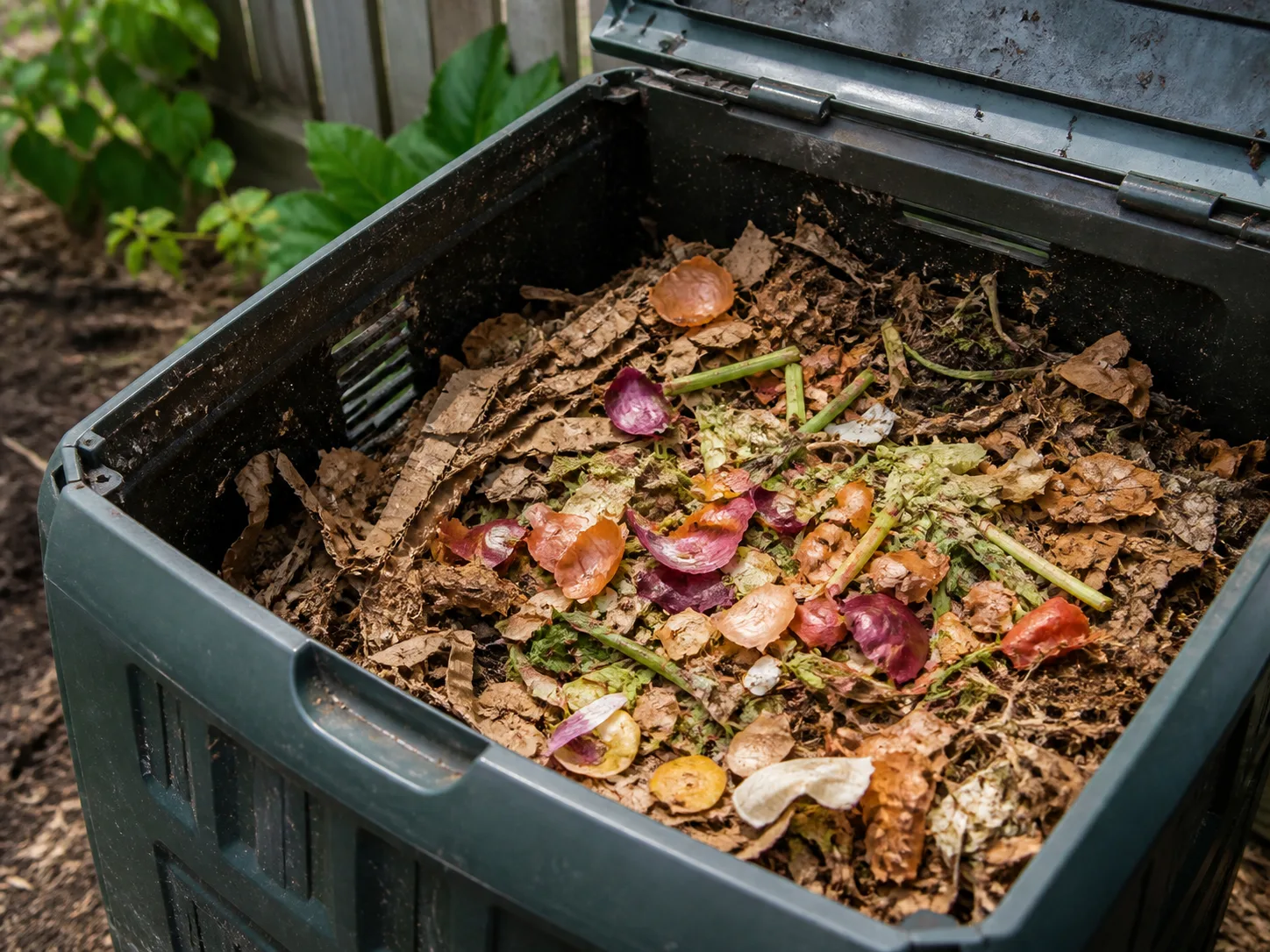
Use the “greens and browns” rule as a starting point, not a rigid recipe. Greens include leafy waste, fresh weeds, grass clippings, and vegetable peelings; browns include dry leaves, chopped stems, shredded paper, and cardboard. The RHS suggests roughly 25–50 percent green material with the rest brown material, while emphasizing that no single wet material should dominate (RHS four steps to perfect compost).
Cut large pieces so microbes have more surface area. Add a layer of browns whenever you add a bucket of food scraps, and cover fresh kitchen waste rather than leaving it exposed. Turn a traditional pile when it is compacted or slow; turning introduces air and lets you check the moisture. You do not need to buy a starter, lime, or accelerator if the inputs are balanced and the bin has enough air.
Fix Wet, Dry, Slow, or Pest-Ridden Compost
Wet, slimy, or sour-smelling: Add dry browns such as shredded cardboard, dry leaves, or chopped woody material. Break up compacted pockets and improve drainage. A lid helps in rainy weather, but do not seal a traditional pile so tightly that it loses airflow.
Dry, fibrous, and barely changing: Add water gradually while mixing in fresh green material. Aim for the feel of a wrung-out sponge rather than a soaked cloth. A large amount of dry leaves can take a long time unless they are shredded and periodically moistened.
Full of flies: Cover food scraps with browns immediately, stop adding exposed fruit, and check whether the kitchen caddy is being held too long. In a worm bin, bury food under bedding and reduce feeding. If the system is a bokashi bucket, check the lid seal and use the bran rate specified by the manufacturer.
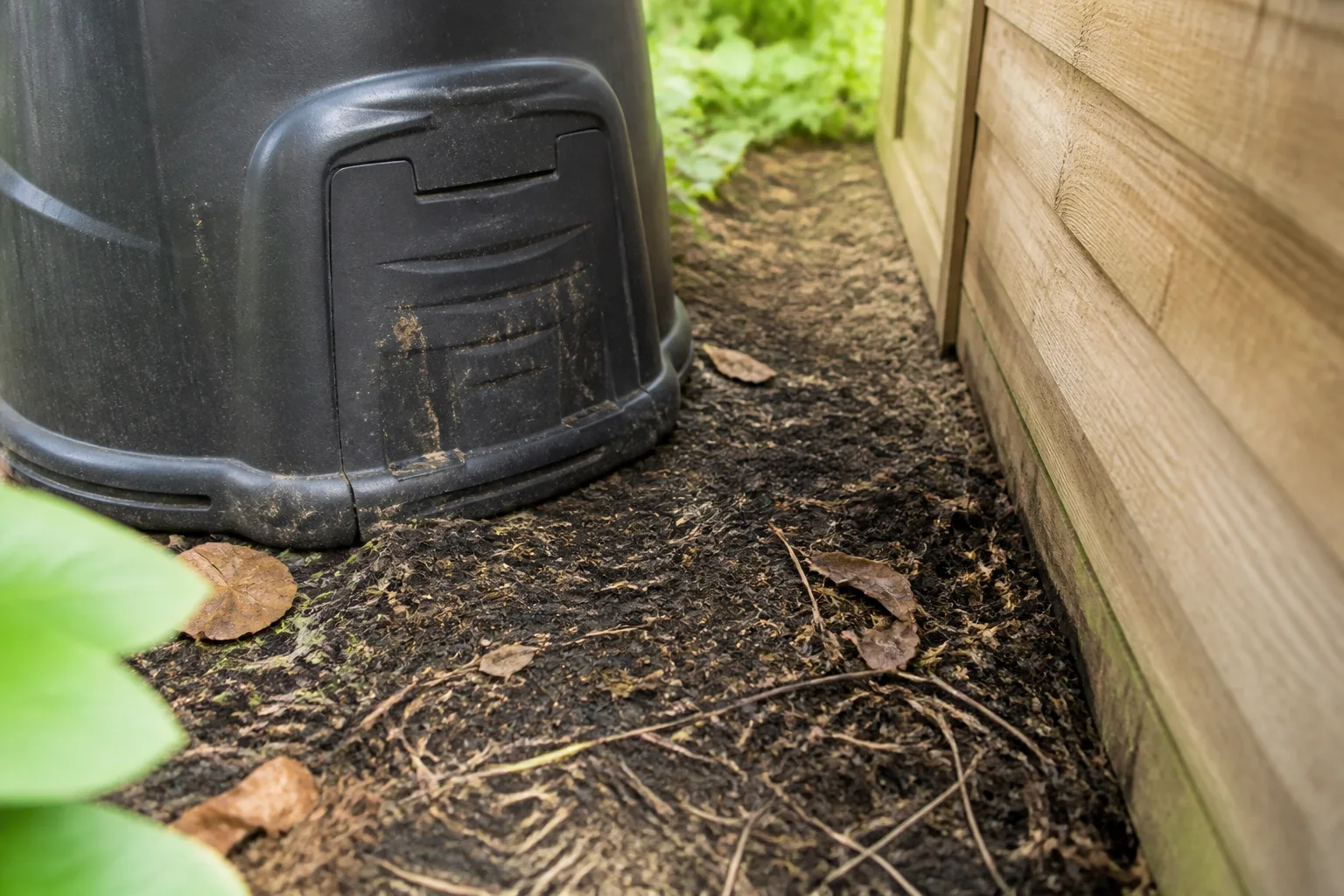
Attracting rodents: Stop adding meat, dairy, oily food, and exposed cooked food to an open bin. Move the unit away from fences and walls, add a secure lid or mesh base, and clean spilled scraps. A closed tumbler is usually a safer choice than an open hoop when pest pressure is high, but no plastic container is a substitute for sanitation.
Not finished after the promised time: Check batch size, moisture, temperature, and particle size before blaming the product. Finished compost is dark, crumbly, and earthy-smelling, with few recognizable scraps. The RHS notes that home compost can take six months to two years depending on conditions; warm weather and regular mixing can shorten the process, but a calendar claim is never a guarantee (RHS composting guidance).
Use Finished Compost Without Wasting It
Finished compost is a soil amendment, not a complete replacement for potting mix or a guaranteed fertilizer. Mix it into garden soil, use a thin top-dressing around established plants, or spread it as a surface mulch while keeping it away from stems and crowns. Oregon DEQ notes that compost can help soil structure, moisture behavior, and soil life, but a soil test is still the better way to diagnose nutrient or pH problems before adding large amounts (Oregon DEQ residential composting).
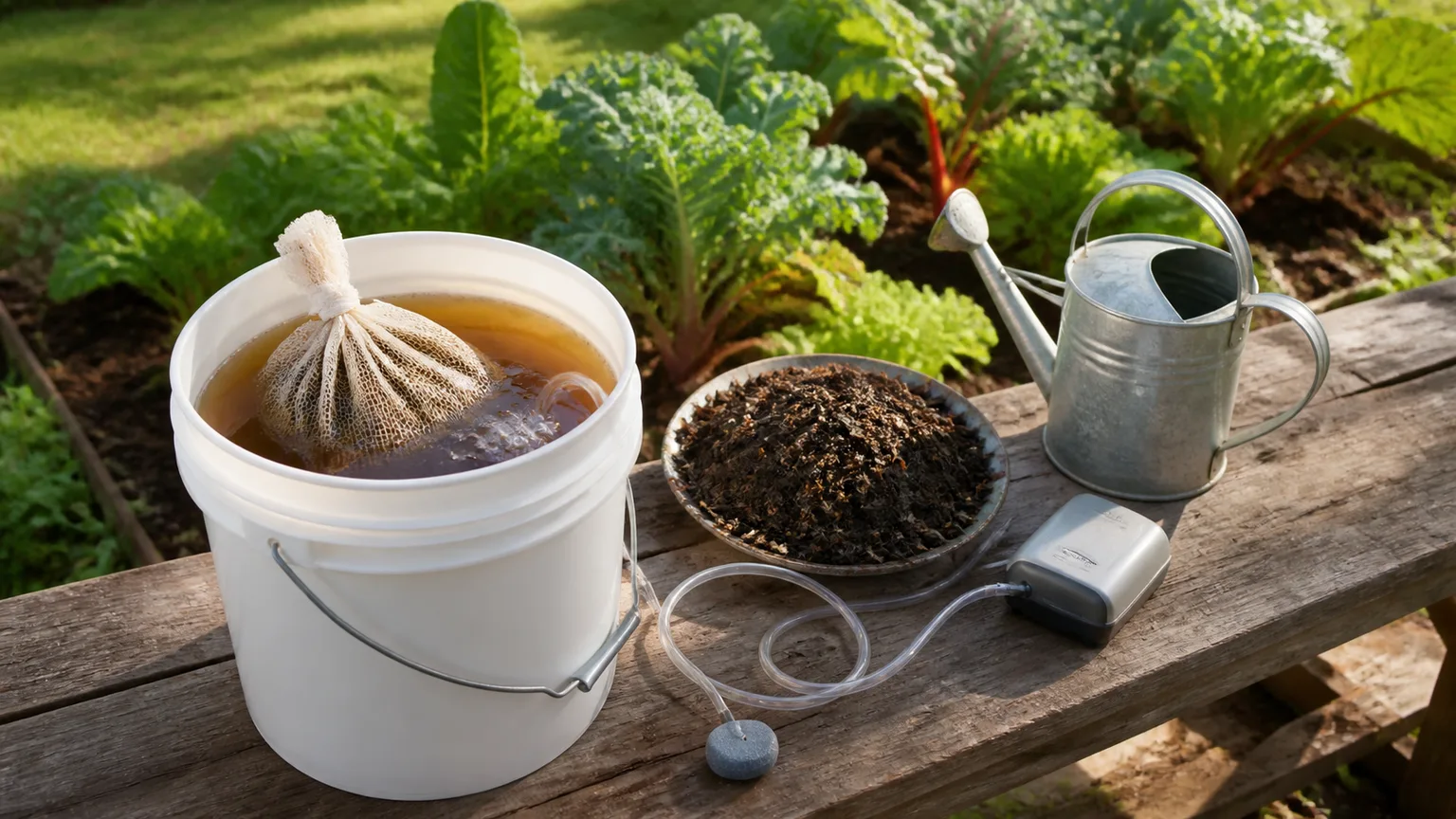
Screen out woody pieces and return them to the next batch. Do not use half-rotted food or strongly acidic bokashi material directly around tender roots. Let bokashi cure in soil or finish in an aerobic pile, and follow the current instructions for any liquid from a bokashi bucket, worm bin, or leachate reservoir. “Compost tea” is not a magic pesticide or a reason to pour unknown liquid onto edible leaves.
If you have more finished compost than you can use, share it with a neighbor, top-dress a new bed, or store it under cover where it will not become saturated. The payoff from a composter is not the label on the bin; it is a reliable loop from clean inputs to mature organic matter that improves the soil without creating a new odor or pest problem.
Conclusion
For most households with a backyard, the FCMP Outdoor IM4000 offers the best balance of simple turning, two-stage workflow, and manageable capacity. Choose the GEOBIN or a cedar multi-bin system when leaves and garden waste dominate, and choose the Aerobin 200 when a closed, low-turn design matters more than price or footprint.
For indoor composting, decide what “success” means. Bokashi Living is the better choice for sealed fermentation and a broader food-scrap stream, worm systems create genuine castings in a small footprint, and Reencle Prime prioritizes appliance convenience and waste reduction. A Bamboozle caddy is enough when you only need to collect scraps before carrying them outside.
The right composter is the one you can feed with a balanced mix, keep appropriately moist, access without resentment, and harvest when the material is truly mature. Match the bin to the waste first, then the features will make sense.