How to Clean Poison Ivy Off Shoes and Clothes
Wash poison ivy-exposed clothing without spreading urushiol. Get clear steps for clothes, shoes, leather, dry-clean-only items, and cleanup afterward.
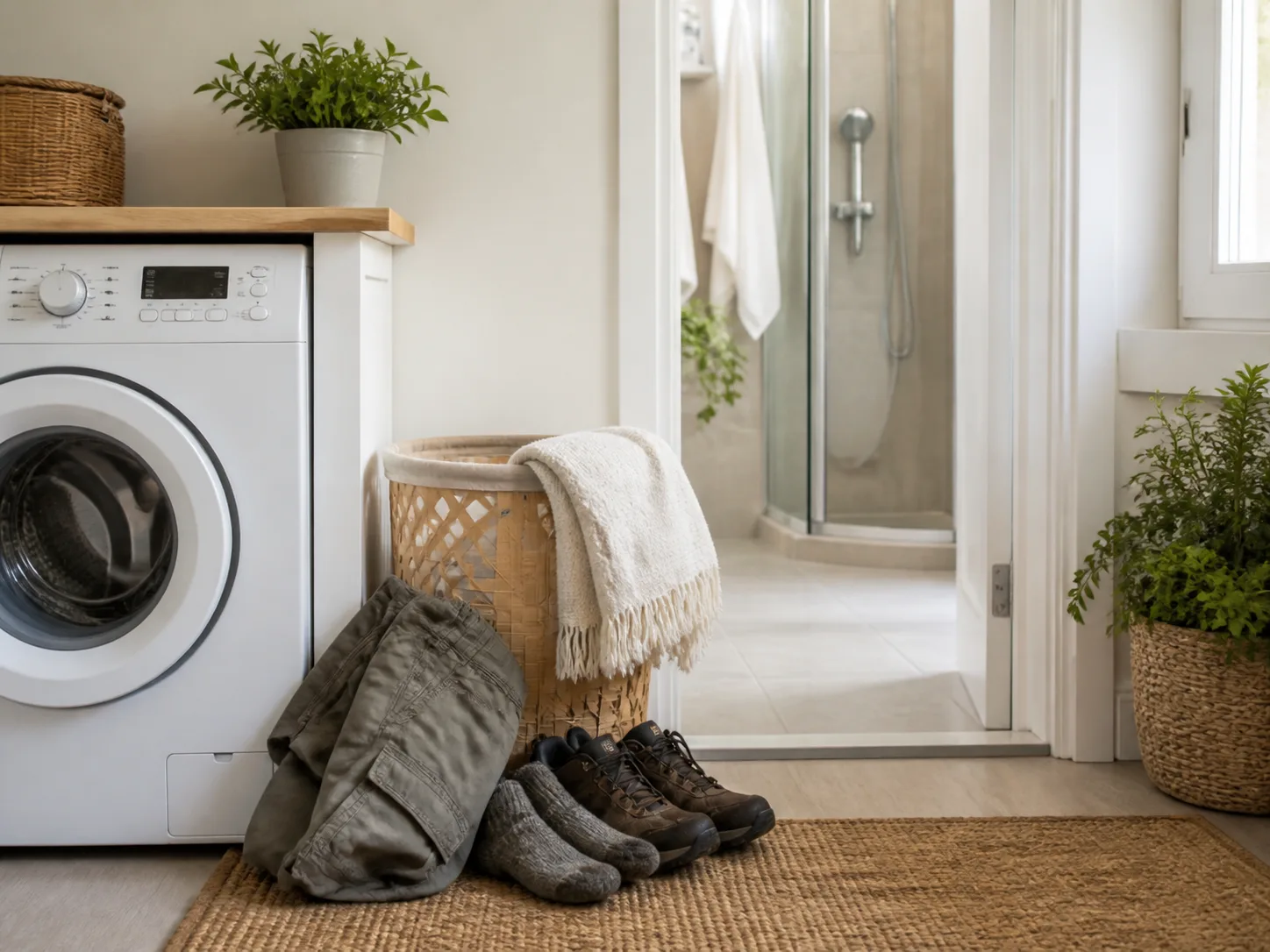
If clothing or shoes brushed against poison ivy, treat the whole item as contaminated even if you cannot see a mark. Put on gloves, keep the items away from clean laundry and bare skin, then wash washable clothing with detergent on a full cycle using the warmest water the care label allows. The CDC/NIOSH and Ohio State University Extension both advise washing exposed clothing separately; the CDC/NIOSH guidance on poisonous plants specifies hot water and detergent.
Shoes need a material-specific approach. Washable canvas or synthetic shoes can be cleaned according to their care instructions, while leather and suede should not be soaked or put in a washer unless the manufacturer says that is safe. The goal is to remove urushiol with careful cleaning, not to disinfect the item or make its surface look new.
The short answer
For washable clothes, wear gloves, place the exposed items directly into the washer without shaking them, and run a full wash with regular laundry detergent. Wash that load separately from clothing that was not exposed, and choose a water temperature that both follows public-health guidance and stays within the garment’s care label. If exposure was heavy or the first load was overloaded or interrupted, run another full detergent wash before drying.
For shoes, first remove laces and any removable insoles so you can clean the places that touch socks and skin. Use detergent and water on washable fabrics and compatible hard surfaces, then rinse with a clean damp cloth and let the shoes dry fully; use a shoe-care professional or the maker’s instructions for suede, delicate leather, or glued construction that cannot tolerate water.
Why urushiol on clothes and shoes still matters
Poison ivy contains urushiol, an oily plant resin that can cause allergic contact dermatitis. It can move from a damaged plant to sleeves, pant legs, socks, shoes, tools, and pet fur, then reach skin later when someone handles those objects. The National Capital Poison Center’s poison ivy guidance notes that contaminated clothing and objects can remain sources of exposure until they are washed.
A garment does not have to look stained, smell unusual, or feel sticky to carry residue. A person may also assume a rash is spreading from one body area to another when the actual cause is a second contact with oil left on a cuff, boot, glove, or gear strap. Washing the source and treating an established rash are separate jobs: laundering can remove oil from an item, but it cannot treat skin that has already reacted.
Do not use the age or color of plant material as a safety test. Dead or dormant stems can still carry urushiol, and CDC/NIOSH says the oil may remain active on objects for years if it is not removed. If the item may have touched the plant, clean it before storing or wearing it again rather than relying on time, sunlight, or a visual inspection.
Set up before you touch exposed items
Before handling anything, decide where the item will go and how you will get it there without brushing it against your arms, face, clean clothes, laundry basket, or furniture. If you are still outside, set the clothes and shoes down in a contained spot and avoid bringing loose leaves or vine fragments indoors. If you are already inside, keep the items in one place near the washer rather than carrying them through the home.
Keep the items contained
If you can start the wash promptly, transfer the clothing straight to the washer. When that is not practical, place it in a disposable bag or a dedicated container that can be cleaned afterward, and keep it separate from other laundry until you are ready. Containment is a short-term way to prevent accidental contact; it does not clean the material or make it safe to handle bare-handed.
Do not shake clothing to remove leaves or dirt. Shaking can move plant debris and spread the oily residue onto nearby objects, and handling the item more than necessary creates more chances for transfer. If a visible piece of plant remains, use a gloved hand or a disposable tool to lift it into a bag, then wash the item as soon as possible.
Wear gloves and protect your skin
Put on intact gloves before moving the item. A disposable pair is convenient for a one-time cleanup; if you use reusable gloves, clean them thoroughly with soap and water afterward and remove them without touching their contaminated outer surface. CDC/NIOSH advises using disposable gloves when cleaning exposed tools, and Ohio State Extension recommends keeping exposed work clothing and gloves out of ordinary laundry until they can be washed.
Long sleeves and pants can reduce the chance that the clothing will brush exposed skin while you handle it. Keep gloved hands away from your face, phone, doorknobs, and detergent bottle; if you touch one of those while handling the item, clean the contacted surface with soap and water. When you finish, remove gloves carefully and wash your hands with soap and water even if you do not see residue.
Wash contaminated clothes in a washing machine
A machine wash with detergent and a complete rinse is the most practical option for ordinary washable garments. Wash shirts, pants, socks, hats, jackets, towels, and washable work gloves that may have touched the plant. Do not limit the load to the item where you noticed contact: cuffs, hems, pockets, and layers worn underneath may have brushed the same leaves or stems.
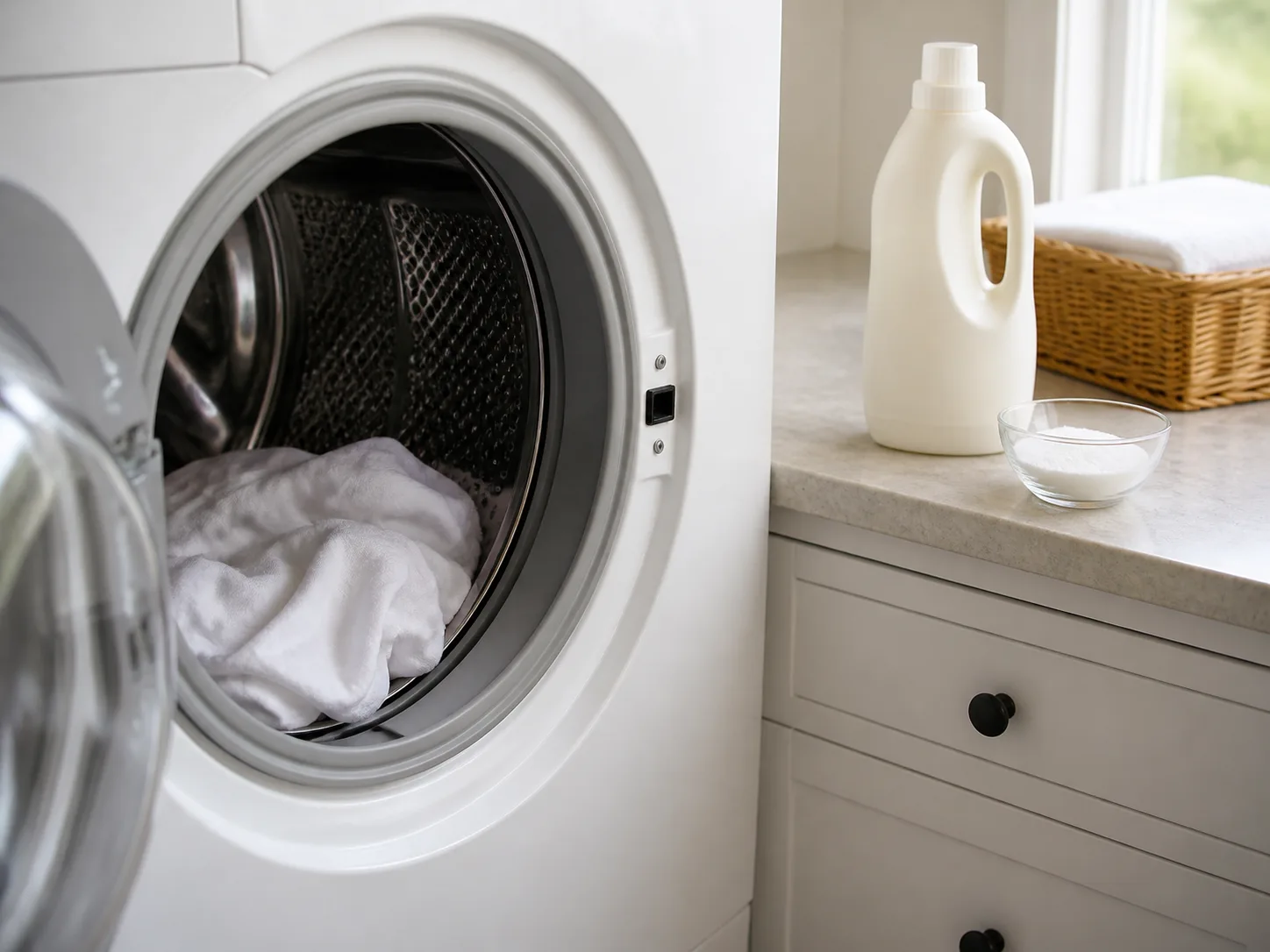
The Ohio State University Extension safety fact sheet advises washing exposed clothing separately in hot water. Poison Control recommends putting clothing into a washing machine with a full cycle, warm water, and detergent. Taken together, those instructions support a full detergent wash, with the garment’s care label setting the upper temperature limit.
Use detergent and the warmest label-safe water
Use your usual laundry detergent at the amount recommended for the load and washer. You do not need to add a poison-ivy product, vinegar, baking soda, bleach, or a second cleaner to make detergent work. Follow the detergent label and the washer instructions, and do not exceed the amount in an attempt to compensate for a small load; too much detergent can leave residue and may interfere with rinsing.
Choose the warmest temperature permitted by the garment label and the washer. CDC/NIOSH and Ohio State Extension specify hot water for exposed work clothing, while Poison Control describes warm water for a full cycle; delicate fabrics can have lower limits. If the label allows hot water, use that option. If it does not, do not risk shrinking, melting, or damaging the garment: choose the hottest safe setting, a full cycle, and a second wash if the contact was heavy or you remain unsure.
Use a normal or heavy-duty cycle that provides adequate wash and rinse time rather than a quick refresh cycle. For a high-efficiency machine, use detergent labeled for that washer and follow the manual’s load-size guidance; do not assume that adding extra detergent or choosing a huge water level is safer. A complete wash-and-rinse cycle matters more than a special product claim.
Leave room for the clothes to move
Wash exposed clothing separately from items that did not contact the plant. That matches CDC/NIOSH and Ohio State Extension guidance and keeps the contaminated items together for handling. Do not pack the drum tightly: clothes need room to move through wash water and rinse effectively, and an overloaded drum is a reason to repeat the load rather than trust an incomplete cycle.
If several people’s clothing was exposed, divide it into washer-sized loads rather than filling the drum to the top. Keep each load to the washer’s recommended capacity and add detergent for that load as directed. A small, properly sized load is easier to transfer and rinse than a stuffed machine that leaves sleeves, pant legs, or boot socks compressed together.
Decide whether to run a second wash
A second wash is a sensible precaution when clothing had direct, heavy contact with crushed leaves or sap, when the load was overloaded, or when the cycle was stopped before rinsing finished. Add detergent again according to the label and run another complete cycle before drying. The visible absence of plant material is not proof that invisible oil has been removed, so use the exposure and wash quality—not appearance alone—to make the decision.
A second or third wash is not automatically required for every item after a full, correctly loaded cycle. The right level of caution depends on the amount of contact, the garment, and whether the first wash followed the care label and detergent directions. If you are laundering work clothes after repeated contact or someone in the household has a history of severe reactions, a repeat wash may be a reasonable added precaution.
Dry clothes after washing, not instead of washing
Once a complete wash and rinse is finished, dry the clothes according to their care labels. The dryer is not the cleaning step; detergent and water remove the residue. If you think the wash was incomplete, rerun the detergent wash before drying instead of using heat or air-drying as a substitute for cleaning.
There is no reliable reason to treat every dryer as contaminated after a properly completed wash. If an unwashed item touched the drum, the wet garment was transferred with contaminated gloves, or visible debris contacted the machine, clean the affected surfaces with detergent and water before the next load. For a heavily contaminated load, you can also run an empty rinse or washer-clean cycle in accordance with the machine manual; that is an extra precaution, not proof that all other household surfaces are safe.
Clean shoes without damaging them
Shoes collect urushiol on more than the visible upper. Oil or plant fragments can reach laces, tongue folds, stitching, removable insoles, heel counters, and the tread. Clean the whole surface that may have been exposed, and keep the shoes away from clean laundry while you work.
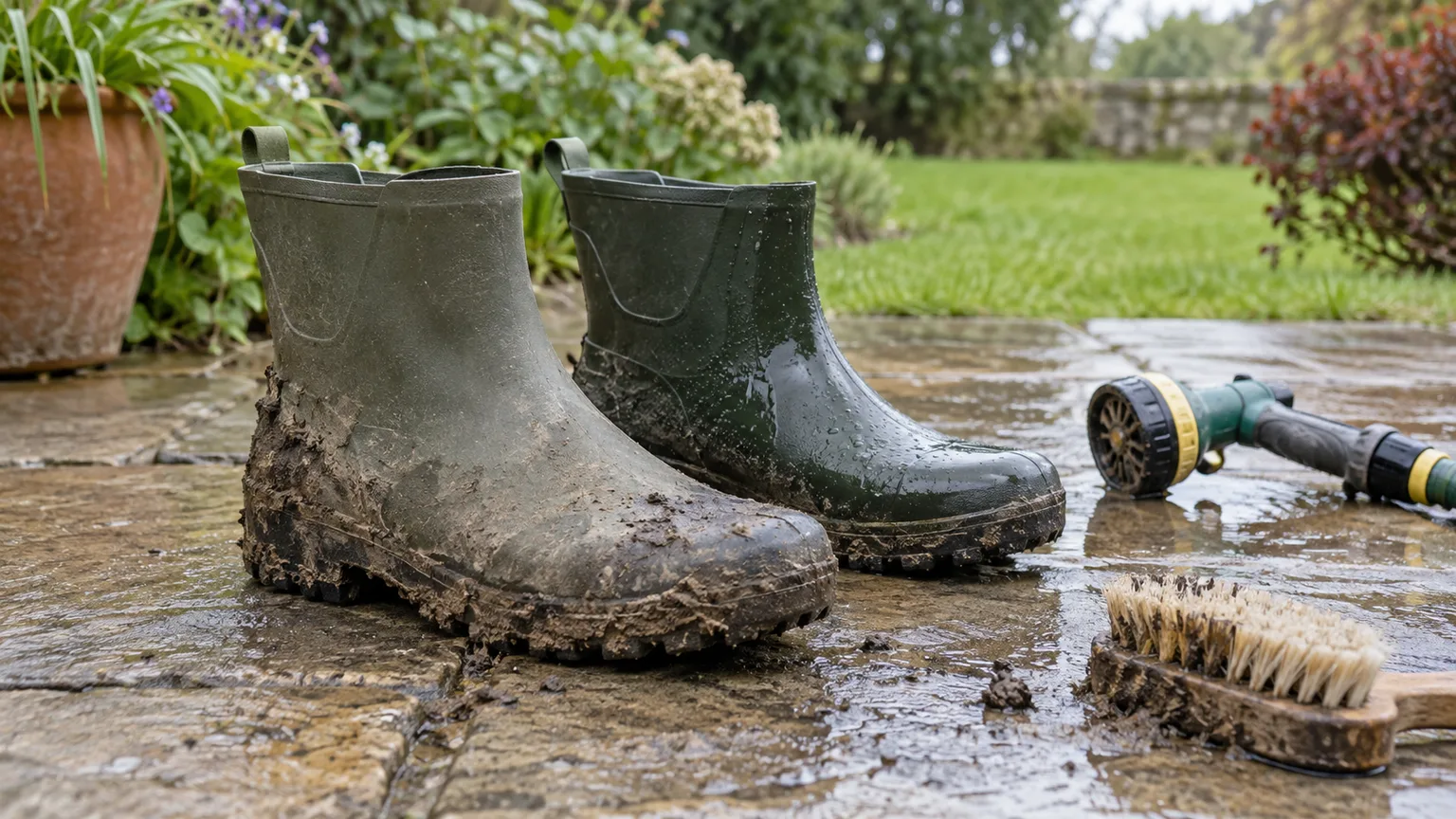
Start by putting on gloves and taking the shoes to a place where you can control the rinse water and wipe away residue. Remove the laces and removable insoles, and avoid dry brushing if plant material is still attached. After cleaning, rinse the brush and work surface with soap and water, or use disposable cleaning cloths and discard them safely.
Washable canvas and synthetic shoes
Check the shoe label or manufacturer’s care page before using a washing machine. If machine washing is allowed, remove laces and insoles first, put the shoes in a washable mesh bag or pillowcase, and use the gentlest cycle and water temperature the maker permits with a modest amount of laundry detergent. Skip fabric softener, and let the shoes air-dry if the care instructions require it; high heat can damage adhesives, foam, and shape even though it is not a substitute for detergent cleaning.
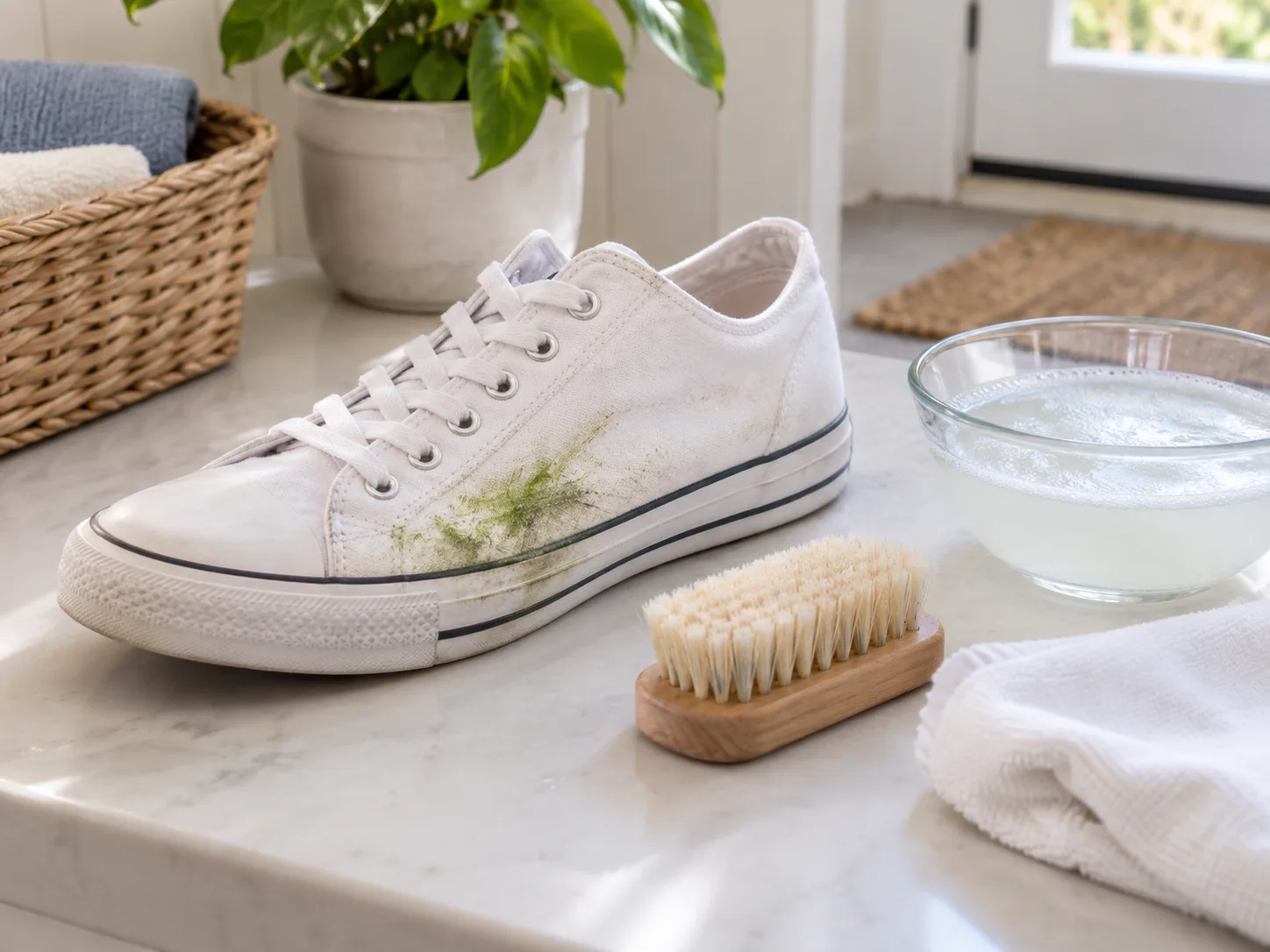
If the shoes should not go in a washer, clean them by hand. Mix a small amount of liquid laundry detergent with water, dip a soft brush or cloth into the solution, and work over the upper, seams, tongue, and other contacted areas without soaking the shoe. Wipe away soap with a separate clean cloth dampened with water, turning to a clean section as it picks up residue, then let the shoes dry completely in a ventilated place away from direct heat.
For rubber soles and textured treads, use a soft brush to reach grooves where soil or plant fragments can lodge. Work from the sole toward the upper so you do not drag dirty tread material across clean fabric, and rinse the brush between sections. If the shoe has fabric mesh with delicate coatings or glued pieces, test a hidden area first and follow the maker’s instructions rather than scrubbing aggressively.
Leather, suede, and work boots
Do not automatically soak leather or suede, and do not put them in a washing machine unless the manufacturer explicitly permits it. Water, strong detergents, and solvents can alter leather color, stiffness, finish, or adhesive bonds. Ohio State Extension recommends cleaning shoes with rubbing alcohol and water, but an alcohol treatment may be unsuitable for some finishes; check the shoe maker’s care guidance before applying it.
For smooth leather, use gloves and a damp cloth with a small amount of a cleaner approved for that leather. Carefully wipe the toe, sides, seams, tongue, and any surface that contacted the plant, then use a second cloth dampened with clean water if the product directions call for rinsing. Let the boots dry naturally, and apply a compatible conditioner only after the leather is clean and fully dry.
Suede and nubuck are more difficult because their nap can be damaged by soaking or wet scrubbing. Avoid improvised solvents and do not brush plant debris into the material; place the shoes in a contained spot and ask a shoe-care professional whether the material can be cleaned safely. If a boot’s lining or foam is contaminated and cannot be reached without damaging it, replacing the item may be safer than claiming an incomplete surface wipe has cleaned the whole shoe.
Clean laces, insoles, and outdoor gear
Wash removable laces in a small detergent load or by hand in a basin, if their material allows it. Rinse them well and dry them according to their care instructions. If laces are frayed, heavily contaminated, or inexpensive to replace, replacing them can be simpler than trying to scrub every fiber and knot.
Removable fabric insoles can be hand-washed only if their maker permits water; otherwise follow the product instructions or replace them after heavy direct exposure. Clean the shoe’s tongue and interior lining separately from the outer sole with a detergent-damp cloth, then wipe with clean water. Do not pour solution inside the shoe, where foam and padding may take a long time to dry or may be damaged.
The same transfer logic applies to gardening gloves, gaiters, backpack straps, kneepads, and tool handles. Launder washable fabric gear separately according to its label. For hard, washable surfaces, CDC/NIOSH recommends rubbing alcohol or soap and plenty of water for tools; soap and water is a practical first choice when alcohol may damage the finish or material.
If a backpack or fabric accessory cannot be machine-washed, check its care instructions and clean contacted areas with a compatible detergent solution. For padded items, seat upholstery, or gear with an inaccessible lining, do not saturate the whole object based on a guess; use the maker’s cleaning directions or a professional cleaner and tell them what the item contacted.
Reset the washer and laundry area
After loading the exposed clothing, clean anything that your gloves or the clothing touched before it entered the washer. Wipe a hamper, bin, or hard floor area with soapy water; launder a removable fabric liner separately. If you used a sink or basin to clean shoes, scrub it with detergent and rinse it, then wash or discard the cleaning cloths.
Guidance differs on how much washer cleanup is needed after laundering. CDC/NIOSH and Ohio State Extension focus on separately washing the clothes; a laundry expert quoted by Martha Stewart’s clothing-care guide recommends an empty cycle after the load. A practical middle ground is to wipe surfaces directly touched by contaminated hands or unwashed fabric, and to run an empty rinse or cleaning cycle after an unusually heavy exposure or if your machine manual recommends it.
Do not pour bleach, rubbing alcohol, or a homemade mixture into the washer unless the manufacturer’s cleaning instructions call for it. Avoid combining cleaners; bleach mixed with ammonia or acids can release dangerous gases. After cleanup, remove gloves carefully and wash hands with soap and water before touching clean laundry, children’s items, or food.
Mistakes that spread urushiol or damage belongings
- Wearing exposed clothing again because it looks clean: urushiol is not reliably visible. Wash the entire item if it may have contacted the plant.
- Shaking or sorting the clothes by hand: move items as little as possible and do not brush them against bare skin or other fabrics.
- Mixing exposed and unexposed laundry: CDC/NIOSH and Ohio State Extension advise washing exposed clothing separately.
- Using plain water or a short refresh cycle: use detergent and a complete wash-and-rinse cycle.
- Adding too much detergent or several cleaners: follow labels; more product does not guarantee better removal and can create residue or washer problems.
- Assuming vinegar, bleach, or rubbing alcohol is required: primary guidance centers on detergent and water for clothing. Use alcohol on tools only where the object’s care instructions allow it.
- Putting leather or suede in the washer: use material-specific care or a professional cleaner.
- Stopping after cleaning the shoe’s outside: check the laces, tongue, insoles, seams, and tread.
- Burning contaminated plants or gear: never burn poison ivy; smoke can carry urushiol and cause serious respiratory exposure.
If skin was exposed or a rash appears
If you think the plant oil reached your skin, take off the exposed clothes and set them aside without touching their outer surfaces. Poison Control advises showering thoroughly with soap and water, cleaning under the fingernails, and using a tool such as tongs to transfer clothes to a full warm-water detergent cycle. If you are outdoors or cannot reach a shower immediately, wash the exposed skin as soon as practical and avoid touching other objects until you have cleaned up.
A rash may appear after a delay, so a person can have no symptoms while still needing to clean the clothing and shoes. The liquid in blisters does not spread poison ivy; oil left on the clothing, tools, or pet fur can cause a new exposure. This distinction can prevent needless isolation while still taking contaminated objects seriously.
This article covers household cleanup, not diagnosis or individual treatment. Contact a healthcare professional or Poison Control for a concerning exposure or significant rash; seek urgent help for trouble breathing, swelling of the face or throat, or a severe reaction. The National Capital Poison Center provides online help and a U.S. poison-center phone line at 1-800-222-1222.
Conclusion
Clean poison ivy off clothes and shoes by containing the items, wearing gloves, and removing urushiol with detergent and water suited to each material. Wash exposed clothes separately on a full cycle, use a second wash when the contact was heavy or the first cycle was inadequate, and let care labels guide temperature and drying. Clean shoes beyond the visible upper, especially laces, seams, insoles, and tread; for suede, delicate leather, and items that cannot be safely washed, get material-specific advice instead of experimenting with a harsh cleaner.
Once the items are clean, wash the tools, hamper, and surfaces that were directly touched during cleanup. If skin was exposed, treat that as a separate first-aid issue and seek professional guidance for severe symptoms. A careful sequence prevents the most common repeat exposure: moving invisible oil from an outdoor item onto skin or clean belongings.



