9 Things That Attract Rats to Your Home (and How to Fix Them)
Find nine common rat attractants around a house and yard, from pet food and bird seed to compost, clutter, standing water, and entry gaps.
Rats stay near people because homes, yards, garages, and gardens can supply a steady combination of food, water, shelter, and safe routes. A bowl of pet food left on a porch, a leaky hose, fallen fruit, an open compost bin, and a gap under a door can be more inviting than a strong scent is repellent. The most dependable first step is to find the resource a rat can reach and remove or secure it.
A sighting outside does not automatically mean rats are nesting inside your walls. Some rats forage in a yard and return to a sheltered nest elsewhere; others use attics, crawl spaces, garages, or wall voids. Look for repeated signs and check both the ground-level foundation and the roofline before deciding what is happening.
Why Rats Choose a Property
Think of a property as a chain of resources rather than a single “rat-attracting” object. Food may be in a pantry, pet bowl, trash can, bird feeder, fruit tree, or compost. Water can come from a leaking outdoor tap, an uncovered rain barrel, a pet bowl, or a damp utility space. Shelter may be a cluttered garage, woodpile, dense groundcover, or undisturbed attic insulation. A fence, vine, pipe, or overhanging branch can make each resource easier to reach.
The CDC’s rodent-control guidance organizes prevention around removing food, water, and shelter, then sealing access. That order is useful because killing or chasing one rat without changing the conditions may leave the same invitation for another. A clean home can still have rodents; neighbors, nearby vegetation, weather, construction, and local rat populations all matter. The goal is to make your home and yard less rewarding and harder to enter, not to assign blame.
1. Pet Food and Animal Feed Left Out
Dry kibble, seed mix, poultry feed, livestock grain, and food for outdoor cats or dogs can feed rats as readily as household scraps. A full bowl left on a patio overnight gives a nocturnal forager a predictable meal, while a torn bag in a shed offers both food and a hidden place to visit. Rats can also take advantage of spilled feed around a coop, kennel, or garage.
Feed pets indoors when practical, or put out only the amount they will eat at one sitting. Bring bowls inside after the meal and sweep up crumbs rather than rinsing them into a drain or leaving them in mulch. Store bags of feed in a tight-lidded metal container or sturdy rodent-resistant bin; a paper sack or thin bag is not a barrier. If animals must have water outdoors overnight, place it where you can check for activity and remove other easy food sources nearby. The CDC recommends putting pet food away after use and not leaving food or water bowls out overnight.
Do not punish wildlife or pets for activity around a food source. Instead, move the resource, close the storage container, and inspect the same spot for droppings or gnawing over the next few days. If feed is stored in a barn or outbuilding, keep the area uncluttered enough to notice torn packaging and fresh signs.
2. Unsecured Garbage and Food Residue
Trash contains mixed, easy-to-find meals: food scraps, grease, pet waste, and containers with residue. A lid that does not fit, a split bin, or an open bag beside the can can allow rats to feed without entering the house. Even an empty-looking bin can smell like food if the bottom or lid has grease and spilled liquid on it.
Use a can with an intact, tight-fitting lid and no holes. Bag kitchen waste, close the lid after each use, and rinse residue from the container when it builds up. Do not leave garbage bags outdoors between collection days, and secure lids after a pickup so the can does not become a shelter as well as a food source. Keep grill drippings and outdoor dining crumbs under control; a patio table can become a nightly buffet if leftovers are forgotten.
If a rat is visiting the bin, look behind it too. A narrow, sheltered gap between the can and a wall can offer cover while the animal eats. Move the bin to a visible, cleanable place when possible, but prioritize a secure lid and regular cleaning if the layout cannot change.
3. Bird Seed and Feeder Spill
Bird feeders can attract rats indirectly: spilled seed, suet crumbs, and seed stored in an open shed make reliable food on the ground. A feeder placed beside a hedge or fence also gives a rat cover for moving to and from the food. You do not have to stop feeding birds, but you may need to change the setup if seed keeps accumulating below it.
Fill the feeder with only what birds will eat before the next refill, use a tray or seed-catching design, and sweep up fallen seed regularly. Store seed in a sealed, durable container rather than its original bag. Suspend or mount the feeder with a baffle suited to its support, keep it away from walls and dense cover, and check whether the ground beneath stays clean. A baffle can help with climbing animals, but it does not replace spill cleanup or secure seed storage.
Gardening Know How’s feeder advice highlights the value of moving a feeder into a more exposed location instead of tucking it beside a hedge. That is a practical way to reduce shelter near spilled seed, not a guarantee that rats will never visit. If there is still activity, temporarily pause feeding while you clean the area and reassess the feeder’s position.

4. Fallen Fruit and Unharvested Garden Crops
Ripe fruit, nuts, berries, and vegetables can draw rats into a yard even when there is no food inside the home. Roof rats are agile climbers and may feed in trees; Norway rats are more often associated with ground-level burrows and foraging. The University of California Statewide IPM Program’s rat guide describes roof rats feeding on fruits and nuts and Norway rats taking advantage of available food and waste. Rats may feed at one property and shelter elsewhere, so a garden sighting does not pinpoint where a nest is located.
Harvest ripe produce promptly, collect fallen fruit and nuts before they accumulate, and discard damaged produce in a secure bin rather than an open pile. Check under shrubs and raised beds where fruit can disappear from view. If a tree is producing more than your household can use, consider sharing the harvest or removing fallen fruit more frequently during peak ripening.
Look for small gnaw marks, hollowed fruit, or repeated damage rather than assuming every missing tomato is a rat. Birds, squirrels, and other mammals may also feed on crops. Identifying the pattern helps you choose the right protection—such as timely harvesting or a barrier—without making unnecessary changes to the garden.

5. Open or Poorly Managed Compost
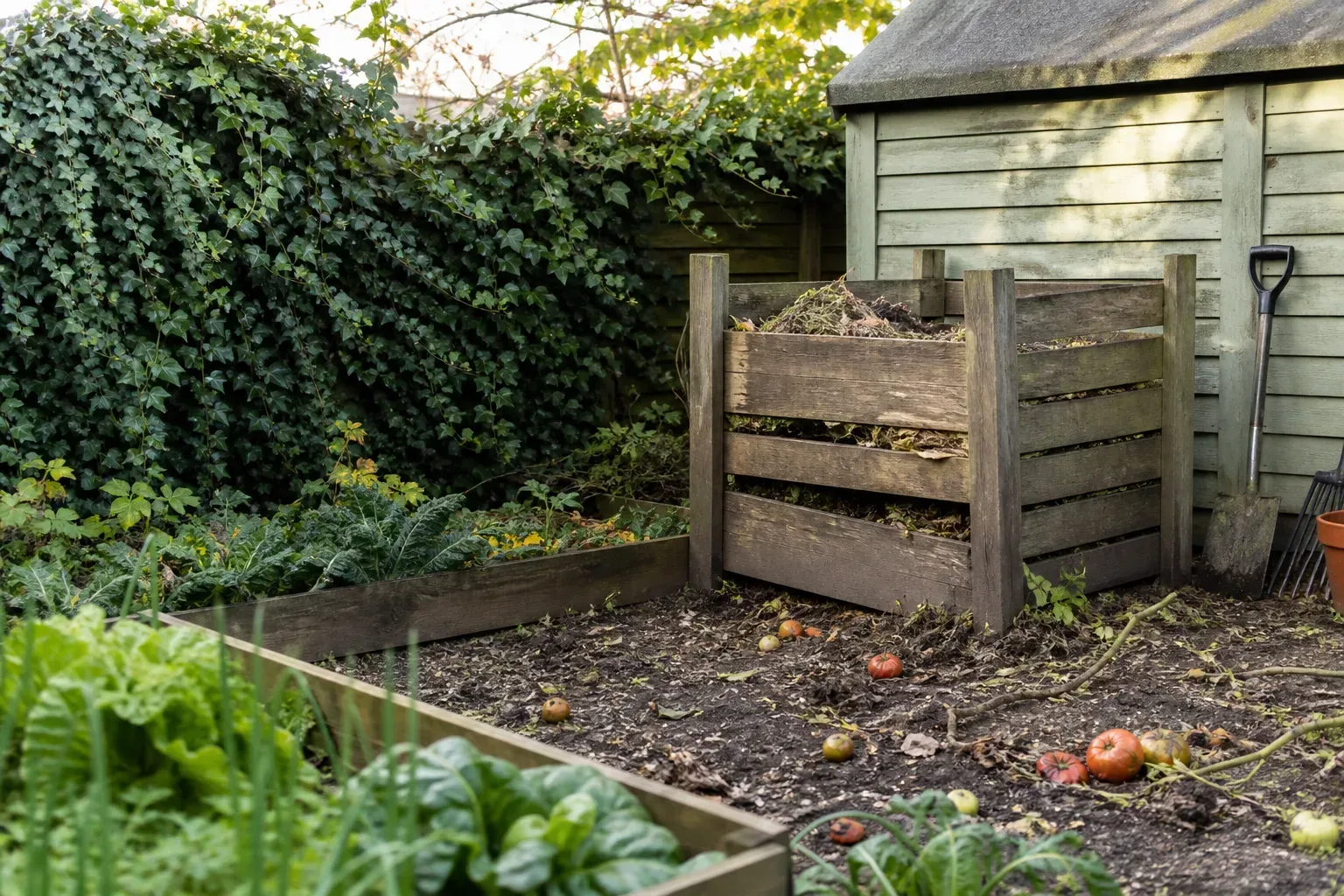
Compost can supply both food and a sheltered, undisturbed place to nest. Exposed kitchen scraps, a loose lid, gaps around a bin base, or a pile against a fence make it easier for rodents to investigate. Meat, fish, dairy, and other animal-based scraps are especially poor choices for an open pile; even ordinary vegetable peelings can attract a rat if they remain accessible.
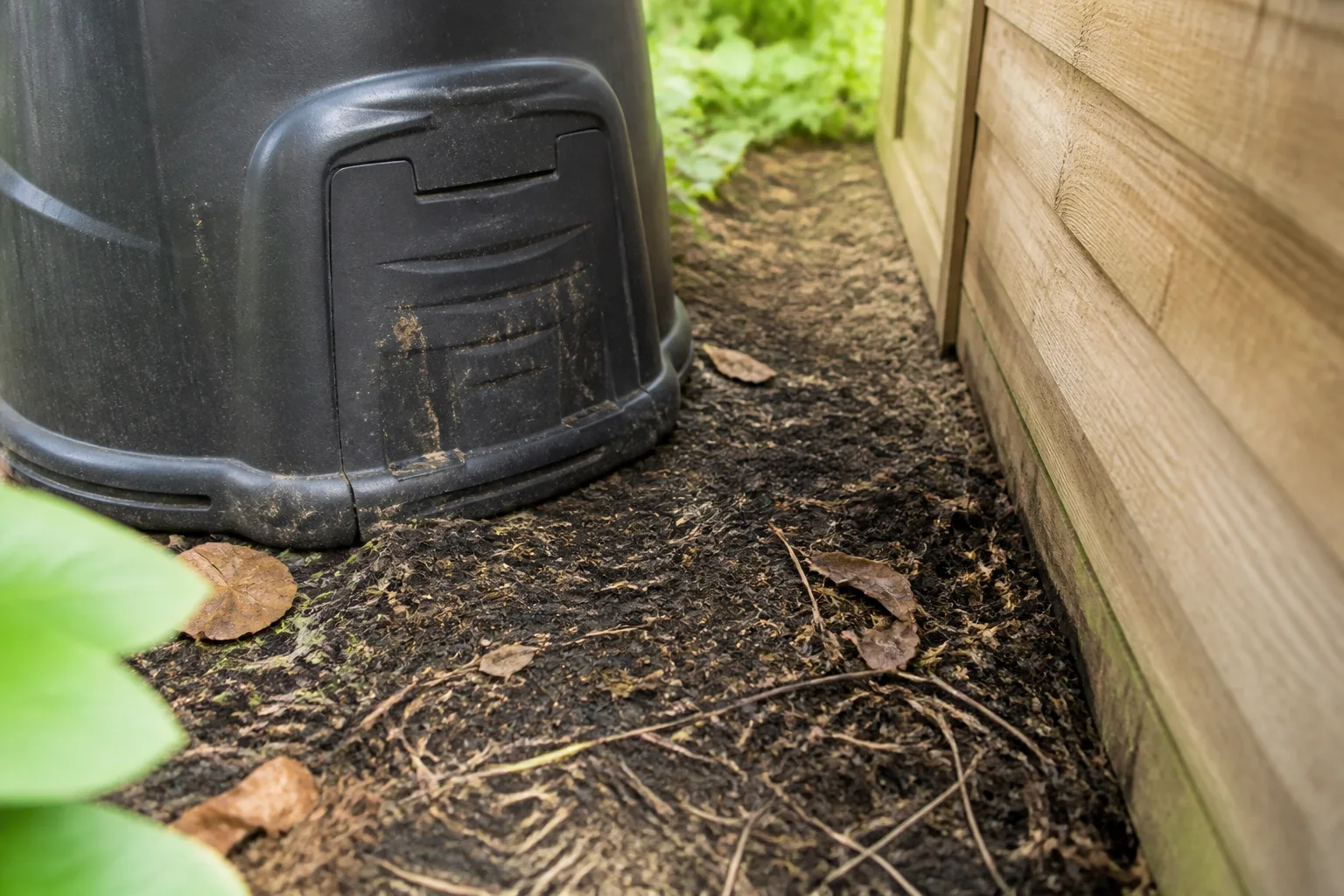
Choose a solid-sided bin with a secure lid and a base that rats cannot tunnel through or squeeze beneath. A metal mesh layer with openings small enough to exclude rodents can help protect an open-bottom bin; use durable mesh rather than lightweight poultry wire. Keep the lid seated, avoid gaps at the base, and place the compost where you can inspect and disturb it during routine garden work. If a rodent has already burrowed under a pile, do not reach into the hole or handle nesting material barehanded.
In GrowVeg’s composting guide, the practical emphasis is on a closed bin, protected base, and keeping highly attractive scraps out of exposed compost. The exact food rules can vary by local compost program, but containment is the key when rats are active. If space permits, put the bin farther from the house; if a small yard makes that impossible, a secure container and clean perimeter matter even more.
6. Standing Water and Leaks
Accessible water can help rats persist near a home, especially when it is close to food or shelter. Check for a dripping outdoor faucet, leaking hose connection, clogged drain, low spot that stays wet, uncovered rain barrel, or water bowl left beside food. A damp crawl space or utility area can also provide a protected source of moisture even if the living space looks dry.
Fix leaks, empty containers that collect rain, and keep lids on rain barrels or water storage. Clean up spilled water around outdoor feeding areas and make sure irrigation does not leave a persistent puddle by the foundation. Do not remove water that pets or wildlife need without considering their welfare; change its placement, secure the adjacent food, and check the area more often instead.
Water is only one part of the picture. A yard can have a birdbath and no rat problem if it lacks accessible food, cover, and entry routes, while a dry yard can still support rats around a leaky pipe or damp basement. Look for clusters of conditions and repair the one you can control first.
7. Cluttered Storage and Nesting Materials
Rats favor undisturbed spaces where they can hide and make nests. Stacked cardboard, bags, unused patio cushions, boxes of fabric, paper, and stored gardening supplies can create sheltered pockets in garages, basements, sheds, crawl spaces, or under decks. Cardboard is easy to gnaw and can be shredded for nesting material; clutter also makes fresh droppings or chewed packaging harder to notice.
Reduce unused piles, keep frequently used storage organized, and store important goods in durable containers with lids. Leave a little visibility around walls so you can inspect for droppings, rub marks, or gnawing. Elevating boxes can make them easier to inspect, but it is not a complete barrier—rats climb. If a box is contaminated by urine or droppings, follow safe cleanup guidance rather than shaking it out indoors.
The UC IPM guide notes rat nests behind boxes and in cluttered garages, and that Norway rat nests may include paper, cloth, and other fibrous material. Make storage areas less quiet and less hidden by rotating items, sweeping, and closing gaps to the exterior. Do not use a hand to probe a dark stack or reach into a void where an animal may be sheltering.
8. Firewood, Dense Plants, and Protected Cover
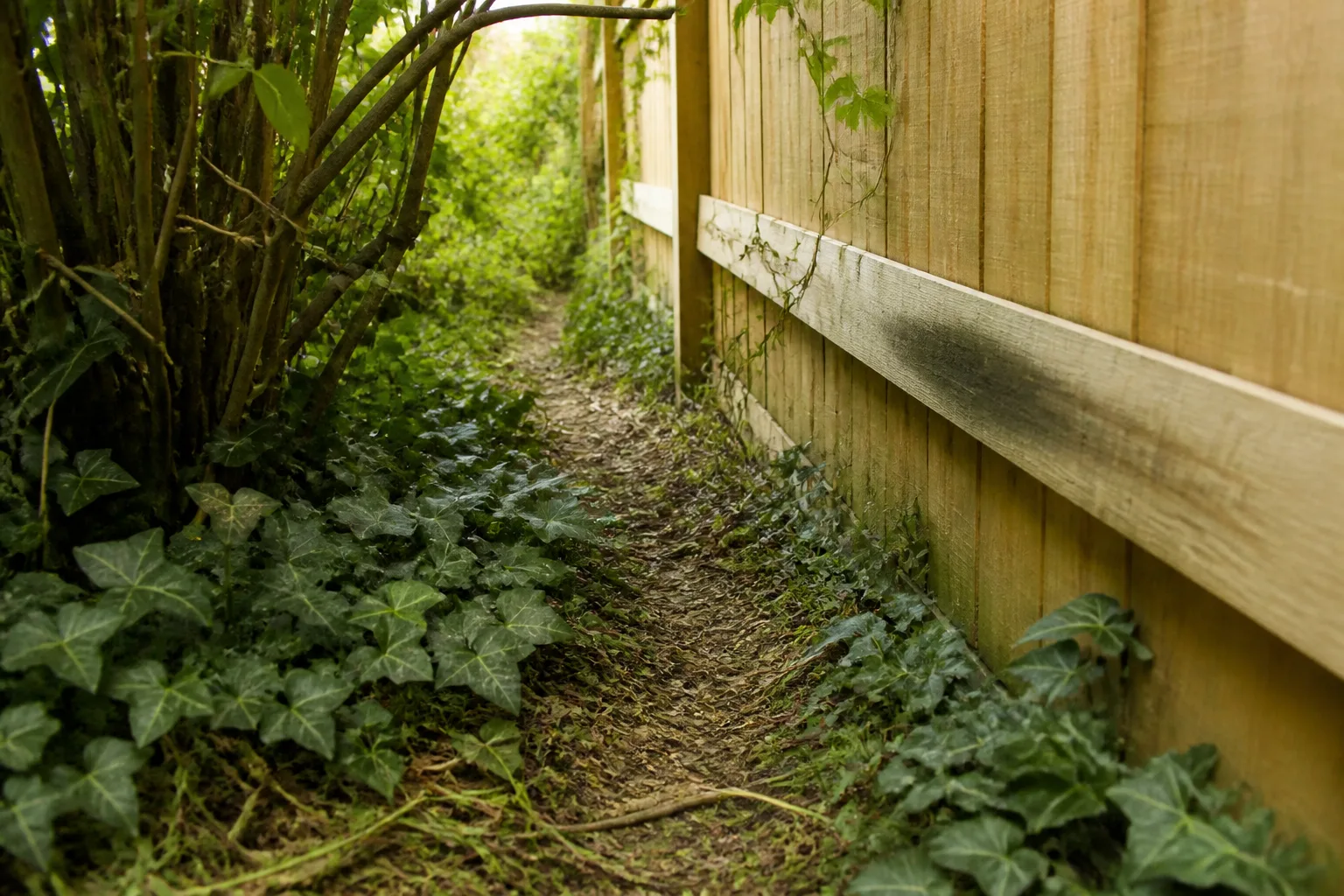
Firewood piles, brush, leaf debris, thick groundcover, ivy, low shrubs, and spaces beneath sheds can give rats shade and protection from predators. A tight passage between a hedge and a fence can become a covered travel route. Roof rats climb shrubs and vines toward elevated nests; Norway rats are more likely to burrow around foundations and under piles, though behavior overlaps.
Stack firewood neatly on a raised rack and, where your lot allows, keep it away from the house. Thin or lift dense plant growth next to the foundation so the wall is visible, and keep climbing vines from running directly onto siding, eaves, or vents. You do not need to remove every shrub or make a garden bare. Preserve useful habitat while reducing the protected strip that connects a food source, shelter, and an opening into the home.
The UC IPM rat guidance recommends sanitation and reducing dense vegetation that provides cover. A second useful perspective comes from Gardening Know How’s discussion of feeder placement: exposed routes can make a feeding area less comfortable for a cautious rat than a hedge-side buffet.
9. Gaps and Easy Routes Into the House
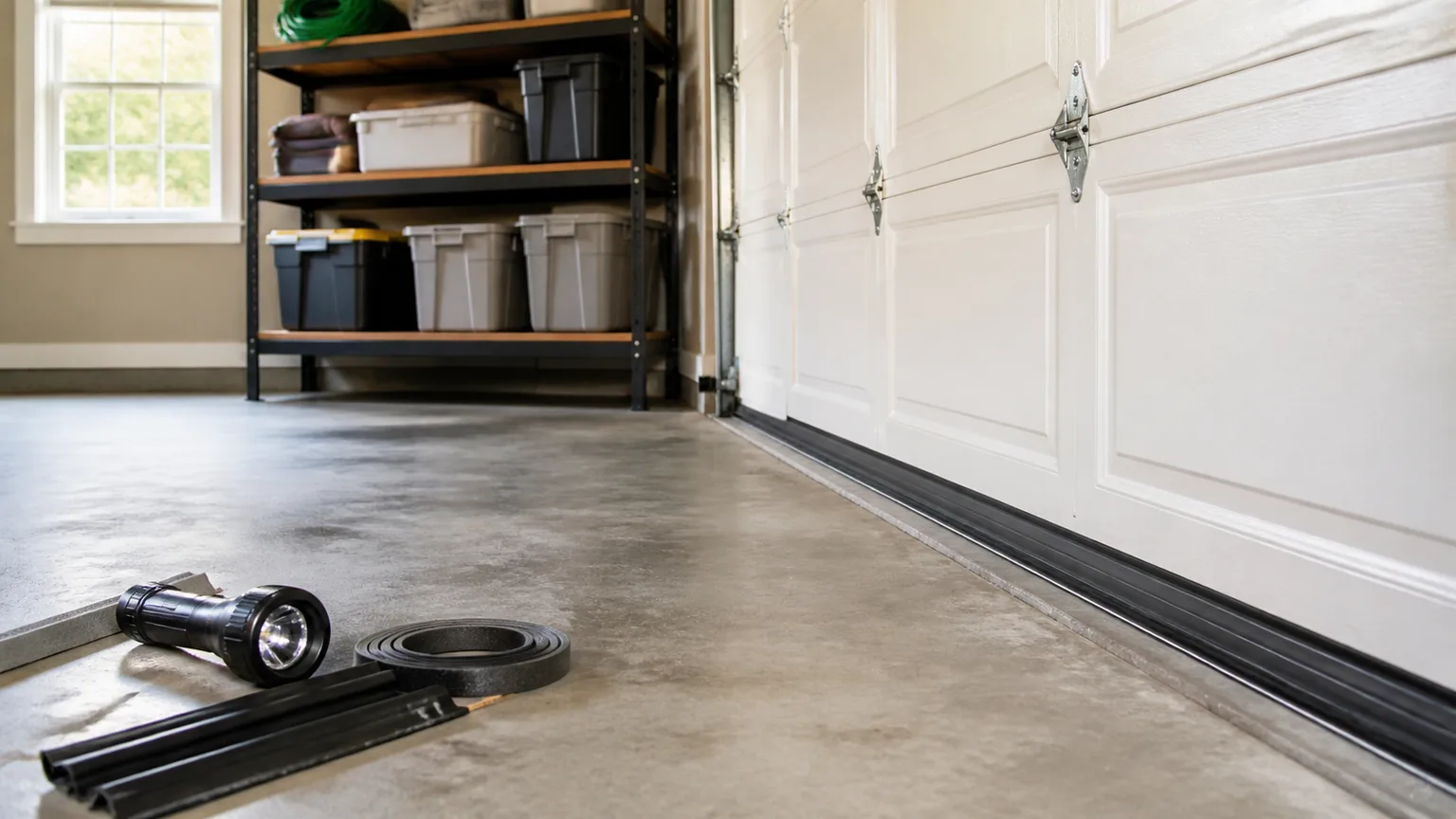
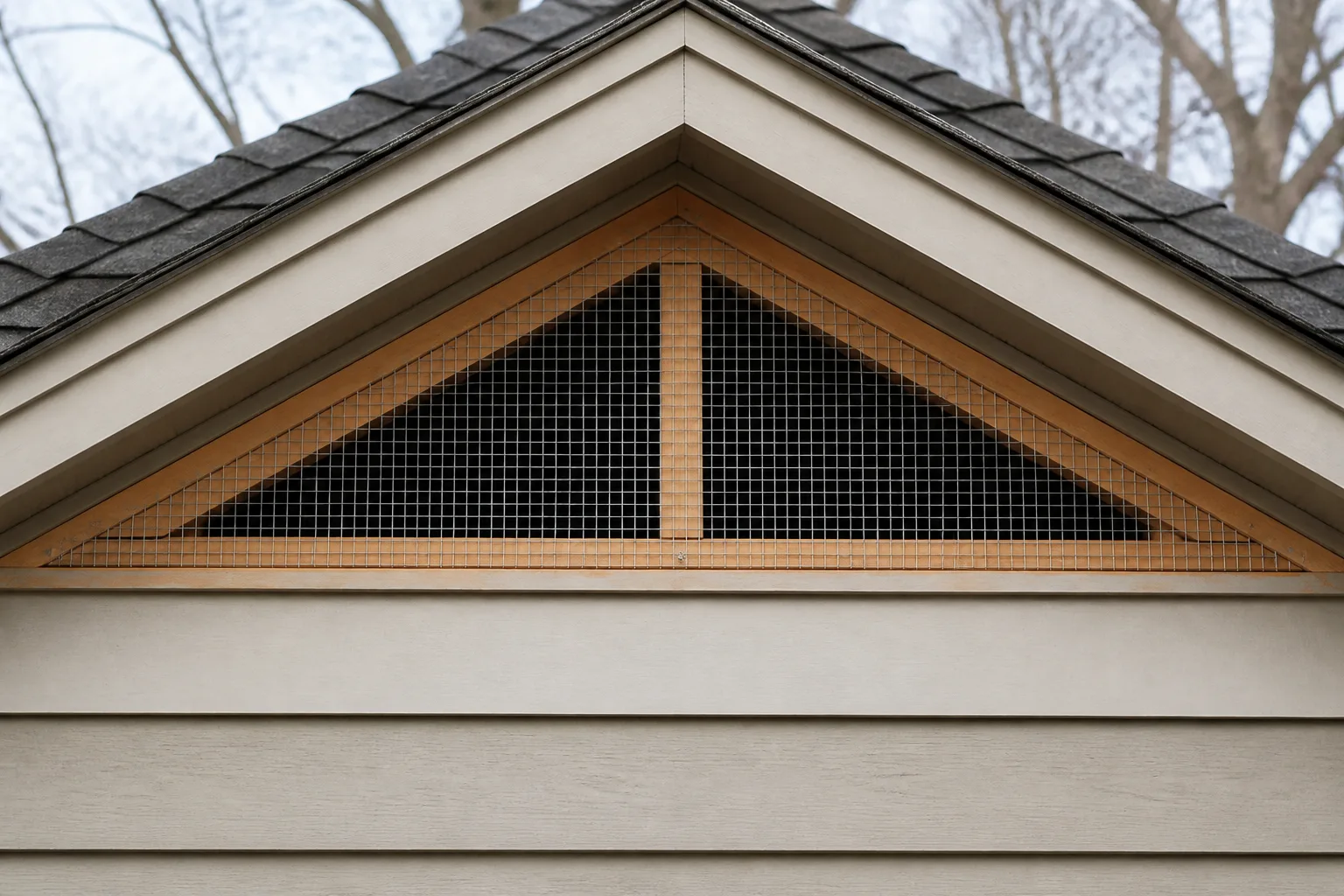
A rat does not need to be attracted by your living room if an opening gives it access to food, warmth, or an attic nest. Check gaps around utility pipes, foundation joints, garage doors, crawl-space covers, vents, roof edges, and damaged screens. Norway rats may burrow near foundations and enter at lower levels; roof rats are strong climbers and may use branches, fences, vines, or utility routes to reach eaves and attic openings. A young rat can fit through a smaller gap than many people expect.
Walk around the house in daylight and look from ground to roofline. Check door sweeps, pipe penetrations, vent screens, soffits, foundation openings, and where branches touch or nearly touch the roof. The CDC sealing guide recommends sealing gaps and holes, using steel wool with caulk for small holes and metal, cement, hardware cloth, or metal sheeting for larger ones. UC IPM cautions that rats can gnaw through materials such as plastic, foam, wood, and caulk, so a quick smear of foam alone may not be durable. Use a rodent-resistant repair appropriate to the opening and avoid blocking required ventilation.
If a hole leads into a wall, attic, or occupied space, confirm that no animal is trapped inside before sealing it. For roofline work, electrical or plumbing penetrations, and inaccessible voids, use a qualified professional rather than climbing or pulling apart building materials without the right equipment.
How to Tell Whether Rats Are Using Your Home
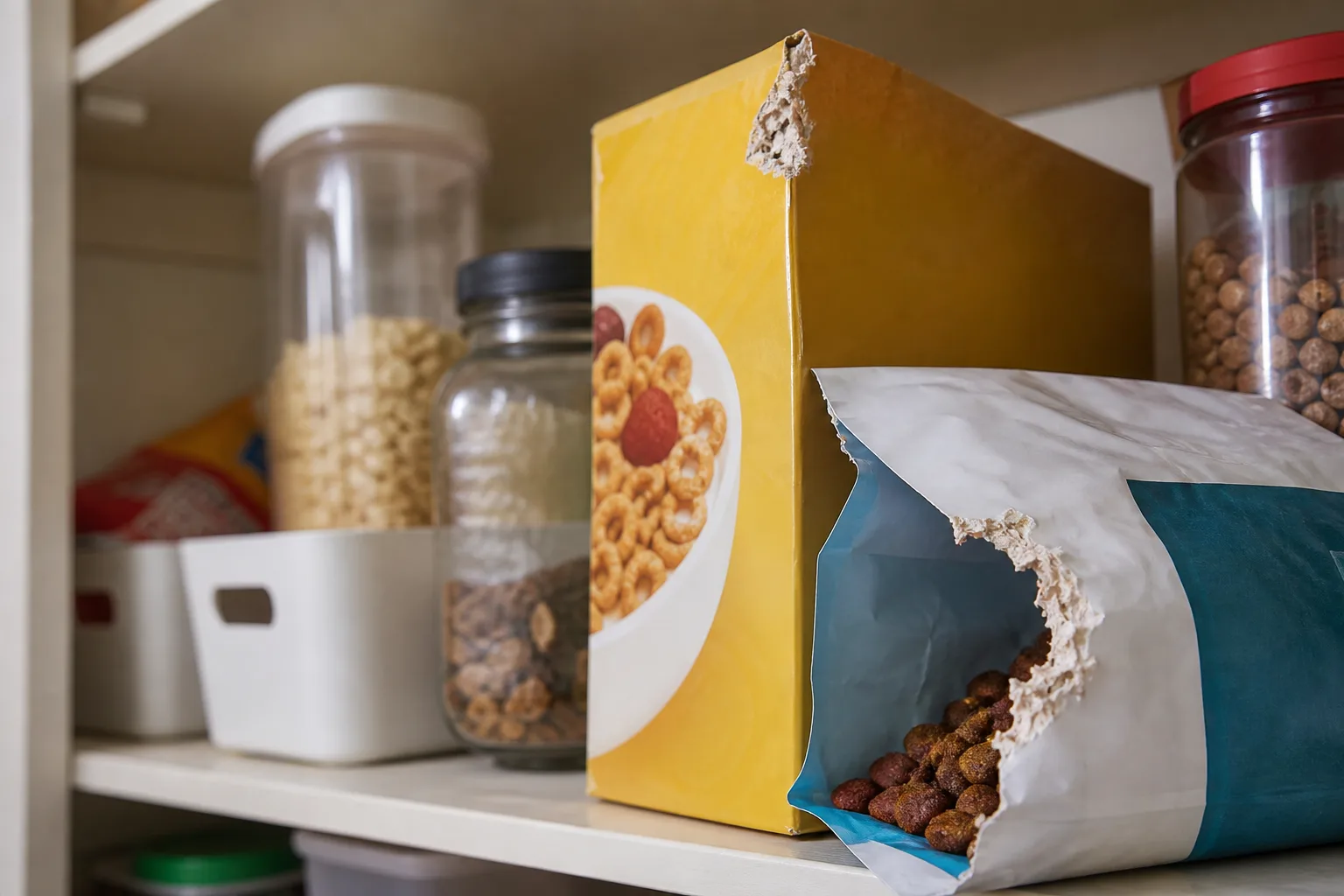
Look for more than one clue. Droppings in a pantry, garage, or near pet food; gnawed food packaging; shredded paper; a nest behind stored items; burrows near a shed or trash can; and repeated scratching sounds can point to rodent activity. Rats often travel along edges and protected paths, so inspect baseboards, fence lines, the back of appliances, attic access points, and storage corners. The CDC’s overview of rodent control identifies droppings and gnaw marks as common signs, but those clues do not by themselves tell you how many rodents are present.
If you see fresh signs, note the location and date. After cleaning a small area safely, check later for new droppings or damage; new signs suggest ongoing activity. Do not touch a rat, nest, droppings, or a dead rodent with bare hands. If you see a rat outdoors once, inspect nearby food and shelter but do not assume the animal lives in the house. If signs recur indoors, include entry points and hidden spaces in your assessment.
A Practical Rat-Prevention Plan
Start with the easiest sources to remove, then work outward:
- Tonight: bring pet food and bowls inside, close trash lids, wipe outdoor dining surfaces, and put bird seed and animal feed in sealed containers.
- This week: pick up fallen fruit, sweep beneath feeders, secure compost, repair drips, and clear loose debris beside the house.
- During an inspection: follow likely routes from a food source toward shelter; look for droppings, gnawing, burrows, and rub marks, then check both the foundation and roofline.
- After identifying openings: seal gaps with durable rodent-resistant materials while preserving vents and drainage.
- If signs continue: consult your local extension service, health department, or qualified pest professional about species-specific exclusion and control.
Keep the changes going. Rats can return when a lid breaks, fruit ripens, or a new gap appears. A weekly walk around the bins, feeders, garage, and foundation is often enough to catch a fresh problem before it spreads. If you share walls or a fence line with neighbors, coordinate trash and food storage; rats can travel between properties, so one household’s cleanup may not remove every nearby resource.
How to Clean Rat Droppings Safely
Rodent droppings and urine can carry disease. Do not dry-sweep or vacuum them; that can put contaminated particles into the air. For a small, accessible amount, wear rubber or plastic gloves, wet the waste thoroughly with an EPA-registered disinfectant or fresh bleach solution, allow the contact time on the label, and wipe it up with paper towels. Bag the waste and clean the surface with disinfectant, then wash your hands after removing gloves.
For a shed, cabin, or other closed space, the CDC’s rodent cleanup instructions say to open doors and windows for 30 minutes before cleaning and leave the area during that time. Heavy infestations, contaminated insulation, HVAC access, or a large nest are not routine wipe-ups; contact your health department or a pest-cleanup professional for guidance. Follow the disinfectant label, and never mix bleach with ammonia or other cleaners.
When to Call a Pest Professional
Get help when rats are repeatedly appearing indoors, activity is hidden in walls or ductwork, a roof or crawl-space entry is hard to reach, there is a large amount of droppings or contaminated insulation, or your own exclusion attempts fail. A professional can identify likely routes, distinguish a rat issue from mice or other wildlife, and make a plan that accounts for children, pets, wildlife, and building ventilation.
If you consider traps or rodenticide, read and follow the current product label. Keep traps and bait inaccessible to children and pets, and do not place poison where wildlife or scavengers can reach it. The UC IPM rat guide warns that rodenticides are toxic to non-target animals and that repellents have not been shown to solve a rat problem for more than a short time. For persistent or complicated activity, exclusion and a well-planned control program are safer than layering on unverified remedies.
Do Repellents Keep Rats Away?
Scented oils, mothballs, ultrasonic devices, and repeated loud noises are often marketed as easy fixes. They may briefly disturb an animal, but that is different from removing the food, water, shelter, and route that brought it there. Rats can become accustomed to repeated sounds, and odor repellents do not correct a hole in a soffit or a bag of seed left open. Avoid placing chemicals or strongly scented substances where children, pets, or wildlife could contact them.
The most dependable plan is integrated: make resources inaccessible, reduce protected nesting areas near the structure, seal entry points with appropriate materials, monitor for fresh signs, and use traps or other controls only as part of a safe, label-compliant plan. If you want to keep a bird feeder or compost pile, you can often do so by changing how it is stored, contained, and maintained instead of abandoning it.
Conclusion
Rats are drawn to accessible food, water, sheltered nesting places, and routes into buildings. Pet food, trash, bird seed, fallen produce, compost, leaks, clutter, firewood, dense cover, and unsealed gaps can turn a yard or house into an easy stop. Secure the attractants you can control, inspect for signs, and close entry points with durable materials. If you find droppings, clean them using current CDC guidance; call a qualified professional when activity is extensive or hidden. A consistent prevention routine is more useful than a quick scent fix.