Catnip Light Requirements: Sun, Shade & Indoor Tips
Catnip Light Requirements: Sun, Shade & Indoor Tips
Catnip Light Requirements: Sun, Shade & Indoor Tips
The quick answer for Nepeta cataria
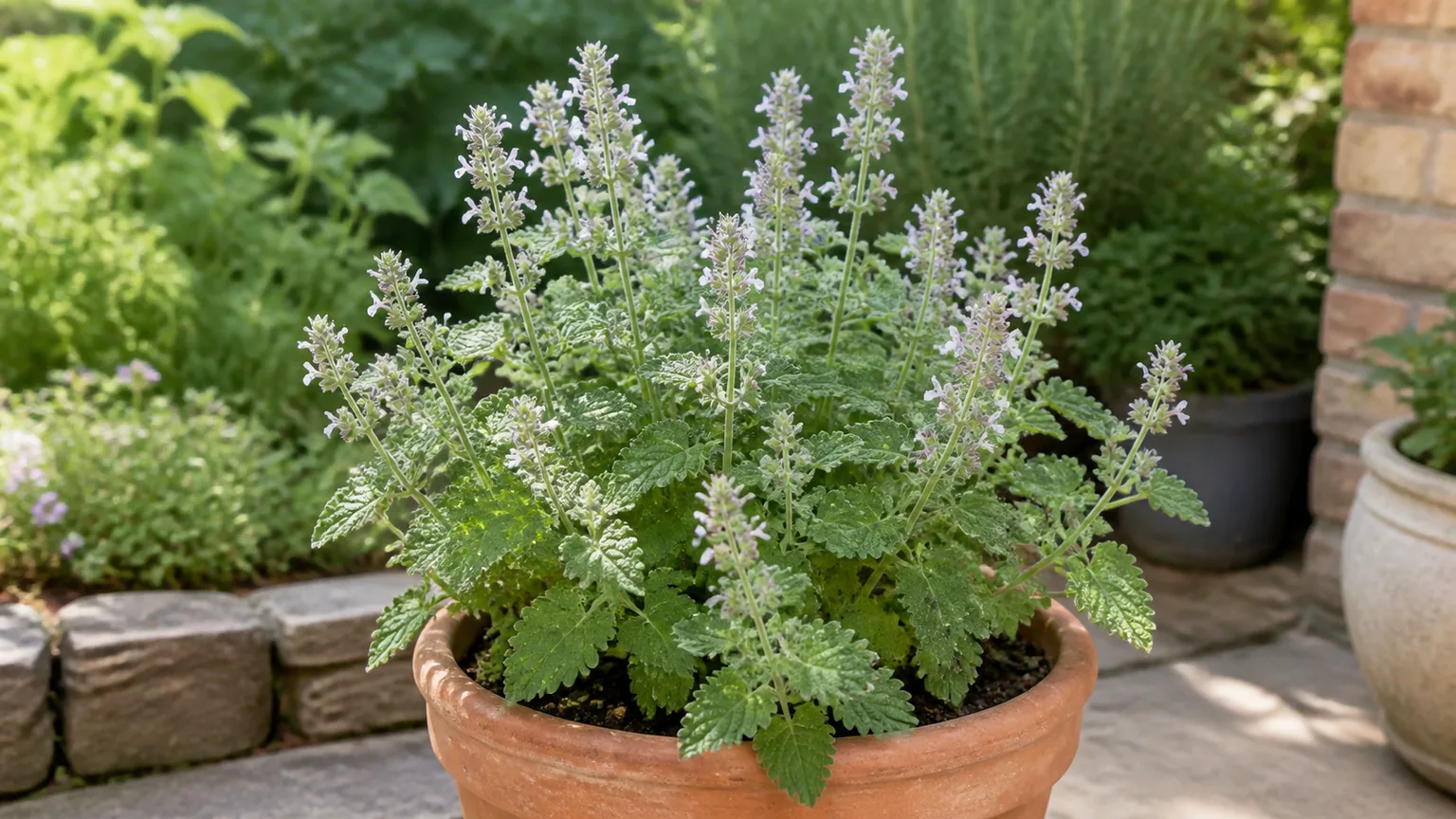
Catnip, or Nepeta cataria, grows best in full sun and can survive in partial shade. For a garden bed in mild weather, use about six hours of direct sun as a practical starting point; in hot or humid weather, protect it from the harshest afternoon exposure rather than moving it into deep shade. NC State Extension describes Catnip as suited to full sun through part shade, while UW–Madison Extension says it grows best in full sun and survives partial shade.
That distinction matters: “best in full sun” describes the preferred place for sturdy, productive growth, not a rule that every Catnip plant must bake in direct sun all day. If you are still choosing a setup, the Catnip overview summarizes the herb’s wider needs; this page focuses on how to place it and read its response to light.
How much direct sun does Catnip need?
Full sun is the safest default for an outdoor Catnip plant when the weather is not excessively hot. Horticulture sources describe the threshold differently: Gardener’s Path uses at least six hours of sunlight, while Epic Gardening recommends at least eight hours of direct light. Treat those figures as different practical targets, not proof that Catnip has one exact minimum that applies to every climate and growing setup.
In a mild growing season, aim for six or more hours of direct light and observe the plant over several weeks. If it stays compact, branches well, and flowers when mature, the position is likely working; extra hours are not automatically better if a pot becomes overheated or the leaves repeatedly wilt during the hottest part of the day. Catnip’s light needs are easier to judge by combining the sun it receives with the local heat, container size, and moisture checks.
Full sun and partial shade are both useful
Catnip’s preference for sun does not mean it cannot grow with some shade. Illinois Wildflowers describes Nepeta cataria in full or partial sun, and Gardening Know How also notes that Catnip tolerates partial sun. The difference is that a bright position usually supports a more compact clump, while shade is a useful adjustment where the sun itself is too hot.
The common name “catmint” can refer to other Nepeta species, including ornamental plants grown for their flower display. Check that a label says Nepeta cataria if you want true Catnip; the sun guidance here is based on species-specific profiles, not a blanket promise that every ornamental catmint responds the same way. UW–Madison Extension notes that several Nepeta species are collectively called catmints.
The best outdoor spot in India
In much of India, the challenge is not finding sun but balancing useful morning light with intense heat later in the day. North Carolina State Extension notes that Catnip is somewhat intolerant of heat and humidity and recommends afternoon shade in those conditions. That species profile makes partial shade a practical heat-management tool, not a sign that Catnip should be planted in a dark corner.
As a starting position in a hot city, try several hours of morning sun followed by bright, open shade during the hottest afternoon period. A balcony or terrace with clear morning exposure and some shelter from west-facing heat can work better than a dim indoor room; in cooler highland weather or during a mild season, Catnip can usually take a sunnier position. These are placement recommendations based on the species’ sun preference and heat sensitivity, so use the plant’s growth and the actual temperatures at your site to fine-tune them.
During humid monsoon weather, prioritize ventilation and drainage along with light. Keep a container under a bright, open-sided cover if repeated heavy rain leaves it saturated, but do not put it in a closed, dim room; the Catnip soil guide explains the drainage side of that choice. If the plant wilts only at midday, check moisture before deciding that it needs more water—the watering guide covers how to check the root zone.
Adjust light through the seasons
Keep Catnip in its brightest suitable place during mild weather and the cooler part of the growing season. During a heat wave, a brief shift into afternoon shade can reduce exposure to the harshest sun, especially for a small pot on a hot balcony or paved terrace. A plant growing in the ground may be harder to move, so choose a site that already gets some afternoon relief if your summers are persistently hot.
Cloudy weather does not mean you should immediately move the plant into a sunbeam that it has not been accustomed to. When brighter weather returns, check new growth and soil moisture, then increase direct exposure gradually. The point is to give the plant enough light across the season without turning a heat problem into a sudden sun-exposure problem.
Choosing light for a potted Catnip plant
A pot makes Catnip easier to move and contains a plant that can spread; UW–Madison Extension notes its short rhizomes and ready reseeding. MyGardenLife includes Catnip among herbs suited to containers, and mobility lets you try a sunnier or more sheltered location without digging up the roots. Pick a stable pot with drainage, then compare the plant’s response in each position for a week or two rather than shifting it every day.
On a hot balcony, heat can make light stress difficult to distinguish from watering stress. If leaves wilt during the hottest hours, check the mix and the pot before changing your overall sun target; if the plant remains stretched and leans toward the brightest side, try more direct light instead.
Can Catnip grow indoors?
Catnip can be grown indoors in a bright window, but it is an outdoor herb that needs stronger light than a typical low-light foliage plant. Epic Gardening suggests a south-facing window as its best indoor position and also mentions a west-facing window or a bright room in its Catnip growing guide. In India, test the actual window: an east-facing spot gives morning light, while a south- or west-facing window can also work if the leaves and pot do not become hot.
Put the plant close to the brightest window you can offer, with leaves receiving direct or very bright light for part of the day. If the stems start leaning toward the glass or become long between leaves, rotate the pot and move it closer to the light source if temperatures there remain comfortable. Gardener’s Path recommends rotating indoor Catnip to limit bending and legginess.
If you mainly want a leafy plant in a shaded room, Catnip is a poor match; use an outdoor container or add a grow light instead. The Catnip propagation guide can help if you are raising seedlings and need to move them from a nursery tray into a brighter permanent position.
Use grow lights as a practical supplement
A grow light can supplement a dim window or provide a controllable source when outdoor placement is not available. Choose a horticultural LED that covers the plant rather than a decorative lamp, set it according to the fixture’s distance and timing guidance, and put it on a timer so the daily schedule stays consistent. Avoid letting a hot fixture touch the leaves, and leave room for new stems to grow into the lit area.
Light intensity changes with distance, so the same lamp can be useful close to the canopy and too weak farther away. UW–Madison Extension’s indoor-lighting resource explains light measurement and ways to estimate it with a smartphone meter; use any phone reading as a comparison between spots, not as a Catnip-specific pass/fail threshold. If the plant grows steadily and does not stretch toward the window, keep the setup; if it remains leggy, bring the light closer within the manufacturer’s safe range or add more natural light.
Give seedlings bright light after germination
New Catnip seedlings need a bright position once they emerge so their stems do not stretch while they develop. A sunny window can work, and Gardener’s Path recommends grow lights or a sunny window for young Catnip. Epic Gardening advises 10 to 12 hours of bright direct light for seedlings in its seed-starting section; treat that as one grower’s practical schedule rather than a guarantee for every lamp or window.
Keep seedlings close enough to the source to receive good light without allowing the tray to overheat or dry out. Turn the tray if growth leans strongly in one direction, and move young plants outdoors only after gradual exposure to the brighter conditions they will face there. The Catnip propagation guide covers sowing and transplanting; this section is only about keeping the new growth from becoming weak in a dim spot.
Signs Catnip is not getting enough light
The clearest light-related clue is elongated, sparse growth: stems lengthen, the plant leans toward a window, and the spaces between new leaves become more noticeable. Epic Gardening identifies leggy growth as a problem for Catnip and connects it with insufficient light in its light-stress guidance. Before moving the plant, check that it is true Nepeta cataria and not a different plant sold under the broad name catmint.
Move a leggy plant closer to the brightest suitable source or outdoors into morning sun, then watch the new growth rather than expecting old stems to shorten. Pinching can improve the plant’s shape once it is actively growing, but pruning cannot compensate for a dark position; the Catnip fertilizer guide also explains why feeding should not be the first response to weak, stretched growth. A plant’s older leaves may not regain a compact shape, so judge the adjustment by the stems that form next.
Tell excess sun from heat or watering stress
Too little light tends to produce stretched, leaning stems over time; if leaves wilt during the hottest hours, especially in a container against a warm wall or behind glass, treat heat as one possible cause. A pale, dry patch on the sun-facing side can be a reason to try more afternoon protection, but leaf damage alone does not prove sunburn. Check whether the mix is very dry, whether the pot is hot, and whether damage is confined to the most exposed leaves before changing the setup.
Because Catnip tolerates partial shade, you can test a lower-risk change: give a hot pot bright afternoon shade for several days while preserving morning sun. If the plant stops wilting at midday and new leaves look healthy, keep that position through the hot spell; if it continues to stretch, gradually increase light again. Extension guidance supports afternoon shade under heat and humidity, but no single leaf symptom can identify the cause on its own.
Acclimate Catnip before increasing sun
Do not take a plant that has been indoors or in shade and place it straight into a full day of intense outdoor sun. Move it outside to a sheltered bright spot first, then add direct morning light in stages over one to two weeks while checking leaf condition and pot moisture, as Gardener’s Path advises when hardening off Catnip. On hot, clear days, keep the first exposure shorter and postpone the next increase if the plant wilts or develops new bleached patches.
Seedlings and recently moved plants need the gentlest transition because their leaves have formed under a different level of light. A mature outdoor Catnip clump may tolerate sun well, but a plant grown behind glass can still be unprepared for direct midday rays. Use shade cloth, a verandah, or the dappled edge of a balcony as temporary protection, then settle on the brightest position the local heat allows.
Light mistakes that slow Catnip down
The first mistake is treating partial shade as a permanent low-light solution. Catnip may survive part shade, but a deep indoor corner is unlikely to give it the bright exposure associated with compact growth; use a better window or grow light if the plant starts stretching.
The opposite mistake is insisting on all-day direct sun during a hot spell because a care page says “full sun.” Full sun is a useful baseline in moderate conditions, while the NC State profile’s note about heat and humidity explains why afternoon relief can be sensible in a hot site. Also avoid reacting to midday wilt by increasing both water and sun at once: check the root zone, shift the pot if necessary, and change one factor at a time.
When light is not the main problem
Slow growth, yellowing, or leaf loss can come from causes other than light, including root crowding, waterlogged soil, drought, or a recent move. If Catnip is short and yellow rather than stretched, check drainage and moisture before moving it into harsher sun. For prolonged wetness, compare the Catnip soil guide and watering guide before changing the exposure.
Look at the pattern as well as the leaf color. A plant that leans toward a window points more clearly to a directional light gap than a plant with soggy soil and drooping stems; a container that dries unusually fast may also be stressed by heat. If roots have filled the pot or the plant wilts despite a sensible position, the Catnip repotting guide is the next place to check.
When to use this page vs other Catnip guides
Use this guide when you are choosing where Nepeta cataria should grow, deciding whether afternoon shade is appropriate, or correcting a plant that is stretching toward light. It helps you assess exposure and make one measured adjustment, especially when indoor windows, balconies, and hot afternoons create competing conditions.
Use the Catnip overview for the full care picture, the watering guide for dry or wet soil questions, and the soil guide for drainage. The fertilizer guide covers feeding, while the propagation guide explains starting and transplanting new plants; neither replaces the light check when stems are thin and leaning.
Related Catnip guides
- Catnip overview: identity, growing habit, and a whole-plant care routine.
- Catnip watering guide: how to check the root zone before responding to wilt.
- Catnip soil guide: choose a draining bed or container mix.
- Catnip fertilizer guide: decide whether weak growth needs feeding or another fix.
- Catnip repotting guide: assess a crowded container that dries too quickly.
- Catnip propagation guide: grow seedlings and move them into brighter conditions.
Conclusion
Give Catnip bright outdoor light, with full sun as the default in mild weather and some afternoon relief when heat and humidity make exposure harsh. In India, start with morning sun and bright shade during the hottest hours, then adjust from the plant’s new growth and a check of the soil rather than applying one sun-hour number everywhere.
For indoor plants, choose the brightest practical window or supplement it with a grow light; long, leaning stems are a useful sign to increase light. Catnip can tolerate partial shade, but it is not a good choice for a persistently dim corner, and hot midday wilt should prompt a check for heat and water stress before you change the light again.