Catnip Watering Guide: Moisture, Pots & Dry Spells
Quick answer
Keep newly planted Catnip evenly moist while it establishes. Once rooted in, it is fairly drought tolerant: water when the root zone has dried during a prolonged dry spell, and water potted plants when the upper layer of mix is dry. Always let excess water drain.
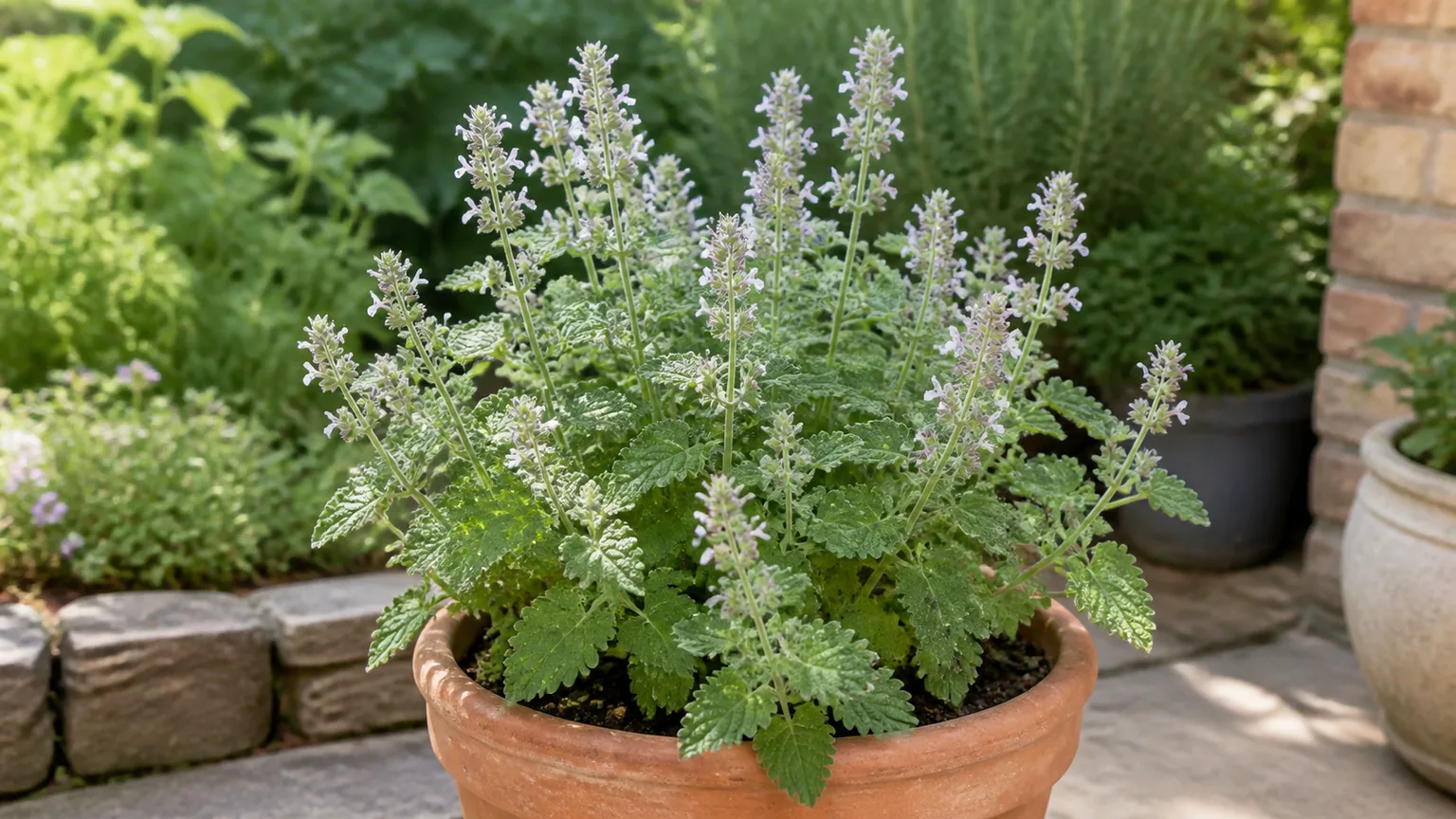
Catnip Watering Guide: When and How to Water Nepeta cataria
Catnip Watering Guide: When and How to Water Nepeta cataria
Catnip (Nepeta cataria) needs a different watering rhythm after it settles in than it does just after planting. Keep a new plant evenly moist as its roots establish; later, let the soil begin to dry and water during extended dry weather. Catnip grows best in average, well-drained soil, and established plants tolerate drought, so keeping the root zone wet all the time is unnecessary. Wisconsin Extension describes Catnip as fairly drought tolerant once established, while Illinois Extension recommends moist but well-drained soil.
The practical rule is to check the root zone before watering. A sunny garden bed, a young transplant, and a small terracotta pot can all dry at different rates. Your Catnip care guide and soil guide explain the plant’s well-drained growing conditions; this page focuses on deciding when to add water and how to deliver it without leaving the roots saturated.
How much water Catnip needs
Catnip is a herbaceous perennial in the mint family. It grows in full sun and average, well-drained soil; its size also responds to soil moisture and fertility. That does not mean it needs constantly wet ground. Wisconsin Extension’s Catnip profile says the species is fairly drought tolerant once established. NC State’s Nepeta page gives broader genus guidance on drought tolerance after establishment and good drainage. It covers several species and hybrids, so use it for general Nepeta context rather than as a fixed schedule for N. cataria.
For a new transplant, prioritize steady moisture while it is developing roots. Check the original root ball and nearby soil because the nursery plug may dry sooner than the surrounding bed. Once the plant is visibly established and growing, ease back: water when the root zone has dried during a prolonged dry spell. Iowa State Extension recommends checking soil moisture rather than following a calendar and advises closer attention to recently planted perennials than to established ones. Apply that general perennial advice alongside Catnip’s species-specific drought tolerance, not as a Catnip-only formula.
In a container, the small volume of mix dries faster than a garden bed. Container material, pot size, sun, wind, and temperature all change the interval. A terracotta pot can dry sooner than a glazed or plastic pot, and warm, dry conditions speed evaporation. Illinois Extension’s container guide recommends checking the upper inch of mix and watering thoroughly when it is dry; it also notes that warm weather and porous pots can increase how often you need to check. Check more often in those conditions, but let the mix—not the calendar—tell you when to water.
Check the soil before you water
Use a simple moisture check instead of relying on a wilting leaf or a recurring weekday reminder.
- In a garden bed, check below the surface. Feel the soil about 1 to 2 inches down near the root zone. If it still feels cool and moist, wait and check again later. If it is dry at that depth and rain is not expected, water the plant.
- In a pot, check the mix and the pot’s weight. Press a finger about an inch into the mix. A dry top layer is a useful cue, but also notice whether the pot feels lighter than it did after watering. A large, established clump may still have moisture deeper down.
- Check the original root ball of a recent transplant. The surrounding bed can look damp while the compact root ball is dry, or the reverse. Probe gently in both areas before deciding.
- Account for rainfall and shelter. A plant under an eave may receive little rain even during a storm. An exposed bed may have been thoroughly soaked. Feel the soil instead of estimating from the weather forecast alone.
Iowa State Extension suggests checking garden soil 1 to 2 inches deep and watering only when it is dry. For containers, Illinois Extension describes the top inch as a practical check and cautions that different plants and pot conditions do not follow one universal timetable. These are starting points: use Catnip’s preference for drainage and its established drought tolerance to avoid watering a bed that is still wet.
Water Catnip in a garden bed
When an established plant needs water, apply it slowly at the base so it reaches the root zone instead of running off the surface. A thorough watering followed by a period of drying is more useful than repeated light sprinkling that wets only the top layer. Iowa State Extension recommends directing water to the root zone and adjusting irrigation to soil moisture and weather. For Catnip, let rainfall count toward that moisture and supplement mainly when a dry period has actually dried the soil around the roots.
New transplants need a closer watch than established clumps. During the first weeks after planting, inspect the root ball regularly; wind, direct sun, and a warm planting site can dry it even if the rest of the bed seems moist. Water when the root ball begins to dry, then allow the excess to move through the surrounding soil. Do not keep adding water to a heavy, muddy planting hole. If water pools after irrigation or remains there for a long time, improve drainage or move the plant rather than increasing the frequency.
Once roots have spread into the bed, gradually reduce supplemental watering. A mature Catnip plant can tolerate a dry spell better than a newly planted one. During an unusually long hot period, check the root zone and water if it is dry; during ordinary weather, a quick visual check of the leaves is not a reason to irrigate a moist bed.
Water Catnip in a pot
Choose a pot with open drainage holes and a potting mix that drains freely while holding enough moisture for roots to use. Wisconsin Extension confirms that Catnip can be grown in containers, but the container’s limited soil volume means it needs more frequent monitoring than a plant in the ground. Keep the pot in a bright location suited to Catnip’s light needs; use the light guide if you are deciding between full sun and afternoon shade in a hot spot.
When the upper inch of mix feels dry, water slowly over the surface until water runs from the drainage holes. This wets the root ball more evenly than a small sip at the stem. Empty water from the saucer or cachepot after it drains. University of Minnesota Extension notes that container size, material, and hot weather affect water demand, and warns against leaving containers in retained water. The goal is a complete drink followed by free drainage, not a pot that stands in water.
Check small containers and unglazed terracotta more often in hot, sunny, or windy weather. They may dry faster, but don’t assume that every warm afternoon requires watering. Large plastic or glazed pots can stay moist longer. If the pot is newly planted, the mix is fresh, or the Catnip is resting after flowering, its water use may differ from a large, actively growing plant. Let actual moisture decide.
If a potting mix becomes so dry that it shrinks away from the pot wall, water may run down the gap without wetting the root ball. Illinois Extension explains that very dry soilless mix can be hard to rewet. Apply water in several slow passes. If it still bypasses the mix, briefly set the pot in a shallow basin so the mix can absorb water through its drainage holes; then lift it out and let it drain completely. Do not leave the pot soaking as a routine.
Adjust watering through the seasons
During active spring growth, pay closer attention to a plant that was divided, moved, or recently planted. An established clump in the ground generally needs supplemental water only when weather has been dry enough to dry the root zone. In summer, heat, sun, wind, and small containers can shorten the time between checks. Increase the frequency of checking, not the amount of water automatically. Iowa State Extension distinguishes recently planted perennials, which need closer monitoring, from established ones.
During rainy or humid periods, check the soil before adding more water. If a pot is outside, move it under shelter if repeated rain leaves the mix saturated, and make sure the drainage holes are not blocked. If Catnip is grown in a region with a monsoon season, rainfall and humidity may keep a pot wet longer than a hot-season schedule suggests. Check the mix; do not keep a calendar schedule through changing weather.
Catnip is a perennial that can die back to the ground in winter in cold climates. When top growth slows or disappears, the plant uses less water. Keep a container from becoming bone dry for long periods, but do not keep dormant roots in soggy mix. Wisconsin Extension describes Catnip’s seasonal dieback and established drought tolerance; adjust the moisture check to the plant’s growth rather than continuing its summer routine.
Tell thirst from excess water
Dry soil together with a light pot and limp foliage can support an underwatering diagnosis. Water thoroughly, let the pot drain, and see whether the plant recovers as the root ball rehydrates. A single wilted leaf is not enough evidence: hot sun can temporarily soften foliage, and roots damaged by wet soil may also fail to supply water even while the pot feels heavy.
If the mix remains wet, the pot feels heavy for days, or water collects in the saucer, pause watering and check drainage. Yellowing, weak growth, and persistently wet mix can have several causes, so don’t treat every yellow leaf as proof of root rot. Review the Catnip soil guide and compare symptoms with the yellow-leaves guide, wilting guide, or root-rot guide. The underwatering guide covers the opposite pattern. If the symptoms remain unclear, use the plant problem diagnosis tool and check the root zone before changing several conditions at once.
Watering mistakes to avoid
- Watering by the same weekday schedule all year. Pot size, rainfall, soil, temperature, and establishment stage change how fast Catnip dries. Check the soil first.
- Keeping the mix wet because the plant is an herb. Catnip does best with drainage and tolerates dry spells after establishment; waterlogged mix is not a substitute for evenly managed moisture.
- Giving a container only a small splash. A little water may wet the surface and leave deeper roots dry. Water until some drains, then empty the saucer.
- Using leaf droop as the only signal. Heat, roots, and water stress can all affect foliage. Check the soil and pot weight before watering.
- Letting a new transplant dry sharply. A plant still establishing roots needs closer checks than a mature garden clump.
For healthy Catnip, use a moisture check, water the root zone when it needs it, and let the excess drain away. That balance supports a new transplant without making an established, drought-tolerant perennial live in saturated soil.