Fig Repotting Guide: When & How to Repot
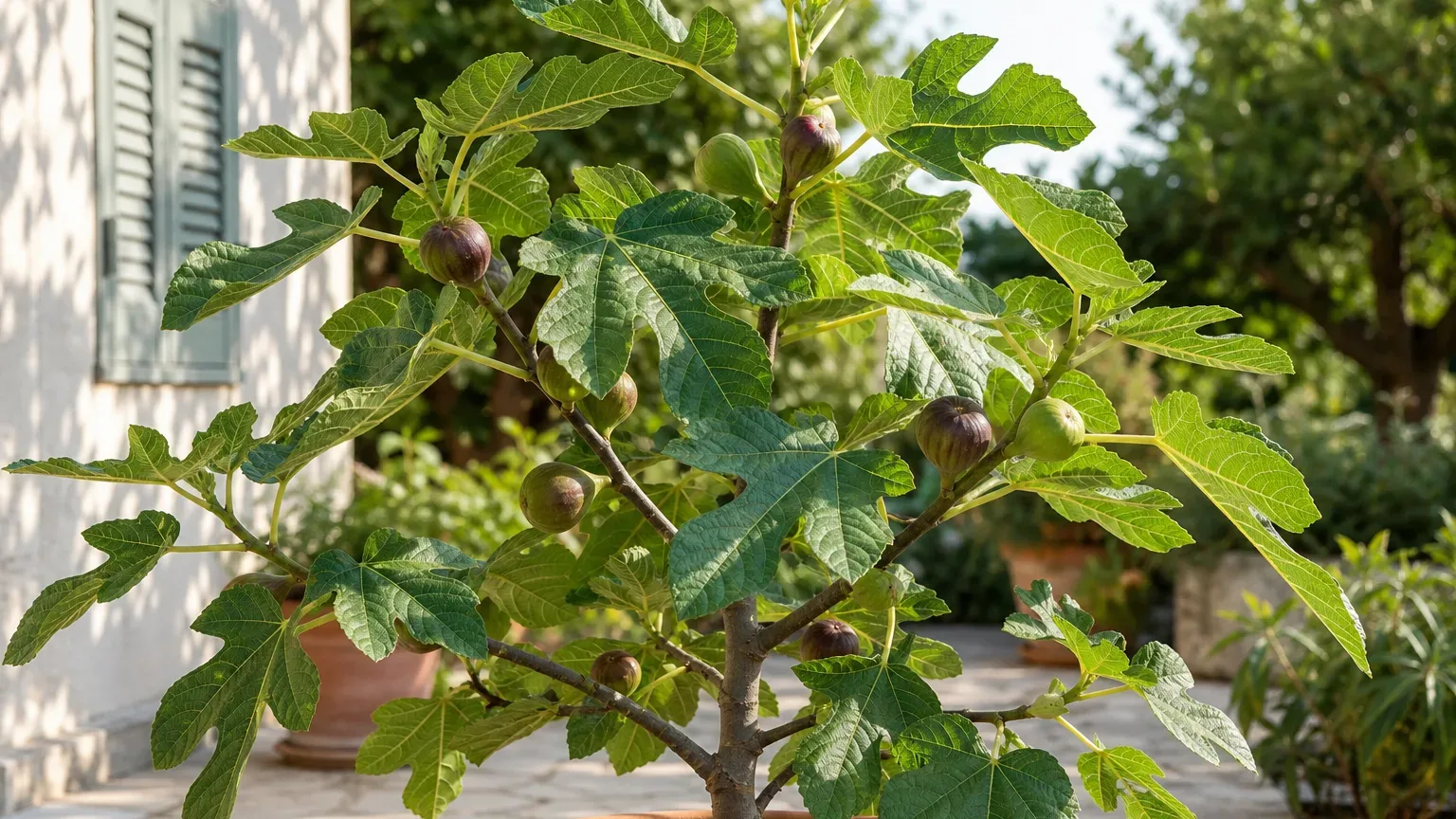
Fig Repotting Guide: When & How to Repot
Fig Repotting Guide: When & How to Repot
Repotting a common fig is not the same job as refreshing a pothos. Ficus carica is a deciduous fruiting tree — not the evergreen indoor rubber plant people picture when they hear Ficus — and it often fruits better when its roots stay slightly confined. The goal of repotting is to refresh tired mix, correct drainage problems, and give a young plant modest room to grow without turning a productive terrace tree into a leafy monster that skips fruit.
This guide covers when to repot, how much to upsize, what mix to use, and how to recover calmly after the move. If your fig dries out in a day, sheds fruit while the soil stays wet, or has not put on new shoots despite strong sun, start here before you reach for fertilizer or prune harder.
Why Repotting Figs Is Different From Houseplant Repotting
Most houseplant advice assumes bigger pots and freer roots always help. Figs break that rule. In the ground, a common fig can reach 10 to 30 feet tall and wide, but container growers — and many commercial training systems — deliberately limit root run to shift the plant from vegetative growth toward fruit production. The RHS notes that restricting roots reduces vigorous leafy growth and helps figs focus on cropping.
That does not mean you never repot. It means you repot on a schedule tied to root health and mix quality, not on autopilot every spring with the largest pot you can carry upstairs. A fig that has outgrown its drainage, lost structure in the mix, or cannot hold moisture evenly needs fresh soil and possibly a slightly larger container. A fig that is fruiting well in a tight pot may only need top-dressing.
Root Restriction Drives Fruiting, Not Just Size
Root restriction is a fruiting strategy, not neglect. When roots fill a container, the plant receives hormonal signals that encourage reproductive growth over unchecked shoot extension. Upsize too aggressively and you often get a burst of leaves and water-hungry wood while fruit set lags. Stay too long in exhausted, salty, or waterlogged mix and roots suffocate — the restriction becomes damage, not discipline.
The practical balance: repot young figs every one to two years with modest upsizing, then shift to same-pot refreshes with light root pruning once the container is as large as you can move or store. Mature specimens kept at a fixed size can live years between full repots if you top-dress and prune for structure annually.
Signs Your Fig Needs a Bigger or Fresher Pot
Lift the plant out of its pot once a year in late winter — even in years you decide not to repot — and look at the root ball with daylight behind it. Healthy fig roots are firm and pale, with white tips on actively growing specimens. Repotting is due when several of these signs stack up.
Roots circling densely around the bottom or sidewalls, or growing out through drainage holes, mean the current volume is maxed out. Water that runs straight through without wetting the center of the root ball is another classic signal: old peat or compost has collapsed and channeling has started. If the pot dries within a day during moderate weather despite your normal watering routine, the root mass has outpaced the reservoir.
Stalled shoot growth in a sunny spot — with no obvious pest damage and no hard winter dieback — often traces back to a root zone that cannot hold air and moisture at the same time. Yellowing leaves while the mix stays wet point toward root stress; confirm by inspecting roots rather than adding fertilizer. For a full picture of how mix structure affects roots, see the Fig soil guide.
Best Season to Repot a Container Fig
Time the job for late winter to early spring, just before buds swell and new leaves expand. In temperate climates the RHS recommends repotting container figs in March every couple of years. That window lets roots heal in cool soil while the plant is still dormant or barely waking, so energy goes to root establishment instead of supporting a full canopy in summer heat.
In India and similar warm regions, aim for late February through March in most zones — before the strongest pre-monsoon flush — or immediately after leaf fall if your local winter is mild and the plant is fully dormant. Avoid repotting during peak summer heat or while figs are actively swelling on the branch; both stress a tree that already spends enormous water on fruit. If you must delay, top-dress and wait for the next cool window rather than forcing a midsummer transplant.
Bare-root planting of dormant field-grown figs follows the same logic: UF/IFAS notes that bare-root figs plant best in late winter or early spring, while container plants can technically go in any season — but cool, cloudy weeks still produce the gentlest recovery.
Choosing the Right Pot Size
Start young figs in a pot roughly 30 cm (12 in) wide and deep, as the RHS advises for first container plantings, using a soil-based or quality loam-heavy mix. Each time you upsize, move to a container only slightly larger — about 2.5 to 5 cm (1 to 2 in) wider and deeper than the previous one for pots under 25 cm, per general RHS repotting guidance. That conservative step protects fruiting habit and keeps the finished tree movable on a terrace.
Drainage holes must stay open. A fig in a decorative cache pot without holes is a short path to root rot. Choose terracotta if you tend to overwater — it dries faster — or a lighter plastic composite if you move the plant indoors for winter. Weight matters once you reach 40–50 cm pots; plan the final size against your balcony load limit and doorway width before you invest in a permanent tub.
When to Stop Upsizing and Root-Prune Instead
There comes a point when a larger pot is impractical. At that stage, repot into the same container: remove the tree, shake or wash away loose old mix, trim circling roots lightly with clean pruners, and refill with fresh soil. The RHS describes this refresh for figs that can no longer move up in size. You are trading a growth spurt for another two to three productive years in a stable footprint.
Do not bare-root aggressively unless you are experienced. Remove the outer 1 to 3 cm of matted roots and any black, mushy sections. Healthy trim smells like soil; rotten roots smell sour. After a hard trim, reduce top growth slightly so the canopy matches the smaller root volume — but save major structural pruning for the dedicated pruning guide once the plant has settled.
Soil Mix for Repotting Figs
Figs want organically rich, moisture-retentive, well-drained soil — the same profile NC State lists for Ficus carica. A practical repotting blend for containers:
- 50% quality potting mix or loam-based compost
- 25% finished compost
- 25% perlite, pumice, or coarse bark
That mirrors the LeafyPixels fig profile: enough body to hold water through a hot afternoon, enough porosity to drain after a deep soak. Neutral to mildly acidic conditions (roughly pH 6.0–7.0) suit most cultivars; avoid heavy clay or strongly alkaline mixes common in some Indian garden soils without amendment.
Soil-based composts with real loam last longer in large tubs — often three to four years before structure collapses — which is why the RHS favors them for woody fruit in pots. If you only have peat-free multipurpose compost, extend life with extra bark and plan more frequent top-dressing. Do not repot into straight garden soil from the yard; it compacts in pots and invites nematode and drainage issues noted on Missouri Botanical Garden culture sheets.
Step-by-Step: How to Repot a Fig Tree
Work on a tarp outdoors or in a garage you can hose down. A mature container fig is awkward — enlist help before you discover mid-lift that the root ball weighs more than expected.
Prep, Lift, and Inspect the Root Ball
Water the fig two to three days before repotting so the root ball holds together but is not soggy. Gather a new pot (if upsizing), fresh mix, slow-release fertilizer only if your fertilizer plan calls for it at repot time, gloves, and clean pruners. If the plant is fan-trained against a wall, untie ties first.
Tip the pot on its side and slide the root ball out. If it sticks, run a knife around the inside edge — never yank by the trunk. Examine the bottom for circling roots and cut any that spiral at the surface. Note odor and color: firm tan roots are healthy; black, slimy sections need removal back to clean tissue.
Tease Roots and Set the Plant at the Right Depth
Place a layer of fresh mix in the new pot and position the fig so the previous soil line sits slightly below the rim, leaving room to water without overflow. Tease outward-facing roots gently with your fingers; slash only the worst circling mats. Fill around the sides in stages, firming lightly with your knuckles to remove large air pockets without compressing the mix into concrete.
Water thoroughly once to settle soil, then add more mix if a sinkhole appears. Stake only if the tree wobbles; remove the stake once new root hairs anchor the plant — usually within a few weeks in warm weather.
Post-Repot Care and Watering Adjustments
The first two weeks after repotting are about stable moisture and reduced demand, not pushing growth. Keep the fig in bright light but out of harsh midday sun for three to seven days if you repotted during a warm spell. Water when the top 2–3 cm of new mix dries, then soak until excess drains — the same finger-test logic as everyday fig watering, but expect the timeline to shorten slightly while roots explore fresh soil.
Hold fertilizer until you see new leaf buds opening or at least three weeks of settled watering, whichever comes later. Overfeeding a stressed root system burns tender root tips. Some leaf wilt right after repotting is normal; persistent wilting with wet mix means rot — ease back on water and improve airflow. If you removed a large fraction of roots, shade lightly and delay fruit expectations for the current season.
Container figs overwintered indoors — common in cooler climates per MBG container guidance — should be repotted before you move them back outdoors for the season, not during the dark indoor months when evaporation is low.
Top-Dressing Between Full Repots
In years between full lifts, top-dress instead of upsizing. In late winter, scrape away the top 3 to 5 cm of old compost — including any crusted fertilizer salt — and replace with fresh mix blended as above. Top-dressing renews nutrients and surface structure without disturbing fruit buds forming near branch tips.
Pair top-dressing with a light organic mulch on in-ground restricted plantings; container growers can skip mulch that blocks drainage holes. If you top-dress two years running and still see circling roots at the surface, schedule a full repot the following spring.
When Not to Repot Your Fig
Skip repotting when hard green figs are swelling on the branches unless the plant is clearly declining — fruiting trees resent root disturbance at peak load. Also postpone during extreme heat, active dormant winter stress indoors with low light, or immediately after a heavy pest infestation until new healthy leaves appear.
Do not repot purely because the calendar says spring if the plant is thriving, fruiting, and the mix drains well. Figs are not philodendrons; unnecessary upsizing often costs you a crop year. If roots are healthy and water behavior is normal, top-dress and monitor.
Finally, never repot as a rescue for chronic overwatering without fixing the underlying habit. Fresh mix in a bigger pot full of soggy roots just delays rot. Dry the root ball, trim damage, and repot into appropriately porous soil with working drainage holes.
Latex Sap and Safe Handling During Repotting
Repotting is messy work on figs because broken roots, stems, and scraped bark release milky latex containing furanocoumarins. NC State documents phytophotodermatitis as the principal human hazard — skin irritation that worsens with sun exposure. Wear gloves and eye protection, work in shade or long sleeves, and wash exposed skin promptly. Keep pruning debris and used gloves away from pets; common fig is flagged as a problem for cats, dogs, and horses on the same reference.
Ripe fruit does not make the sap safe. Treat every scrape during the repot as a real irritant, not a minor inconvenience.
When to Use This Page vs Other Fig Guides
Use this repotting guide when the pot, root ball, or exhausted mix is the limiting factor — circling roots, water channeling, or a tree that has lived in the same soil more than two years. For day-to-day moisture decisions, read watering. For long-term mix ingredients and pH, see soil. For feed timing after a successful repot, see fertilizer. For canopy size control that pairs with root restriction, see pruning. For starting a second plant from the one you just lifted, see propagation. For overall habit, cultivar choice, and placement, start at the Fig overview.
Related Fig Guides
- Fig overview — identity, mature size, fruiting habit, and whether a fig fits your space
- Fig watering — how to check dryness and adjust after root disturbance
- Fig soil — drainage, pH, and wrong-mix warning signs
- Fig fertilizer — when to resume feeding after repotting
- Fig pruning — balancing canopy size with restricted roots
- Fig propagation — hardwood cuttings and layering from pruned material
Conclusion
Repot a container fig to refresh soil and relieve true root congestion — not to maximize pot size every season. Lift the plant in late winter or early spring, upsize only slightly while the tree is young, then shift to same-pot refreshes with light root pruning once the container is as large as your terrace allows. Use a rich, free-draining loam-based mix, water carefully while new roots establish, and delay fertilizer until growth resumes. Handle the latex with respect, and time the job away from peak fruit swell and summer heat. Done conservatively, repotting keeps Ficus carica healthy without sacrificing the crop that justified the pot in the first place.