Fig Fertilizer Guide: NPK, Timing & Container Doses
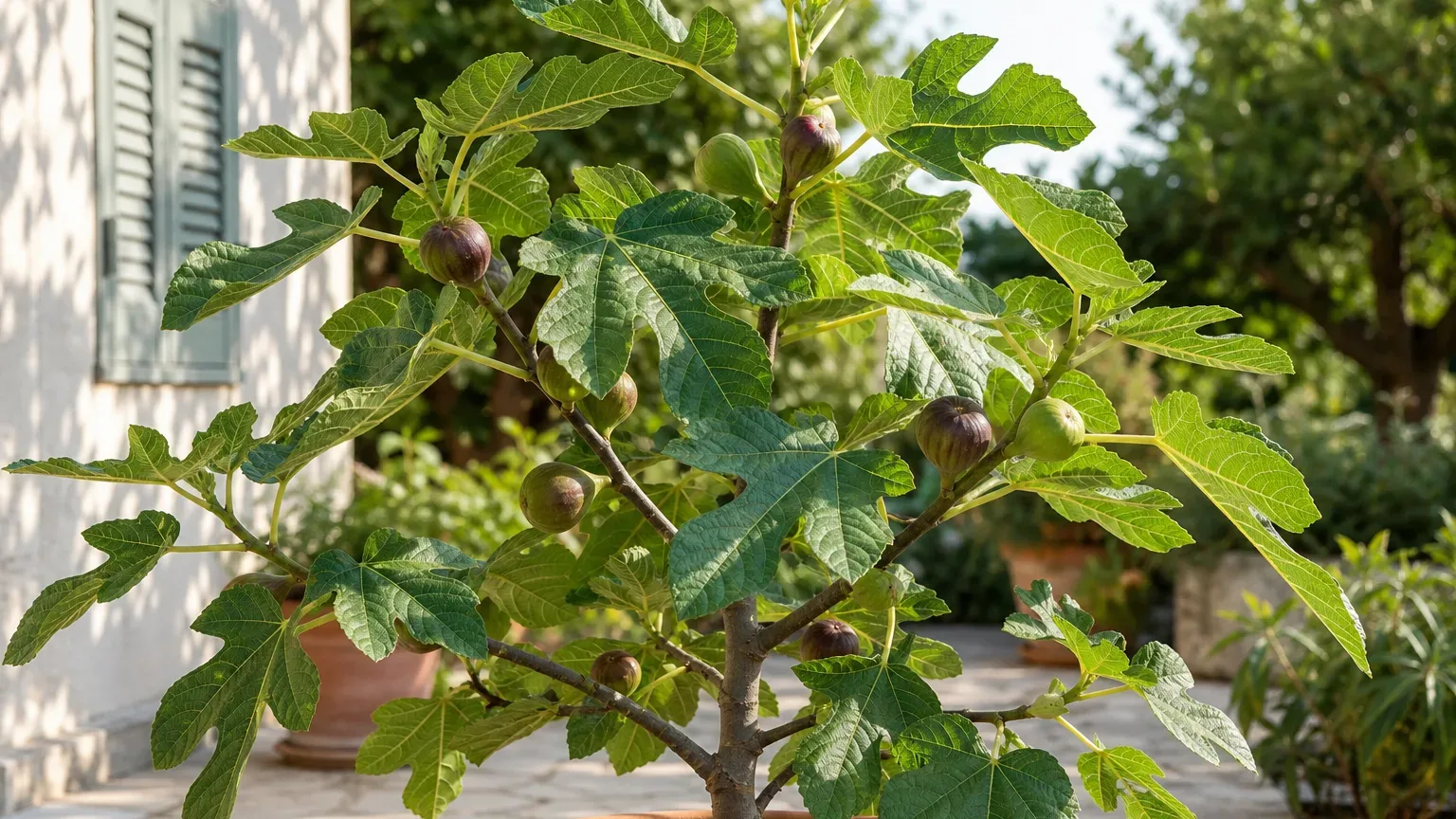
Fig Fertilizer Guide: NPK, Timing & Container Doses
Fig Fertilizer Guide: NPK, Timing & Container Doses
Your fig does not want constant feeding. It wants nutrients when warm sun, expanding leaves, and healthy roots allow Ficus carica to set and swell anjeer on new wood. For a potted fig on an Indian terrace, the safest starting point is a light, balanced feed only during visible active growth, beginning at half the label’s container rate and stopping as leaves yellow and fall for dormancy. Excess nitrogen is the most common nutrition mistake on figs: it pushes soft leafy shoots while fruit fails to ripen or drops prematurely.
That conservative plan fits fig biology better than a generic houseplant monthly tonic. Common fig is a deciduous fruit tree, not an evergreen foliage Ficus. It fruits best with strong sun, steady moisture while fruit swells, and moderate fertility — not a heavy nitrogen push.
Fig fertilizer: the quick answer
For container and terrace figs in India, feed lightly from the first spring flush until growth slows in late summer, then stop before dormancy. Clemson HGIC notes that fig trees often grow satisfactorily in moderately fertile soils without fertilizer, but benefit from feeding in very poor soil or when competition from other plants is heavy. When you do feed, use a balanced granular or liquid product such as 8-8-8 or 10-10-10 for in-ground plants, or follow RHS guidance for container figs: an organic, high-potassium liquid feed every two weeks through the growing season until fruit begins to ripen.
Field schedules are not terrace recipes. Clemson divides larger in-ground bushes into three applications — early April, early June, and mid-July — at roughly one-third pound of fertilizer per foot of bush height per application, increasing gradually to a maximum near 10 pounds per year. In a pot, start far below that scale, observe new shoots and fruit set, and increase only when the plant is clearly hungry, draining freely, and in full sun.
What to feed and how often in a pot
Restricted roots — the norm for productive container figs — concentrate salts quickly. The RHS recommends fortnightly high-potassium liquid feeding for container figs through the growing season until ripening begins. That rhythm suits terrace culture where irrigation leaches nutrients and fruit quality benefits from potassium during swell. If your potting mix already contains slow-release fertilizer from repotting, delay liquid feeds until you confirm the plant is using that charge.
A practical compromise for Indian growers: half-strength balanced or fruit-tree liquid feed every three to four weeks during active leaf expansion and fruit swell, skipping weeks when the mix stays saturated from monsoon rain or when the plant is heat-wilted on a dry terrace. Match frequency to new growth, not the calendar alone.
In-ground vs terrace dose logic
In-ground anjeer in warm gardens can follow split seasonal applications when soil tests or visible hunger justify it. Clemson scales doses by bush height and age, with young one- to two-year plants receiving about one ounce monthly from growth start through the end of July. Container growers should treat those figures as proof that fig is fed as a fruit crop, not as permission to convert a 40-litre pot dose from a field table.
Missouri Botanical Garden describes container figs watered regularly during the growing season with reduced watering in fall — the same seasonal cue that should taper feeding. A garden tree’s root zone is large; a balcony pot is not. Salts you cannot see accumulate where roots cannot escape.
Why Ficus carica needs measured, seasonal feeding
Common fig is a sun-loving deciduous tree that bears its main useful crop on new wood, ripening in late summer or autumn in most climates. Many cultivars are parthenocarpic — fruit develops without cross-pollination — so nutrition and water influence yield directly. Fertilizer supports leaf area for photosynthesis and fruit swell, but it cannot replace the six or more hours of direct sun fig needs to ripen a sweet crop. Check the Fig light guide before treating sparse growth as hunger.
Fertilizer also cannot fix waterlogged mix. Fig roots need oxygen; constantly wet soil deprives them even when nutrients are abundant. If the pot stays wet for days, address drainage through the Fig soil guide and Fig watering guide before adding another feed.
Deciduous growth and the fruit-first goal
Unlike evergreen citrus, fig drops its leaves and enters dormancy. Active uptake of nitrogen and potassium aligns with leaf expansion, shoot elongation, and fruit development — not with bare branches in winter. NC State Extension cultivation guidance fits this pattern: feed when the plant is actively growing, and stop as growth slows. Applying soluble fertilizer to a leafless, cool-rooted pot in winter wastes product and can stress roots when they are not metabolizing.
The productive goal on a terrace is fruit, not maximum shoot length. Root restriction, pruning, and moderate feeding all steer the same outcome. The Fig overview explains how container culture and cultivar choice shape that balance for Indian growers.
Nitrogen, leafy shoots, and poor ripening
Clemson HGIC is explicit: if fruits are not reaching maturity or ripening properly, reduce fertilizer — excess nitrogen or drought may be the problem. Young, vigorous plants often produce figs that do not ripen; Clemson advises stopping fertilization on excessively vigorous young trees. That pattern is common on newly planted terrace figs pushed with high-nitrogen lawn or foliage feeds.
Nitrogen drives vegetative growth. On a restricted-root container fig, too much N produces large leaves and long shoots while embryonic fruit stalls or drops. Potassium becomes more important as fruit swells — another reason the RHS favours high-potassium container feeds over a pure nitrogen tonic.
India seasonal fertilizer schedule for fig trees
India has no single anjeer calendar. A dry Pune terrace, a humid Chennai courtyard, and a north Indian conservatory with cool winters do not flush on the same week. Use the table as a decision framework, then let new leaves, fruit swell, rainfall, and root-zone moisture decide exact timing.
| Seasonal cue | In-ground fig | Container / terrace fig |
|---|---|---|
| Late winter to spring flush | First split only if soil is poor or growth is pale; soil test when possible | Begin half-rate feed after steady new leaves appear |
| Hot dry pre-monsoon fruit swell | Feed only if irrigation is reliable; never on drought-stressed roots | Water first, then feed on a cooler morning; skip during severe wilt |
| Sustained monsoon rain | Pause if soil is saturated | Usually pause while pot stays wet; resume when drainage normalizes |
| Post-monsoon active growth | Second or third field split if growth and drainage are good | Resume light feed if plant is actively growing |
| Leaf yellowing and fall | Stop feeding; reduce water | Stop all fertilizer; prepare dormancy care |
Late winter and spring flush
In much of India, late winter into spring brings stronger light and the year’s first leaf expansion. Begin feeding only after you see expanding buds or leaves, especially on a plant recently moved outdoors, repotted, or hard-pruned. If you repotted into fresh compost-rich mix, wait several weeks and check whether the mix already contains controlled-release fertilizer. Stacking liquid feed over a charged potting mix is a common route to salt injury. Use the Fig repotting guide to separate transplant recovery from feeding.
For young one- to two-year-old figs, Clemson HGIC allows monthly feeding through July at very small doses — about one ounce per month in warm regions — but only while growth is active. A juvenile fig may still take three to four years before bearing reliable quality fruit even with good care.
Hot summer fruit fill
Do not apply fertilizer to bone-dry roots during a heatwave. Water thoroughly, allow drainage, and feed later when leaves are firm and the mix is evenly moist. Consistent moisture while figs swell protects fruit quality; fertilizer is secondary when the plant is wilted. Drought during ripening can cause poor fruit quality and drop, while excess nitrogen during the same period can leave you with lush shoots and hard green fruit.
Avoid heavy nitrogen once fruit is sizing and skin colour is developing. Shift toward the RHS approach: continue light potassium-forward feeding until ripening begins, then taper.
Monsoon pause and post-rain recovery
Pause routine feeding when monsoon rain keeps the soil saturated. Applying soluble fertilizer before a heavy downpour wastes nutrients; adding granules to an airless pot increases root stress. Move portable containers out of constant roof runoff, confirm drainage holes are open, and wait until the mix returns to a normal wet-dry rhythm described in the Fig watering guide.
Resume only when new growth returns and the root ball breathes again — often in the post-monsoon flush. One measured half-rate application is safer than doubling up to “catch up.”
Leaf fall and dormant-season rules
As fig leaves yellow and drop, stop feeding entirely. Dormant roots in a cool terrace corner or moved winter shelter use little nitrogen. Missouri Botanical Garden recommends reducing watering in fall for container figs; nutrition should fall in parallel.
In colder pockets of India where figs receive winter dieback, Clemson advises reducing fertilization by half in frequently cold-damaged areas, and no fertilizer where winter survival is marginal — excessive vigor can make wood less cold hardy. That matters less on frost-free terraces but is useful for hill-station growers attempting outdoor bushes.
Best fertilizer type for fig trees
Choose a product with a declared NPK analysis and clear container directions. For in-ground figs in moderate soil, a balanced 8-8-8 or 10-10-10 granular feed matches Clemson recommendations. For container figs with restricted roots, a high-potassium organic liquid on a fortnightly schedule through active growth aligns with RHS practice until fruit ripens.
Complete formulas beat single-nutrient tonics. Fig needs nitrogen for leaves, but potassium supports fruit processes as swell progresses. Read the guaranteed analysis, follow label rates for pots, and begin at half strength.
Balanced NPK for garden and container figs
Clemson’s warm-region schedule uses balanced granular products for established bushes, scaling total annual input by plant size. That supports a complete formula rather than repeated high-nitrogen lawn fertilizer, which is a frequent cause of leafy, low-fruit terrace figs. If you grow in alkaline or very sandy soil, a soil test before the season starts is worthwhile; Clemson recommends preplant testing and pH adjustment for new fig plantings.
High-potassium feeds for restricted roots
The RHS specifically recommends high-potassium liquid feeding for container figs and for figs in restricted planting pits, with an alternative of one high-potassium granular application in early spring for pit-grown plants. Potassium-forward feeding during swell is a practical terrace default when you must choose one specialty product.
Slow-release granules vs liquid feeds
Slow-release coated granules can work in large containers if you know the release period and avoid overlapping liquids unless the label allows it. Liquids are easier to halve and distribute while you learn the plant’s response. Keep granules and concentrated solution away from the trunk and main stems. Fig sap is irritant; wear gloves when handling pruned material or spilled concentrate near skin.
Organic options: compost, FYM, and vermicompost
Well-rotted farmyard manure, mature compost, or vermicompost can contribute nutrients and organic matter gradually. The RHS mulches in-ground figs annually with compost or well-rotted manure and notes that unrestricted, regularly mulched figs should not need additional feeding. On a terrace, use only finished organic matter as a thin top-dressing away from the stem, and do not fill the pot with bulky manure that reduces air space.
“Organic” does not mean unlimited. Do not combine manure, oil cake, liquid feed, and slow-release granules in the same month. Add one input, observe a growth and fruit cycle, and adjust. Vermicompost helps soil biology but its nutrient analysis varies; it is not a complete substitute for a measured feed when an actively growing container fig is pale and fruiting poorly despite good sun and drainage.
Top-dressing without overloading the pot
Apply a thin layer of mature compost after spring growth begins, then water normally. If you top-dress, reduce synthetic feeding that month. The goal is steady moderate fertility, not stacked inputs.
How much fertilizer to use in a container
There is no universal gram dose without the fertilizer analysis, pot volume, plant size, and label directions. Start a healthy, actively growing potted fig at half the label’s container rate. With water-soluble products, repeat no sooner than three to four weeks during active growth. Stop if the plant is not producing new leaves or if fruit shows stress.
For controlled-release fertilizer, use the label rate for the actual container size and note the release period. A nursery fig may already contain coated granules; look for pellets before feeding. Increase only after you see a full flush, good drainage, and no salt crust on the rim.
How to fertilize fig trees step by step
- Confirm the fig is in strong sun, actively growing, and free of severe wilt or root decline.
- Feel the mix. If it is bone dry, water and postpone feeding; if saturated from rain, wait for drainage.
- Measure the product rather than estimating by handful. For liquids, begin at half the label’s container concentration.
- Apply evenly over already moist mix, keeping concentrate and granules away from the woody crown.
- Allow drainage to leave the pot and empty any saucer. Record the date and product.
- Reassess new shoots and fruit over the next month. Do not top up because results are not visible in a few days.
This sequence keeps feeding tied to root health and watering rhythm. If roots circle densely or the pot dries within a day, increasing fertilizer is the wrong response; the plant may need root room or fresh mix through repotting.
Signs of too much fertilizer on fig trees
Watch for soft, overly long shoots with few ripening figs, premature fruit drop after feeding, a white crust on the media or pot rim, brown leaf margins appearing soon after application, or stalled growth despite moist soil. Clemson HGIC lists excess nitrogen among the top reasons figs fail to ripen or drop fruit, alongside drought and juvenile vigor.
Stop feeding immediately. Remove visible granules if practical. If the mix drains freely and roots are otherwise healthy, leach a container once with plain water and let it drain completely — but do not flood compacted or waterlogged soil. Correct the root-zone problem first through better drainage and adjusted watering.
Fruit drop, salt crust, and soft growth
Young vigorous figs may drop fruit for several seasons even with good care; reducing nitrogen helps when shoots outpace fruit development. On mature plants, sudden drop after a heavy feed points to salt or nitrogen stress. Pair nutrition changes with consistent moisture during hot dry spells — Clemson HGIC notes that hot, dry weather before ripening reduces fruit quality and that mulching and supplemental water help.
Signs your fig needs more nutrition
Uniformly pale older leaves on an otherwise well-watered, full-sun fig that has not been fed in months can suggest low fertility — especially in a container that has been in the same mix for years without top-dressing. Stalled spring flush on a plant in free-draining mix and strong light may also warrant one measured half-rate balanced feed.
Yet pale leaves, yellowing, and weak growth often trace to shade, waterlogging, root-knot nematodes in ground plantings, or recent repotting stress. Diagnose light, moisture, and roots together before escalating feeds. If a single measured application produces no improvement in new growth over four to six weeks, investigate soil and roots rather than doubling the dose.
Common fig fertilizer mistakes
Feeding during dormancy wastes product and risks root stress when leaves are absent and metabolism is low. High-nitrogen lawn or foliage feeds on terrace figs produce leaves at the expense of ripe anjeer. Feeding waterlogged monsoon pots compounds root decline. Feeding juvenile figs for instant fruit ignores the multi-year maturation many plants need. Ignoring sun and water while increasing fertilizer treats symptoms of the wrong problem.
Clemson also warns that in cold-damage-prone areas, high vigor from excess feeding can worsen winter injury — relevant for marginal climates even if not for frost-free Indian terraces.
When to use this page vs other Fig guides
- Use the Fig overview for whole-plant placement, cultivar choice, fruiting habit, and first-month priorities.
- Use Fig light guidance when weak growth or poor ripening may come from shade.
- Use Fig watering guidance before feeding a wilted, dry, or persistently wet plant.
- Use Fig soil guidance for drainage, pH, and container-mix decisions.
- Use Fig repotting guidance when roots circle, drainage fails, or the pot dries unusually fast.
Related Fig guides
- Fig pruning — coordinate feeding with canopy control so you do not force soft shoots before a hard prune.
- Fig propagation — feed established young plants, not unrooted cuttings.
- Fig fertilizer — bookmark this page to compare the next application with your seasonal notes.
- Fig care hub — return to the complete cluster when a symptom does not fit a nutrition problem.
Conclusion
The best fig fertilizer plan is measured, seasonal, and scaled to the root zone. Feed an actively growing garden tree in light split applications only when soil fertility is low, using Clemson field rates as regional context rather than a terrace commandment. For a container Ficus carica, begin with half the label’s pot rate during spring-to-summer active growth, favour potassium-forward feeds while fruit swells, pause through saturated monsoon weather and drought stress, and stop entirely as leaves fall.
Do not use fertilizer to solve shade, waterlogging, a cramped pot, or a young plant’s natural juvenile period. Excess nitrogen is fig’s most common feeding error — it produces leaves while fruit fails to ripen. Keep records, change one input at a time, and stop at the first signs of salt stress or fruit drop after feeding. Fig rewards moderate nutrition paired with sun, drainage, and steady moisture far more than aggressive monthly tonics.