Fig Propagation Guide: Cuttings, Layering & Suckers
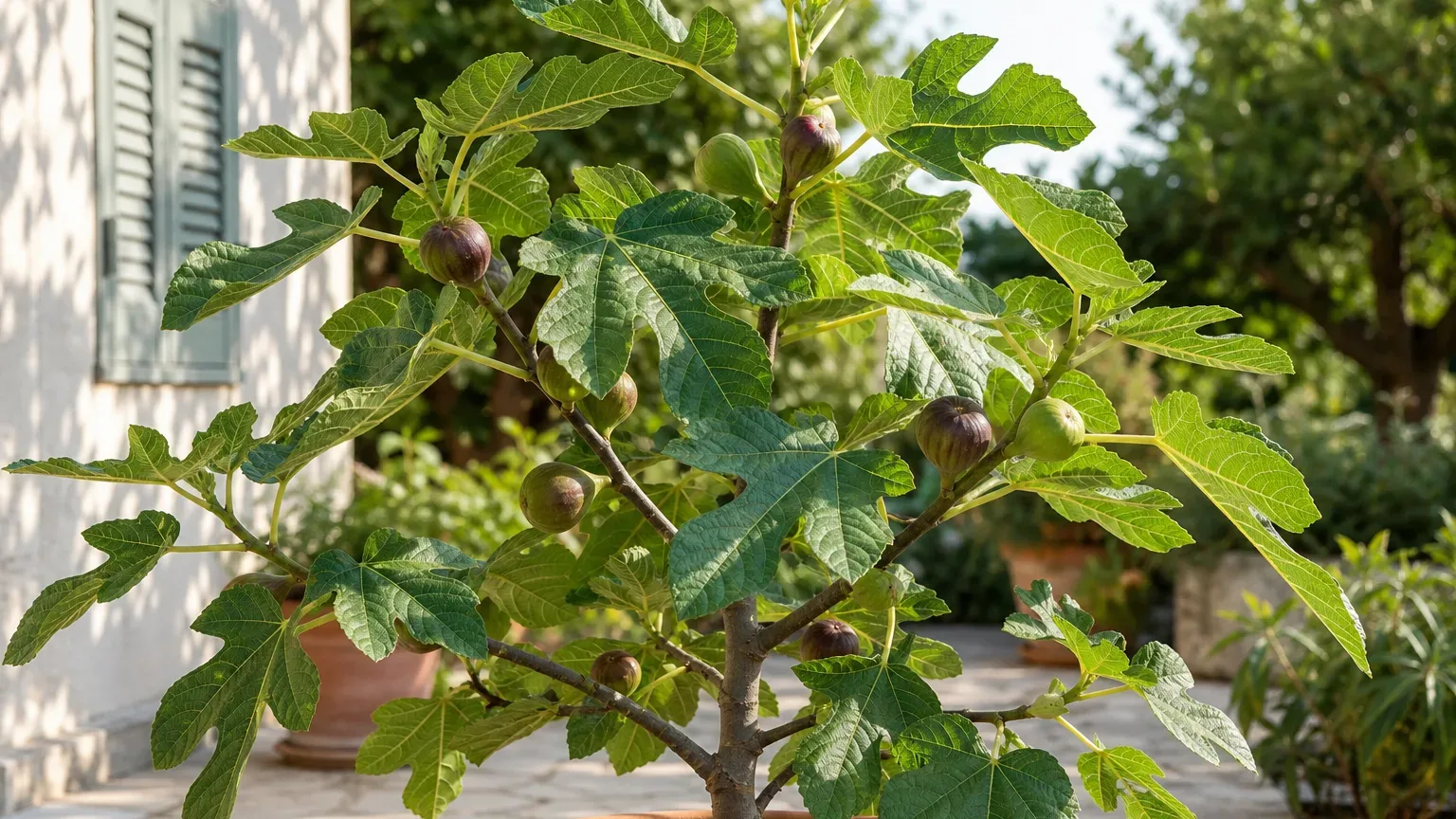
Fig Propagation Guide: Cuttings, Layering & Suckers
Fig Propagation Guide: Cuttings, Layering & Suckers
Propagating a fig (Ficus carica) is one of the more forgiving fruit-tree projects on a sunny terrace — if you treat it like a deciduous outdoor fruit shrub, not like the evergreen indoor Ficus cuttings that flood houseplant forums. Common fig roots readily from hardwood cuttings, ground layers, and suckers when timing and drainage are right. (RHS — How to grow figs) NC State lists layering and stem cuttings as the recommended propagation strategies, and notes the species produces many suckers that can thicken into thickets if left alone. (NC State Extension — Ficus carica)
This guide explains which method fits your goal, when to work in Indian and frost-free climates, how to handle irritant latex sap safely, and what to do once roots form. For everyday culture after you have a young plant, use the cluster guides on light, watering, and soil rather than treating propagation as a substitute for full-tree care.
Why Fig Propagation Differs From Indoor Ficus Cuttings
Search results for “fig propagation” often mix common fig (Ficus carica) with fiddle-leaf fig, weeping fig, and other ornamental Ficus species. Those are different plants with different biology. Ficus carica is a deciduous, fruiting tree or shrub native to the Mediterranean region, grown for edible syconia that ripen on new wood. (Missouri Botanical Garden — Ficus carica) It is not a low-light foliage houseplant, and its cuttings behave more like fruit-wood hardwood material than like a soft-stem pothos.
What Ficus carica Needs When You Multiply It
Fig propagation succeeds when wood is dormant or actively callusing in warm soil, not when stems are soft, waterlogged, or sitting in dim rooms. Most garden cultivars are parthenocarpic — fruit develops without cross-pollination — so a rooted cutting or sucker usually becomes a fruiting plant, not just ornamental greenery. (Missouri Botanical Garden — Ficus carica) That genetic simplicity is a major reason home growers propagate figs at all: you are cloning a known anjeer or Brown Turkey-type tree, not rolling dice on seedling variation.
Container culture matters after rooting. Figs fruit better when roots are restricted — in a pot or a lined planting pit — because unlimited root run pushes leafy growth over crop. (RHS — How to grow figs) Plan propagation with that end state in mind: a young plant destined for a large but not oversized pot on a south- or west-facing terrace, not a forever seedling tray.
Suckers, Cuttings, and Layers — Three Practical Paths
The RHS documents three home-viable routes for Ficus carica: hardwood cuttings taken in autumn, layering of low branches in spring or autumn, and suckers potted in spring. (RHS — How to grow figs) NC State aligns with layering and stem cuttings as recommended strategies. (NC State Extension — Ficus carica) None of these is instant — hardwood cuttings root slowly over several months — but all are realistic without a mist-house nursery.
Choose Your Fig Propagation Method First
Pick the method that matches whether you want a backup clone, a low-risk branch layer, or a free sucker with roots already started.
When Hardwood Cuttings Fit Home Growers
Choose hardwood cuttings when you have a healthy, correctly identified parent tree and want several genetic copies from pruned wood. This is the classic nursery approach for fig: pencil-thick dormant stems inserted into free-draining mix or an outdoor trench. (RHS — How to grow figs) Expect patience — rooting is measured in months, not days — and take more cuttings than you need because some will fail.
Hardwood cuttings suit growers who prune annually anyway and can spare 20 cm (8 in) lengths of one-year wood. They are less ideal if you only have soft summer tips or a tree under stress from drought or wet roots.
When Layering Is the Low-Stress Choice
Choose layering when a low branch can touch soil or a pot of mix while still attached to the parent. The RHS recommends layering in spring or autumn until the stem develops its own roots, then detaching it as a new plant. (RHS — How to grow figs) Layering fails less often than detached cuttings because the parent continues feeding the branch while roots form.
This method shines on ground-planted figs with flexible shoots near the soil surface. On a raised terrace pot, bend a branch into a satellite pot of well-drained mix and peg it down rather than fighting gravity.
When Suckers Are the Fastest Free Plants
Choose suckers when the parent already sends shoots from the base or roots — common with unrestricted figs. NC State notes the species produces many suckers that can form thickets. (NC State Extension — Ficus carica) The RHS advises potting suckers in spring and growing them on until well developed. (RHS — How to grow figs) If a sucker already has fine roots when you dig it, you are halfway to a new tree.
Suckers are the easiest path when they appear on their own. They are the wrong path if you mistake a rootstock sprout below a graft union on a purchased tree — always propagate from wood you know is true to the cultivar you want.
Best Timing for Fig Propagation
Fig wood roots when temperatures and moisture support callus formation without rotting the stem base. Calendar dates shift by latitude, but the biological windows stay consistent.
Dormant-Season Hardwood Work
Take hardwood cuttings in autumn after leaves fall and stems are dormant. (RHS — How to grow figs) UF/IFAS notes that bare-root figs plant best during the dormant season, with late winter or early spring ideal for field planting — the same cool-but-not-frozen window suits sticking cuttings outdoors in mild climates. (UF/IFAS Gardening Solutions — Figs)
On an Indian terrace, aim for post-monsoon to late winter hardwood collection when nights are cool and the tree is leafless or nearly so. Avoid taking dormant wood during an active fruit swell on another branch — stress the parent as little as possible.
Spring Layering and Sucker Potting
Layer low branches in spring as new growth begins, or repeat in autumn when growth slows. (RHS — How to grow figs) Pot suckers in spring when soil warms and roots are easy to tease apart. (RHS — How to grow figs) Spring is also when you move rooted cuttings from a holding trench into individual pots before summer heat arrives.
Do not propagate from a parent that was just heavily pruned for shape — wait until it has pushed a flush of healthy leaves and stable watering rhythm.
How to Propagate Fig From Hardwood Cuttings
Hardwood fig cuttings are simple in outline and slow in execution. Treat them like fruit-wood cuttings, not herbaceous houseplant stems.
Collect, Trim, and Root Cuttings Safely
Wear gloves and eye protection before you cut. Broken fig stems release white latex containing furanocoumarins that can irritate skin and cause phytophotodermatitis after sun exposure. (NC State Extension — Ficus carica) Work from the base upward so sap does not drip onto your arms, and wash exposed skin promptly.
Select healthy one-year wood about pencil thickness. The RHS recommends cuttings around 20 cm (8 in) long, inserted into cuttings compost in pots or directly into an outdoor trench. (RHS — How to grow figs) Cut just below a node with a sharp, clean blade. Remove leaves if any remain. Dip the basal 2–3 cm in rooting hormone if you have it — Missouri Botanical Garden notes that easy-rooting plants may not need hormone, but hormone assures faster rooting on wood that roots slowly. (Missouri Botanical Garden — Propagating by cuttings)
Insert cuttings deep enough that at least two nodes sit below the surface. Space them in a free-draining mix of perlite, sand, or sterile potting medium — not heavy wet garden soil. Water once, then keep barely moist, not soggy.
Humidity, Drainage, and Slow Root Formation
Fig hardwood cuttings root slowly over several months. (RHS — How to grow figs) During that wait, the enemy is rot at the base from constant wetness, not dehydration alone. Missouri Botanical Garden emphasizes that cuttings develop better root systems in soil-less mix than in water, and that stems prone to rot need especially good drainage. (Missouri Botanical Garden — Propagating by cuttings)
Outdoors in a mild climate, a shaded trench with sand amended into the base can work. On a terrace, use deep pots in bright indirect light with a loose humidity cover that does not touch leaves. Vent daily to prevent mold. Test for roots by a gentle tug after two to three months — resistance means callus and roots are forming. Pot up individually once several roots hold the medium.
How to Layer and Pot Up Fig Suckers
Ground layering starts by wounding or notching a low branch, burying a middle section in soil or a pot of mix while the tip still grows upward, and waiting until roots form at the buried node. The RHS describes layering low-growing branches in spring or autumn until they can be detached. (RHS — How to grow figs) Keep the buried zone evenly moist and leave the layer attached to the parent until roots are substantial — usually one growing season.
For suckers, dig in spring when new growth is pale green and flexible. Slice between the sucker and parent with a sharp spade, keeping as many roots as possible. Pot into the same loam-based, well-drained mix you would use for a nursery purchase, water once, and place in partial shade for two to three weeks while new fine roots grow. Gradually move to full sun matching the parent’s light needs.
Aftercare for Young Fig Plants
A rooted cutting or sucker is not a finished tree. Treat the first year as establishment, not fruit production.
Keep young figs in moderately restricted pots — move up only one size at a time rather than jumping to a huge container that stays cold and wet. The RHS repots container figs every couple of years into a pot just slightly larger, because overpotting reduces fruiting drive. (RHS — How to grow figs) Water when the top 1–2 inches of mix dry, matching the parent watering guide, and avoid feeding heavily until active summer growth is obvious.
Hold off aggressive pruning until the plant is well rooted and taller than your knee. UF/IFAS warns that because fruit forms on terminals of previous-year wood, heavy winter pruning can remove next season’s crop on established trees — on a baby plant the priority is structure and root mass, not fruit count. (UF/IFAS Gardening Solutions — Figs) Most young figs will not carry a meaningful crop until year two or three in a warm sunny spot.
Common Fig Propagation Failures and Fixes
Black, mushy cutting bases mean too much water or poor drainage. Discard rotted cuttings, refresh sterile mix, and restart with fewer, better-ventilated stems. Shriveled cuttings that never root often sat too dry in direct sun or were taken from stressed wood — shade lightly and verify parent health before retrying.
Suckers that wilt after potting usually lost too many roots during division. Trim top growth by one-third to balance the root loss, shade for a week, and resist overwatering “to help” — wet anaerobic mix kills recovering roots faster than brief dryness.
No roots after four months on hardwood cuttings is not always failure — fig can be slow. If stems remain firm and green under the bark scratch test, give another month in cool stable conditions. If wood is brittle and brown, compost it and take fresh autumn wood next cycle.
Latex contact rash is a propagation injury, not a plant disease. Wash skin, avoid sun on the affected area, and wear gloves on the next attempt.
When to use this page vs other Fig guides
Use this propagation guide when you want more plants — a backup tree, a gift clone, or a sucker division — and already have a healthy parent or pruned wood to work with. It does not replace the Fig overview for choosing cultivars, the light guide for terrace placement, or the watering guide for daily moisture rhythm.
Reach for repotting after roots fill the propagation pot and you need the next container size without shocking the tree. Use fertilizer only once the young plant is actively growing in bright sun — not as a substitute for roots that are still forming. Pruning belongs on established plants you are shaping for size and fruit, not on freshly stuck cuttings still callusing.
Related Fig guides
- Fig overview — species identity, mature size, and cluster map
- Light — full-sun placement for fruiting wood
- Watering — root-ball checks through hot seasons
- Soil — loam-based, free-draining mixes for pots
- Repotting — when and how to size up without overpotting
- Fertilizer — feeding after establishment, not during rooting
- Pruning — shape and crop timing on mature plants
Conclusion
Fig propagation rewards patience more than gadgetry. Hardwood cuttings in autumn, layers in spring or autumn, and spring suckers are all proven paths for Ficus carica when drainage is sharp and latex is handled with respect. (RHS — How to grow figs) Choose suckers or layers if you want the highest odds on a first attempt; choose hardwood cuttings if you have dormant prunings and room to wait several months. Once roots hold, shift quickly into the normal outdoor fig rhythm — restricted pot, full sun, and careful watering — and let fruit come on the tree’s schedule, not yours.