Maranta Lemon Lime Light Requirements & Placement
Maranta Lemon Lime Light Requirements & Placement
Maranta Lemon Lime Light Requirements & Placement
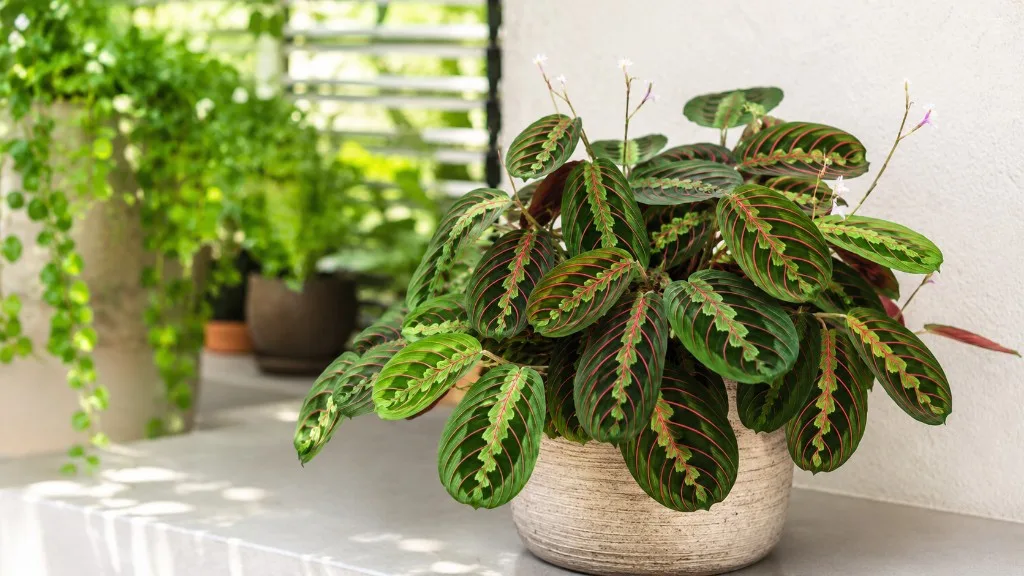
Maranta leuconeura var. erythroneura ‘Lemon Lime’ is sold as an easy prayer plant, but its chartreuse central bands tell a stricter story than generic “low-light tropical” tags suggest. You bought this cultivar for lime-green stripes against dark green margins and red-brown vein tracery — contrast that only holds when the leaf surface receives bright, filtered indoor brightness, not a dim shelf or hot afternoon sun through glass. When light is wrong, Lemon Lime rarely collapses overnight. Instead chartreuse washes toward yellow-green olive, new leaves open smaller and paler, nightly folding weakens, and moist soil stays wet too long because transpiration drops — symptoms that look like watering mistakes until you read the newest unfurl.
Lemon Lime at a glance: Maranta leuconeura var. erythroneura ‘Lemon Lime’ — chartreuse-and-green prayer plant with red vein accents. Light: bright indirect at the leaf surface; chartreuse bleaches in direct sun and dulls in deep shade. Humidity: high humidity — at least 60%; dry winter air crisps thin chartreuse tissue. Water: filtered or overnight-stood tap — pale green zones show fluoride burn earliest. Difficulty: moderate — same Marantaceae baseline as other prayer plants.
University of Illinois Extension recommends diffused sun and bright, indirect light with warm temperatures and high humidity for prayer plants. Missouri Botanical Garden specifies bright indoor light but no strong direct sun, noting that too much sun bleaches attractive leaf colors — especially true on pale chartreuse tissue. The practical indoor target is bright indirect light at the leaf surface, with medium indirect as a maintenance minimum and dim placement as a short-term compromise where Lime contrast will suffer.
This guide covers window placement, direct-sun limits, grow-light fallback, Lemon Lime-specific warning signs, and how light couples to watering on the Maranta Lemon Lime overview.
Why Light Matters for Chartreuse Prayer Plant Foliage
Human eyes adapt to dim rooms; Lemon Lime leaves do not. A living room that feels adequately lit may deliver 100 foot-candles or less at a shelf eight feet from a north window — enough for survival, not enough for the bright lime central bands and red-brown veins that justify this cultivar over a plain green prayer plant. NC State Extension notes that the upper and undersides of the leaves lose color in low light and fertility situations — on Lemon Lime, that fade hits chartreuse zones first, often before internodes stretch obviously.
Light also sets the pace for every other care variable. A brighter plant transpires faster and uses water from its moisture-retentive mix more quickly. A dim plant in the same pot with the same watering rhythm can sit wet at the roots — a common setup for root rot that owners blame on overwatering when photons were the throttle. Treat firm, vividly patterned new growth as better proof of adequate light than how green the room looks from the doorway.
Chartreuse Bands Fade Before Stems Stretch
Lemon Lime is a selection within M. leuconeura var. erythroneura, the herringbone group with contrasting central zones and red midrib tracing per RHS var. erythroneura guidance. The Lime form pushes that central zone toward yellow-green chartreuse rather than the darker olive-green of classic Erythroneura. Pale pigments need strong ambient brightness to hold saturation; in marginal light, new leaves arrive washed, smaller, and closer to solid yellow-green while older leaves still look acceptable — a trap that delays corrective moves.
Direct sun behaves differently on chartreuse than on dark green tissue. NC State Extension lists the species as intolerant of direct sunlight; on Lemon Lime, white or papery bleached patches on the lime center often appear within days of an unfiltered south or west sill move, while darker margins may look fine initially.
Nyctinasty as an Early Light and Rhythm Signal
Prayer plants fold leaves upward at night through nyctinasty — reversible turgor changes in the pulvinus at each leaf stalk. By day, blades lie roughly parallel to the soil to capture light; after dark, they rise in the posture that gives the plant its common name. NC State Extension describes leaves held parallel to the ground by day and moving to a perpendicular prayer position at night.
Weak or irregular folding is an underused diagnostic on Lemon Lime. Chronic low light, grow lights left on 24 hours, cold windowsills below about 60°F (15°C) per Missouri Botanical Garden, and root stress can all dampen movement before chartreuse fade becomes obvious. Provide at least eight hours of relative darkness nightly — timer off on supplemental lamps — and judge recovery on new leaves over one to two weeks once hydration and temperature are stable.
Best Light Level: Bright Indirect Indoors
Harmonize every light label on this page to one phrase: bright indirect light — the same language Illinois Extension and Missouri Botanical Garden use for indoor prayer plant culture. Medium indirect light keeps many established Lemon Lime plants alive with slower growth and duller lime bands. Moderate low light — interior shelves, obstructed north rooms, dark hallways — is survivable for weeks but a poor long-term home if you bought the plant for display foliage.
RHS advises bright filtered or indirect light under glass, with high humidity maintained at all times. NC State Extension lists dappled sunlight for outdoor culture in frost-free zones — indoors that translates to forest-filtered brightness, not absence of light. When extension guides say “shade” for Marantaceae, read it as canopy-filtered ambient light, not a closet.
Foot-Candles, Lux, and the Hand-Shadow Test
Botanical guides rarely publish cultivar-specific foot-candle charts, so home growers use practical tests. In editorial practice — not a formal standard — healthy patterned M. leuconeura often grows well around 200–800 foot-candles (roughly 2,000–8,000 lux) at the leaf surface: bright enough to read comfortably without a lamp, with a soft, readable hand shadow at canopy height. Survival can continue near 100–200 foot-candles, but Lime contrast and folding vigor usually decline before internodes stretch dramatically.
The hand-shadow test costs nothing. On a clear day, hold your hand between the plant and the window at leaf height. A soft shadow with defined edges suggests bright indirect. A faint or absent shadow means low light — acceptable temporarily, not ideal for Lemon Lime display quality. If chartreuse leaf surfaces feel warm to touch within an hour of direct sun, filter or increase distance.
Quick Light Decision Tree for Lemon Lime
Use this short decision path when symptoms overlap — it is specific to chartreuse M. leuconeura, not generic houseplant advice.
Stretching stems, small pale new leaves, weak nightly folding, soil wet for weeks: light is likely too low. Move toward brighter filtered exposure or add a grow light; adjust watering downward until dry-down matches the new transpiration rate.
Bleached lime center patches, crisp sun-facing margins, daytime curl during brightest hours: light or heat is too strong. Filter, increase distance, or acclimate more slowly — do not compensate with extra water.
Chartreuse dulling on new leaves only, older leaves still look acceptable: early low-light signal — act before internodes elongate.
Leaves stop folding at night but growth looks normal: check photoperiod first — grow lights on 24 hours, hallway lights that never dim, or cold draft below 60°F before assuming root problems.
If the same issue repeats after correcting light, compare this page with the overview, watering, and soil guides before changing several conditions at once.
Window Placement by Direction
Window direction is a shorthand, not a guarantee. Overhangs, tree cover, tinted glass, and interior walls all modify intensity. Still, compass orientation gives a reliable first guess in the northern hemisphere.
| Window | Typical performance for Lemon Lime | Starting distance from glass |
|---|---|---|
| East | Best default — gentle morning sun possible, bright indirect rest of day | 12–24 in (30–60 cm) |
| North | Gentle indirect all day; often medium to low in winter | As close as possible without cold draft |
| West | Strong afternoon heat; needs curtain or extra distance in summer | 24–48 in (60–120 cm) or filtered |
| South | Highest intensity; sheer curtain or 3–5 ft setback | 36–60 in (90–150 cm) or filtered |
An east-facing window is the safest default for most homes. Morning sun is bright but relatively cool; place the pot one to two feet from the pane and rotate a quarter turn weekly if growth leans. A north-facing window can maintain established plants in summer but often drops to maintenance mode in winter — watch for pale chartreuse on new leaves and extend watering intervals per the watering guide. South and west windows work with sheer curtains or greater setback; unfiltered afternoon sun through glass commonly causes bleached lime patches and crisp margins on this cultivar.
Bathrooms with frosted glass can work when bright ambient light reaches the leaves most of the day. If steam and low winter light combine, add a grow light rather than assuming humidity compensates for low photons. For humidity stress that mimics light damage, see low humidity on Maranta Lemon Lime.
Distance From Glass and Seasonal Adjustments
Direction labels fail when distance is wrong. A south window six feet away on an open floor may deliver less leaf-level light than an east window eighteen inches away. Treat distance as a dimmer switch: closer increases intensity and heat; farther softens direct sun but can drop below the growth threshold. In late fall through winter, move the pot 12–18 inches closer to the glass when sun angle drops; in midsummer, move slightly back if chartreuse surfaces heat up or colors bleach.
Worked example: A grower kept Lemon Lime 12 inches from an east window. New leaves opened with vivid lime bands and firm texture. After moving to a shelf eight feet from a north window, the next three leaves emerged paler with weak contrast within about three weeks — classic chartreuse fade. Returning to bright indirect east light produced better pattern on the following unfurl; older pale leaves did not fully recover cosmetically, which is normal.
Direct Sun Tolerance and the 7–14 Day Acclimation Protocol
Prayer plants are not full-sun plants. Missouri Botanical Garden is explicit: no strong direct sun indoors because it bleaches attractive leaf colors. NC State Extension adds that the species is intolerant of direct sunlight. Brief gentle morning exposure on an east sill is different from hot afternoon beams through south or west glass. Leaves formed in lower light need gradual acclimation before you increase exposure.
Treat direct sun as a tool, not a default. If sun-facing leaves develop white or yellow bleached zones on chartreuse tissue, papery brown margins, or daytime curling that repeats at the brightest hours, pull the plant back or add sheer fabric. Bleached tissue does not green up again; only new growth shows correction. For scorch recovery detail, see crispy leaves on Maranta Lemon Lime.
Step-by-Step Sheer-Curtain Acclimation
When moving toward a brighter west or south exposure, use a staged protocol over 7–14 days rather than a single jump:
- Days 1–3: Place the pot in the target room four to six feet back from the window with a sheer curtain closed.
- Days 4–7: Move halfway to the final distance; keep the curtain unless new growth shows stress.
- Days 8–14: Settle at the intended spot — typically two to four feet from filtered south or west glass, or 12–24 inches from east glass.
- After day 14: Judge only new unfurling leaves. Old sun marks are historical.
Store-bought plants often come from low-light retail benches. Quarantine in moderate indirect light for a week before pushing toward your brightest acceptable window. Do not combine immediate repotting, fertilizing, and a major light jump — see repotting and fertilizer guides for timing.
Low-Light Limits, Pattern Fade, and Wet-Soil Risk
Maranta leuconeura tolerates low to medium light per NC State Extension — better than many Calatheas — but tolerance is not preference. In dim placement, expect slower growth, smaller new leaves, longer intervals between unfurling, and reduced nyctinastic vigor. On Lemon Lime, the earliest warning is chartreuse washout — lime bands dull toward olive yellow-green and new leaves arrive smaller before stems stretch dramatically.
Low light also interacts dangerously with watering. Maranta prefers evenly moist soil when actively growing in bright indirect light. In dim light, transpiration drops; the same rhythm that worked near a window can leave roots waterlogged. If the pot stays wet for weeks, improve light or reduce watering — not both ignored. For recovery protocols, see not enough light and leggy growth.
Do not chase faded chartreuse with fertilizer — feeding a dim, wet plant worsens stress. Fix light first; feeding is downstream per the fertilizer guide.
Grow Lights: Distance, Duration, and Spectrum
When windows cannot deliver enough daily brightness — interior offices, north-only winter rooms, or shelves far from glass — full-spectrum LED grow lights are the reliable fix. Choose a fixture labeled for houseplants or seedlings, roughly 4000K–6500K white spectrum, not a room bulb optimized for human lumens alone.
Editorial starting points (heuristics, not cultivar standards): position the lamp 12–18 inches (30–45 cm) above the tallest leaf, run 12–14 hours daily on a timer, and ensure even coverage across the clump. If leaves pale or stretch toward the lamp, lower slightly or extend duration modestly. If chartreuse edges crisp only under the lamp, raise the fixture or reduce hours — heat can mimic sun stress on a low clump. Turn lamps off at night so nyctinasty keeps a true dark period.
After adding light, check soil moisture more often for two weeks; increased photosynthesis increases water use. Pair supplemental lighting with high humidity (at least 60%) when possible — brighter placement increases transpiration on thin Maranta leaves. Illinois Extension lists prayer plants among humidity-sensitive houseplants; dry air plus new brightness can crisp lime leaf edges during unfurling even when light level is correct.
Lemon Lime Warning Signs: Too Much vs Too Little Light
Generic houseplant sunburn advice misses how chartreuse prayer plants show stress on patterned tissue.
Low-light stress: new leaves smaller and paler, lime band contrast fading before leggy internodes, slow or weak nightly folding, soil staying wet too long, no new leaves for many weeks in growing season.
Too much light or heat: bleached white-yellow patches on chartreuse centers, crisp brown margins on sun-facing sides, daytime leaf curl during brightest hours, sudden collapse after an unacclimated move to hot glass.
Do not confuse with: brown tips from fluoride or dry air — often uniform edge crisping without bleached center patches; see brown tips. Underwatering curl tends to affect older leaves with dry soil and limp stems together.
When both dim winter room and hot afternoon beam seem possible, remove harsh direct sun first. Scorch can mark chartreuse within days. Low-light stasis takes weeks. After stabilizing exposure, read the newest unfurling leaf.
How Light Changes Watering on Maranta Lemon Lime
Every light change changes water use. Brighter placement — closer to a window or added grow lamp — means check moisture more often at the root zone. Dimmer placement means let the top inch dry longer before watering. Lemon Lime in dim light plus unchanged watering is a common root-rot setup. For moisture rhythm detail, see the Maranta Lemon Lime watering guide — dry-down speed depends on your exact pot, mix, and room.
Fertilizer follows the same logic: feed modestly only when new growth is visible under adequate light. Feeding a dim, declining plant adds salt without return. Fix light first.
Rhizome Habit and Brazil Understory Origin
Maranta leuconeura is an evergreen, rhizomatous, low-growing tropical perennial native to Brazil, winter-hardy only in USDA zones 11–12 outdoors per Missouri Botanical Garden. It spreads by shallow rhizomes, forming a clump typically 12–15 inches tall and wide indoors rather than a single upright trunk. That habit matters for light: the canopy stays low, so brightness must reach the top leaf surface across the whole pot — a tall object blocking the window may shade one side and cause uneven chartreuse development.
Leaves fold upward at night; undersides run grayish-green to purplish-green. Small white flowers are insignificant indoors compared to foliage. For genus context and pet-safe status, see the Maranta Lemon Lime overview.
Practical Checks and the New-Growth Test
New-growth test: Judge light by the newest rolled leaf or shoot. Old blemishes will not repair, but new leaves should be firm, vividly lime-banded, and close to expected contrast for Lemon Lime.
Seasonal check: Re-evaluate placement in late winter if growth stalls without other care changes — shorter days and lower sun angle can push a formerly adequate window into medium or low territory.
Winter light drop: From November through February in the northern hemisphere, day length and sun angle fall together. A placement that delivered bright indirect light in June may read as medium or low by January even though you never moved the pot. Trigger signs include no new rolled leaves for six or more weeks during what should be active indoor growth, progressive chartreuse dulling on successive unfurls, and soil that stays wet ten days or longer despite unchanged watering. Response options, in order of least disruption: move the pot 12–18 inches closer to the same window, remove obstacles blocking sky view, or add a full-spectrum grow light on a 12–14 hour timer while keeping eight or more hours of darkness nightly for nyctinasty. Do not jump from a dim winter corner to unfiltered south glass in one step — acclimate over 7–14 days as described above.
Before you buy: Choose plants with firm new growth, clean patterned leaves, and visible nightly folding if you can observe the plant after dark. Avoid pots with bleached sun-facing lime patches or uniformly pale new leaves — both suggest the retail bench already stressed the plant with wrong light.
First month at home: Do not repot on day one unless the mix is failing or pests are obvious. Quarantine in moderate to bright indirect light, learn how fast the pot dries at your chosen window, and keep care boring while the plant adjusts. Watch new unfurls for chartreuse quality before changing water, fertilizer, or placement again. If problems appear, correct light first — see yellow leaves and slow growth only after placement is stable.
Temperature note: Cold windowsills below about 60°F (15°C) can slow growth and weaken folding even when light looks adequate. Keep crowns off icy glass in winter.
When to use this page vs other Maranta Lemon Lime guides
- Maranta Lemon Lime overview — Start here for whole-plant context before deep-diving this topic.
- Maranta Lemon Lime problems hub — Jump to symptom-specific fix guides when this care topic does not resolve the issue.
- Not Enough Light on Maranta Lemon Lime — Escalate here when light adjustments are not enough.
Related Maranta Lemon Lime guides
- Maranta Lemon Lime overview
- Maranta Lemon Lime watering
- Maranta Lemon Lime soil
- Maranta Lemon Lime propagation
- Maranta Lemon Lime fertilizer
- Maranta Lemon Lime repotting
- Not Enough Light on Maranta Lemon Lime
- Maranta Lemon Lime problems
Conclusion
Maranta Lemon Lime light needs reduce to one distinction: shade tolerance is not darkness tolerance. This chartreuse prayer plant wants bright indirect light at the leaf surface, accepts medium indirect for maintenance, and shows displeasure in dim corners through faded lime bands, weak nyctinasty, and wet soil that never dries — not always through immediate wilt.
Place the pot where new leaves prove the light works: an east window one to two feet from glass is the safest default; filter south and west; treat north as seasonal. Use grow lights at 12–18 inches with 12–14 hour timers and a true dark period when windows fail. Acclimate over 7–14 days, link watering to dry-down speed, and read chartreuse contrast on the newest leaf before blaming fertilizer or humidity alone. Old sun-bleached tissue will not recover, but the right placement today still produces vividly marked leaves on the next unfurl — the outcome that makes ‘Lemon Lime’ worth the window real estate.