Distorted Leaves on Monstera Deliciosa: Causes, Checks &
Quick answer
Distorted leaves on Monstera deliciosa mean blades open wrinkled, ruffled, cupped, or asymmetric-often permanently scarred while unfurling. First step: inspect the newest rolled leaf and growth tip with a magnifier for thrips, aphids, or mite damage before changing watering or light.
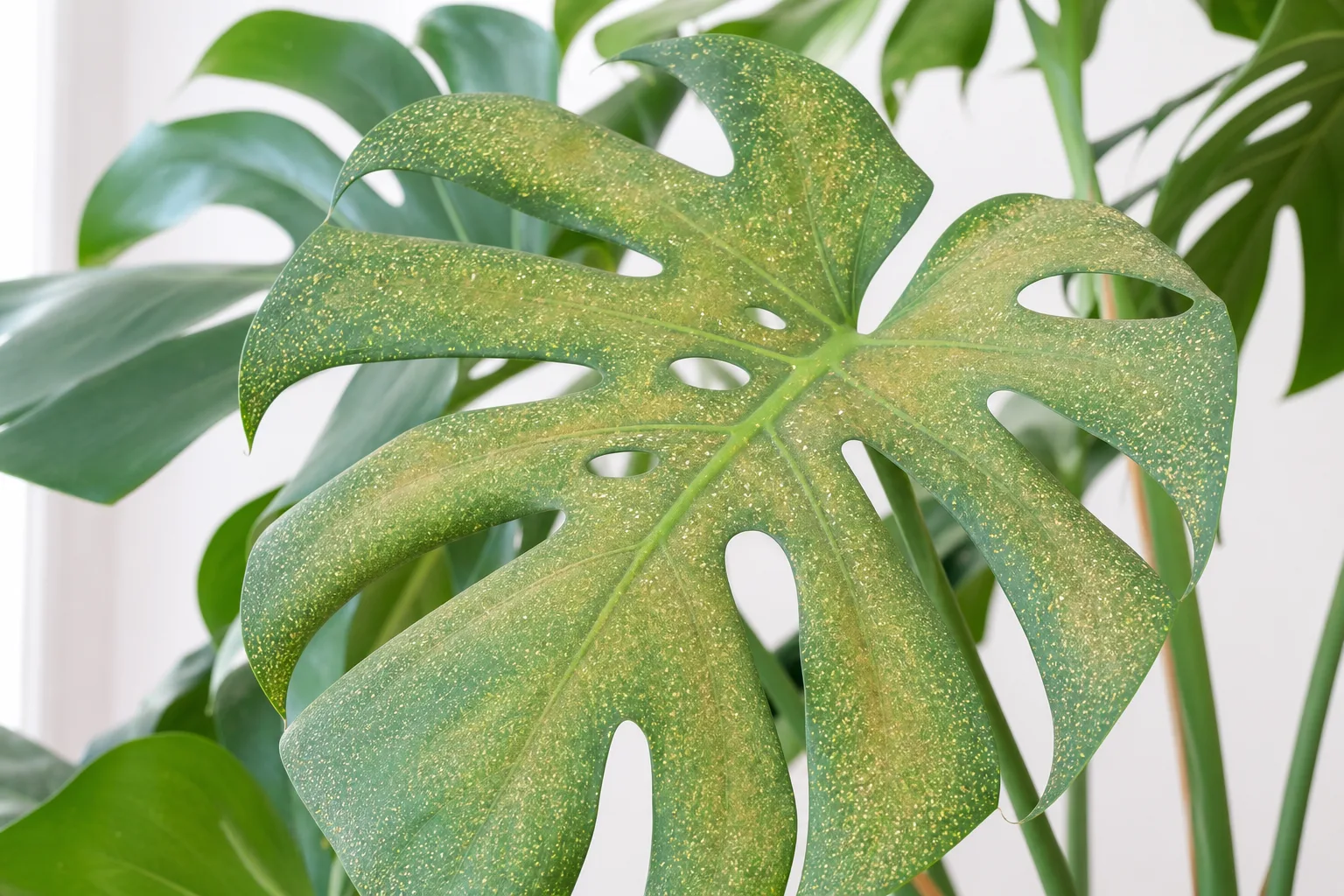
Distorted Leaves on Monstera Deliciosa: Causes, Checks & Fixes
This guide covers distorted leaves on Monstera Deliciosa. See also the general Distorted Leaves guide, watering, and light pages for this plant.
Distorted Leaves on Monstera Deliciosa: Causes, Checks & Fixes
Quick answer
Distorted leaves on Monstera deliciosa (Monstera deliciosa) are blades that open wrinkled, ruffled, asymmetric, or permanently cupped instead of flat and fenestrated. On this climbing aroid, distortion almost always scars while the leaf unfurls at the moss-pole vine tip-the tissue hardens in the damaged shape and cannot be pressed flat later. For general causes of misshapen foliage, see our distorted leaves guide. On Monstera deliciosa, thrips and aphids on the newest rolled leaf are the most common urgent cause; stuck unfurling from dry air is the main environmental mimic.
First step: isolate the plant and inspect the newest unfurling leaf and growth tip with a magnifier. Look for silver streaks, tiny black specks, clustered soft insects, or fine webbing before soaking, fertilizing, or repotting.
What distorted leaves look like on Monstera Deliciosa
Healthy Monstera leaves unfurl from a tight roll into broad, relatively flat fenestrated blades. Distortion breaks that pattern:
Distorted Leaves symptoms on Monstera Deliciosa - compare with healthy tissue on the same plant.
- Wrinkled, rippled, or ruffled new leaf only - Mature leaves below look normal. Classic thrips or aphid feeding on expanding tissue.
- Asymmetric half-leaf with silver scarring - One side of the unfurling blade opens smaller; silvery trails on pale tissue.
- Stuck roll with dry brown crease - Leaf never opens fully; may look crumpled. Low humidity or mechanical snag on moss pole or wall.
- Bumpy corky patches on petioles or leaf base - Oedema from overwatering in low light-corky swellings, not pest ripples.
- Twisted cupped mature leaves after heat spike - Several leaves at once near hot glass. Heat stress rather than pest scarring at one tip.
- Tightly rolled bud for a few days - Normal pre-unfurling, not distortion.
The apical vine tip on the moss pole is the diagnostic focal point. Distortion confined there screams pests or unfurling stress; distortion across the whole canopy suggests environment or chronic root failure.
Why Monstera Deliciosa gets distorted leaves
Thrips on unfurling tissue
Thrips rasp soft new Monstera leaves before they harden. Feeding creates permanent silver scars and ripples as the blade opens. Large mature fenestrations offer plenty of hiding spots along veins and petiole joints, but the worst cosmetic damage lands on the newest leaf.
Aphids at tender growth tips
Aphids cluster on young petioles and rolled leaves, sucking sap and depositing honeydew. Distorted, curled new growth with sticky residue points to aphids-not random deformity.
Spider mites on stressed foliage
Spider mites thrive in warm, dry indoor air. Stippling and fine webbing can distort expanding leaves on a dry-stressed Monstera, though mites more often scar surface tissue than ruffle entire blades.
Low humidity and stuck unfurling
New Monstera leaves emerge rolled on long petioles at the top of the plant. When humidity drops sharply, the roll can dry and crease, opening wrinkled or partially fused. Mature leaves may show curling at margins without full distortion.
Oedema from wet mix in dim light
Oedema produces rough corky swellings on petioles and lower leaf surfaces when roots take up water faster than leaves transpire-cool, overcast, overwatered conditions. Bumpy texture differs from pest ripples on the newest unfurling leaf.
Physical damage during unfurling
A new leaf catching on a shelf, wall, or tight moss-pole tie can tear or crumple permanently. One asymmetric scar with no spread to subsequent leaves fits mechanical damage.
How to confirm the cause
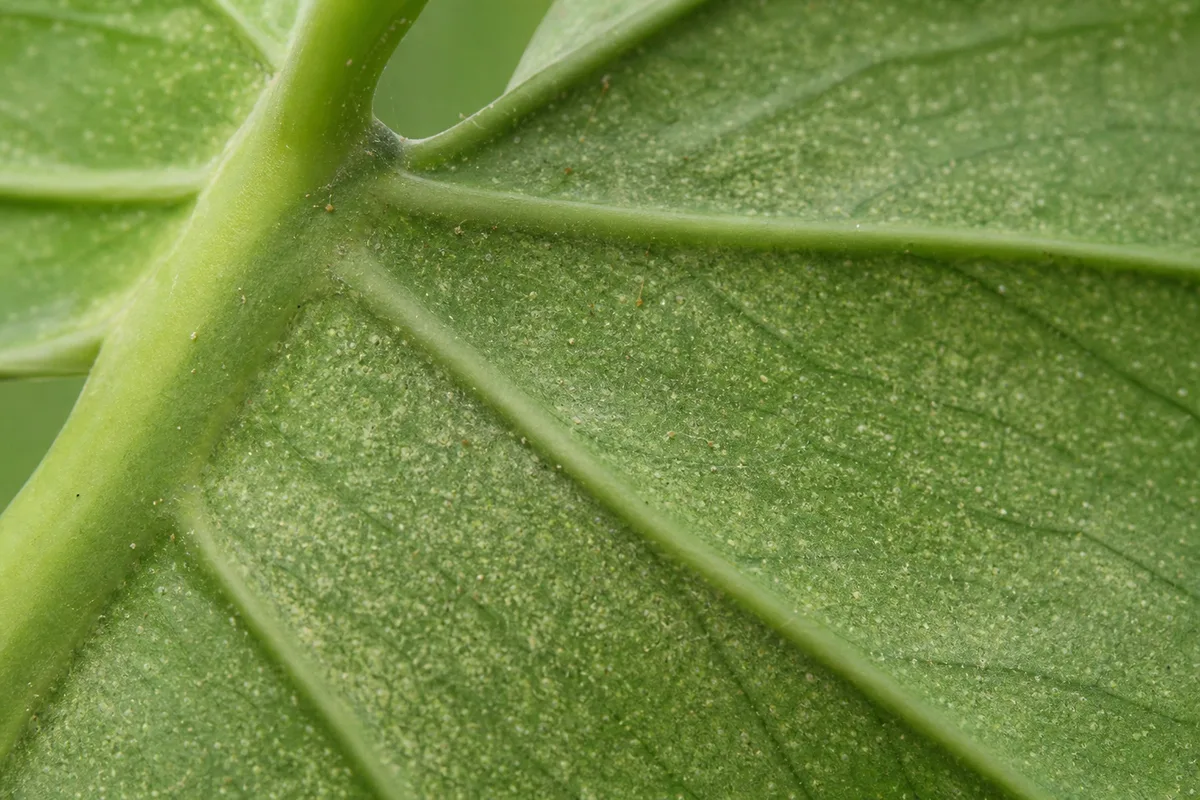
- Magnifier on newest rolled leaf - Thrips, aphids, mites, or frass inside the roll.
- Which leaves affected - New tip only = pests or unfurling. Many leaves = heat, water stress, or systemic issue.
- Silver streaks or sticky shine - Thrips vs aphids respectively.
- Hygrometer and unfurling history - Dry winter air with stuck brown roll = humidity.
- Soil moisture - Wet dim corner with bumpy petioles = oedema risk.
- Physical obstacles - Leaf scraped against object during unfurling.
First fix for Monstera Deliciosa
Isolate the plant and inspect the newest unfurling leaf with a magnifier-then rinse leaf undersides and the growth tip thoroughly if pests are present.
That is the correct first fix when distortion is confined to new growth. Do not fertilize or repot on day one.
- If thrips, aphids, or mites confirmed: Shower or rinse undersides; apply insecticidal soap or horticultural oil per label on repeat schedule after confirming live pests.
- If stuck dry unfurling without pests: Raise humidity to 50–60% with a humidifier; do not compensate with extra water on wet soil.
- If oedema bumps: Reduce watering frequency; improve light so the plant uses water steadily.
- If mechanical snag: Free the petiole; remove only if more than half the blade is destroyed.
Step-by-step recovery
Thrips recovery
- Isolate from collection.
- Rinse all leaf undersides and the apical tip in shower or with hose.
- Apply labeled treatment; repeat per product interval.
- Read full thrips guide.
- Judge success by next two leaves unfurling flat.
Aphid recovery
- Isolate; blast soft insects off tender growth with water.
- Wipe honeydew from petioles.
- Treat with insecticidal soap if colonies return within days.
- See aphids for full protocol.
Humidity unfurling recovery
- Humidifier at canopy; move away from heat vents.
- Do not pull a stuck leaf open by force-tear risk.
- See low humidity.
Oedema recovery
- Let top 3–5 cm of mix dry between waterings.
- Brighten indirect light slightly if plant was in deep shade.
- Bumpy tissue on old leaves is permanent.
Recovery timeline
Pests controlled: Next unfurling leaf should show minimal scarring within two to four weeks; heavily damaged current leaf stays warped.
Humidity corrected: Stuck unfurling may take two to three weeks for the following leaf to open cleanly.
Mechanical damage: One scar permanent; subsequent leaves normal immediately if obstacle removed.
Worsening: Every new leaf distorted for multiple cycles despite treatment means re-check pest ID or root health.
Lookalike symptoms
| Pattern | Likely cause | Page |
|---|---|---|
| Ruffled new leaf, silver scars | Thrips | This page |
| Sticky tips, clustered insects | Aphids | Aphid guide |
| Stippling, webbing | Spider mites | Mite guide |
| Stuck roll, dry brown edge | Low humidity | Humidity |
| Corky bumps on petiole | Oedema / overwatering | Overwatering |
| Inward cup on many mature leaves | Curling leaves | Moisture curl |
What not to do
Do not pull open a stuck unfurling leaf by hand-you will tear it permanently.
Do not fertilize distorted growth hoping for correction.
Do not stop after one pest spray-eggs hatch on repeat cycles.
Do not ignore distortion on the vine tip while treating only mature leaves.
How to prevent distorted leaves next time
Quarantine new plants. Inspect the moss-pole apical tip weekly during spring and summer growth. Maintain 50–60% humidity for clean unfurling. Keep the growth path clear of walls and shelves. Wipe dust from broad undersides monthly. Treat confirmed pests on label repeat intervals.
When to worry
Urgent if distortion spreads to every new leaf for multiple weeks, sticky honeydew attracts ants, or stems soften on wet soil (layered root failure). One wrinkled new leaf after a known thrips exposure is treatable if caught early.
When to use this page vs sibling guides
| Your question | Best page |
|---|---|
| Warped, ruffled, asymmetric new leaves | This page |
| Inward cup on mature leaves | Curling leaves |
| Silver scars, thrips-specific | Thrips |
| Stuck roll, dry edge | Low humidity |
Related Monstera deliciosa guides
Conclusion
Distorted leaves on Monstera deliciosa are permanent once unfurled-focus on protecting the next leaves at the vine tip. Magnify the newest rolled leaf, isolate if pests are present, and fix humidity or obstacles if unfurling is stuck. Success is flat, full new fenestrated growth-not reshaping old warped blades.