How to Water Common Sage (Salvia officinalis)
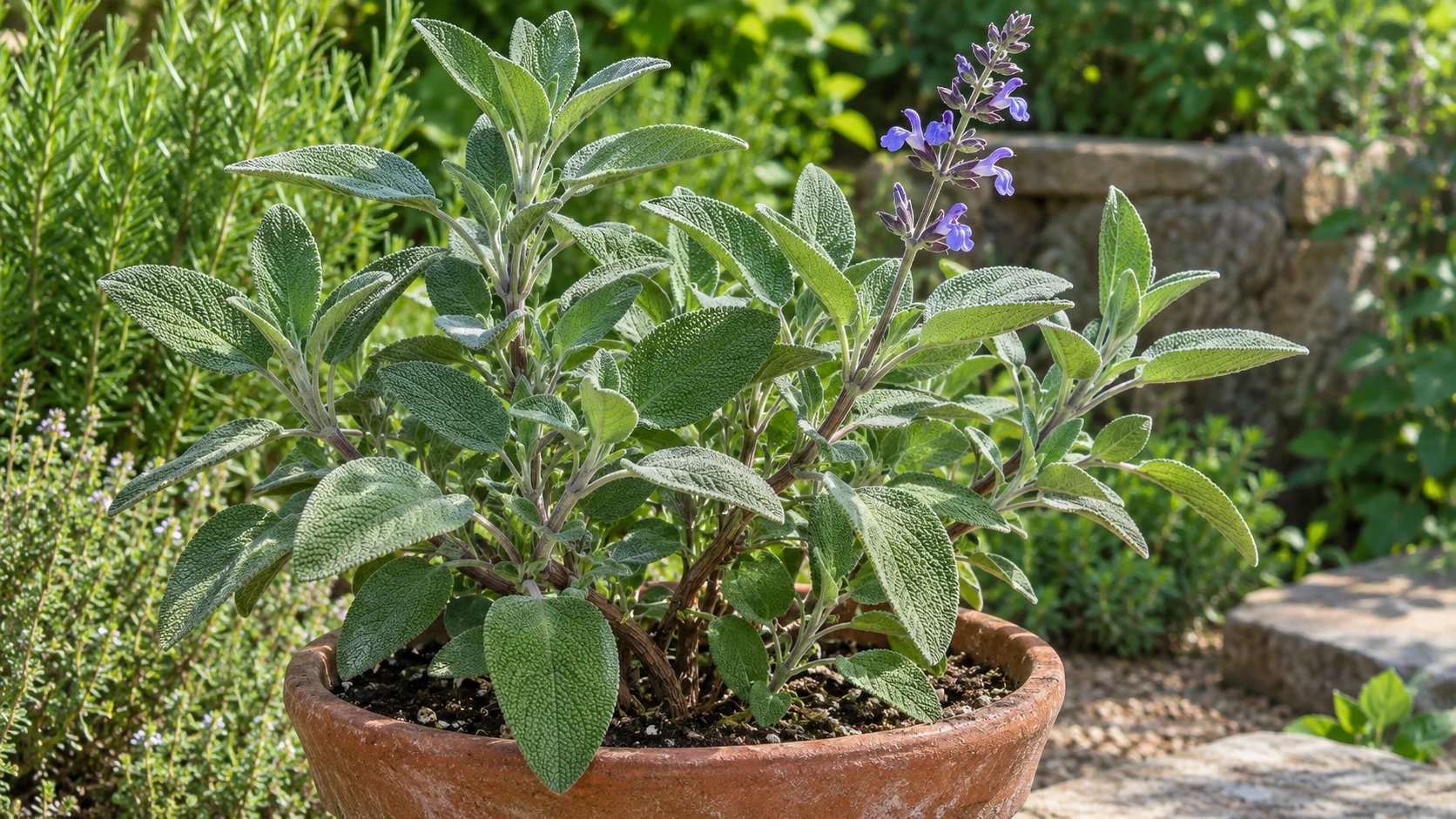
How to Water Common Sage (Salvia officinalis)
How to Water Common Sage (Salvia officinalis)
Quick answer
First, check the soil or compost before you water. Newly planted common sage (Salvia officinalis) needs water during dry spells while its roots establish; an established plant in a well-drained garden bed is drought tolerant and usually needs extra water only during a prolonged dry period. A pot dries faster, so check its compost regularly and water when it has begun to dry, then let excess drain away. The RHS growing guide and NC State Extension both stress the contrast between drought tolerance and intolerance of wet soil.
Do not use a fixed weekly schedule. Rainfall, pot size, soil, sun and wind change the drying rate. If a plant looks wilted but its root zone is wet, wait and inspect drainage before adding more water. The Sage overview explains the full setup; this page focuses on watering decisions.
Watering common sage in garden beds
The first year after planting
A new plant has a smaller root system than an established shrub. Water during dry spells through its first growing season, especially when hot weather arrives before roots have spread into surrounding soil. Apply water to the root area rather than giving the foliage a quick sprinkle. The RHS recommends watering new sage during dry spells in the first year after planting.
The goal is to help roots establish, not to keep the bed continuously damp. If the soil stays wet after rain, solve the drainage problem before adding a watering routine. The Sage soil guide covers raised beds and soil amendments for sites that hold water.
Watering an established plant
Once common sage is established in a sunny, freely draining bed, it usually manages ordinary dry intervals without routine irrigation. The Missouri Botanical Garden recommends dry-to-medium moisture and warns that wet soils can be fatal; the RHS plant profile also describes sage as drought tolerant once established.
During an unusually long dry spell, water slowly at the base, then let the bed dry again before watering a second time. Avoid frequent shallow sprinkling that wets the surface without reaching the root area. Gardener’s HQ also describes the preferred soil moisture as medium to dry and advises letting the soil dry between waterings (Gardener’s HQ). If older leaves look tired, check the soil first rather than treating every change as drought; sage naturally develops woody stems as it ages, and a light guide can help separate exposure stress from watering symptoms.
Watering sage in a container
A container has less soil volume than a garden bed and is exposed to sun and wind on all sides. Its compost can dry much faster, particularly in hot weather, so container sage needs more frequent checks even though the species itself tolerates dry conditions. The RHS growing guide notes that container compost can dry quickly in summer and that sage should be kept slightly moist but not saturated.
Check the compost before watering
Push a finger or a clean wooden skewer into the compost about a third of the way down the pot. If it still feels cool and damp, wait and check again later. If it is dry at that depth, water. The RHS recommends checking container moisture before watering and notes that small, light showers may wet only the surface (RHS container watering guide).
Do not judge only by the surface: it can look dry while the lower root zone is still moist. In warm, windy conditions, check more often; in cool, cloudy weather, check less often. Terracotta, a small pot or a crowded root ball may all change the interval, so the calendar is only a reminder to inspect.
Water slowly and let the pot drain
Pour slowly over the compost surface so water reaches the root ball instead of running down a gap beside it. Stop when the compost is evenly moist and a little water begins to leave the drainage holes. Empty the saucer after the pot has drained; do not leave the base standing in water. The RHS container guide recommends slow, careful watering and emptying trays after runoff rather than keeping compost saturated.
If water runs straight through a very dry root ball, pause briefly and add a second small pour after the first has soaked in. If the pot remains heavy and wet for many days, check for blocked holes, dense compost or a container that is too large for the root ball. See the Sage repotting guide if the compost has compacted or the roots have crowded the pot.
Adjust water for weather and season
Hot, dry spells
A sunny pot may dry in a short time during a heat wave, while the same sage planted in the ground stays moist below the surface. Check each container individually and water only when the compost has dried through the upper root zone. The RHS container guide notes that containers dry more quickly than garden soil and that warm, windy weather increases water use.
In extreme heat, shade the pot from the hottest reflected afternoon sun if the container is overheating, but keep the plant in bright light. Do not compensate for hot roots by keeping compost wet all day. For a broader exposure decision, use the Sage light guide.
Monsoon and winter rain
During prolonged rain, stop scheduled watering and let the pot drain. Raise containers so their holes are not blocked by the ground, and move them under shelter if the compost remains saturated. The RHS warns that excess winter rain can rot container sage roots and recommends a sheltered position; the same drainage logic applies during a persistent monsoon downpour (RHS growing guide).
In a garden bed, do not water while the soil is already wet from rain. Sage’s Mediterranean origin does not mean it can survive waterlogged roots; NC State cautions that common sage is intolerant of wet or poorly drained soil. In warm, humid climates, the risk of persistent damp is especially worth watching; Aussie Green Thumb notes that hotter, more humid conditions can be difficult for this drought-tolerant herb. In cool or rainy periods, a longer interval between checks is normal.
How to tell when sage needs water
A genuinely dry plant may have slightly limp leaves after a prolonged hot spell, and its pot may feel much lighter than usual. Check the compost before acting. If the root zone is dry, water once and watch whether the leaves regain firmness; avoid repeated small doses through the day. Established garden plants may not show obvious distress before they need a rare drought watering, so let the soil condition guide the decision.
Do not confuse slow growth with thirst. Sage may pause when weather is cool, while yellowing or limp stems on wet compost can point to root trouble instead. If growth is weak in otherwise reasonable conditions, compare the Sage fertilizer guide only after light and drainage have been checked.
Signs the roots are getting too much water
Persistently wet compost, a sour smell, soft stems near the base or widespread yellowing are reasons to stop watering and inspect drainage. NC State Extension lists root rot among possible problems on common sage and describes its intolerance of wet soil.
Check the root zone before adding water
If the plant is in a pot, remove it from any cachepot and confirm that water can escape from the base. If stems are soft or the compost stays wet, slide the root ball out carefully and look for dark, mushy roots. Do not water again until you have improved the drainage or replaced compacted compost. Gardeners’ Path also warns that sage standing in water is vulnerable to root rot (Gardeners’ Path).
For a garden bed, check whether water pools after rain or the ground stays saturated. A raised bed or container may be a better long-term answer than trying to adjust watering around a site that never dries. The Sage soil guide gives drainage options.
What watering cannot fix
Water will not correct inadequate light, a crowded root ball, a dense soil mix or a plant whose center has become woody. It can make those problems worse when the roots remain wet. Before changing several care factors, check the Sage light guide for stretched growth and the Sage pruning guide before cutting old stems.
When to use this page vs other Sage guides
Use this page when you need to decide whether to water a Sage plant today. Use the overview for the whole care routine, the soil guide for drainage, and the repotting guide when a container no longer drains or roots are crowded. The fertilizer guide is for nutrition, not a substitute for fixing wet roots.
Conclusion
Check the root zone before watering. New sage needs water during dry spells while establishing, mature sage in the ground is usually drought tolerant, and container plants need more frequent moisture checks because their compost dries faster. Keep roots out of standing water, especially during wet or cool weather.
Related Sage guides
- Sage overview — match the whole care routine to your growing setup.
- Sage light guide — assess stretched growth and exposure.
- Sage soil guide — improve drainage and choose a container mix.
- Sage fertilizer guide — decide whether a plant needs feeding.
- Sage repotting guide — address compacted compost or crowded roots.
- Sage pruning guide — cut back only where fresh growth supports recovery.