Bermuda Grass: Planting, Care, and Cost
Learn when to plant Bermuda grass, how to water and mow it, whether seed or sod fits your yard, and what a Bermuda lawn may cost.
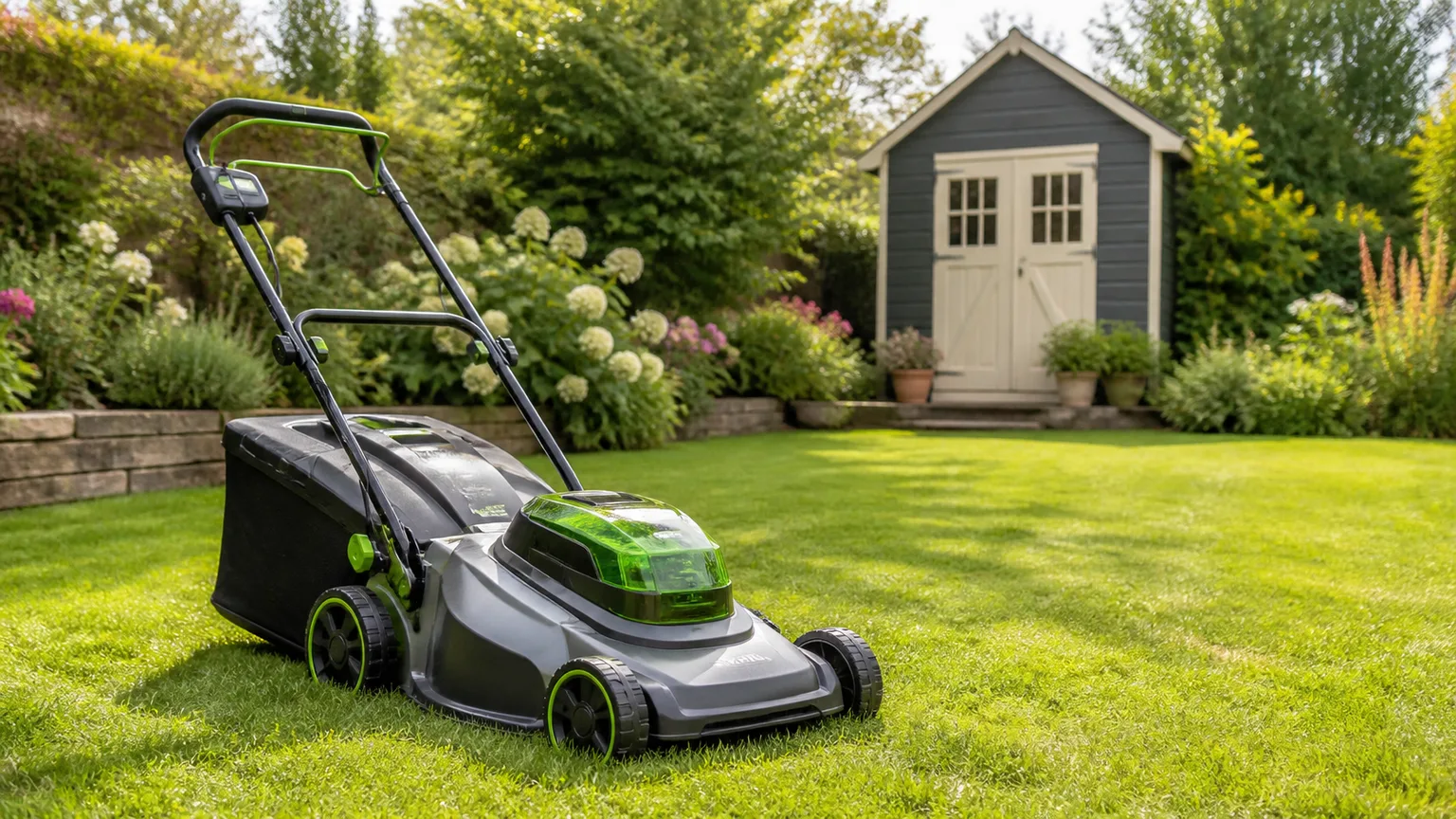
Bermuda grass can make an excellent lawn when three conditions line up: warm growing weather, full sun, and soil that drains after irrigation. It is a spreading warm-season turf that repairs traffic wear quickly, tolerates heat and dry spells once established, and suits many southern yards. It is also a poor choice for a shady lot or for a homeowner who wants to mow infrequently.
The smartest way to choose it is to evaluate the site before buying seed or sod. This guide covers that decision, planting methods, establishment watering, mowing, fertilizer, weeds, seasonal care, troubleshooting, and a realistic way to estimate cost.
Is Bermuda grass right for your yard?
What Bermuda grass is
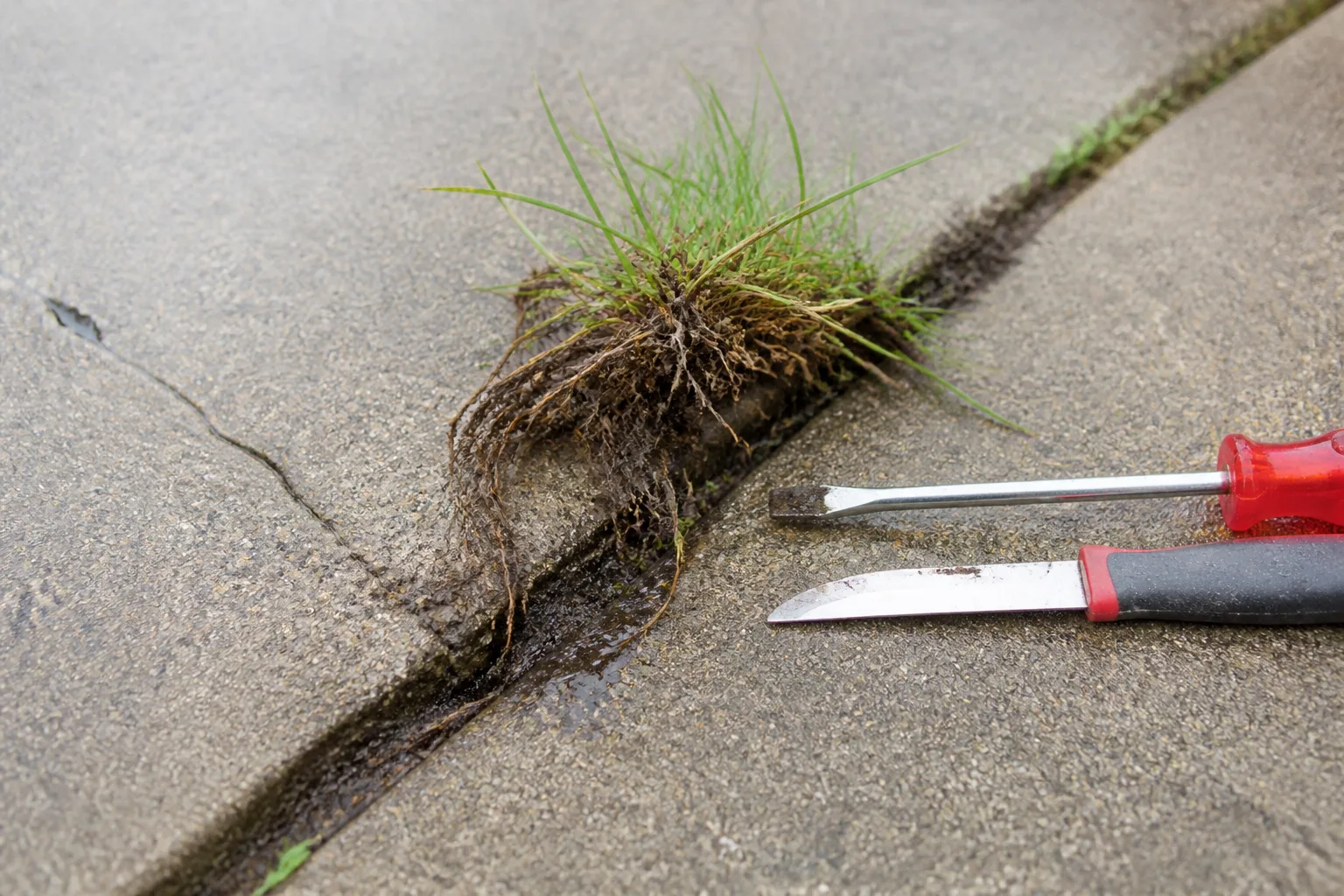
Bermuda grass is Cynodon dactylon, a perennial member of the grass family Poaceae. It spreads above ground with stolons and below ground with rhizomes, then fills open soil with a dense, fine-textured turf during warm weather. Those spreading stems explain both its ability to recover from play and its ability to escape into beds or cracks if edges are neglected.
It is a warm-season grass. In a suitable climate it grows most actively from late spring through summer, turns brown after sustained cold or frost, and resumes growth as soil and air temperatures rise. The exact dates depend on latitude, elevation, winter severity, and the cultivar or hybrid you choose.
Strengths and trade-offs
The main advantages are heat tolerance, drought resilience, traffic recovery, and fast coverage. A sunny Bermuda lawn can handle children, pets, and paths better than many cool-season grasses, provided the soil is not compacted and the mower is set correctly.
The costs are just as important. Bermuda needs frequent mowing during peak growth, loses vigor in shade, can look untidy when it spreads beyond its intended boundary, and may stay dormant for months in cooler regions. Its drought tolerance does not mean it should be established dry or watered shallowly every day forever.
Choose the site before you buy
Walk the proposed lawn at different times of day and count direct sun. Bermuda performs best in an open site with roughly six to eight hours of direct light; the exact threshold varies with cultivar, heat, and competition. Morning sun filtered through a tree may not compensate for dense afternoon shade, and a lawn that is sunny in April can be shaded by a full canopy in July.
Check drainage after a strong rain or a deep irrigation cycle. If water stands for hours, solve grading or compaction first. A soil test can reveal pH and nutrient needs, but it will not fix a low spot, a leaking irrigation head, or tree-root competition.
Finally, decide how you will contain the grass. Install or maintain a clean edge along beds, paths, and fences, and do not assume a narrow strip of mulch will stop stolons indefinitely. Bermuda is a useful lawn plant, not a good candidate for a carefree border.
When to plant Bermuda grass
Plant during the warm growing season, after the risk of hard frost has passed and soil temperatures are consistently favorable for growth. For many warm-climate lawns, late spring through early summer is the practical window. Planting too early leaves seed, sprigs, or sod waiting in cold soil; planting too late shortens the time available for roots to establish before dormancy.
Use local Extension timing rather than a calendar date copied from another state. A coastal Texas schedule, a high-elevation Oklahoma schedule, and a northern edge-of-range schedule can differ substantially. If you are renovating a lawn, also plan around pre-emergent herbicides: products that prevent weed seed can prevent Bermuda seed from establishing too.
Regional guidance from Texas A&M AgriLife Extension and Clemson Cooperative Extension makes the same larger point: establishment timing and cultivar choice should follow local growing conditions, not a universal date.
Seed, sod, sprigs, or plugs
Seed is usually the lowest-cost way to cover a large area, but it exposes the project to uneven moisture, erosion, birds, weeds, and a longer period of vulnerability. Buy seed suited to your region and follow the label’s seeding rate; more is not automatically better.
Sod gives immediate soil coverage and reduces erosion and weed exposure. It costs more up front and still needs careful watering until roots knit into the site. Lay it on prepared, moist soil with tight seams and staggered joints; do not stretch pieces across gaps.
Sprigs are small stolon pieces used by some growers and turf professionals. They can establish efficiently in warm weather but need excellent moisture management and close contact with soil. Plugs are useful for repairing small areas or extending an existing Bermuda lawn, though they take time to fill.
Choose based on risk as well as price: seed rewards patience and irrigation control, while sod buys speed and surface stability.
How to plant Bermuda grass
Prepare soil and grade
Remove debris, perennial weeds, and unwanted turf. Correct drainage and rough-grade the site, then loosen the upper soil enough for roots to contact it without creating a fluffy layer that settles later. A soil test is more useful than automatically adding lime or fertilizer; apply amendments according to the report and incorporate them only as recommended.
For seed, finish with a firm, level seedbed. Bermuda seed needs close contact with soil and only light coverage, so rake shallow grooves rather than burying it deeply. For sod, make the final surface smooth enough that every piece sits evenly; bumps become mowing problems and low seams dry out first.
Establish seed or sod
Spread seed in two directions at right angles for more even coverage. Roll or press it gently, then cover it with no more than a thin layer of suitable material if the product or local guidance calls for it. Keep the upper surface consistently moist while germination begins, but stop before runoff carries seed downhill.
For sod, water the prepared soil just before laying if it is dry. Press each piece firmly into the soil, close the seams, and water immediately after a manageable section is installed. Check the underside of a piece after a few days: moist soil and new root contact are good signs; dry, curling edges signal a watering or grading problem.
The RHS lawn-establishment guidance is useful here because it treats preparation, firm seed contact, and aftercare as one process rather than separate shopping decisions.
Watering during establishment
New seed and sod have different risks, but both fail when the surface cycles from wet to bone-dry. Seeded areas often need light, frequent irrigation at first because the seed is shallow. As seedlings emerge and roots deepen, gradually increase the interval and the depth of each watering rather than keeping the surface constantly wet.
Sod needs enough water to keep the root zone moist while it roots into the soil. Lift a corner or probe below the surface to check rather than relying only on a timer. In hot, windy conditions, newly installed sod may need more frequent checks; in cool or rainy weather, automatic irrigation can overwater it.
Avoid walking repeatedly on saturated soil. Foot traffic can compact the same shallow root zone you are trying to establish, especially on clay.
The ongoing watering routine
Once established, Bermuda is more resilient when irrigation is deep and appropriately timed. The goal is to wet the active root zone, allow the surface to dry, and adjust for rainfall, soil type, slope, heat, and mowing. A screwdriver or soil probe helps reveal whether water is penetrating or merely wetting the top inch.
Water early enough that foliage can dry during the day, and repair broken or misaligned irrigation heads. Do not use a fixed “every few days” schedule through every season. During dormancy, irrigation needs are lower; during active growth, drought stress shows as rolled or folded blades, a dull blue-green cast, or footprints that remain visible.
Mowing for density and drought resilience
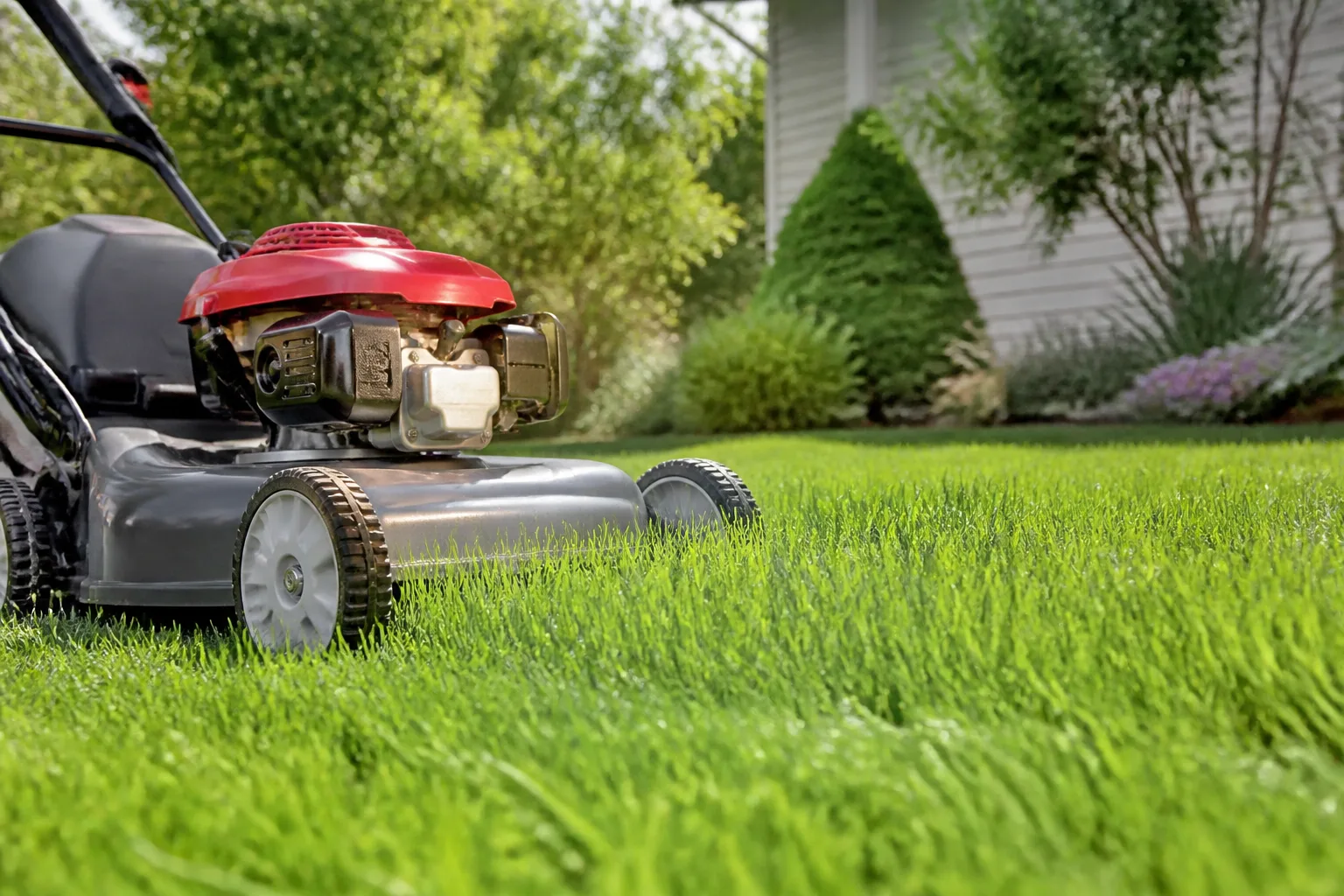
Bermuda grows best when mowed regularly enough that you remove only a modest portion of the blade at each cut. Many home lawns perform well around one-half to one-and-a-half inches, depending on cultivar, terrain, mower, and the quality of the lawn. Taller mowing can improve tolerance in some conditions, while very low mowing demands a level surface and specialized equipment.
Never remove a large amount of height at once to rescue an overgrown lawn. Mow in stages, keep the blade sharp, and vary your route to reduce wheel wear. Return fine clippings when the lawn is actively growing and the clippings do not clump; they recycle nutrients and are not the same as leaving thick piles that smother turf.
Fertilizing from a soil test
Start with a soil test, especially before applying phosphorus, lime, or repeated nitrogen. The result tells you whether the lawn actually needs those nutrients and can prevent a cycle of weak growth, excess runoff, and wasted money. Apply fertilizer during active growth, not to push a dormant lawn into tender growth before a cold snap.
Nitrogen can improve color and density, but too much creates lush, thirsty growth and may increase mowing, thatch, or disease pressure. Follow the product label for rate and timing, sweep granules off hard surfaces, and keep fertilizer out of drains and waterways. A “greener” lawn is not automatically a healthier lawn if the root zone is compacted or irrigation is poor.
For a second regional reference, UGA Extension’s turfgrass guidance explains why soil testing and seasonally appropriate fertilization matter more than applying a generic bag rate.
Aeration, thatch, and seasonal maintenance
Core-aerate when Bermuda is actively growing and the soil can recover quickly. This is especially useful on heavily trafficked or clay sites where water runs off and roots remain shallow. Avoid aerating waterlogged ground or using spike shoes as a substitute for removing actual soil cores; spikes can compress the surrounding soil.
Inspect thatch rather than dethatching by habit. A thin organic layer protects soil, but a thick, spongy layer can interfere with water and fertilizer movement. Mow, edge, and sharpen equipment before the main growing season, and use a calendar as a reminder—not as a reason to perform a chore the lawn does not need.
Weed and pest management
Dense, properly mowed turf is the first weed-management tool. Correct thin areas, compaction, and irrigation problems before reaching for herbicide. If you use a pre-emergent or post-emergent product, read the current label carefully for Bermuda safety, timing, temperature limits, reseeding restrictions, and application instructions. Never infer that a product is safe simply because it is marketed for lawns.
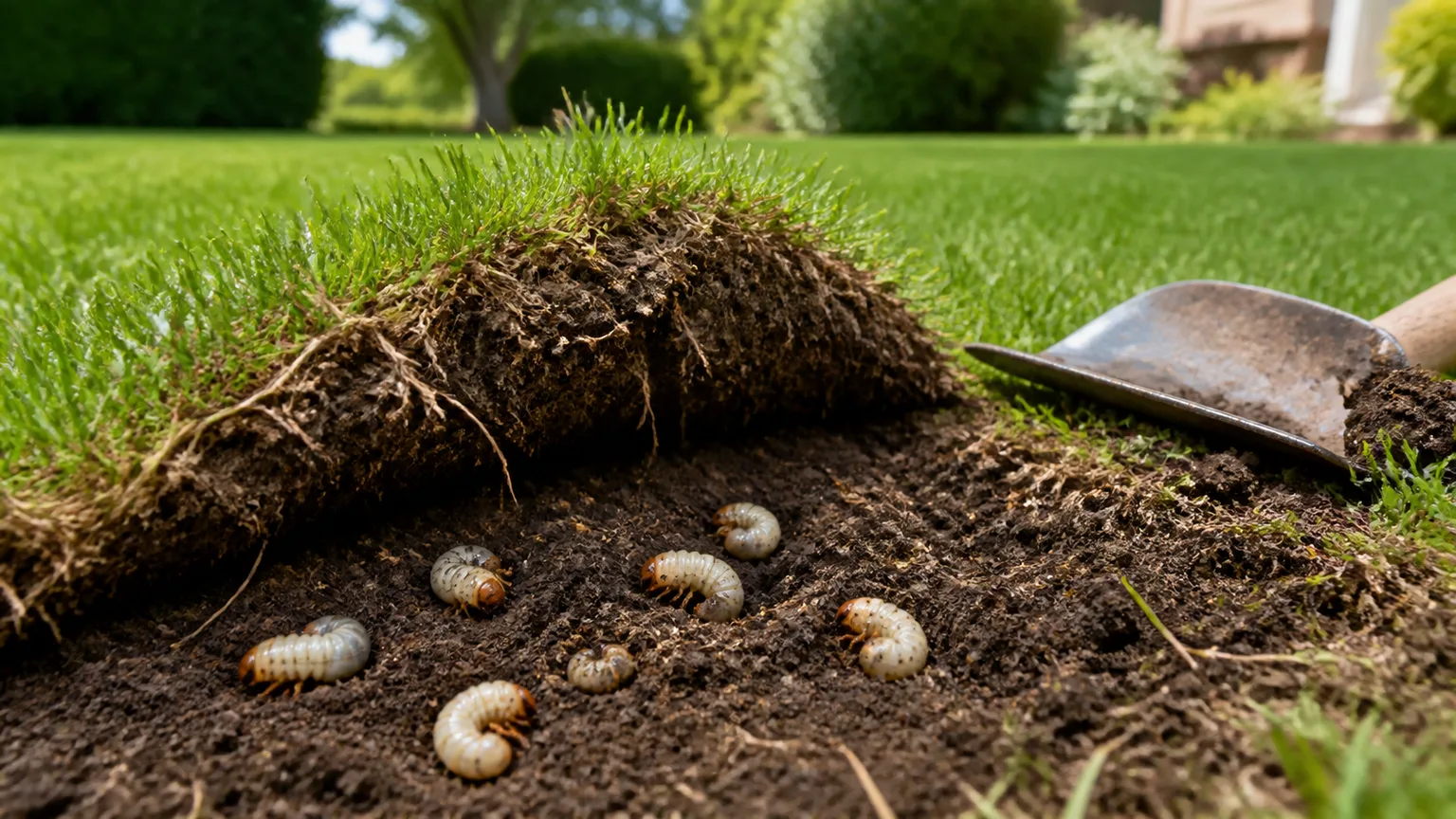
Scout before treating insects. Cut a small section of turf or inspect the root zone when grubs are suspected, look for pattern and season, and identify the pest rather than treating every brown patch as an insect problem. The University of California IPM program emphasizes diagnosis and thresholds; that approach is safer for beneficial organisms and your budget.
Brown patches and bare spots
Start with location and pattern. A patch under a tree points toward shade or root competition; a strip along a driveway suggests reflected heat or salt; a circular, spreading area after humid weather raises different disease questions than a patch that lifts easily because of grubs.
Probe soil moisture, inspect roots, check mowing height, and review recent fertilizer or herbicide applications. Repairing the cause comes before adding seed. Once the site is suitable, rake out dead material, loosen the surface lightly, add compatible Bermuda seed or plugs, and protect the repair from traffic while it fills.
Winter dormancy and spring green-up
Brown Bermuda in winter is often normal dormancy, not a watering failure. Color depends on cold, frost, cultivar, and exposure. Continue mowing only while there is meaningful growth, remove fallen leaves that block light, and avoid heavy nitrogen late in the season.
In spring, wait for consistent warmth before aggressive renovation. A premature scalp can expose crowns to cold, while leaving a dense layer of dead material can slow green-up. Begin mowing as growth returns, check irrigation, and use a soil test to plan fertility instead of applying a spring fertilizer automatically.
Bermuda grass cost and budgeting
Prices vary by region, cultivar, season, delivery distance, pallet size, and installation. A useful estimate separates material, delivery, site preparation, irrigation repairs, soil amendments, labor, and follow-up care. Seed is typically the budget option; sod is the speed option; sprigs and plugs sit between them depending on availability and labor.
For a rough project calculation, multiply the measured lawn area by the supplier’s installed or material price, then add waste and delivery. Do not use a national price range as a quote. Get local prices for the exact area, and ask whether the quote includes grading, old-turf removal, starter fertilizer, watering, and warranty terms.
The cheapest installation can become the most expensive if the site is shady, irrigation is inadequate, or soil is compacted. Spending first on a site assessment and accurate measurement often prevents buying the wrong grass or too little material.
Bermuda grass compared with other lawn grasses
Bermuda is a strong fit for a hot, sunny, active lawn. Zoysia can offer a denser, slower-growing turf with somewhat different shade and winter behavior, but it may establish more slowly. St. Augustine generally handles more shade but has different water, disease, and traffic trade-offs. Tall fescue remains greener in cool seasons and can suit transition zones, but it often needs more summer irrigation where heat is intense.
Compare grasses on the conditions you actually have: hours of sun, winter color expectations, mowing time, water availability, traffic, soil drainage, and tolerance for spreading. “Drought tolerant” is not a universal ranking; a grass that survives drought in full sun may fail quickly in shade or compacted soil.
Conclusion
Bermuda grass is a practical lawn choice when your yard is warm, sunny, well-drained, and used enough to benefit from rapid recovery. Establish it during active growth, prepare the soil instead of rushing to plant, water the root zone carefully, mow often enough to avoid scalping, and let a soil test guide fertilizer.
The decisive question is not whether Bermuda is tough. It is whether your site and maintenance habits match the way this grass grows. If they do, it can deliver a durable, efficient lawn; if they do not, choosing a better-matched grass before spending on seed or sod will save years of correction.