Are Tulips Perennials? It Depends on the Variety
Are tulips perennials or annuals? Learn which types return, what climate and soil they need, and what to do after flowering for another spring of blooms.
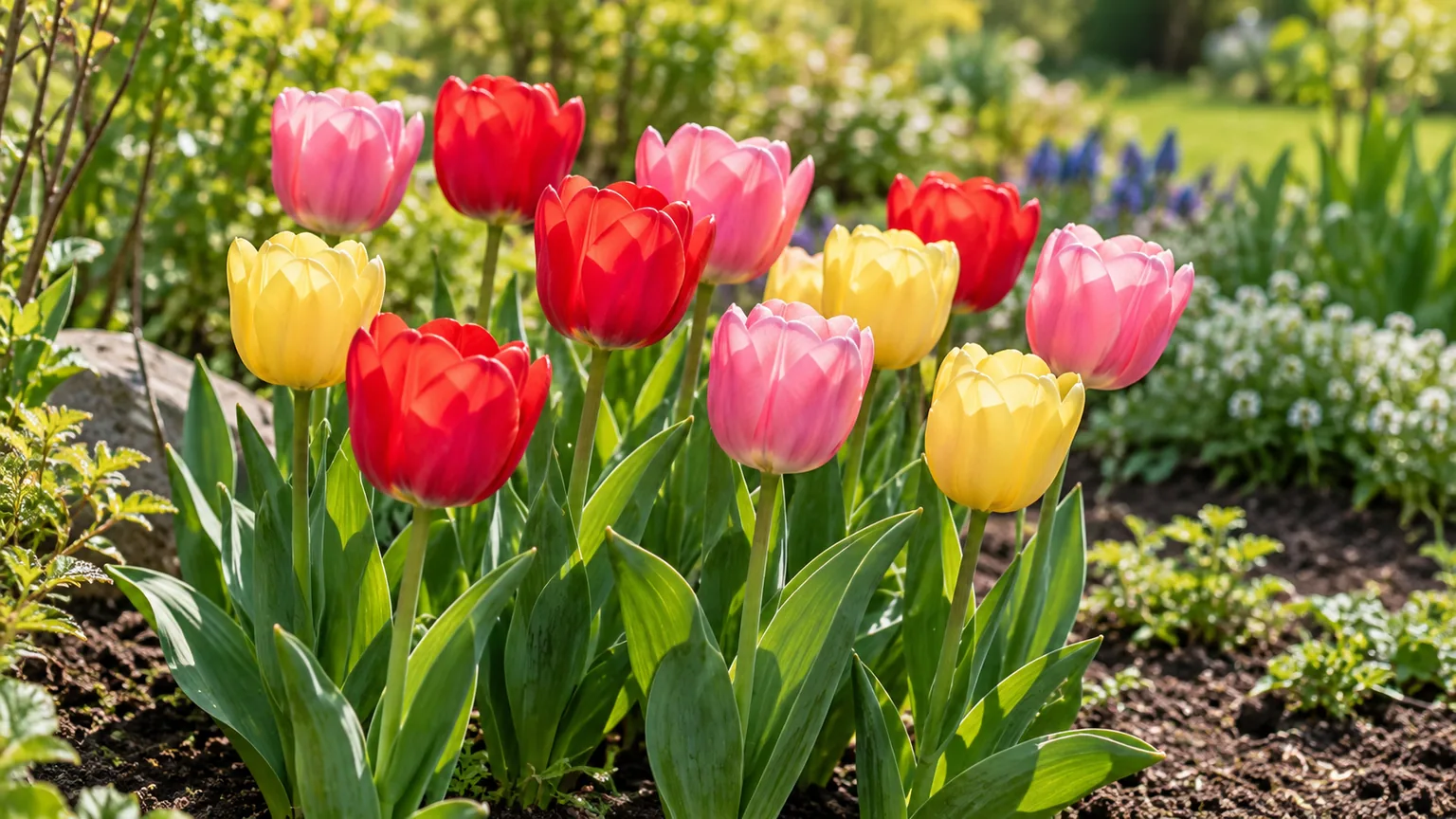
Tulips are perennial bulbs: the plant stores energy underground, dies back after flowering, and can grow again from that bulb. But “perennial” describes the life cycle, not a guarantee that every tulip will produce the same bright flower display year after year. Gardeners often replace tulips annually because many large-flowered garden varieties bloom most impressively in their first season and fade in later years.
If you want a reliable, tightly packed spring display, planting fresh bulbs each fall is a sensible choice. If you would rather have tulips return with less replanting, choose varieties known to perennialize, put them in a sunny, well-drained bed, and let the leaves finish feeding the bulb after bloom. The answer depends on both the tulip and the place it grows.
The Short Answer: Tulips Are Perennials by Nature
Tulips are not true annual plants. An annual completes its life cycle from seed to flower to seed in one growing season; a tulip survives the unfavorable season inside a dormant bulb. In spring, that bulb sends up leaves and a flower, then the plant’s aboveground growth fades while the bulb rests underground.
In practice, “annual tulip” usually means a bulb planted for one spring display and replaced the next autumn. That is a gardening choice, not a different kind of tulip. The RHS growing guide makes a useful distinction between border tulips, often used as seasonal bedding, and specialist tulips related to wild species, which are more likely to return and multiply.
So the accurate answer is two-part: tulips are perennial bulbs, but not all tulips are dependable perennials in every garden. If a label says “naturalizing,” “perennializing,” or “returns for several years,” treat that as a better clue than the flower’s color or shape—and still expect local conditions to matter.
Why Gardeners Often Treat Tulips as Annuals
Many people want a dense block of tall, large flowers, all opening together in vivid colors. Fresh, mature bulbs are the easiest way to get that result. Older plantings can become patchy: fewer flowers open, some bulbs produce leaves without blooms, and daughter bulbs crowd around the original. A bed planned for a uniform spring show may no longer look as full in its second or third year.
There is also a seasonal design reason. Tulips flower in spring and then leave foliage in place for several weeks. If that foliage will look untidy in a formal bed, gardeners may lift the bulbs after the leaves die and replace them with summer flowers. The RHS notes that standard border tulips usually flower most reliably in their first year, while selected cultivars can remain and bloom for several years in a sunny, well-drained spot.
Calling tulips annuals is therefore shorthand for “I plant them for one season of peak display.” It does not mean the bulbs are incapable of surviving or that every bulb must be thrown away after flowering. A naturalistic border, rock garden, or lawn edge has different priorities from a formal bed that needs an exact color block every spring.
How One Bulb Becomes Next Year’s Plant
A tulip bulb is a compact storage organ, not a seed that has to restart from scratch each spring. The leaves collect sunlight and send stored sugars back down into the bulb after flowering. That reserve supports the next season’s growth and helps small daughter bulbs develop alongside the parent.
Those offsets do not necessarily flower right away. South Dakota State University Extension explains that a young bulblet may first produce a single leaf while it gains size, and it can take more than one growing season to become large enough to flower. Over time, the original bulb can decline as daughter bulbs mature, so a returning patch may change in density even when it is healthy.
This explains two common surprises. A patch that comes back with leaves but no flowers may contain small offsets that are still growing, or larger bulbs whose reserves were reduced by early leaf removal, shade, or poor drainage. And tulips may multiply without making next spring’s bed look fuller immediately: the new bulbs need time to reach flowering size. SDSU Extension’s tulip life-cycle guidance is helpful here because it treats leaf growth, bulb renewal, and flowering as one connected cycle.
Tulip Types Most Likely to Return
When reblooming matters, buy by class and cultivar rather than choosing only by a photograph. Iowa State University Extension says many modern varieties bloom well for a few years, while species tulips are generally the longest-lived and certain hybrid groups also perennialize well. The seller’s description still matters: the same broad class can vary in performance from one cultivar and climate to another.
Species tulips are the best naturalizers
Species tulips, sometimes sold as botanical or wild tulips, are usually shorter and more delicate than the large bedding types. Many can naturalize—persisting and gradually forming a small colony—when their site suits them. Examples include Tulipa clusiana and T. tarda, both highlighted by Iowa State Extension for garden use; specific species have different habits, so check the label before expecting a spreading patch.
Their smaller scale is a trade-off, not a defect. They often suit the front edge of a border, a rock garden, or a loose planting among low ground covers better than a formal row of tall cut flowers. Choose them if you value a lasting, informal spring feature more than oversized blooms.
Kaufmanniana, Fosteriana, and Greigii add persistence
Kaufmanniana, Fosteriana (also called Emperor), and Greigii tulips are common recommendations for perennializing. Kaufmanniana tulips are short, early flowers that open wide in sun. Fosteriana types carry large flowers on sturdy stems; Greigii types are compact and may have mottled or purple-striped foliage. Iowa State’s tulip-class guide describes these groups as long-lived or good perennializers, depending on class.
“Good perennializer” does not mean indestructible. A North Carolina State Extension profile of Greigii tulip notes that tulips generally decline when temperatures above 70°F persist, as well as the risk of rot in poorly drained soil. That is why a variety that returns well in one cool, dry-summer bed may disappoint in a warmer or wetter one.
Darwin hybrids are a bigger-flowered compromise
Darwin hybrids are worth considering if you want a classic, large tulip and a better chance of repeat blooms than many bedding types offer. Iowa State Extension calls them one of the better perennial tulips and says they often flower well for several years. They are not as small or informal as most species tulips, so they can bridge the gap between a showy display and a planting you leave in place.
For tulips with dramatically fringed, double, parrot-shaped, or unusual colors, look at the cultivar description instead of assuming the flower form predicts longevity. Some may return; others may be best treated as seasonal accents. The practical rule is simple: buy specifically for perennializing when repeat blooms are the goal, and refresh any variety that stops meeting the standard you want.
The Climate Test: Chilling and Summer Conditions
Tulips need a seasonal temperature cycle. In regions with cold winters, the bulb receives the cool period outdoors. SDSU Extension describes a winter chilling range of roughly 35–48°F for about 13–20 weeks in its regional growing context; the exact requirement varies with the variety and production history of the bulb. A USDA hardiness zone can help you judge winter survival, but it does not tell the whole story about the length of chill, summer heat, soil drainage, or the conditions in a particular bed.
In mild-winter regions, tulips can still make a one-season display if you start with bulbs that have been properly pre-chilled. UF/IFAS advises Florida gardeners to use pre-chilled bulbs and think of them as annuals: they may flower once and sometimes persist briefly, but they typically do not rebloom there. If you live somewhere warm, follow the supplier’s chilling instructions and do not count on ordinary fall planting outdoors to provide the same treatment as a cold winter.
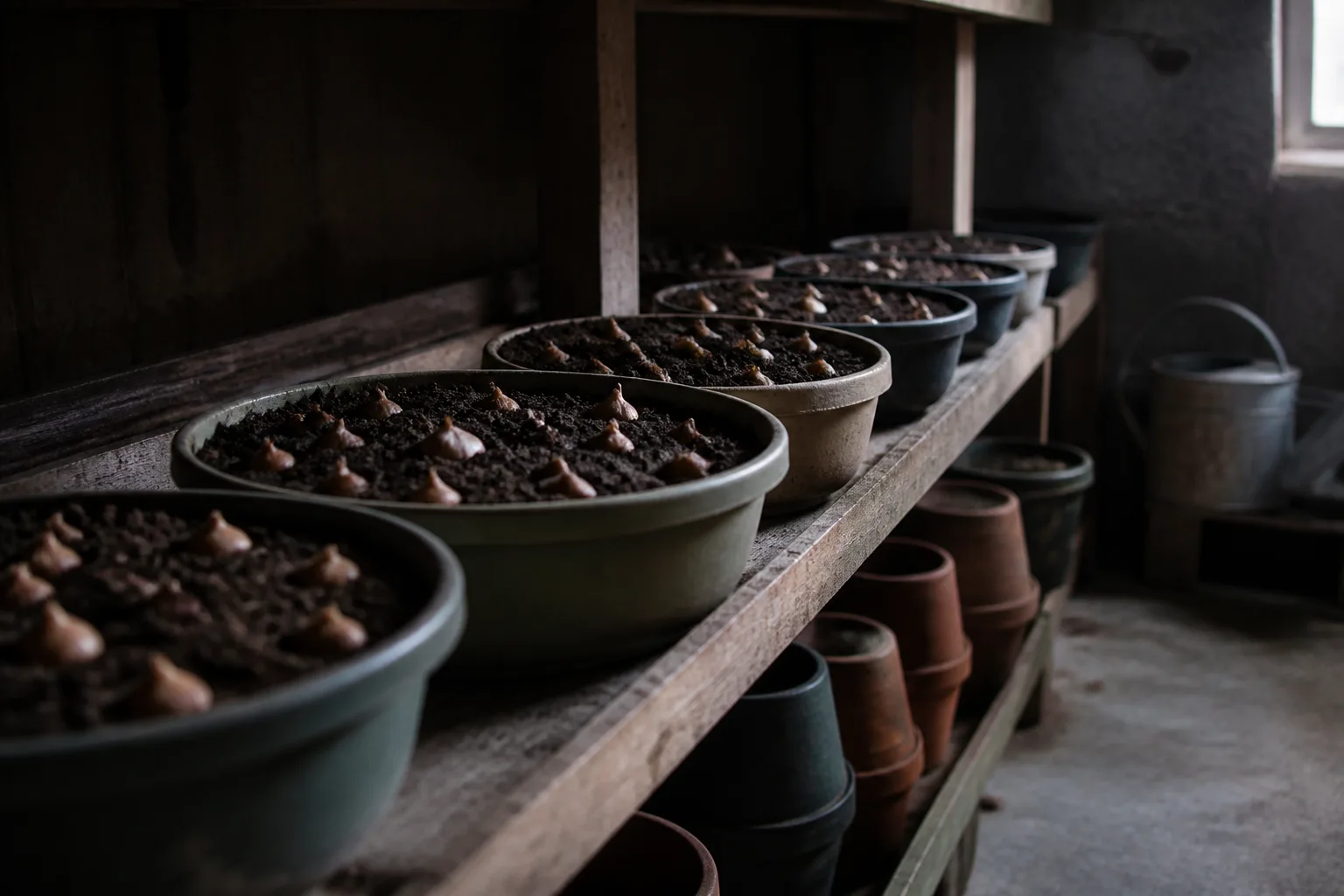
Summer conditions matter too. Dormant bulbs are vulnerable where soil stays waterlogged, and a hot site can shorten the period of active foliage growth needed to rebuild the bulb. Full sun during the growing season helps leaves make reserves; excellent drainage reduces the chance that a resting bulb rots. A recent horticulture-reviewed guide from Epic Gardening also treats variety choice, climate, summer drainage, and aftercare as a combined set of conditions rather than a single fix. This is why “my zone is cold enough” is not a complete prediction. The bed’s sun, moisture, and summer soil conditions matter alongside winter temperatures.
Choose Between Repeat Blooms and a Peak First-Year Display
Before you order bulbs, decide what success means for this spot. If it is a front-yard bed that must look full and uniform in spring, plan to treat the tulips as seasonal bedding and replace some or all of them each fall. If it is a border where a smaller, less formal patch is welcome, choose perennializing types and give them a place to remain through their post-bloom rest.
| Your priority | Practical choice | Trade-off |
|---|---|---|
| The fullest, most predictable first-year color | Plant fresh bulbs for a seasonal display | More replanting and recurring bulb purchases |
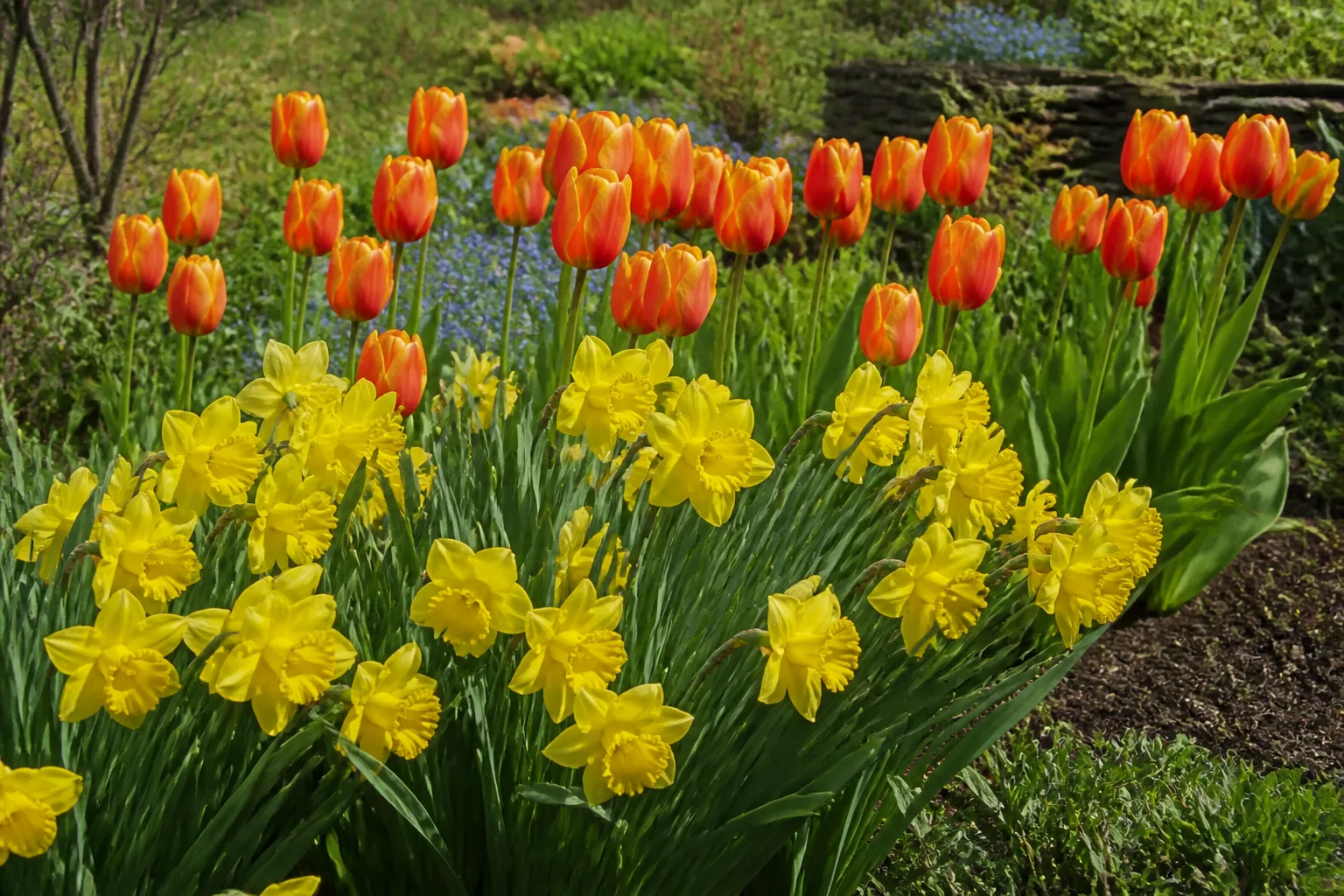
| Tulips that may return with less annual work | Choose species, Kaufmanniana, Fosteriana, Greigii, or Darwin hybrids described for perennializing | Flowers may become fewer or smaller, and results vary |
| Tulips for bouquets | Grow a separate cutting patch or treat bulbs as annuals | Cutting low through the foliage reduces the leaves available to refill the bulb |
| A mild-winter garden | Start with chilled bulbs and plan around a one-season show | Reblooming is less dependable without a natural cool period |
You can mix approaches. Keep a permanent patch of small naturalizing tulips in a suitable border and plant fresh show varieties in a pot or a designated annual bed. That way, the bulbs you hope to keep are not competing with the need for a perfectly tidy or harvestable display.
Planting for the Best Chance of Return
Choose a location that gets at least six hours of sun while tulips are growing, with soil that drains freely. The RHS guide emphasizes full sun and free-draining soil for longer-lasting displays; Iowa State also recommends a sunny, well-drained site. Heavy soil can work if water does not sit around the bulbs, but low areas that stay saturated after rain are poor places to try to perennialize tulips.
Plant in fall, after summer heat has eased and before the ground freezes. The timing depends on local weather rather than one calendar date: bulbs need time to establish roots before severe cold, and planting while soil is still very warm can encourage premature growth. In warm climates, the fall planting window and pre-chilling instructions from the bulb supplier take precedence over the standard northern schedule.
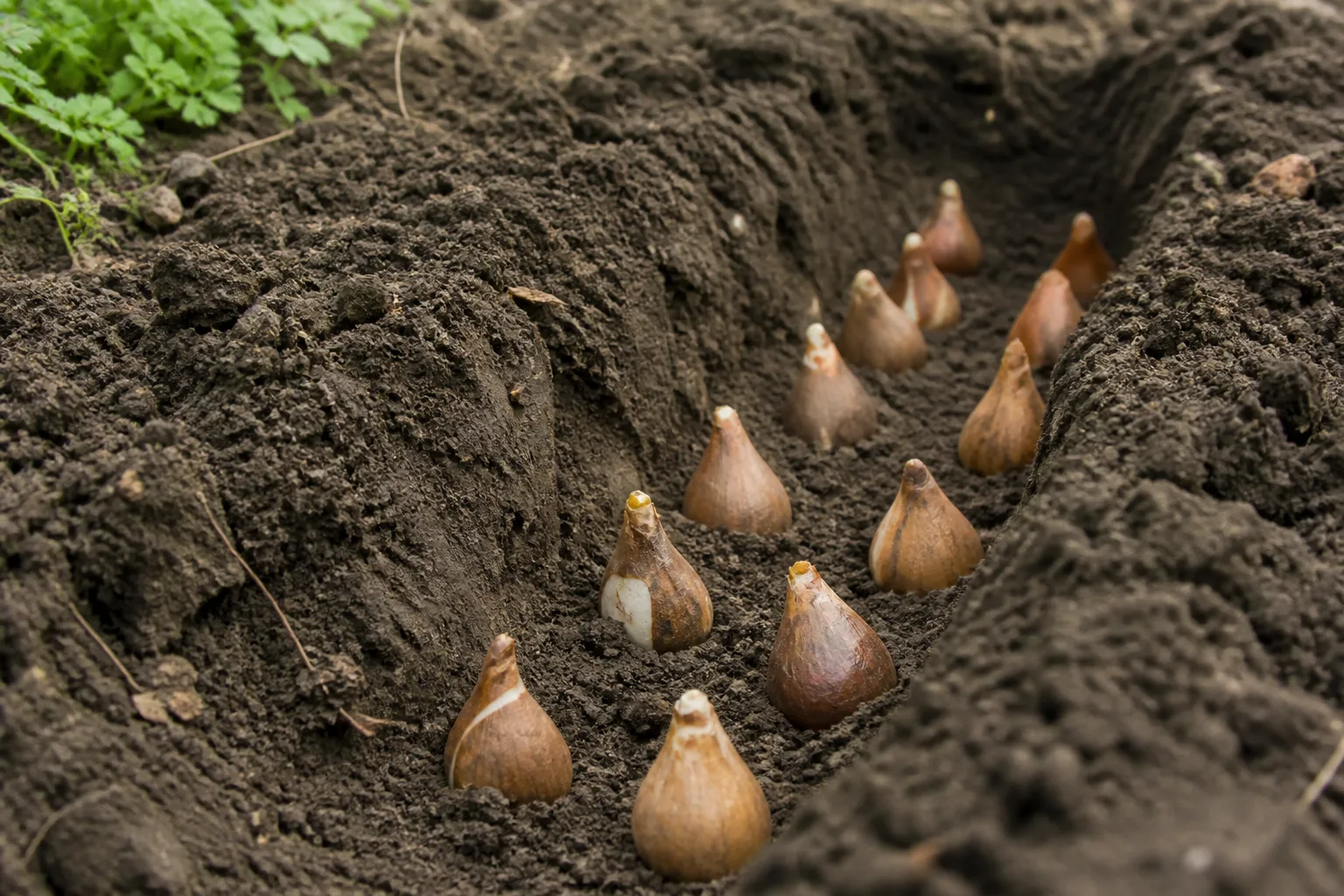
Use the bulb’s size to set depth. Iowa State gives a general rule of planting bulbs about two to three times their diameter deep; larger standard tulips are commonly planted around 6–8 inches deep, while small botanical types are shallower. Point the nose upward, leave room for the cultivar to spread, and do not bury small species at the depth intended for a jumbo hybrid. The extension guide to tulips offers more depth and spacing detail by size.
After planting, water to settle the soil if it is dry, then avoid keeping the bed soggy. In spring, water during active growth if rainfall is scarce, particularly as the leaves are growing after bloom. Fertilizer cannot compensate for the wrong site, insufficient chilling, or foliage cut too early; if soil needs amendment, use a soil test and follow local extension guidance instead of applying a high-phosphorus product by default.
After Flowering: Deadhead Without Cutting the Bulb’s Food Supply
The post-bloom period is the point where a tulip’s perennial habit either gets support or gets interrupted. The petals may be gone, but green leaves are still working. If you want a chance of another flower, leave those leaves attached long enough to restore the bulb.
Remove the fading flower, not the leaves
When the flower has wilted and the petals have fallen, remove the spent flower head before a seed capsule develops. This stops the plant from spending energy on seed production when your goal is to build up the bulb and daughter bulbs. Cut or snap just below the flower head; keep the stem and all the foliage intact.
If you want to harvest tulips for bouquets, use a separate patch intended for cutting. Iowa State notes that tulips can be cut low in the foliage for longer stems, but that practice leaves fewer leaves to recharge a bulb for the following season. A cut-flower display and a perennial bulb bed are different jobs, so giving each a separate planting is the easier compromise.
Let the foliage yellow on its own
Do not cut, braid, tie, or mow green tulip leaves just because the flowers have faded. Leave the foliage in place until it yellows and dries naturally; that often takes several weeks. Illinois Extension explains that removing leaves too early can leave a smaller, weaker bulb, while SDSU Extension describes how the leaves return sugars to the bulb for future growth.
If the leaves make the bed look messy, plant tulips among perennials that will grow up around them, or use a pot that can be moved out of the main display after flowering while its leaves finish. Do not shade the tulip foliage completely or pull it while green. Once the leaves are straw-colored and detach easily, the bulb has completed that season’s aboveground growth.
Leave the Bulbs or Lift and Store Them?
You do not have to dig up tulip bulbs every summer. In a well-drained bed with suitable winters, leaving the bulbs undisturbed is often the simplest way to see whether a perennializing variety returns. Mark the planting location so you do not accidentally dig into dormant bulbs, and avoid summer irrigation that leaves the soil constantly wet.
Lift bulbs only when there is a reason: the bed is too wet in summer, you want to relocate or divide a crowded clump, the design requires seasonal turnover, or the supplier recommends lifting that cultivar. Wait until the foliage has yellowed and dried; digging while leaves are green interrupts the refill period. Use a garden fork outside the clump’s edge so you are less likely to spear or crush the bulbs.
After lifting, brush off loose soil, let the bulbs dry in a shaded, airy place, and discard any that are soft, moldy, or damaged. Store sound bulbs in a mesh bag or ventilated tray in a cool, dry place and inspect them occasionally before fall planting. Iowa State gives 50–65°F as a storage range for bulbs lifted after foliage dies back. This summer storage is not the same as pre-chilling: keep the storage period dry and follow cultivar and supplier instructions when it is time to plant.
What Changes in Pots and Forced Indoor Tulips?
Tulips in an outdoor container can return, but they are less forgiving than bulbs in a garden bed. Potting mix dries and heats more quickly, and a container must drain freely. If your priority is dependable color, treat a pot of tulips as a seasonal display and start with fresh bulbs next fall; if you want to try keeping them, select a perennializing type, keep the leaves until yellow, and protect the pot from prolonged saturation or severe temperature swings.
Bulbs forced indoors for a winter or early-spring show are a separate case. Forcing uses a controlled cold period and then brings the bulb into growth indoors. Iowa State Extension says forced tulips are usually discarded after flowering and attempts to plant them outdoors for another show are often unsuccessful. You can try planting them after the foliage dies, but do not plan a permanent garden display around an exhausted forced bulb.
The same distinction applies to a blooming pot bought as a gift. Its flowers were produced using conditions that may not match your garden. Enjoy the display, then let any remaining leaves fade if you want to give the bulb a chance; for reliable flowering next spring, buy healthy, dormant bulbs in fall and plant them outdoors on schedule.
Why Tulips Return as Leaves but No Flowers
Leaves without flowers do not always mean the bulb is dead. Check the likely cause before digging: small daughter bulbs may need more time to reach flowering size; foliage may have been cut too early last spring; the site may have become shadier; or the bulb may not have received the cool period its variety needs. If tulips were planted in a wet pocket, bulb rot or root damage may be the issue instead.
Use what you see to choose the next step. If the leaves are green and healthy, let them finish naturally and note the spot for next fall. If the clump is crowded, wait for dormancy, lift it carefully, and replant the largest sound bulbs at appropriate spacing. If the site stays waterlogged or hot, move the bulbs to a better-drained, sunnier bed or accept that replacement will be more reliable than trying to force perennial performance there.
Also check for wildlife. Squirrels, mice, voles, and deer may eat bulbs, leaves, or flowers; an empty patch can be a missing-bulb problem rather than a perennializing failure. The North Carolina State Extension profile lists several of these animals as tulip pests. If bulbs repeatedly disappear, protect the planting or choose a different spring flower that is less attractive to the local animals.
Conclusion: Decide What You Want From the Bed
Tulips are perennial bulbs, but a dependable repeat show depends on cultivar, winter chilling, drainage, sunlight, and what happens after flowering. Species tulips, Kaufmanniana, Fosteriana, Greigii, and Darwin hybrids are stronger starting points when you want flowers to return; fresh bulbs remain the practical choice when a full, uniform display matters most.
For a perennial attempt, start with a named perennializing variety, plant it at the right depth in a sunny, well-drained bed, remove the faded flower, and leave the green leaves until they yellow. Then leave the bulbs in place if the site suits them, or lift and store them only when the garden’s moisture or layout makes that the better option. You can plan for tulips to return; the garden decides how reliably.



