Backyard Staples Not Worth the Money: What to Buy Instead
Five common backyard staples drain budget and square footage without daily payoff. Use this designer-style checklist before you splurge on outdoor upgrades.
Backyard catalogs are full of features that photograph beautifully and disappoint quietly: the hot tub you open twice in winter, the pizza oven that becomes a permanent countertop obstacle, the outdoor TV your neighbors can hear during the fourth quarter. None of these are morally wrong purchases. They are simply high-cost, low-flexibility choices that punish the wrong yard, the wrong climate, or the wrong usage pattern.
The goal here is not to shame anyone for wanting a spa or a wood-fired pie. It is to help you spend once on things you will actually use—and skip the “staples” that look essential on a mood board but rarely earn their square footage.
The Real Problem Is Not the Feature—It Is the Math
Most backyard regrets are not about taste. They are about frequency × footprint × upkeep. A built-in pizza oven might cost less than a pool, but if it permanently claims four feet of counter space you needed for prep and serving, the true price is paid every weekend you grill instead of bake.
Designers who work with real clients—not just photo shoots—often steer people away from status hardware when the answers to three questions are weak: How often will we use it? What else loses space because of it? Who maintains it when enthusiasm fades?
A Simple Weekly-Use Test Before You Splurge
Before you sign a contract or haul home a display model, answer honestly:
Will someone in the household use this at least once a week during its main season? If the honest answer is monthly, seasonal, or “when guests visit,” downgrade to a portable or rentable version. Weekly use can justify permanent installation; occasional use rarely can.
Does this feature solve a daily problem or a fantasy? A shaded dining table solves hunger and heat. A masonry fireplace solves ambiance on three October nights. Fantasy features are fine—if you price them as entertainment, not infrastructure.
Can you maintain it without adding a new chore you already avoid? Hot tubs need chemical balance, filter rinses, and cover discipline. Built-in grills need grease management and winter protection. If you already struggle to wipe down the patio table, assume the hot tub will not magically change your habits.
Run the test on paper. If the feature fails two of three questions, pause. You are not being cheap—you are being accurate about your household.
When a Luxury Backyard Upgrade Actually Makes Sense
Splurges are not traps when the fit is real. A hot tub can be excellent for a household that soaks several nights a week, has a covered path to the door, and budgets for professional draining and service. A built-in pizza oven makes sense for a family that already hosts weekly and has a covered outdoor kitchen with ventilation planned.
Outdoor TVs work when glare is controlled—deep overhang, north-facing wall, low ambient light—and volume will not disturb neighbors. Elaborate lighting earns its keep on large properties with long paths, steps, and real security needs, not when you only need a warm glow over a six-person table.
The difference between a smart splurge and an expensive shelf is use pattern, not Instagram likes.
Hot Tubs: Beautiful, Expensive, and Easy to Underuse
A starlit soak is a genuine pleasure. It is also a permanent land claim. A four-person spa plus safety clearance can consume 60–80 square feet—enough for a dining set, a raised bed, or a compact play zone. In small yards, that trade is brutal.
Interior designers who plan whole-home budgets often ask clients how often they will realistically use an outdoor tub. If the answer is once a week or less, many steer the money toward a better primary bathroom soaking tub with lower maintenance and year-round comfort. That is not anti-spa advice; it is frequency math.
What a Backyard Spa Really Costs Beyond the Sticker Price
Purchase price is only the opening bid. Plan for:
- Electrical work: Most spas need a dedicated GFCI circuit; panel upgrades are common in older homes.
- Base and delivery: A level, load-bearing pad is not optional; crane placement adds cost on tight sites.
- Water and chemicals: Outdoor water use adds up; the EPA notes that outdoor use can spike household consumption when pools and spas are in play.
- Energy: Heating against cool nights is ongoing; a good cover and cover lifter are not accessories—they are operating equipment.
- Time: Weekly water tests, filter cleaning, and cover-on discipline. Skip maintenance and you buy algae and repair bills.
If you are set on a spa, invest in a cover lifter and a cover in good condition. Winter use without fighting a heavy lid is the difference between “we should soak” and “never mind.”
Better Ways to Get That Soak Without Losing Patio Space
- Upgrade the indoor tub if soaking is occasional and privacy matters.
- Choose a smaller two-person model on a tight patio rather than a party-size tub you rarely fill.
- Rent a weekend cabin with a spa for the fantasy without the decade of bills.
- Prioritize seating and shade first so the yard is pleasant even when the tub is closed for service.
Hot tubs are not useless. They are high-commitment. Treat them that way.
Built-In Pizza Ovens: A Party Trick That Becomes a Permanent Obstacle
Wood-fired pizza has real magic. Built-in brick or stone ovens also have real permanence: they anchor an outdoor kitchen layout, demand heat clearance, and invite the question, “What do we do with this in February?”
The excitement usually peaks the summer you install it. Year two is when people notice the oven is either the only reason guests come over or a bulky shelf for serving platters.
Heat, Fuel, and Counter Space You Cannot Get Back
Built-in ovens need:
- Heat-safe surfaces and ventilation around the mouth of the oven.
- Fuel storage for wood or gas, depending on design.
- Preheat time—often 45–90 minutes for wood—which collides with weeknight dinners.
- Counter space stolen from prep, plating, and everyday grilling.
If you grill four nights a week and bake pizza twice a summer, the built-in oven is not a kitchen tool. It is a monument.
Portable Ovens and Grill Zones That Move With Your Life
Portable propane or pellet pizza ovens—tabletop or cart models—deliver 700°F+ decks for Neapolitan-style pies at a fraction of the built-in cost. Store them in the garage when the season ends. Take them when you move. Let the next owner of your house decide their own pizza theology.
A practical middle path: strong grill zone + portable oven + generous prep counter. You keep daily cooking easy and still host the “fire night” without pouring concrete around a single-use appliance.
Outdoor TVs: Glare, Volume, and Neighbor Friction
An outdoor movie night sounds idyllic until you stare at a washed-out screen at 4 p.m., crank volume to hear dialogue over the AC unit, and realize the neighbor’s bedroom window lines up with your sectional.
Fixed outdoor TVs struggle with glare, weather seals, brightness limits, and sound spill. They also signal that your yard is a broadcast zone—not always the vibe you want for quiet evenings.
Why Fixed Screens Fight Daylight and Weather
Daylight overwhelms most outdoor panels unless you have deep shade and controlled siting. Evening games still compete with patio lights, fire glow, and reflections off glass doors. Weather-rated hardware helps, but electronics outdoors live harder lives: insects, pollen, temperature swings, and the day someone sprays the hose in the wrong direction.
Sound is the hidden cost. Outdoor speakers carry. What feels like “game night energy” next door reads as noise pollution at 10 p.m.
Projector-and-Screen Nights That Pack Away After Summer
For occasional viewing, a portable projector, collapsible screen, and Bluetooth speaker usually wins:
- Set up for the event; store when done.
- Aim away from neighbor windows; keep volume conversational after dark.
- Use a white wall or retractable screen instead of a permanent black rectangle on the fence.
- Add warm, low-level path lighting so people move safely without blasting the seating area (National Park Service outdoor lighting guidance stresses lighting only what you need, at the lowest useful level).
If you watch sports weekly outdoors, invest in shade structure and a professional AV plan—not a big-box TV zip-tied to the pergola.
Overbuilt Fireplaces and Grills: Status Hardware With Weekday Silence
Stainless steel islands and monumental fireplaces dominate outdoor design feeds. They also dominate budgets—often $5,000–$25,000+ for kitchens and masonry fireplaces before you buy a single burger bun.
The question is not whether they are beautiful. It is whether you will fire the grill on a Tuesday or light the fireplace more than a handful of times each fall.
The Case for a Modest Grill You Will Actually Fire Up
High-end grills offer even heat and long life—but a mid-range gas or charcoal unit on a simple cart covers weeknight cooking for most households. If you grill once a week in summer, the incremental joy of infrared sear zones may not repay the price gap.
Buy one step better than your current habits justify, not three steps better because the showroom smelled like mesquite.
Fire Pits vs. Masonry Fireplaces for Most Yards
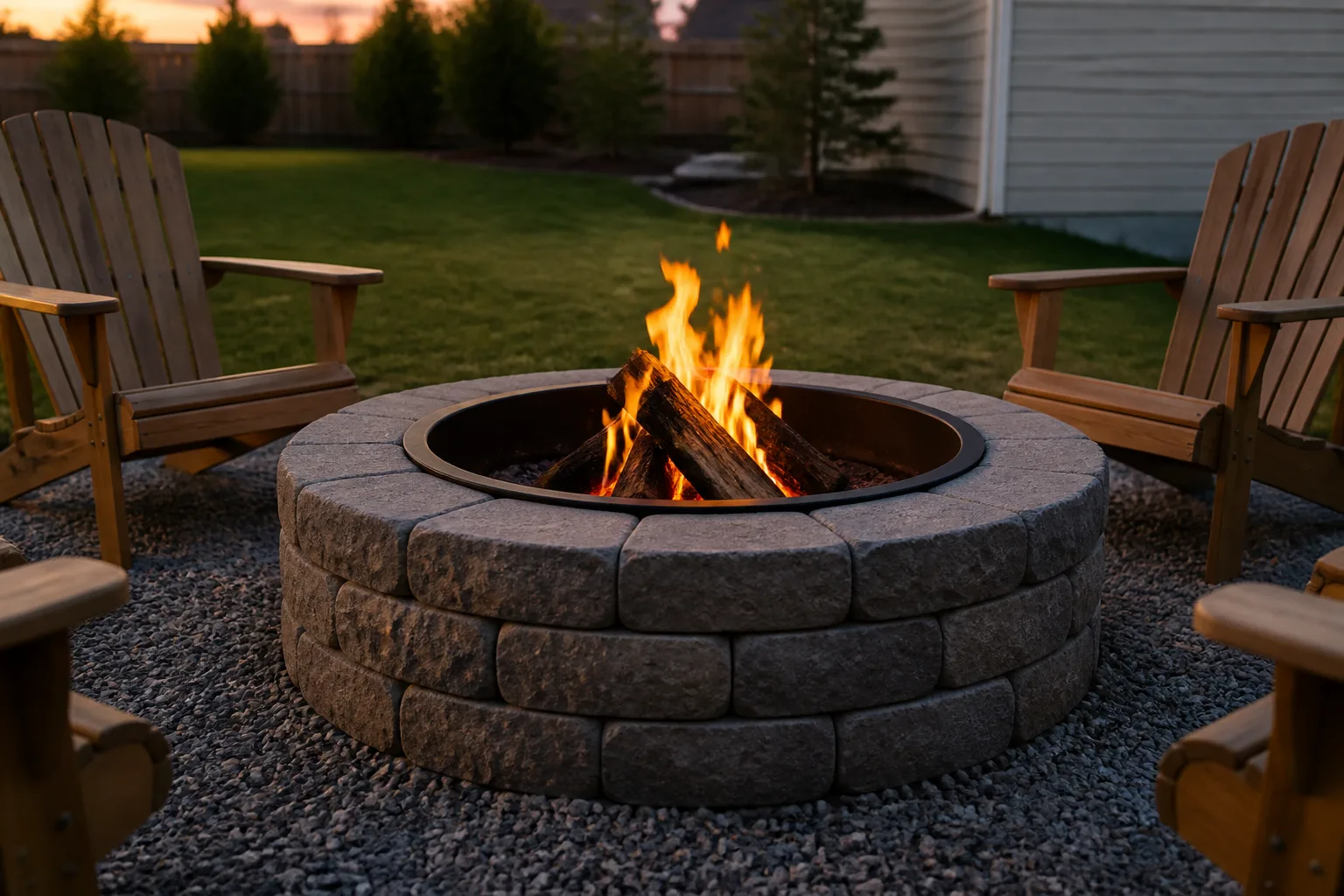
Masonry outdoor fireplaces are stunning—and expensive, inflexible, and smoke-sensitive depending on wind and siting. For many yards, a smokeless fire pit or a modest prefab unit delivers 80% of the ambiance at 20% of the cost and zero lost sightlines.
Fire pits also move with seating layouts. Fireplaces do not. If your yard is under 0.2 acres, think hard before building a permanent chimney that eats the view.
Overdesigned Outdoor Lighting: Bright Yards, Tired Eyes, Bigger Bills

Good outdoor lighting makes steps safe and dinners feel intimate. Bad outdoor lighting turns the yard into a parking lot—harsh glare, sky spill, and a line item on the electrician’s invoice you did not plan for.
Landscape pros often recommend a plan before product picks because homeowners routinely over-buy fixtures and under-think circuits. One common surprise: the main panel cannot support another 15–20 low-voltage transformers without an upgrade.
Layered Light Beats a Lighting Show
Start with three layers instead of a chandelier tree:
- Guide light for doors, steps, and paths—low, shielded, warm.
- Task light for cooking and dining—aimed at surfaces, not eyes.
- Accent light sparingly on one tree or wall—optional, not default.
The National Park Service summarizes responsible outdoor lighting in plain language: use light only where needed, shield sources, keep levels low, and avoid uplighting the sky (NPS outdoor lighting principles). DarkSky adds practical values: warm color temperatures, timers, and motion controls so light is not on all night (DarkSky responsible outdoor lighting).
If your yard feels “lit” but not cozy, you probably have too many bare bulbs at eye level—not too few fixtures.
Solar Paths, Low Voltage, and Panel Reality Checks
Solar path lights excel at decorative wayfinding in sunny beds; they are weaker for stairs and security. Test a set through a full evening before you buy twenty.
Low-voltage LED is the workhorse for paths and uplights when you need reliable output. Map circuits before you shop; bundle fixtures on fewer transformers where code allows.
Hire a lighting plan when you have multiple zones, water features, or code-sensitive steps. A one-time design fee often prevents double-buying fixtures installers upsell on the truck.
What to Spend On Instead When You Skip the Splurge
Redirecting $10,000 from a masonry fireplace to the right basics can transform daily life more than any status appliance:
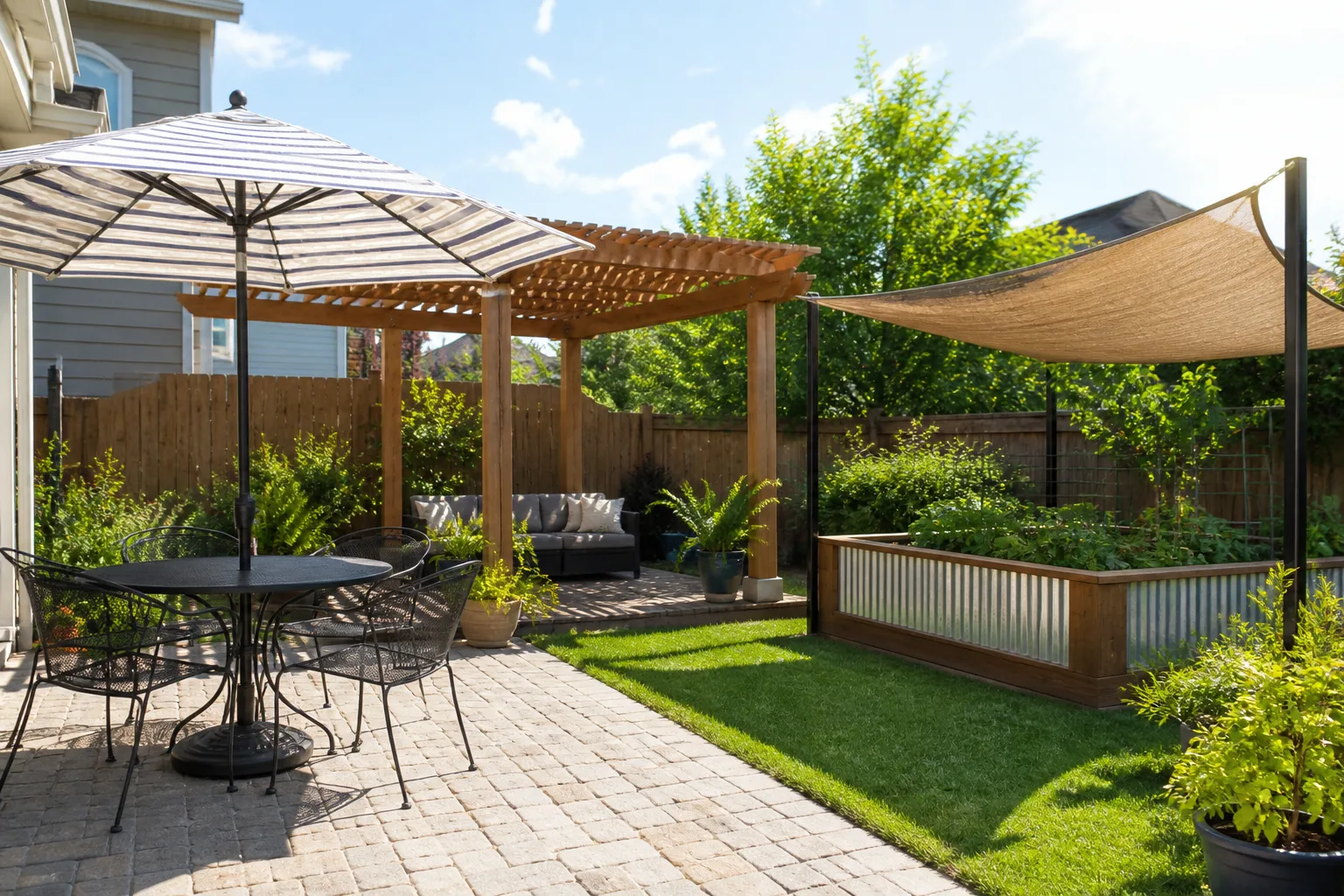
- Comfortable, weather-ready seating with storage for cushions.
- Shade—umbrella, pergola, or sail—where you actually sit at 3 p.m.
- Defined paths and step lighting where people already walk in the dark.
- Soil, drainage, and planting beds that make the yard feel finished without a single gadget.
- A simple grill station with counter space and a hose nearby.
These are boring line items. They are also why guests stay outside after dinner instead of migrating indoors.
Conclusion
The five backyard staples that most often waste money—hot tubs, built-in pizza ovens, fixed outdoor TVs, overbuilt grills and fireplaces, and overdesigned lighting—share one trait: they look like the whole story in a photo, but they only work for a narrow set of households with high use, enough space, and real maintenance bandwidth.
Run the weekly-use test, price the upkeep, and measure what else your yard loses. When the math is weak, choose portable, modular, or indoor alternatives that respect your actual routines. When the math is strong, splurge with eyes open and build the shade, paths, and seating that make the feature usable instead of ornamental.
Your backyard does not need to look like a resort. It needs to work on a Thursday night in June—which is exactly when the best money you spend will prove itself.