How to Use Tea Leaves in Your Garden
Used tea leaves add nitrogen-rich organic matter to compost and soil. Learn 5 smart garden uses, which plants benefit, and mistakes to avoid.
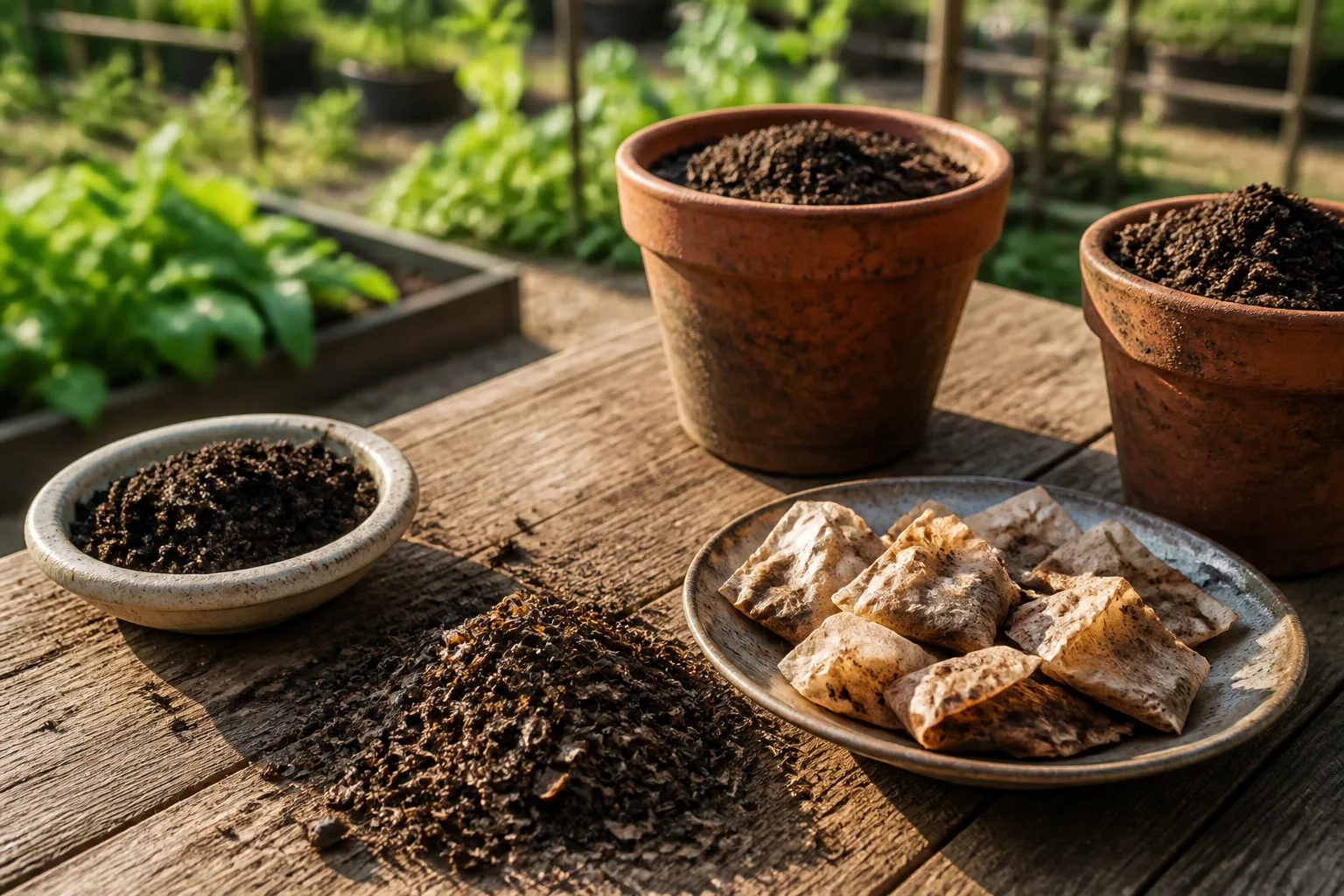
Your morning cup leaves behind more than a warm mug. Used tea leaves are nitrogen-rich organic matter—cellulose, tannins, and trace minerals—that decompose into soil-building humus when handled correctly. Toss them in the compost, work a thin layer into beds, or brew a weak second cup for thirsty houseplants, and you turn kitchen waste into a slow, gentle soil conditioner.
The trick is knowing which method fits which job. Tea leaves are not a replacement for fertilizer, a reliable acidifier, or a cure for plant disease. They are a useful organic input—best when composted, applied in household quantities, and matched to plants that tolerate slightly acidic, nitrogen-leaning soil. Get the prep wrong—plastic bags, hot sachets, milk-soaked leaves—and you can do more harm than good.
The Short Answer: Compost First, Apply Sparingly Direct
If you drink tea daily, composting spent leaves is the default move. Wet tea counts as a green (nitrogen-rich) ingredient in compost terminology, similar to fruit scraps and coffee grounds. Mixed into an active pile with enough dry browns—shredded leaves, cardboard, straw—it feeds decomposer microbes, holds moisture, and finishes as stable organic matter you can spread without surprises.
Direct soil application works in small doses when you open plastic-free bags and scratch loose leaves into the top inch or two around established plants. Skip thick surface dumps; they crust over, grow mold in humid weather, and can temporarily tie up nitrogen while microbes break them down.
Liquid weak tea—a second steep of used leaves cooled to room temperature—is best for indoor plants and acid-tolerant outdoor species when you need a light moisture-plus-organics boost. It is not strong enough to replace a balanced fertilizer program.
Why Tea Leaves Help Soil (and What They Cannot Do)
Spent tea leaves bring organic bulk that improves how soil holds water and air once decomposed. They contain modest nitrogen (enough to classify them as compost greens, not enough to feed hungry vegetables all season) and tannins—plant compounds linked in some research to mild antifungal activity and altered nitrogen cycling in soil Gardening Know How on composting tea bags.
What they do not do reliably: dramatically lower soil pH, replace iron or sulfur amendments for strict acid-lovers, or eliminate pests and diseases on their own. The popular story that tea “acidifies soil for blueberries” overstates the chemistry. Like spent coffee grounds, brewed tea leaves trend near neutral once hot water extracts the acids into your cup. They add organic matter; they do not rewrite a soil test.
Loose Leaves Versus Tea Bags — What Changes
Loose-leaf tea is the simplest garden input. No bag to inspect, faster decomposition, and nothing synthetic left behind. Tear open used sachets and dump the leaves if you brew bagged tea—never assume the bag itself is safe to bury.
Many commercial tea bags are heat-sealed with polypropylene or other plastics that do not break down and can leave microplastic in compost and beds. Synthetic bags often feel slippery or plasticky compared to plain paper Gardening Know How on composting tea bags. Pyramid mesh sachets and “silky” bags frequently contain plastic fibers even when marketed as natural. When in doubt, use only the leaves and discard the bag in household trash.
Prep Rules Before Anything Touches Your Soil
Every garden use shares the same prep checklist. Skip a step and you risk shocking roots, contaminating compost, or planting plastic in your beds.
Let everything cool completely. A hot bag fresh from the mug can damage tender roots and seedlings. Room temperature is the minimum; lukewarm is fine for liquid applications.
Remove hardware. Cut off staples, strings, tags, and metal crimps. They do not compost cleanly and can injure your hands when you work soil later.
Reject adulterated tea. Leaves soaked with milk, cream, sugar, honey, or flavored syrups belong in the trash, not the garden. Fats and sugars feed the wrong microbes, attract rodents, and can sour compost. Plain tea—or tea with only a splash of lemon—is acceptable.
Confirm the bag is plastic-free before burying whole sachets. Tear one open: if you see a glossy inner layer or welded plastic seam, open future bags and compost leaves only.
Plastic Seals, Staples, and Sweetened Tea
Oregon State University Extension and compost educators nationwide stress that not all “paper” tea bags are fully compostable—sealants matter as much as the outer fiber Oregon State University Extension on compostable tea bags. Plant-based cellulose bags from brands that certify compostability are safer when your municipal or home system accepts them. When certification is absent, treat every bag as suspect.
For food-safety peace of mind near edibles, organic tea reduces pesticide residue concerns, though plain spent leaves from conventional tea are generally low risk at household volumes.
Use 1: Add Tea Leaves to Your Compost Pile
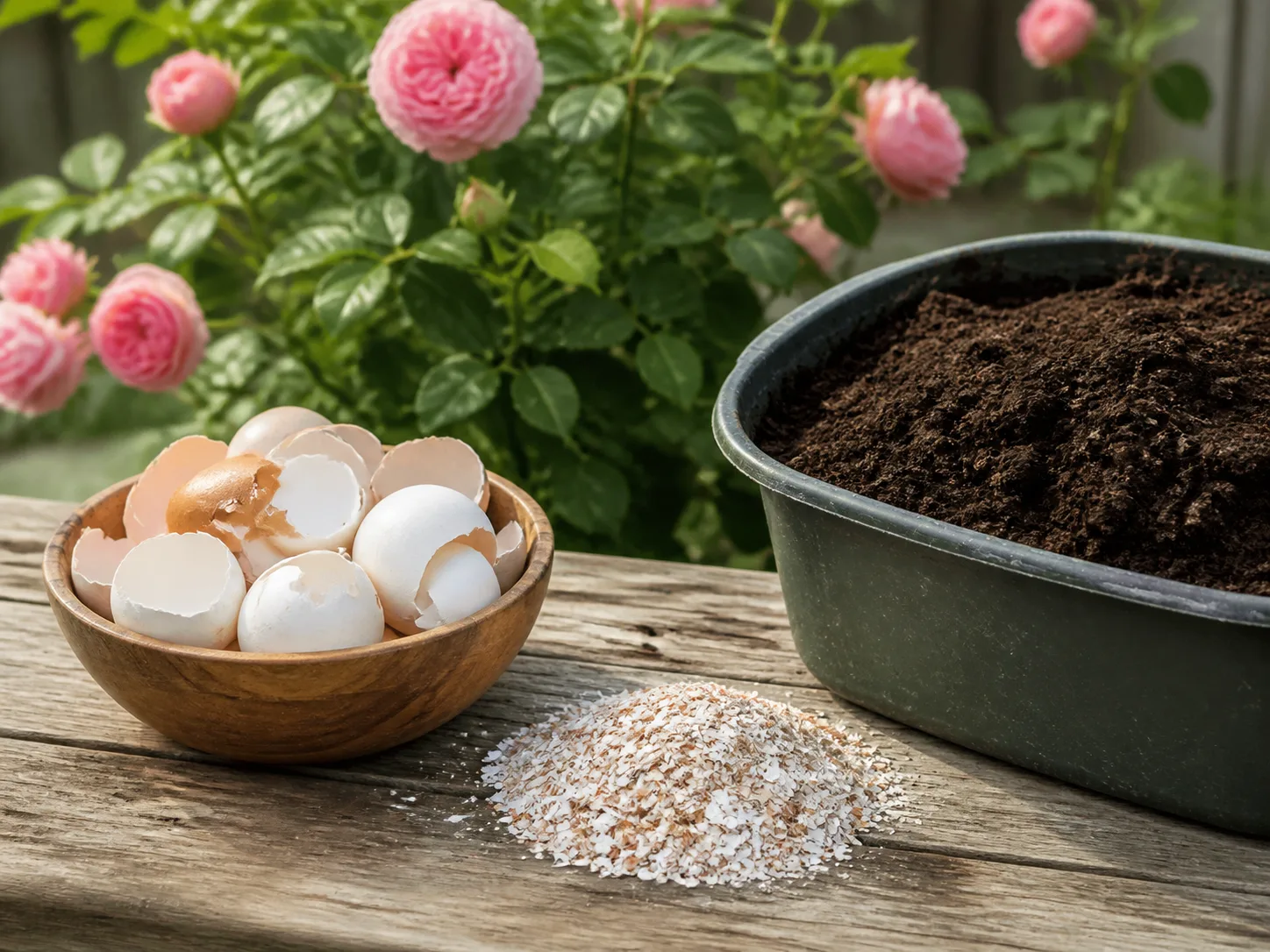
Composting is where tea leaves earn the most value with the least risk. University of Minnesota Extension describes successful home composting as balancing greens (nitrogen-rich, moist) with browns (carbon-rich, dry) while keeping the pile aerated University of Minnesota Extension composting guide. Wet tea leaves and bags (plastic-free only) are classic greens.
How to do it: Cool used leaves or bags. Remove staples and non-compostable bag material. Bury additions several inches into the pile center rather than leaving them on top where they dry out or attract fruit flies. Cover each green layer with browns. Turn the pile when the center cools or smells sour.
Tea accelerates decomposition because it adds nitrogen and moisture exactly where thermophilic microbes want them. In a worm bin, plastic-free tea leaves are a welcome snack between kitchen scrap feedings—worms process the cellulose and improve castings quality over time.
How Much Tea Belongs in the Pile
Household tea drinkers rarely overload a pile. Problems appear when you dump dozens of bags at once without balancing carbon. A practical rule: match each tea addition with at least an equal volume of dry browns by sight. If the pile goes slimy or ammonia-smelly, add shredded cardboard or dry leaves and hold fresh tea until moisture normalizes.
Keep tea (plus coffee grounds and other wet greens) below roughly one-third of total pile volume at any time—the same ceiling extension educators recommend for coffee grounds in compost Oregon State University Extension on coffee grounds in soil. More is not better; it is a recipe for anaerobic pockets.
If you are new to composting or want a fuller system overview, pair tea additions with guidance on why composting matters and countertop collection habits so scraps actually reach the pile instead of sitting on the counter.
Use 2: Work Loose Leaves Into Garden Soil
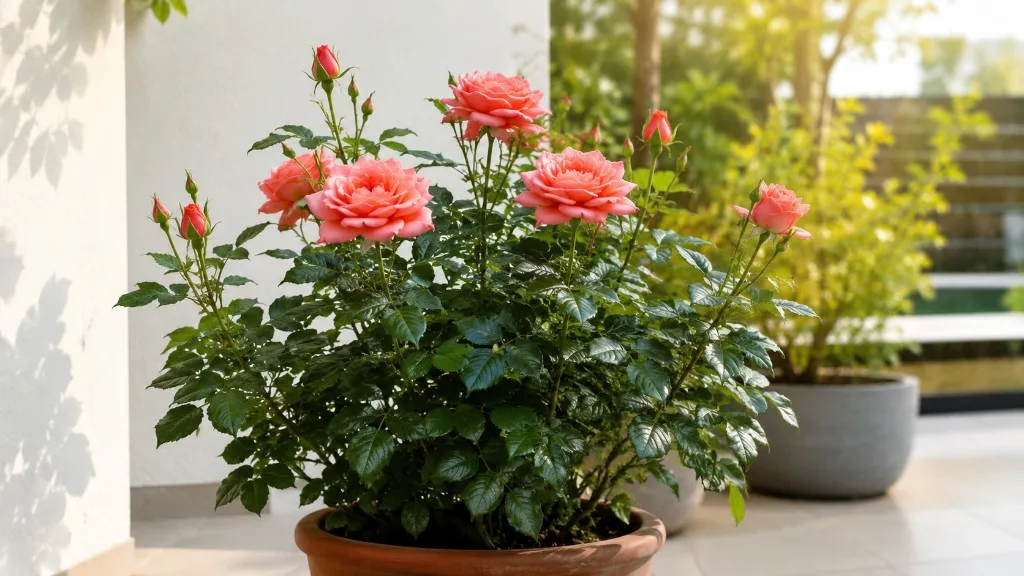
When compost is not ready yet, you can work cooled loose leaves into the top 1–2 inches of soil around established perennials, roses, and container plants. Think tablespoon-scale pinches for a six-inch pot, handfuls for a shrub—not mugfuls mounded on the surface.
Scratch leaves in with a hand cultivator so they contact soil microbes immediately. Surface piles on potting mix invite mold and fungus gnats indoors; buried leaves decompose cleaner. Outdoors, a thin mixed layer breaks down over weeks and releases nutrients slowly.
This method suits nitrogen-hungry plants in active growth—tomatoes, roses, leafy greens—better than dormant winter beds. Avoid heavy direct applications around newly germinated seedlings; decomposing greens can temporarily immobilize nitrogen those roots need right now.
Use 3: Water Plants With Weak Second-Brew Tea
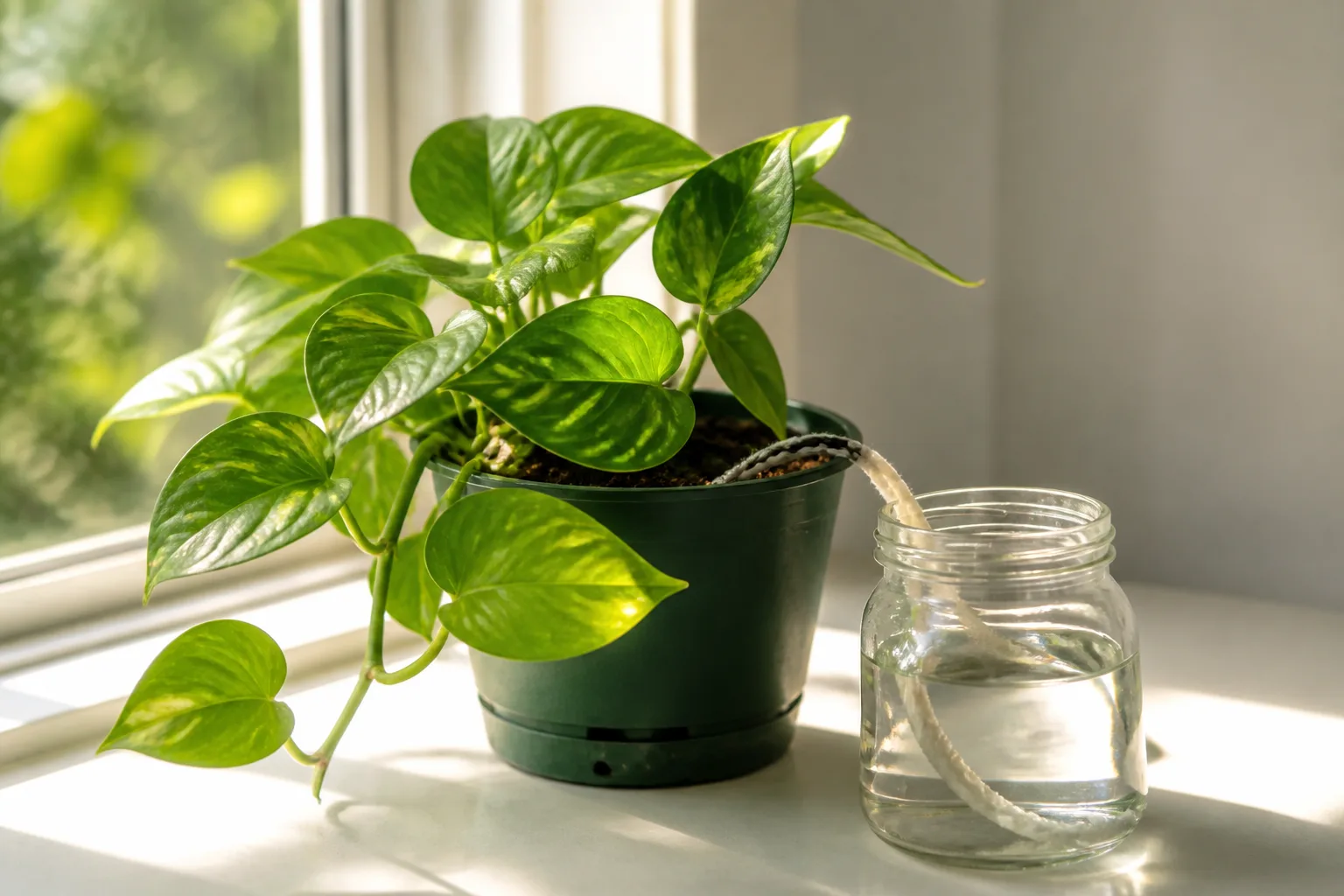
A second steep of used leaves makes a dilute organic water—not fertilizer concentrate. Place two to three spent bags or a tablespoon of loose leaves in a liter of cool water, steep several hours or overnight, strain, and use at room temperature on soil (never on leaves in hot sun).
This works well for houseplants and acid-tolerant outdoor species when you want a gentle boost between regular feedings. One mug will not irrigate a whole border; reserve this trick for containers, window boxes, and a few prized shrubs.
Dilute further if the brew smells strong or looks dark. When in doubt, cut it half-and-half with plain water and test on one plant for a week before treating the collection. Skip seedlings, stressed plants, and anything showing salt burn on leaf margins.
Do not reuse tea that contained milk or sugar. Rinse leaves briefly if your brew habit includes sweeteners.
Use 4: Scatter Mint or Peppermint Tea as a Pest Deterrent
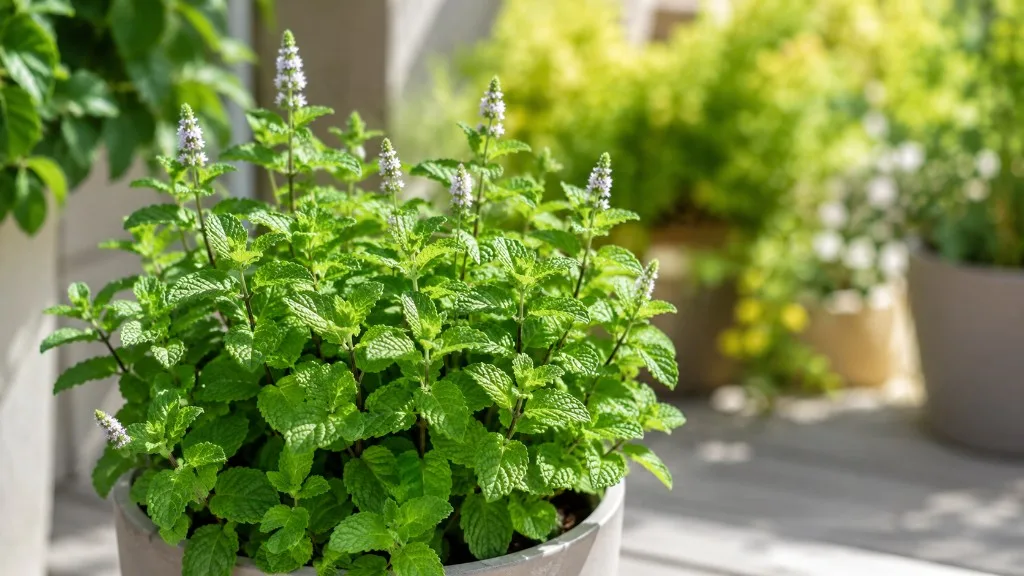
Peppermint and spearmint tea carry a strong volatile scent and menthol compounds that some gardeners use to discourage ants, spiders, and soft-bodied pests around vulnerable plants. The evidence is anecdotal, not laboratory-proven—but cooled spent mint leaves scattered at the base of container plants or a perimeter ring on a patio are low-cost and low-risk to try.
You can also mist a very weak mint tea (heavily diluted, strained) on outer pot rims—not on tender new growth. Reapply after rain. Do not treat this as your only pest strategy; hand-picking, barriers, and targeted controls still matter when infestations establish.
Avoid mint-family teas around plants that dislike strong aromatics on their root zones if you notice any wilting after application. Wash edible leaves before harvest if you sprayed nearby.
Use 5: Line Container Bottoms With Dried Leaves for Moisture
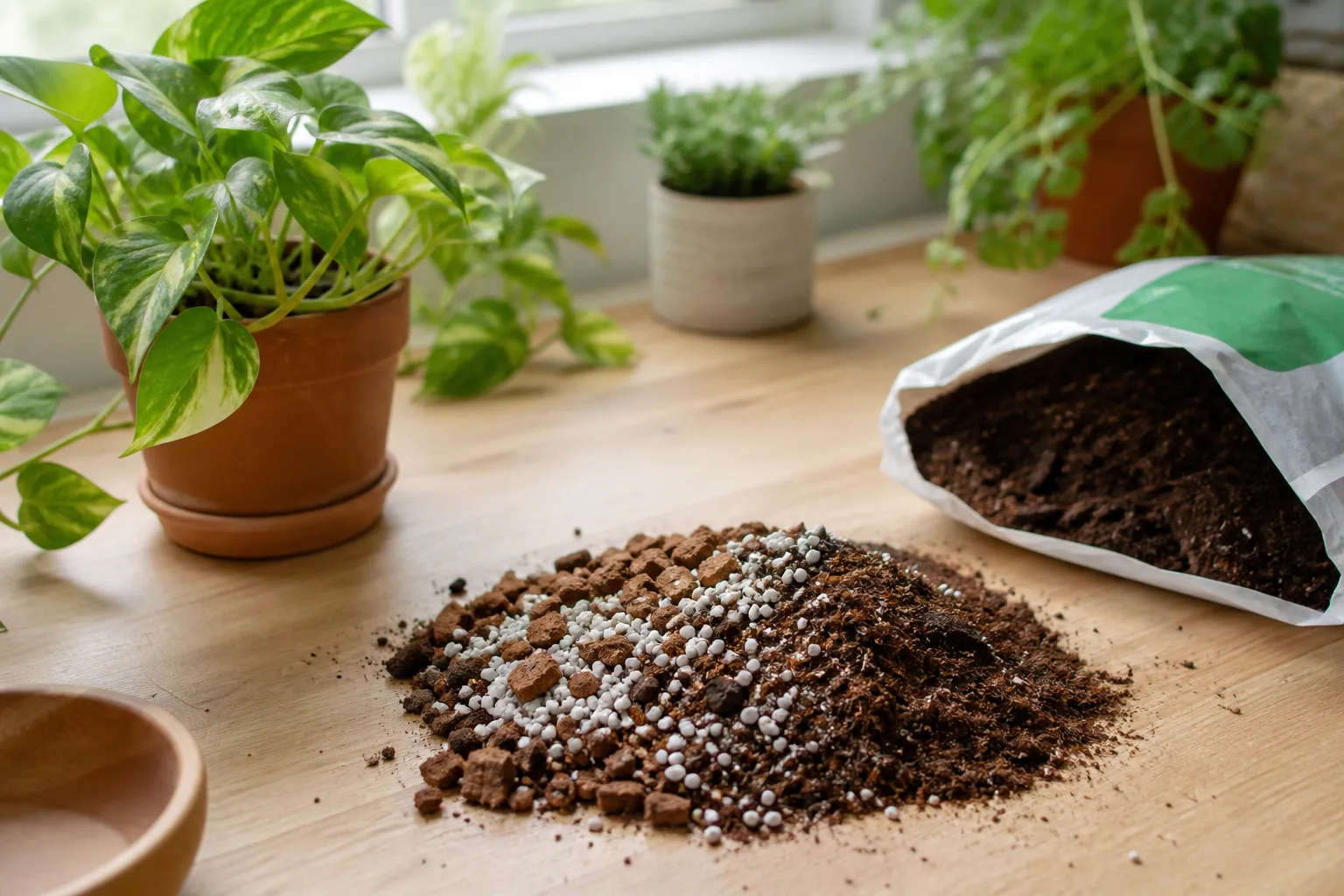
A thin layer of dried spent tea leaves in the bottom third of a large outdoor container can help retain moisture and add organic fiber as roots eventually reach that zone. This is a porch-pot trick, not a universal rule—drainage still comes first.
Use a handful, not a packed mat. Combine with standard potting mix and a drainage hole you never block. The leaves slowly decompose and improve structure much like coarser organic amendments mixed through the profile.
Do not use this indoors without excellent drainage and moderation; wet, decomposing material at the pot base can sour and attract gnats. For houseplants, compost tea leaves first or mix a pinch into the top layer instead of bottom-filling.
Bonus: Chamomile Spray for Seedling Fungus Prevention
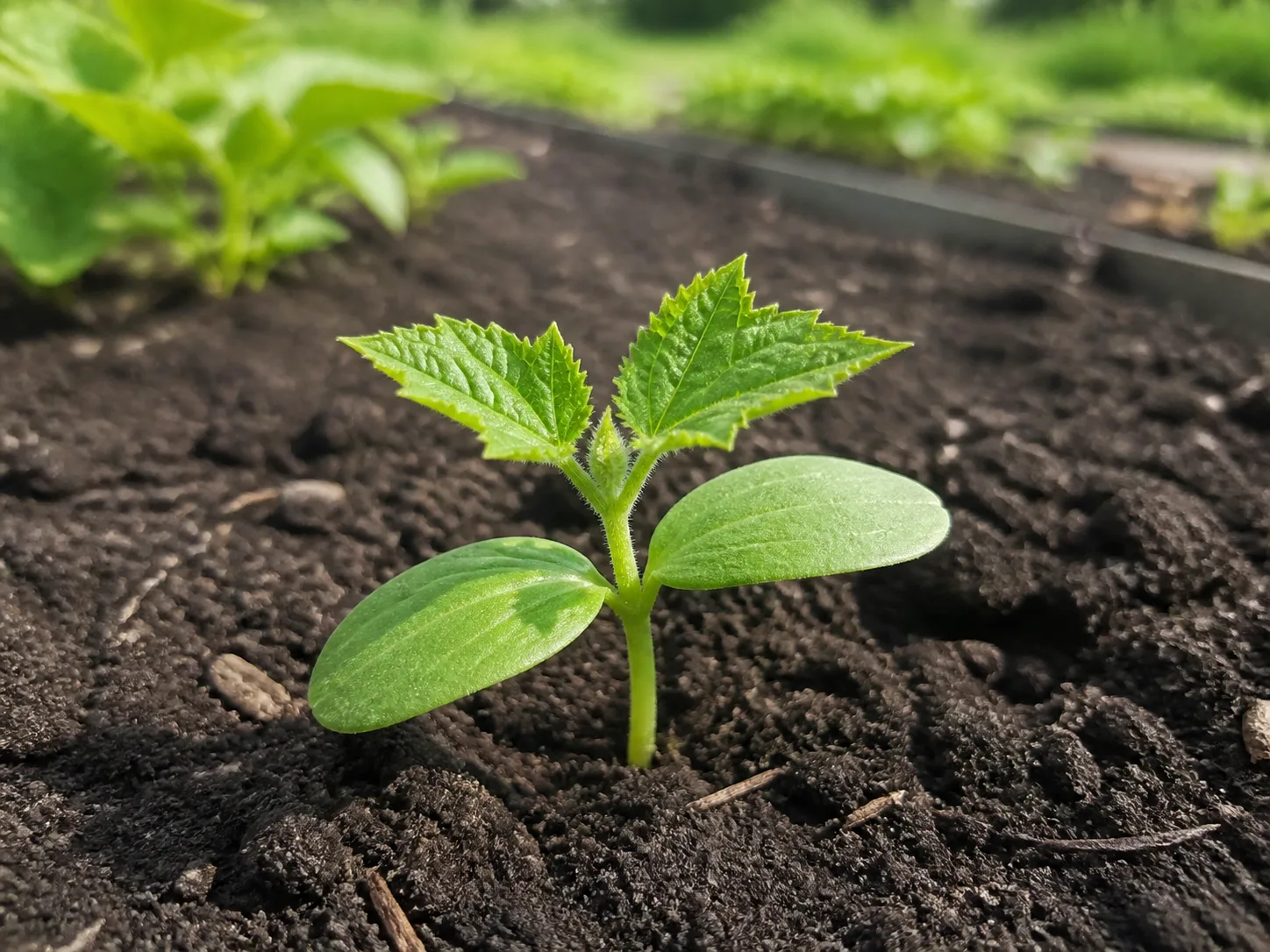
Diluted chamomile tea is an old greenhouse habit for damping-off—the fungal collapse of seedlings at the soil line. Chamomile contains mild antimicrobial compounds; a weak, cooled brew applied as a soil drench (not a foliar soak on dense seedlings) may reduce surface fungal pressure in humid seed-starting trays.
Brew one chamomile bag in a cup of hot water, cool completely, dilute to pale straw color with additional water, and apply sparingly at the soil surface when trays are ventilated and not waterlogged. This is preventive maintenance, not treatment for active rot. Infected seedlings still need removal, airflow fixes, and drier surface conditions.
Never substitute chamomile tea for labeled fungicides when disease spreads tray-wide. If mold dominates, discard affected starts and sterilize containers before replanting.
Which Plants Benefit Most (and Which to Skip)
Tea leaves reward plants that tolerate slightly acidic soil and appreciate steady organic nitrogen in small doses. They punish alkaline-preferring species when over-applied because even mild organic acids and decomposition byproducts can nudge pH in the wrong direction at the root zone.
Match the plant before you match the method. Compost finished with tea is gentler and more universal than raw leaves piled on soil.
Acid-Tolerant and Nitrogen-Hungry Winners
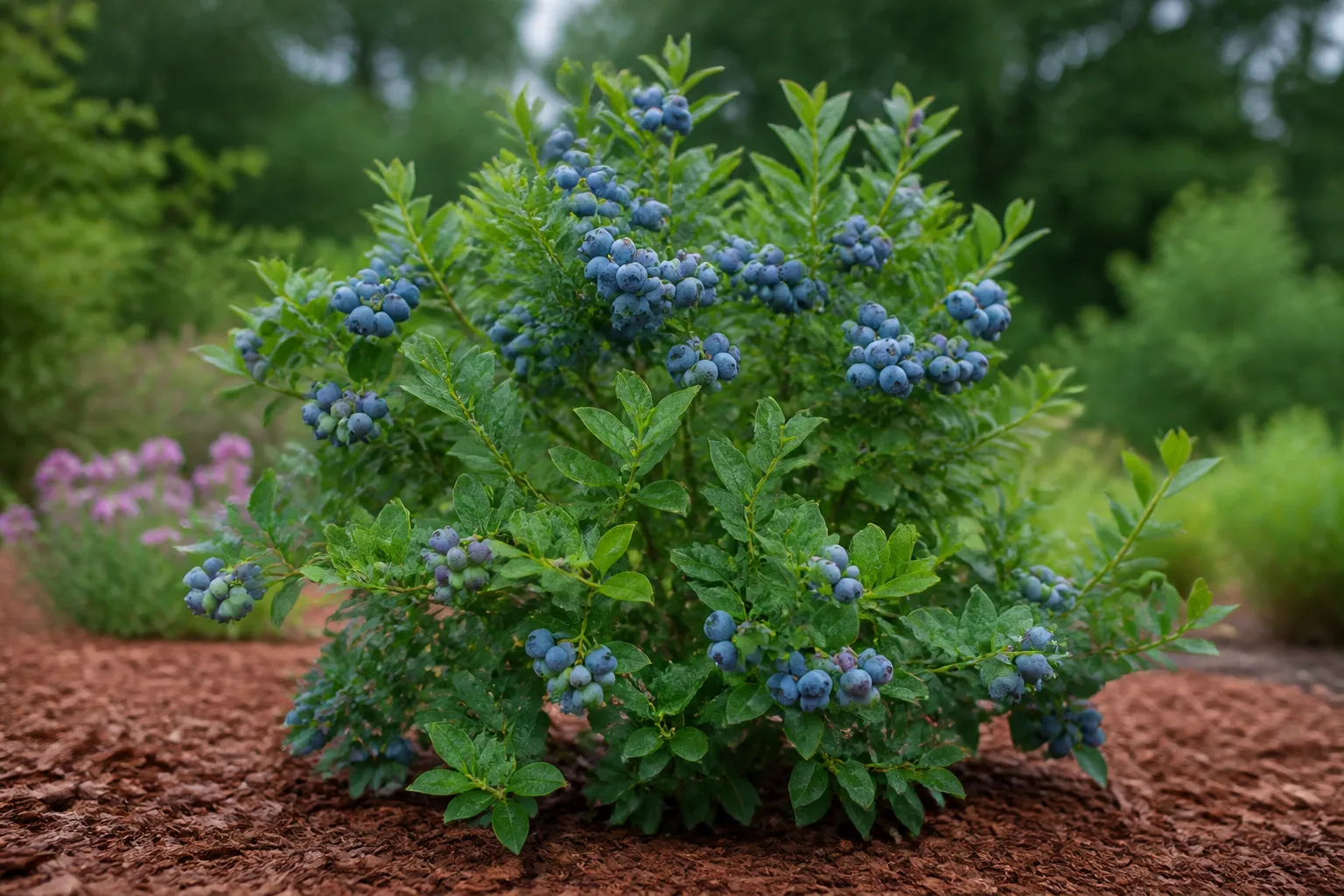
These species commonly respond well to composted tea amendments or light direct leaf scratching:
- Roses — appreciate organic matter and steady nitrogen during bloom cycles
- Blueberries and azaleas — tolerate acidic conditions; still need proper pH management beyond tea see acid-loving plant guide
- Hydrangeas, rhododendrons, camellias — ericaceous shrubs that benefit from organic mulch and compost
- Ferns — woodland species that like humus-rich, slightly acid soil
- Tomatoes and leafy greens — nitrogen-hungry in season; prefer composted tea over raw dumps
- Many houseplants — especially those in peat-based mixes that lean acidic
Tea will not fix a blueberry planted in pH 7.5 soil. Run a soil test and use sulfur, peat-free acidifying strategies, or raised beds as your extension office recommends before relying on kitchen waste.
Plants That Prefer Neutral or Alkaline Soil
Go light or skip tea around:
- Lavender, lilacs, clematis — Mediterranean and alkaline-leaning performers
- Asparagus and many brassicas — prefer neutral to slightly alkaline conditions
- Newly planted bare-root trees — need stable moisture, not decomposing greens against cambium
- Succulents and cacti — want mineral, fast-draining mix; organic greens cause rot risk
If you garden both groups, compost tea leaves into general-purpose compost and reserve that finished product for beds where acidity is welcome. Keep alkaline beds on leaf mold, composted manure, or extension-recommended lime programs instead.
Common Mistakes That Backfire
Burying plastic tea bags is the most common long-term error. Microplastic persists, worms ingest fibers, and you contaminate otherwise clean compost. Always open and inspect.
Dumping thick dry layers on the soil surface creates water-repelling crusts—same failure mode as coffee grounds applied wrong. Mix in or compost first.
Expecting tea to acidify soil for blue hydrangeas or blueberries leads to disappointment. Color and nutrient uptake depend on soil pH and aluminum availability, not breakfast leftovers.
Using hot bags or sweetened tea shocks roots and ferments in the pile. Cool and plain only.
Overdoing indoor applications grows surface mold and fungus gnats. Bury tiny amounts or compost off-site.
Treating mint or chamomile as pesticides or fungicides delays real interventions when populations or infections spike.
Conclusion
Used tea leaves belong in the garden as composted organic matter—not as a miracle amendment. Compost them with balanced browns for the safest, highest-value return. When you need faster options, scratch cooled loose leaves lightly into soil, brew a weak second cup for containers, or experiment with mint scatter and chamomile drenches within their realistic limits.
Prep every batch plastic-free, staple-free, and sugar-free. Match methods to acid-tolerant, nitrogen-hungry plants, and skip heavy applications around lavender, lilacs, and seedlings. Tea will not replace soil tests, fertilizer programs, or disease management—but for daily drinkers, it is one of the easiest kitchen scraps to put back into the ground instead of the landfill.