27 Acid-Loving Plants for Your Garden
Twenty-seven acid-loving plants—from azaleas and blueberries to potatoes and marigolds—plus how to test soil pH, lower it safely, and know when containers beat amendment.
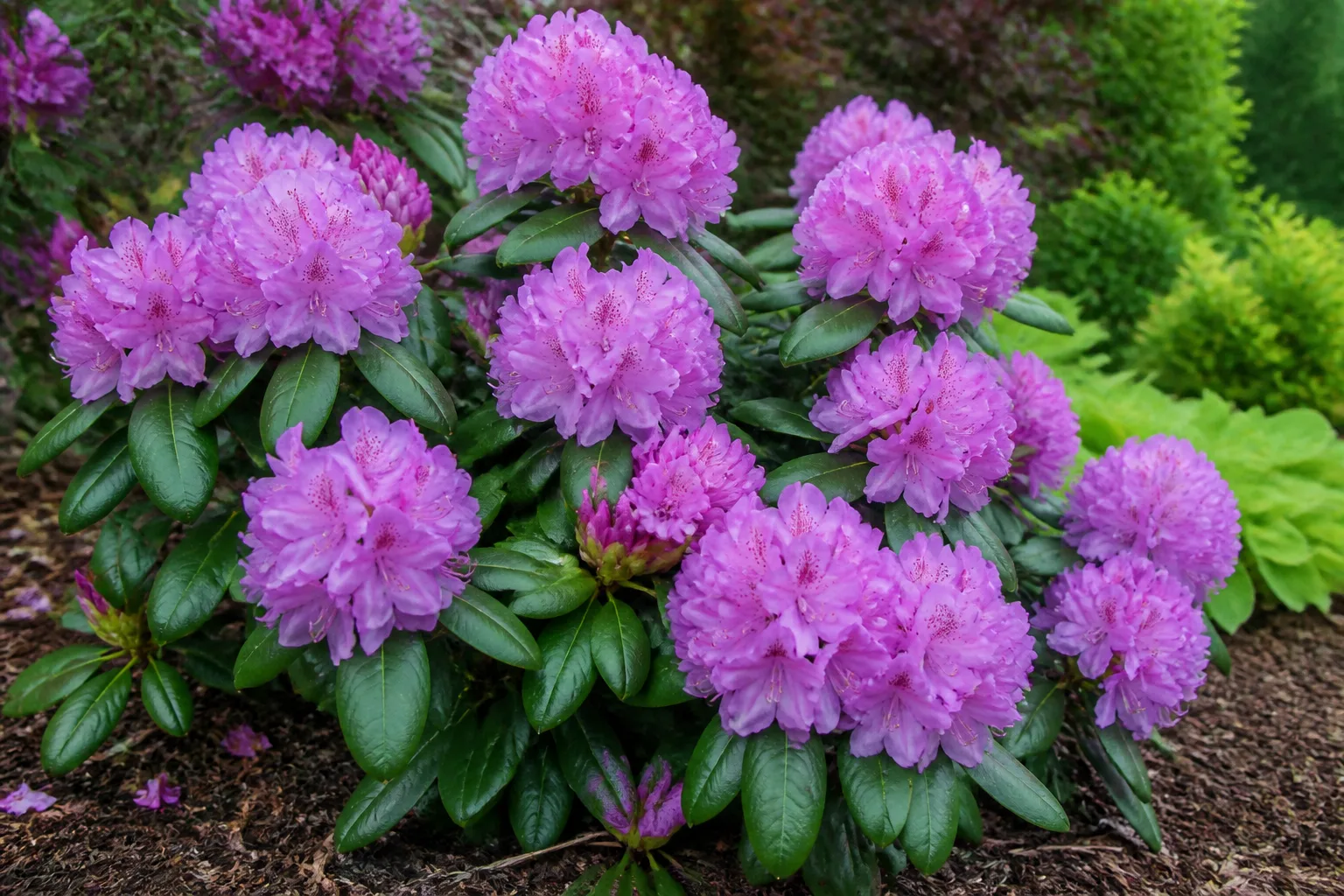
Yellow leaves on a new azalea are rarely a fertilizer problem. More often, the roots are sitting in soil with a pH above 6.5, and the plant cannot pull iron and manganese fast enough—a condition called chlorosis. Acid-loving plants are species that grow best when soil pH stays below 6.5, and a smaller group demands 5.5 or lower to perform at all. Neutral soil sits around 6.5–7.3; alkaline soil reads above 7.3.
That range matters because “acid-loving” gets slapped on everything from blueberries to marigolds, yet those plants do not want the same number on a test kit. This guide separates true acid-lovers (ericaceous shrubs, blueberries) from acid-tolerant edibles and annuals (tomatoes, nasturtiums), walks you through testing and safe amendment, then lists 27 plants worth planting once your soil—or your raised bed—matches their needs.
Quick roster: 27 acid-loving plants
| Plant | Type | Typical pH | USDA zones (general) |
|---|---|---|---|
| Azalea | Ericaceous shrub | 5.0–6.0 | 5–8 |
| Rhododendron | Ericaceous shrub | 5.0–6.0 | 5–8 |
| Camellia | Ericaceous shrub | 5.0–6.5 | 7–9 |
| Japanese pieris | Ericaceous shrub | 5.0–6.0 | 4–8 |
| Winter heath | Ericaceous shrub | 5.0–6.0 | 5–8 |
| Blueberry | Fruit shrub | 4.5–5.5 | 2–7 |
| Holly | Broadleaf evergreen | 5.0–6.5 | 5–9 |
| Fothergilla | Deciduous shrub | 5.0–6.5 | 5–8 |
| Viburnum | Flowering shrub | 5.5–7.0 | 5–8 |
| Oakleaf hydrangea | Native shrub | 5.5–6.5 | 5–9 |
| Bleeding heart | Shade perennial | 5.5–6.5 | 3–9 |
| Bunchberry | Native ground cover | 5.0–6.5 | 2–7 |
| Trillium | Woodland perennial | 5.5–6.5 | 4–9 |
| Japanese pachysandra | Shade ground cover | 5.5–6.5 | 4–8 |
| Colorado blue spruce | Conifer tree | 5.0–6.5 | 3–7 |
| Mountain ash | Small flowering tree | 5.5–6.5 | 3–8 |
| Magnolia | Flowering tree | 5.5–6.5 | 4–9 |
| Dogwood | Flowering tree/shrub | 5.5–6.5 | 5–9 |
| Gardenia | Fragrant shrub | 5.0–6.0 | 7–11 |
| Potato | Vegetable | 5.0–5.5 | 2–11 |
| Tomato | Vegetable | 5.5–7.0 | 5–10 |
| Pepper | Vegetable | 5.5–7.0 | 4–11 |
| Marigold | Annual flower | 5.5–7.5 | 2–11 |
| Nasturtium | Annual flower | 5.5–7.5 | 2–11 |
| Blue ageratum | Annual flower | 5.5–7.0 | 10–11 perennial |
| Begonia | Annual/tender perennial | 5.5–6.5 | 10–11 |
| Caladium | Tender bulb/foliage | 5.5–6.5 | 9–10 |
Use the table as a shopping list, then read the sections below for placement, pairing, and the amendment steps each group actually needs.
What “Acid-Loving” Actually Means (and What It Does Not)
Soil pH measures acidity on a 0–14 scale; 7 is neutral. Acid-loving ornamentals in the heath family (Ericaceae)—azaleas, rhododendrons, blueberries, heath, and pieris—typically want pH 4.5–6.0 with excellent drainage and steady organic matter. Many vegetables and annual flowers merely tolerate slightly acid conditions in the 5.5–7.0 band without requiring boggy, ultra-sour ground.
| Category | Typical pH target | Examples |
|---|---|---|
| Strict acid-lovers | 4.5–5.5 | Blueberries, some mountain heaths |
| Ericaceous shrubs | 5.0–6.0 | Azalea, rhododendron, camellia, pieris |
| Acid-tolerant perennials | 5.5–6.5 | Bleeding heart, oakleaf hydrangea, trillium |
| Acid-tolerant vegetables | 5.5–7.0 | Tomato, pepper, potato, marigold |
| pH-sensitive flower color | below 6.0 for blue | Bigleaf hydrangea (H. macrophylla) |
Bigleaf hydrangea is the plant most gardeners know for pH drama: aluminum availability in acid soil pushes flowers toward blue, while alkaline soil favors pink. Oakleaf hydrangea (Hydrangea quercifolia) does not change bloom color with pH, but it still grows well in the acidic woodland soils of its native Southeast (NC State Extension: Hydrangea quercifolia). For bloom-color science and cultivar picks, see our oakleaf hydrangea guide and bigleaf hydrangea care guide.
Test Your Soil Before You Buy Another Azalea
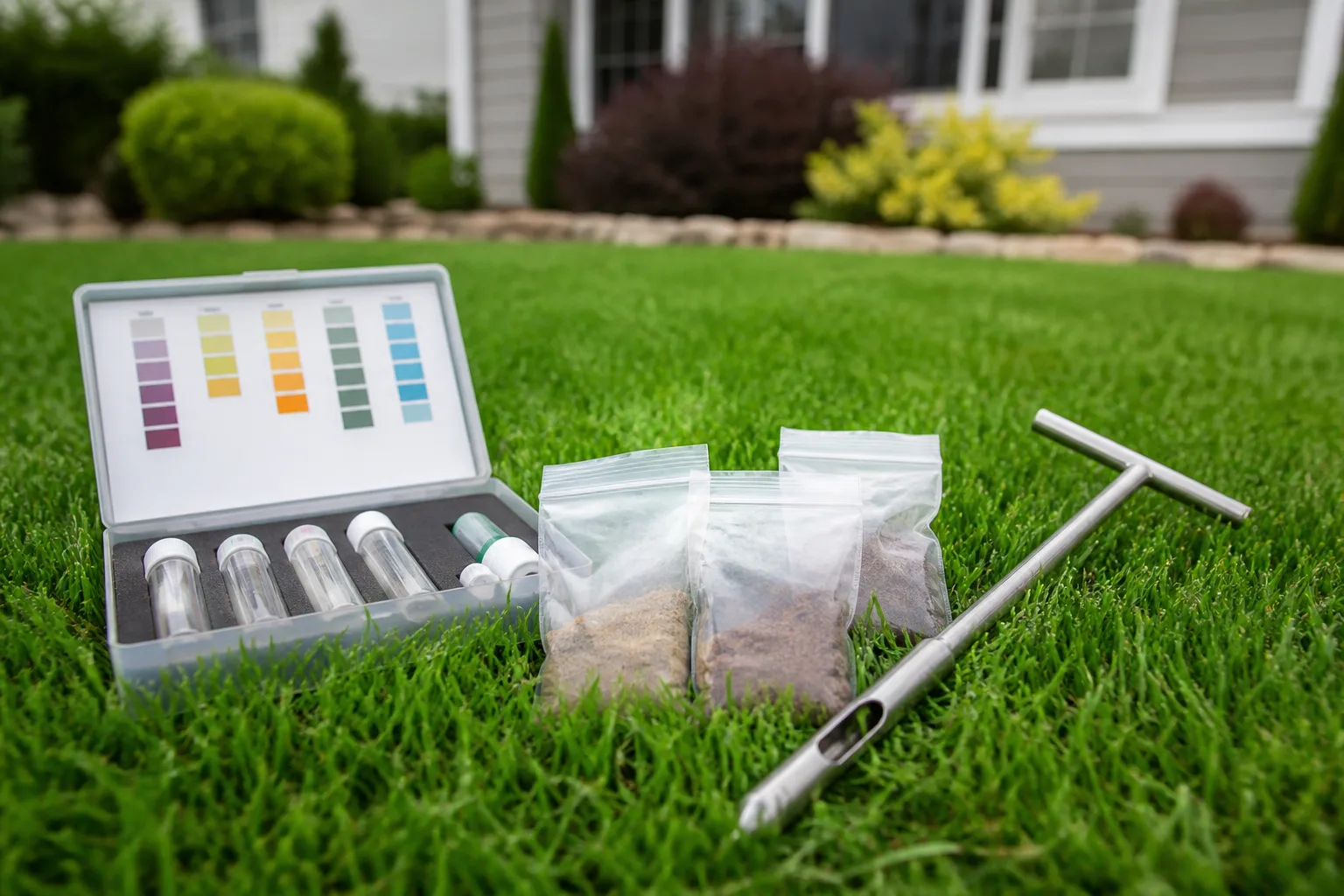
Guessing pH from neighbor’s success or regional folklore wastes money. Azaleas planted at pH 7.2 can linger for two seasons, then yellow and stall no matter how much “acid plant food” you pour on. Test first, then shop.
Step 1: Collect subsamples from 6–8 spots across the bed, 6 inches deep, mix in a clean bucket, and air-dry if your kit instructions require it. Step 2: Run a home colorimetric kit or digital meter for a quick read. Step 3: Send the same composite sample to your county extension soil lab before major planting or if home results and plant symptoms disagree. Lab reports return pH plus nutrient levels and lime/sulfur recommendations calibrated to your soil texture.
Home Tests vs Lab Reports
Home kits excel at go/no-go decisions: “Is this bed clearly alkaline?” Digital meters drift unless you calibrate and use distilled water slurry. Extension labs cost more but answer the question that matters for blueberries—how much sulfur, not just whether sulfur is needed. NC State notes that highbush blueberry’s ideal pH is 5.0 and that pH too high causes chlorosis (NC State Extension: Vaccinium corymbosum). If your lab result is 6.8 and you want blueberries, plan amendment or a dedicated raised bed before you order cultivars.
Retest each spring on established acid beds. Rain, irrigation, and decomposing mulch slowly nudge pH toward neutral. Catching drift at 6.3 is easier than rescuing a woody shrub at 7.0.
How to Lower Soil pH Without Burning Roots
Lowering pH is slower and safer than raising it with lime. Two common products:
- Elemental sulfur — soil bacteria convert it to sulfuric acid over weeks to months. Lasting, but requires warm, moist soil and patience.
- Aluminum sulfate — works faster but supplies aluminum; overuse risks toxicity and environmental runoff concerns near ponds or storm drains.
GrowVeg’s soil pH guide for organic gardeners stresses working amendments before planting and retesting rather than dumping yearly doses by habit. A practical ceiling: avoid dropping pH more than about one full point per growing season unless extension literature for your state gives a specific rate for your texture. Sandy soils shift faster than clay; clay needs sulfur incorporated, not sprinkled on crusted surface.
Organic matter—composted pine bark, leaf mold, aged pine needles—buffers acid lovers and improves drainage. It is a supporting tactic, not a substitute for sulfur when pH is 7.5. Used coffee grounds add organic matter but do not reliably acidify soil enough for blueberries.
Fertilizer labeled for azalea, rhododendron, or blueberry often contains ammonium sulfate or other acid-forming nitrogen. Use it after pH is in range; fertilizer cannot fix fundamentally alkaline ground.
Sulfur, Organic Matter, and Shortcuts That Fail
Skip these common mistakes:
- Liming an entire yard then planting acid-lovers in the same ribbon bed as lawn grass.
- Double sulfur doses after yellow leaves appear—roots burn while leaves still look sick.
- Planting peat-only holes in heavy clay (“bathtub” roots rot in winter).
- Assuming pine needles alone will acidify a 200-square-foot bed within one season.
When native soil is chronically above pH 7.0 and bedrock or irrigation water keeps pushing alkaline, stop fighting the whole yard. Build a raised ericaceous bed or grow strict acid-lovers in containers. Our rhododendron in pots vs ground guide walks through drainage and winter protection when pots are the better tool.
Ericaceous Shrubs: The Backbone of Acid Gardens
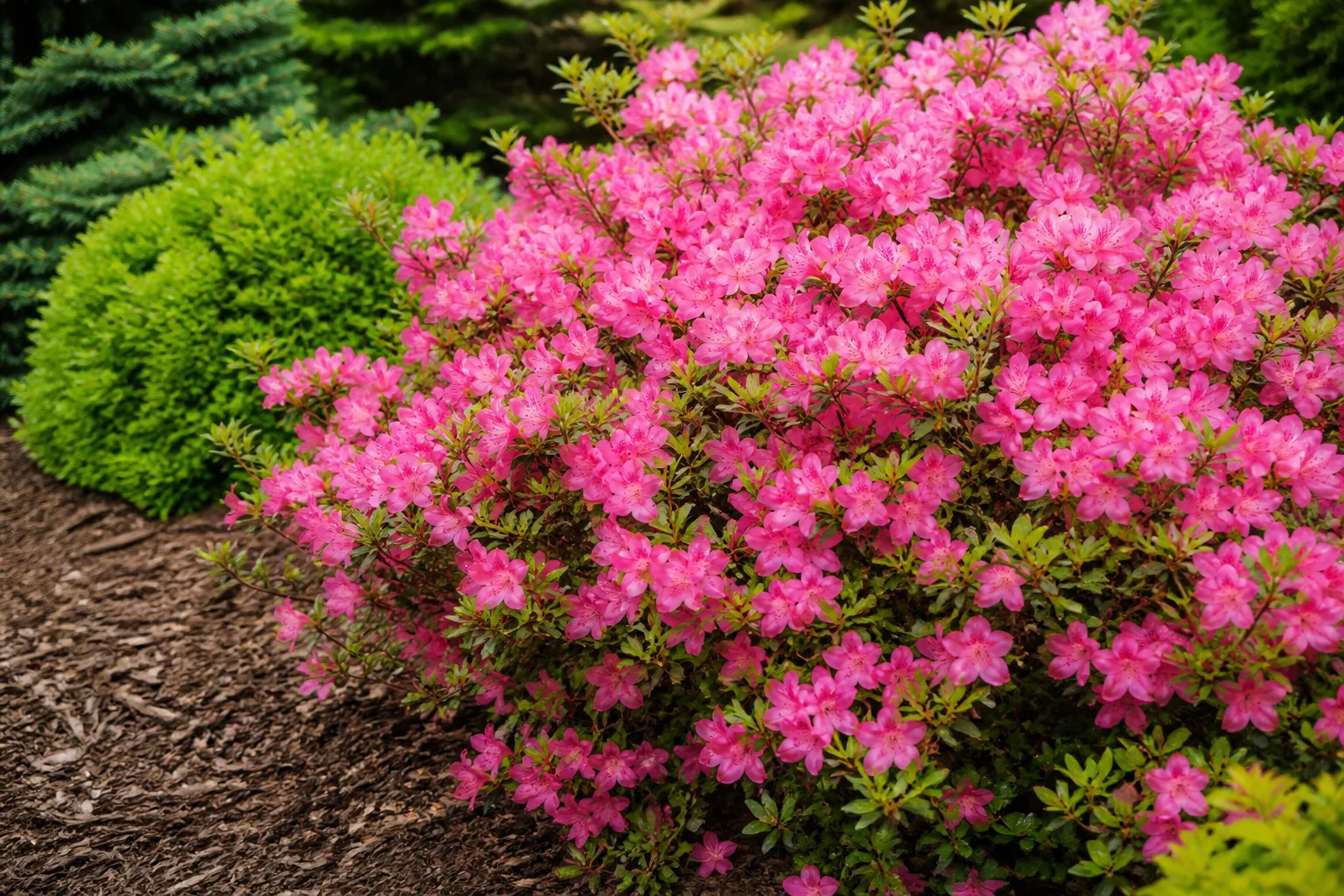
If your test reads 5.0–6.0 and drainage is decent, ericaceous shrubs deliver the most obvious payoff: evergreen structure, spring color, and wildlife value in shade where turf thins.
Azaleas, Rhododendrons, and Camellias
Azaleas and rhododendrons are the classic pair—both want moist, well-drained, humus-rich soil around pH 5.0–6.0, morning sun or dappled shade, and mulch that never buries stems. Deciduous azaleas tolerate more sun; large-leaf rhododendrons need shelter from afternoon heat in zones 7–8. Match USDA zones on the label to your USDA zone map before fall planting.
Camellias (Camellia japonica and C. sasanqua) share the same soil appetite: acidic, organic, evenly moist. Spring-blooming C. japonica wants protection from morning sun on frozen buds in cold zones; fall-blooming C. sasanqua handles more sun. All three genera pair beautifully with highbush blueberries as a functional hedge—you eat the berries and skip separate acid beds.
Deer browse azaleas and rhododendrons in many regions. If herds visit nightly, plan protection before you mass-plant; our are azaleas deer resistant guide covers realistic barriers and repellent limits.
Pieris, Heath, and Japanese Andromeda
Japanese pieris (Pieris japonica), also called andromeda, offers bronzy new growth and dangling spring flowers on an evergreen frame for zones 4–8. It wants the same acidic, moist soil as rhododendrons.
Winter heath (Erica × darleyensis) and true heathers (Calluna) keep color in cold months when deciduous shrubs are bare. Heath prefers full sun and sharp drainage; still, pH must stay acidic. Use heath on slopes and rock garden pockets, not low clay bowls that hold winter water.
Fothergilla (bottlebrush shrub) adds white spring bottlebrush flowers and reliable red-orange fall foliage in zones 5–8. Full sun intensifies autumn color. Pair fothergilla with oakleaf hydrangea and viburnum for a three-season native-leaning border.
Native Woodland Perennials Worth the Wait
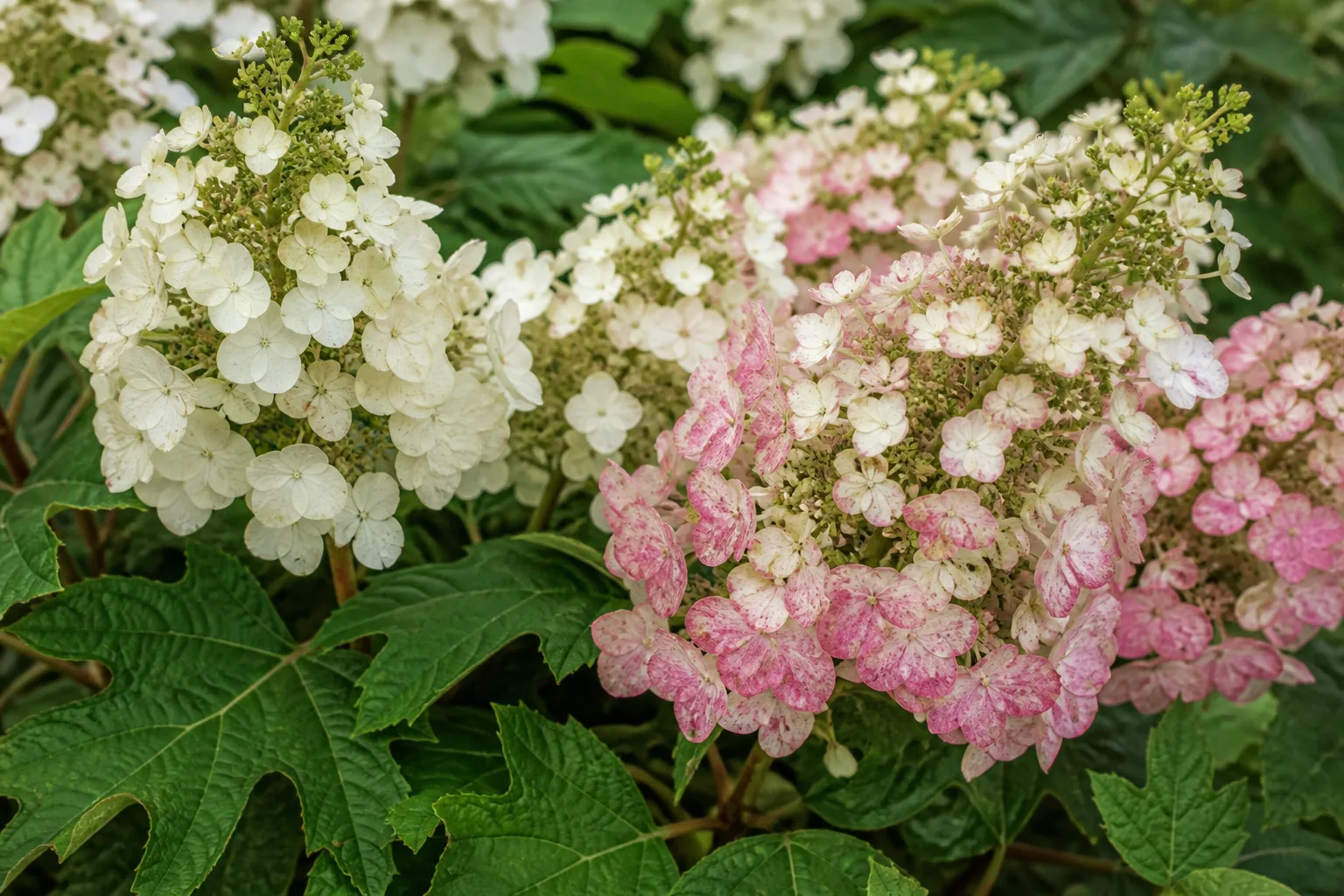
Woodland natives reward patience with self-sustaining colonies once pH and moisture match their habitat.
Bleeding heart (Lamprocapnos spectabilis, formerly Dicentra spectabilis) hangs heart-shaped blooms on arching stems in zones 3–9, preferring shade to part shade and rich, slightly acid soil. It goes dormant by midsummer—plan ferns or hostas to cover the gap.
Bunchberry (Cornus canadensis) is a ground-hugging dogwood relative with white bracts in cool, moist, acidic sites zones 2–7. It struggles in hot, dry south-facing beds.
Trillium species rise from rhizomes in Appalachian-style shade, zones 4–9, with white, red, or maroon spring flowers. Never dig wild clumps; buy nursery-propagated plants and leave them undisturbed.
Oakleaf hydrangea (Hydrangea quercifolia) is a zones 5–9 native shrub with white panicles, exfoliating bark, and burgundy fall leaves. It tolerates acid soil beautifully even though flower color does not shift with pH. See our oakleaf hydrangea growing guide for pruning on old wood.
Trees and Tall Shrubs for Acid Soil
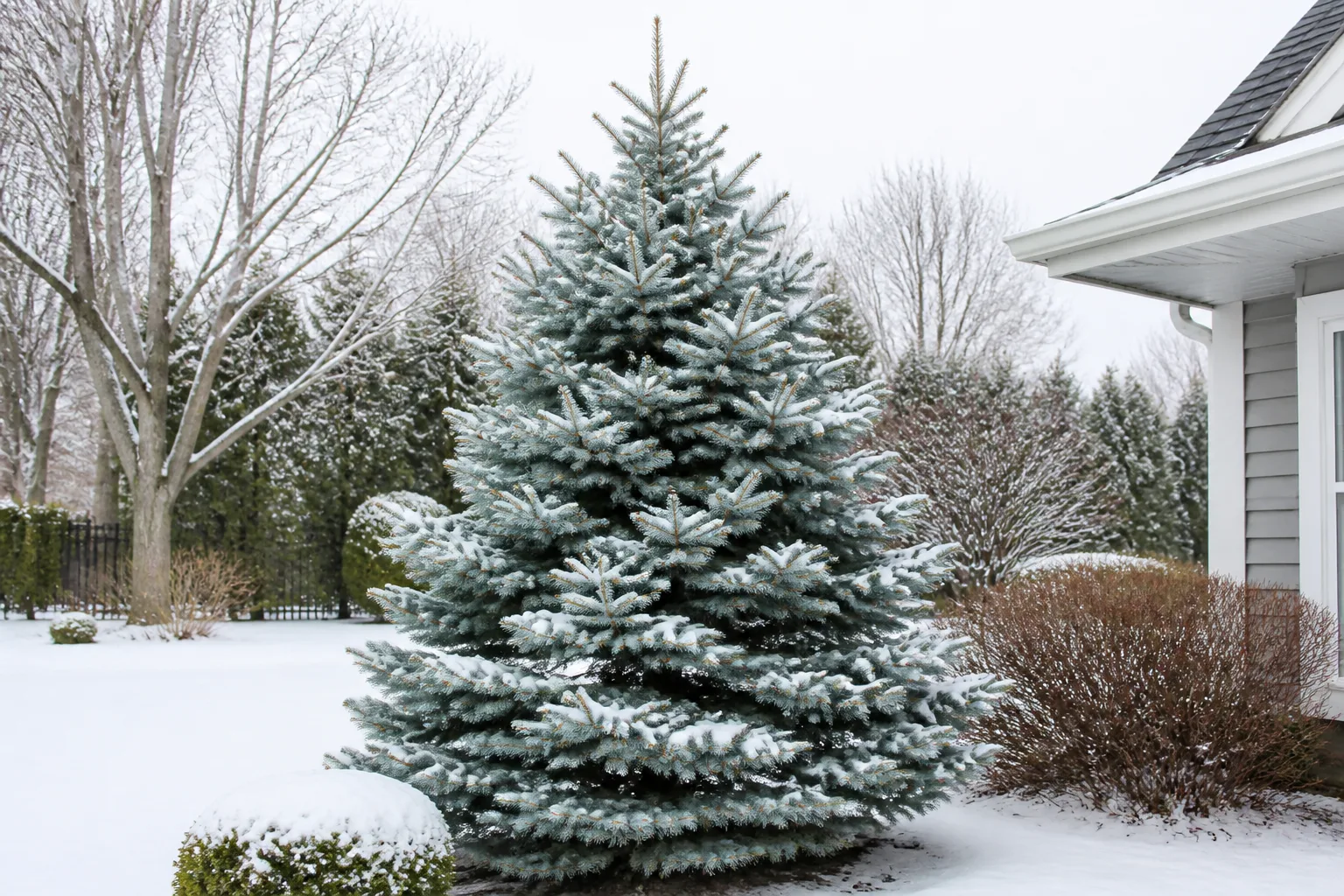
Colorado blue spruce (Picea pungens) and eastern white pine (Pinus strobus) prefer slightly acid, well-drained ground—classic conifers for windbreaks and specimen trees in zones 3–7. Expect lower branches to acidify litter over decades; do not assume that alone rescues a limey foundation bed.
Mountain ash (Sorbus spp.) and many oaks (Quercus) thrive in acid to neutral soils and extend the canopy layer for shade-loving understory plants.
Magnolias—from star magnolia (M. stellata) to saucer types (M. × soulangeana)—want rich, moist, slightly acid loam and room for mature width. Dogwoods (Cornus florida, C. kousa) bring spring bracts and fall fruit; flowering dogwood wants part shade and airflow to limit anthracnose in humid regions. Our dogwood species guide and dogwood pruning guide cover ID and timing.
Hollies (Ilex) span evergreen screens (‘Blue Princess’ holly) and deciduous winterberry with berries for birds. Most prefer pH 5.0–6.5 and tolerate moist but not swampy roots unless soil is naturally acidic.
Viburnums such as doublefile (V. plicatum) and Korean spice (V. carlesii) accept acid loam and deliver flowers, fruit, and fall color in zones 5–8.
Ground Covers and Low Spreaders
Japanese pachysandra (Pachysandra terminalis) carpets shade in zones 4–8 with glossy evergreen leaves and spring white spikes. It spreads by rhizomes—contain edges along walks. Deer resistance is good in the Northeast but not absolute everywhere.
Pair pachysandra under rhododendrons or oakleaf hydrangea where lawn will not grow. Keep irrigation consistent the first year; established mats tolerate dry shade better than new plugs.
Edible Plants That Prefer Lower pH
Vegetable gardeners often already grow on slightly acid soil without branding the bed “ericaceous.” The trick is matching each crop to its ceiling and floor.
Blueberries and Other Acid-Loving Fruit
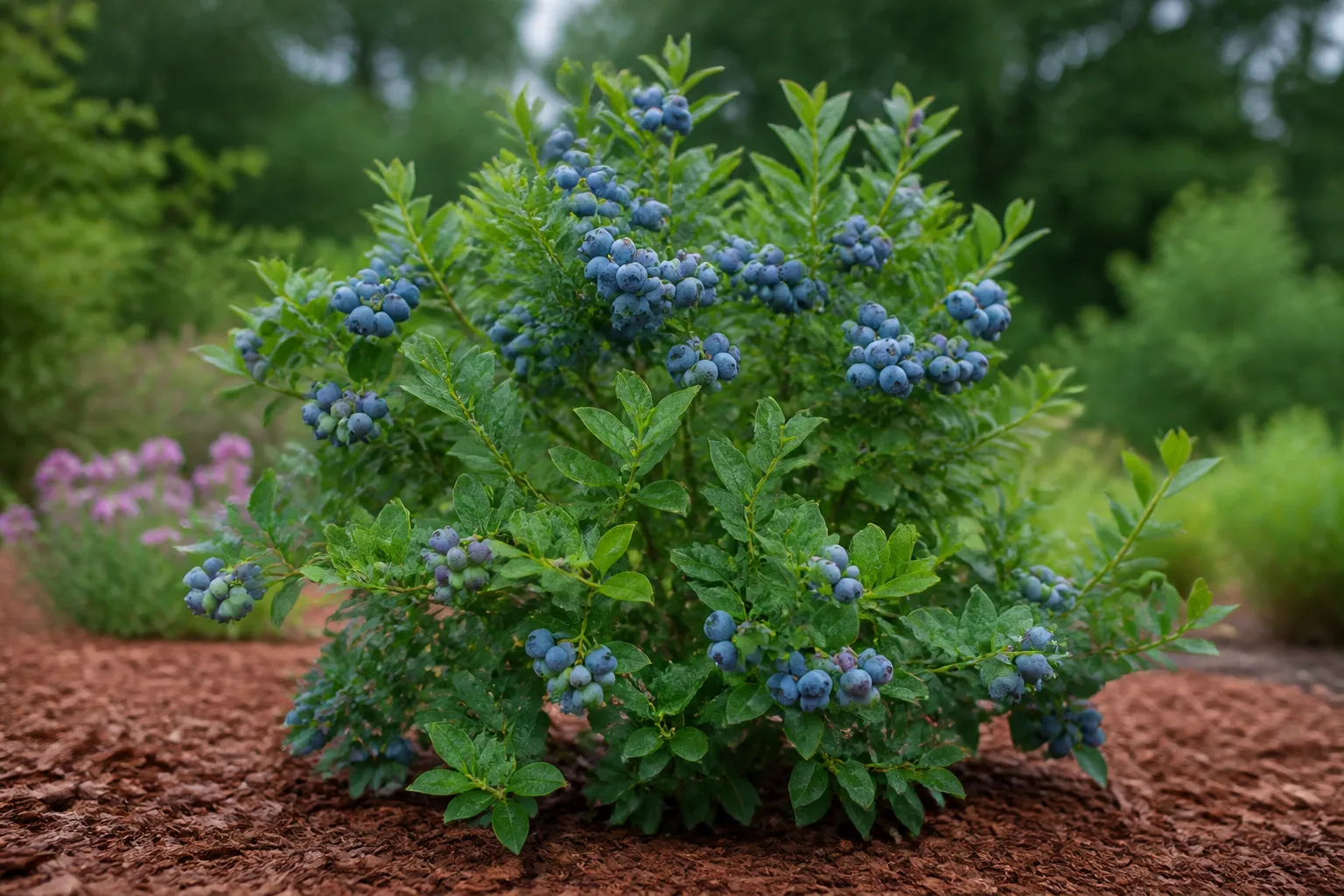
Blueberries are the edible acid test. Highbush types want pH near 5.0, loose organic soil, and two cultivars for cross-pollination. Remove flowers the first two years so roots establish. Rabbiteye blueberries suit warmer southeastern zones with similar pH demands.
At pH 6.5+, blueberries yellow, fruit poorly, and decline even with fertilizer. If amendment is unrealistic, grow them in half-barrel planters filled with pine-bark-based mix. NC State lists chlorosis from high pH among the primary cultural problems (NC State Extension: Vaccinium corymbosum).
Tomatoes, Potatoes, Peppers, and Row Crops
Potatoes benefit from distinctly acid soil—pH 5.0–5.5 helps suppress common scab (Streptomyces spp.). University of Maryland Extension vegetable garden bulletins cite that range for scab management (UMD Extension: Soil pH and liming for vegetable gardens). Our potato growing primer and how long potatoes take to grow cover hilling and harvest timing.
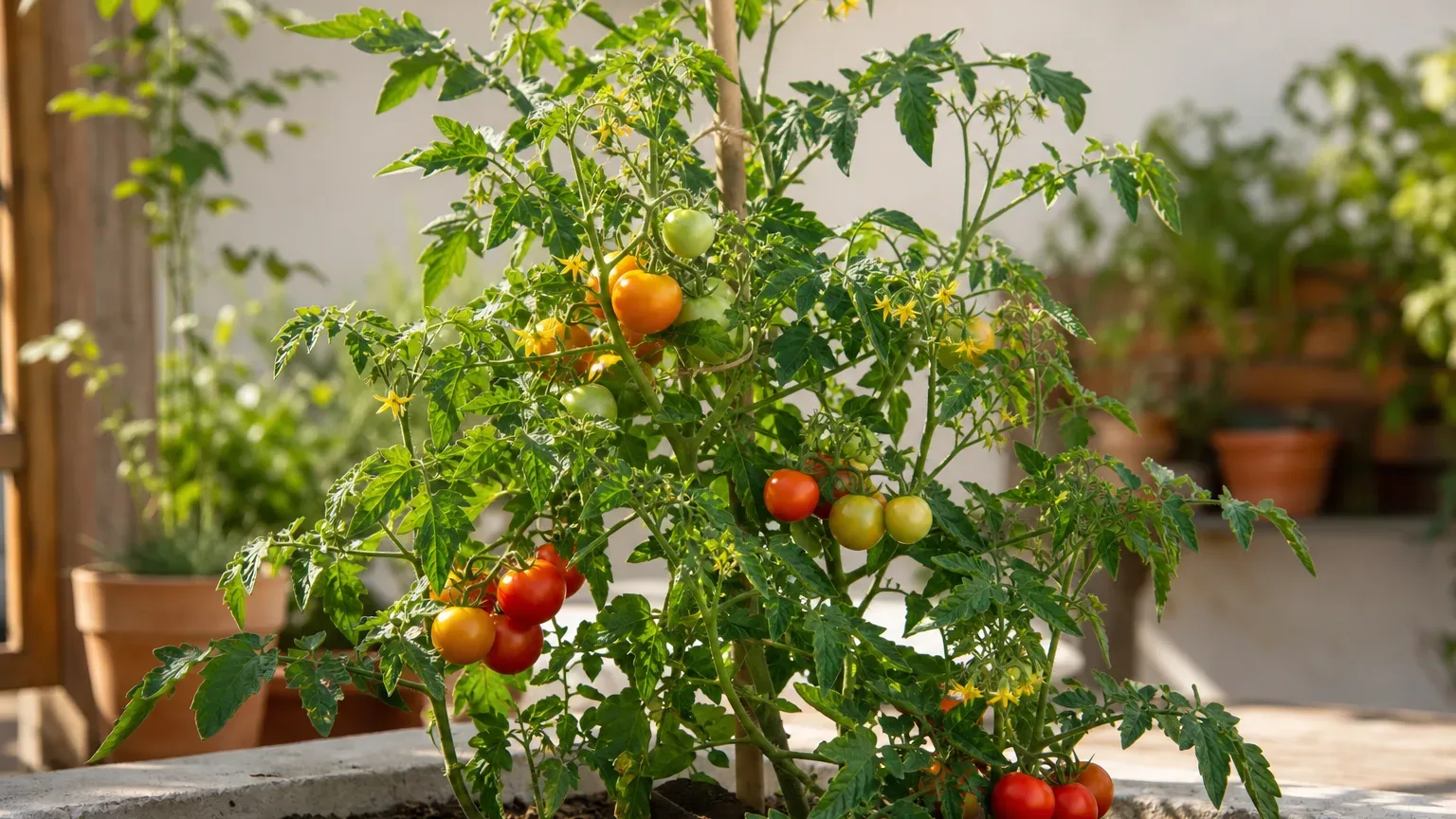
Tomatoes and peppers prefer pH 5.5–7.0—slightly acid to neutral. They are not blueberries; extreme acid below 5.2 can lock out calcium and worsen blossom-end rot. Plant them in the sunniest row of a vegetable garden, not under tree drip lines that swing pH unpredictably. See growing peppers in pots for container pH control on patios.
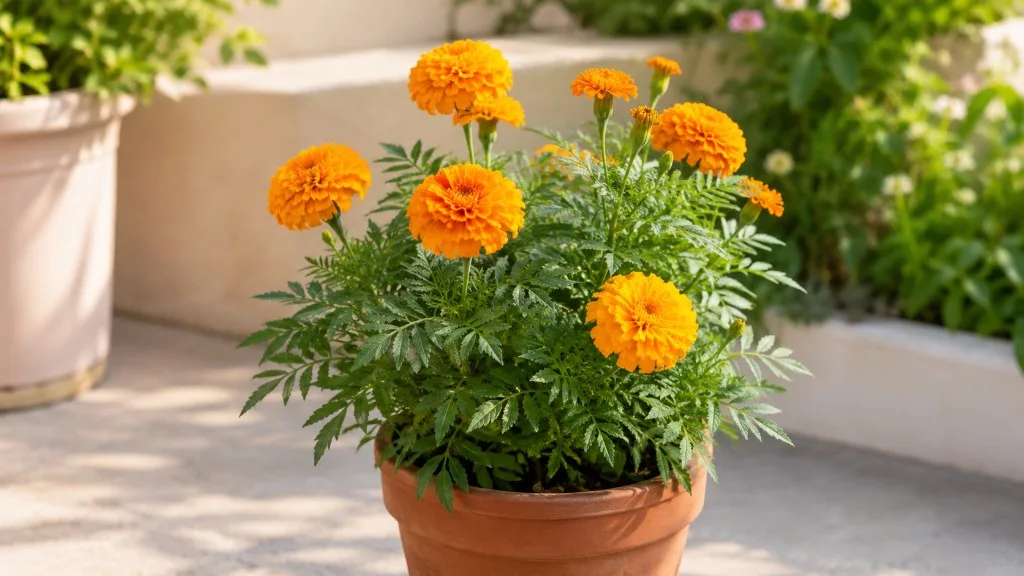
Marigolds and nasturtiums tolerate a wide band and excel as companion flowers in vegetable beds. Marigolds add pollinator traffic and root chemistry studied for nematode management when used as a dense pre-crop—not as a single accent plant. Our marigold companion plants guide explains pairing with tomatoes and spacing.
Do not plant potatoes and blueberries in the same narrow bed if one side needs pH 5.0 and the other is drifting to 6.8—split beds or rotate with retesting.
Annual Flowers for Slightly Acid Beds
Warm-season annuals round out the list without demanding peat bogs:
- Blue ageratum (Ageratum houstonianum) — fuzzy blue (or pink/white) mounds for zones 10+ as perennial; annual elsewhere. Likes moist, compost-amended soil.
- Begonias — wax and rex types for shade containers; tuberous types for filtered light. Keep humidity and avoid waterlogged crowns.
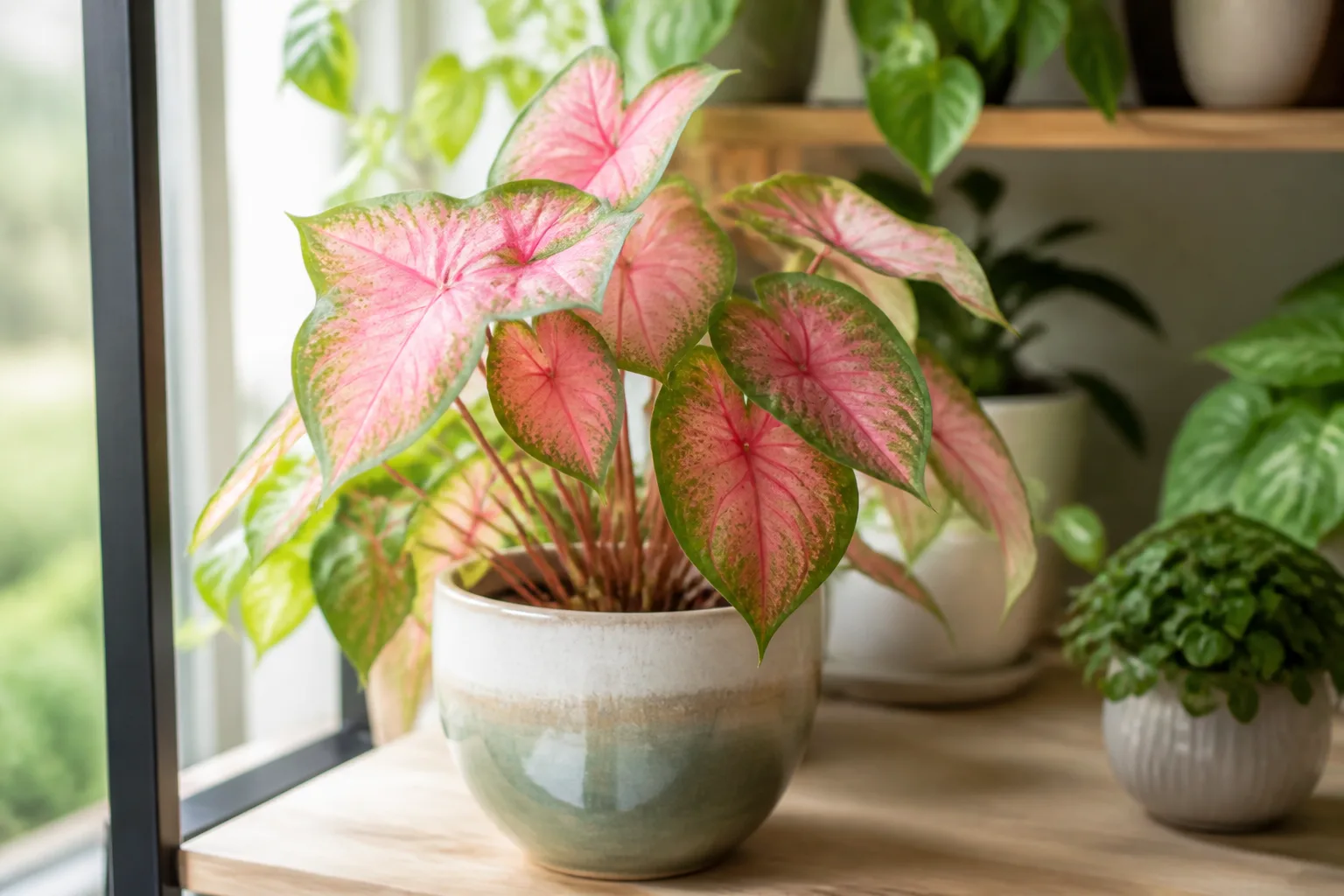
- Caladium — tropical foliage in zones 9–10; lift tubers or grow as houseplants farther north. Rich, moist, acid to neutral mix.
- Marigolds (Tagetes) — full sun, forgiving soil zones 2–11 as annuals.
- Nasturtiums — poor soil often produces more leaves than blooms; slight acidity is fine. Edible flowers for salads.
These annuals are acid-tolerant, not specialists. They fail when drainage is poor or when extreme alkaline water keeps pushing pH up every irrigation cycle.
When Raised Beds Beat Soil Amendment
Choose raised beds or large containers when:
- Native pH is above 7.2 and irrigation is alkaline.
- You rent or cannot amend whole-yard limestone subsoil.
- You want blueberries or azaleas on a patio with precise mix control.
- Tree roots steal moisture from a narrow foundation planting.
Fill ericaceous raised beds with 50–60% pine bark fines, 30% compost, and 10–20% perlite or coarse sand for drainage. Top-dress with pine bark mulch, not hardwood that ties up nitrogen while breaking down. Retest the bed mix, not just the yard, every year.
Plants That Struggle in Acid Soil
Knowing what not to plant saves years of frustration. These performers prefer neutral to alkaline soil (often pH 6.5–7.5 or higher):
- Lilac (Syringa)
- Lavender (Lavandula) in humid clay unless drainage is perfect
- Clematis (many hybrids)
- Asparagus, cabbage, and brussels sprouts (prefer near-neutral vegetable ground)
- Baby’s breath (Gypsophila) for cut-flower alkali lovers
- Ornamental cherries on sweet cherry rootstock in very acid, waterlogged soil
If you crave lavender beside rhododendrons, separate them with a path and different soil packages—do not average the pH and disappoint both.
Conclusion
Acid-loving gardening starts with a number on a soil test, not with a shopping cart full of azaleas. True acid specialists—blueberries, rhododendrons, pieris, and camellias—need pH roughly 5.0–6.0 and steady organic matter. A long roster of vegetables and annuals merely tolerates slight acidity while still performing in the 5.5–7.0 range. Test in spring, amend slowly with sulfur and bark if needed, and retreat to raised beds when native soil or water keeps fighting you.
The 27 plants in this guide—from bleeding heart and trillium in woodland shade to tomatoes, potatoes, and marigolds in the sun—give you a palette once pH fits the plant, not the other way around. Match the plant to the test result, group ericaceous shrubs together, keep scab-prone potatoes on the acid side, and retest yearly so chlorosis never becomes your default spring color.