How to Protect Plants From Frost (Pro Guide)
Frost in the forecast? Learn the pro cover routine—fabric over hoops, soil heat, and when to water—plus which plants to protect first.
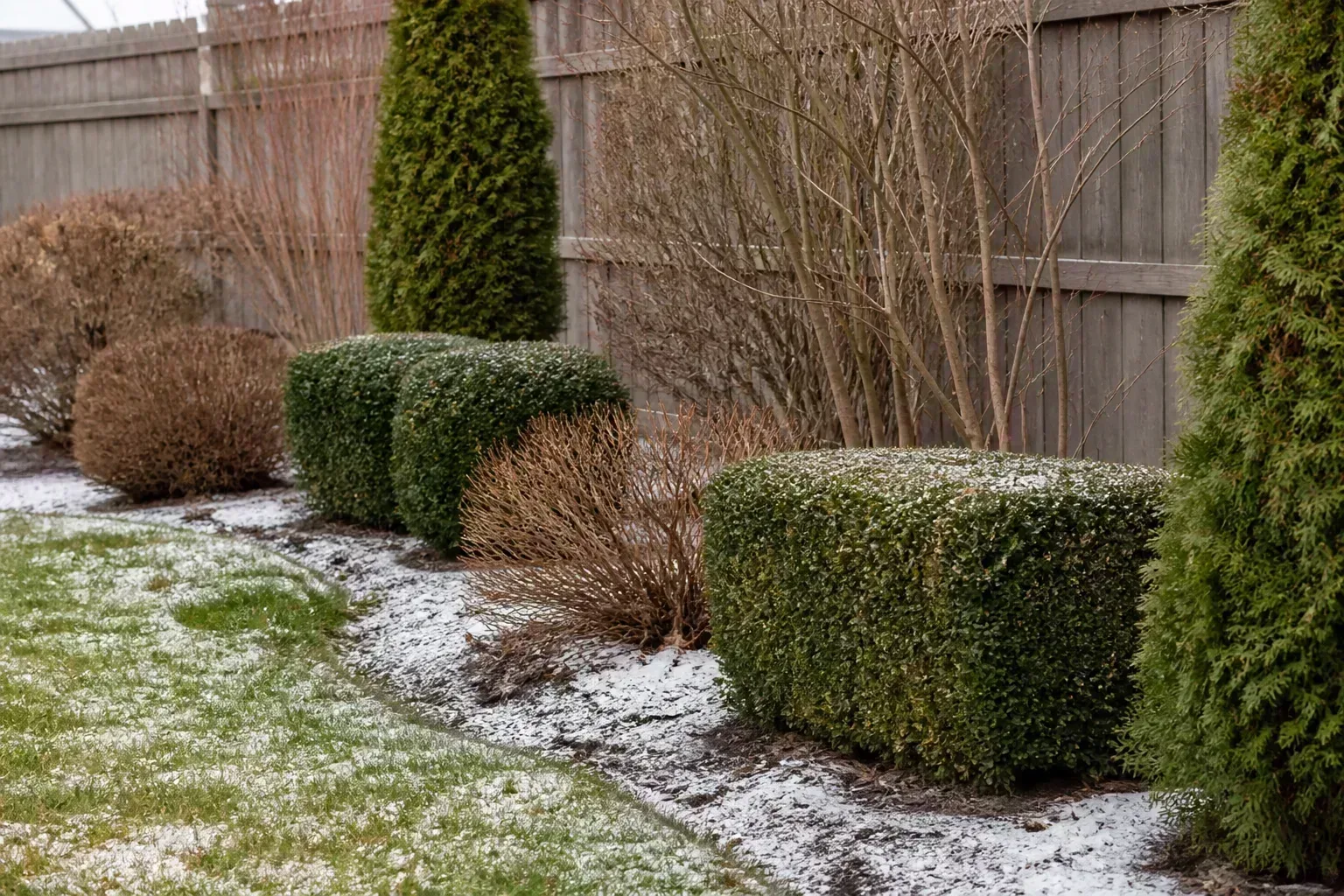
A frost advisory does not have to end your growing season early—or turn a promising spring into a pile of blackened tomato leaves. The method professional growers reach for first is simple: trap the heat your soil already holds with a breathable cover that reaches the ground, stays off the foliage, and comes off once the air thaws. Everything else—hoop tunnels, mulch, burlap wraps, moving pots—is a variation on that same physics problem.
Frost, Freeze, and Why Your Thermometer Lies
Frost is not the same as a freeze, and your porch thermometer may not tell you what is happening at leaf level. Frost forms when moisture freezes on plant surfaces, often when air temperatures sit in the low 30s on clear, calm nights. NC State Extension notes that frost in the 31°F to 33°F range can destroy the foliage of warm-season crops like tomatoes, peppers, cucumbers, and squash—even when the plant might have survived a degree or two higher.
A hard frost or freeze usually means sustained temperatures from about 26°F to 31°F for several hours. Some cool-season vegetables tolerate a short dip in that band; others lose outer leaves but keep growing from the crown. Below about 26°F for an extended period, even hardy greens may show serious injury unless covered.
Cold air is heavy. It drains into low spots, along ditches, and behind fences—so the bottom of a slope can freeze while a reading at eye level on the deck still looks safe. South-facing walls radiate stored heat; open rural yards lose it faster than sheltered urban gardens. Wind strips warmth from evergreen leaves; calm nights let radiational cooling hit hardest. Check the forecast low, wind, cloud cover, and hours below freezing—not a single number from one sensor.
Light Frost vs Hard Freeze Temperature Bands
| Situation | Typical air temps | What usually happens |
|---|---|---|
| Light frost / frost advisory | 33°F–36°F | Ice on leaves; warm-season crops damaged; many cool-season crops survive with minor leaf burn |
| Hard frost | 26°F–31°F for several hours | Severe foliage loss on tender plants; yield cuts on semi-hardy crops |
| Deep freeze | Below ~26°F extended | Wood dieback on marginally hardy shrubs; severe vegetable loss without heavy insulation |
The National Weather Service typically issues frost advisories when overnight lows are forecast between 33°F and 36°F, and freeze warnings when temperatures are expected to fall below 32°F with widespread freezing. Treat those as action triggers—not guarantees that your yard will match the airport reading.
Duration, Wind, and Radiational Cooling
Damage is a function of how cold and how long. Kale may shrug off one night at 28°F yet look battered after three consecutive cold nights with drying wind and no insulating snow. Seedlings and recent transplants have thinner tissue and less root mass, so they need protection sooner than mature plants of the same species. If the forecast shows multiple nights below frost thresholds, leave hoop infrastructure in place and plan to re-cover each afternoon before dusk.
Your 48-Hour Pre-Frost Checklist
When a frost or freeze is forecast within two days, run this sequence:
- Inventory what is actually vulnerable—warm-season vegetables, tropicals, tender annuals, citrus, recent transplants, and anything in a pot.
- Harvest ripe fruit you can eat or ripen indoors: tomatoes, peppers, figs, tender herbs.
- Water dry soil in the late afternoon if the ground is unfrozen and not already saturated. Moist soil holds heat longer than dry soil and releases it slowly overnight. Skip this if soil is frozen, waterlogged, or a hard rain is coming.
- Do not cultivate or disturb roots right before the event. NC State Extension warns that cultivation increases stress, dries soil, and lets cold penetrate deeper.
- Gather covers and hardware: frost cloth, old sheets, burlap, bamboo stakes or wire hoops, landscape pins, bricks, binder clips.
- Stage container moves to a garage, porch, or clustered against a south-facing wall before pots freeze to the ground.
- Label or mentally map which beds get covered first if you run out of material—prioritize food crops and expensive shrubs over hardy kale and established perennials.
For a deeper look at plants that look tough but still need help, see our guide on plants to cover before a winter freeze.
The Pro Cover Method (Step by Step)
The fastest reliable frost defense is a supported fabric tent that seals at the soil line. Done correctly, it can keep leaves several degrees warmer than the open air by trapping heat radiating from the ground.
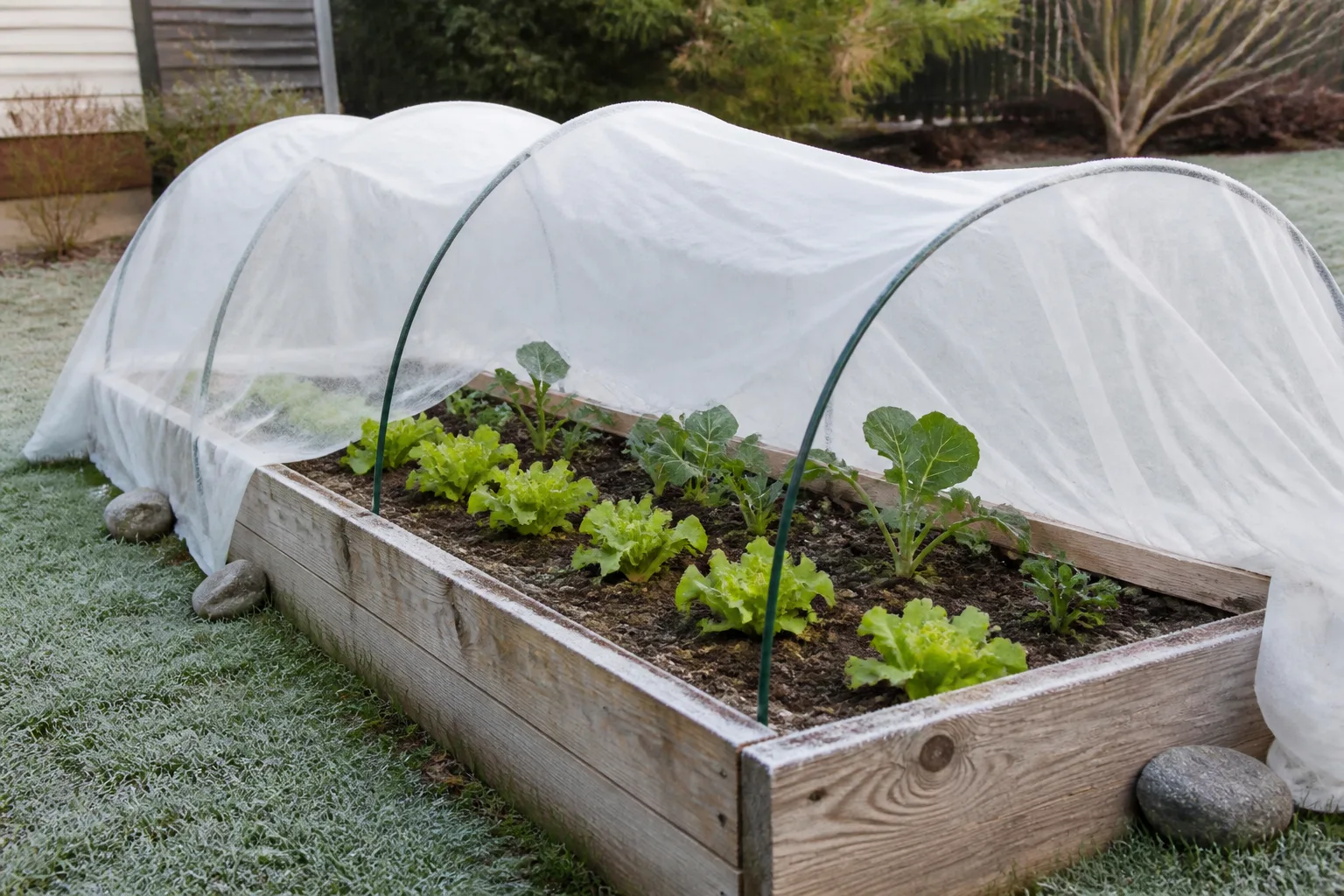
Stage Supports Before Sunset
Install stakes, wire hoops, or a tomato cage before temperatures fall. The goal is an air gap between cover and foliage so wet fabric does not freeze directly onto leaves. For shrubs, drive three or four stakes around the perimeter so the sheet forms a teepee rather than a flat cap. For vegetable beds, low hoops or bent PVC create a tunnel tall enough that leaves do not touch the cloth when weighted by dew or light frost.
Choose Breathable Fabric Over Plastic
Frost cloth, horticultural fleece, burlap, sheets, and lightweight blankets are the default. They breathe enough to reduce condensation while slowing heat loss. Avoid laying plastic directly on plants: it conducts cold, traps moisture, and can freeze to leaf tissue. If you use plastic at all, stretch it over hoops so it never touches foliage, and open the ends during the day for airflow.
Heavier fabric blocks more cold but also more light. Lightweight row cover (~0.5 oz) suits light frosts in mild climates; colder regions need thicker fleece for hard freezes. In a pinch, a clean bedsheet beats no cover—and beats a trash bag pressed against basil.
Anchor Edges and Seal the Soil Heat Pocket
Drape fabric so it reaches the ground on all sides, then pin edges with landscape staples, bricks, or soil. Wind is the enemy: a billowing cover vents warm air and lets cold air sneak underneath. The warm pocket you want sits between soil and cloth—not above the plant with gaps at the base.
Cover before dusk, while soil is still releasing stored daytime heat. Uncover the next morning once temperatures rise above freezing and frost has melted—unless another freezing night is forecast. For more on protecting marginally hardy landscape plants through winter, our winter freeze protection guide walks through evergreen burn, fig wrapping, and container clustering in detail.
Hoop Tunnels, Cloches, and Bed-Scale Covers
For a whole row of lettuce, broccoli, or young transplants, hoop tunnels are worth the one-time setup. Slide flexible hoops into the bed, drape row cover or an old sheet over them, and clip the sides down. A center ridge line or second layer of hoops keeps fabric from sagging onto plants under the weight of dew.
Cloches—clear domes, cut milk jugs, or upturned buckets—work for single seedlings or prized peppers. Vent opaque cloches by day so plants do not cook. Cold frames (old windows on a raised bed) give longer-season protection in cold climates; prop them open on sunny days.
Leave hoop frames in place through early spring and late fall so you are not building infrastructure in the dark when a surprise advisory hits. That is the difference between a ten-minute cover job and a midnight rescue mission.
Harness Residual Heat From Soil and Structures
Covers trap heat; they do not create it. Stack the deck by keeping as much warmth in the root zone as possible.
Watering, Mulch, and Masonry Heat Sinks
Moist (not soggy) soil stores more heat than dry soil and releases it slowly overnight. A light afternoon watering on dry beds can raise the temperature at the soil surface by a few degrees—enough to matter at the margin between light damage and a salvageable crop. Do not flood beds; saturated frozen soil invites root rot.
Mulch insulates crowns and roots. Straw, shredded leaves, or wood chips around the base of shrubs and perennials reduce soil temperature swings. Pull mulch back from crowns in spring so new growth does not push through wet, matted material.
Masonry—bricks, pavers, rocks, cinder blocks—absorbs daytime heat and radiates it at night. Placing cold-sensitive pots on a stone patio or lining a bed with warm stones can shave a degree or two off the coldest spots. It is not a substitute for a cover on a hard freeze, but it helps in borderline nights.
Microclimates That Buy You a Few Degrees
Plant tender specimens where the yard is naturally warmer: south- or west-facing walls, fenced corners, under tree canopy that blocks radiational cooling, or behind a hedge that stops wind. Low spots and open lawns frost first; elevated porches and raised beds near the house often stay warmer.
If you garden in containers, remember that pot soil has far less thermal mass than in-ground soil. A perennial hardy in your USDA zone in the border may die in a pot on an exposed patio. Cluster pots together, wrap the containers in burlap or bubble wrap, and elevate them off frozen pavement.
Wrap and Insulate Shrubs and Small Trees
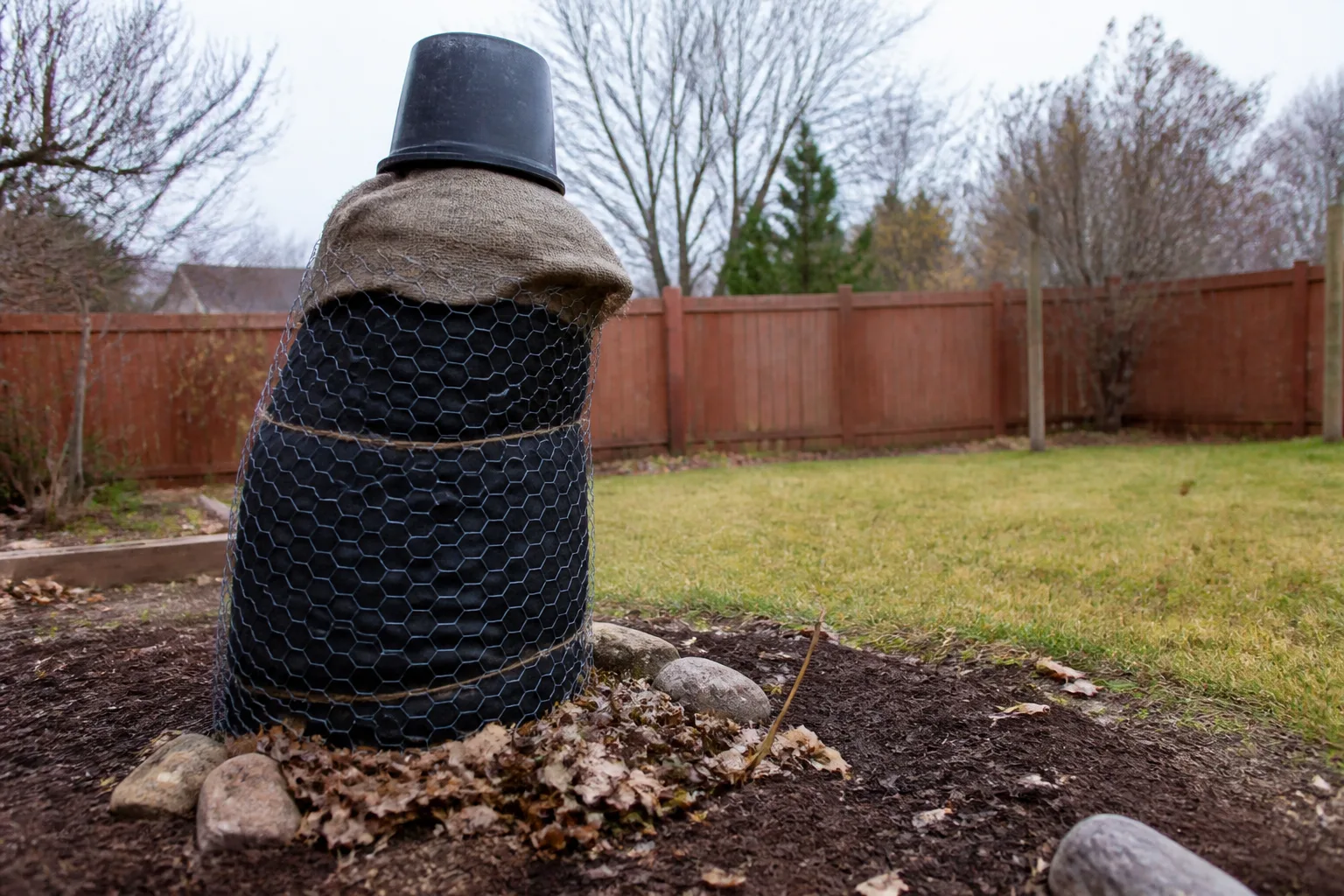
Newly planted shrubs, broadleaf evergreens, hydrangeas, citrus, and marginally hardy fruit need a different approach than a flat sheet over a pepper row. Build a wire cage around the plant, fill the gap with straw or dry leaves, and wrap the outside with burlap or frost blanket secured at the base. The insulation buffer protects buds and bark from desiccating wind as well as raw temperature.
For upright shrubs, a burlap screen on the windward side can reduce winter burn when frozen soil cannot supply water but sun and wind still pull moisture from leaves—an issue RHS highlights for evergreens in exposed sites. Do not wrap tightly in non-breathable plastic for the whole winter; evergreens still need air exchange.
Fig trees and other marginally hardy fruit in cold climates may need a full winter wrap after leaves drop. Water well through autumn, tie stems upright, build a cage, and pack with dry insulation. Remove wrapping once hard freezes have passed in late winter or early spring.
Frost-Sensitive Plants Worth Covering First
Not every plant in the yard needs the same response. Prioritize tender, high-value, and recently planted material when you are short on covers or time.
Warm-Season Vegetables and Herbs
Cover first when frost is forecast:
- Tomatoes, peppers, eggplant, cucumbers, squash, melons, beans, corn, okra
- Basil, tender cilantro starts, and other heat-loving herbs
These crops are designed for summer heat. A single light frost can blacken leaves and end flowering for the season. Cool-season crops like kale, spinach, broccoli, cabbage, carrots, and beets often tolerate light frost—and kale frequently tastes sweeter after a kiss of cold—but young seedlings and heading broccoli still benefit from cover during a hard freeze.
Tender Shrubs, Annuals, and Containers
High-priority ornamental covers:
- Citrus, hibiscus, bougainvillea, tender hydrangea cultivars, and newly planted shrubs
- Annuals: geranium, petunia, impatiens, begonia, coleus, and other frost-tender bedding plants
- Anything in a container, regardless of hardiness label
Tropical houseplants left outdoors for summer must move indoors before the first frost—covers are a stopgap for a night or two, not a winter strategy. Native and well-established perennials in the ground usually need no cover unless the forecast is unusually severe for your zone.
Protecting Potted and Raised-Bed Plants
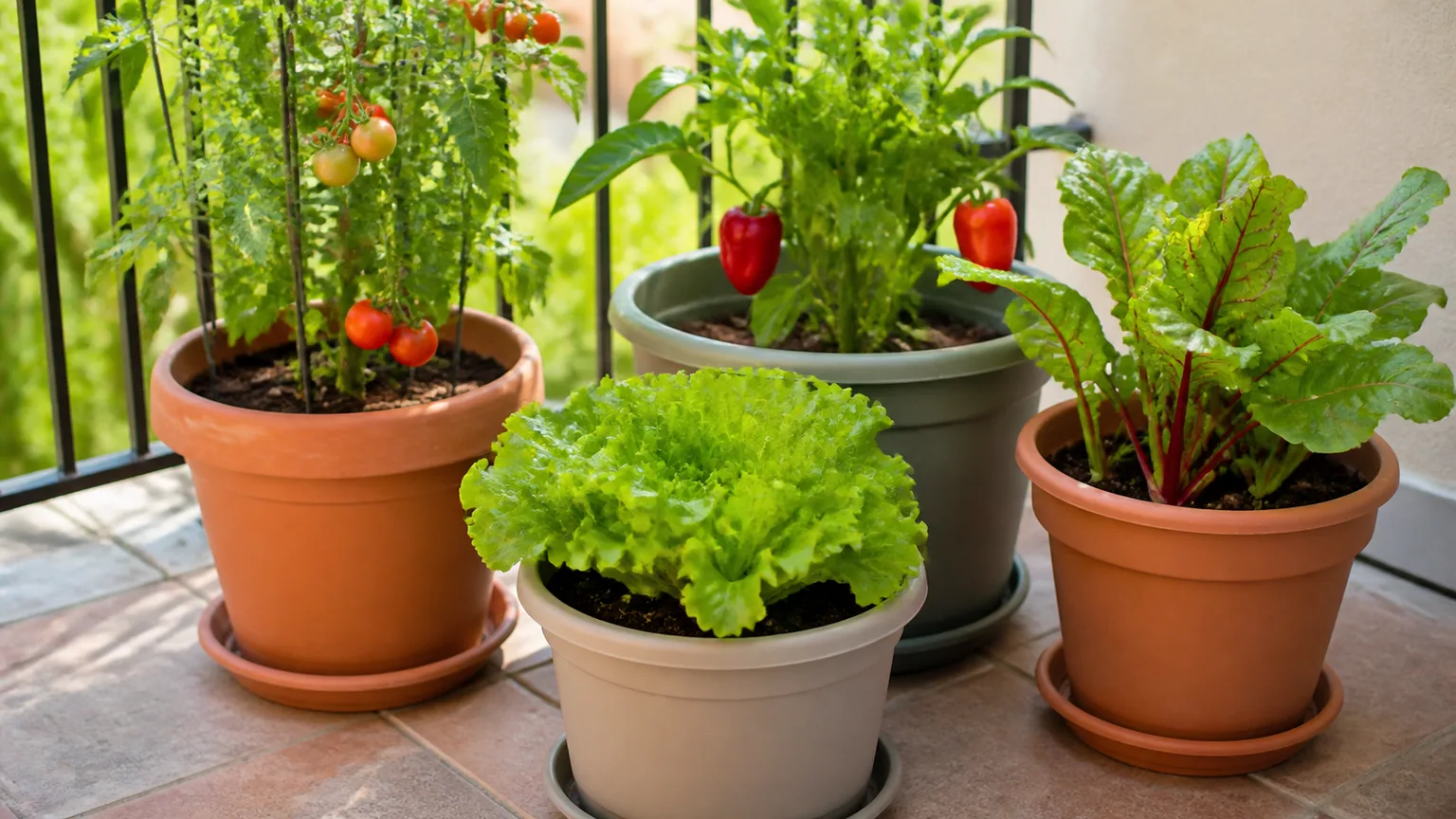
Raised beds frost faster than in-ground beds because they have more exposed soil surface and less insulation from surrounding earth. Treat them like containers: cover early, consider an extra layer of fleece, and cluster smaller pots inside a larger hoop tunnel if space allows.
For pots:
- Move to a garage, shed, or covered porch when possible.
- Cluster pots together against a heated wall and wrap the group in burlap.
- Insulate the pot, not just the plant—bubble wrap, burlap, or frost blanket around the container slows root freezing.
- Elevate off frozen pavement so drainage holes are not blocked in ice.
Dormant deciduous trees in pots are still vulnerable; roots freeze before branches show damage. When in doubt, move the pot to shelter.
Morning Removal and Multi-Night Cold Snaps
Frost protection is an overnight job. Remove covers once the air is above freezing and frost has melted from exposed surfaces—typically late morning unless clouds keep temperatures down. Plants need light, airflow, and pollination access. Leaving opaque sheets on for days weakens growth and invites fungal problems.
Breathable row cover can sometimes stay on during cold days if light transmission is high and temperatures are not extreme. Thick blankets, buckets, and dark tarps should come off daily.
When the forecast shows back-to-back cold nights, re-cover each afternoon before heat radiates away. Check under covers on sunny days so temperatures do not spike enough to cook tender growth. Vent plastic tunnels by opening ends during the day.
When Covers Fail and How to Assess Damage
Even good covers have limits. A deep, prolonged freeze below the rated protection of your fleece will damage tissue. Wind can tear covers loose. Plastic touching leaves often makes damage worse, not better.
After a cold event, wait before you rip plants out. Frost-killed leaves may look dramatic while stems and roots are still alive. Scratch a small stem with your thumbnail: green cambium suggests recovery. Warm-season crops with blackened tops rarely regrow productively—harvest what you can and plan to replant. Hardy perennials may sprout from the base after top growth dies.
Do not prune blackened wood immediately unless it is rubbing or breaking. Wait until you can see where new buds break in spring. Overwintering damage on shrubs sometimes appears as browned leaf margins while buds remain viable below.
Conclusion
Protecting plants from frost is not about fancy gear. It is about timing, breathable covers, sealed edges, and soil heat—plus knowing which plants earn your limited blankets first. Stage hoops and frost cloth before the season turns, water dry soil on advisory afternoons, cover before dusk, and uncover after the thaw. Combine that routine with microclimate smarts, mulch at the crown, and realistic expectations for containers and tropicals, and you will keep far more of the garden alive through the cold nights ahead.



