5 Plants to Cover Before a Winter Freeze Hits
Even cold-hardy evergreens, figs, vegetables, containers, and tender perennials can fail in a hard freeze. Learn what to cover and how before temperatures drop.
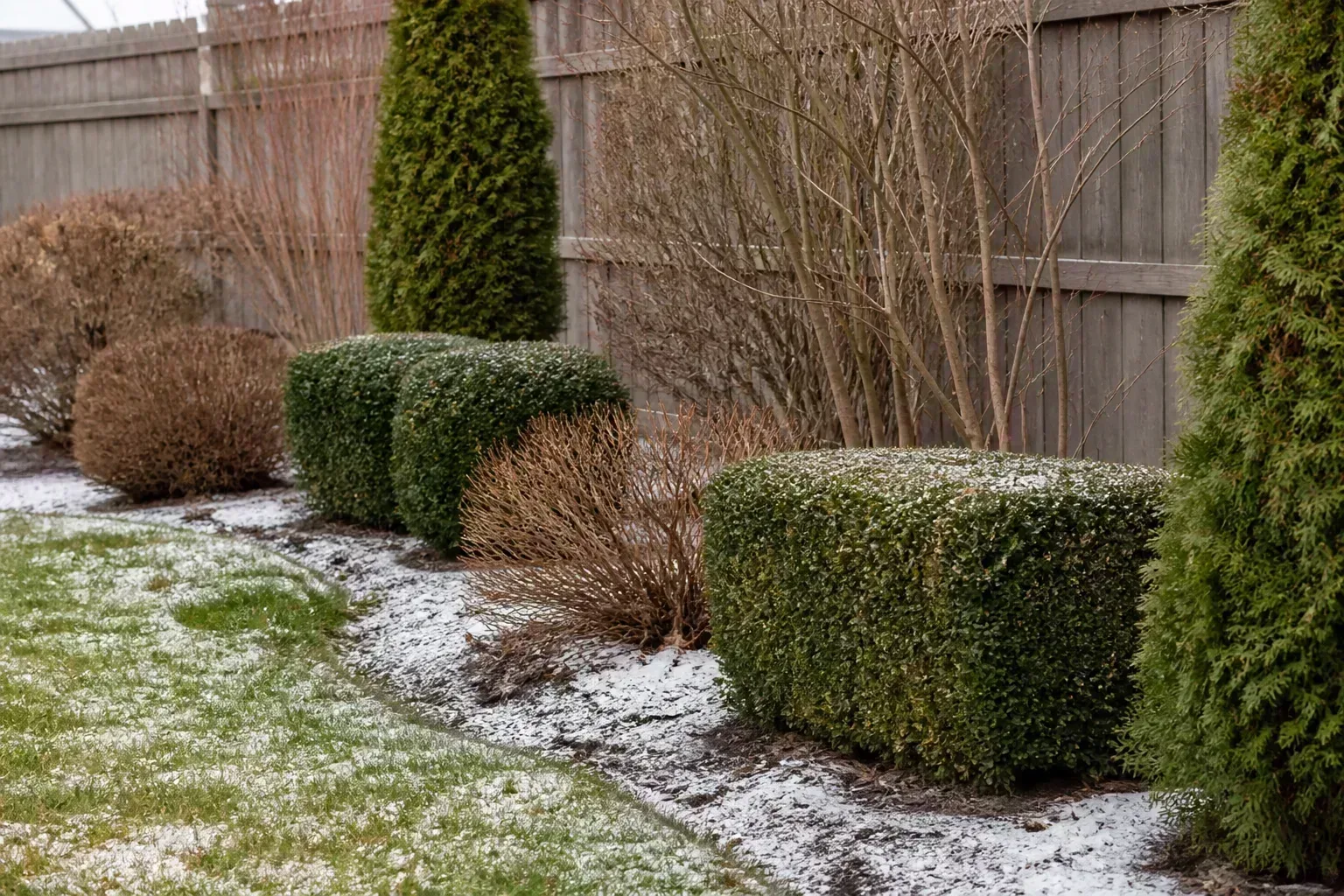
A label that says cold-hardy describes what a plant can tolerate over a typical winter in your USDA zone—not what it will shrug off during a sudden hard freeze with dry wind and frozen ground. The plants below often look tough right up until browned foliage, split bark, or mushy roots prove otherwise. Covering them before temperatures plunge is cheaper than replacing them in spring.
Why Cold-Hardy Labels Do Not Cancel Freeze Prep
Hardiness ratings assume gradual acclimation, healthy roots, and—often—a blanket of insulating snow. Real winters deliver sharp drops, weeks without snow, desiccating wind on the south and west sides of the yard, and container soil that chills faster than the ground beside it. A rhododendron rated for your zone can still bronze when frozen soil blocks water uptake while sun and wind pull moisture from leaves all day.
The job before a freeze is not to treat every plant like a tropical. It is to spot the categories that look hardy but sit on the wrong side of exposure, timing, or root insulation—and give them a few hours of focused protection when the forecast justifies it.
Frost, Hard Freeze, and What Your Thermometer Misses
Frost often forms when air temperatures sit between about 31°F and 33°F on clear, calm nights. Ice crystals build on leaf surfaces. A hard frost or freeze usually means sustained temperatures at or below about 26°F to 31°F, depending on crop and duration. NC State Extension notes that warm-season vegetables like tomatoes, peppers, and squash suffer foliage damage in that band, while many cool-season crops may live through a short dip but still show leaf injury that cuts yield.
Your porch thermometer can mislead you. Cold air pools in low spots; south-facing walls radiate heat that tricks you into thinking the whole yard is warmer; and plants close to the ground can freeze when the reading at eye level still looks safe. Check the forecast low, wind, and hours below freezing, not a single number from one sensor.
Light Frost vs Hard Frost Temperature Bands
| Forecast situation | Typical air temps | What often happens |
|---|---|---|
| Light frost | 31°F–33°F | Ice on leaves; warm-season crops damaged; many cool-season leaves may survive |
| Hard frost | 26°F–31°F for several hours | Foliage burn on semi-hardy plants; root damage risk in exposed containers |
| Deep freeze | Below ~26°F for extended time | Wood dieback on marginally hardy fruit; severe vegetable loss unless covered |
Wind and sun change the outcome. A windy night strips heat from evergreen leaves faster. A sunny morning after a freezing night can thaw leaf tissue abruptly and worsen freeze-thaw injury on evergreens that never stopped transpiring.
Duration and Wind Multiply Cold Damage
Cold damage is a function of how cold and how long. Kale may shrug off one night at 28°F yet show battered leaves after three nights with drying wind and no snow. Container soil that freezes and thaws repeatedly cracks terracotta and shatters crowns sitting in saturated, frozen mix. Plan covers when the forecast shows multiple cold nights, not only when a record low is predicted.
Your 48-Hour Pre-Freeze Checklist
When a hard freeze is forecast within two days, run this sequence:
- Water if the soil is dry and unfrozen—moist soil holds heat longer and releases it slowly. Avoid flooding; saturated frozen soil invites root rot.
- Do not cultivate or disturb roots right before the event; NC State Extension warns that cultivation increases stress and lets cold penetrate deeper.
- Harvest what you can from vulnerable vegetables and figs if fruit or tender greens are ripe.
- Gather covers: frost cloth, old sheets, burlap, cardboard boxes for small transplants—not thin plastic that will touch leaves.
- Stage container moves to garage, porch, or clustered against a heated wall before the rush of moving frozen pots.
- Apply mulch where it is missing around evergreens and tender perennials if you have not already—keep mulch off trunks and crowns.
- Install wind screens on the windward side of exposed broadleaf evergreens if burlap is not yet up.
- Label or photograph which plants you covered so spring removal is orderly.
Cover plants late afternoon or early evening before temperatures fall, and plan to remove or vent covers the next morning once frost lifts and sun warms the air—unless another freezing night follows.
1. Evergreen Trees and Shrubs (Winter Burn Risk)
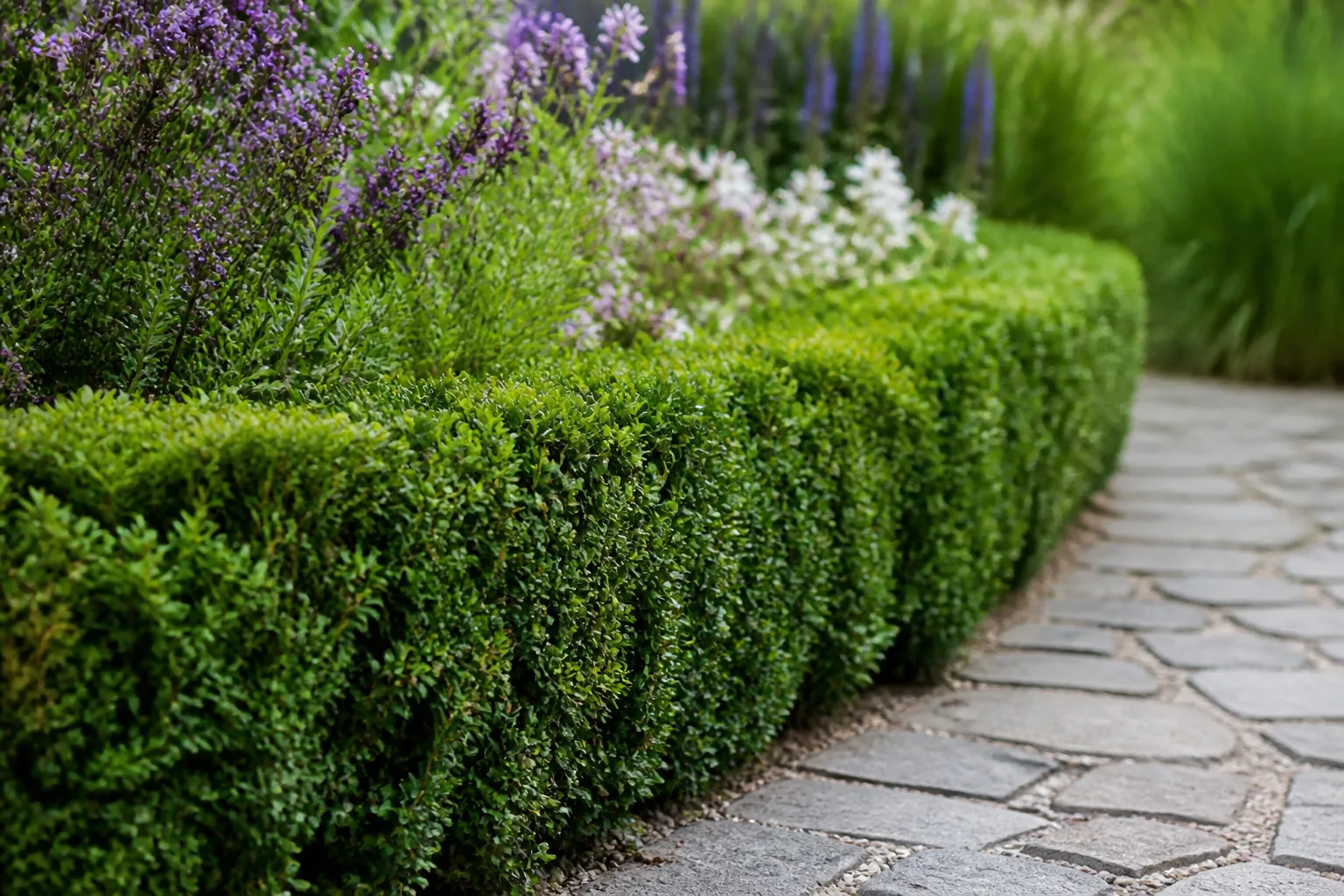
It sounds backward: plants that stay green all winter still need help. Winter burn (winter desiccation) hits when evergreen leaves keep releasing moisture while frozen ground prevents roots from replacing it. Penn State Extension lists broadleaf evergreens—boxwood, rhododendron, azalea, holly, mountain laurel—and needled species such as pine, spruce, fir, yew, and arborvitae as common victims. Damage shows on leaf tips, margins, and the windward side first; entire branches can die in severe events.
Snow helps. It insulates soil and shields foliage from wind. When snow is missing, mulch becomes the stand-in.
Why Evergreens Keep Losing Water in Frozen Soil
Evergreens do not shut down the way deciduous trees do. Stomata still open on many species, especially on sunny winter days. Rhododendrons illustrate the adaptation: below about 20°F, leaves curl inward to reduce moisture loss—a response Penn State Extension calls thermonasty. That helps, but it does not erase the basic problem when roots are locked in ice and wind is pulling water from the canopy for hours.
Plants sited in open wind, on the south or west side of a building with reflected sun, or at the top of a slope are prime candidates for bronzing even when the species is technically hardy for your zone.
Mulch, Windbreaks, and Burlap for Broadleaf Evergreens
Mulch 2–3 inches of shredded bark, leaves, or compost over the root zone—but not piled against stems—extends the window when roots can take up water and buffers soil from rapid freeze-thaw swings. Penn State Extension also recommends leaving fallen leaves in place where practical; Christmas tree boughs laid over beds add another insulating layer without smothering crowns.
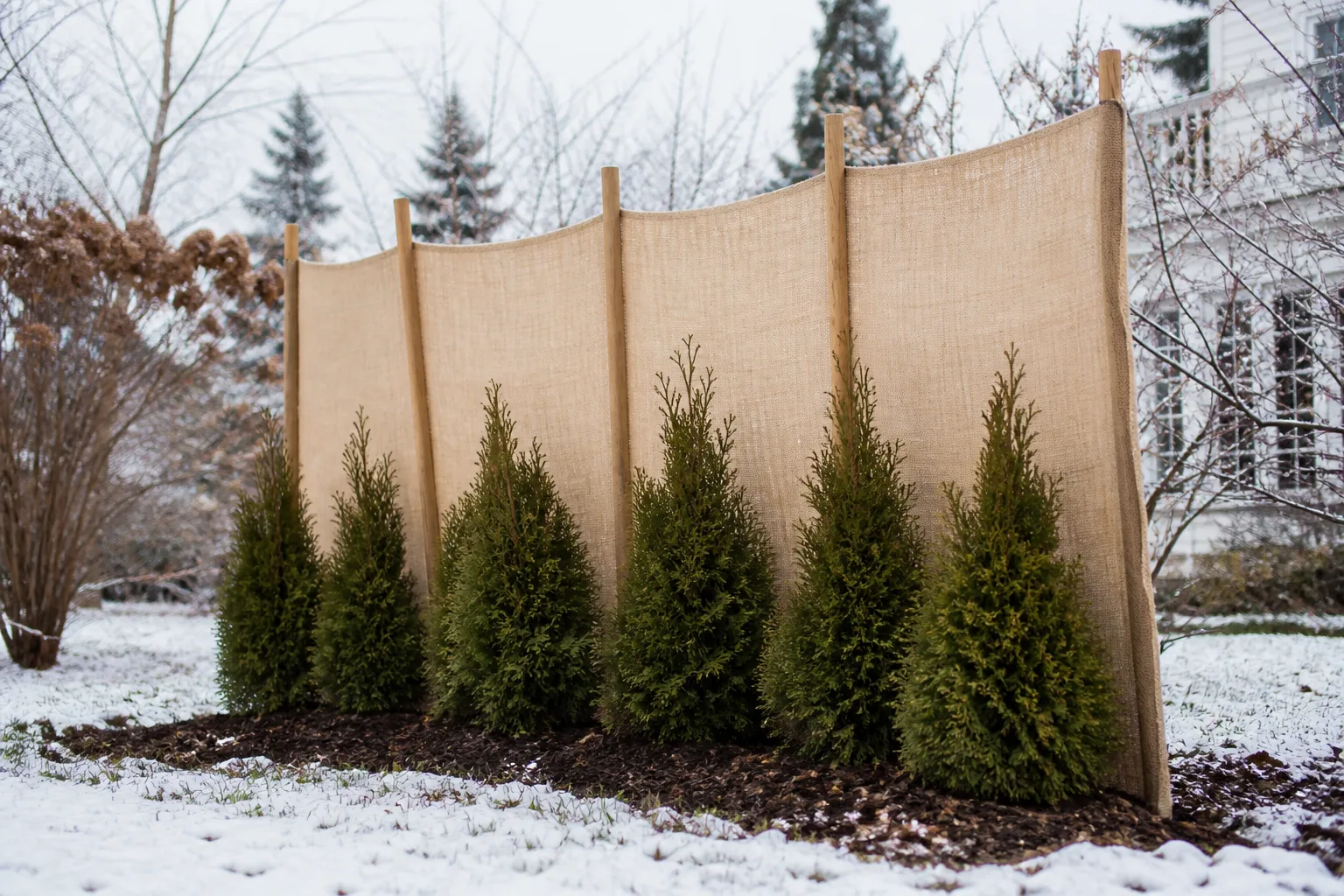
Windbreaks matter more than wrapping the whole plant in plastic. Pound stakes about two feet outside the drip line on the windward side (often south and west) and attach burlap or canvas, leaving the top open for air. Do not pack the cage with leaves; Penn State Extension warns that filled cages invite rodents that chew bark.
Water deeply during dry fall weeks while soil still accepts it. Avoid late-summer pruning and fall fertilizer that push tender new growth. In spring, prune dead wood after new growth begins so you can see what is truly alive.
2. Fig Trees on the Edge of Your Hardiness Zone
Common fig (Ficus carica) is Mediterranean. In many U.S. yards it survives because of a warm wall, a mild microclimate, or a cultivar like ‘Chicago Hardy’—not because freezing weather is harmless. Trees on the cusp of their zone can die back to the ground in a brutal winter unless wood is insulated.
Fall Watering Before You Wrap
Keep figs well watered through fall while leaves are still active. Hydrated wood resists desiccation better than stressed wood. After leaves drop, you are protecting structure, not feeding new growth—so stop fertilizing and focus on moisture until the ground cools.
Fig-Wrapping Steps That Keep Wood Alive
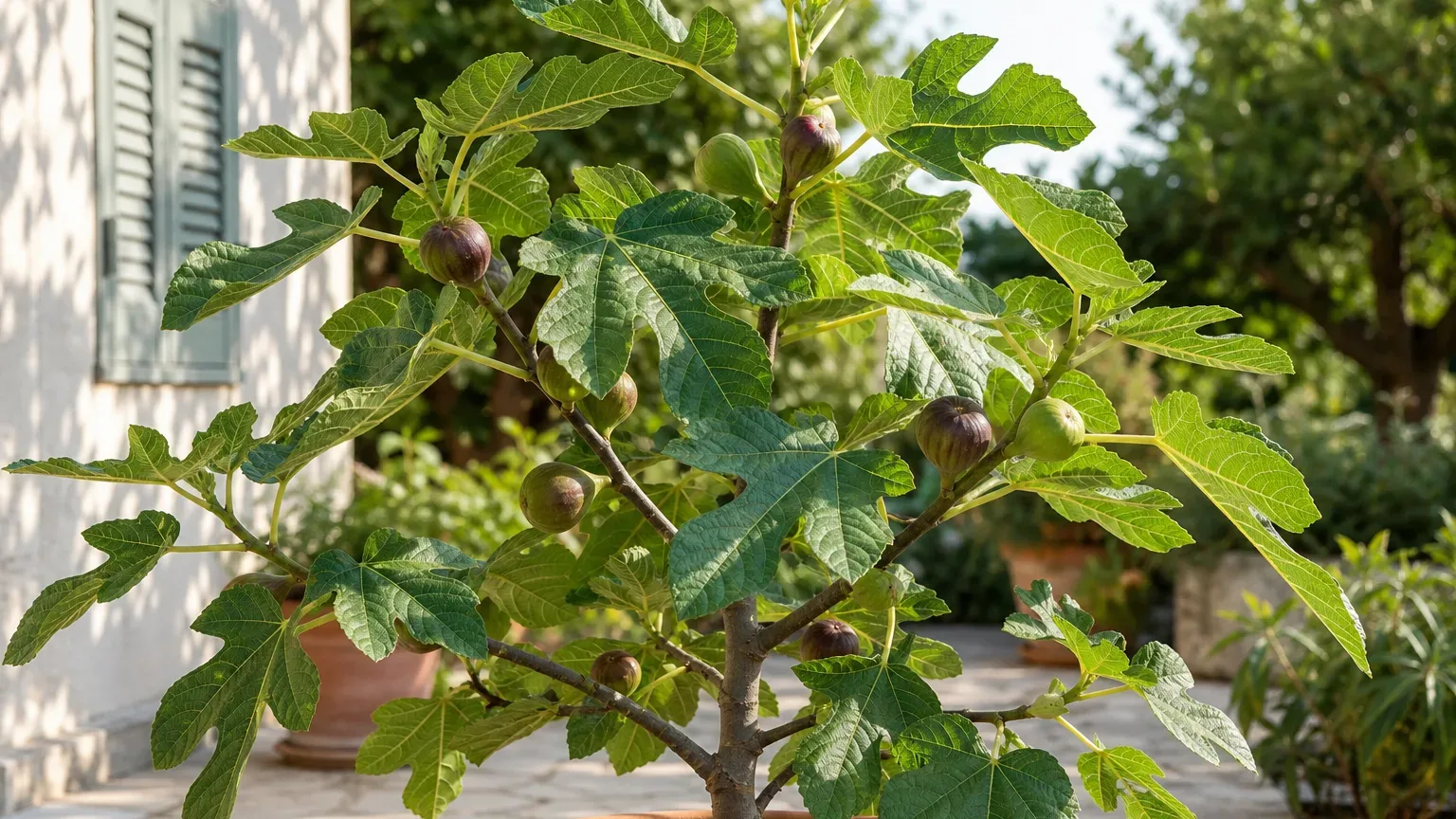
Brooklyn Botanic Garden’s field method—used after repeated dieback in their herb garden—remains the gold standard for homeowners:
- Prune crossing or horizontal stems; tie the remainder into an upright bundle with jute twine.
- Wrap the bundle in burlap and secure with twine.
- Build a chicken-wire cage around the tree, tapering slightly toward the top, using stakes for support.
- Wrap the cage with tar paper or roofing felt (marked side out) for water repellency and some air movement; overlap layers shingle-style as you work upward.
- Fill the cage with shredded dry leaves for insulation—not wet whole leaves that mat and rot.
- Cap the top with an upside-down plastic bucket, tucking the upper tar-paper layer inside the bucket lip so rain does not pour into the fill.
- Wrap a final neat layer of burlap around the outside and tie or staple it.
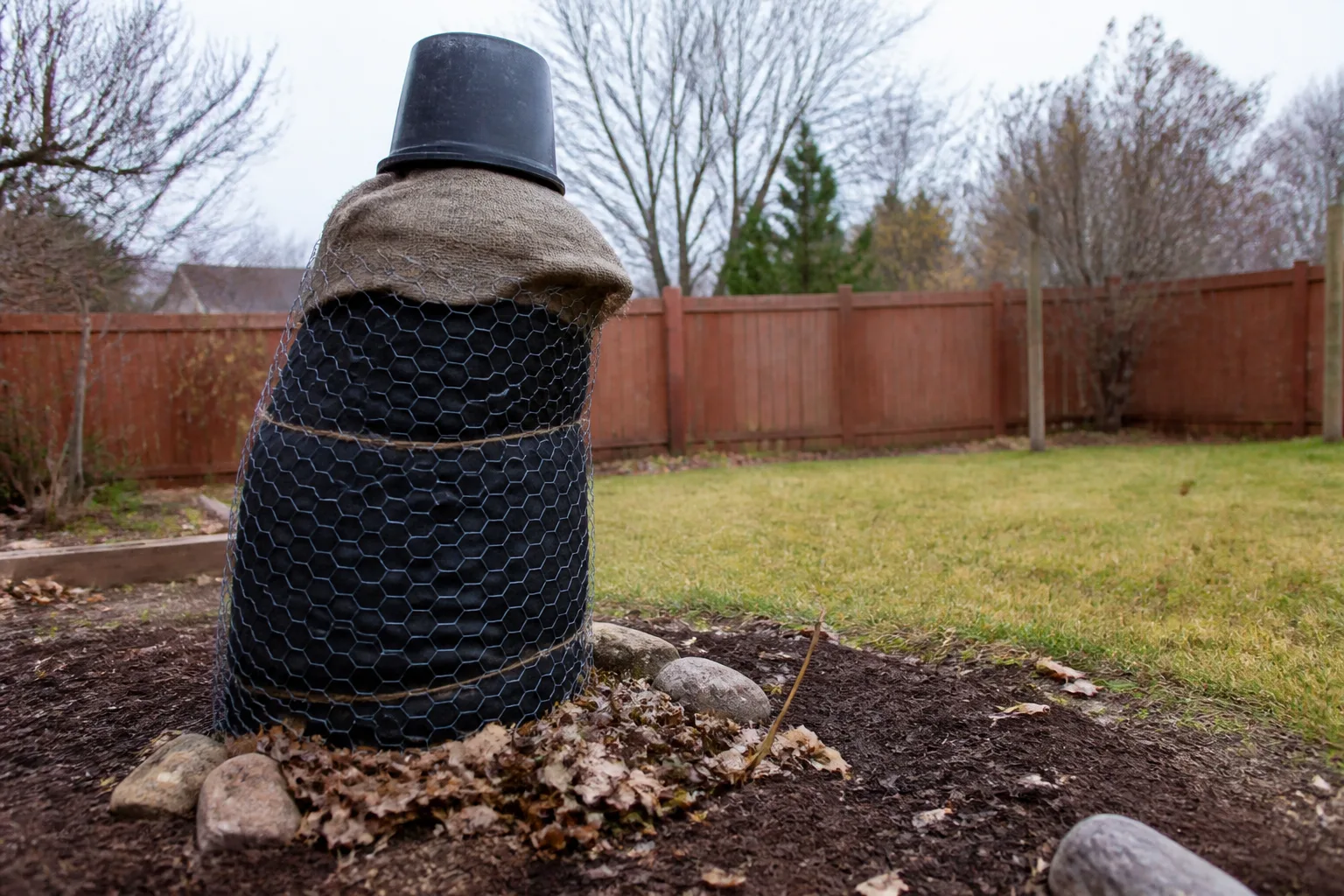
Plan to unwrap in late winter or early spring once hard freezes have passed—often late March in mid-Atlantic climates, but follow your local last-frost pattern. Unwrapping too early risks new shoots freezing; leaving wraps too late traps moisture and encourages disease.
Mulch heavily around the base even when you wrap the top; roots in marginally hardy sites need the same soil insulation as the branches.
3. Cool-Season Vegetables That Survive—but Still Bleed Quality
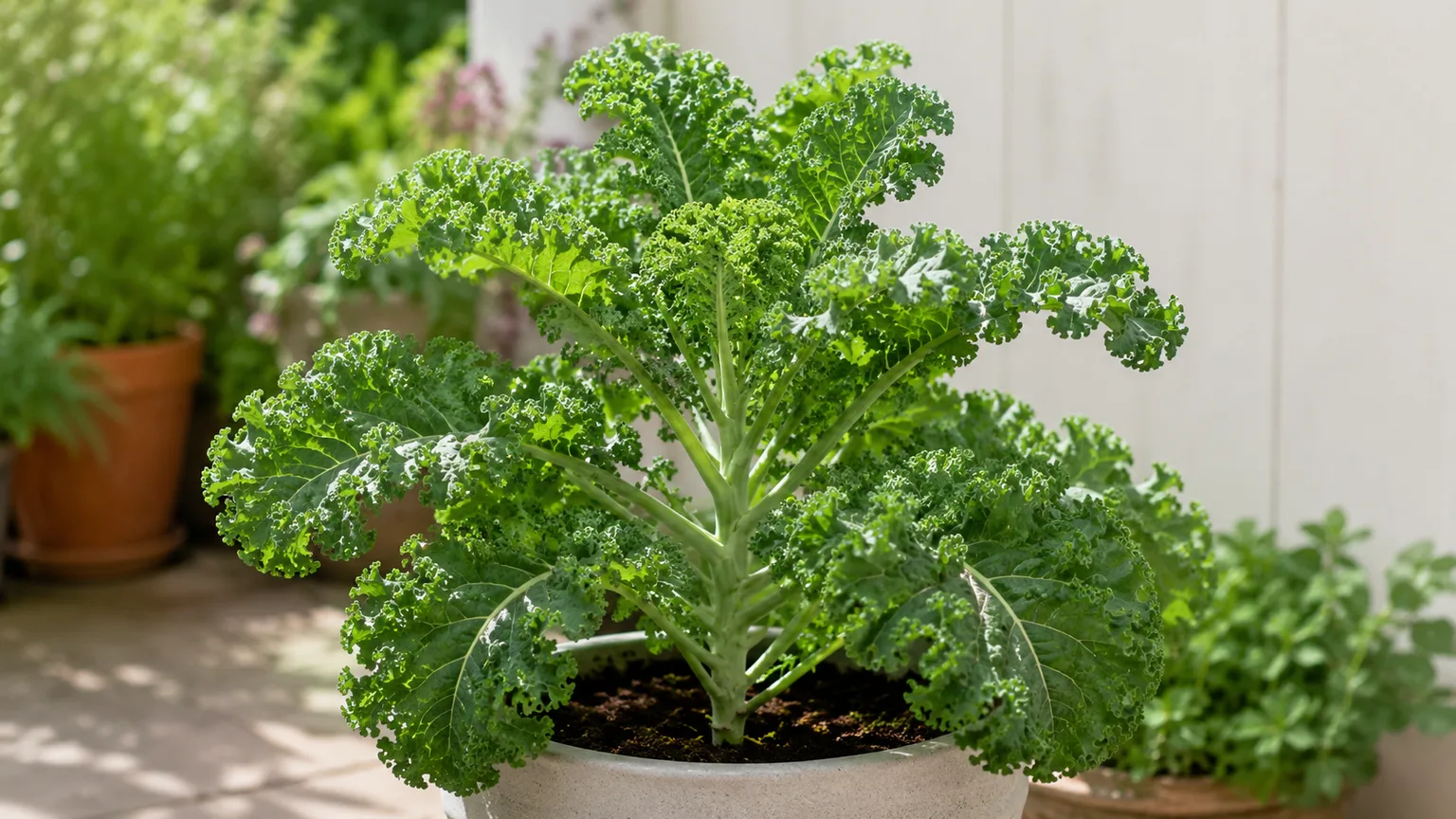
Kale, spinach, lettuce, broccoli, cauliflower, radishes, and parsley are the workhorses of shoulder-season gardens. They are relatively cold-hardy, and some cultivars tolerate a hard frost for a short window. NC State Extension groups crops by tolerance: Brussels sprouts, beets, collards, kale, parsley, and spinach often survive temperatures below 26°F for limited periods, while broccoli, cabbage, lettuce, and onions may live through a hard frost yet lose outer leaves and yield.
Survival is not the same as a harvest worth picking. A uncovered kale bed at 27°F may regrow from the crown, but salad greens turn mushy and broccoli heads brown. Cover when you care about eating the crop, not only keeping the plant alive.
Crop Groups by Freeze Tolerance
| Group | Examples | Typical response to hard frost (~26°F–31°F) |
|---|---|---|
| More tolerant | Kale, collards, spinach, parsley, Brussels sprouts | Often survive; outer leaf damage possible |
| Moderately tolerant | Broccoli, cabbage, cauliflower, lettuce, radishes | May survive short cold; foliage quality drops sharply |
| Warm-season (cover mandatory) | Tomatoes, peppers, squash, beans | Foliage destroyed at frost temperatures |
Row Covers, Cloches, and the Water-First Rule
Water dry soil before you cover. Moist soil retains heat and reduces drought stress that magnifies cold injury.
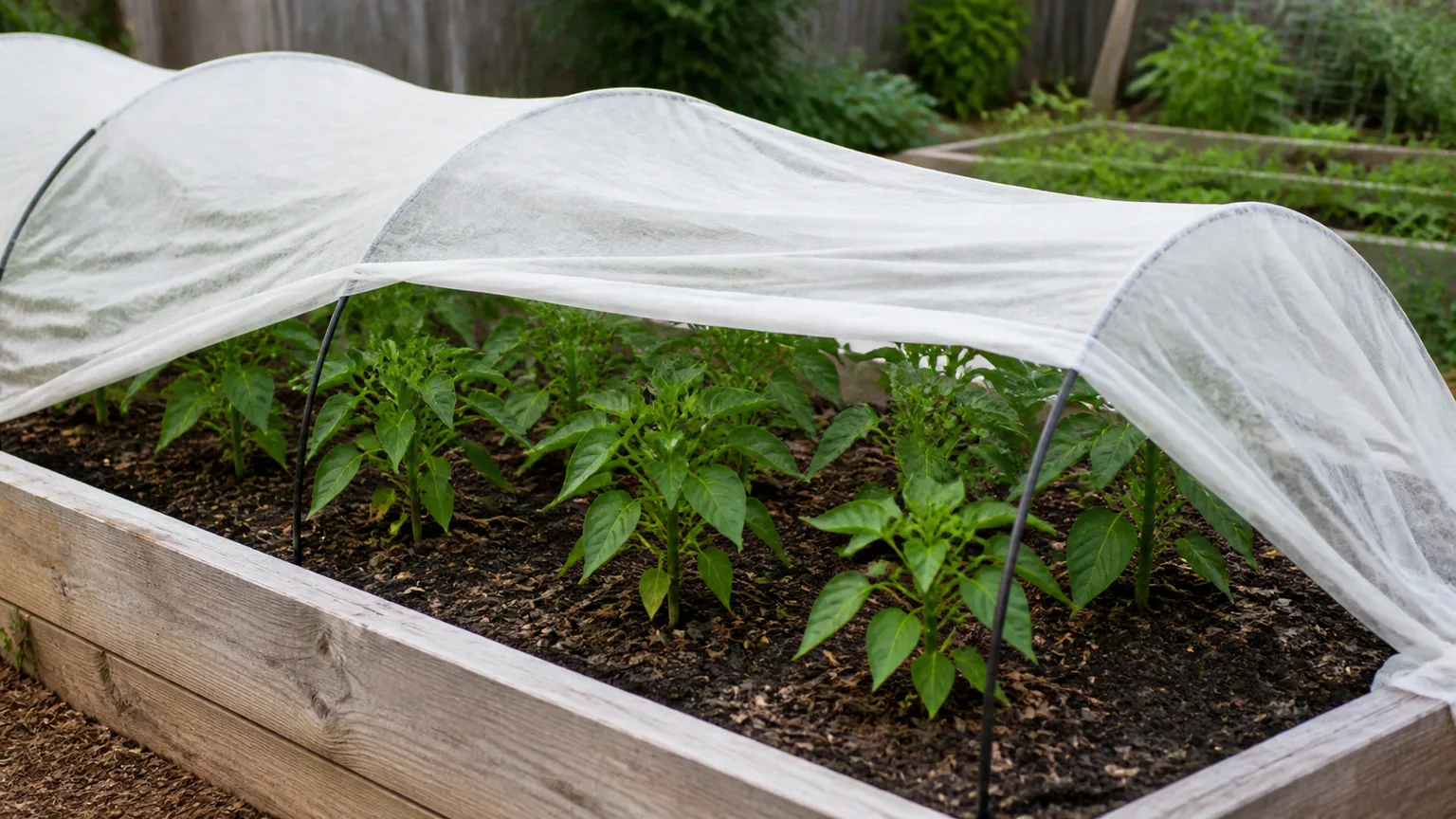
Floating row cover or frost cloth rated for a few degrees of protection beats a random bed sheet when wind is involved, but a clean sheet works in a pinch if it does not rest directly on foliage—use stakes or hoops to create an air gap.
Cloches, cold frames, and overturned boxes help individual plants or small beds. Vent them on sunny days so temperatures do not cook tender growth.
NC State Extension advises not cultivating just before a freeze and monitoring temperatures under covers—remove or vent covers before midday heat builds. In extreme cases with newly planted tomatoes or peppers, gardeners sometimes lift and shelter transplants indoors overnight, then replant after the cold passes—a rescue move, not a routine practice.
4. Container Plants That Freeze Faster Than In-Ground Kin
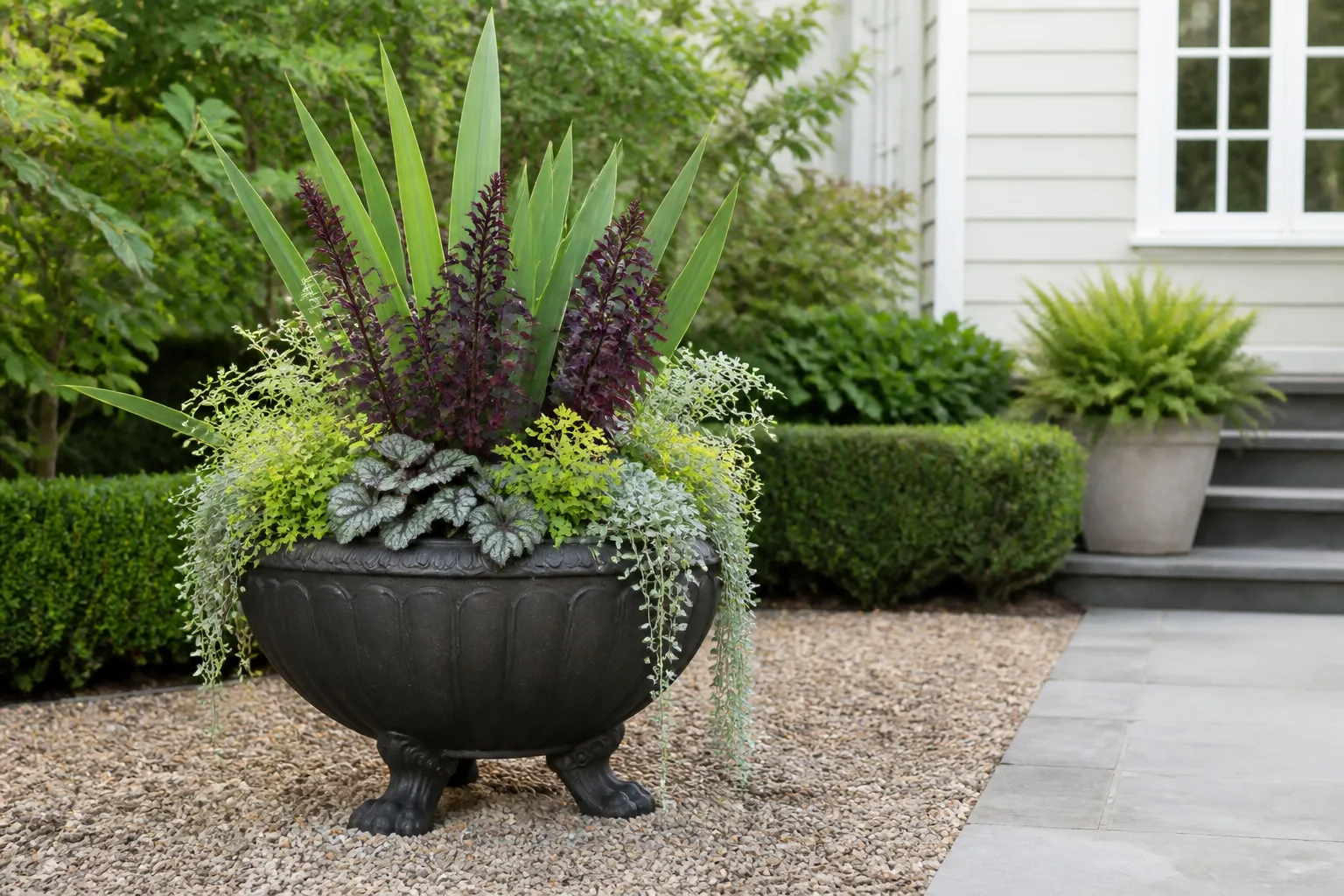
A perennial rated for Zone 6 in the ground may behave like Zone 4 in a pot on an exposed patio. Container walls conduct cold; the soil mass is small; and roots sit above the insulating earth. Frozen potting mix damages roots even when the same species in the border would have been fine.
Terracotta and ceramic pots are especially vulnerable: porous walls absorb water that expands when it freezes, cracking the pot and exposing roots. Homes & Gardens notes that elevating pots, insulating walls, and moving containers to warmer microclimates are the most reliable ways to prevent frost-cracked planters.
Why Pot Soil Gets Colder Than Garden Soil
In-ground soil is buffered by depth and surrounding earth. A pot’s entire soil column can hit freezing while garden soil a few inches below the surface remains slightly warmer. Elevating pots on pot feet or bricks improves drainage and reduces direct contact with frozen pavement, but it does not replace insulation or shelter when a hard freeze is forecast.
Move, Bury, Cluster, or Wrap Containers
Pick the option that matches your plants and space:
- Move frost-tender or high-value pots to an unheated garage, shed, or enclosed porch before the freeze. Acclimate tropicals gradually in fall rather than rushing them indoors on the first cold night.
- Bury pots up to the rim in a garden bed or leaf pile before the ground freezes, letting soil insulate the sides.
- Cluster pots together against a south-facing wall, wrap the group in burlap or frost cloth, and mulch over and between pots.
- Wrap individual pots with bubble wrap, burlap, or frost blankets—especially clay and ceramic—while keeping drainage holes open.
Water container plants before a freeze if soil is dry, but avoid saturating pots that will sit frozen for weeks. Grouping and wrapping beat leaving a single exposed pot in the middle of an open patio.
5. Tender Perennials Whose Roots Need Insurance
Perennials hardy in your zone usually survive winter underground—but tender or marginally hardy species, recent transplants, and plants with shallow crowns benefit from an extra layer when forecasts turn ugly. Roses, dahlias, cannas, clematis, and many salvias straddle the line: the crown or tuber may live, yet repeated freeze-thaw without insulation causes rot or delayed spring growth.
Roses, Dahlias, Cannas, Clematis, and Salvias
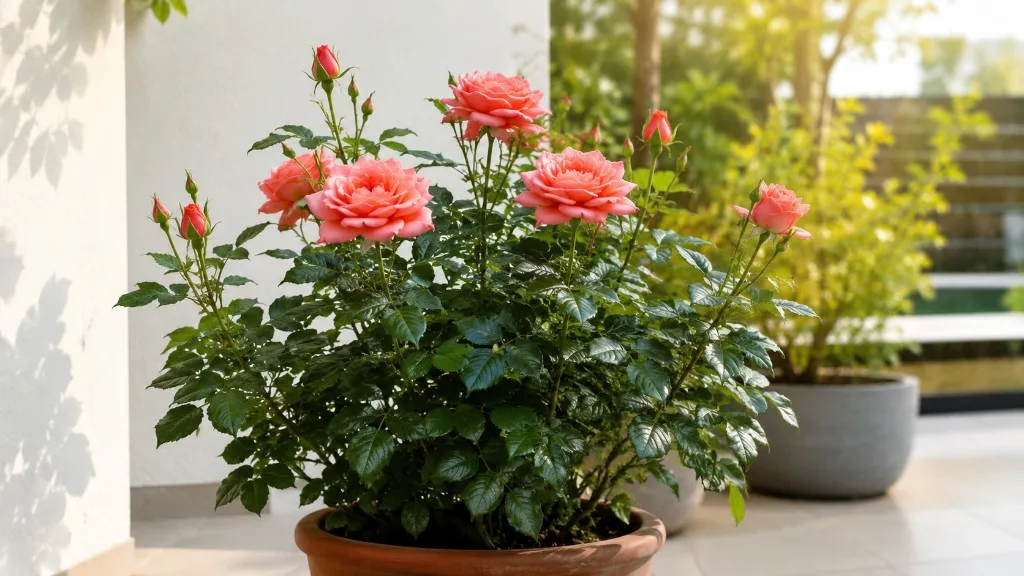
Roses: After the plant is dormant, mound loose mulch, compost, or shredded leaves around the base—higher in cold-wind sites—for grafted and marginally hardy types. Leave the mound loose; packed wet mulch against the cane encourages rot.
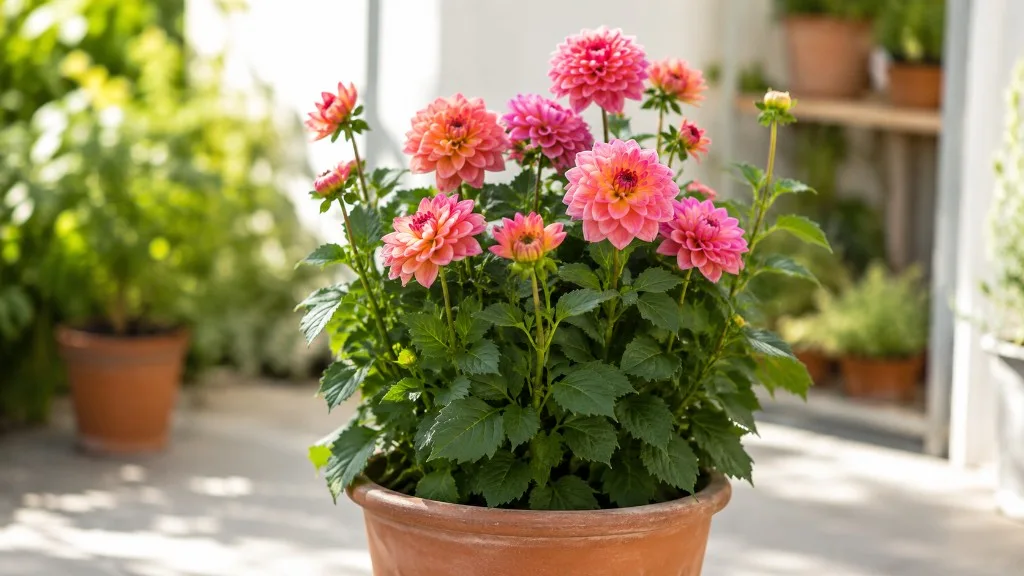
Dahlias and cannas: In zones where tubers are marginal, cut back frost-killed tops, dig and store indoors, or heap dry mulch or straw a foot deep over in-ground tubers and mark the spot so spring cultivation does not slice them.
Clematis: Many types are hardy, but newly planted or spring-blooming vines with exposed crowns appreciate a mulch ring; avoid cutting healthy wood late in fall.
Salvias: Woody and herbaceous types differ—know whether your plant dies back fully or keeps stems. Mulch dormant crowns; do not shear live wood late in the season.
Mulch Mounds and Cage-and-Fill Protection
For in-ground tender perennials staying outside:
- Wait until tops die back or dormancy is obvious.
- Apply 3–6 inches of loose organic mulch over the crown, pulled back from direct contact with living stems where possible.
- For extra cold pockets, set a tomato cage or wire cylinder around the plant, wrap burlap around the cage, and lightly fill with dry leaves—again, avoid dense packs that rodents nest in.
- Remove or loosen protection gradually in spring as soil thaws and new growth appears.
How to Cover Plants Without Creating New Problems
Use breathable materials—frost cloth, burlap, sheets, cardboard—for overnight insulation. Create a tent so fabric does not press frozen leaves; an air gap holds warmer air around the plant.
Avoid plastic sheeting directly on foliage. Condensation forms underneath, sticks to leaves, and transfers cold. If you must use plastic over hoops, ensure it does not touch the plant and vent it during the day.
Anchor covers against wind with stones or soil on the edges, not tight ties that crush stems.
Water before, not during, the freeze unless you are protecting with a commercial frost-protection irrigation method suited to orchards—not a casual hose spray on landscape shrubs.
Label covers so you remove the right layer in spring; burlap left on boxwood into May causes mildew and weak growth.
What Not to Do Before or During a Freeze
Do not prune or fertilize evergreens and woody plants in late fall to “tidy up”—Penn State Extension warns that stimulated tender growth is far more vulnerable to winter burn and cold injury.
Do not cultivate vegetable beds hours before a freeze; disturbed, dry soil lets cold penetrate faster and stresses roots.
Do not pack burlap cages solid with leaves around tree trunks; rodents chew bark under the cozy insulation.
Do not leave pots on bare pavement without elevation or insulation when a multi-night freeze is forecast.
Do not assume one cover fits all nights—a sheet may suffice at 32°F but fail at 25°F with wind; add layers or move containers when the forecast worsens.
Do not unwrap everything the first sunny afternoon if another freezing night follows; many covers are meant for overnight service only.
Spring: Remove Covers and Judge Damage Patiently
Remove burlap wind screens and unwrap figs when extended hard freezes have passed—Penn State Extension suggests above about 28°F as a practical unwrap threshold for windbreaks, adjusted for your local late-frost calendar. The RHS likewise recommends removing protective wraps once severe cold has passed so stems can harden off in daylight. Pull back mulch mounds from perennial crowns as soil thaws so new shoots do not push through soggy, matted material.
Brown leaves are not always dead wood. Scratch a small stem with your thumbnail; green cambium under the bark means the branch can recover. Evergreens may push new foliage from buds even when last year’s needles bronze.
Wait before major pruning. Let plants leaf out, then cut back to live tissue. Photograph damage patterns—windward bronzing vs uniform browning—to improve siting next year.
If container plants were frozen solid for weeks, check roots in spring by gently sliding the root ball out; mushy roots mean replacement, while firm white roots may still recover with careful watering.
Conclusion
Cold-hardy is a useful label, not a free pass. Evergreens need mulch and wind protection against desiccation when soil is frozen. Figs on the edge of your zone need wrapped insulation for the wood, not just hope. Cool-season vegetables may live through a freeze yet lose the leaves you planned to eat. Container plants freeze faster than their in-ground twins. Tender perennials often survive only if crowns and tubers stay insulated.
Before the next hard freeze, identify which of those five groups you actually grow, check the forecast for duration and wind—not just the low—and spend one evening covering the plants that look tough but sit in the wrong exposure. Spring cleanup is easier when you covered the right plants with breathable materials, watered dry soil first, and wrote down what you wrapped so you can unwrap on time.