How to Grow and Care for Bigleaf Hydrangea
Learn bigleaf hydrangea care, including light, soil, watering, pruning, flower color, winter protection, propagation, and common problems.
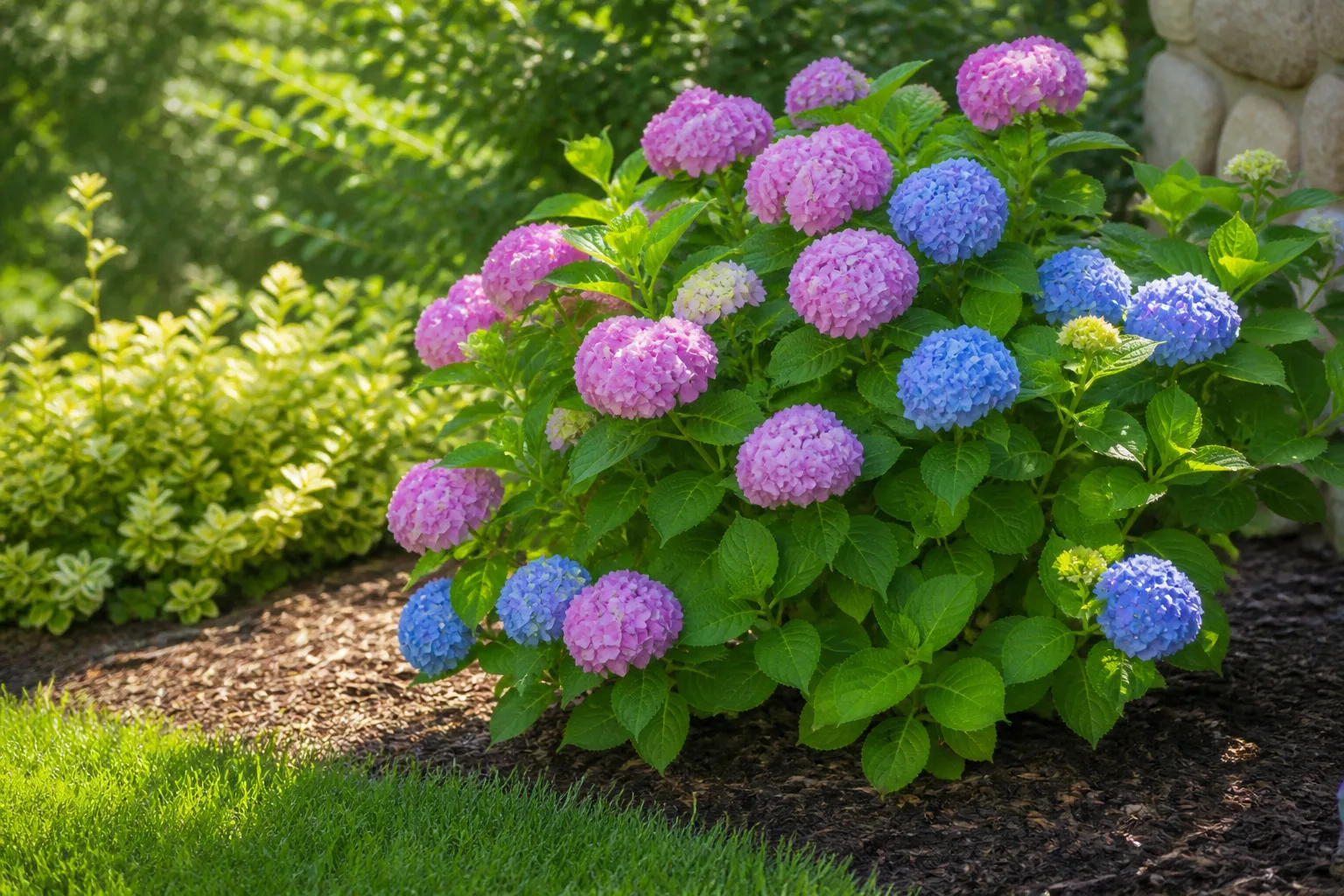
Bigleaf hydrangea (Hydrangea macrophylla) rewards a good site more than a busy care routine. Give it bright but moderated light, soil that holds moisture without staying saturated, and protection from the worst winter and spring weather. The shrub can then produce either rounded mophead clusters or flatter lacecap flowers in shades of pink, blue, purple, or white.
The main catch is timing. Bigleaf hydrangeas usually make next year’s flower buds on this year’s stems, so a late haircut, hungry deer, or severe winter can remove the display before spring arrives. The guide below treats those buds as the organizing principle for watering, pruning, frost protection, and expectations.
Bigleaf hydrangea care at a glance
Plant a bigleaf hydrangea in morning sun or dappled light with relief from intense afternoon sun, especially where summers are hot. Use a wide planting hole, set the root ball level with the ground, and keep the soil evenly moist while the plant establishes. Mulch the root zone, but leave an open ring around the stems.
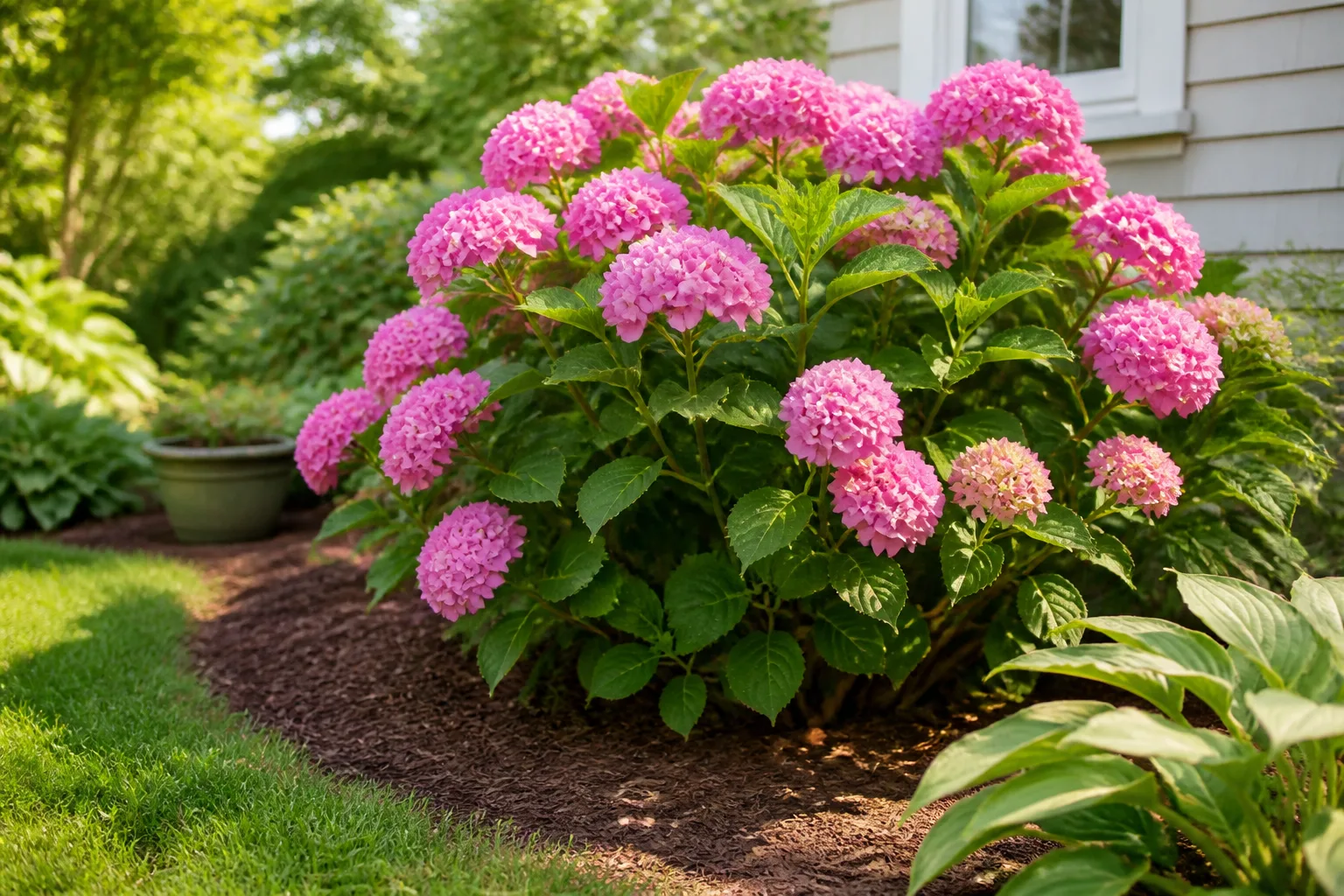
Most plants need little fertilizer once established. Prune lightly and only after you know whether the cultivar blooms on old wood, new wood, or both. Standard mopheads and lacecaps are old-wood plants; many reblooming cultivars can flower on new growth as well, but they still lose their earliest flowers when their older stems are cut away.
Expect cultivar and climate differences. NC State Extension describes bigleaf hydrangea as a rounded, multi-stemmed shrub commonly reaching about 3 to 6 feet in height and width, but a nursery tag and local winter exposure are better guides for a particular plant (NC State Extension Gardener Plant Toolbox).
BBC Gardeners’ World Magazine likewise recommends moist but well-drained soil, full sun to partial shade, and shelter from cold or drying winds for this species (BBC Gardeners’ World Magazine).
Identify the plant before you plan its care
Bigleaf hydrangea has large, opposite, coarsely toothed leaves and woody stems that lose their foliage in winter. The flowers are held in terminal clusters: mopheads are rounded masses of showy sterile florets, while lacecaps have a flatter center of tiny fertile flowers ringed by larger outer florets. The form matters for appearance, but both groups generally share the same old-wood pruning risk.
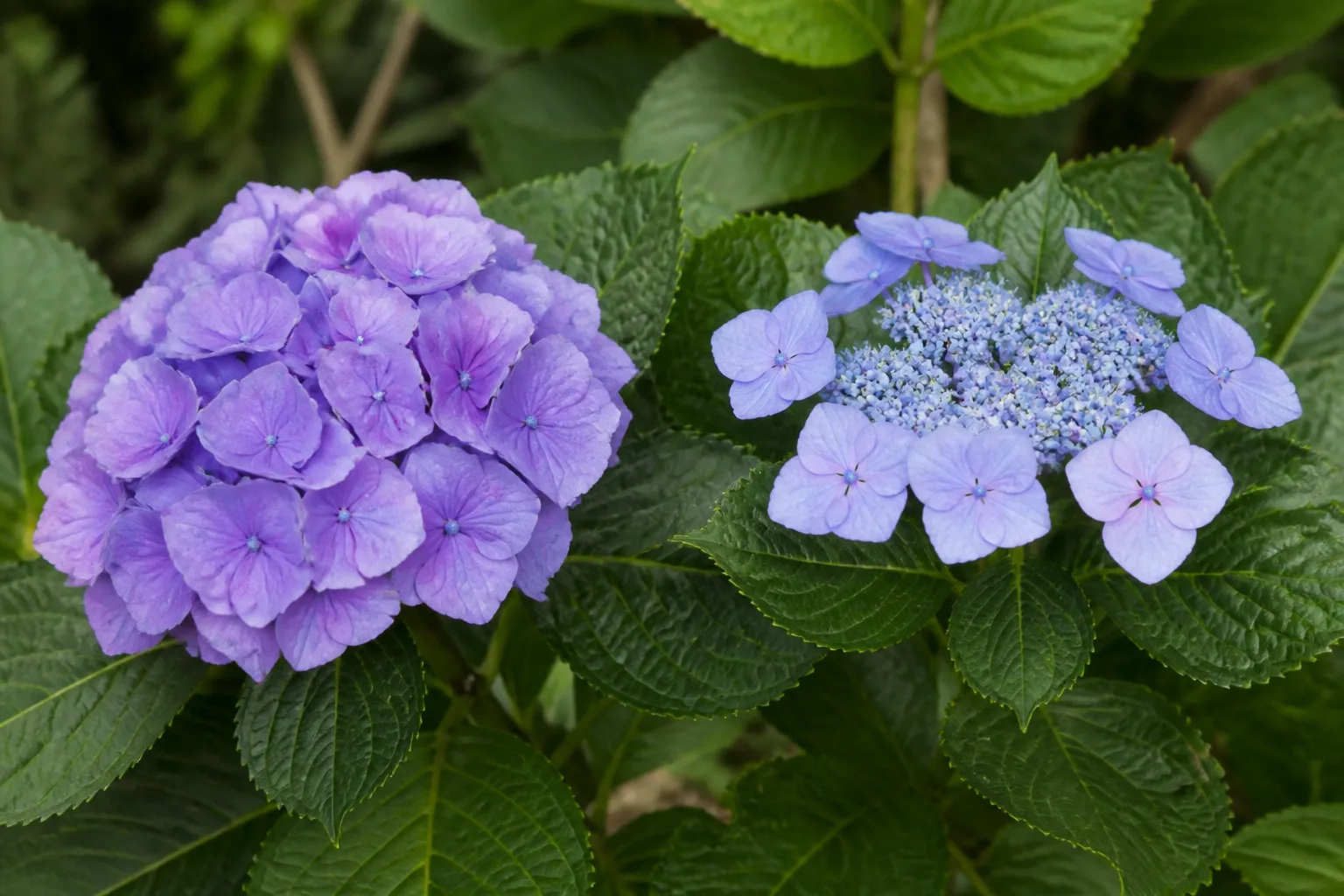
Do not assume that every plant sold simply as “hydrangea” follows this pattern. Panicle hydrangeas have cone-shaped heads and flower on new wood; smooth hydrangeas are also more forgiving of late-winter pruning. A label, a photo from the nursery, or the shape of last summer’s flower head can prevent the most expensive care mistake: treating a new-wood type like an old-wood bigleaf, or cutting a bigleaf back as though it were a panicle shrub.
Bigleaf hydrangea is deciduous and perennial, not a tropical houseplant that can live indefinitely in a dim room. It can be grown in a container outdoors, but it still needs strong light, seasonal temperature changes, and a winter plan. NC State lists the species as low-severity poisonous and notes that eating large quantities can cause nausea, stomach pain, vomiting, and sweating; keep leaves and flowers away from pets and children who chew plants.
Choose a cultivar for size, flower form, and climate
Start with mature size and bud hardiness, then choose color. A compact cultivar may suit a patio pot or narrow border, while a vigorous selection needs space for its arching stems and broad leaves. Mopheads make a strong focal point from a distance; lacecaps expose more of their small fertile flowers and often feel more at home in a mixed border.
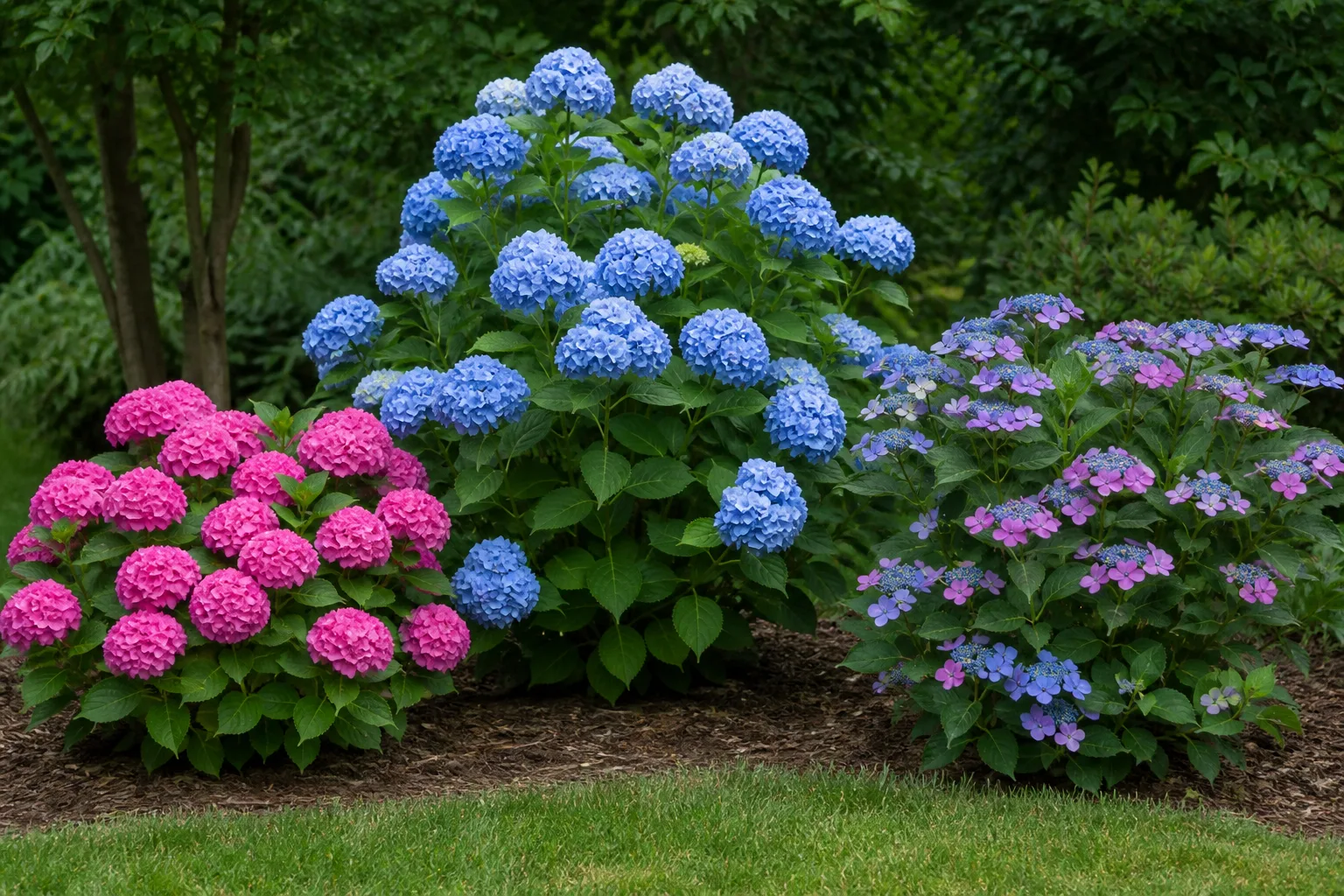
If your garden has cold winters or unreliable springs, look for a cultivar described as cold hardy or reblooming, but read the claim carefully. Reblooming types can set flowers on current-season shoots after winter damages older wood, yet a plant that was cut to the ground may still flower later and less heavily than one whose old stems survived. Rutgers explains that the Endless Summer group is unusual because it can form buds on both previous and current-year growth, not because every stem will flower equally after a hard freeze (Rutgers Cooperative Extension).
Flower color is also cultivar-dependent. Pink and blue forms can shift with soil chemistry, but white-flowered selections generally stay white. Ask the nursery for the cultivar name rather than buying by a color label alone; that name is what lets you check expected size, reblooming behavior, and regional performance.
Find morning sun and afternoon protection
The best default location is a spot with morning sun and afternoon shade or bright, filtered light. A few hours of direct sun can support flowers and sturdy growth, while afternoon protection reduces leaf scorch and the rapid moisture loss that makes large leaves collapse in heat. In a cool, moist climate, a plant may tolerate more sun; in a hot, dry garden, the same cultivar can struggle in an exposed western bed.
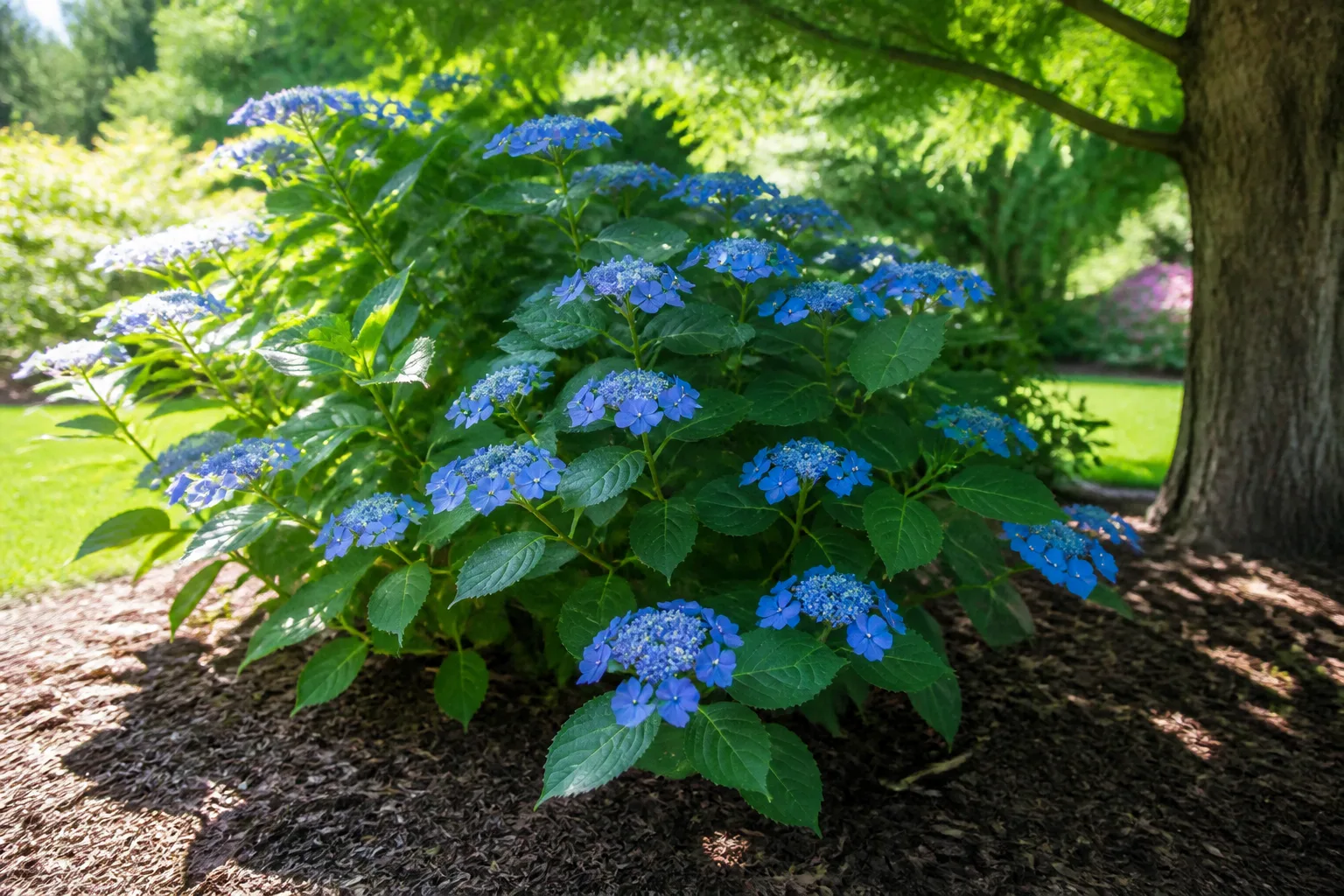
Avoid deep shade beneath dense evergreen branches or beside a tall wall where the plant receives only reflected gloom. The shrub may survive but produce fewer flowers and softer, stretched growth. Also avoid a frost pocket, a windy corner, and roof runoff that repeatedly floods the root zone. Recent RHS guidance on hotter summers emphasizes the same “right plant, right place” logic: traditional mophead and lacecap hydrangeas show stress quickly when heat and drought combine (Royal Horticultural Society on hotter summers).
Plant at the right depth and spacing
Plant in spring after the worst frost has passed or in early fall while the soil is workable and roots have time to grow. A container-grown shrub can be planted at other times if you can provide water, but avoid putting a new plant into frozen ground, a waterlogged bed, or the peak of a heat wave.
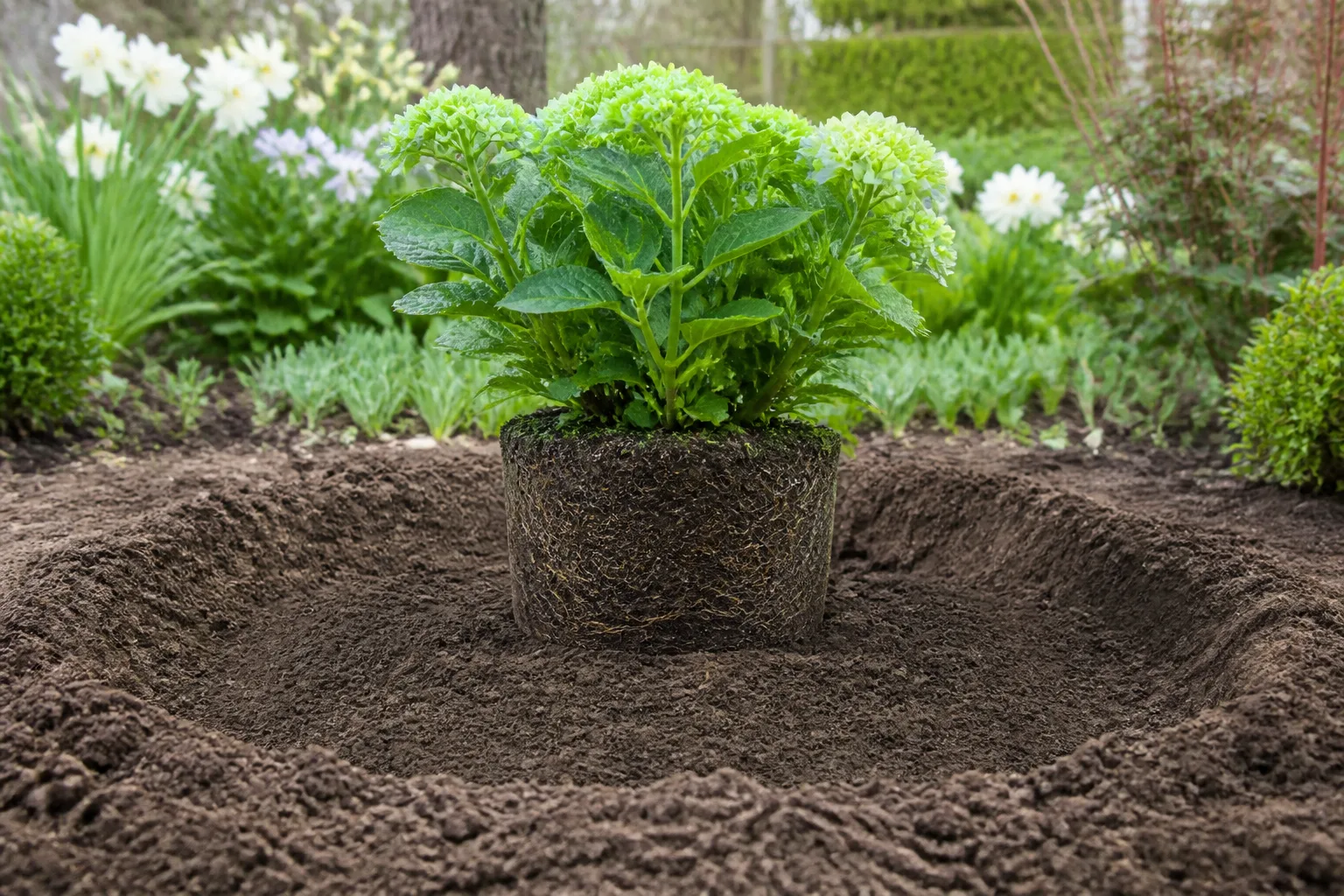
Water the nursery plant before removing it. Dig a hole no deeper than the root ball and about twice as wide, then loosen the surrounding soil so roots can move outward. Set the top of the root ball level with the surrounding soil; planting too deeply is a common route to a chronically wet crown and weak establishment.
If roots are circling tightly, tease a few apart or make shallow cuts through the outer root mat. Backfill with the soil you removed unless it is severely compacted or contaminated. A rich pocket of amended soil can hold water around the root ball while the surrounding ground stays dry, which encourages roots to remain in the hole instead of exploring.
Water slowly to settle the soil and remove air gaps. Space plants by the cultivar’s mature width, not by the size of the pot. Close spacing fills a hedge faster but reduces airflow and increases pruning; generous spacing gives each shrub room to dry after rain and show its natural shape.
Build soil that stays moist but drains well
Bigleaf hydrangeas prefer soil that is moist, humus-rich, and well drained. They tolerate clay, sand, and loam when the root zone has enough organic matter and does not remain saturated. Rutgers describes consistent moisture as the shared cultural need across hydrangeas, while the RHS recommends organic matter and mulch to improve moisture retention (Rutgers Cooperative Extension, RHS shrubby hydrangea growing guide).
Test drainage before planting by filling the hole with water and watching what happens. If water still stands much of a day after ordinary rain, move the shrub, use a raised bed, or correct the site’s drainage. Do not put a layer of gravel in the bottom of a shallow hole; it does not solve a perched water table and can leave the root ball sitting in a wet basin.
Soil pH mainly affects flower color, not whether a healthy plant can grow. Acidic soil makes aluminum more available and can produce blue flowers on responsive cultivars; less acidic or alkaline soil tends to produce pink, mauve, or redder tones. The RHS gives about pH 4.5 to 5 as a useful acidic range for reliable blue color, but very alkaline or chalky ground may resist correction. If color matters, test first and change pH gradually with a product labeled for the purpose rather than relying on kitchen scraps.
Water by root-zone moisture, not the calendar
Check the soil several inches below the surface before watering. Mulch can look dry while the root zone is damp, or it can hide a dry pocket beside a new root ball. Push a finger, narrow trowel, or wooden label below the surface in more than one spot, especially near a downspout, under a tree, or at the sunny edge of the shrub.
Water a new plant whenever the root ball and nearby soil are beginning to dry. Apply water slowly at the base until the whole planting area is moist, then allow the surface to dry slightly before checking again. A brief sprinkle that wets only leaves and mulch does not replace a deep soak and can keep foliage wet long enough to encourage leaf disease.
An established in-ground shrub usually needs supplemental water during prolonged heat or drought rather than on a fixed weekly schedule. Containers are different: their limited soil volume heats and dries quickly, so check them daily in hot weather and soak until water drains from the holes. If a plant droops only during the hottest part of the afternoon while the soil is cool and damp, treat it as possible heat stress rather than proof that it needs more water.
Water in the morning when possible. If a new plant is genuinely dry and wilting, water it when you find the problem instead of waiting for a perfect hour. The goal is a stable root zone, not a ritual number of hose minutes.
Feed lightly and mulch without burying the stems
A healthy, established bigleaf hydrangea rarely needs a heavy feeding program. If growth is weak, leaves are unusually pale, or the plant is in very poor soil, use a soil test to identify the missing nutrient. Otherwise, apply a slow-release, balanced shrub fertilizer in spring according to the label and stop before late-season growth becomes soft and frost-prone.
Excess nitrogen often creates a leafy shrub with fewer flowers and more tender growth. It will not repair winter-killed buds, fix deep shade, or turn a genetically white flower blue. RHS guidance similarly cautions that established hydrangeas do not generally need regular feeding and that overfertilization can encourage soft growth and frost damage.
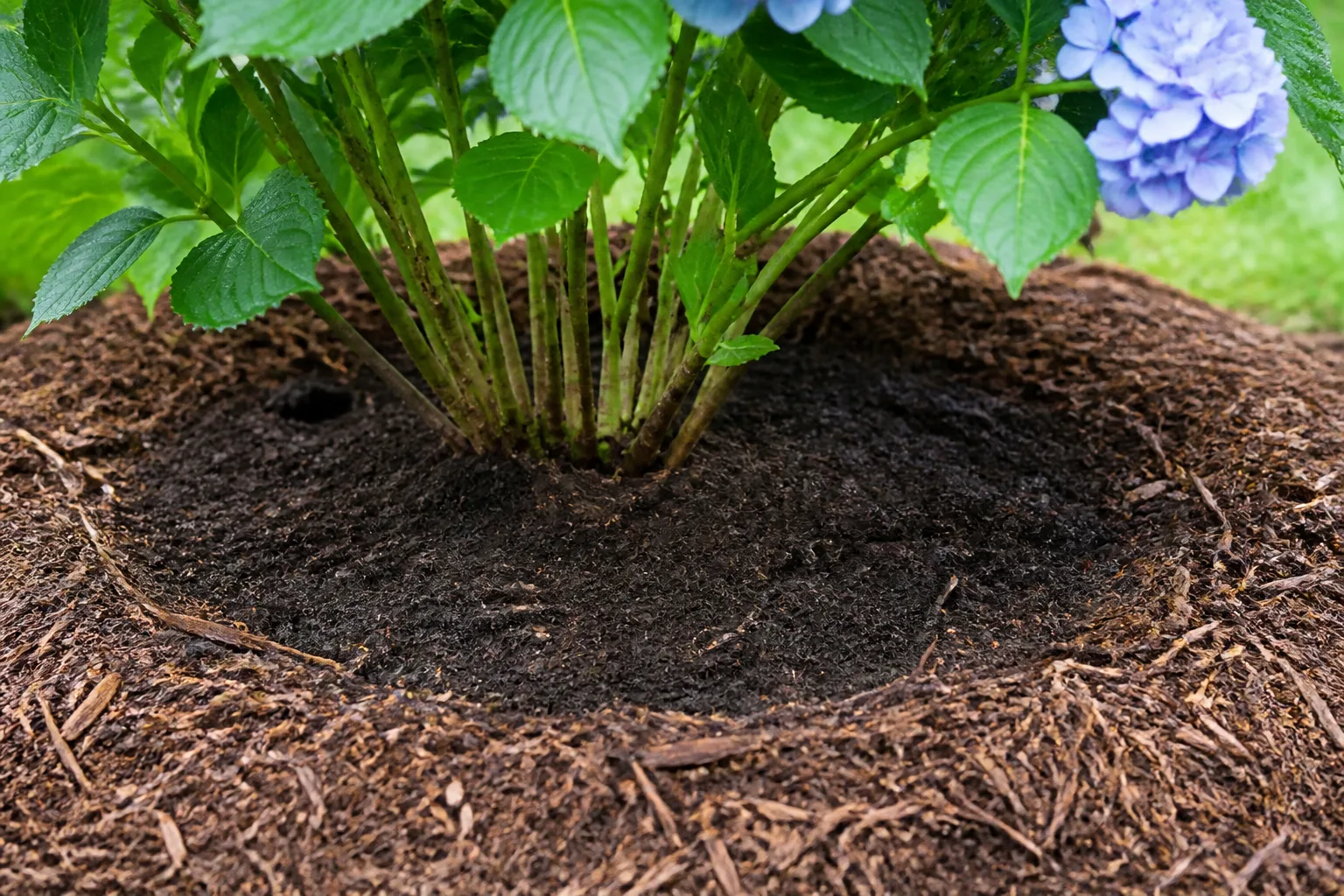
Apply about 2 to 3 inches of composted organic mulch over the root zone, extending toward the drip line. Keep the mulch several inches away from the stems and crown. A mulch volcano holds moisture against woody tissue; a flat, breathable layer moderates soil temperature, slows evaporation, and reduces competition from weeds.
Understand old wood, new wood, and reblooming types
Old wood means stems made during the previous growing season. Standard bigleaf mopheads and lacecaps form many of next year’s flower buds on those stems after they finish flowering. Those buds must survive winter, which is why a fall prune, a late-spring shape-up, or heavy deer browsing can leave a vigorous plant with no flowers.
New wood is the current season’s growth. Panicle and smooth hydrangeas mostly flower on new wood and tolerate a late-winter cut much better, but that rule should not be transferred to a bigleaf hydrangea just because the plants share a common name. Reblooming bigleaf cultivars occupy the middle ground: they can flower on old and new wood, improving recovery after some winter damage but not making every pruning date safe.
When the label is missing, use caution. A rounded or flat flower head and large leaves suggest bigleaf, but they do not identify the cultivar’s reblooming behavior. It is better to preserve healthy stems for one season while you confirm the plant than to remove all possible buds and hope the shrub compensates.
Prune for flowers, shape, or renewal
For a standard old-wood bigleaf hydrangea, begin with the least destructive goal: remove dead, broken, diseased, or dangerously crossing stems. In late winter or spring, wait for buds to swell so you can tell which wood is alive, then scratch a small patch of bark on a questionable stem. Green tissue underneath suggests life; dry brown tissue all the way down suggests dieback.
If you need to reduce height or remove a spent flowering stem, make the cut soon after flowering and stop at a healthy pair of buds. Do not shear the whole shrub into a ball. A light, selective cut preserves more of the framework and gives the plant time to make next year’s shoots before fall.
For renewal, remove one or two of the oldest, thickest stems at the base rather than shortening every branch. Rutgers notes that older, branched gray stems become less productive after several years, while younger, unbranched stems are worth preserving for larger flowers. Renewal pruning can be spread across seasons; it does not need to become a single severe haircut.
Avoid structural pruning in fall. You may remove a flower head for a bouquet or tidy a hazardous branch, but every long stem you shorten could carry next year’s buds. Dried heads can also provide winter interest and a little protection to tender growth below them. Use clean, sharp bypass pruners and disinfect them between diseased plants.
Protect flower buds through winter and spring frost
The root system and the flower buds need different kinds of protection. A 2- to 3-inch mulch layer insulates the root zone, but it will not prevent a cold wind from killing exposed buds. A sheltered position near a building, fence, or evergreen—not a heat-reflecting oven—can reduce temperature swings and drying wind.
In colder or exposed gardens, protect a valuable plant after it has gone dormant by surrounding it with a loose cage filled with dry leaves or another breathable material. Do not pack wet material against stems, bind branches tightly, or leave plastic touching the plant. For a late spring freeze after leaves or buds emerge, drape breathable frost cloth overnight and remove it the next morning when temperatures rise.
If winter kills the upper stems, wait until spring growth makes the damage clear. Cut back only to live wood. A standard bigleaf may lose that year’s display; a reblooming cultivar may produce some later flowers on new growth. That honest expectation is more useful than fertilizing a damaged plant in the hope of forcing an instant recovery.
Propagate with softwood cuttings or layering
Softwood cuttings are the most practical way to clone a named cultivar, provided the plant is not protected by a patent or other propagation restriction. Take a 4- to 6-inch nonflowering shoot in late spring or early summer, when it is flexible but not limp. The RHS recommends taking young shoot tips, cutting just below a node, and rooting them in a moist, free-draining medium (RHS softwood cutting guidance).
Use this sequence:
- Water the parent plant the day before and take the cutting early in the day.
- Cut just below a leaf node and remove the lower leaves, leaving one or two pairs at the tip.
- Dip the base in rooting hormone if you choose to use it, then place the cutting in a small pot of moist, airy propagation mix with at least one node below the surface.
- Cover the pot loosely with a clear bag or use a propagator, keeping leaves from touching the cover. Give it bright, indirect light rather than hot sun.
- Check the mix often so it stays evenly moist, ventilate to prevent gray mold, and tug gently after several weeks to check for resistance.
Once roots form, harden the young plant gradually before moving it outdoors. New roots are easy to scorch or chill, and a rooted cutting may need a season or two to become a flowering shrub.
Layering is slower but forgiving because the new plant stays attached to the parent while it roots. Bend a flexible low branch to the ground, remove leaves from the contact point, lightly wound the underside if needed, and bury a node under about 2 inches of soil. Pin the stem in place, keep that patch moist, and sever it only after a firm root system has formed.
Grow bigleaf hydrangea in a container
A compact cultivar can grow well in a large outdoor container, especially when garden soil is too alkaline for the flower color you want. Choose a pot with several drainage holes and a quality container mix; do not use garden soil by itself. A pot only slightly larger than the root ball is easier to manage than an oversized container that stays wet for days.
Container plants dry and freeze faster than in-ground shrubs. Move the pot to afternoon shade during heat, water when the mix is drying below the surface, and empty any saucer after drainage. In winter, place the pot in a sheltered location and insulate the container if severe cold is expected; protecting the root ball matters more than wrapping the upper branches.
Repot when roots circle densely or emerge from the drainage holes, moving up one container size. If the plant is too large for the space, replace it with a naturally compact cultivar instead of repeatedly cutting it back. A shrub that is continually root-bound, drought-stressed, and hard-pruned will flower unreliably no matter how carefully you adjust its pH.
Improve bloom reliability without overfeeding
When a bigleaf hydrangea does not bloom, check the previous year before changing the fertilizer. Ask: did the plant receive enough light, did a late frost follow early warm weather, were the stems browsed, and did anyone prune after flowering or during fall? Those questions usually explain more than a missing “bloom booster.”
Deadheading is optional, and routine fall pruning is a poor trade for old-wood cultivars; Savvy Gardening’s fall-care guidance also recommends leaving late-season flower heads for winter interest when they are healthy (Savvy Gardening).
If foliage is lush but flowers are absent, deep shade and excess nitrogen are likely contributors. If the plant was healthy until a cold winter, the buds may have died while the stems remained alive. If only a reblooming plant’s first flush is missing, wait for current-season shoots before deciding that it is permanently damaged.
Deadheading is optional. Leave fading heads for winter texture, or cut only the flower stalk back to a strong pair of buds when the plant is finished blooming and you want a tidier look. Do not confuse deadheading with cutting the shrub back; the first removes a flower head, while the second can remove the framework that carries the next year’s flowers.
Diagnose wilt, yellow leaves, and brown edges
Start with the soil and the timing of the symptom. Large leaves can droop temporarily during a hot afternoon even when roots have enough water, but persistent wilt in wet soil points toward root damage or poor drainage. Brown tissue will not turn green again, so focus on correcting the stress that is still affecting healthy leaves.
| Symptom | First inspection | Practical response |
|---|---|---|
| Afternoon-only droop, damp soil | Sun, heat, wind, and reflected light | Provide afternoon relief and check again in the evening before watering. |
| Droop with dry soil several inches down | Root-zone moisture | Deeply soak the root area, then mulch and monitor rather than sprinkling daily. |
| Wilt that persists in wet soil | Drainage and roots | Stop automatic watering; inspect the crown and roots if decline continues. |
| Brown, crispy margins | Drought, scorch, salt, or damaged roots | Correct the active stress and remove only tissue that is fully dead. |
| Yellow lower leaves with saturated soil | Waterlogged roots or poor drainage | Improve drainage and reduce irrigation; extra fertilizer is not the first fix. |
| Yellowing with green veins on new leaves | pH-related nutrient availability or root stress | Test soil and roots before adding a nutrient product. |
Check whether damage is isolated to one branch or spread across the canopy. A single dead branch may be winter injury or a canker; widespread symptoms after a heat wave suggest a site or watering problem. If spots expand, buds rot, or wilt does not match the soil condition, take clear photos and contact a local extension office or plant clinic instead of guessing at a fungicide.
Manage pests and diseases with low-risk steps
Bigleaf hydrangea can attract aphids, Japanese beetles, spider mites, scale, and other leaf-feeding insects. Inspect new growth and leaf undersides weekly during active growth. Handpick beetles when practical, knock aphids off with a firm water spray, and use a lens to look for stippling or fine webbing before treating a suspected mite problem.
Good airflow is preventative care. Space shrubs properly, thin only where growth is genuinely crowded, water at the base, and remove fallen leaves or flowers that are visibly diseased. Powdery mildew, leaf spots, Botrytis, and bacterial problems are more likely to build when foliage stays wet, air is still, or the plant is already stressed.
Do not spray every brown spot. Sun scorch, drought, salt injury, herbicide drift, and root trouble can resemble disease, while a fungicide cannot cure a bacterial or viral problem. If treatment is justified, identify the pest or disease first, choose a product labeled for hydrangeas and that problem in your area, and follow the label for rate, timing, protective equipment, and pollinator precautions.
Use a seasonal care routine
Late winter and early spring: Inspect stems before cutting. Remove wood that is clearly dead, broken, or diseased, and delay major decisions until live buds show which branches survived. Refresh mulch and watch the forecast as new shoots emerge.
Spring: Plant new shrubs, establish a deep-watering routine, and make sure nearby trees have not changed the site from bright shade to dense shade. Feed only if the soil or growth indicates a need. Protect tender shoots from a late freeze with breathable cover overnight.
Summer: Water the root zone during dry spells, especially while buds swell. Enjoy flowers, deadhead lightly if desired, and do any size-reduction pruning soon after flowering rather than in fall. Inspect leaves and buds before assuming a wilt or spot is a disease.
Fall: Stop structural pruning. Remove seedlike debris only if it is a hygiene concern, leave healthy flower heads for winter interest, and make sure a new or container-grown plant enters winter hydrated but not waterlogged. Move pots to shelter before the root ball freezes hard.
Conclusion
Bigleaf hydrangea care becomes much easier when you plan around the plant’s old-wood flowering habit. Choose a cultivar that fits your space and winter exposure, give it moderated light and evenly moist soil, and use mulch to stabilize the root zone rather than relying on frequent shallow watering.
Prune with restraint, protect buds when weather is harsh, and treat flower color as an optional soil-chemistry project—not a substitute for drainage, light, or moisture. When leaves wilt or turn brown, inspect the root zone and recent weather first. That sequence keeps a beautiful shrub from becoming a cycle of overwatering, overfeeding, and accidental pruning.