Do Deer Eat Azaleas? How to Protect Them
Yes, deer eat azaleas. Learn how to confirm browsing, protect buds and leaves with barriers or repellents, and help damaged shrubs recover.
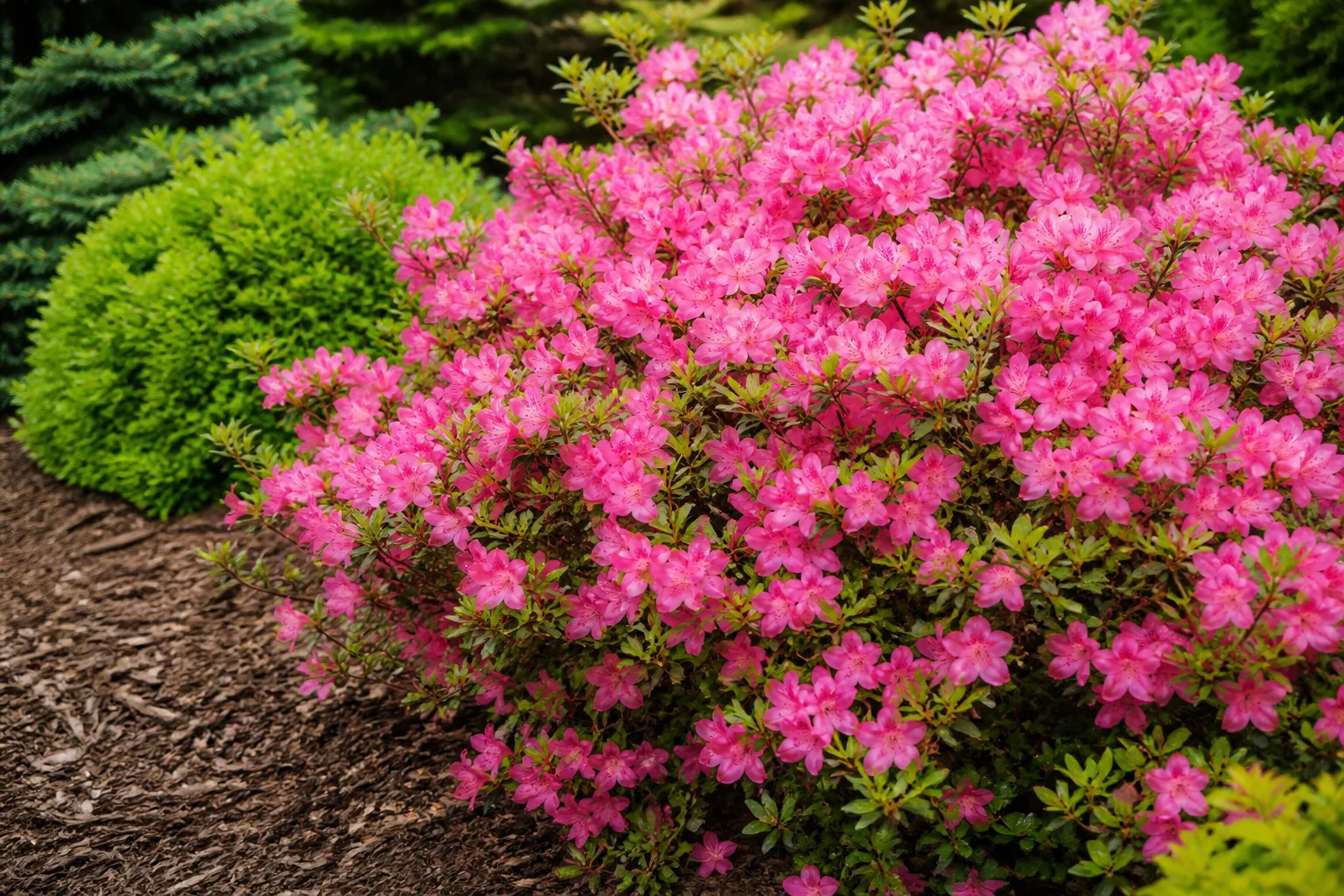
Yes, deer eat azaleas. Evergreen azaleas are specifically listed among plants that deer may heavily damage, and even a shrub that was ignored for years can become a target when deer pressure rises or other food becomes scarce. New plantings and fresh spring growth are especially vulnerable.
The most useful response is not to hunt for a magical deer-proof plant or spray. First confirm that deer are responsible, then choose protection based on how often the shrub is being browsed: a secure barrier for dependable protection, a motion-activated sprinkler for a frequent visitor, and repellent or lights as supporting layers.
The quick answer: yes, deer eat azaleas
Azalea leaves, tender shoots, and flower buds are all vulnerable to browsing. Deer may nibble the tips of a shrub, strip the flower buds before bloom, or remove enough new growth to change the plant’s shape. A deer-resistant label is not a promise that a hungry animal will leave an azalea alone.
Browsing usually becomes most obvious in two windows. Deer eat new growth on woody plants in spring and summer, while winter food shortages can push them toward evergreen foliage and dormant buds. The exact timing varies with climate, deer density, and the food available around your property; Penn State Extension describes deer as most active near dawn and dusk and notes that their diet shifts through the seasons (Penn State Extension’s white-tailed deer guidance).
| What you see | Best first move |
|---|---|
| A few clipped-looking tips on one shrub | Inspect for torn browse marks, then add an individual mesh cage. |
| Buds and leaf tips disappear overnight | Install a motion-activated sprinkler and protect the shrub before the next visit. |
| Several azaleas or other shrubs are repeatedly stripped | Use a properly designed perimeter barrier; sprays alone will usually become expensive and inconsistent. |
| A shrub was browsed once but still has healthy leaves | Remove only broken wood, keep the root zone watered, and protect the next flush of growth. |
Confirm deer damage before choosing a fix
It is easy to blame deer for every missing leaf, but rabbits, voles, caterpillars, and pruning tools leave different clues. Diagnosis matters because a tall deer fence will not solve a caterpillar problem, and an insect spray will not stop an animal that is taking entire shoot tips.
Read the damage signature
Deer do not have upper incisor teeth, so they tend to tear plant material rather than leave a neat cut. Look for ragged or shredded ends on twigs, stripped flower buds, and foliage removed from the outside of the shrub or from the height an animal can reach. Penn State Extension contrasts those jagged browse marks with the cleaner cuts often left by rabbits or rodents (Penn State Extension’s deer damage and management guidance).
Check the ground for split-hoof tracks after rain, irrigation, or a light snowfall. Also look for a repeated path through mulch or grass and inspect the shrub at dawn for fresh damage; the Royal Horticultural Society notes that deer often feed between dusk and dawn and may strip shoots, leaves, flowers, and bark (RHS advice on deer).
If the leaves have small holes, webbing, frass, or skeletonized tissue, inspect the undersides and stems for insects before buying a deer deterrent. If the whole tip is missing with a ragged end and the damage appears overnight, deer move higher on the list of likely causes.
Why azaleas become a target
Azaleas offer exactly what browsing deer often seek: soft new shoots, accessible foliage, and conspicuous flower buds. A compact shrub can be easy to reach, especially when it stands beside a fence, path, or woodland edge that gives deer a comfortable approach.
The plant’s appeal can change over the year. In spring, deer may browse the tender growth that you are waiting to harden; in winter, evergreen azaleas remain leafy when many plants are dormant. If your shrub is in a new bed, deer may also investigate it simply because the planting has created a concentrated, easy-to-reach food source.
Local preference is the deciding factor. Garden Design cautions that deer-resistant recommendations vary with region, deer pressure, and food availability, while the RHS includes evergreen azaleas among plants that are often heavily damaged. Treat both points as useful together: azaleas are a real risk, but the intensity of browsing is specific to your herd and site (Garden Design’s deer-resistant plant guide).
Choose protection based on deer pressure
Use the smallest intervention that is likely to hold, but do not keep repeating a weak fix after the deer have learned that the azalea is a reliable meal. For one shrub with occasional damage, an individual cage is usually the most direct answer. It protects the plant at the exact point of need and avoids enclosing the whole yard.
For repeated overnight visits, layer a motion-activated sprinkler with a barrier or a labeled repellent. A startled deer may leave after one spray of water, but a determined animal can return once it learns the device’s range or runs out of alternative food. The goal is to interrupt the feeding pattern while the physical protection does the dependable work.
When several shrubs, young trees, or a whole border are affected, think in terms of exclusion rather than decoration. Penn State Extension describes fencing as the most efficient method when deer density and damage are high, although the cost and installation effort are greater than for a spray or scare device.
Put up a physical barrier first
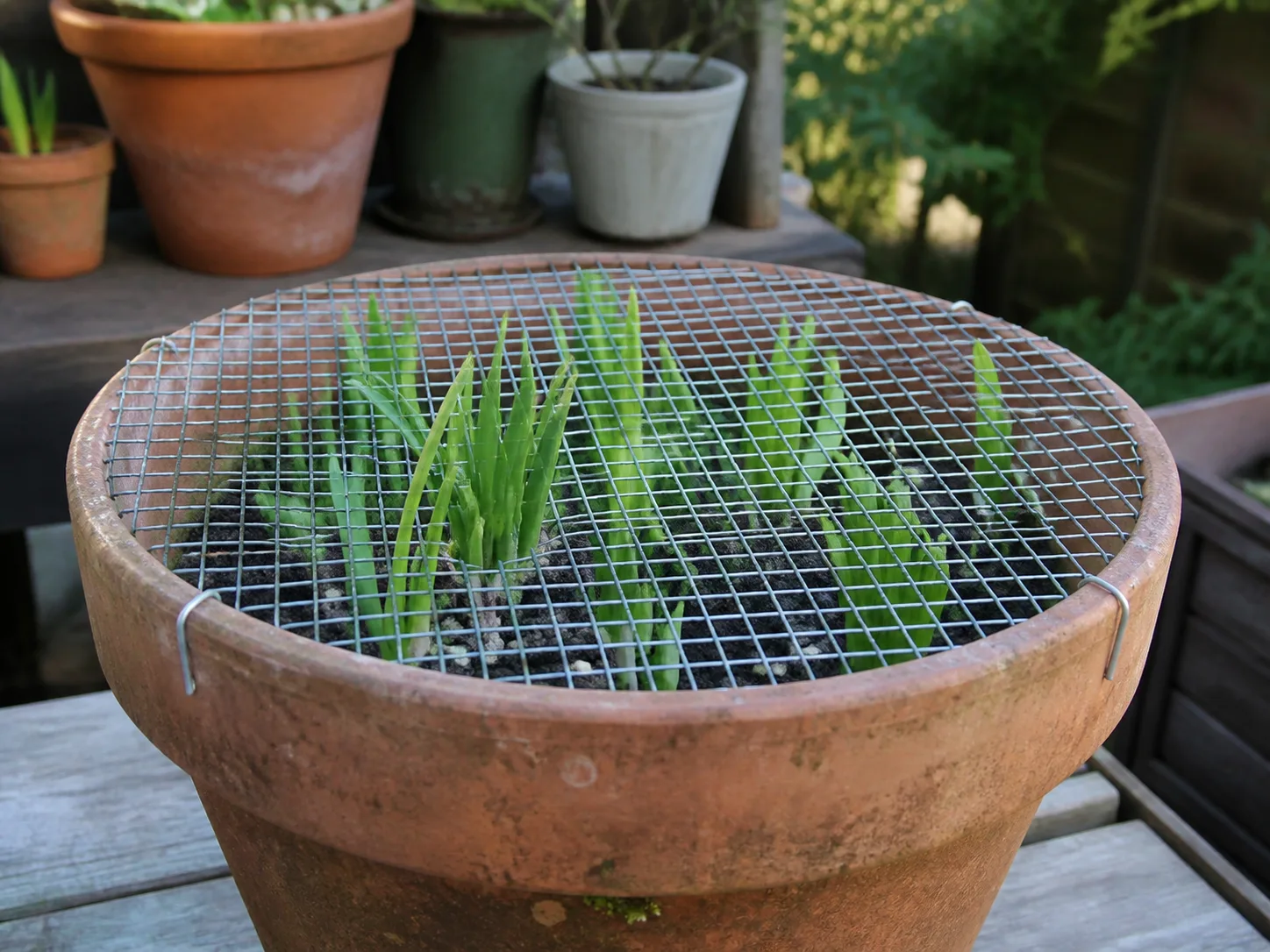
A barrier is the only option in this guide that does not depend on whether a deer is hungry, curious, or accustomed to garden noises. For a single azalea, build a rigid mesh cage or use deer netting on a strong frame. Keep the mesh far enough from the foliage that a deer cannot simply reach through and nibble the branches against it; a gap of roughly 12 to 18 inches around the canopy is a useful starting point as the shrub grows.
Do not confuse a low ring of chicken wire with deer protection. Low mesh can stop rabbits, but a deer can step over it or browse above it. The cage must be tall enough to cover the reachable canopy, anchored at the bottom, and closed wherever a path or gate creates an opening. Inspect it after wind, snow, and pruning so the shrub does not grow into the wire.
For a bed or yard, a conventional white-tailed-deer fence is commonly planned around 8 feet high, because deer can clear a low open fence. Penn State’s guidance describes an 8-foot woven-wire barrier as effective for excluding deer, while the RHS emphasizes that fence height, mesh size, secure gates, and a bottom edge that cannot be lifted all matter. Use local wildlife or extension recommendations for your deer species and confirm zoning rules before installing electric fencing.
A solid fence can sometimes work at a lower height because deer cannot see a clear landing area on the other side, but that is not a reason to assume any 6-foot fence is safe. Measure the actual jump points, keep gates closed, eliminate gaps at the ground, and avoid placing a bench, wall, woodpile, or raised bed beside the fence that gives deer an easier route.
Use a motion-activated sprinkler for repeat visits
A motion sprinkler is most useful when the problem is a deer approaching from a known path. Set the sensor so the animal is detected before it reaches the azalea, then aim the water across the approach rather than directly at the shrub. Test it from several angles during the day; sensors can miss an animal moving parallel to the detection zone or trigger on pedestrians, pets, and blowing vegetation.
Place the device where its spray will not erode the bed, keep a walkway constantly wet, or hit electrical equipment. Check the battery or water connection regularly, and move the unit occasionally if the deer begin approaching from a different direction. A motion sprinkler is a behavior-changing layer, not a substitute for a barrier when the shrub is valuable or the deer pressure is heavy.
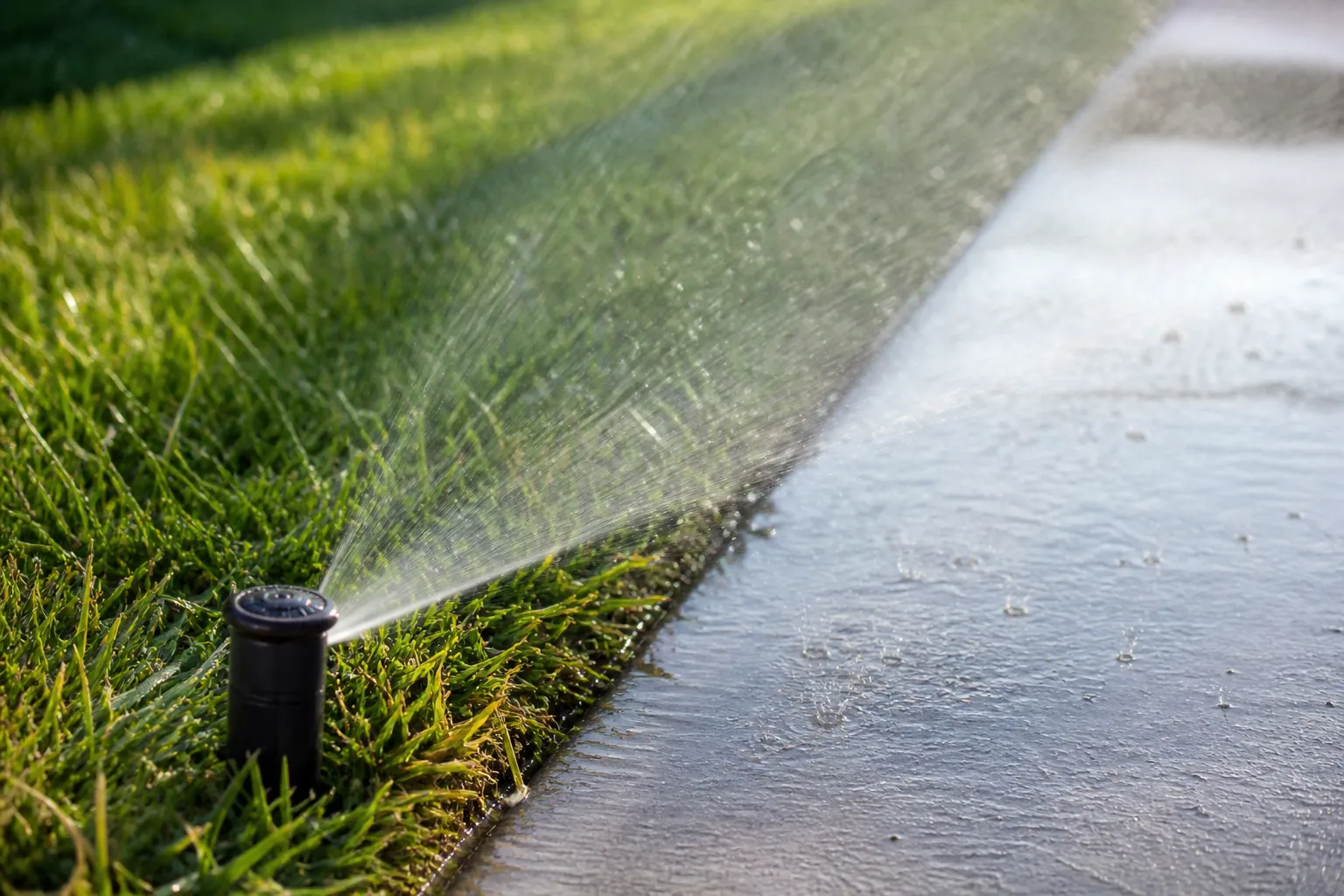
The Old Farmer’s Almanac describes motion-activated lights and sprinklers as useful ways to add surprise around a garden, with sprinklers more persuasive when deer are especially interested in a food crop (The Old Farmer’s Almanac guide to protecting a garden from deer). That practical distinction is worth keeping: water changes the animal’s experience at the exact moment it enters, while a passive light may only make the yard look different.
Add motion lights as an early warning layer
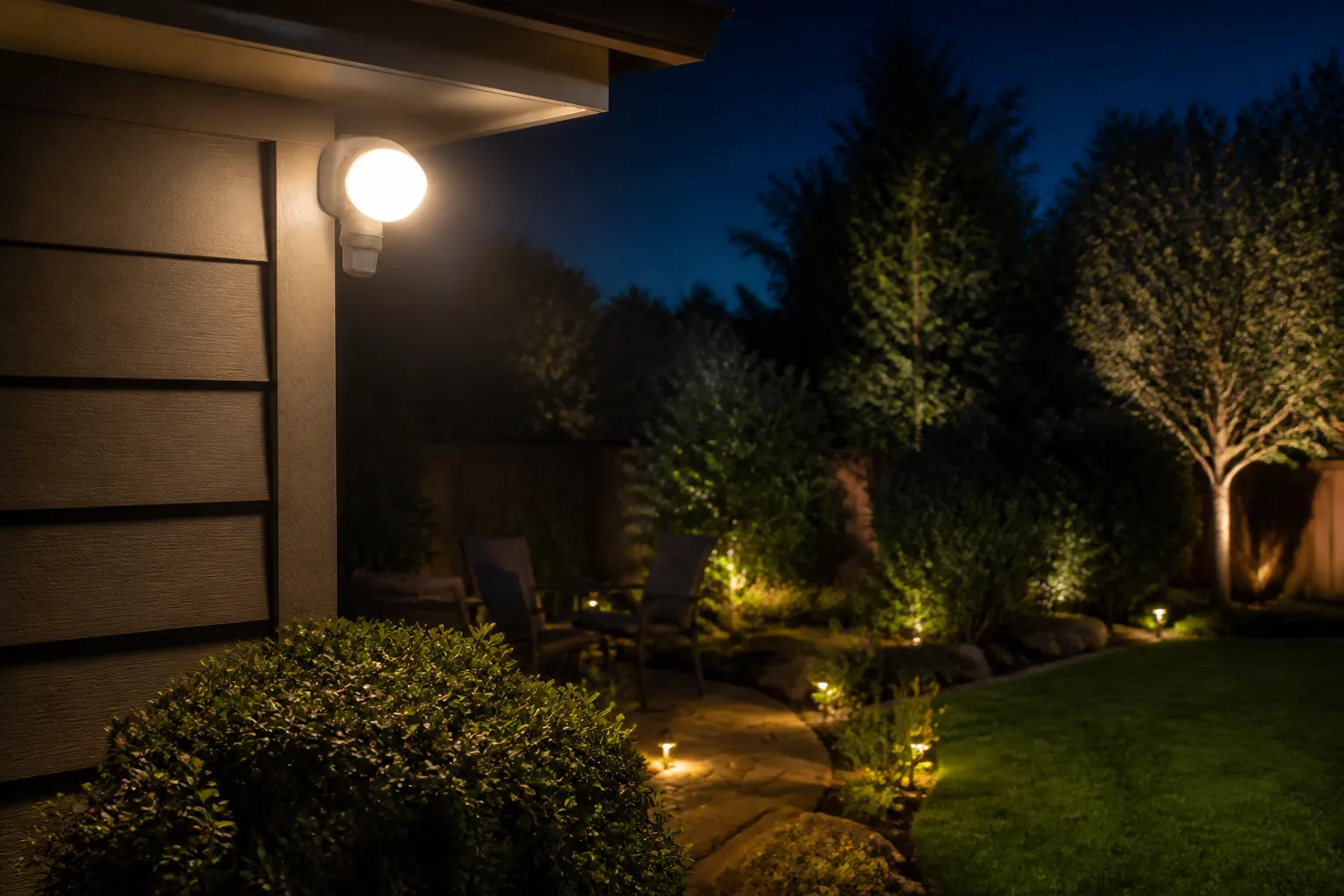
Motion-activated lights can startle deer arriving at dusk, and they can alert you that an animal is using the garden. Aim one toward the approach route or the shrub’s edge rather than shining it into a neighbor’s windows. Use a warm, shielded fixture where possible so the device does not create unnecessary glare or disturb the garden’s nighttime wildlife.
Lights are not a reliable stand-alone solution. Deer can become accustomed to a predictable flash, and a hungry deer may tolerate the interruption if the azalea is more rewarding than the surrounding food. Move the sensor or pair the light with a sprinkler, cage, or repellent instead of assuming that a bright bulb makes a shrub deer-proof.
Wind chimes, hanging foil, and other noise or movement tricks can produce the same short-term surprise, but they are easy for animals to ignore once they become part of the scenery. If a device does not reduce fresh browse within a week or two, change the layer rather than adding more objects to the bed.
Apply a labeled deer repellent correctly
A commercial deer repellent can be useful for a shrub that is too large to cage or for the weeks when a new barrier is being installed. Choose a product labeled for ornamental shrubs, read the application directions, and follow any restrictions about where, when, and how often it can be used. Penn State Extension stresses that repellents work best as part of an integrated program and that labels are legally binding for commercial products.
Apply at the first sign of browsing rather than waiting until the azalea has become a regular feeding station. Cover the plant surfaces specified on the label, allow the product to dry as directed, and reapply after rain or when new growth appears if the label calls for it. A repellent cannot protect a leaf or bud that grew after the last application.
Expect reduction, not a guarantee. Repellents vary by product, weather, deer pressure, and food availability; Penn State notes that hungry deer may ignore them, and successful management is usually measured by reducing damage rather than eliminating every bite. Do not mix products, increase the concentration, or improvise a milk, egg, soap, oil, or urine recipe unless the product is specifically labeled and the directions support that use.
Repellent is also the wrong tool for antler rubbing. A spray may change browsing, but it does not create a physical buffer between a buck and a young woody stem. If you see vertical bark scars or broken branches, use a guard or cage and deal with the damage as a physical-contact problem.
Cover vulnerable buds and new growth
Temporary protection is most valuable just before the risk window: when flower buds swell, when a new azalea is planted, or when spring shoots are soft. A breathable mesh cover or a properly framed net can keep deer from reaching the plant while a permanent plan is made. The cover should not rest on the foliage, bind branches, trap moisture, or rub against flower buds in wind.
Avoid wrapping the entire shrub tightly in burlap for a long period. Burlap can reduce light and airflow, catch moisture, and break branches if it becomes heavy; it is better used as a short-term wind or winter covering where the plant and climate call for it, not as a universal deer fence. A cage that keeps the material away from the canopy is easier to inspect and more dependable.
Before the next season, note which part of the plant was eaten and raise or widen the protection accordingly. If deer can reach over the top or through a gap, they will often return to the exact same branch. Protection should grow with the azalea.
Rethink nearby plants without expecting a shield
Replacing highly preferred plants around the azalea can reduce the number of tempting targets, but a ring of aromatic herbs will not physically protect the shrub. Use plant choice to lower the overall reward of the bed, then use a cage, fence, or other direct protection for the azalea you want to keep.
Deer often show less interest in plants with strongly scented foliage, fuzzy or woolly leaves, prickles, leathery texture, or naturally unpalatable compounds. Savvy Gardening groups aromatic herbs such as sage, thyme, lavender, and oregano with plants that may be less attractive to deer, while Garden Design similarly highlights scent, texture, and toughness as useful traits (Savvy Gardening’s deer-proof garden tactics).
Match any replacement to the site instead of planting a “deer-resistant” species that cannot grow beside the azalea. A sunny, dry edge might suit rosemary, thyme, or Russian sage; a shaded, acidic bed needs a different palette. Check local invasive-plant lists, mature size, pet and child safety, and water needs before treating a plant list as a plan.
Help azaleas recover after browsing
Start with triage, not fertilizer. If the deer removed only buds and a few twig tips, the shrub may have plenty of healthy leaves left to rebuild energy. Water during extended dry weather, keep mulch a few inches away from the main stems, and protect the plant immediately so the recovery growth is not eaten as soon as it appears.
Do not compensate for lost flowers with a heavy dose of nitrogen. Extra nitrogen can push soft, attractive shoots at exactly the time you are trying to reduce browsing, and it cannot recreate buds that have already been removed. Continue the normal care appropriate for the azalea’s soil, light, and season unless a soil test or a local extension recommendation identifies a real nutrient problem.
Prune only what is broken or dead
Use clean, sharp pruners to remove torn branches back to a healthy side branch or sound wood. Do not shear the whole shrub just to make the damage look even; that can remove more flower-bud wood and create a flush of tender growth. If a branch is only missing leaves or buds but remains flexible and green beneath the bark, leave it in place and observe it.
If the shrub has extensive dieback, damaged bark, or a split main stem, the next step depends on the extent of the injury and the azalea’s age. Remove clearly dead wood when you can identify it, keep the plant from drying out, and ask a local extension office or qualified arborist about severe structural damage rather than cutting heavily on instinct.
Will azaleas bloom again after deer damage?
If deer ate the flower buds, that part of the season’s display is gone; a bud cannot reopen after it has been removed. The shrub may still produce leaves and new shoots, and some reblooming cultivars can form a later flush, but no cultivar can guarantee flowers after browsing has removed the available buds or stressed the plant.
Your best chance of a good bloom next season is to protect the shrub before it sets and expands its buds. Keep the plant healthy, avoid unnecessary pruning after the normal pruning window, and watch for browsing as soon as the first buds become visible. A shrub that lost flowers but retains green stems and leaves often has a better recovery outlook than one stripped to bare wood, but the amount of remaining live tissue matters more than the fact that it is an azalea.
Common mistakes that keep deer coming back
The most expensive deer problem is often a weak fix repeated for months. These mistakes make protection less reliable:
- Calling an azalea deer-resistant: Plant preferences are regional and can change when deer are hungry. Plan for browsing if deer are already visiting.
- Using low mesh: A low ring may stop rabbits but will not stop a deer from stepping over it or reaching above it.
- Spraying once: Weather and new growth remove protection. Reapply only as the product label directs.
- Using lights alone: Deer can learn a predictable light pattern. Add a barrier or motion sprinkler for repeated damage.
- Leaving a gap under the fence: Deer can push beneath loose mesh, and an open gate can undo an otherwise strong barrier.
- Pruning hard after browsing: A neat haircut can remove next year’s flower-bud wood and stimulate tender shoots.
- Planting a “buffer” and skipping the cage: Aromatic or fuzzy plants may be less preferred, but they do not stop a deer from crossing the bed to reach an azalea.
- Ignoring the approach route: If a deer follows a path from woods, a fence corner, or a gate, protect that entry point instead of only treating the leaves.
Use humane exclusion and deterrence first. If deer pressure is severe across a neighborhood, contact local wildlife or extension authorities for legal, site-appropriate population-management options rather than taking action that could injure wildlife or violate local rules.
Conclusion: protect the shrub, then protect the feeding pattern
Deer do eat azaleas, and flower buds and spring growth can disappear quickly once a deer learns that a shrub is an easy meal. Confirm the ragged browse marks, split-hoof clues, and timing before you act, then choose a secure cage or fence for dependable protection and use sprinklers, lights, or a labeled repellent as supporting layers.
After damage, remove only broken or dead wood, keep the root zone from drying out, and protect new growth. The shrub may recover even if the season’s flowers do not return, but the best recovery plan is the one that prevents the next bite and stops your azalea from becoming part of the deer’s regular route.