15 Types of Roses for Your Garden
Compare 15 rose types—from hybrid tea and floribunda to climbers, ramblers, and old garden roses—with ID cues, example cultivars, and a simple picker for your space.
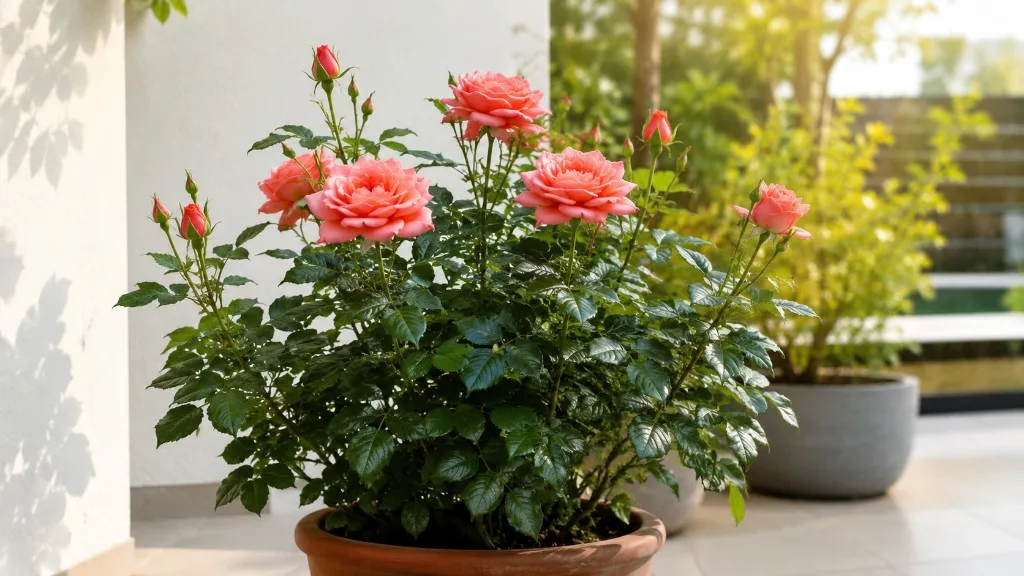
Walk into a garden center and the rose bench looks simple until you read the tags. Hybrid tea. Floribunda. Grandiflora. Shrub. Climber. English rose. Knock Out. The names describe how the plant grows and flowers, not just petal color—and picking the wrong class is how you end up with a once-blooming rambler where you wanted a repeat-flowering border shrub, or a hybrid tea that demands weekly grooming in a humid backyard.
Roses belong to the genus Rosa, with hundreds of species and thousands of named cultivars. Retail labels usually reflect modern classification groups used by breeders and societies such as the American Rose Society and the Royal Horticultural Society rose-growing guide. Once you learn those groups, you can narrow thousands of names to the handful that fit your sun, space, and patience for pruning.
This guide covers 15 functional rose types you will actually see for sale, how to tell them apart, and 15 standout cultivars worth planting once you know your goal. For ongoing care after you buy, keep our rose care guide, rose pruning guide, and deadheading guide bookmarked.
Start With the Job Your Rose Needs to Do
Before color, decide what the rose must do in your yard:
| Your goal | Start with these types | Usually avoid |
|---|---|---|
| Long-stem cut flowers | Hybrid tea, some grandiflora | Groundcover, species hedges |
| Continuous color in a border | Floribunda, shrub/landscape, English | Once-blooming old garden, ramblers |
| Cover a fence or pergola | Repeat-flowering climber | Hybrid tea bush in front of a wall |
| One dramatic early-summer cascade | Rambling rose | Hybrid tea |
| Low-spray front yard | Landscape shrub (Knock Out, Drift), tough floribunda | Finicky exhibition hybrid teas |
| Container or balcony | Miniature, patio, compact floribunda | Large grandiflora, vigorous rambler |
| Wildlife hips and informal hedge | Species (Rosa rugosa, dog rose) | Heavily doubled modern roses |
| Heritage fragrance | Old garden classes, David Austin English | Many unscented floribundas |
That table eliminates most mistakes. A hybrid tea is a poor choice for a dry slope you never prune; a species rugosa is a poor choice for a formal cutting garden.
Match Rose Type to Space, Sun, and Skill Level
Most garden roses want at least six hours of direct sun and rich, moist, well-drained soil. The RHS growing guide recommends a sunny site with about 60 cm (2 ft) of space around each bush so roots and foliage are not competing. English roses and some climbers tolerate light afternoon shade in cool climates; miniatures in pots need more frequent watering because their root balls are small.
Skill level matters. Hybrid teas and grandifloras reward precise spring pruning and regular deadheading. Shrub, landscape, English, and groundcover types forgive a yearly haircut. Ramblers and once-blooming old garden roses punish summer hacking into old wood. If you have never pruned a rose, start with a tough floribunda, Knock Out-type shrub, or a modern English rose bred for disease resistance—not a show-table hybrid tea.

Old Garden, Modern, and Species Roses Explained
Rose experts often sort the universe into three heritage buckets:
Old garden roses are classes that existed before the first modern hybrid tea, ‘La France’, was introduced in 1867. They include Gallicas, Damasks, Albas, Bourbons, Mosses, and others. Many bloom once in early summer with outstanding fragrance; some Bourbons and hybrid perpetuals repeat.
Modern roses are hybrids developed after 1867—hybrid teas, floribundas, grandifloras, and most landscape shrubs. They are bred for larger flowers, wider color range, and repeat blooming.
Species (wild) roses are the ancestors: usually five-petaled spring flowers, excellent hips, and informal habit. They are the right pick for hedges and wildlife, not for florist stems.
The 15 types below mostly fall under modern and old groups, with species and specialty forms called out where shoppers meet them.
Hybrid Tea Roses
ID cues: One large, high-centered bloom per long stem; pointed buds opening to 30–50 petals; upright bush often 4–6 ft tall.
Hybrid teas are the classic cut-flower rose. Stems are long enough for vases; flowers are often fragrant but vary by cultivar. They repeat bloom through the season when healthy, though many produce flushes rather than endless daily flowers.
Best for: Formal beds, exhibition, cutting gardens.
Maintenance: Highest among bush types—spring structural prune, weekly deadheading during bloom, black-spot vigilance in humid climates. See our pruning guide for cane heights.
Standout cultivars: ‘Mister Lincoln’ (deep red, strong scent), ‘Double Delight’ (cream and red bicolor), ‘Tahitian Sunset’ (apricot-pink, large blooms), ‘Elle’ (compact pink hybrid tea for warmer zones).
Floribunda Roses
ID cues: Clusters of medium blooms on a bushy plant; flowers smaller than hybrid teas but more numerous.
Floribundas arose from crossing hybrid teas with polyanthas. They are generally hardier, more disease-resistant, and easier in mass plantings than hybrid teas, though fragrance is often lighter.
Best for: Hedges, mixed borders, reliable summer color.
Maintenance: Moderate—annual spring prune, deadhead finished clusters, less fuss than hybrid teas.
Standout cultivars: ‘Iceberg’ (white, one of the most planted floribundas worldwide), ‘Julia Child’ (butter-gold, licorice scent), ‘Easy Does It’ (apricot blend, disease resistant), ‘Cherry Parfait’ (white edged red), ‘Frankly Scarlet’ (compact red), ‘Morden Fireglow’ (cold-hardy orange-red for northern gardens).
Grandiflora Roses
ID cues: Tall bush (often 5–6 ft); hybrid-tea-shaped flowers in clusters like a floribunda.
Grandifloras are primarily a North American retail class, created when ‘Queen Elizabeth’ debuted in 1954. They combine showy individual blooms with cluster display on a larger frame.
Best for: Back of borders, tall screens, gardeners who want both stems and mass color.
Maintenance: Moderate to high—support leggy cultivars, spring prune to control height.
Standout cultivars: ‘Queen Elizabeth’ (pink, historic grandiflora), ‘About Face’ (bicolor orange-yellow), ‘Wild Blue Yonder’ (mauve-purple clusters; not a true blue rose).
Polyantha and Patio Roses
ID cues: Short, dense bushes; large sprays of small flowers.
Polyanthas date to nineteenth-century France and remain useful for edging and formal parterres. Patio roses are modern, heat-tolerant, compact selections for containers.
Best for: Border fronts, pots, small formal beds.
Maintenance: Low to moderate—shear lightly, deadhead clusters.
Note: Do not confuse patio roses with miniature roses; patio types are slightly larger and often sold in decorative pots.
Shrub and Landscape Roses
ID cues: Rounded, spreading habit; bred for garden performance rather than exhibition form; includes Knock Out, Drift, and Carefree series.
This is the fastest-growing retail category for homeowners who want color without a spray schedule. Landscape roses repeat bloom, shed spent petals on some cultivars, and tolerate a hard spring trim.
Best for: Foundation plantings, parking strips, beginner gardeners, humid regions.
Maintenance: Low—remove dead wood, shape once in late winter, optional deadheading.
Standout cultivars: ‘Rainbow Knock Out’ (coral single flowers with yellow centers; Missouri Botanical Garden notes strong resistance to black spot, powdery mildew, and rust), ‘Bonica’ (pink shrub rose, dependable in cool climates), ‘Carefree Beauty’ (pink, Earth-Kind heritage).
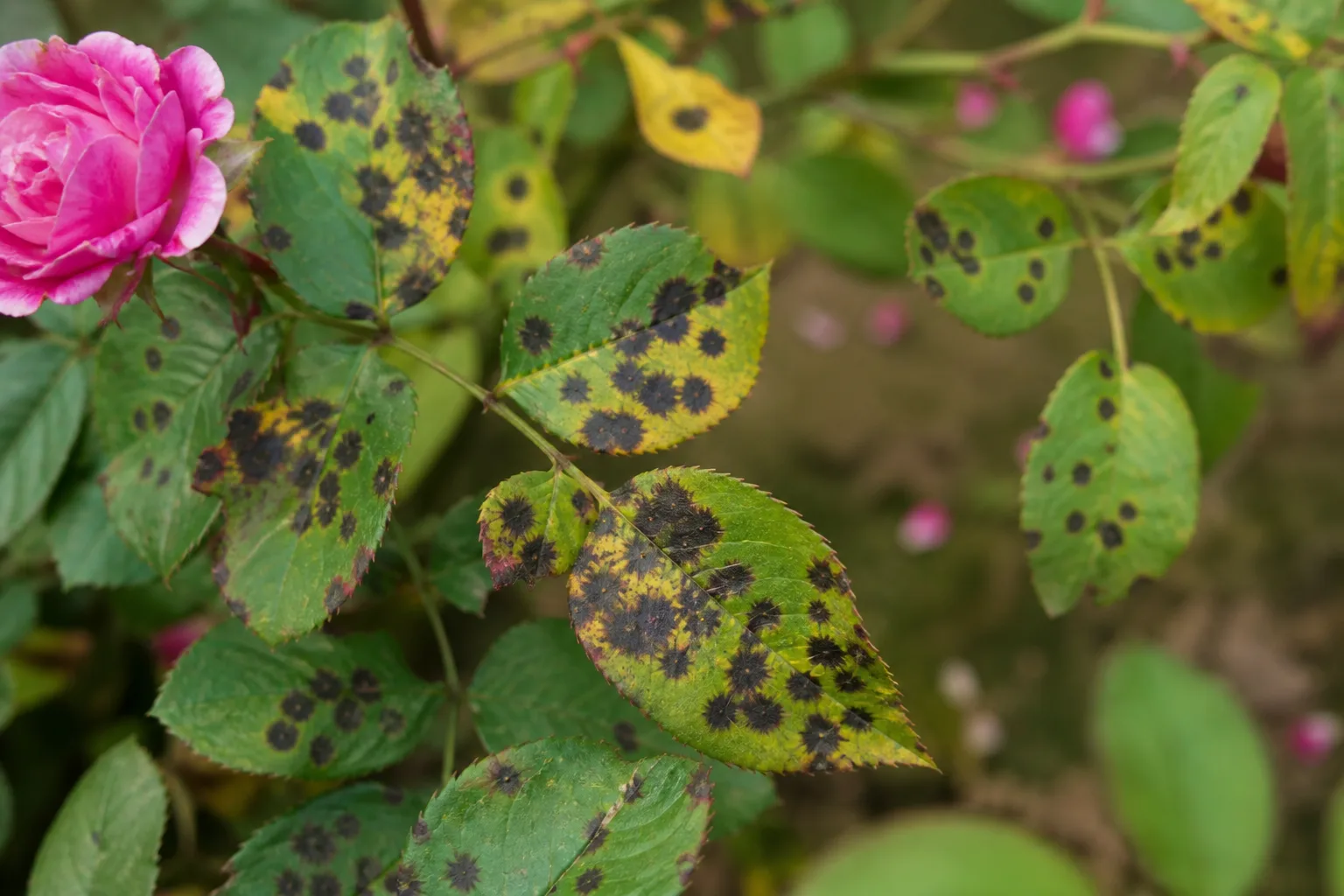
The Clemson HGIC growing roses fact sheet emphasizes site selection and sanitation; choosing a resistant landscape class is often the difference between enjoying roses and fighting foliage diseases all summer.
David Austin English Roses
ID cues: Cupped, old-rose flower form; repeat bloom; shrubby habit; often intense fragrance.
David Austin Roses crossed old garden types with modern hybrids to combine romantic flower shape and scent with rebloom. They are not a separate botanical species but a widely recognized market class.
Best for: Cottage gardens, mixed perennial borders, fragrance-focused beds.
Maintenance: Moderate—lighter annual prune than hybrid tea; varieties bred after 2010 generally show better disease resistance.
Standout cultivars: ‘Gertrude Jekyll’ (deep pink, classic scent), ‘Teasing Georgia’ (yellow-apricot cups), ‘Falstaff’ (dark crimson), ‘Pat Austin’ (copper-orange), ‘Olivia Rose Austin’ (pale pink, notably healthy).
Climbing Roses
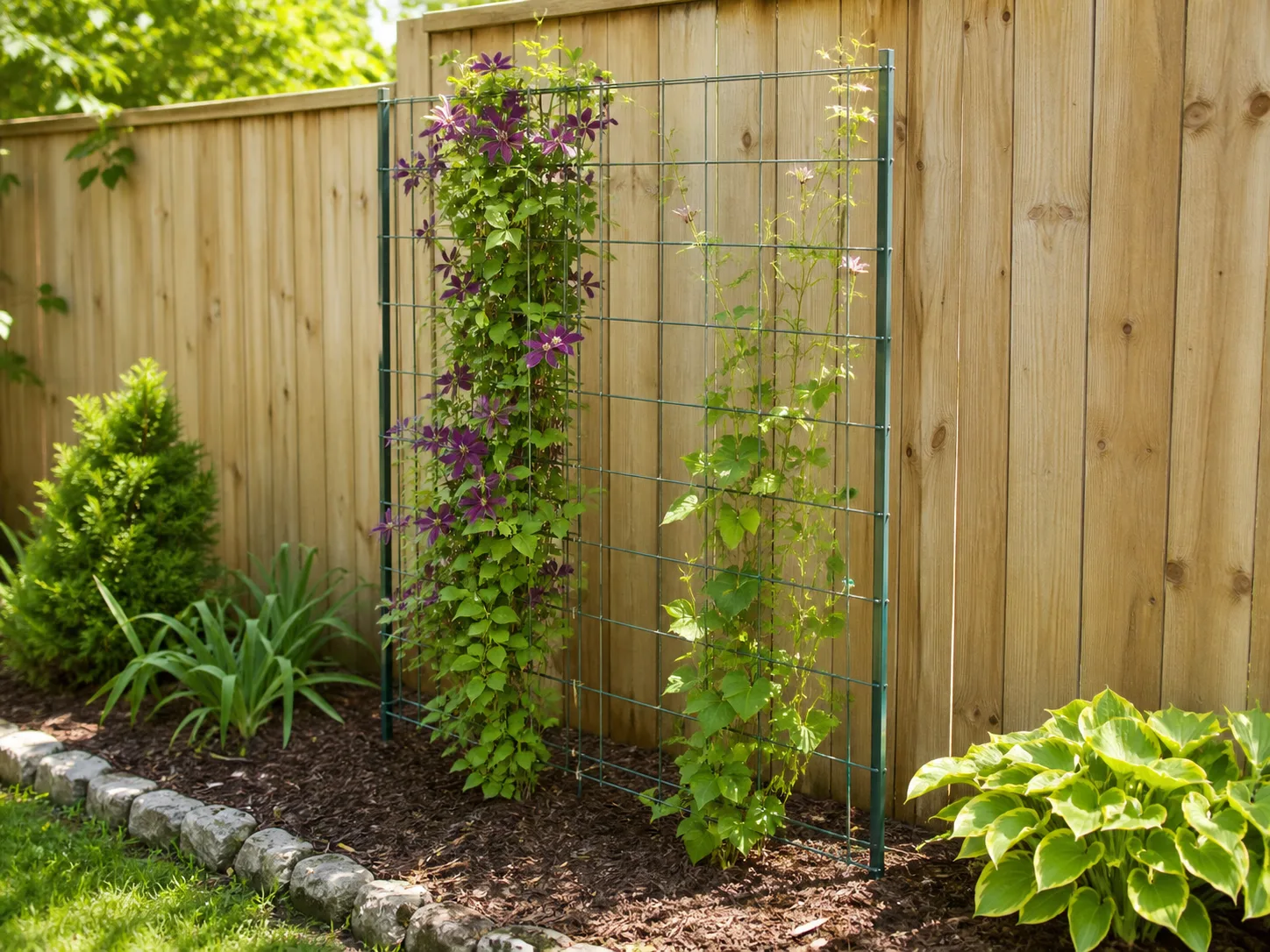
ID cues: Long stiff canes (8–15 ft); must be tied to supports—they do not cling like ivy.
Most modern climbers are repeat-flowering sports or breeding lines of bush classes. Training canes horizontally encourages more flowering side shoots along the length.
Best for: Trellises, fences, arches, pillars.
Maintenance: Moderate—tie in new growth, prune after first major flush or in late winter depending on cultivar; deadhead repeaters through summer.
Standout cultivars: ‘New Dawn’ (pale pink, repeat bloomer), ‘Don Juan’ (deep red), ‘Graham Thomas’ (yellow, often grown as climber).
Rambling Roses
ID cues: Very long flexible canes (15–30 ft); usually one massive early-summer flush, then hips; smaller flowers in large clusters.
Ramblers are not “bigger climbers.” They are for covering sheds, large trees, and long fences where one June show is enough.
Best for: Cottage romance, quick coverage, informal mass bloom.
Maintenance: Prune after flowering, removing some old canes and tying new ones—do not hard-prune in spring like a hybrid tea. See climbing vs bush pruning notes.
Standout cultivars: ‘Albertine’ (coral pink, fragrant), ‘Rambling Rector’ (white), ‘Paul’s Himalayan Musk’ (pale pink, very vigorous).
Groundcover Roses
ID cues: Low, spreading stems; continuous small blooms; often sold in series (Flower Carpet, Drift).
Best for: Slopes, weed suppression, front-of-border mass color, large containers.
Maintenance: Very low—shear to shape in late winter, feed lightly.
Standout cultivars: Flower Carpet ‘Pink Supreme’, Drift ‘Coral, ‘Red, and ‘Apricot series.
Miniature and Miniflora Roses
ID cues: Miniatures stay roughly 15–30 inches with tiny leaves and flowers; minifloras have intermediate bloom size between miniature and floribunda.
Best for: Window boxes, edging, indoor sun rooms with excellent light, gifts.
Maintenance: Moderate watering discipline—small root systems dry fast; light deadheading.
Standout cultivars: ‘Sun Sprinkles’ (yellow), ‘Rainbow’s End’ (yellow-red bicolor).
Old Garden Rose Classes
Beyond the pre-1867 cutoff, old garden roses split into recognizable classes:
- Gallica — rich colors, once bloom, historic garden presence.
- Damask — intense fragrance, once bloom, used in perfumery.
- Alba — pale blooms, gray-green foliage, shade tolerance among roses.
- Bourbon — often repeat blooming on arching canes.
- Moss — fragrant buds with moss-like glands.
Best for: Collectors, fragrance, period gardens, gardeners who accept one main flush.
Maintenance: Light pruning after bloom; do not treat like hybrid teas.
Wild and Species Roses
ID cues: Single five-petaled flowers, prominent stamens, ornamental hips in fall.
Species roses feed pollinators and birds. Rosa rugosa tolerates salt and poor soil; Rosa glauca offers blue-gray foliage. Check local lists before planting—some rugosa selections are restricted in coastal areas where they spread.
Best for: Hedges, wildlife gardens, low-input plantings.
Maintenance: Minimal—renew by removing oldest canes after flowering.
15 Standout Roses Worth Planting
Use this shortlist after you pick a type above. Sizes and zones vary by supplier; confirm the label against your USDA zone and summer heat.
Repeat Bloomers for Beds and Bouquets
- ‘Mister Lincoln’ (hybrid tea) — Deep red, strong fragrance, classic cutting rose; needs sun and regular prune.
- ‘Iceberg’ (floribunda) — Reliable white clusters; workhorse in mixed borders.
- ‘Julia Child’ (floribunda) — Butter-gold, licorice scent, manageable size.
- ‘Queen Elizabeth’ (grandiflora) — Tall pink clusters; historic landscape specimen.
- ‘Teasing Georgia’ (English shrub) — Yellow-apricot cups, repeat bloom, good disease resistance for an English rose.
- ‘Tahitian Sunset’ (hybrid tea) — Large apricot-pink blooms for warm zones.
- ‘Wild Blue Yonder’ (grandiflora) — Mauve clusters; strong citrus fragrance.
- ‘New Dawn’ (climber) — Pale pink repeat bloomer for fences and arches.
Tough Landscape Roses and Heritage Picks
- ‘Rainbow Knock Out’ (shrub) — Coral singles, excellent disease resistance ratings in public trials.
- ‘Bonica’ (shrub) — Dependable pink, cool-climate favorite.
- ‘Easy Does It’ (floribunda) — Apricot-pink blend for easy borders.
- ‘Falstaff’ (English shrub) — Dark crimson, heavy fragrance.
- ‘Albertine’ (rambler) — One unforgettable June flush on a large support.
- ‘Sun Sprinkles’ (miniature) — Yellow blooms for pots and edging.
- Rosa rugosa (species) — Single magenta flowers, rugose foliage, hips for birds; superb informal hedge.
How to Read Rose Labels and Hardiness Zones
Cultivar names are marketing labels; the same rose may sell under different trade names. Look for the quoted cultivar (‘Bonica’, ‘Julia Child’) and the class (floribunda, shrub, etc.).
Hardiness zones trip buyers constantly. When a tag lists one zone (for example “Zone 6”), it often means the rose survives down to that zone and usually grows in warmer areas too—a Zone 6 rose typically grows in Zones 6–10 unless a range is printed. When you see “Zones 5–8,” respect the upper limit; heat-limited roses stop performing in hot humid nights.
Disease resistance labels mean the cultivar performed well in trials—they are not immunity. Clemson HGIC still recommends sanitation, morning watering, and full sun even for resistant types.
Bare-root vs container: Bare-root roses ship dormant and cost less; plant them promptly in late winter or early spring. Container roses plant any time but check for circling roots before setting in the ground.
Graft union: Many tree roses and grafted bushes need the swollen union above soil in cold climates. Buried unions can weaken hardiness.
Conclusion
The fifteen rose types that matter most in garden centers—hybrid tea, floribunda, grandiflora, polyantha, patio, shrub/landscape, English, climber, rambler, groundcover, miniature, miniflora, old garden, species, and tree-form standards—exist to solve different jobs. Match type to sun, space, and pruning tolerance first; only then fall in love with petal color.
If you want florist stems, start with hybrid teas. If you want months of color with less fuss, choose floribundas or landscape shrubs. If you want a fence covered in June, plant a rambler—not a climber you will deadhead all summer expecting the wrong bloom rhythm. Once the type is right, pick a cultivar from the shortlist above, plant in full sun with good air movement, and carry care forward with our rose care guide and seasonal deadheading and summer bloom routines.