How to Get Rid of Bed Bugs: A Safe Step-by-Step Plan
See how to get rid of bed bugs safely with bagging, dryer heat, vacuuming, encasements, EPA-labeled pesticides, and a follow-up plan that catches survivors.
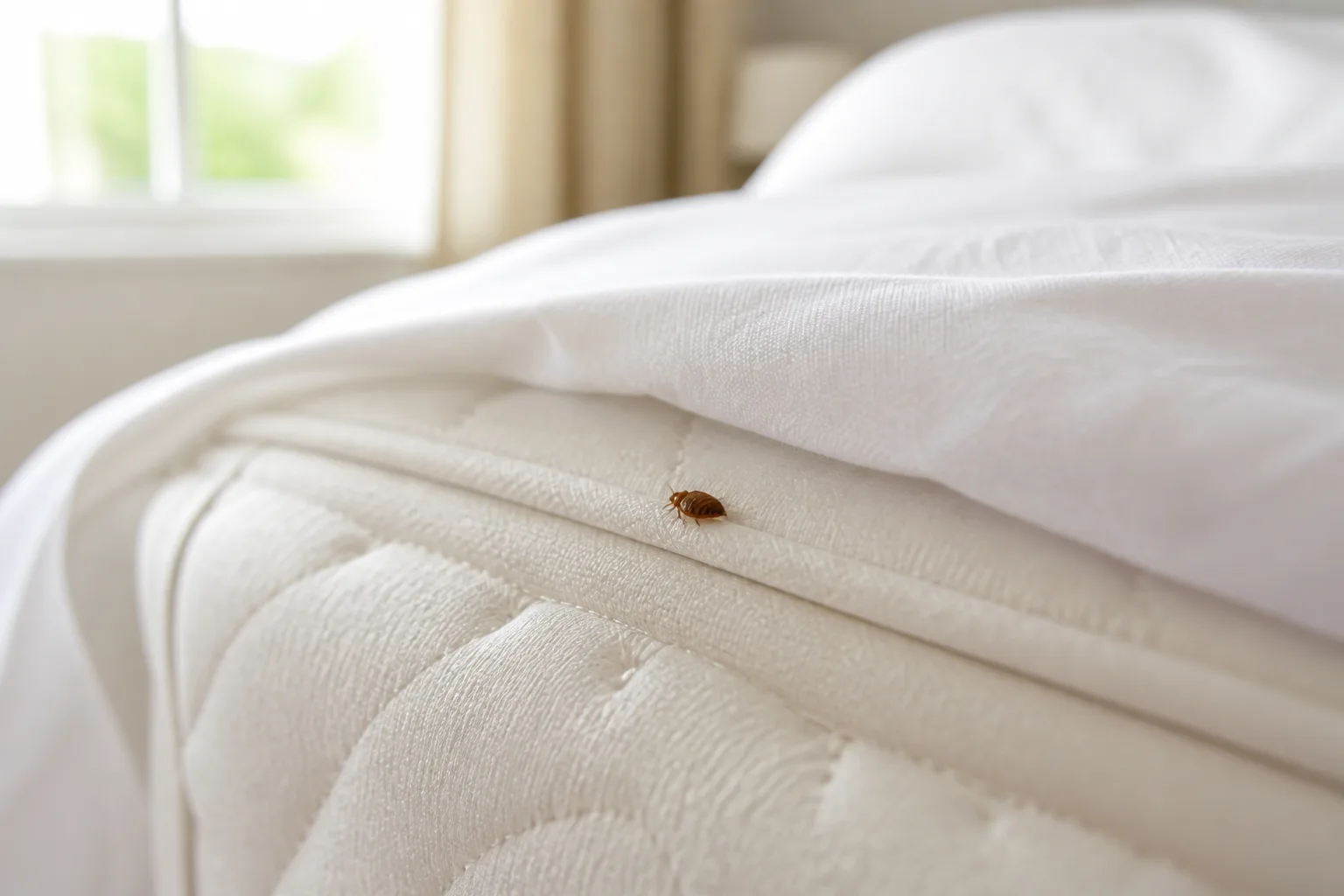
If you find a bed bug, start by confirming what it is and keeping belongings in the room where you found it. Then use several controls together: heat-treat washable items, clean and inspect likely hiding places, isolate the bed, and monitor for activity. A confirmed infestation often needs a licensed pest professional and follow-up visits; no single spray, wash, or vacuum reliably clears every hiding bug and egg.
Bed bugs are not a sign of a dirty home. They hitchhike in luggage, clothing, furniture, and other belongings, and can turn up in clean homes, hotels, dorms, and apartments. The useful question is not how quickly to empty the room, but how to keep a small problem from spreading while a complete plan is put in place.
Confirm the Infestation Before Treating
Look first at the mattress seams and tags, box spring, bed frame, headboard, and furniture beside the bed. Bed bugs hide in narrow cracks and tend to stay near a sleeping or resting place; CDC guidance says many are found close to where people sleep, though they can travel farther. Use a flashlight and inspect folds, screw holes, joints, and the underside of furniture. In heavier or longer-running infestations, widen the search to upholstered chairs, baseboards, picture frames, and adjoining rooms. (CDC bed bug information; UC IPM bed bug guidance)
An adult bed bug is flat, oval, reddish brown, and roughly the size of an apple seed; younger nymphs are smaller and paler. Look for live insects, pale eggs or egg shells, shed skins, and dark fecal spots that may look like ink dots or rusty smears on fabric or wood. A blood spot by itself is not conclusive, and a musty odor is more associated with a heavy infestation than an early one. If you can safely capture a specimen, seal it in a small clear container or bag for identification. Avoid crushing it into fabric.
Why Bites Alone Are Not Proof
Bed bug bites can be itchy red marks, but they may not appear for days, may appear in a line or randomly, or may not show up at all. Mosquitoes, fleas, and other skin conditions can look similar. CDC and UC IPM both advise looking for the insect or physical evidence rather than diagnosing an infestation from a rash. (CDC; UC IPM)
Bed bugs are not known to spread disease to people. Scratching can cause a secondary skin infection, and serious allergic reactions are rare; seek medical care if there is a severe reaction, spreading redness or warmth, pus, fever, or another concerning symptom. Treating the skin may ease itching, but it will not remove bugs from the home. (CDC clinical care guidance)
The First 24 Hours: Contain, Do Not Scatter
Take a close photo or save one specimen, note the room and exact place it was found, and contact a pest professional if the insect is confirmed. If you rent or live in a condominium or dorm, notify the building manager promptly and ask how inspections and treatment are coordinated. Responsibilities and local housing rules vary, so do not assume a neighbor or property owner has already been told.
Do not carry an uncovered mattress, laundry basket, suitcase, or pile of clothing through the home. Do not switch to sleeping in another room as a substitute for treatment; moving your sleeping place and belongings can carry bugs into a new area. Keep items in the room until they can be bagged and treated, and follow the pest professional’s preparation plan if one is scheduled. If treatment is not available right away, a consistent sleeping area is easier to monitor than several newly used rooms.
Do not throw out the bed or furniture in a panic. Most items can be treated, and a discarded mattress may spread the infestation if someone takes it. If an item truly cannot be treated and must be removed, seal or wrap it in the room, mark it clearly as infested, and follow local disposal instructions. EPA recommends careful preparation because moving objects from the infested area can spread bed bugs. (EPA preparation guidance)
Decide Whether to Call a Professional
For a confirmed bed bug, calling a pest management professional early is often the safest and most efficient choice, especially in an apartment, dormitory, shared home, or room with many hiding places. Professionals can inspect furniture and wall edges, identify the size and spread of the infestation, and select a coordinated combination of vacuuming, steam, heat, and labeled pesticides. EPA recommends hiring someone with bed bug experience who uses integrated pest management (IPM), including monitoring for bugs missed during treatment. (EPA hiring guidance)
Ask whether the company is licensed where you live, how many visits are typical, what preparation is required, which methods it plans to use, what pesticide labels and re-entry instructions apply, and how it will check whether treatment worked. Ask whether nearby units need inspection if you share walls, plumbing, or common areas. A company that promises a one-visit cure without inspecting, preparing the room, or arranging follow-up is not giving you a realistic plan.
When Professional Treatment Is the Safer Choice
Call promptly if you have found bugs in more than one room, repeated signs after cleaning, evidence in a multi-unit building, a large infestation, or a home where children, older adults, or people with respiratory sensitivities make pesticide exposure especially concerning. It is also reasonable to call before trying a do-it-yourself pesticide. EPA notes that bed bug infestations are complex and that very few are controlled with only one professional treatment. (EPA)
Professional whole-room heat treatment is different from turning up the thermostat, using a space heater, or leaving belongings in a hot car. Technicians use specialized equipment and monitor temperatures in the objects being treated, because the temperature at the center of a mattress or packed item matters more than the room’s air temperature. Heat can kill bed bugs when properly applied, but it does not prevent a later hitchhiker from bringing them back. (University of Minnesota Extension)
Prepare the Room Without Moving Bugs Around
Work from the affected room outward. Reduce clutter enough to expose baseboards, bed legs, drawers, and furniture joints, but do not dump everything into a hallway or another bedroom. Bed bugs can hide in paper, cardboard, fabric, wood, and small gaps. Removing excess clutter helps inspection, but speed matters less than keeping items contained while you sort them. (EPA preparation guidance)
Keep a simple clean-versus-untreated system: untreated items stay in sealed bags or containers; items that have completed a reliable heat treatment go into a fresh, clean bag or lidded plastic bin. Label bags by room and treatment status so no one has to guess later. Avoid cardboard boxes for clean storage because they offer folds and seams where bugs can hide. Do not place clean clothes back into an infested dresser until that furniture has been inspected and treated.
Bag Items Before Carrying Them
Bag laundry and soft goods where they are found, then carry the closed bag directly to the dryer or laundry area. If you use a shared laundry room, transport items in sealed bags and put them straight into the dryer; after treatment, move them into a new clean bag before returning home. Do not set an open basket on the floor or fold treated items on a surface that has not been checked. EPA’s preparation and travel guidance both stress sealed transport and high-heat drying. (EPA preparation; EPA travel tips)
Bag non-washable items separately and mark them for inspection or professional treatment. Do not seal damp clothes for long storage, and do not assume a tightly closed bag kills bed bugs quickly: starving them can take a long time, and eggs or hidden bugs may survive much longer than a short quarantine. Sealed storage is mainly a containment step until the item can be treated, not a dependable fast-kill method.
Heat-Treat Washable Items Correctly
For washable clothing, sheets, blankets, pillowcases, and other dryer-safe items, use the hottest dryer setting the fabric can tolerate for at least 30 minutes. EPA says high-temperature drying for 30 minutes kills bed bugs, while washing alone generally does not. The dryer is the critical step; a cool wash cycle followed by air-drying is not a substitute. Do not overload the machine, since tightly packed items may heat unevenly. (EPA integrated pest management guidance)
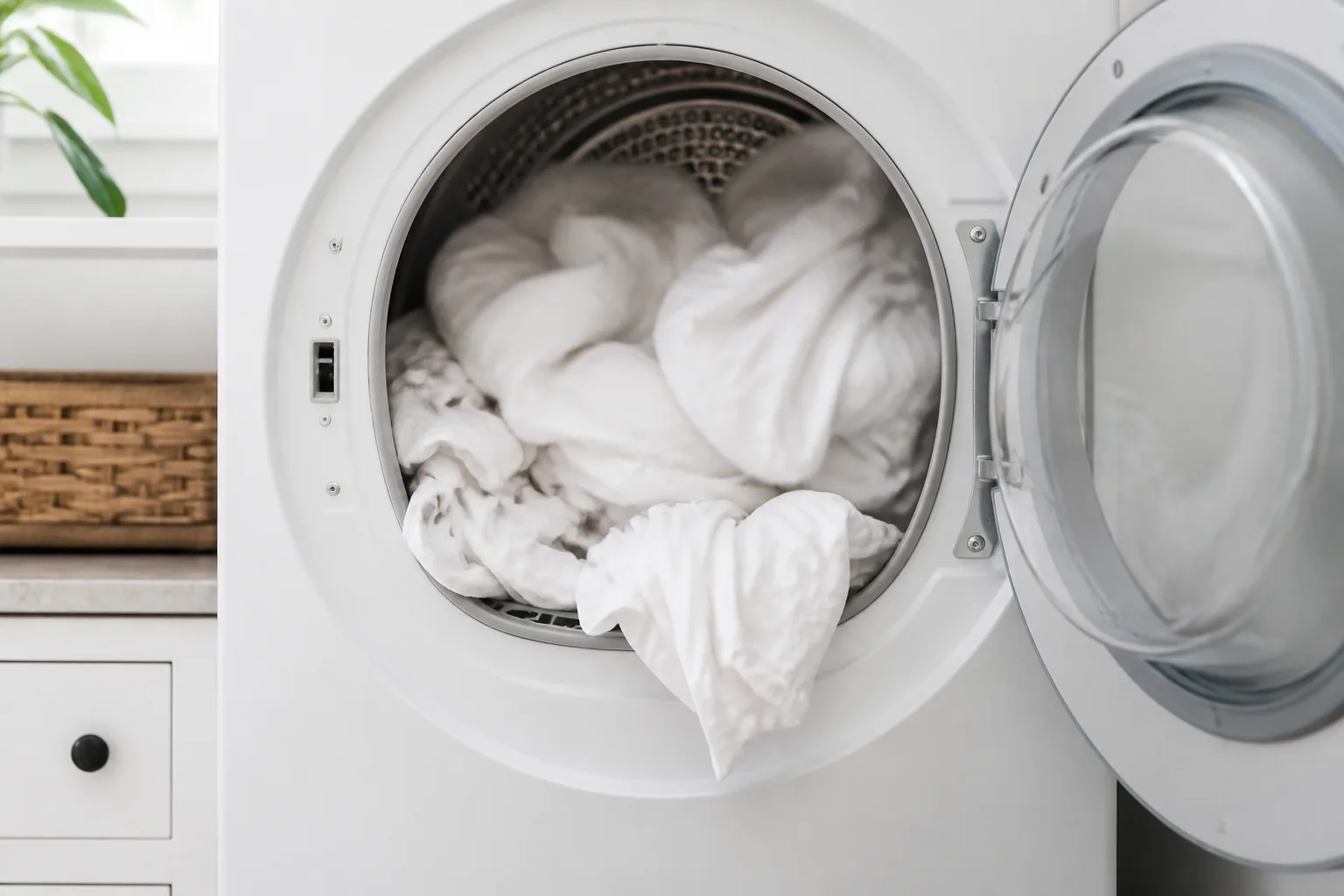
After the cycle, place treated items directly into a clean sealed bag or lidded bin. Keep them there until the room or storage area they will return to has been inspected and treated. The same approach may work for some shoes, stuffed toys, curtains, and backpacks if the care label permits high heat and the dryer can tumble the item safely. For delicate garments, leather, shoes that may warp, or objects with batteries and electronics, ask a dry cleaner or pest professional about an appropriate treatment instead of experimenting.
If you cannot dry items at home, a laundromat may be practical, but contain the trip both ways: sealed bag in, dryer first, clean bag out. Do not shake items before bagging or carry them loose through the building. If the infestation is in a shared residential building, coordinate laundry and treatment timing with management so that affected items are not carried through common areas uncontained.
Clean the Bed and Nearby Hiding Places
Vacuum mattress seams, tufts, box spring edges, bed-frame joints, nearby upholstered furniture, carpet edges, and baseboards with a crevice tool. Move slowly and inspect the nozzle when finished. Vacuuming can remove visible insects, shed skins, and some eggs, but it will not reach every crack or leave a residual barrier, so treat it as population reduction rather than eradication. Repeat it during follow-up rather than assuming one deep clean solved the infestation. (UC IPM)
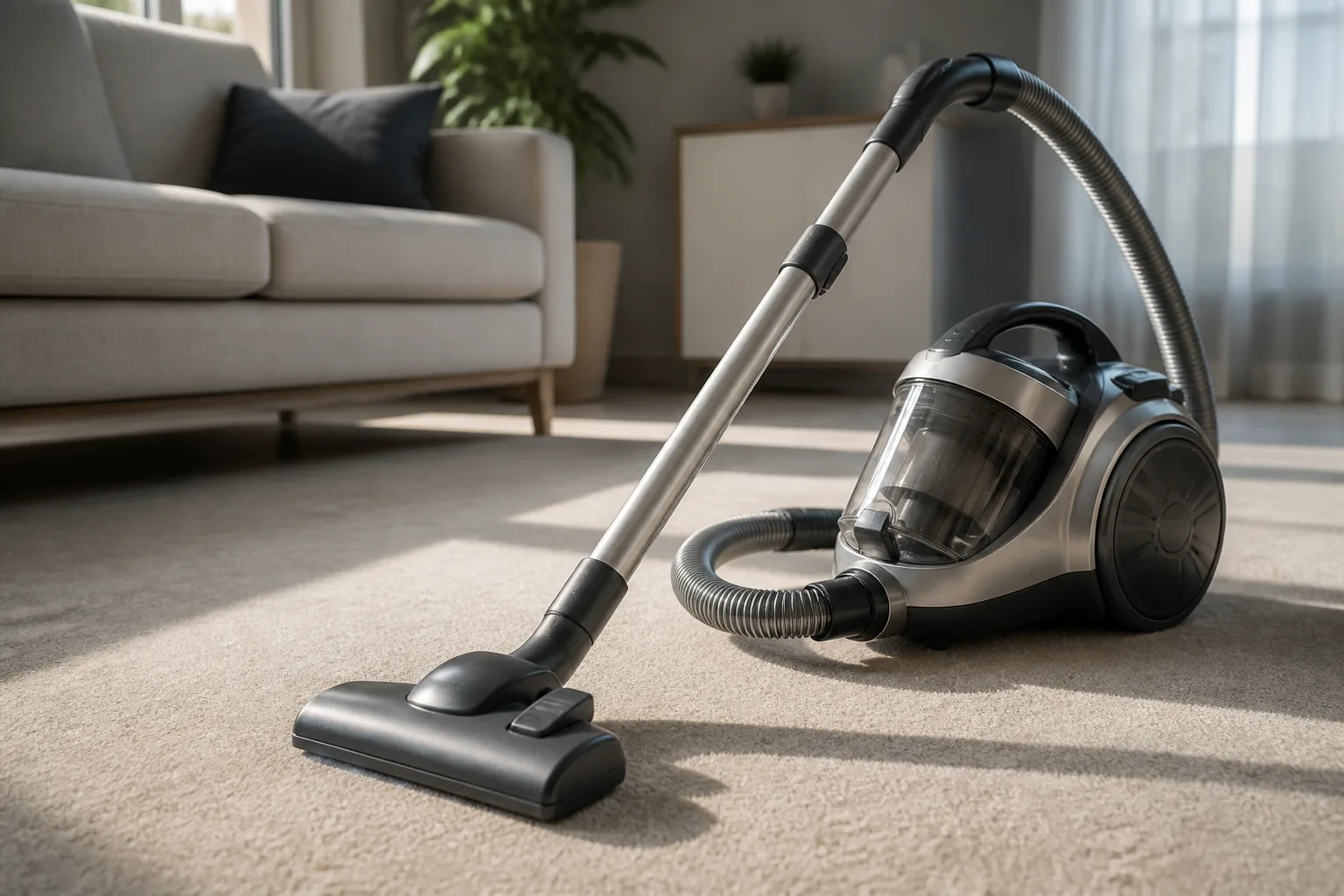
When finished, empty a bagless vacuum into a sealed plastic bag outside or remove and seal the disposable bag immediately; discard it in an outdoor bin. Clean the canister or nozzle only as the manufacturer permits. Do not use a brush head that might flick bugs into another area, and do not dismantle electrical outlets or appliances to reach a suspected hiding place. Those areas are better handled by a trained professional.
Steam can kill bugs and eggs that it reaches on seams, furniture, and cracks, but a steam cleaner is not a whole-room treatment. EPA recommends steam at a minimum of 130°F with a diffuser and without forceful airflow, which can scatter bugs. Move slowly enough for heat to penetrate, test fabric first, and avoid soaking wood or upholstery; damp materials can develop mold. Do not use steam on electrical devices or surfaces that could be damaged by heat or moisture. (EPA DIY guidance)
Make the Bed an Island
Once you have cleaned and inspected the bed, reduce the routes bugs can use to reach it. Move it several inches from the wall, remove stored items from beneath it, and keep blankets and sheets from touching the floor. Check that the headboard, bedside table, and nearby curtains are not bridging from the wall to the bed. This setup will not kill bed bugs by itself; it creates a clearer place to inspect and makes interceptors useful. (EPA preparation guidance)
Use Encasements and Interceptors as Barriers and Monitors
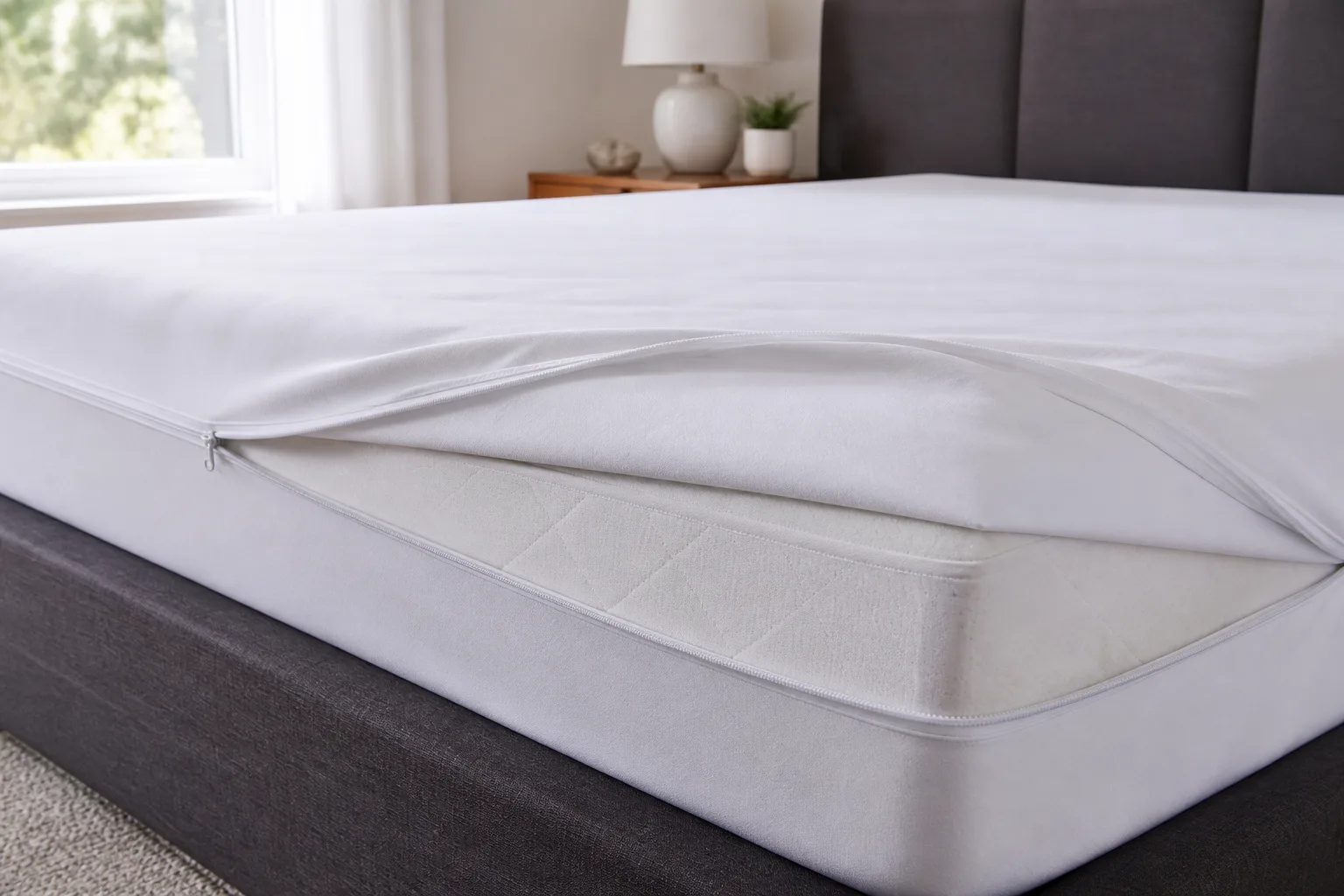
A bed-bug-proof encasement completely surrounds a mattress or box spring with a strong, zippered cover. A normal mattress protector that covers only the top is not an encasement. If you use one, choose a model designed for bed bugs, close the zipper fully, inspect it for tears, and keep it on for the period specified by the manufacturer or pest professional. A cover can trap bugs already inside the mattress and remove hiding seams from use, but it will not treat the bed frame, headboard, or room. (EPA; University of Minnesota Extension)
Place a bed bug interceptor beneath every bed leg and keep each cup clean and unobstructed. Inspect them at least weekly at first, record what you find and where, and make sure no bedding or furniture touches the floor or wall as a bridge. Interceptors help detect bed bugs and can trap some that climb the legs, but they do not catch bugs that reach the bed by another route. EPA advises keeping them in place for ongoing post-treatment monitoring; one empty cup on one quiet night is not proof that the infestation is gone. (EPA preparation guidance)
Use Steam or Freezing Only When Conditions Are Right
Home freezing is easy to overestimate. A freezer needs to maintain a sufficiently low temperature for days, and the item’s center must reach that temperature; putting a bag outdoors on a cold night or leaving a suitcase in a garage does not establish that every bug is dead. EPA pages give slightly different schedules for household freezing, and many home freezers do not stay cold enough. If you try it, check current EPA or extension directions with a thermometer and use the more conservative time-and-temperature conditions; for valuable or bulky items, use professional treatment. (EPA IPM guidance; EPA DIY guidance)
Sunlight, a parked car, a hair dryer, and a household space heater are not controlled heat treatments. Temperatures vary with weather, shade, item thickness, and airflow, and hidden parts may never reach a lethal temperature. A room can also become dangerously hot or create a fire risk before the center of a mattress or packed bag is treated. Use a clothes dryer for compatible soft goods and leave whole-room or bulky-item heat to trained technicians.
Use Pesticides Only as Labeled
If you are in the United States and choose a pesticide, use a product registered by EPA with bed bugs named on the label. Check that the label also permits the exact location or surface you intend to treat, such as cracks, bed frames, or mattresses; a product labeled for walls or baseboards is not automatically safe on bedding. Follow all amounts, protective equipment, drying times, ventilation, and re-entry instructions. Never apply pesticide to a person, and never use an outdoor product inside. The label is the use instruction, not a suggestion. (EPA pesticide safety guidance)
Do not spray the whole room, mattress, clothing, or toys unless the label specifically allows that use. More product or more frequent applications do not make treatment more effective, and bed bugs may be resistant to some pesticide classes. EPA recognizes multiple product types, but a product’s registration does not mean it is right for every hiding place or a complete plan. Use pesticides as one part of IPM, alongside cleaning, heat, sealing routes, and monitoring; ask a professional or local extension office if you cannot interpret the label. (EPA pesticide overview; EPA effectiveness guidance)
Shortcuts That Can Make the Problem Worse
Do not rely on bug bombs or total-release foggers. Their mist may not reach bugs hiding in cracks and seams, so EPA says they should not be the sole bed bug control method. Misuse can also expose people and pets or cause a fire or explosion. If you consider using a fogger at all, bed bugs must be on its label, and every label instruction about quantity, ignition sources, evacuation, and re-entry must be followed exactly. (EPA fogger guidance)
Skip rubbing alcohol, gasoline, kerosene, homemade sprays, and unregistered powders. EPA warns that rubbing alcohol is flammable and has caused house fires; food-grade or pool-grade diatomaceous earth can create an inhalation hazard and is not a substitute for an EPA-registered pesticide product. If a labeled desiccant is used, follow its label and keep dust out of the air and away from sleeping surfaces unless the label explicitly permits that use. (EPA legal and safety guidance; EPA desiccant guidance)
Monitor Progress and Follow Through
Bed bug control is a process, not a single cleaning day. Inspect mattress seams, bed-frame joints, interceptors, and the same nearby harborages on a regular schedule. Note the date, room, and evidence found; a simple log helps you and a professional tell whether activity is declining, persisting, or appearing in a new place. Look for live insects and fresh signs, not just old spots left from before treatment.
If you see activity after a treatment, do not immediately spray a different product or move everything to another room. Contact the pest professional, show the log or specimen, and ask whether the finding reflects missed bugs, newly hatched nymphs, an untreated area, or reintroduction. Some pesticides do not kill eggs, and treatments may need a planned repeat visit. EPA recommends checking every few days after initial cleanup and continuing monitoring to confirm control. (EPA DIY guidance; EPA IPM guidance)
Keep interceptors beneath bed legs and the encasement intact for the period your professional recommends. EPA advises using interceptors for at least a year as part of post-control monitoring; that long monitoring window is a reason not to call an infestation gone after a few bite-free nights. If a live bug appears, save it if possible and get the treatment plan reassessed rather than assuming the original method was simply too weak. (EPA preparation guidance)
Prevent Bed Bugs From Traveling Home
When staying in a hotel or guest room, keep luggage on a rack away from the bed and floor while you inspect the mattress seams, headboard, and luggage rack. You do not need to dismantle the room; use a flashlight and look for live bugs, shed skins, and dark spotting. If you find evidence, keep bags closed, tell the lodging manager, and ask to move to a room that is not adjacent to the affected one. (EPA travel tips)
At home, unpack directly into the washer or dryer area, use high heat for dryer-safe clothing, inspect luggage seams, and store suitcases outside the bedroom when possible. Do not spray luggage with a household pesticide unless its label specifically permits that use. Before bringing home secondhand furniture, inspect seams, joints, drawers, and undersides; avoid curbside mattresses and upholstered furniture with unknown history. If you must discard an infested item, wrap or mark it so no one else picks it up. (EPA home protection guidance)
Routine cleaning is useful because it makes inspection easier, not because bed bugs only choose untidy rooms. Keep sleeping areas uncluttered enough to see edges and seams, reduce cardboard storage, and check travel bags after trips. If you share a building, report suspected activity early so the affected unit and nearby areas can be assessed together; treating only one room while an untreated source remains can allow the problem to return.
Conclusion
The reliable path to getting rid of bed bugs is to confirm the insect, contain belongings, treat items with methods that actually reach their hiding places, and keep monitoring after the first cleanup. Dryer heat works well for compatible fabrics; vacuuming, careful steam, encasements, and interceptors support the larger plan. They are not substitutes for a thorough room inspection when bugs are established.
Use a bed bug-experienced professional early for confirmed, recurring, or multi-unit infestations, and follow the pesticide label exactly if any product is used. Keep records, follow through on repeat visits, and leave monitors in place long enough to catch activity that a quick visual check can miss. That steady, coordinated approach is safer and more reliable than a rushed spray or throwing away the bed.



