Best Garden Plants of 2025: 18 Top Picks
Compare 18 garden standouts from 2025 by sunlight, season, care needs, and garden use before choosing flowers, shrubs, or vegetables.
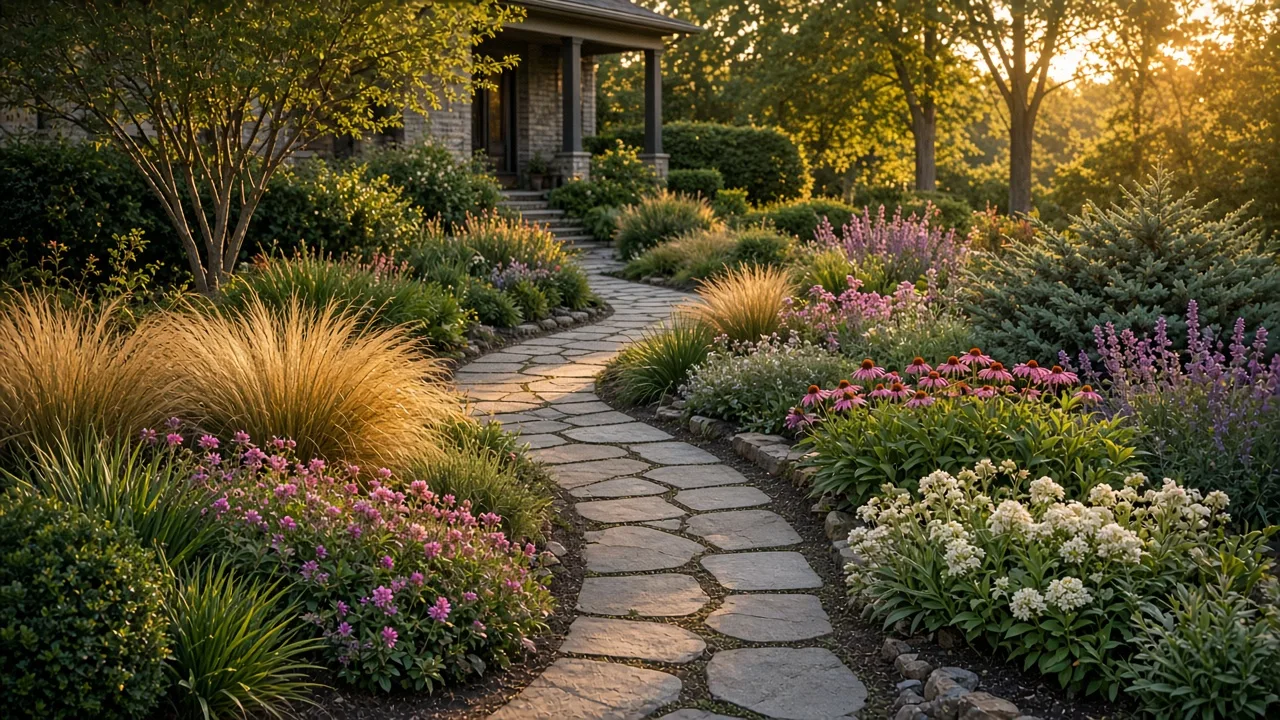
The best plant for your yard is the one that fits its light, soil, climate, and the time you want to spend caring for it. A spectacular dahlia can be a poor choice for a waterlogged bed; a dependable hosta will disappoint in scorching afternoon sun; and a compact hydrangea is still too large if its mature width blocks a path.
This 2025 class of garden favorites spans vegetables, annual flowers, hardy perennials, bulbs, and a frost-sensitive shrub. Treat the awards below as an editorial shortlist, not the result of a controlled trial or a universal ranking. The useful question is not simply which plant looks best, but whether its strengths match your growing conditions and what you want from the garden.
Fast answer: choose by site, season, and effort
For a bright, long-blooming focal point, consider dahlias, zinnias, or snapdragons in a season and climate that suit them. For shade, hostas and bleeding hearts offer foliage and spring flowers; for a sunny perennial border, black-eyed Susan, peony, creeping phlox, bee balm, and agastache offer different heights and bloom periods. Tomatoes, peppers, and marigolds fit an edible garden, while bougainvillea is best for warm, frost-free sites or a container that can be protected in winter.
Before buying, check five things on the plant label or a reliable local reference: mature size, hours of direct sun, soil drainage, winter hardiness, and whether the plant is annual, hardy perennial, tender perennial, or bulb. Those details prevent the common mistake of treating every ‘favorite’ as easy, perennial, or suitable across the country. A hardiness zone helps screen for winter survival, but it does not tell you whether a plant will tolerate summer humidity, reflected heat, wet soil, or a shady corner.
Dahlia — best for a long summer flower show
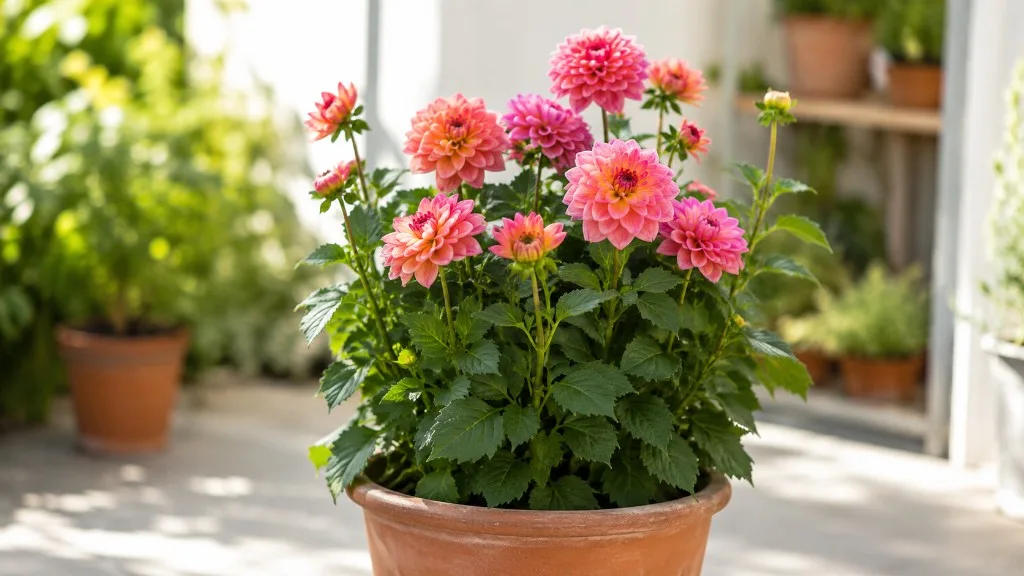
Dahlias earn a spot when you want bold flowers in many shapes and colors from summer into fall. They suit beds and larger containers, but they are not a plant-and-forget-it perennial in every climate: dahlias grow from tender tubers, and gardeners in cold or wet-winter areas often lift and store those tubers or buy new ones each spring. The Royal Horticultural Society recommends a warm, sunny, sheltered site with fertile soil that stays moist but drains freely; waterlogged soil can rot tubers.
Choose the type before you choose the color. Short bedding dahlias are easier to fit into pots and the front of a border, while tall dinner-plate and decorative forms need room and often support. Install a stake or cage at planting so you do not pierce an established tuber later.
In containers, use a large pot with drainage and expect to water more often than you would an in-ground plant. If you want flowers for pollinators, look for simpler single blooms; densely doubled flowers may hide pollen and nectar. The Royal Horticultural Society’s dahlia guide covers choosing, planting, watering, and winter care.
Chrysanthemum — best for a late-season encore
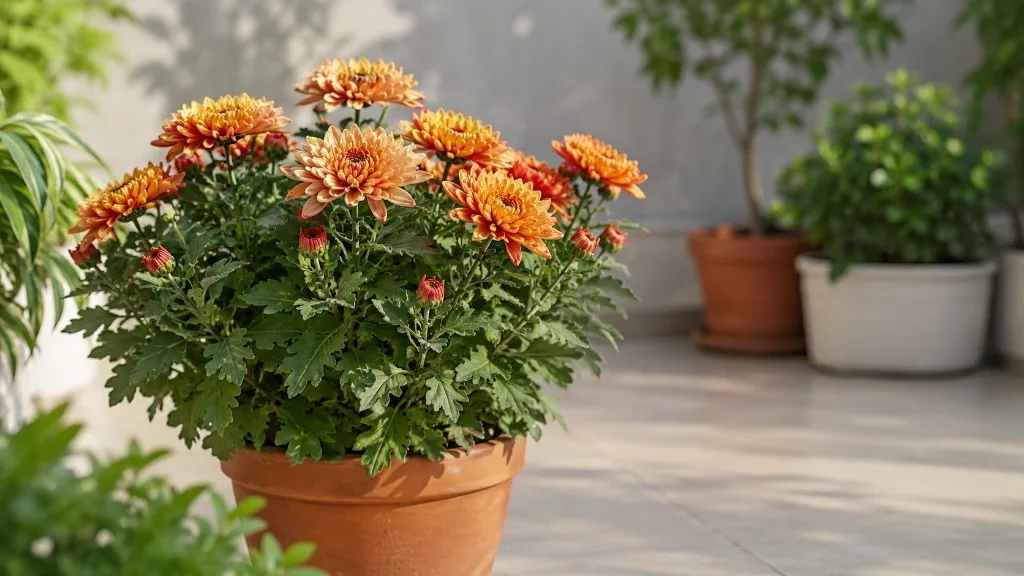
Garden mums add color after many summer flowers fade, which makes them valuable for a fall display rather than an all-season performer. The key is to distinguish hardy garden cultivars from florist mums bred primarily for a short indoor or seasonal display. A potted mum may survive outdoors, but a label that does not identify its hardiness or intended use is not a guarantee it will return in your climate.
For a perennial planting, choose a cultivar rated for your winter conditions and plant it early enough for roots to establish before the ground freezes. Give it sun and drainage; wet winter soil can be as damaging as cold. If you mainly want a porch accent for a few weeks, a container mum is a perfectly reasonable seasonal purchase.
Remove spent flowers for a tidier display, but do not assume that pinching or deadheading will make every variety bloom all summer—the plant’s natural flowering response is tied to its cultivar and shortening days. A cold-hardy perennial guide from Better Homes & Gardens reinforces the need to check a cultivar’s actual hardiness instead of relying on its common name.
Tomato and pepper — best edible pairing
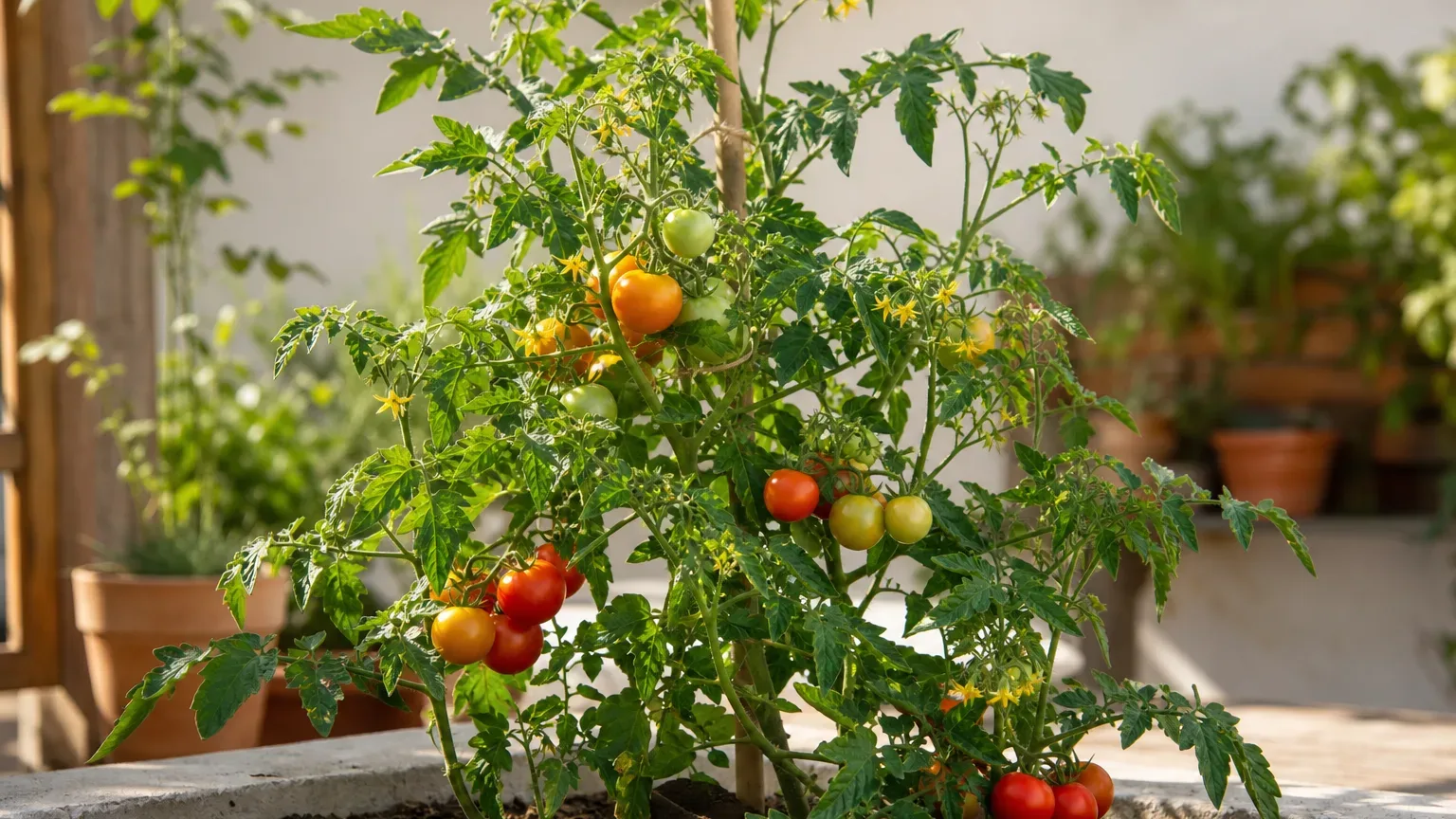
Tomatoes and peppers share useful growing conditions: both are warm-season crops that need strong sun, fertile soil, and steady moisture while fruit develops. Growing them in the same bed can make watering and staking simpler, and their different forms can use space well when planned. Put taller tomatoes where they will not shade peppers, leave room for air to move through the foliage, and install cages or stakes before stems become heavy.
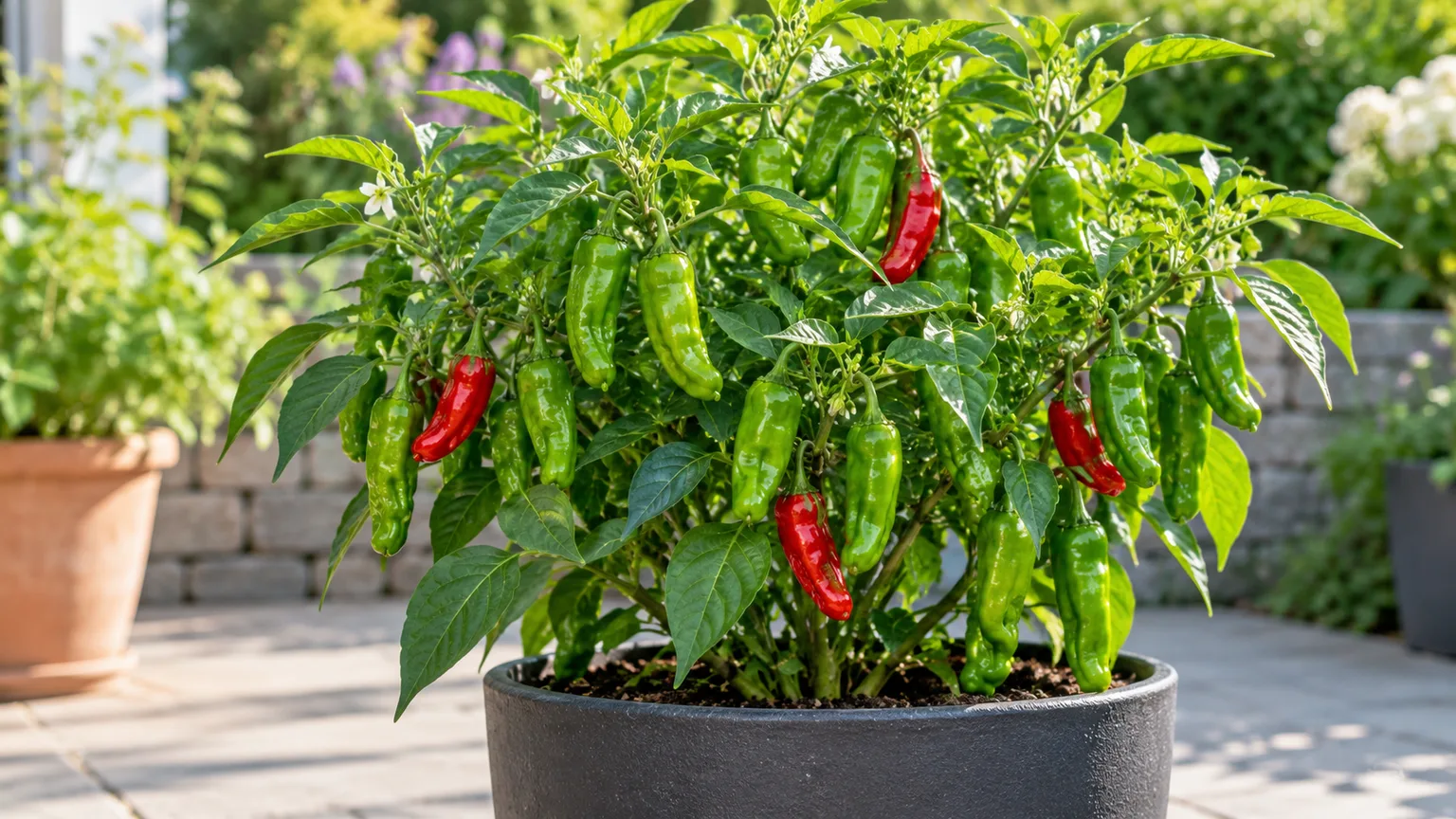
They are relatives in the nightshade family, so pairing them does not automatically prevent disease or repel pests. Rotate the whole crop family together when you can rather than moving tomatoes one year and peppers the next into a bed that held another susceptible relative. Avoid shallow, erratic watering: a consistent root-zone moisture level is easier on fruit than cycles of severe drying followed by soaking.
For a small patio, select compact varieties and large containers, then account for more frequent watering and the need for regular feeding according to the product label.
Marigold — best companion flower, with realistic expectations
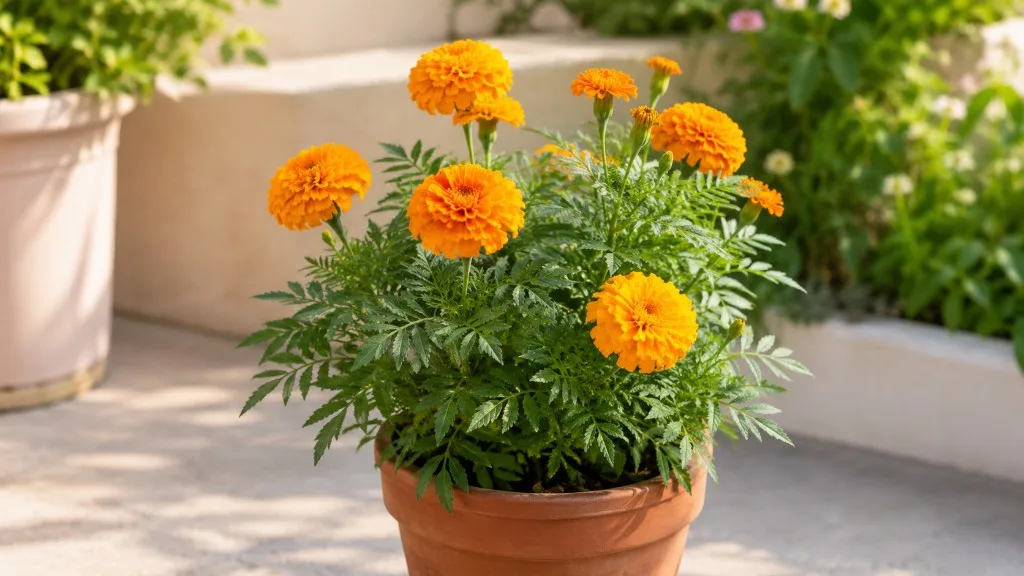
Marigolds are cheerful, relatively quick annuals that can tuck between vegetables, fill a pot, and bring color to an edible garden. Their flowers also attract visiting insects, but that does not make a marigold a dependable shield against every pest. Companion planting claims are often broader than the evidence: a border of marigolds will not replace crop rotation, spacing, monitoring, or identifying the insect before taking action.
Use marigolds because they fit the bed and you like their flowers, with possible insect benefits as a bonus rather than a guarantee. Choose a height and spread that will not crowd tomato or pepper stems, and avoid planting them so tightly that airflow suffers. Their roots and flowers do not make every neighbor safer by default; the strongest garden plan combines diverse flowering plants with sound crop care and targeted responses when a problem appears.
Bougainvillea — best warm-climate color
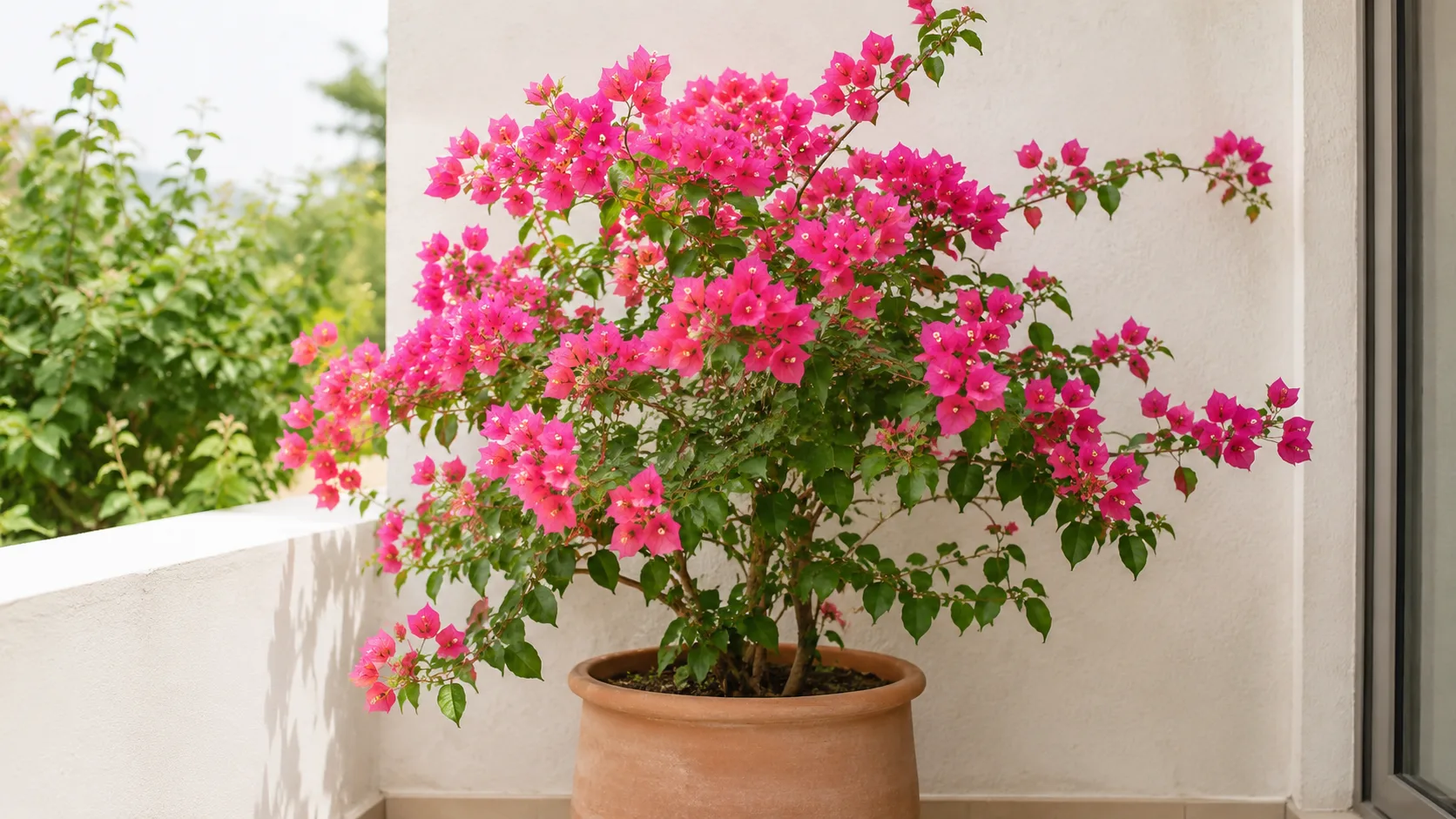
Bougainvillea brings a dramatic cascade of bright color to a sunny wall, trellis, or patio container, especially where winters are mild. The vivid display comes from colorful bracts surrounding small flowers. Its main limitation is cold: it is a frost-sensitive woody vine or shrub in much of the United States, so gardeners outside warm regions usually grow it in a container and move it to a protected, bright place before freezing weather.
Give it direct sun, sharp drainage, and a sturdy support; mature stems can be thorny, so place it away from narrow paths and play areas. Let the growing medium dry somewhat between waterings rather than leaving the pot in a saucer of water. A bougainvillea that produces leaves but few bracts may be getting too much shade, too much fertilizer, or inconsistent seasonal conditions.
Prune to shape after its flowering cycle, and use gloves when handling thorny stems.
Snapdragon — best cool-season annual color
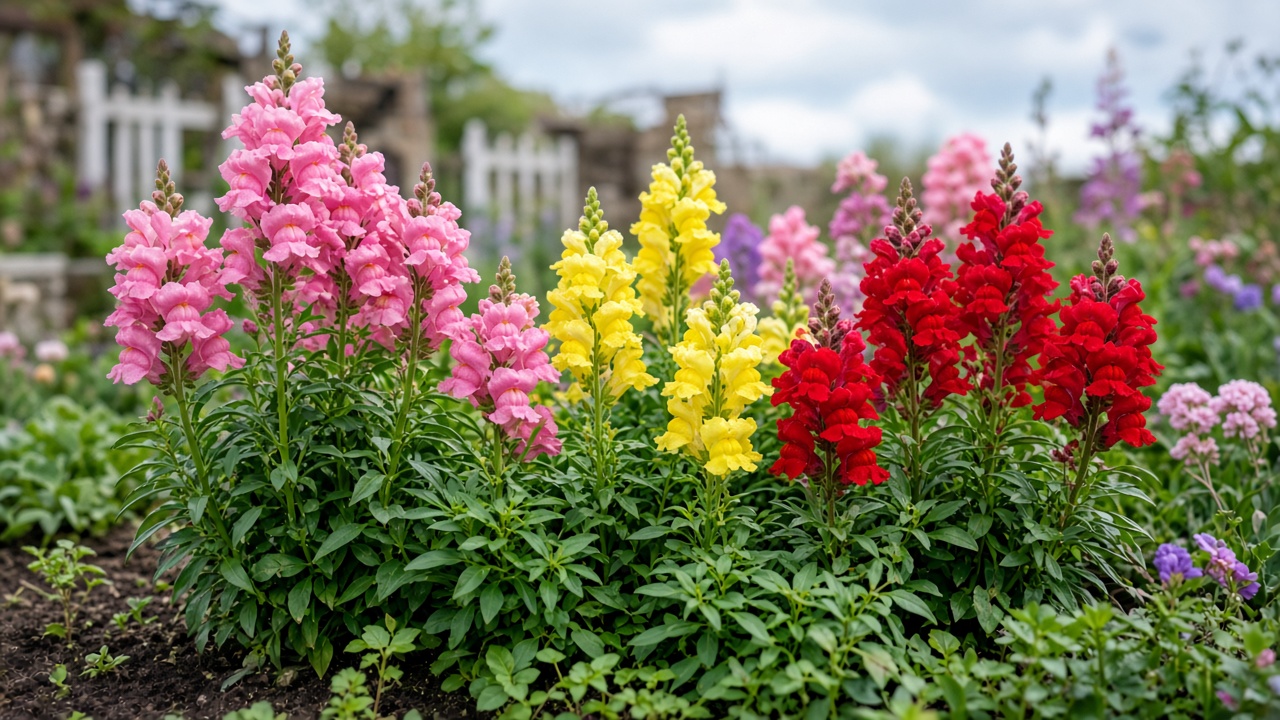
Snapdragons bring upright flower spikes to spring and fall beds, and their height makes them useful behind low annuals. They generally perform best when temperatures are cool to mild. In regions with hot summers, plants may pause, look ragged, or stop flowering through peak heat, so treat them as a cool-season display rather than promising color from spring through frost.
Plant them in sun and well-drained soil, water at the base when the root zone begins to dry, and remove spent spikes if you want to encourage another flush. Taller varieties may need support in exposed sites. In mild-winter areas, snapdragons can sometimes persist or self-seed, but that behavior depends on climate and cultivar.
A spring planting is a safer bet in cold-winter areas; a late-summer planting can extend the display where fall stays mild.
Miniature rose — best small-scale focal point
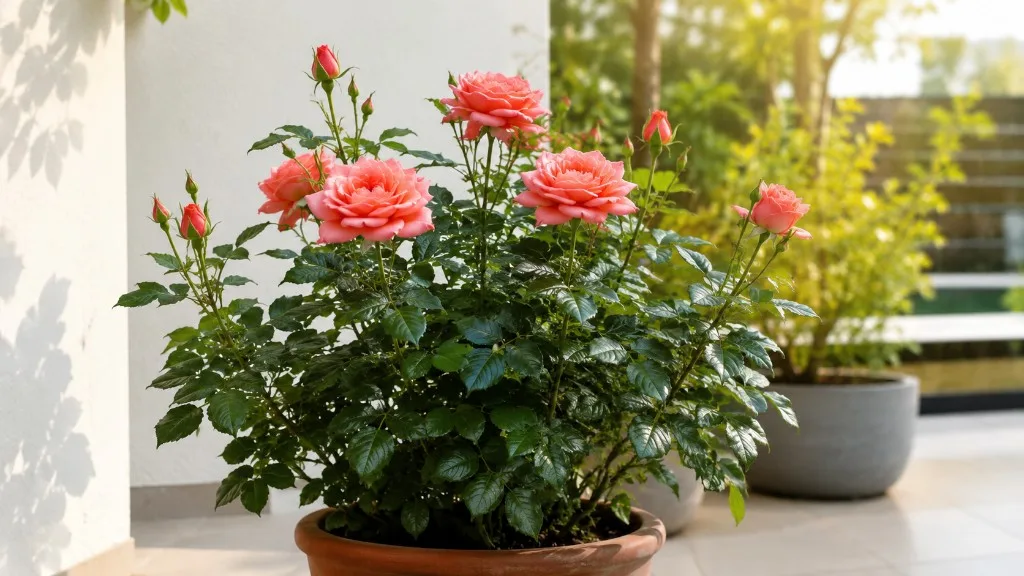
Miniature roses give a small border, patio pot, or sunny balcony the shape and repeat bloom of a rose on a smaller scale. Their size does not mean they need no care. Like other roses, they benefit from several hours of sun, soil that drains, water directed to the root zone, and enough space for air circulation.
A crowded plant that stays wet around its leaves is more likely to struggle with fungal problems.
Choose a cultivar for your climate and intended location, not only for the flower color on the tag. A miniature rose grown in a pot dries out faster than one established in a bed and may need winter protection in a colder region. Remove dead or damaged growth and shape lightly rather than shearing blindly.
Inspect new shoots for aphids and leaves for spotting; identify the cause before spraying, since a quick chemical response can harm beneficial insects without solving the underlying issue.
Tulip — best spring opener
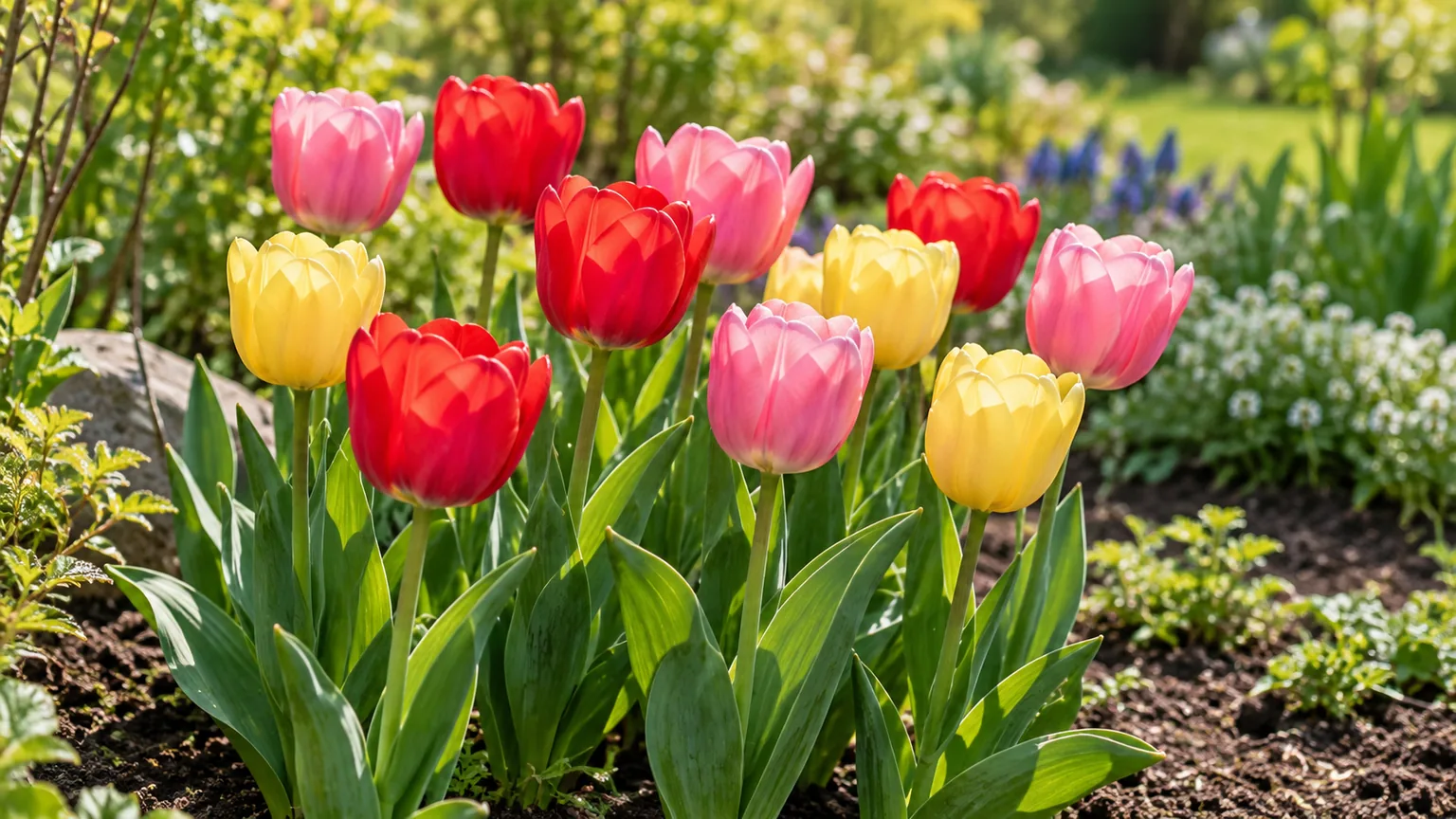
Tulips can make a bed feel suddenly alive in early spring, when their clear colors stand out against bare soil and emerging foliage. Their show is brief by design, so they are a seasonal bulb rather than a summer-long flower. Plant bulbs in fall at the depth and spacing on the package, in a site where water drains away; persistently wet soil encourages bulb rot.
If you want tulips to return reliably, choose cultivars and species suited to naturalizing in your climate and accept that results vary. Many showy hybrid tulips are most dependable in their first spring and may produce smaller or fewer flowers later. Let foliage yellow naturally after flowering so the bulb can replenish, or plan the planting as an annual display and replace bulbs when the show declines.
Do not braid or cut green leaves early just to tidy the bed.
Hosta — best shade anchor
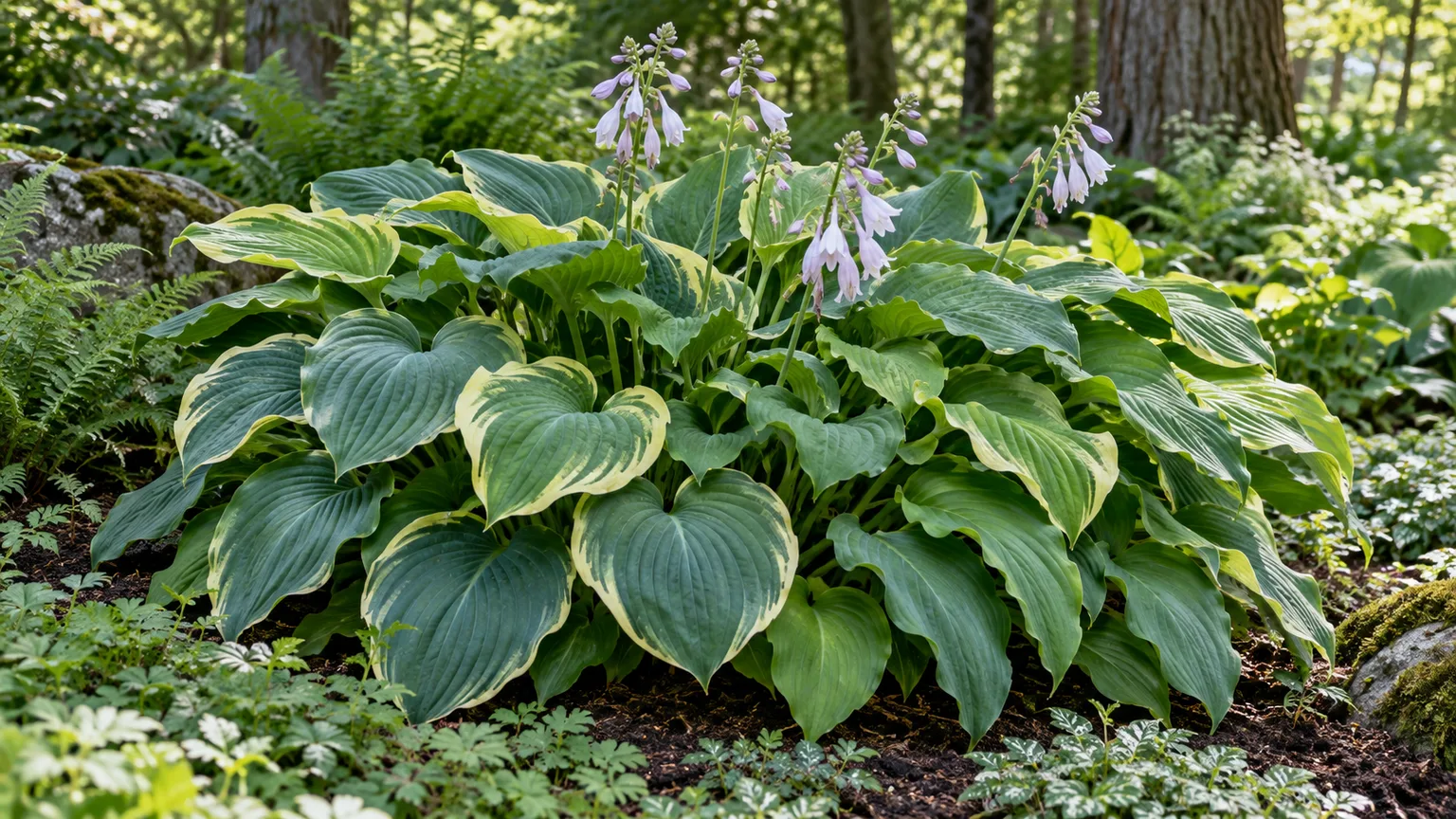
Hostas provide dependable foliage in shady beds, with options from small edging clumps to broad leaves that anchor a woodland-style planting. Their leaf color, texture, and mature size vary widely, so choose the cultivar for the space rather than assuming every hosta stays compact. Most do well with morning sun or bright shade and soil that remains evenly moist but drains.
Some hostas tolerate more sun if moisture is reliable, but hot afternoon exposure can scorch leaves, especially on thin-leaved varieties. Better Homes & Gardens also identifies hostas as a shade-garden staple and recommends evenly moist, well-drained soil in its cold-hardy perennial guide.
Give a new plant room to reach its listed width and keep mulch away from the crown. Hostas are not a solution for every difficult shady spot: dry tree roots, reflected heat, and compacted soil still need attention. Slugs and deer can also be persistent visitors.
If deer browse the bed, protect young hostas with a barrier or choose a less tempting plant for the most exposed area rather than expecting a “resistant” label to guarantee safety.
Black-eyed Susan — best sun-loving perennial
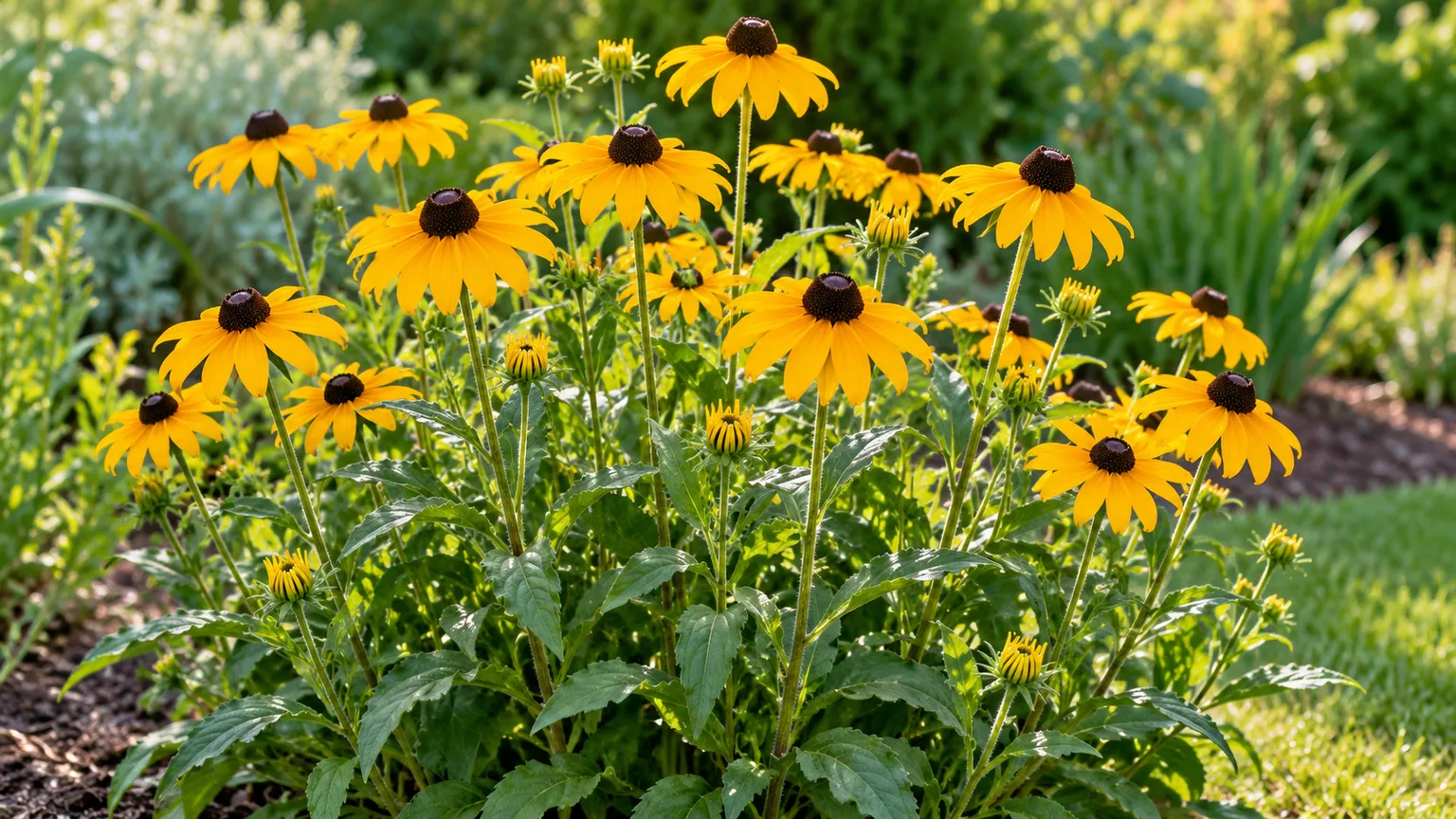
Black-eyed Susan is a cheerful choice for a sunny border, where its gold petals and dark centers bridge the gap between summer and fall. The name covers several Rudbeckia species and cultivars, so check the botanical name, mature height, and hardiness rather than assuming every packet behaves identically. Many are resilient once established, but a new planting still needs watering as roots spread.
Plant it where stems receive enough sun and where you can tolerate some self-seeding. Leaving seed heads standing into winter can add structure and provide food for birds; cutting everything back immediately is optional, not mandatory. If you want a neat edge, deadhead some flowers and remove seedlings that appear outside the bed.
For ecological value, select plants appropriate to your region and favor locally suitable species over relying on a common name alone.
Bleeding heart and peony — best spring contrast
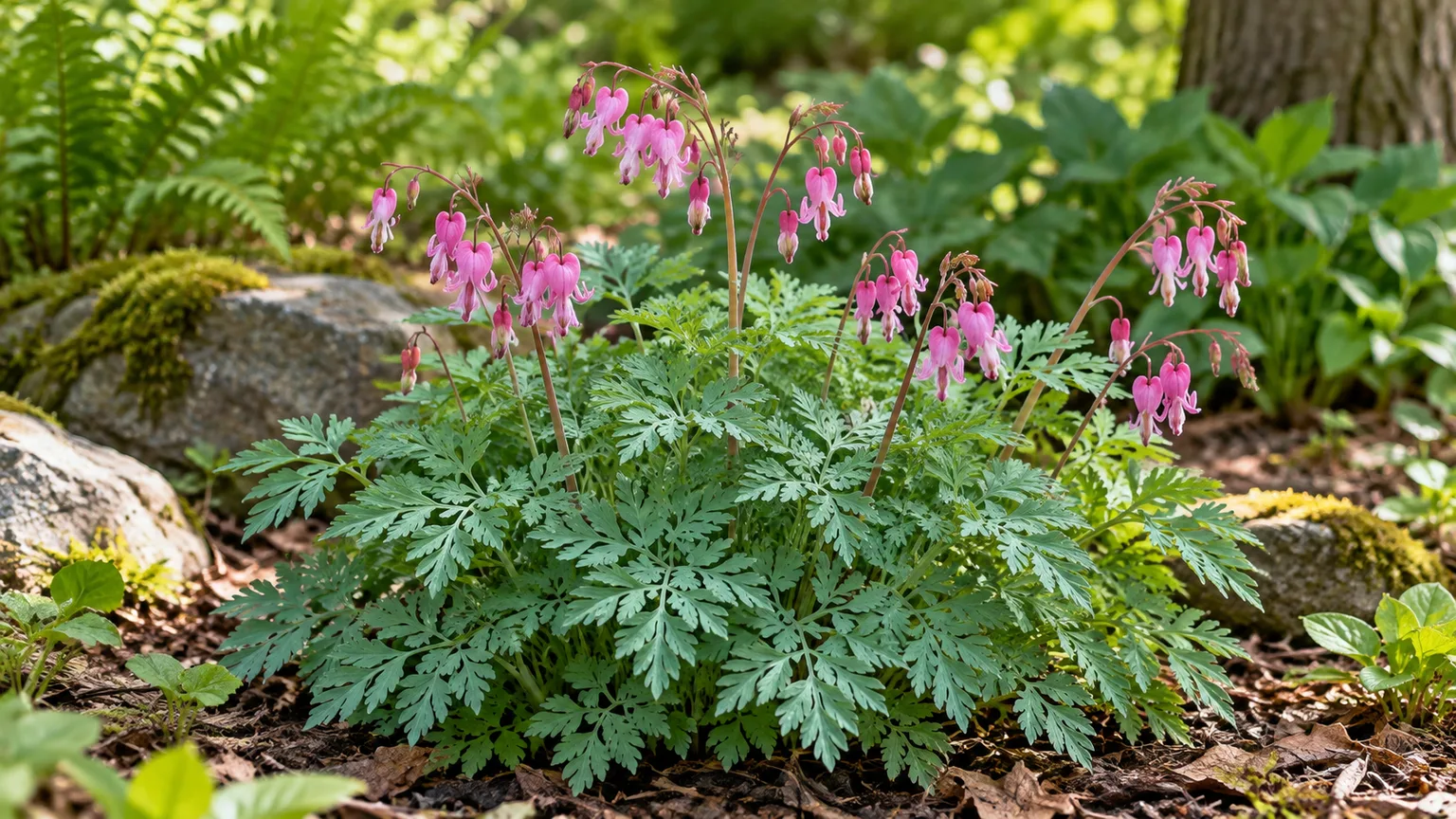
Bleeding heart and peony make a strong spring pairing because they offer contrasting forms: arching stems with heart-shaped blooms beside large, rounded flowers. Bleeding heart generally suits a cool, partly shaded spot with moisture that does not stagnate. Peonies prefer more sun and good drainage, so they are not automatic bedmates just because they flower around the same season.
Place them according to their own needs, then use other plants to bridge any differences in light.
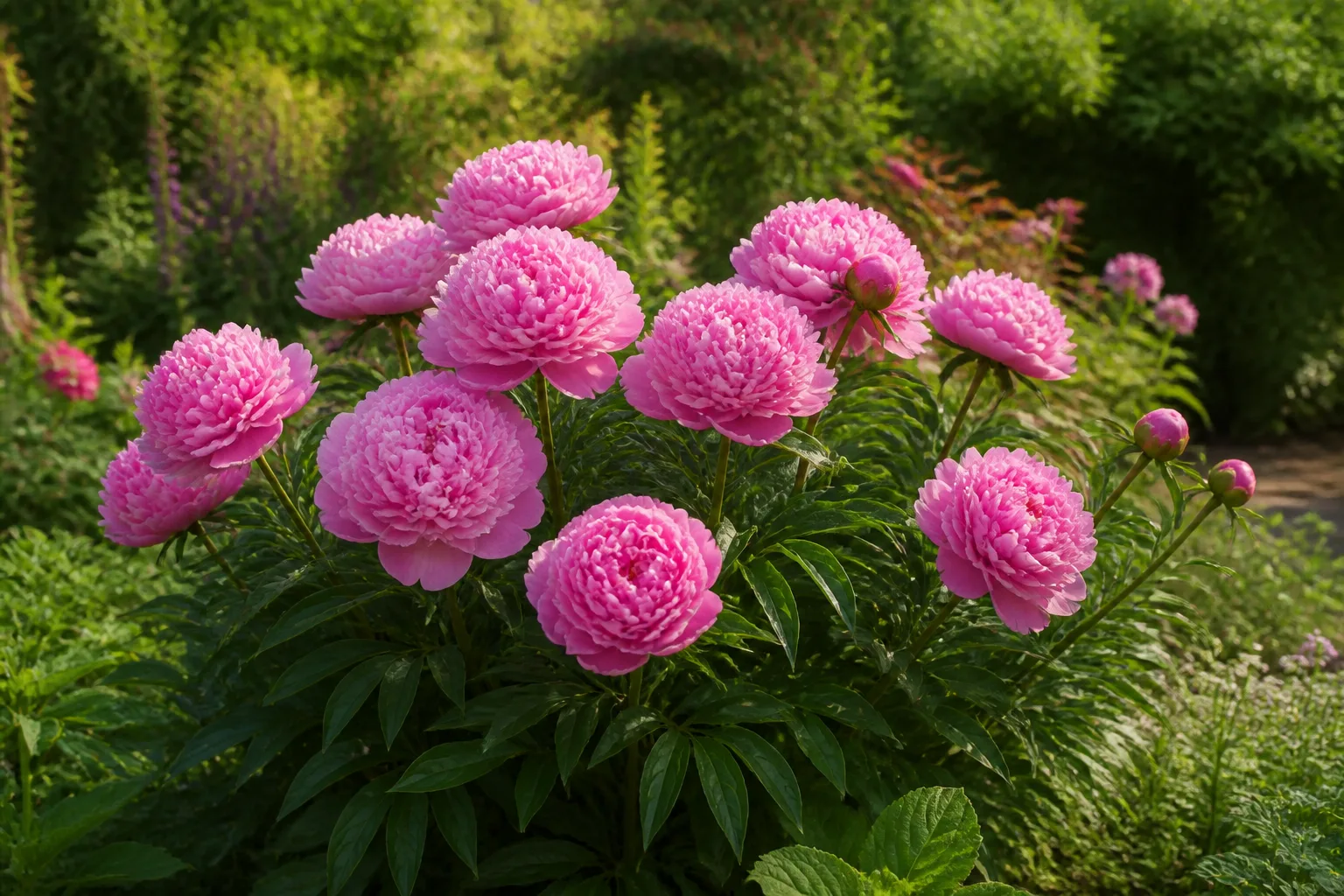
The important planning detail is what happens after bloom. Some bleeding hearts lose their foliage or go dormant as summer heat arrives; do not mistake that seasonal retreat for sudden death or fill the gap with another plant that needs the same space. Peonies can live for years in a suitable site, but they dislike repeated disturbance.
Give them room, avoid burying the eyes too deeply, and install support early if a heavy-flowered variety tends to flop after rain.
Hydrangea — best shrub-scale color

Hydrangeas give a garden height, structure, and large flower clusters, but “hydrangea” is not one care recipe. Bigleaf, panicle, smooth, oakleaf, and climbing hydrangeas differ in sun tolerance, mature size, bloom timing, and where flower buds form. Identify the type and cultivar before pruning; a well-meant cut at the wrong time can remove next season’s flowers.
The familiar blue-to-pink color change applies to some bigleaf hydrangeas, not every species. In those cultivars, soil chemistry and aluminum availability influence whether flowers lean blue or pink; white-flowering hydrangeas do not become blue simply because the soil is acidic. Gardenia’s guide to ‘Endless Summer’ bigleaf hydrangea notes that this cultivar prefers partial shade, consistent moisture, and well-drained soil, but those details should not be transferred wholesale to a panicle or oakleaf hydrangea.
Match the plant’s mature width to the site and give it afternoon protection where summers are hot.
Zinnia — best quick annual payoff
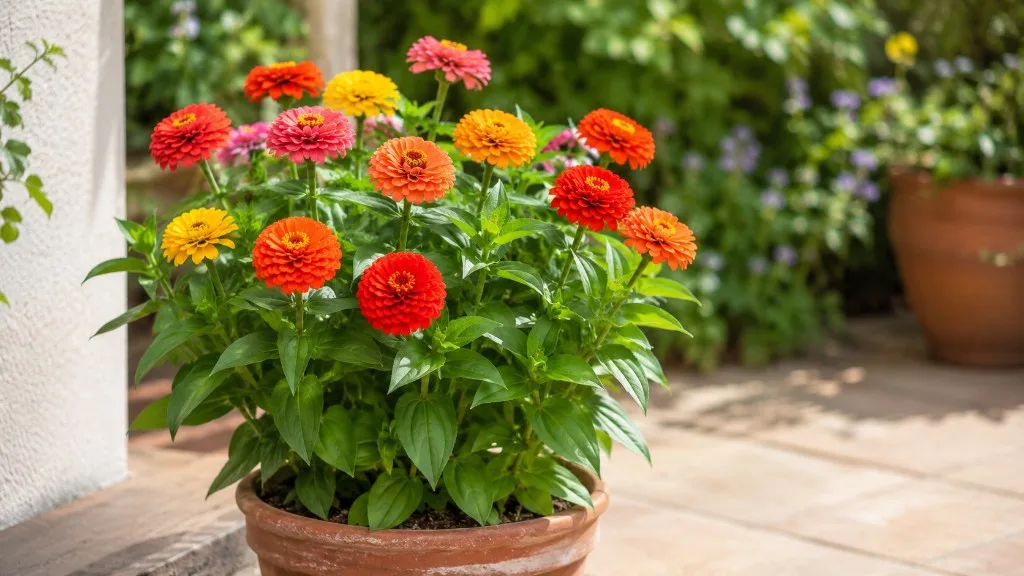
Zinnias reward a sunny spot with fast growth, bright blooms, and flowers that are easy to cut. They are annuals, so plan to sow or buy new plants each year unless you save seed. Direct-sow after frost danger has passed or transplant young plants without disturbing roots more than necessary.
Give them space: dense foliage that stays wet can invite leaf disease and shorten the display.
University of Minnesota Extension’s zinnia diagnostic lists several possible causes of spots and blotches, including powdery mildew, bacterial leaf spot, and Alternaria blight, which is a good reason to look at the pattern before naming a problem. Water at soil level, leave air gaps, and remove badly affected leaves or plants rather than crowding a bed with more fertilizer. Deadhead for continued flowers, or leave a few healthy blooms to mature if you want seeds.
Seed-saving is most reliable from open-pollinated varieties; named hybrids may not come true from seed.
Creeping phlox and sunflower — best coverage and height
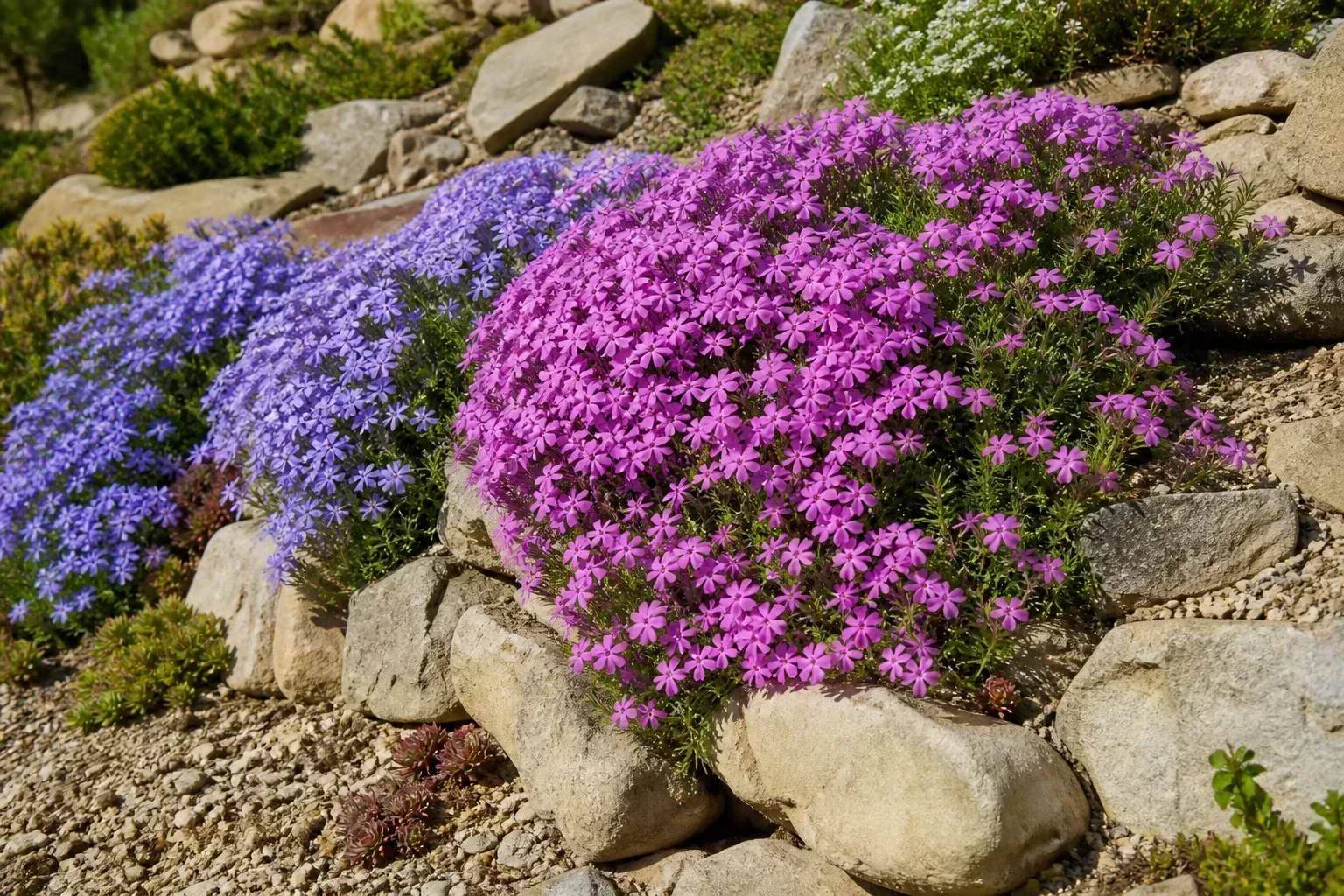
Creeping phlox and sunflowers solve opposite design problems. Creeping phlox makes a low spring carpet that can soften a sunny rock edge or spill over a low wall; it needs drainage and can thin in a damp, shaded site. It is not a fast fix for every bare patch, and it should be spaced according to its mature spread so neighboring plants do not smother it.
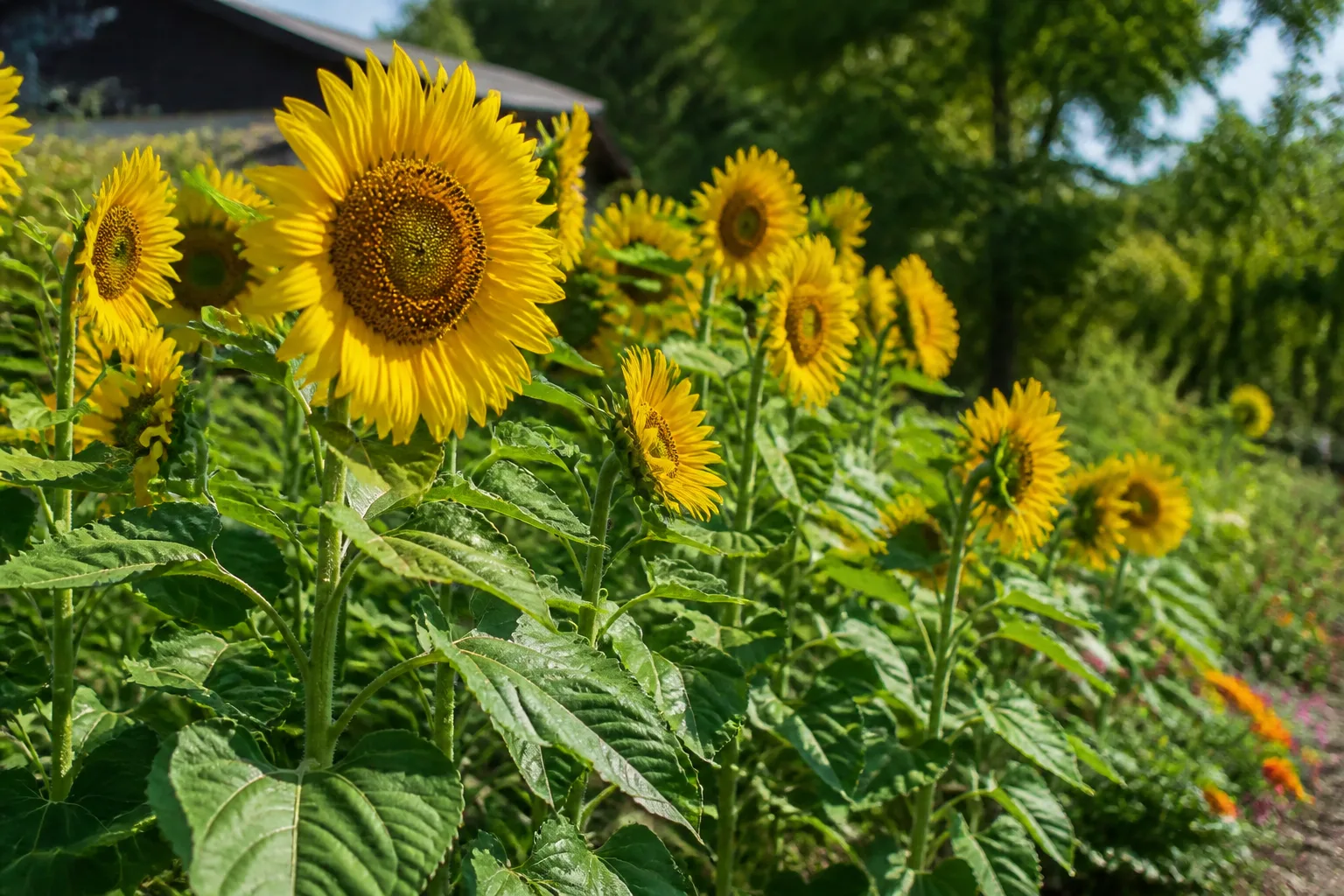
Sunflowers bring height, a strong focal point, and potential seed production, but the word covers compact branching plants as well as tall single-stem varieties. Choose by mature height, branching, and whether you want cut flowers, a screen, or edible seed. Sow after frost in a sunny location, and support only the varieties that need it or those planted in windy, exposed ground.
A short variety can fit a container; a towering cultivar may shade vegetables and overwhelm a small bed.
Bee balm and agastache — best pollinator pairing
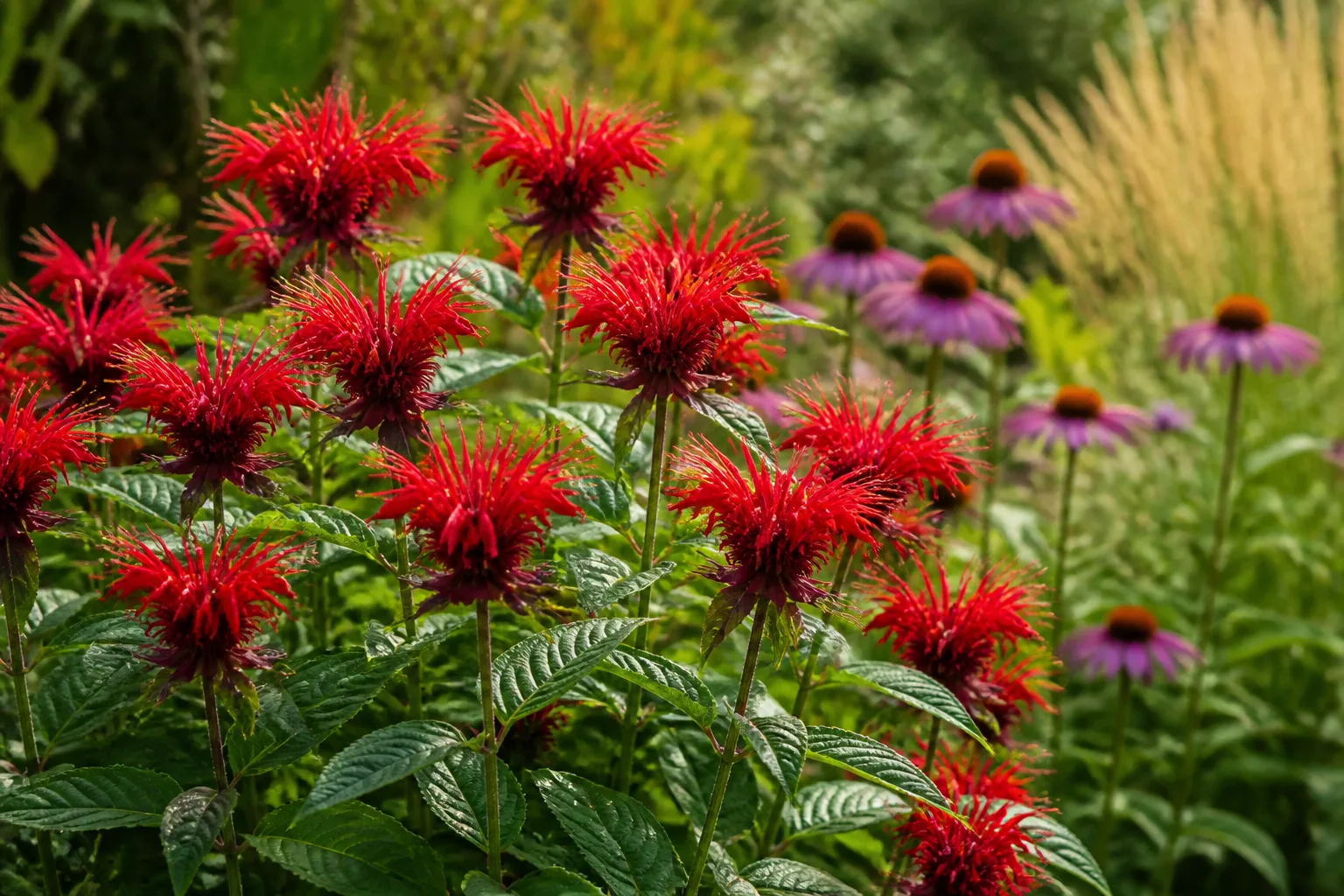
Bee balm and agastache can extend a pollinator planting with tubular flowers that draw bees, butterflies, and hummingbirds. They are not interchangeable: Monarda often likes more consistent moisture and can spread by rhizomes, while agastache species and cultivars vary in hardiness and may be better suited to drier, sharply drained sites. Check the plant label and local recommendations instead of assuming one care plan fits both.
Bee balm belongs to the mint family and can spread, so give it room or choose a contained position. Better Homes & Gardens describes bee balm as a fast-spreading perennial and recommends allowing for its mature footprint. The NC State Extension profile for scarlet bee balm describes that species as a rapidly spreading perennial for moist, well-drained soil; it also notes that flowers attract bees, hummingbirds, and butterflies.
Those details apply to scarlet bee balm, not automatically to every Monarda cultivar.
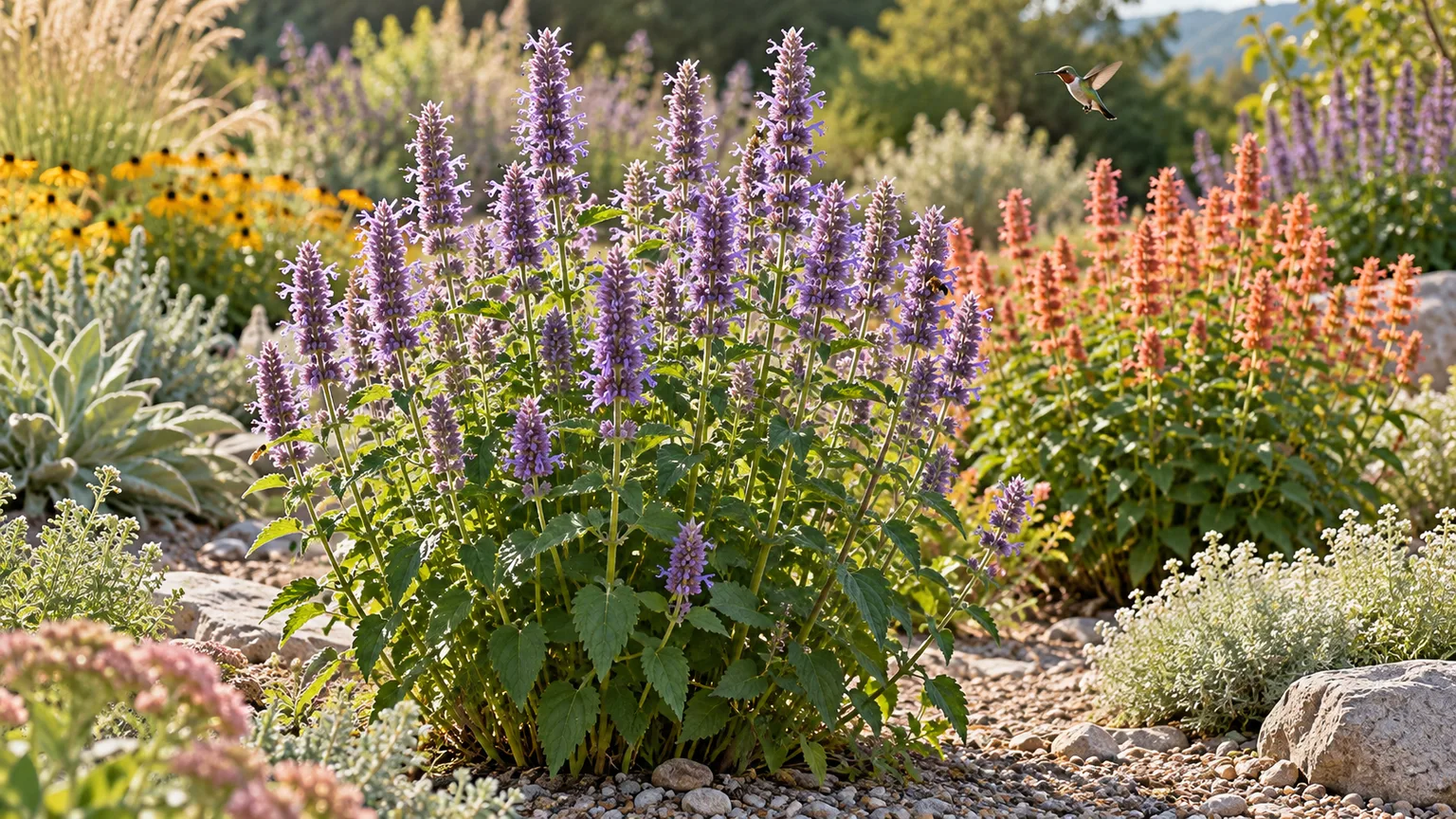
Crowding and poor airflow can worsen powdery mildew; plant with space, water the soil rather than repeatedly wetting foliage, and remove infected debris. Agastache can be a useful drier-site choice once established, but its winter survival varies, so verify the species or cultivar for your region. Neither plant can guarantee wildlife visits; flower access, season, nearby habitat, and pesticide use all matter.
Match each pick to your actual garden
Use the plant’s constraints as a filter before its award title. A quick comparison helps narrow the shortlist:
| Garden need | Good starting picks | Check before buying |
|---|---|---|
| A sunny bed with summer color | Dahlia, zinnia, snapdragon | Frost timing, watering, mature height |
| A shady foliage anchor | Hosta, bleeding heart | Soil moisture, summer dormancy, deer |
| Spring color | Tulip, bleeding heart, peony | Bulb drainage, light, planting depth |
| Edible harvest | Tomato, pepper | Warmth, spacing, support, crop rotation |
| Warm-climate patio color | Bougainvillea | Frost protection, thorns, pot size |
| Low flowers for an edge | Creeping phlox | Sun, drainage, mature spread |
| Pollinator activity | Bee balm, agastache, single dahlias | Local suitability, bloom access, airflow |
Use your local frost dates to time tender annuals, vegetables, and dahlias, and check a perennial’s hardiness against your region before buying. Better Homes & Gardens recommends checking zone suitability before purchasing a perennial; that check screens for winter survival, but it does not replace observation. A south-facing wall can be much hotter than the rest of your yard, and a low pocket may collect cold air or water.
The plant label’s zone range is a starting point, not a promise that the plant will thrive in every microclimate.
Plan for the work after planting
“Easy” depends on what you find easy. A zinnia may be simple to sow but needs replacement each year; a dahlia can bloom for months but may require staking, regular summer water, and winter tuber storage. A hosta may return reliably but need deer protection, while a miniature rose rewards attention to pruning, airflow, and pests.
Choose the workload you will actually do, not the maintenance level you hope you might have in July.
Group plants with similar needs so the garden is easier to water and care for. Put moisture-loving hydrangeas where you can reach them with a hose, keep drought-tolerant agastache away from beds that get frequent irrigation, and leave enough space between plants for mature growth. Add labels or a simple map for bulbs and perennials that disappear after flowering.
These small steps prevent accidental overwatering, unnecessary digging, and the yearly question of what went where.
Conclusion
The 2025 favorites are most useful as a menu of different garden roles, not a universal list of winners. Dahlias deliver a dramatic summer display, hostas anchor shade, tomatoes and peppers supply food, and bee balm and agastache add pollinator-friendly flowers—but each succeeds only when its climate, light, drainage, and maintenance needs fit the site.
Start with one sunny or shady bed you want to improve, measure its light and space, and select a short combination that covers more than one season. Read the cultivar label before you buy, especially for hardiness, mature size, and pruning needs. A few well-matched plants will usually make a stronger garden than trying to grow every favorite at once.